• Global CNC market projected to reach $128B by 2028 • New EU trade regulations for precision tooling components • Aerospace deman
NYSE: CNC +1.2%LME: STEEL -0.4%

CNC Programming errors that cause repeat dimension drift
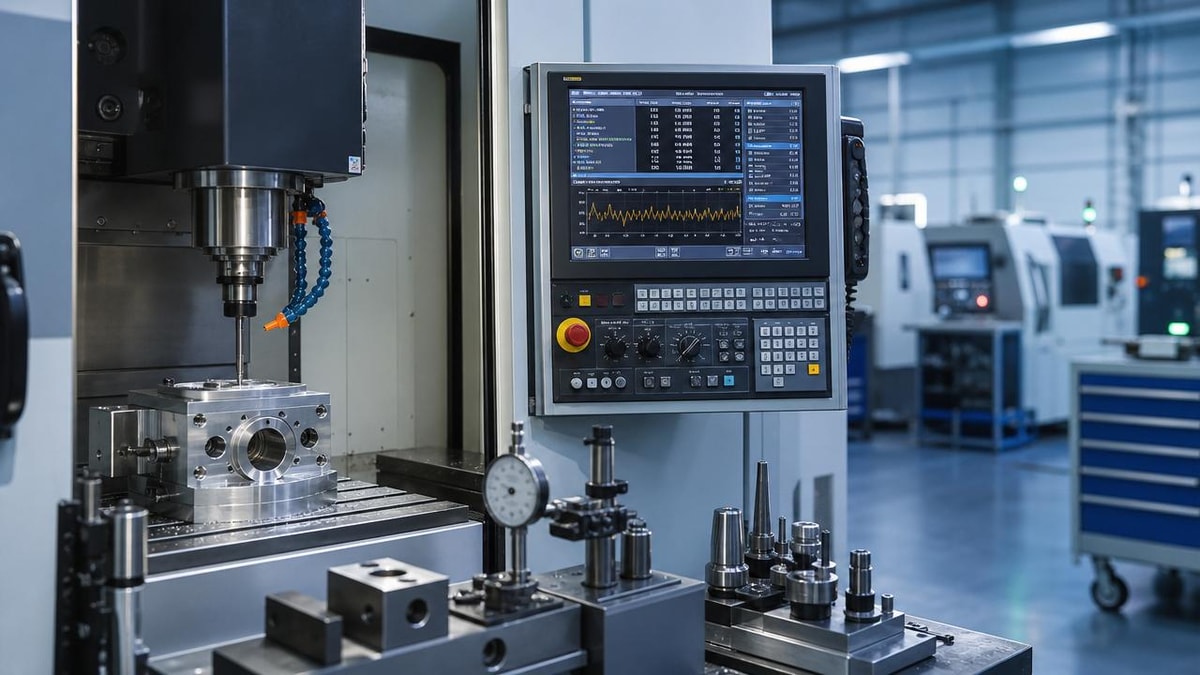
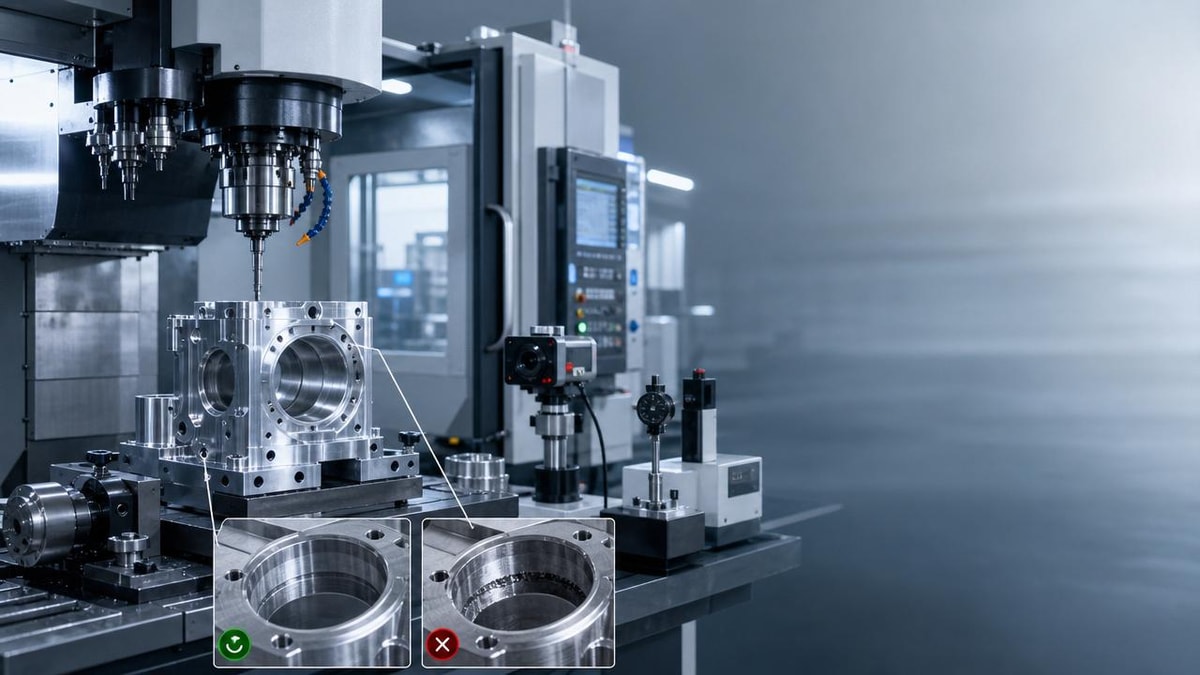
Even on a stable machine, small CNC Programming mistakes can trigger repeat dimension drift that quietly undermines quality, traceability, and process safety. For quality control and safety teams, understanding how offsets, compensation logic, tool data, and program structure interact is essential to preventing recurring part variation and avoiding costly production risks.
Why repeat dimension drift must be judged by production scenario
Not every dimensional problem comes from spindle wear, thermal growth, or fixture instability. In many factories, repeat drift appears only after a batch restart, only on one revision of a part family, or only when a second operator loads a similar program. These patterns often point back to CNC Programming rather than hardware failure. For quality control personnel, the risk is that drift may look random on inspection reports while actually being fully repeatable inside the code logic. For safety managers, the same programming weakness that shifts a diameter or hole location can also lead to collision exposure, overtravel, or unsafe rework habits.
The reason scenario matters is simple: the programming error behind repeat dimension drift is rarely universal. A high-mix job shop faces different risks than a dedicated automotive line. A medical component cell using strict tool life controls sees different failure modes than a large structural machining process with long cycle times and heavy thermal load. The best prevention plan therefore starts with identifying where the drift appears, when it appears, and what business conditions surround it.
Common business scenarios where CNC Programming causes hidden drift
High-mix, low-volume production
In mixed production environments, operators frequently switch between similar part numbers, fixtures, and tools. Here, CNC Programming errors often come from reused subprograms, inherited work offsets, and manual edits made to save setup time. The drift may show up as one feature gradually moving out of tolerance from lot to lot, even though first-piece approval passes. Quality teams should pay special attention to shared macros, local versus common variables, and whether probe routines overwrite active coordinate systems without reset logic.
Mass production with frequent tool replacement
In high-volume environments, a program may run reliably for long periods, but repeated dimension drift starts after offset updates during tool changes. This is often caused by poor compensation strategy in CNC Programming. If wear offset intent is mixed with geometry offset intent, or if an automated presetter value is entered in the wrong field, dimensions can move in a predictable but damaging direction across many parts before detection. For QC staff, trend charts by tool life stage are critical. For safety teams, unauthorized offset edits during production should be treated as a controlled-risk event, not a routine shortcut.
Multi-axis and complex contour machining
Complex machining adds another layer: tool center point control, rotary axis orientation, and post-processor output. In this scenario, repeat dimension drift may stem from incorrect transformation logic, inconsistent safe plane use, or compensation being applied twice. Because these parts often have difficult inspection paths, drift can remain hidden until assembly problems occur. CNC Programming reviews in this context should include simulation validation, post-output comparison, and confirmation that machine kinematics match the program assumptions.
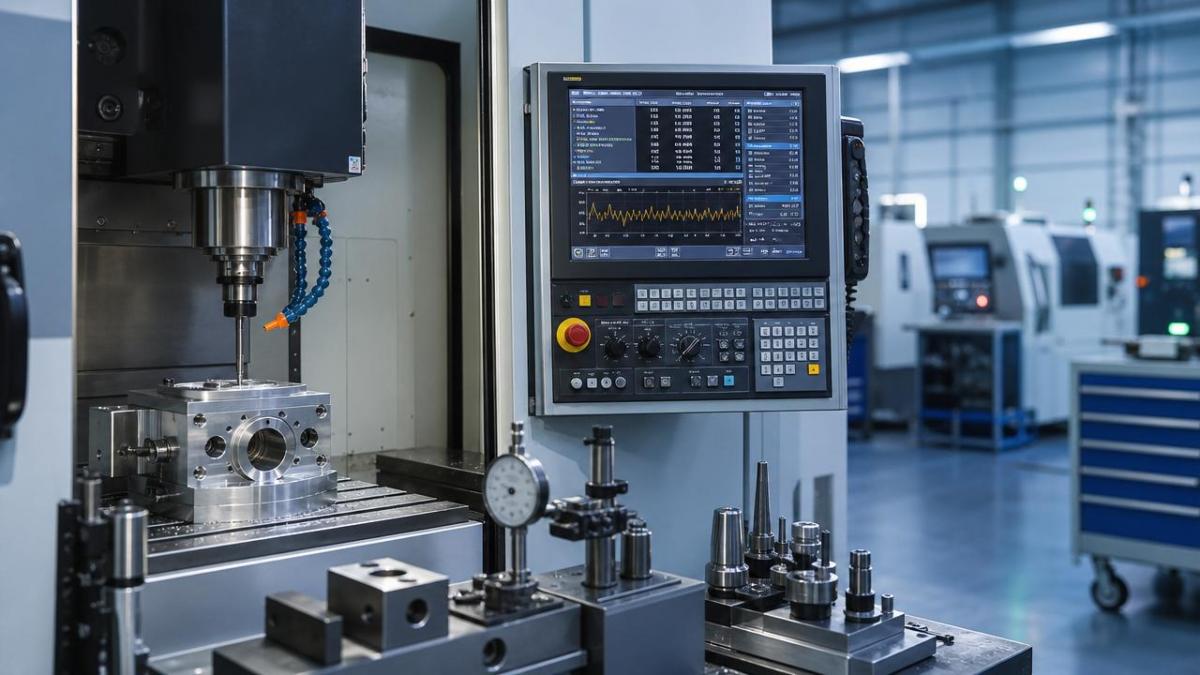
Scenario comparison: where the drift comes from and what each team should check
The table below helps quality and safety personnel evaluate CNC Programming risks according to actual production conditions rather than generic troubleshooting lists.
The programming mistakes most likely to create repeat dimension drift
Offset logic that is technically valid but operationally unsafe
One of the most common CNC Programming failures is not an obvious syntax error, but a valid instruction used in the wrong control sequence. Examples include calling the wrong work coordinate, failing to cancel temporary shifts, or applying local coordinate moves without a clean reset. These mistakes are dangerous because the machine runs normally while dimensions move consistently. In inspection data, this often appears as repeatable bias rather than random spread.
Compensation stacking
Radius compensation, tool wear compensation, macro-based correction, and CAM-applied stock adjustment can accidentally stack. In a busy production environment, different people may assume each layer is the only active correction. The result is incremental drift after every approved adjustment. This scenario is especially common when older programs are adapted to newer controls or when separate shifts use different compensation habits.
Incorrect tool data governance
A CNC Programming strategy is only as stable as the tool data structure supporting it. If sister tools, broken tool recovery, or preset data imports are not mapped consistently, the program may call a valid tool number linked to outdated geometry. The part then drifts in a repeated pattern that seems mechanical but actually follows data handling rules. Quality teams should compare offset history with part trend history before blaming the machine.
Program restart points that bypass critical initialization
Many drift events begin after a stop, alarm recovery, or mid-cycle restart. If restart procedures skip offset initialization, spindle state confirmation, probing confirmation, or compensation cancellation, the next cycle may begin from a different dimensional baseline. This is a major scenario for safety managers because recovery pressure often leads operators to restart from convenience points rather than validated blocks.
How demand differs for quality control and safety management
Although both groups care about repeat dimension drift, their decision criteria are not identical. Quality control focuses on variation detection, traceability, and containment speed. Safety management focuses on exposure created by unstable restart practices, offset tampering, and collision-prone code structures. Effective CNC Programming control should satisfy both.
Scenario-based recommendations for preventing CNC Programming drift
If your plant runs many similar parts
Create family-level programming standards. Similar parts should not mean copied code with hidden legacy logic. Standardize work offset naming, define where temporary shifts are allowed, and force variable reset at cycle start. Add a pre-release checklist for all edited subprograms. This reduces the chance that one quick engineering change creates repeat dimension drift across multiple SKUs.
If your line depends on high throughput
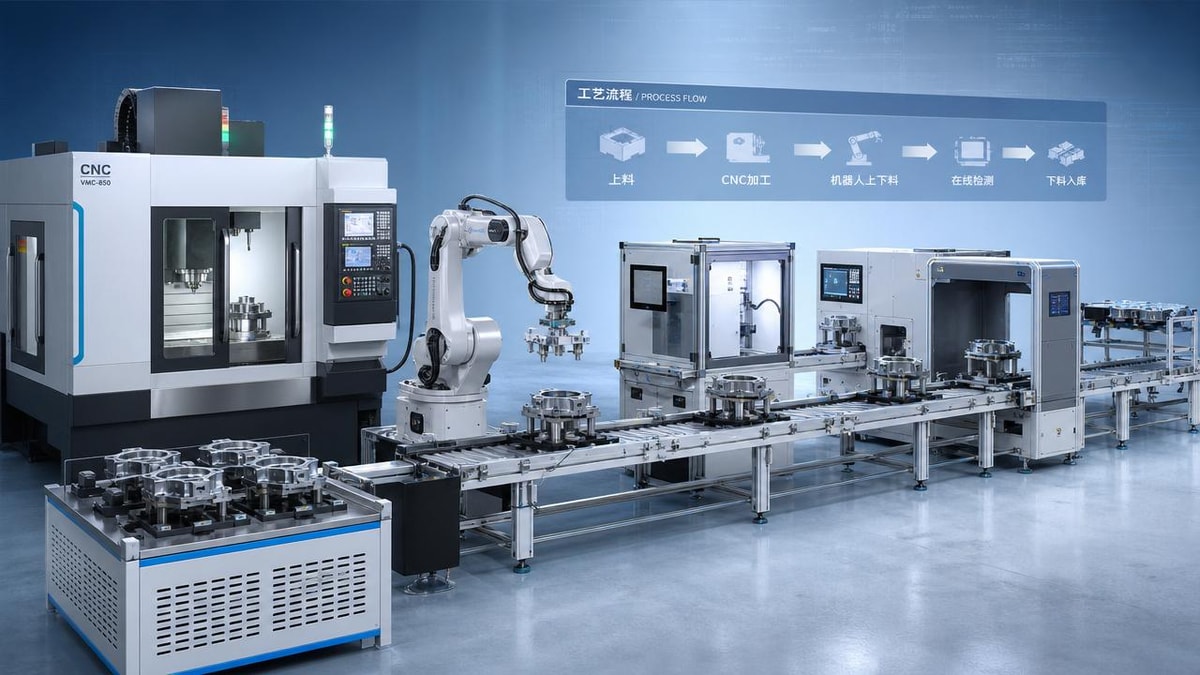
Limit manual correction authority. In high-speed production, many small offset edits look harmless individually but combine into major drift. Build guardrails into CNC Programming and shop-floor procedure: separate wear offsets from master geometry, require reason codes for edits, and compare post-change dimensions at short intervals. This keeps process capability stable without slowing output excessively.
If you use probing or automation heavily
Treat probe routines as safety-critical code. Verify sign convention, active coordinate system, update target, and alarm conditions when data is out of expected range. Many plants trust probing automatically, but one wrong variable assignment in CNC Programming can shift every subsequent part in the same direction with excellent repeatability and poor correctness.
If parts are expensive or hard to inspect
Use simulation, staged approval, and restart validation. Where dimensions are buried, contoured, or only confirmed later in assembly, the cost of hidden drift is much higher. In these scenarios, CNC Programming changes should trigger not just code review but also risk review: what dimensions could drift, when would drift be detected, and how many parts could escape before containment?
Common misjudgments that delay root cause finding
A frequent mistake is assuming that repeat dimension drift must be caused by machine condition because the deviation is consistent. In reality, consistency often indicates deterministic program behavior. Another misjudgment is focusing only on the final tool path while ignoring initialization blocks, probing routines, and restart sequences. Many severe drift issues are born before cutting begins. A third weak point is poor revision governance: when operators, programmers, and engineers each hold slightly different copies of a program, traceability collapses and quality investigations slow down.
For comprehensive manufacturing operations, these errors affect more than scrap cost. They can distort capability studies, create false preventive maintenance actions, trigger unnecessary tool changes, and encourage unsafe interventions on otherwise stable equipment. That is why CNC Programming should be reviewed as part of both process quality and operational risk management.
Practical action plan for your own scenario
Start by mapping where drift appears: after setup, after tool change, after restart, after program revision, or only on certain machines. Then compare that pattern to the programming structures involved: offsets, compensation, variables, probe logic, and restart blocks. Next, classify the business scenario. Is your risk driven by high mix, high volume, complex geometry, or automation dependence? The answer determines which controls should come first.
For quality control teams, the highest-value move is linking dimensional trend data to offset and revision history. For safety managers, the highest-value move is reviewing restart and edit authority around CNC Programming. When both groups work from the same scenario-based view, repeat dimension drift becomes easier to predict, detect, and prevent before it escalates into escapes, downtime, or hazardous intervention.
If your operation is seeing recurring part variation with no clear mechanical root cause, now is the right time to review CNC Programming by application scenario rather than by code syntax alone. That approach is far more effective for identifying the real trigger conditions, choosing the right controls, and protecting precision manufacturing performance across demanding production environments.
PREVIOUS ARTICLE
NEXT ARTICLE
Recommended for You
 Industrial Robotics payback depends on one hidden variableManufacturing Market Research Center
 Shaft Parts machining problems linked to concentricity lossCNC Machining Technology Center
 Production Process changes that quietly raise defect ratesCNC Machining Technology Center
 Industrial Automation projects stall without process mappingCNC Machining Technology Center
 CNC metal cutting heat issues behind poor surface finishCNC Machining Technology Center
 High precision lathe claims that deserve a closer lookMachine Tool Industry Editorial Team

Aris Katos
Future of Carbide Coatings
15+ years in precision manufacturing systems. Specialized in high-speed milling and aerospace grade alloy processing.
▶
CNC Programming errors that cause repeat dimension driftCNC Machining Technology Center▶
CNC milling chatter problems that show up in thin wallsCNC Machining Technology Center▶
CNC production delays often start with setup planningCNC Machining Technology Center▶
CNC metalworking mistakes that lead to scrap partsCNC Machining Technology Center▶
CNC Programming Errors That Lead to Scrap on Repeat JobsCNC Machining Technology Center
Mastering 5-Axis Workholding Strategies
Join our technical panel on Nov 15th to learn about reducing vibrations in thin-wall components.

Providing you with integrated sanding solutions
Before-sales and after-sales services
Comprehensive technical support