• Global CNC market projected to reach $128B by 2028 • New EU trade regulations for precision tooling components • Aerospace deman
NYSE: CNC +1.2%LME: STEEL -0.4%

CNC metal cutting burr problems and what usually causes them
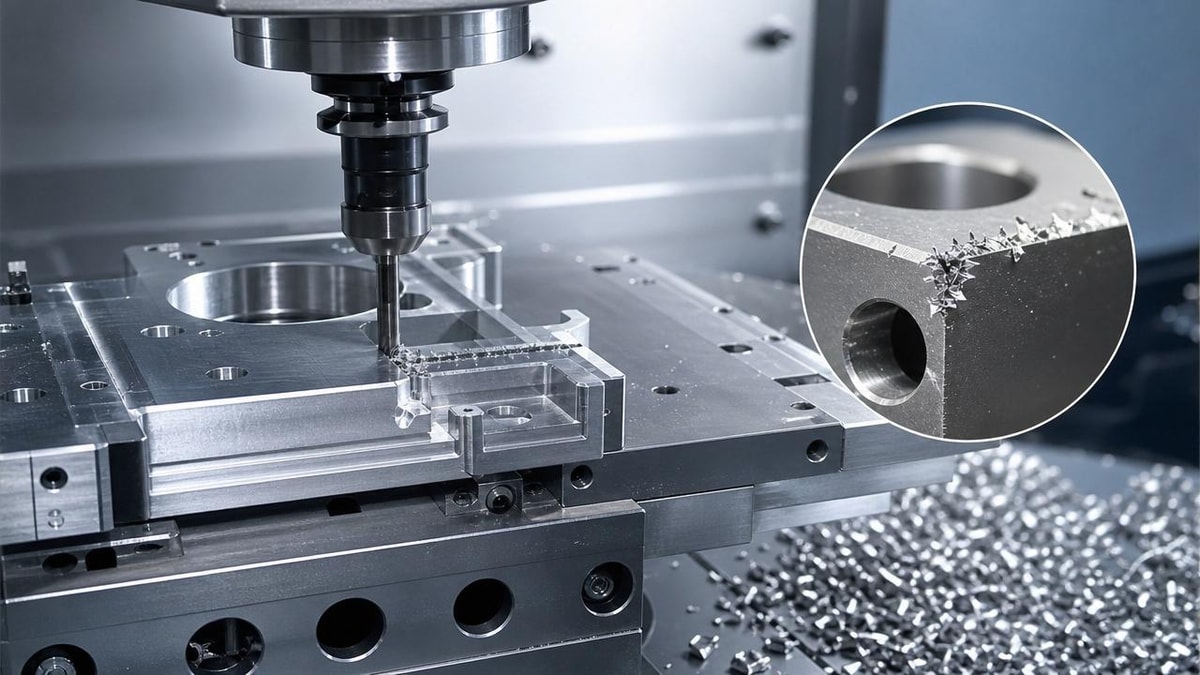
In CNC metal cutting, burr problems are more than a surface defect—they can affect part accuracy, assembly quality, tool life, and production efficiency. For machine operators and shop-floor users, understanding what usually causes burrs is the first step toward reducing rework and improving machining stability. This article looks at the common reasons behind burr formation and practical ways to control it in daily production.
What exactly is a burr in CNC metal cutting, and why do operators care so much?
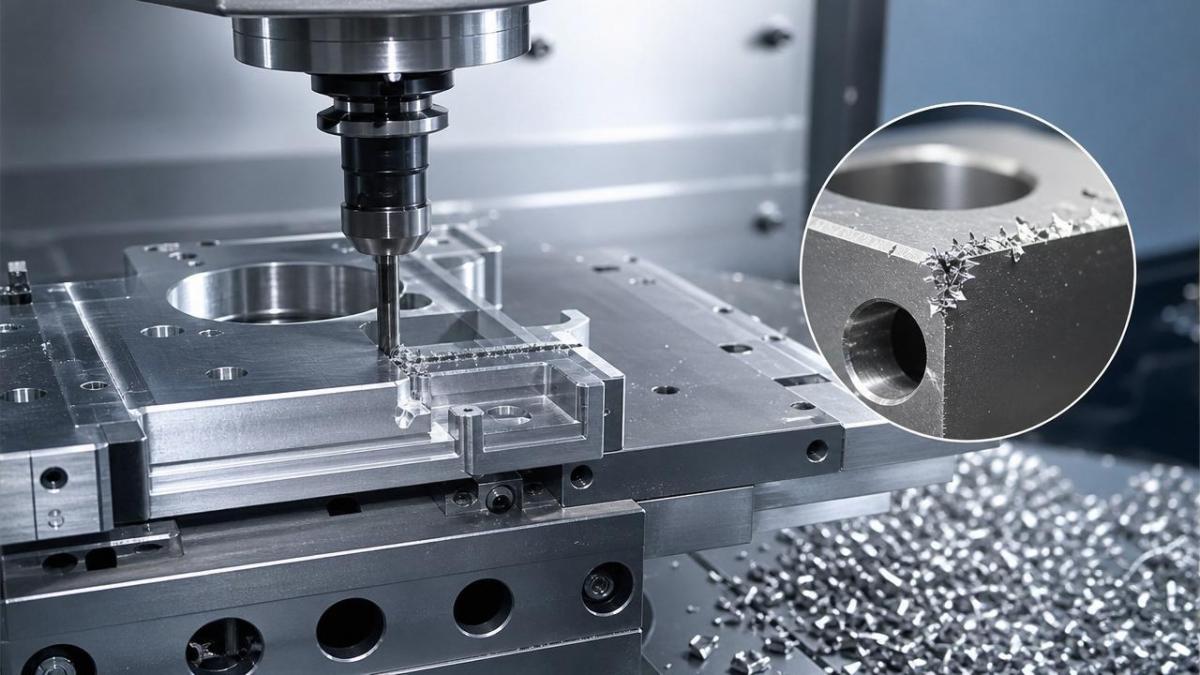
A burr is unwanted material that remains attached to the edge of a machined part after cutting. In CNC metal cutting, burrs often appear at exit edges, drilled holes, milled corners, slot ends, or intersections between features. They may look small, but they matter because they can change part fit, interfere with sealing surfaces, create safety hazards for handling, and increase deburring time.
For operators, burrs are not just a quality issue for inspection. They also signal that something in the process is not fully balanced. The cause may come from tool wear, poor support, unstable cutting parameters, material behavior, or even chip evacuation. If burrs keep increasing during a shift, that usually means the process window is narrowing. In a high-volume production line, even a small burr can become a costly bottleneck when extra hand finishing, tool changes, or part rejection starts to add up.
Different burr types also suggest different problems. A thin feather burr may point to edge deformation and rubbing. A heavy rollover burr often indicates poor exit support or excessive plastic flow. A sharp breakout burr can suggest weak material support, vibration, or a sudden loss of cutting stability. Learning to read burr shape helps operators react faster and make better adjustments on the machine.
What usually causes burrs during CNC metal cutting?
The most common burr causes in CNC metal cutting are not random. In many shops, the same few factors appear again and again. Burrs form when metal is not cut cleanly and instead deforms, tears, or folds at the edge before separation. That can happen for several reasons working alone or together.
First, tool condition is one of the biggest causes. A dull cutting edge pushes material instead of shearing it cleanly. As flank wear, edge rounding, or built-up edge increases, burr size usually grows. Second, cutting parameters matter. If feed, speed, or depth of cut do not match the tool and material, the cut may become too aggressive or too light. Too much rubbing, too much heat, or poor chip formation can all increase burr formation.
Third, workpiece material plays a major role. Softer and more ductile metals such as aluminum, low-carbon steel, copper alloys, and some stainless steels tend to deform more before separating. This makes burr control harder than with more brittle materials. Fourth, lack of rigidity is another major cause. If the setup, fixture, spindle, holder, or tool extension allows vibration, the edge quality suffers. Chatter and micro-deflection often produce inconsistent burrs that are difficult to control with parameter changes alone.
Fifth, edge exit conditions matter a lot. Burrs often become worst where the tool leaves the material. When support drops away at the edge, the remaining metal can bend instead of shear. This is common in drilling breakthrough, milling external profiles, and machining thin walls. Finally, chip evacuation and coolant condition should not be ignored. If chips recut, weld to the edge, or remain trapped in a slot or hole, surface finish and burr condition can quickly get worse.
How do tool wear, geometry, and cutter choice affect burr formation?
Tooling has a direct effect on burr behavior in CNC metal cutting. Operators often focus on whether a tool is still cutting, but burr quality may become unacceptable long before the tool completely fails. A tool can still hold size while already producing more rollover, tearing, or secondary burrs at edges.
Sharpness is the first concern. A sharper edge shears material more cleanly, while a worn or honed edge increases plowing. Geometry also matters. Rake angle, edge preparation, helix design, point angle in drills, and chipbreaker style all influence how the material separates. In soft, gummy materials, a geometry that prevents built-up edge is especially important. In harder alloys, stability and edge strength may matter more than extreme sharpness.
Cutter choice should match the feature and the material. For example, a drill that breaks through a thin section may leave a large exit burr if the point geometry is not suitable. A general-purpose end mill may produce more burrs on finishing passes than a tool designed for clean edge finishing. If a part repeatedly shows burrs at the same location, the answer may not be only changing feed and speed. It may require a different insert geometry, a sharper grade, a finishing tool, or a dedicated chamfer pass built into the process.
Can cutting parameters and tool path strategy make burrs better or worse?
Yes, very often. In CNC metal cutting, burrs are strongly influenced by how the tool enters, cuts, and exits the material. Operators sometimes change spindle speed first, but the better answer may be adjusting chip load, radial engagement, finishing allowance, or tool path direction.
If feed is too low, the edge may rub more than cut, especially with worn tools or tough materials. That increases heat and smearing, both of which can make burrs worse. If feed is too high for the setup, the material may deform excessively at the exit edge. Surface speed also matters. Too much speed can raise temperature and encourage built-up edge in some materials, while too little speed can reduce cutting efficiency and cause unstable shearing.
Tool path strategy is another major factor. In profile milling, climb milling often gives better edge quality than conventional milling, depending on the part and machine condition. A light finishing pass can reduce burr size when roughing leaves unstable material at the edge. In drilling, peck cycle choice, backing material, and breakthrough control can reduce exit burrs. In slotting or pocketing, avoiding chip recutting and leaving a controlled finishing wall can improve results. For thin parts, reducing tool pressure near unsupported edges is often more effective than simply slowing down the cut.
A useful shop-floor habit is to compare burrs by feature and by process stage. If roughing creates the damage and finishing only reveals it, parameter changes should start earlier in the cycle. If burrs appear mainly after the finishing pass, then the finish cut itself, not the entire program, may need adjustment.
Why do some materials and part shapes produce burrs more easily?
Material ductility is one key reason. In CNC metal cutting, highly ductile materials tend to stretch and fold before they break away, which naturally creates burrs. Aluminum alloys, mild steel, and certain stainless grades are common examples. Materials with work-hardening behavior may also become more difficult if the cutting edge starts rubbing instead of shearing.
Part geometry also changes the risk level. Thin walls, narrow ribs, cross-holes, slots near free edges, and interrupted cuts often leave less support for the final separation of material. That is why a stable process on a thick block may show burr issues on a lightweight aerospace bracket or a small electronics component. The same tool and parameters may behave differently because the local stiffness of the part is different.
Heat concentration in small features adds another challenge. In deep pockets, holes, and closed slots, chip evacuation becomes more difficult, and the cutting zone may run hotter. That can change how material flows at the edge. Operators should therefore avoid assuming that all burrs come from tool wear alone. Sometimes the true cause is a specific feature that traps chips, flexes under load, or creates a weak exit edge.
What are the most common operator mistakes when trying to fix burr problems?
One common mistake is treating deburring as the only solution. If a process constantly makes heavy burrs, adding more manual deburring time only hides the root cause and raises labor cost. Another mistake is changing too many variables at once. If speed, feed, coolant, tool, and offset are all changed together, it becomes difficult to know what actually improved the result.
A third mistake is ignoring tool life trends. Some operators react only when burrs become severe, but the better approach is to track when burr growth starts. A fourth mistake is focusing only on the burr itself and not the edge condition around it. Smearing, discoloration, chip marks, chatter patterns, and size variation often tell the bigger story. Finally, many burr issues are caused by weak clamping or excessive tool extension, but these are sometimes overlooked because the machine still appears to be running normally.
The best practice is to troubleshoot in a controlled order: confirm burr location, compare first-off and later parts, inspect the tool, review the exact path where the burr forms, and then adjust one process factor at a time. This method saves time and creates a repeatable response for future jobs.
What practical steps can reduce burrs in daily CNC metal cutting production?
For daily production, burr reduction works best when operators use a simple checklist rather than relying on guesswork. Start with tool condition. Replace tools before burr growth becomes extreme, not after. Check whether the selected geometry is truly suitable for the material. Next, review cutting parameters for clean chip formation rather than only cycle time. Stable chips and stable edges usually go together.
Then look at rigidity. Shorter tool overhang, stronger clamping, and better support near exit edges can dramatically reduce burrs. Improve coolant direction and chip evacuation, especially in holes, pockets, and slots. Where needed, adjust the process plan itself. A spring pass, a dedicated finishing pass, a breakout support method, or a small programmed chamfer may be more efficient than repeated secondary deburring.
It is also useful to standardize burr inspection. Define where burrs are acceptable, where they are not, and what level triggers tool replacement or process correction. In automotive, aerospace, electronics, and general precision manufacturing, this kind of control helps protect both quality and throughput.
Quick shop-floor checklist for burr control
- Inspect cutting edges for wear, chipping, and built-up edge.
- Verify feed and speed against material and tool maker guidance.
- Reduce overhang and improve fixture support near critical exits.
- Check chip evacuation and coolant delivery at the actual cutting zone.
- Review tool entry and exit strategy, especially on thin or unsupported features.
- Record when burr size starts to change during tool life.
What should you confirm first if burr problems keep returning?
If burr problems in CNC metal cutting keep coming back, the first step is to confirm whether the issue is consistent or random. A consistent burr at the same edge usually points to process design, tool path, geometry, or support condition. A random burr often points to instability, wear variation, chip buildup, or setup inconsistency between batches.
From there, confirm five things: the exact feature location, tool condition at the time of occurrence, material batch differences, fixture repeatability, and whether the burr appears at entry, mid-cut, or exit. These questions give a clearer starting point for improvement than simply asking for a faster deburring method. If further action is needed, the most useful points to discuss with a tooling supplier, process engineer, or machine partner are the material grade, feature shape, burr location, current cutting data, tool life pattern, and inspection limit. That information makes it much easier to recommend a practical solution, estimate implementation time, and decide whether a small process adjustment or a larger tooling change is the better next step.
PREVIOUS ARTICLE
NEXT ARTICLE
Recommended for You
![]() ANVISA New Rule: Portuguese Biocompatibility Labels for Medical CNC Machines in BrazilManufacturing Policy Research Center
ANVISA New Rule: Portuguese Biocompatibility Labels for Medical CNC Machines in BrazilManufacturing Policy Research Center![]() EMO Hannover 2027 Booth Booking Opens: China AI-Machining Pavilion LaunchesGlobal Machine Tool Trade Research Center
EMO Hannover 2027 Booth Booking Opens: China AI-Machining Pavilion LaunchesGlobal Machine Tool Trade Research Center![]() KATS Updates KC Rules: CNC Cybersecurity Modules Must Meet IEC 62443-4-2Manufacturing Policy Research Center
KATS Updates KC Rules: CNC Cybersecurity Modules Must Meet IEC 62443-4-2Manufacturing Policy Research Center![]() Shanghai Port Launches Green Clearance Channel for CNC EquipmentManufacturing Market Research Center
Shanghai Port Launches Green Clearance Channel for CNC EquipmentManufacturing Market Research Center![]() ISO 23218-3:2026 Published: CNC Digital Twin Interoperability StandardCNC Machining Technology Center
ISO 23218-3:2026 Published: CNC Digital Twin Interoperability StandardCNC Machining Technology Center![]() Vietnam Cuts CNC Equipment Import Tariff to 3.8% from June 2026Global Machine Tool Trade Research Center
Vietnam Cuts CNC Equipment Import Tariff to 3.8% from June 2026Global Machine Tool Trade Research Center


Aris Katos
Future of Carbide Coatings
15+ years in precision manufacturing systems. Specialized in high-speed milling and aerospace grade alloy processing.
▶
CNC metal cutting burr problems and what usually causes themCNC Machining Technology Center▶
CNC cutting quality problems often start with material choiceCNC Machining Technology Center▶
CNC Metal Cutting Tool Wear Is Costing More Than You ThinkCNC Machining Technology Center▶
Why CNC Cutting Quality Drops on Thin Metal SheetsCNC Machining Technology Center▶
CNC metal cutting costs rise fast when material data is wrongCNC Machining Technology Center
Mastering 5-Axis Workholding Strategies
Join our technical panel on Nov 15th to learn about reducing vibrations in thin-wall components.

Providing you with integrated sanding solutions
Before-sales and after-sales services
Comprehensive technical support