• Global CNC market projected to reach $128B by 2028 • New EU trade regulations for precision tooling components • Aerospace deman
NYSE: CNC +1.2%LME: STEEL -0.4%

CNC Metal Cutting Tool Wear Is Costing More Than You Think
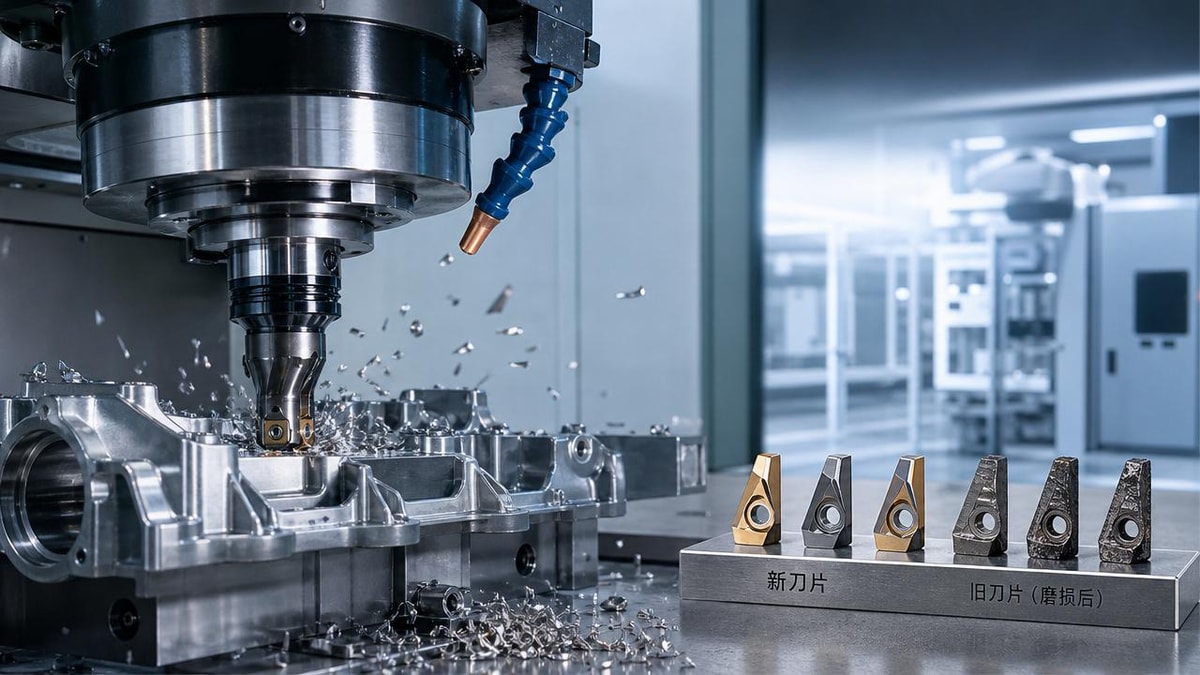
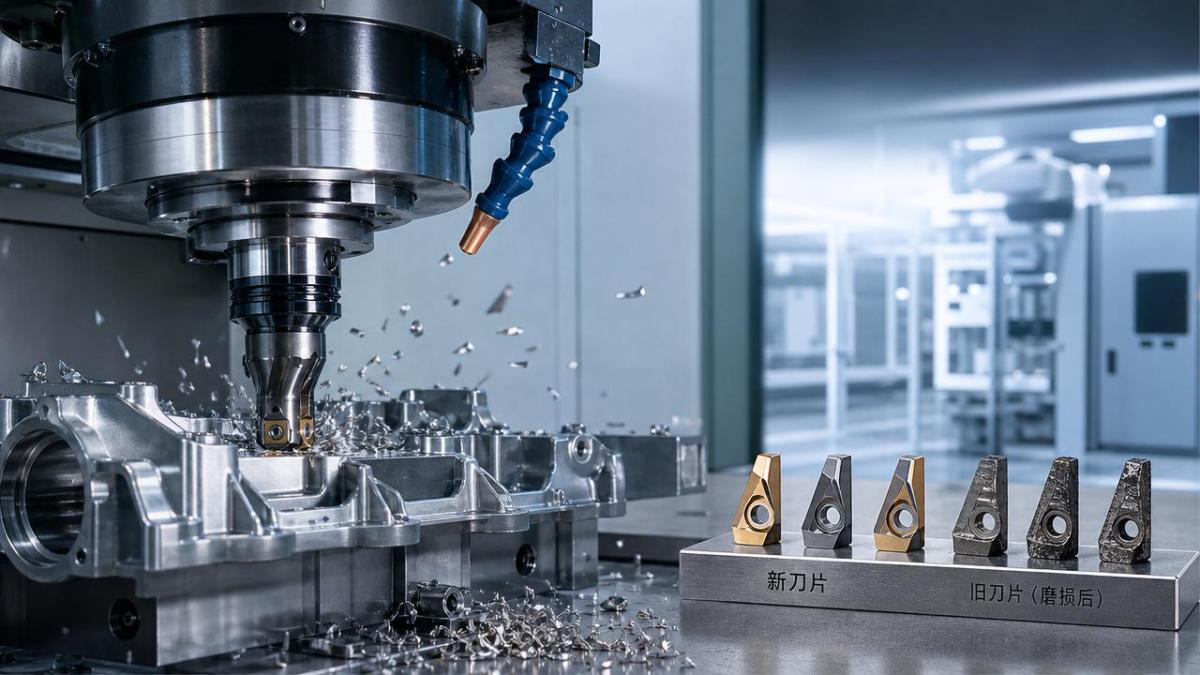
CNC metal cutting tool wear often goes unnoticed until it starts inflating scrap rates, slowing cycle times, and driving up replacement costs. For financial decision-makers, these hidden losses can quietly erode margins across high-volume production. Understanding how tool wear affects productivity, quality, and total operating cost is the first step toward making smarter, more profitable manufacturing investments.
Why Scenario Differences Matter More Than Generic Cost Estimates
In the CNC machine tool industry, the cost of CNC metal cutting is rarely determined by tool price alone. A worn insert on a low-volume prototype line may be manageable. The same wear pattern on an automotive or electronics production cell can multiply into machine downtime, overtime labor, quality claims, and delayed shipments. That is why financial approvers should evaluate tool wear by application scenario rather than by unit purchase cost.
Modern manufacturing depends on CNC lathes, machining centers, and multi-axis systems to produce parts with repeatable precision. Across aerospace, energy equipment, automotive, and industrial components, tool wear affects each operation differently. Some businesses absorb the impact through higher scrap. Others see it in unstable surface finish, rework, spindle underutilization, or inventory disruption. The same technical issue can therefore produce very different financial outcomes.
For companies operating in global precision manufacturing, a better question is not “How much do tools cost?” but “In which production scenarios is CNC metal cutting tool wear creating the biggest hidden loss?” Once that is visible, budgeting, sourcing, and process improvement become easier to justify.
Where CNC Metal Cutting Tool Wear Shows Up in Real Business Scenarios
Tool wear develops in almost every machining environment, but the financial impact changes with part mix, tolerance requirements, material hardness, lot size, and automation level. For finance teams, it helps to group CNC metal cutting operations into a few practical scenarios.
High-volume production lines
This is common in automotive, consumer electronics components, and standardized industrial parts. In this scenario, even a slight increase in wear can lengthen cycle time across thousands of pieces. The result is not only more tool purchases, but also reduced output per shift, increased machine occupancy, and rising scrap at scale. For financial approvers, this is usually the highest-priority scenario because small inefficiencies spread quickly.
High-precision, low-tolerance parts
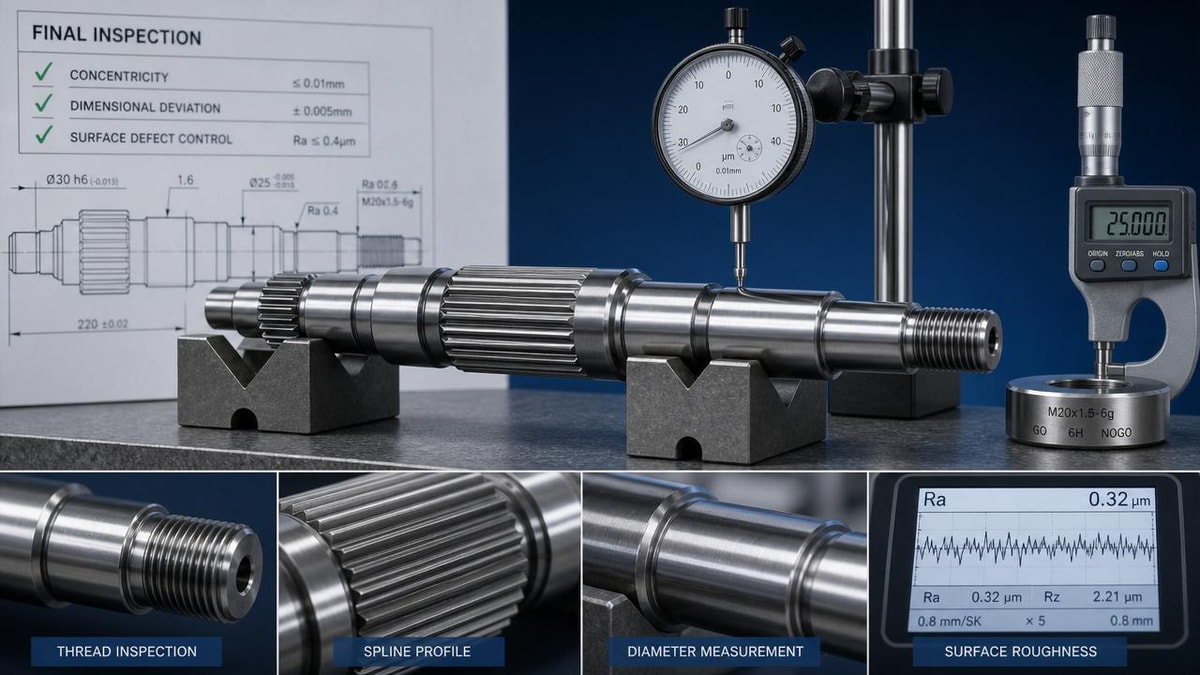
Aerospace components, medical-adjacent precision parts, and advanced equipment parts often require consistent dimensional control and superior surface finish. Here, CNC metal cutting tool wear may not show up first as catastrophic failure. Instead, it appears as subtle drift, process instability, and more frequent in-process inspection. The hidden cost is often quality assurance overhead and rejected parts with high material value.
Difficult-to-machine materials
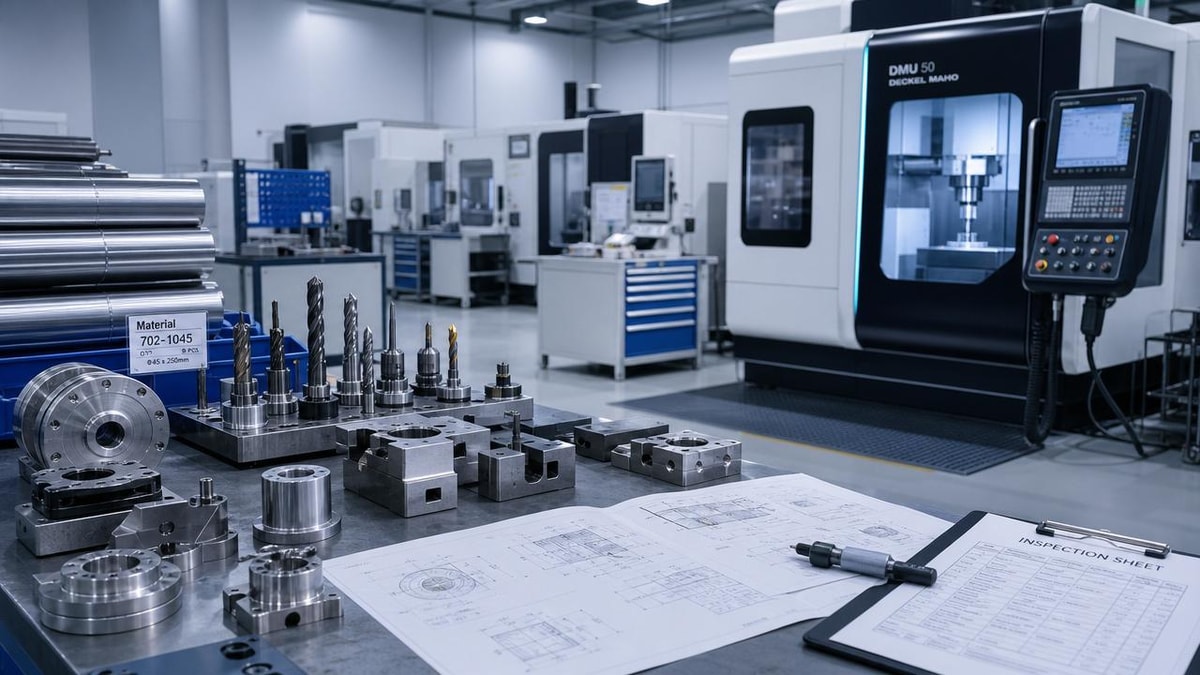
Stainless steel, titanium alloys, heat-resistant superalloys, and hardened steels create a different wear profile. Tool life may become unpredictable, forcing operators to change tools conservatively. This means companies may discard tools before full utilization just to avoid failure risk. For finance leaders, the issue is asset efficiency: are you buying more cutting capacity than the process actually extracts?
Automated and unattended machining
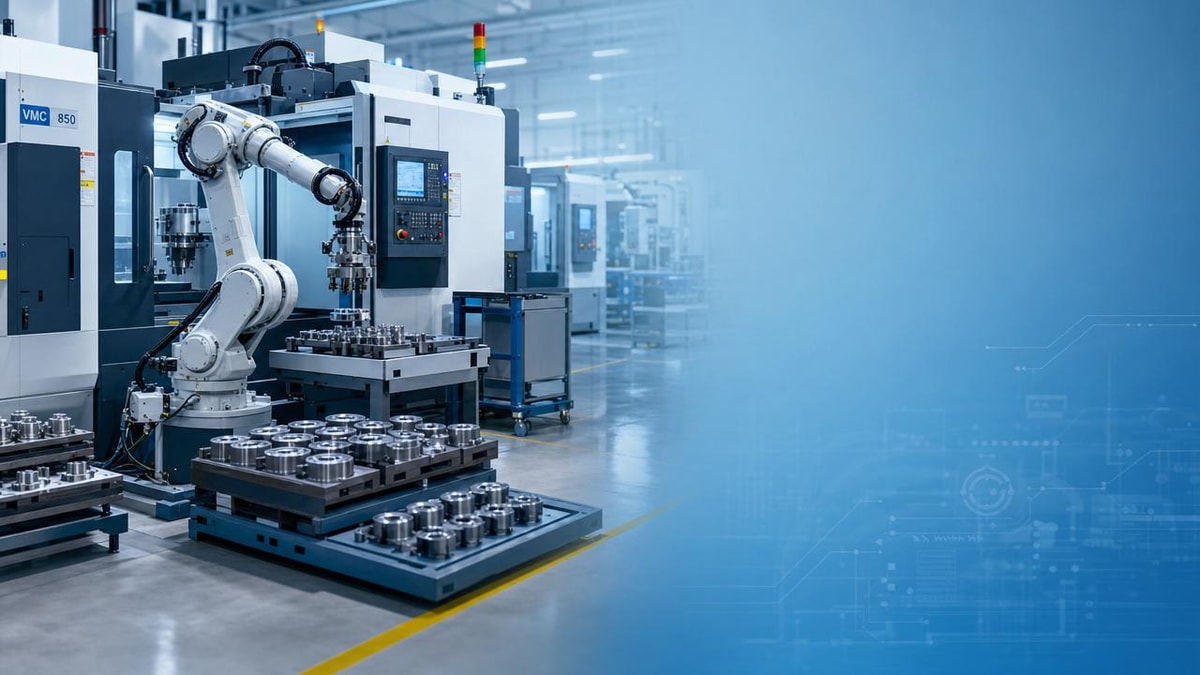
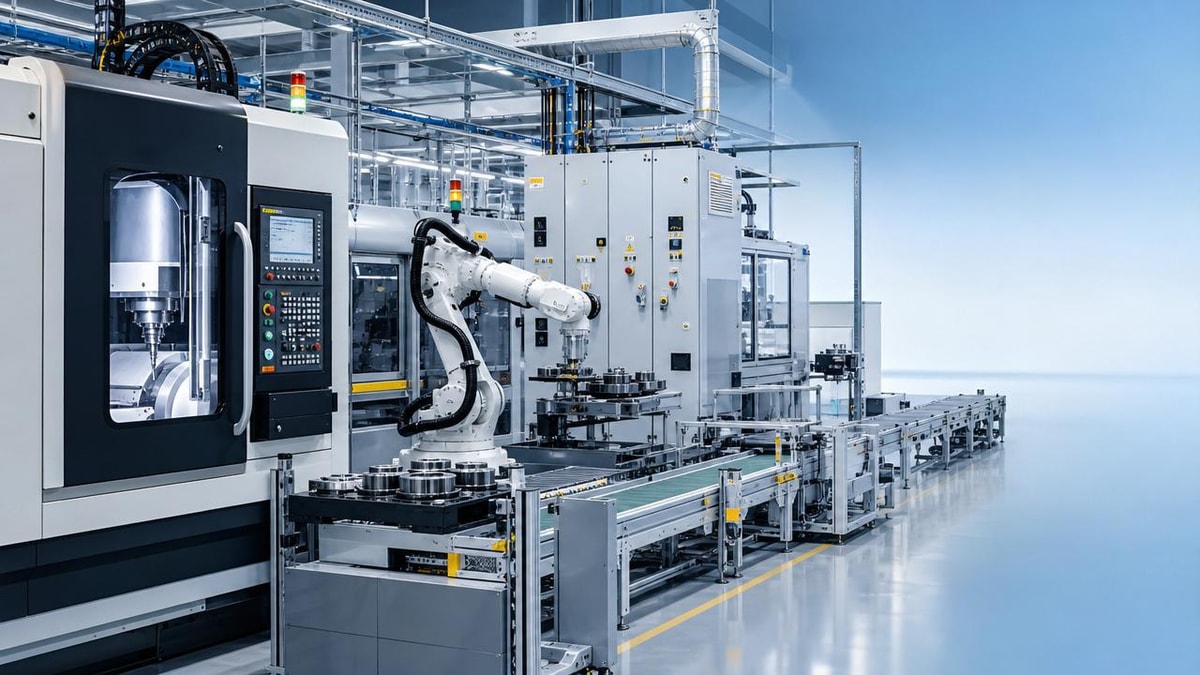
In smart factory environments, flexible lines, robotic loading, and lights-out production depend on predictable CNC metal cutting performance. Tool wear becomes a system risk rather than a local machining issue. One worn tool can stop an entire automated cell, disrupt scheduling, and trigger emergency intervention. The financial effect is magnified because labor savings from automation are lost when process stability breaks down.
Job shops and mixed-batch production
For subcontractors and custom part manufacturers, the challenge is variability. Frequent setup changes make it harder to benchmark wear, so costs hide inside quoting errors and inconsistent margins. A shop may believe CNC metal cutting is profitable overall while losing money on specific materials, geometries, or tool paths. In this scenario, financial review should focus on job-level profitability rather than annual tool spend alone.
A Practical Comparison of Common CNC Metal Cutting Scenarios
The table below helps connect machining conditions with the cost behavior of tool wear. This is often the clearest way for financial stakeholders to identify where intervention will produce the strongest return.
What Different Decision-Makers Should Watch in Each Scenario
Although engineers, production managers, and procurement teams all touch CNC metal cutting decisions, financial approvers need a narrower lens: where does wear create measurable business loss, and where can investment lower total cost rather than simply raise spending?
If your business runs high output with thin margins
Focus on throughput loss. A tool strategy that costs more per insert may still win if it reduces cycle time variation, extends predictable life, and lowers scrap. In these environments, the right benchmark is total cost per accepted part, not monthly tooling invoice value.
If your parts are expensive or difficult to replace
Focus on risk exposure. In precision CNC metal cutting, one failed tool can destroy a high-value workpiece late in the process. Here, a more conservative tool replacement plan or advanced wear monitoring may be financially justified even if nominal tool cost rises.
If your factory is investing in automation
Focus on process predictability. Automated cells convert unstable wear into downtime events that can affect several upstream and downstream operations. For these scenarios, tool management software, spindle load monitoring, and standardized change intervals often support stronger return than buying cheaper consumables.
How to Judge Whether Your Current CNC Metal Cutting Setup Is a Cost Risk
Many organizations underestimate tool wear because it is spread across departments. Maintenance sees downtime, production sees output loss, quality sees rejects, and finance sees only purchase orders. A better assessment combines these signals into a single operational cost picture.
You may have a significant hidden wear problem if several of the following conditions are true:
- Scrap rises near the end of a tool’s planned life.
- Cycle times vary between shifts or machines running the same program.
- Operators replace tools early because actual wear is unpredictable.
- Unattended machining cells require frequent intervention.
- Quoting for custom CNC metal cutting jobs often misses true tooling cost.
- Tooling purchases look stable, but profitability per part family declines.
Common Misjudgments by Scenario
The biggest errors usually come from applying the wrong evaluation logic to the wrong production context.
Mistaking low tool price for low machining cost
This is common in cost-sensitive procurement. In reality, cheaper tooling can increase change frequency, destabilize CNC metal cutting conditions, and reduce machine availability. The savings on purchase price may be insignificant compared with output loss.
Using one wear policy across all materials and parts
A single replacement interval rarely fits aluminum housings, alloy steel shafts, and heat-resistant components equally well. Scenario-specific wear thresholds are more effective than one universal rule.
Ignoring the cost of conservative replacement
Some plants avoid failure by changing tools too early. This reduces risk but can quietly increase consumable waste. In difficult CNC metal cutting operations, the right answer is often better monitoring rather than blanket early replacement.
Scenario-Based Actions That Usually Deliver the Best Return
For financial decision-makers, the goal is not to micromanage tooling but to approve changes that improve total operating economics. The most effective actions usually match the production scenario:
- For high-volume lines: measure cost per good part, not only tool spend.
- For precision parts: tie wear management to scrap prevention and inspection reduction.
- For difficult materials: compare actual tool utilization against planned tool life.
- For automated cells: prioritize monitoring, alarm integration, and repeatable tool change schedules.
- For job shops: track tooling cost by job family so quotes reflect true CNC metal cutting conditions.
FAQ for Financial Approvers Reviewing CNC Metal Cutting Costs
Is tool wear mainly an engineering issue?
No. While engineering controls the process, tool wear directly affects cost of goods sold, machine utilization, labor efficiency, and delivery performance. It is both a technical and financial issue.
When does investment in better tooling make sense?
Usually when the added tooling cost is offset by lower scrap, fewer interruptions, shorter cycle time, or more predictable unattended CNC metal cutting. The decision should be made on total cost impact, not catalog price.
What KPI should finance ask for first?
Start with cost per accepted part, then review scrap rate, tool life consistency, downtime linked to tool changes, and machine utilization by product family.
Turning Tool Wear Visibility Into Better Investment Decisions
CNC metal cutting tool wear becomes expensive when businesses evaluate it too narrowly. In one scenario, the loss is hidden in scrap. In another, it appears as missed output, unstable quality, or reduced automation efficiency. For financial approvers, the most useful approach is scenario-based: identify where wear affects throughput, quality, and predictability the most, then match spending to those conditions.
If your organization is expanding precision manufacturing, upgrading CNC machine tools, or scaling automated production, now is the right time to review tool wear by application. Compare part families, materials, tolerance risk, and downtime exposure. The clearer your scenario picture becomes, the easier it is to approve investments that improve both operational performance and long-term profitability.
PREVIOUS ARTICLE
NEXT ARTICLE
Recommended for You
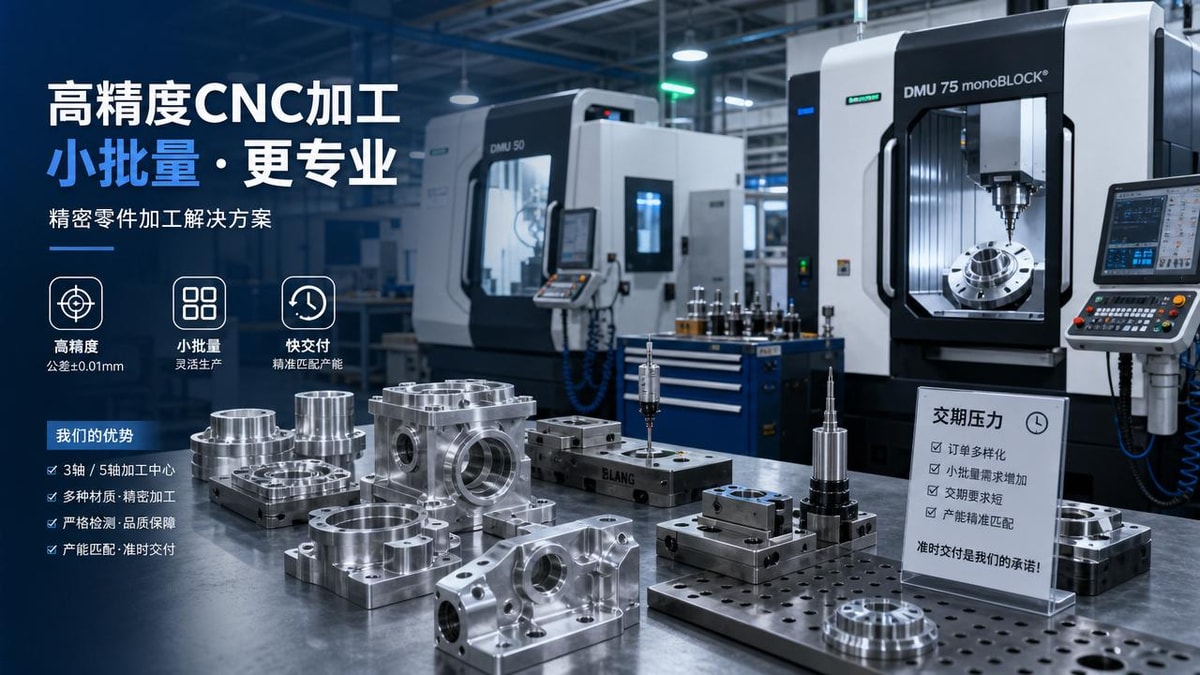
 CNC Milling Capacity Gaps Can Hurt Small Batch ProfitabilityManufacturing Market Research Center
 Industrial Robotics Payback Is Changing in Mid-Size PlantsManufacturing Market Research Center
 Shaft Parts Machining Problems That Show Up at Final InspectionCNC Machining Technology Center
 Production Process Delays Usually Start Before Machining BeginsCNC Machining Technology Center
 Industrial Automation Projects Often Miss This Integration StepCNC Machining Technology Center
 CNC Metal Cutting Tool Wear Is Costing More Than You ThinkCNC Machining Technology Center

Aris Katos
Future of Carbide Coatings
15+ years in precision manufacturing systems. Specialized in high-speed milling and aerospace grade alloy processing.
▶
CNC Metal Cutting Tool Wear Is Costing More Than You ThinkCNC Machining Technology Center▶
Why CNC Cutting Quality Drops on Thin Metal SheetsCNC Machining Technology Center▶
CNC metal cutting costs rise fast when material data is wrongCNC Machining Technology Center▶
Why CNC cutting accuracy drops on thin metal sheetsCNC Machining Technology Center▶
Why CNC Cutting Costs Rise Faster Than ExpectedCNC Machining Technology Center
Mastering 5-Axis Workholding Strategies
Join our technical panel on Nov 15th to learn about reducing vibrations in thin-wall components.

Providing you with integrated sanding solutions
Before-sales and after-sales services
Comprehensive technical support