• Global CNC market projected to reach $128B by 2028 • New EU trade regulations for precision tooling components • Aerospace deman
NYSE: CNC +1.2%LME: STEEL -0.4%

CNC metal cutting defects that look minor but raise total cost
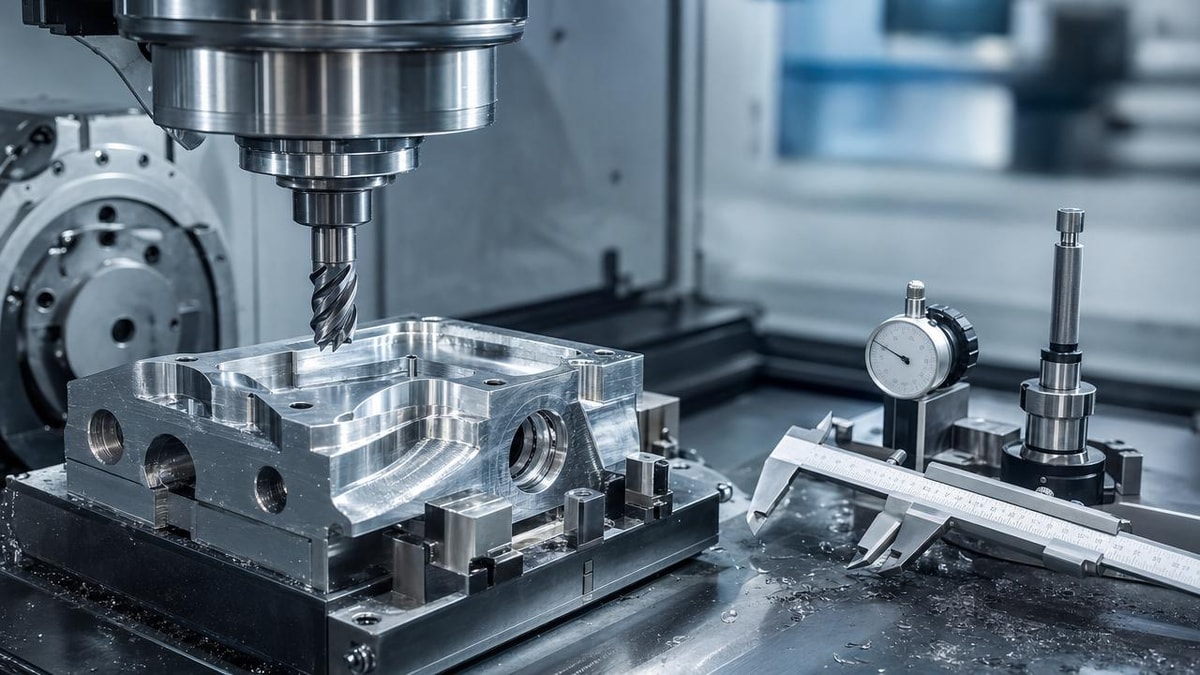
In CNC metal cutting, defects that seem minor on the shop floor can quietly inflate total cost through scrap, rework, delivery delays, and hidden quality risks. For financial decision-makers, understanding how burrs, chatter marks, poor surface finish, and dimensional errors affect margins is essential to evaluating equipment, process control, and supplier performance.
Why a checklist approach is the fastest way to judge CNC metal cutting risk
For a finance approver, the challenge is not identifying whether a defect exists. The challenge is determining whether a small defect is a local workshop issue or a signal of recurring cost leakage across sourcing, production, inspection, warranty, and customer retention. In the CNC machine tool industry, especially across automotive, aerospace, energy equipment, and electronics manufacturing, minor quality losses often spread across multiple cost centers before they become visible in reporting.
A checklist helps simplify that decision. Instead of debating technical details in isolation, you can review CNC metal cutting performance through a few high-value questions: Does the defect repeat? Does it slow downstream assembly? Does it increase tool consumption? Does it create inspection burden? Does it threaten on-time delivery? These checks connect machining quality directly to financial impact.
This matters even more in modern precision manufacturing, where CNC lathes, machining centers, multi-axis systems, fixtures, tools, robots, and automated production lines work as a connected process. A defect that looks cosmetic may actually point to instability in spindle condition, tool path strategy, coolant management, clamping, programming discipline, or supplier capability.
First checks: the five cost questions to ask before approving any response
- Is the defect isolated or systematic? A one-time flaw is cheaper than a repeated issue across shifts, machines, or suppliers.
- Does it affect fit, function, or only appearance? Surface marks on a non-critical housing are different from edge burrs on a sealing surface or mating part.
- What is the full cost per occurrence? Include scrap, rework labor, tool changes, inspection time, delayed shipments, and customer claim risk.
- Can the process be stabilized without major capital spending? Sometimes tooling, feeds and speeds, or fixture improvement delivers a rapid payback.
- Does the issue reveal a broader control gap? Frequent CNC metal cutting defects may indicate poor preventive maintenance, weak process capability tracking, or unreliable supplier discipline.
Core defect checklist: what looks minor but usually raises total cost
1. Burrs and sharp edges
Burrs are among the most underestimated CNC metal cutting defects. They rarely trigger immediate alarms in financial reviews because operators can often remove them manually. But that is exactly why they become expensive. Manual deburring consumes labor, increases cycle variability, creates ergonomic risk, and can hide root-cause instability in tool wear or cutting parameters.
Priority checks include whether burrs appear on critical edges, whether they interrupt automated assembly, and whether deburring is being absorbed as “normal work” rather than logged as rework. If a supplier quotes low part prices but relies heavily on manual edge correction, the real cost of CNC metal cutting may be higher than it appears.
2. Chatter marks and vibration patterns
Chatter marks often look like a finish issue, but they are usually a process stability issue. They may point to weak fixturing, tool overhang, spindle condition, machine rigidity limits, or aggressive cutting strategy. In high-precision sectors, chatter can reduce fatigue life, create noise in measurement results, and increase rejection at final inspection.
For approvers, the cost signal is not just visible marks. It is the likelihood that unstable CNC metal cutting will shorten tool life, increase machine downtime, and reduce confidence in unattended or automated production.
3. Poor surface finish
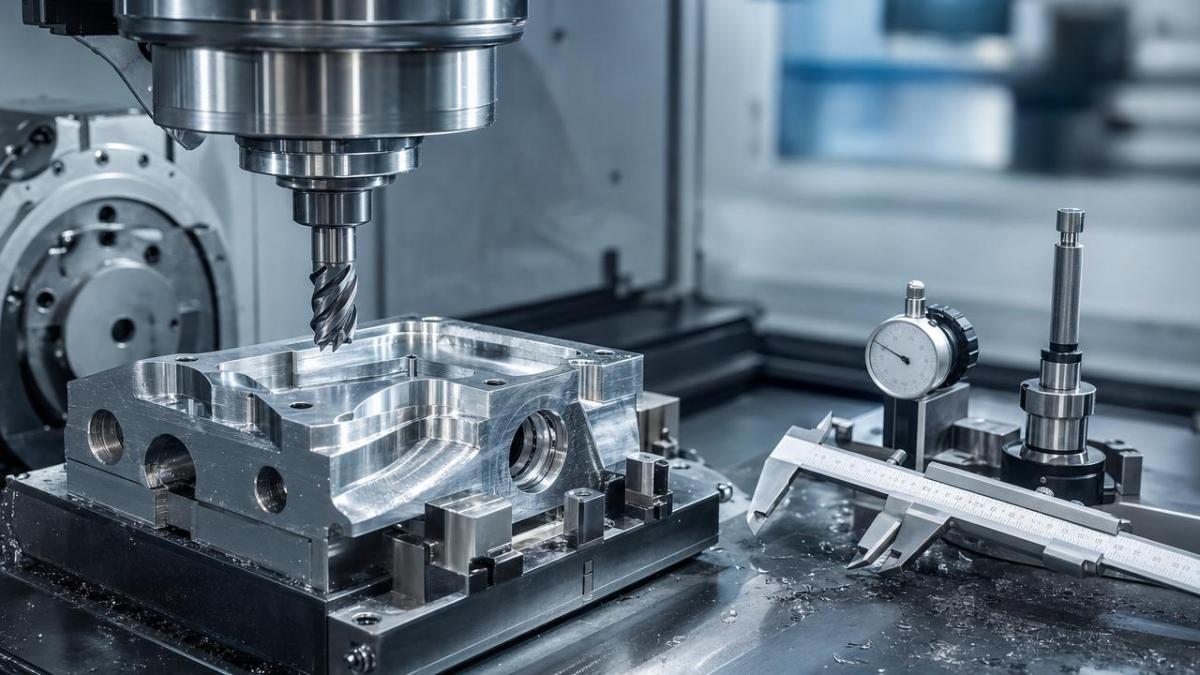
Poor surface finish can lead to sealing problems, coating adhesion failures, friction issues, and customer complaints. It also tends to increase inspection requirements because more parts must be checked for roughness and appearance. In sectors using precision discs, shafts, housings, or structural parts, finish defects can block downstream grinding, plating, welding, or assembly operations.
The key financial question is whether the finish problem affects only one operation or forces extra handling across the line. In many CNC metal cutting environments, the largest hidden cost is not scrap but the multiplication of touch points.
4. Dimensional drift within tolerance bands
A part can pass inspection and still create avoidable cost. If dimensions drift close to tolerance limits, setup frequency rises, tool offsets need constant correction, and assembly consistency may decline. This is especially important for high-volume production, where tiny shifts multiply into large quality assurance workloads.
Financially, dimensional drift is a warning sign of low process capability. You may not see immediate scrap, but you may be funding excess inspection, unstable output, and rising risk of escaped defects.
5. Built-up edge, tearing, and material smearing
These defects are common in difficult alloys, softer metals, or poorly optimized cutting conditions. They suggest issues with tool geometry, coating choice, coolant delivery, or cutting speed. If left unresolved, they reduce predictability in tool life and often trigger inconsistent quality from batch to batch.
For budgeting and supplier review, this matters because unstable material behavior in CNC metal cutting often causes rush purchasing of tools, emergency schedule changes, and lower machine utilization.
A practical evaluation table for finance, sourcing, and operations
Use the table below to convert machining observations into decision signals. This makes discussions with plant managers, production engineers, or external suppliers more concrete.
What to check by scenario: in-house production vs supplier sourcing
If you run in-house CNC machine tools
Focus on whether defects correlate with certain machines, shifts, materials, or programs. Repeated CNC metal cutting issues in one cell may justify targeted spending on maintenance, fixturing, spindle monitoring, coolant systems, or process optimization rather than broad equipment replacement. Also review whether shop-floor teams are measuring true rework time or simply absorbing it into labor utilization.
If you rely on external machining suppliers
Ask for defect trend data, corrective action response time, capability studies, and evidence of tool life control. Low quoted pricing can hide fragile CNC metal cutting processes that fail under volume pressure. A supplier that consistently ships cosmetically acceptable parts but requires sorting, containment, or frequent concession requests is increasing your total landed cost.
Common blind spots that financial reviewers should not ignore
- Inspection cost grows quietly. When machining quality becomes less predictable, more sampling, more measurement time, and more documentation are required.
- Small defects slow automation. Robots and automated assembly systems depend on consistent edges, dimensions, and surfaces.
- Minor flaws reduce scheduling confidence. A line that frequently pauses for touch-up work loses throughput even when scrap rates look manageable.
- Customer quality ratings can fall before warranty claims rise. In global manufacturing, supplier scorecards often punish inconsistency early.
- Tooling spend may be a symptom, not the cause. Rising insert consumption can reflect unstable CNC metal cutting conditions rather than normal wear.
Execution checklist: what to request before approving budget, supplier changes, or corrective action
- Request a defect map by part family, machine, shift, material, and operator where relevant.
- Ask for the cost of poor quality split into scrap, rework labor, extra inspection, premium freight, and customer risk.
- Require before-and-after data for any proposed CNC metal cutting improvement, including cycle time, tool life, and defect rate.
- Check whether preventive maintenance, calibration, and fixture verification are current.
- Verify whether defect definitions are standardized. One team’s “acceptable mark” may be another team’s reject.
- Compare process fixes with capital fixes. New equipment is not always the first answer.
- For strategic suppliers, ask about digital monitoring, process traceability, and response capability during volume ramps.
How to judge whether the issue is worth immediate investment
Approve faster when three conditions are present: the defect repeats across batches, it affects downstream operations, and the corrective action has measurable payback within labor, quality, or delivery performance. Delay large spending when the issue is isolated, the defect has no functional impact, and the root cause is not yet proven. In other words, fund evidence-based improvements, not guesswork.
In many cases, the best return comes from disciplined process control rather than dramatic intervention. Better cutting data, stronger fixture design, smarter tooling selection, coolant optimization, in-process monitoring, and supplier accountability can reduce CNC metal cutting defects without disrupting production strategy.
FAQ for finance-oriented decision-makers
Are cosmetic defects always low priority?
No. In CNC metal cutting, cosmetic-looking defects may signal process instability, hidden rework, or future customer dissatisfaction. Priority depends on recurrence and downstream impact.
What metric matters most when reviewing machining quality?
No single metric is enough. Review defect rate together with rework hours, tool life, on-time delivery, process capability, and customer complaints.
When should a buyer challenge a low supplier price?
When quality data is weak, defect containment is frequent, or manual touch-up is common. Cheap CNC metal cutting can become expensive after freight, delays, sorting, and quality disruption are included.
Next-step guidance for better cost control
If you need to evaluate a machining line, approve an equipment upgrade, or compare suppliers, start with a focused information request: defect trends, process capability, tooling stability, maintenance records, rework hours, and downstream quality impact. Those six inputs usually reveal whether a minor-looking CNC metal cutting defect is a nuisance or a structural margin problem.
If further review is needed, prioritize discussion around part tolerance requirements, material type, production volume, automation level, quality history, lead time pressure, and budget limits. That conversation will make it much easier to judge process suitability, improvement urgency, supplier reliability, and the real financial return of corrective action.
PREVIOUS ARTICLE
NEXT ARTICLE
Recommended for You
![]() Beijing’s New E-Bike Lock Regulation Spurs CNC Housing DemandGlobal Machine Tool Trade Research Center
Beijing’s New E-Bike Lock Regulation Spurs CNC Housing DemandGlobal Machine Tool Trade Research Center![]() New Drone Standard GB/T 44723–2026 Takes Effect May 2026Manufacturing Policy Research Center
New Drone Standard GB/T 44723–2026 Takes Effect May 2026Manufacturing Policy Research Center![]() New Maritime Code Takes Effect May 1, 2026: CNC Equipment Shipping Rules UpdatedManufacturing Market Research Center
New Maritime Code Takes Effect May 1, 2026: CNC Equipment Shipping Rules UpdatedManufacturing Market Research Center![]() 2026 China Cycle Shanghai: CNC E-Bike Frame Capacity Draws ODM FocusManufacturing Market Research Center
2026 China Cycle Shanghai: CNC E-Bike Frame Capacity Draws ODM FocusManufacturing Market Research Center![]() 2026 Foshan Tanzhou Auto Expo: EV Parts Sourcing FocusGlobal Machine Tool Trade Research Center
2026 Foshan Tanzhou Auto Expo: EV Parts Sourcing FocusGlobal Machine Tool Trade Research Center![]() New Hazardous Chemicals Safety Law Takes Effect May 2026Manufacturing Policy Research Center
New Hazardous Chemicals Safety Law Takes Effect May 2026Manufacturing Policy Research Center


Aris Katos
Future of Carbide Coatings
15+ years in precision manufacturing systems. Specialized in high-speed milling and aerospace grade alloy processing.
▶
CNC metal cutting defects that look minor but raise total costCNC Machining Technology Center▶
CNC cutting speed vs edge quality: where production losses startCNC Machining Technology Center▶
CNC metal cutting heat issues behind poor surface finishCNC Machining Technology Center▶
What affects edge quality in CNC cutting most?CNC Machining Technology Center▶
CNC Metal Cutting Edge Quality Depends on More Than SpeedCNC Machining Technology Center
Mastering 5-Axis Workholding Strategies
Join our technical panel on Nov 15th to learn about reducing vibrations in thin-wall components.

Providing you with integrated sanding solutions
Before-sales and after-sales services
Comprehensive technical support