• Global CNC market projected to reach $128B by 2028 • New EU trade regulations for precision tooling components • Aerospace deman
NYSE: CNC +1.2%LME: STEEL -0.4%

CNC metal cutting heat issues behind poor surface finish
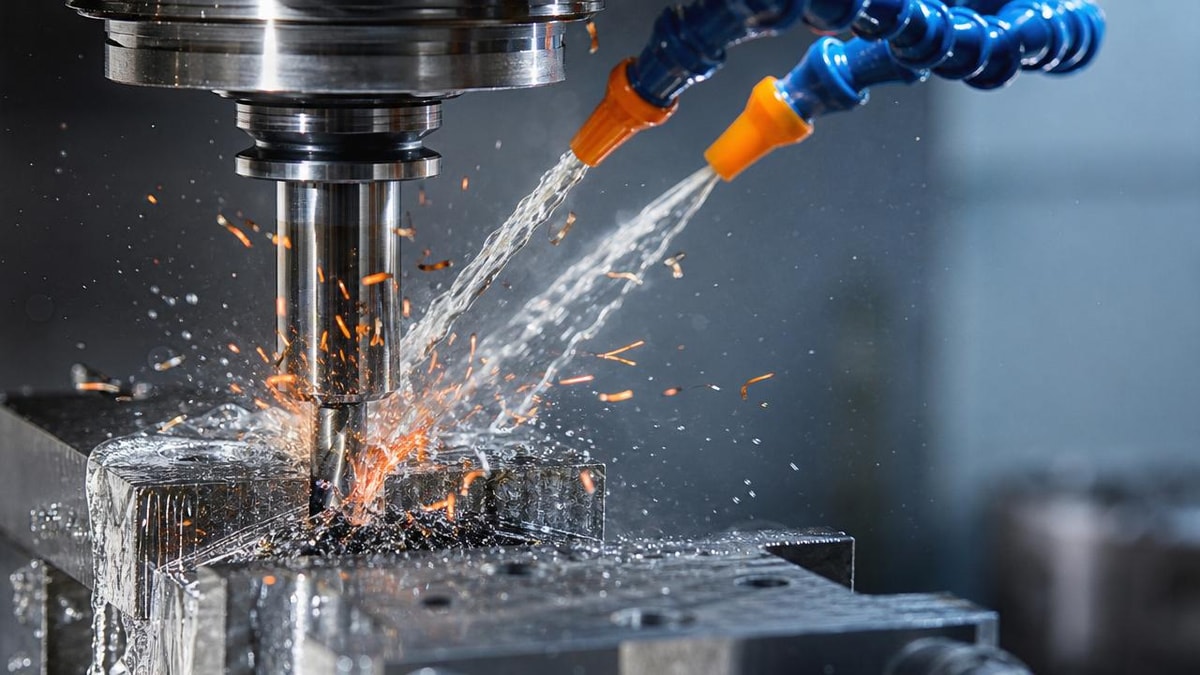
In CNC metal cutting, excessive heat is one of the main reasons behind poor surface finish, unstable dimensions, and faster tool wear. For machine operators, understanding how cutting speed, feed rate, tool condition, and coolant affect heat generation is essential to improving part quality. This article explains the practical causes of heat buildup and how to control them for more stable machining results.
When operators search for answers about poor surface finish in CNC metal cutting, they usually do not want a theoretical lesson first. They want to know why a part that should look clean comes off the machine with burn marks, smeared material, chatter patterns, tearing, or inconsistent dimensions. In most cases, heat is not the only cause, but it is the factor that connects many of these problems.
The core issue is simple: if too much heat stays in the cutting zone, the tool, workpiece, and chip behavior all become less stable. Surface integrity drops, tool edges wear faster, and dimensional repeatability becomes harder to maintain. The good news is that operators can often reduce these problems by checking a few practical variables in the right order.
This article focuses on the real search intent behind the topic: identifying heat-related causes of poor finish in CNC metal cutting and giving operators usable actions. Instead of covering every machining principle equally, the discussion emphasizes shop-floor diagnosis, parameter adjustment, tooling condition, coolant use, and material-specific warning signs.
Why heat causes poor surface finish in CNC metal cutting
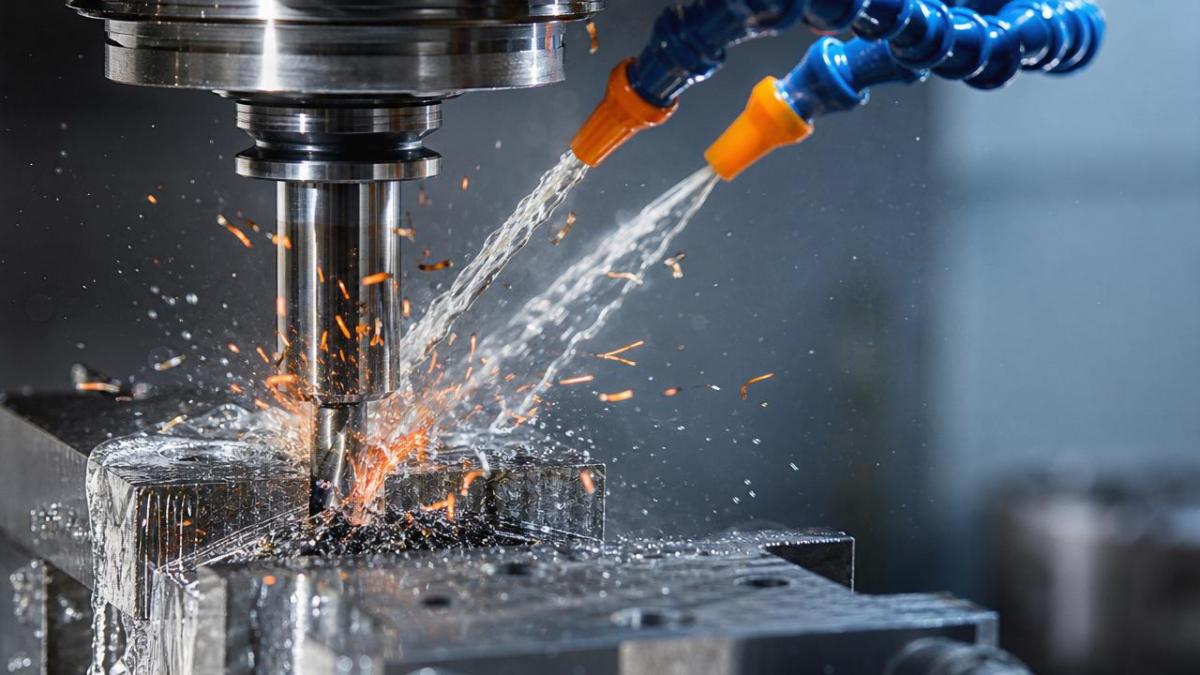
In CNC metal cutting, heat is generated mainly from three sources: plastic deformation of the material, friction between the tool and chip, and friction between the tool flank and the newly machined surface. Some heat leaves with the chip, some enters the tool, and some goes into the workpiece. Surface finish problems increase when too much heat remains near the cutting edge or transfers into the part.
Once the cutting zone gets too hot, several things can happen at the same time. The cutting edge can soften or wear rapidly. The workpiece surface may smear instead of shear cleanly. Built-up edge can form and break away repeatedly. Thermal expansion can alter actual cut depth. Coolant may fail to reach the hottest point. Each of these issues can leave visible marks or create roughness that exceeds the required specification.
For operators, the important point is that heat problems rarely appear as “heat only.” They often show up as rough finish, changing chip color, unstable sound, accelerated flank wear, random burrs, taper, or changing dimensions from the first part to the tenth. Recognizing these signs early helps prevent scrap and unnecessary tool changes.
What operators usually notice first on the machine
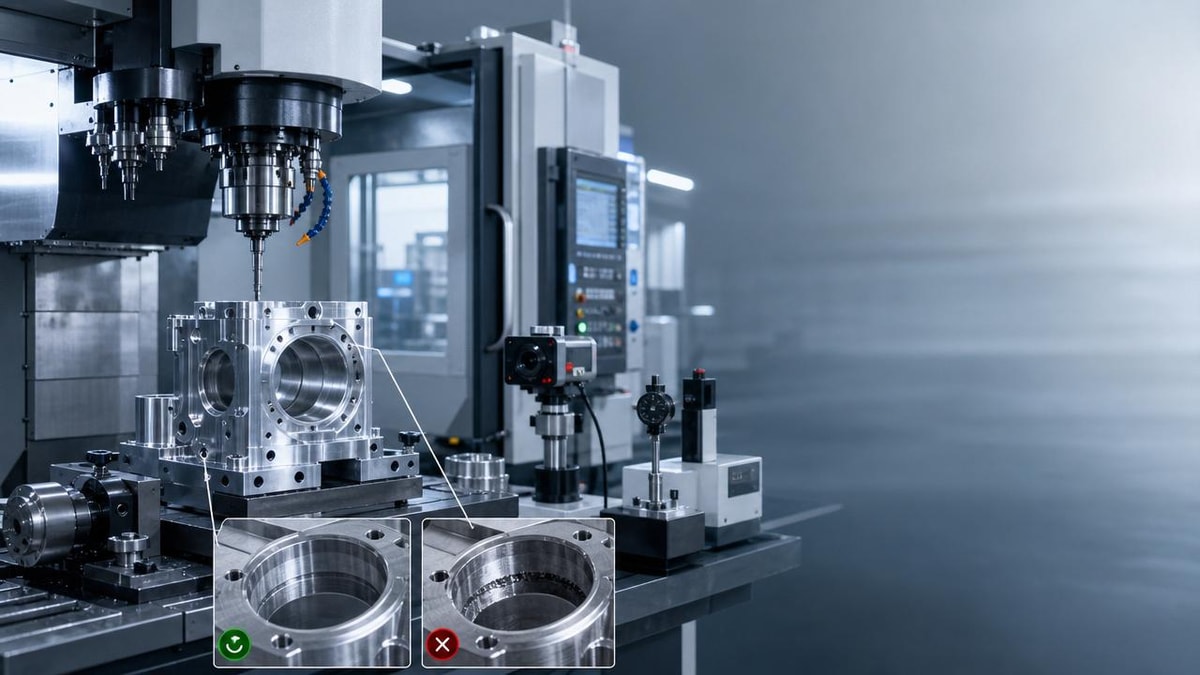
The first warning sign is often visual. The surface may look dull, torn, glazed, discolored, or wavy. On stainless steel and some alloy steels, overheating may produce a smeared finish that looks polished in places but measures rougher than expected. On aluminum, excess heat can lead to material sticking to the tool and dragging across the surface. On hardened materials, local heat can accelerate edge breakdown and leave fine lines or a frosted appearance.
Chip behavior also tells an important story. Blue or dark chips may be normal in some dry cutting operations, but in many finishing situations they indicate high heat concentration. Long stringy chips can trap heat around the cutting area, damage the surface, and interfere with coolant delivery. Powdery chips may suggest brittle cutting conditions, while thick hot chips can point to excessive load or poor chip thinning control.
Operators also hear and feel heat-related instability. A cut that starts smooth but becomes noisy after a short time often suggests rising edge wear or thermal loading. If the spindle load gradually climbs during repeated passes, the tool may be losing sharpness because of heat. If dimensions drift as the cycle continues, thermal expansion in the part, holder, or machine structure may be involved.
Cutting speed: the most common heat source behind finish problems
Among all machining variables, cutting speed is usually the first place to look when surface finish degrades due to heat. If speed is too high for the tool grade, coating, work material, and coolant condition, temperature at the cutting edge rises quickly. This can shorten tool life and damage finish before the tool appears fully worn to the naked eye.
Operators sometimes increase speed to improve finish, and in some cases that works. A slightly higher surface speed can reduce built-up edge and create a cleaner shearing action. But there is a limit. Once speed crosses the stable thermal range for that setup, the finish gets worse instead of better. The edge rounds off faster, friction rises, and the work surface suffers.
The best approach is not “always faster” or “always slower.” It is to find the speed range where the tool cuts cleanly without excessive thermal load. If poor finish appears with edge discoloration, chip overheating, or rapid crater wear, reduce speed in controlled steps and compare tool life, surface appearance, and dimensional stability over several parts, not just one.
Feed rate and depth of cut: why light finishing cuts can still overheat
Many operators assume heavy cuts create the most heat, but finishing passes can also run too hot. If the feed rate is too low, the tool may rub more than it cuts. Rubbing increases friction and heat without producing an efficient chip to carry heat away. The result can be a shiny but damaged surface, accelerated flank wear, and poor repeatability.
Very light depth of cut creates a similar risk, especially if it approaches the tool edge radius. Instead of making a true shearing cut, the edge plows and smears the material. This is common when trying to remove a small amount on work-hardened stainless steel, heat-resistant alloys, or parts that already have a hardened skin from previous operations.
That is why improving finish in CNC metal cutting is not always about reducing feed. In many cases, a slightly higher feed per tooth or feed per revolution creates a healthier chip, reduces rubbing, and stabilizes heat flow. The finish may improve because the tool is finally cutting properly instead of sliding over the surface.
Tool condition and geometry: small edge problems create major heat
A worn tool creates more friction, and more friction creates more heat. This sounds obvious, but many finish issues happen before a tool looks badly worn. Micro-chipping, edge rounding, coating breakdown, and built-up edge can all increase local heat enough to affect surface finish long before catastrophic failure occurs.
Tool geometry also matters. A positive rake tool can reduce cutting forces and heat in many materials, while a blunt or overly strong edge may survive roughing but perform poorly in finishing. Nose radius must also match the cut. Too small a radius may leave feed marks and wear quickly. Too large a radius may increase radial forces, create vibration, and generate heat through instability.
Built-up edge deserves special attention. In aluminum, low-carbon steel, and stainless steel, material may weld to the cutting edge when temperature and pressure are high. This changes the effective geometry of the tool from one moment to the next. The surface finish becomes inconsistent because the tool is no longer cutting with a stable edge. Correct speed, proper coating, improved lubrication, and a sharper insert often help solve this.
Coolant and lubrication: not just about quantity, but delivery
Many shops respond to heat problems by increasing coolant flow, but more coolant does not automatically fix poor surface finish. What matters is whether the fluid actually reaches the cutting zone at the right pressure and angle. If chips block the stream or the nozzle is aimed poorly, the hottest interface may remain nearly dry even when coolant volume looks sufficient.
Coolant has several jobs in CNC metal cutting. It removes heat, reduces friction, flushes chips, and improves chip evacuation. For finishing operations, lubrication can be as important as cooling, especially in sticky materials where adhesion causes built-up edge. A fluid with poor lubricity may fail even if the machine delivers plenty of it.
Operators should check nozzle placement, pressure consistency, concentration, contamination, and flow path. Dirty coolant, incorrect mix ratio, tramp oil, and clogged lines can all reduce cooling performance. In some high-speed applications, through-tool delivery or high-pressure coolant provides a clear advantage because it reaches the exact area where heat and chip control matter most.
Material type changes how heat behaves during machining
Not all metals respond to heat in the same way. Aluminum conducts heat relatively well, but it can still suffer severe finish damage if material sticks to the edge. Stainless steel tends to work harden and retain heat near the cut, making rubbing especially harmful. Titanium concentrates heat near the tool and often demands careful control of speed, engagement, and coolant. Hardened steels can tolerate high temperatures in some cutting modes, but edge condition becomes critical.
This matters because a parameter set that works on one material may create poor finish on another even when the machine, holder, and insert family are the same. Operators should avoid copying speeds and feeds across materials without considering thermal behavior. Material-specific chip shape, sound, edge wear pattern, and finish response provide better guidance than generic assumptions.
Surface condition before finishing also matters. Scale, hard spots, interrupted skin, or prior work hardening can raise heat suddenly. If only some areas of a part show poor finish, the problem may be linked to variable material condition rather than a constant programming issue.
Machine setup and rigidity: heat problems often hide behind vibration
Surface finish issues are not always caused by thermal load alone. Poor rigidity, spindle runout, weak workholding, and excessive tool overhang can increase vibration, which in turn increases friction and uneven heat generation. A vibrating cut creates repeated edge impact, local hot spots, and unstable chip formation. The finish then degrades even if speed and feed look reasonable on paper.
This is why operators should not diagnose heat in isolation. If a tool burns up or leaves poor finish only at certain lengths of extension or certain features of the part, setup stiffness may be part of the root cause. A more rigid holder, shorter gauge length, better support, or improved clamping can lower both vibration and heat concentration.
Spindle condition and runout also matter in milling and drilling. If one cutting edge carries more load than the others, that edge runs hotter and wears faster. The result is uneven finish and inconsistent tool life. Checking basic machine health can save time compared with changing parameters blindly.
A practical troubleshooting sequence for operators
When poor surface finish appears in CNC metal cutting, operators need a sequence, not guesswork. Start by examining the surface defect closely. Is it smeared, torn, wavy, burned, or marked by regular feed lines? Then inspect the tool under magnification if possible. Look for built-up edge, flank wear, edge chipping, crater wear, or coating loss.
Next, check chips. Are they hotter, darker, longer, or more inconsistent than normal? Then review whether the problem appeared suddenly or gradually. A sudden change often points to insert failure, coolant delivery, or setup movement. A gradual change suggests thermal wear, edge rounding, or dimension drift from heat buildup over time.
After that, adjust one major variable at a time. Reduce cutting speed slightly if overheating signs are present. Increase feed modestly if rubbing is suspected. Confirm depth of cut is enough for the edge to shear rather than plow. Check coolant nozzle position and concentration. If finish remains unstable, move to tool geometry, holder rigidity, and runout checks. This step-by-step approach usually identifies the real cause faster than making multiple changes at once.
How to prevent recurring heat-related finish problems
The best prevention method is process consistency. Standardize proven cutting data for each material, operation type, and tool family. Record not only programmed speed and feed, but also insert grade, nose radius, overhang, coolant method, chip behavior, and expected wear pattern. This gives operators a baseline for detecting abnormal heat quickly.
Tool life management is equally important. Waiting for obvious failure is expensive in finishing operations because the surface quality often drops before the tool appears fully spent. Use wear-based change intervals where possible, especially on repeat production. Monitoring spindle load trends, finish readings, or part appearance across batch runs helps identify heat-related wear before scrap begins.
Finally, keep machine and coolant systems in stable condition. Clean coolant lines, maintain concentration, verify pressure, reduce runout, and review workholding regularly. Heat control in CNC metal cutting is not one single adjustment. It is the result of a balanced process where tool sharpness, chip formation, cooling, and rigidity all support each other.
Conclusion
Poor surface finish in CNC metal cutting is often a heat management problem in disguise. Excessive heat changes how the tool cuts, how the chip flows, and how the part holds size. For operators, the most useful response is practical: check cutting speed first, then look at feed, depth of cut, tool condition, coolant delivery, material behavior, and setup rigidity in a logical order.
When heat is controlled, surface finish becomes more predictable, tool life improves, and dimensions stay more stable from part to part. That is why understanding heat is not just a theory topic. It is a daily production advantage. The more accurately operators can read the signs of thermal overload, the faster they can correct the process and restore stable machining results.
PREVIOUS ARTICLE
NEXT ARTICLE
Recommended for You
 Industrial Robotics payback depends on one hidden variableManufacturing Market Research Center
 Shaft Parts machining problems linked to concentricity lossCNC Machining Technology Center
 Production Process changes that quietly raise defect ratesCNC Machining Technology Center
 Industrial Automation projects stall without process mappingCNC Machining Technology Center
 CNC metal cutting heat issues behind poor surface finishCNC Machining Technology Center
 High precision lathe claims that deserve a closer lookMachine Tool Industry Editorial Team

Aris Katos
Future of Carbide Coatings
15+ years in precision manufacturing systems. Specialized in high-speed milling and aerospace grade alloy processing.
▶
CNC metal cutting heat issues behind poor surface finishCNC Machining Technology Center▶
What affects edge quality in CNC cutting most?CNC Machining Technology Center▶
CNC Metal Cutting Edge Quality Depends on More Than SpeedCNC Machining Technology Center▶
Why CNC Cutting Quality Drops on Thin Metal SheetsCNC Machining Technology Center▶
How Machine Tools for Electronics Manufacturing Reduce WasteCNC Machining Technology Center
Mastering 5-Axis Workholding Strategies
Join our technical panel on Nov 15th to learn about reducing vibrations in thin-wall components.

Providing you with integrated sanding solutions
Before-sales and after-sales services
Comprehensive technical support