• Global CNC market projected to reach $128B by 2028 • New EU trade regulations for precision tooling components • Aerospace deman
NYSE: CNC +1.2%LME: STEEL -0.4%

What affects edge quality in CNC cutting most?
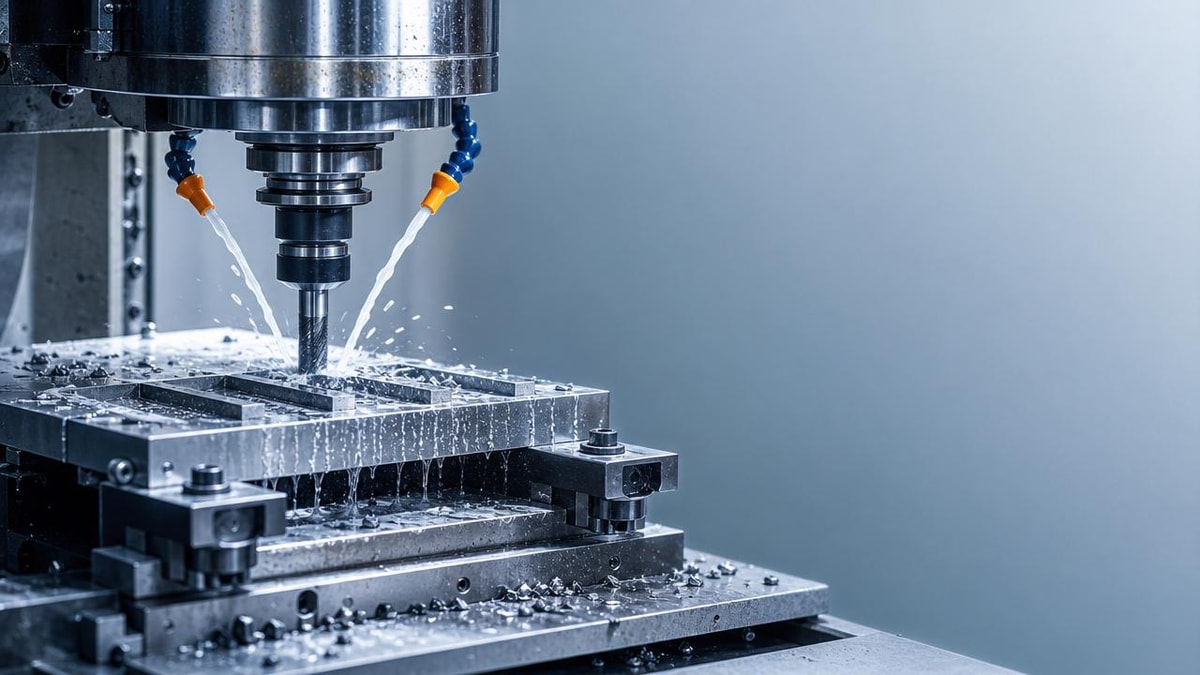
Edge quality in CNC cutting is shaped by more than just machine power. For technical evaluators, key factors include tool condition, cutting parameters, material properties, machine rigidity, and thermal stability. Understanding how these variables interact is essential for judging process capability, reducing secondary finishing, and improving part consistency in precision manufacturing.
Why does edge quality in CNC cutting vary so much between similar machines?
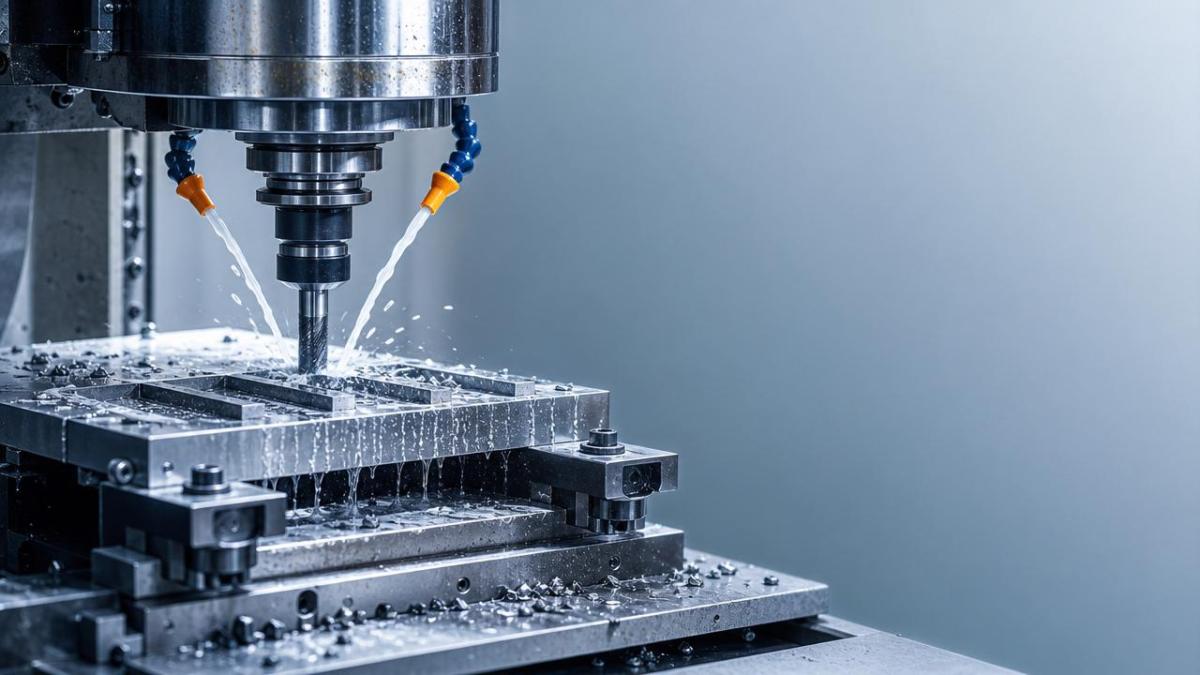
In practice, edge quality in CNC cutting is not determined by one isolated factor. Two shops may use similar CNC equipment, similar spindle power, and even similar programs, yet produce visibly different burr levels, corner integrity, surface tearing, or heat-affected edge conditions. For technical evaluation teams, that difference usually comes from system behavior rather than headline machine specifications.
A cutting edge is the result of interaction between the machine, tooling, workholding, process parameters, material condition, thermal control, and operator discipline. In automotive, aerospace, electronics, and energy equipment manufacturing, even a small change in edge condition can affect downstream assembly, sealing performance, fatigue life, coating adhesion, and inspection yield.
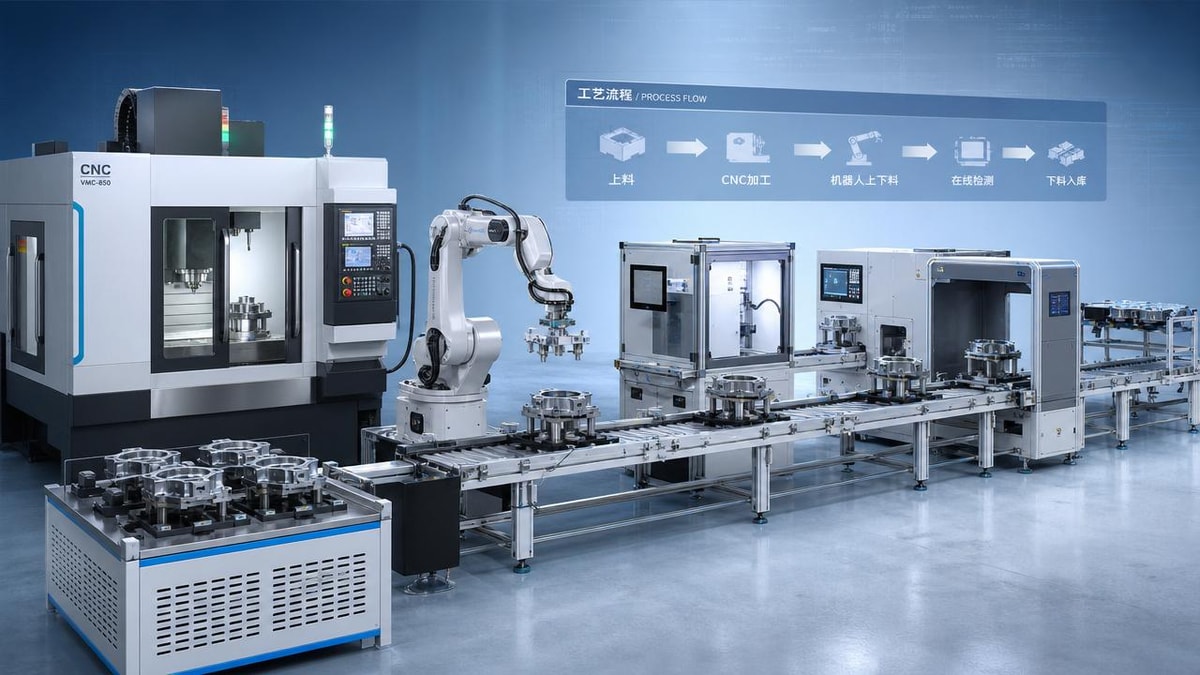
This matters even more in today’s global CNC machine tool industry, where production lines are becoming more automated and more digitally integrated. Edge quality is no longer only a cosmetic issue. It is a measurable indicator of process stability, machine health, and whether a CNC cutting setup can support repeatable precision production at scale.
- Poor edge quality often increases deburring time, manual rework, and scrap risk.
- In precision parts, edge breakdown may cause tolerance stack-up during assembly.
- For technical evaluators, edge performance helps reveal whether the supplier controls process variables or only optimizes for sample results.
What technical evaluators should look at first
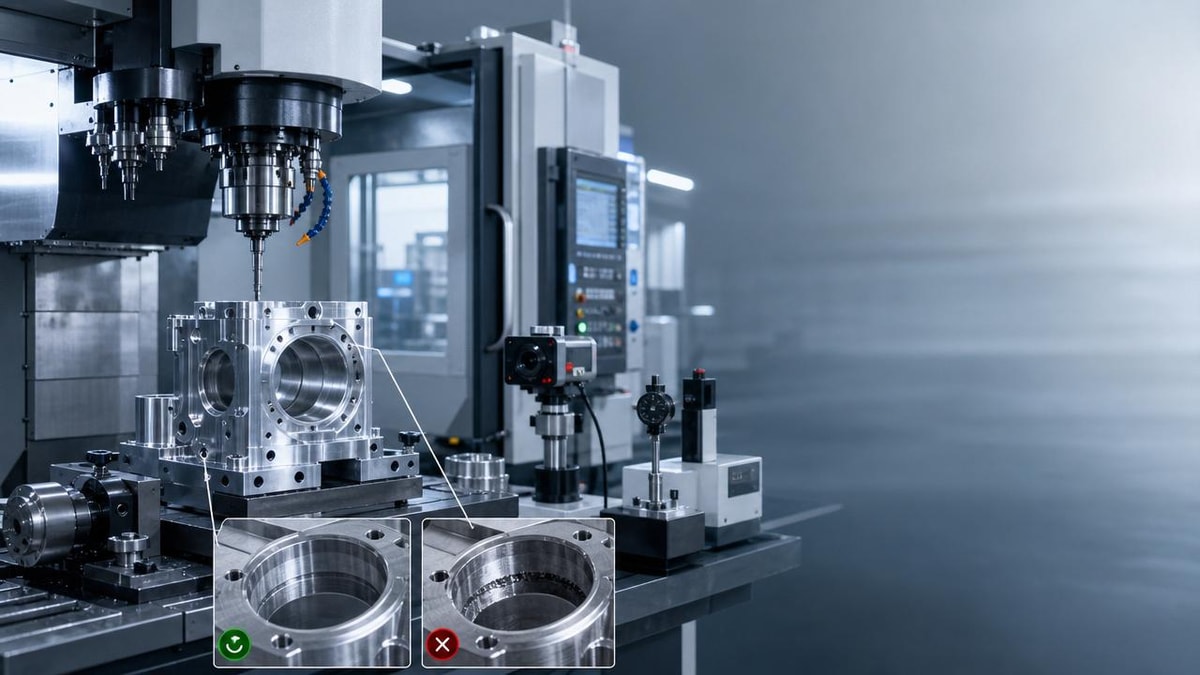
When reviewing CNC cutting capability, start with measurable evidence instead of general claims. Ask how edge quality is verified across different materials, thicknesses, and batch sizes. A clean result on one soft aluminum sample does not prove capability on hardened steel, stainless alloys, or thin-wall structural components.
A reliable evaluation should include burr height trends, tool life consistency, spindle load behavior, dimensional stability near cut edges, and whether edge quality changes at corners, entry points, and exit points. These are the zones where process weaknesses usually appear first.
Which factors affect edge quality in CNC cutting most?
The most influential factors can be grouped into five primary categories. For most industrial applications, these categories explain the majority of edge-quality variation better than machine power alone.
The table below gives a practical view of the main CNC cutting variables and how each one typically affects edge condition during evaluation and production planning.
For most technical assessments, tool condition and parameter control show the fastest visible impact, but machine rigidity and thermal stability often determine whether good edge quality can be maintained over many parts, shifts, or material lots. That is why sample inspection alone is not enough when evaluating CNC cutting capability for precision manufacturing.
Tooling: the fastest route to edge improvement or edge failure
Tool selection is frequently underestimated. A machine may be accurate, but if the cutter geometry is too aggressive for a thin wall, too dull for stainless steel, or improperly coated for high-temperature alloys, edge quality deteriorates quickly. Built-up edge on ductile metals, exit burrs on sheet-like sections, and micro-chipping in harder materials are common symptoms.
Evaluators should ask whether the supplier uses application-specific tooling strategies. This includes not only tool material and coating, but also flute count, helix angle, runout control, and toolholder quality. A stable spindle with poor runout at the tool tip still produces inconsistent CNC cutting results.
Cutting parameters: stable windows matter more than peak speed claims
Many suppliers highlight aggressive feed and speed capability. However, technical evaluators should focus on stable process windows. A process that delivers acceptable edge quality only at one narrow setting is risky in actual production. Material variation, tool wear, and shift changes can quickly move the process out of control.
- Excessive cutting speed often raises temperature and accelerates edge softening or burr growth.
- Feed rates that are too low may rub instead of cut, especially in gummy materials, causing smeared edges.
- Overly deep or unstable passes can amplify vibration and damage edge straightness near corners or pockets.
How do material type and part geometry change CNC cutting edge quality?
Material behavior is one of the biggest reasons why edge quality results cannot be transferred directly from one project to another. Aluminum alloys, stainless steels, carbon steels, titanium alloys, copper materials, engineering plastics, and composite-like layered materials all respond differently to CNC cutting. Ductile materials may form burrs, brittle materials may chip, and heat-sensitive materials may discolor or distort.
Part geometry also changes edge outcome. Thin walls, sharp corners, deep slots, interrupted cuts, and long unsupported features increase the chance of vibration, heat concentration, and edge breakout. For evaluation teams, geometry should never be separated from process review. A supplier that handles simple blocks well may still struggle with thin ribs or complex profiles.
Material-related edge risks by application scenario
The following comparison helps evaluators connect CNC cutting edge risks with common industrial materials and production scenarios.
This comparison shows why edge quality in CNC cutting must be evaluated by material family and geometry class, not by one universal sample part. In sectors such as aerospace and electronics, that distinction is especially important because thin sections and strict finishing standards are common.
What should technical evaluators check during supplier selection?
Supplier evaluation should go beyond machine list, travel range, or spindle speed. Those metrics matter, but edge quality depends on process control discipline. A supplier with fewer machines but better tooling control, thermal management, and inspection practice may deliver more stable CNC cutting performance than a larger workshop with inconsistent execution.
A practical evaluation checklist
- Review edge criteria in drawings and internal standards. Clarify whether the requirement is burr-free, controlled edge break, radius limit, or visual finish acceptance.
- Match materials and geometry to proven process history. Ask whether the supplier has handled similar wall thickness, hardness range, or contour complexity.
- Check how tools are monitored. Scheduled replacement, tool life records, and offset compensation are stronger indicators than verbal assurances.
- Assess fixturing and vibration control. Poor workholding can destroy edge quality even with good machines and good tools.
- Verify inspection methods. Optical magnification, burr height checks, and sample retention procedures should match part criticality.
- Ask about process stability over time. The key question is not whether one part looks clean, but whether the 200th or 2000th part still meets the same edge standard.
Why machine rigidity and thermal control often decide long-run results
In short-run sampling, a machine may appear capable. During extended production, however, spindle heat, axis drift, toolholder growth, coolant inconsistency, and fixture relaxation can gradually change edge quality. This is why high-precision machine tools and stable automated lines are increasingly valued in modern manufacturing clusters across China, Germany, Japan, and South Korea.
For technical evaluators supporting global sourcing or multi-site manufacturing, thermal stability is especially important. A process that depends on constant operator correction is difficult to scale. A digitally monitored CNC cutting process with stable machine behavior is easier to transfer, validate, and audit.
What are the most common mistakes when judging CNC cutting edge quality?
Several common evaluation mistakes lead to poor supplier selection or unrealistic process expectations. These mistakes are not usually caused by lack of technical knowledge, but by incomplete review criteria.
- Judging edge quality from a single sample without checking repeatability across tool life.
- Focusing on nominal machine specifications instead of actual process control and fixturing.
- Ignoring the difference between visible burrs and functionally harmful edge conditions such as micro-cracks or heat tint.
- Assuming secondary deburring can always solve poor CNC cutting quality at low cost.
- Failing to define edge acceptance in drawings, inspection plans, or RFQ documents.
Secondary finishing can help, but it should not become a hidden compensation for unstable cutting. Extra deburring adds labor, may round critical features, and can create variation between operators. For high-volume or high-precision parts, it is usually more economical to stabilize the cutting process first.
How can edge quality be improved without excessive cost?
Improving edge quality in CNC cutting does not always require a new machine purchase. In many cases, the best return comes from disciplined process optimization. Technical evaluators balancing budget, lead time, and quality risk should prioritize actions with measurable impact.
Low-to-moderate cost improvement priorities
- Standardize tool replacement criteria by material and feature type rather than waiting for visible failure.
- Optimize feed and speed windows with edge-focused trials, not only cycle-time targets.
- Improve fixturing stiffness and support for thin or flexible parts.
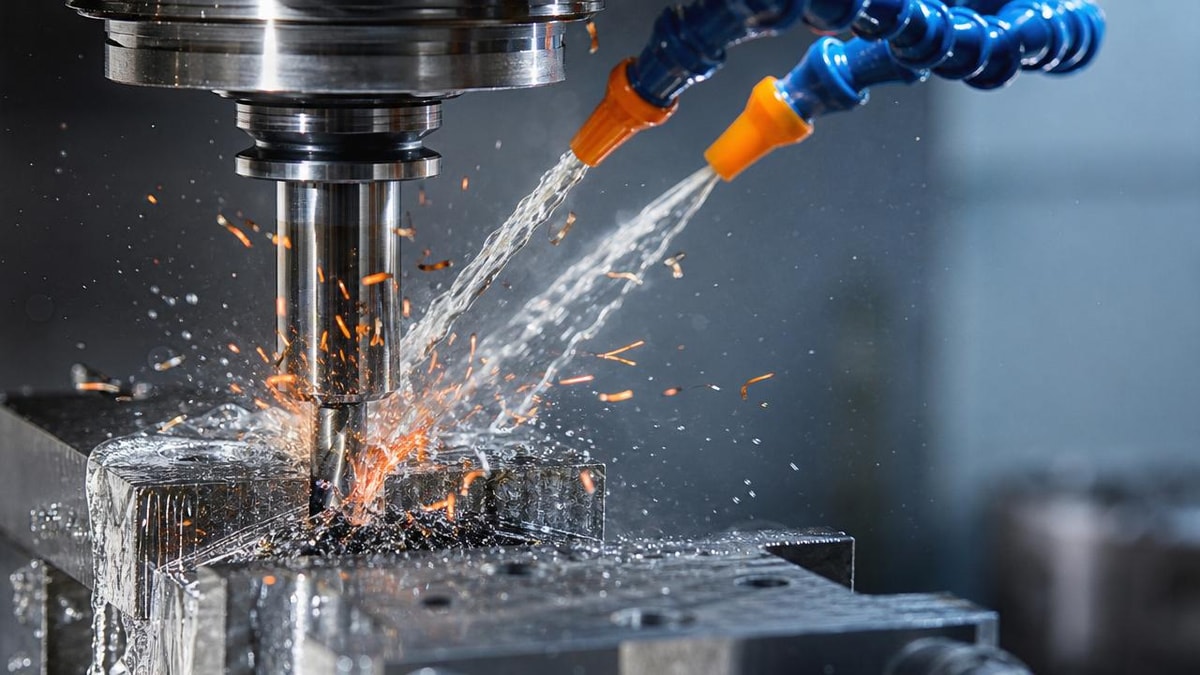
- Upgrade coolant delivery and chip evacuation where heat or recutting causes edge damage.
- Introduce routine edge inspection at critical process intervals instead of end-of-batch discovery.
The cost of these improvements is often lower than the accumulated cost of hand finishing, scrap, delayed delivery, and repeated sample approval cycles. For procurement and technical teams, this is an important total-cost perspective when comparing CNC cutting suppliers or internal upgrade options.
FAQ: practical questions from technical evaluators
How do I compare two suppliers if both show acceptable sample parts?
Compare process stability, not just visual appearance. Ask for evidence of tool life management, in-process inspection, similar material experience, and edge consistency over batch production. If possible, review parts produced at early, middle, and late tool-life stages. That gives a more realistic picture of CNC cutting capability.
Is burr-free CNC cutting always realistic?
Not in every material or geometry. A more practical requirement is controlled burr size and defined edge condition based on function. Some parts can tolerate a light edge break, while sealing surfaces, electrical contact areas, or precision assembly interfaces may need much tighter control. The key is to define the requirement clearly before sourcing or process validation.
Which industries are most sensitive to edge quality problems?
Aerospace, automotive, electronics, medical-related precision components, and energy equipment are all sensitive, but for different reasons. Aerospace parts may face fatigue concerns, automotive parts may require assembly repeatability, electronics components may need clean contact edges, and energy equipment may demand sealing reliability and dimensional stability under load.
What documents should be prepared before requesting a quotation for CNC cutting parts?
Provide drawings with edge-condition requirements, material grade, hardness if relevant, surface finish expectations near the cut, production volume, inspection points, and any downstream process such as coating or welding. If edge quality is critical, note whether the concern is burr height, chamfer consistency, crack avoidance, or visual appearance. Better RFQ detail leads to more reliable technical proposals.
Why choose us for CNC cutting evaluation support and sourcing insight?
Our platform focuses on the global CNC machining and precision manufacturing industry, with attention to machine tools, automated production systems, process trends, and international supply dynamics. For technical evaluators, that means more than general market commentary. It means access to practical insight on how CNC cutting performance connects with tooling, machine capability, production consistency, and sourcing risk.
If you are assessing suppliers, comparing machining solutions, or clarifying edge-quality expectations for a new project, you can contact us for focused support on the topics that matter during technical review and quotation alignment.
- Parameter confirmation for difficult materials, thin-wall parts, and high-precision edge requirements
- Supplier or process selection guidance based on part geometry, batch volume, and quality targets
- Discussion of delivery timelines, sampling stages, and validation points for production transfer
- Support in defining RFQ inputs, inspection focus, and realistic acceptance criteria for CNC cutting projects
- Communication around customization options, quotation scope, and documentation needs for international sourcing
A better edge often starts with better evaluation. If you need help reviewing process capability, narrowing supplier options, or translating technical edge requirements into a practical sourcing plan, reach out with your drawings, material details, target volume, and quality priorities.
PREVIOUS ARTICLE
Recommended for You
 Industrial Robotics payback depends on one hidden variableManufacturing Market Research Center
 Shaft Parts machining problems linked to concentricity lossCNC Machining Technology Center
 Production Process changes that quietly raise defect ratesCNC Machining Technology Center
 Industrial Automation projects stall without process mappingCNC Machining Technology Center
 CNC metal cutting heat issues behind poor surface finishCNC Machining Technology Center
 High precision lathe claims that deserve a closer lookMachine Tool Industry Editorial Team

Aris Katos
Future of Carbide Coatings
15+ years in precision manufacturing systems. Specialized in high-speed milling and aerospace grade alloy processing.
▶
CNC metal cutting heat issues behind poor surface finishCNC Machining Technology Center▶
What affects edge quality in CNC cutting most?CNC Machining Technology Center▶
CNC Metal Cutting Edge Quality Depends on More Than SpeedCNC Machining Technology Center▶
Why CNC Cutting Quality Drops on Thin Metal SheetsCNC Machining Technology Center▶
How Machine Tools for Electronics Manufacturing Reduce WasteCNC Machining Technology Center
Mastering 5-Axis Workholding Strategies
Join our technical panel on Nov 15th to learn about reducing vibrations in thin-wall components.

Providing you with integrated sanding solutions
Before-sales and after-sales services
Comprehensive technical support