• Global CNC market projected to reach $128B by 2028 • New EU trade regulations for precision tooling components • Aerospace deman
NYSE: CNC +1.2%LME: STEEL -0.4%

CNC metalworking mistakes that often hurt part consistency
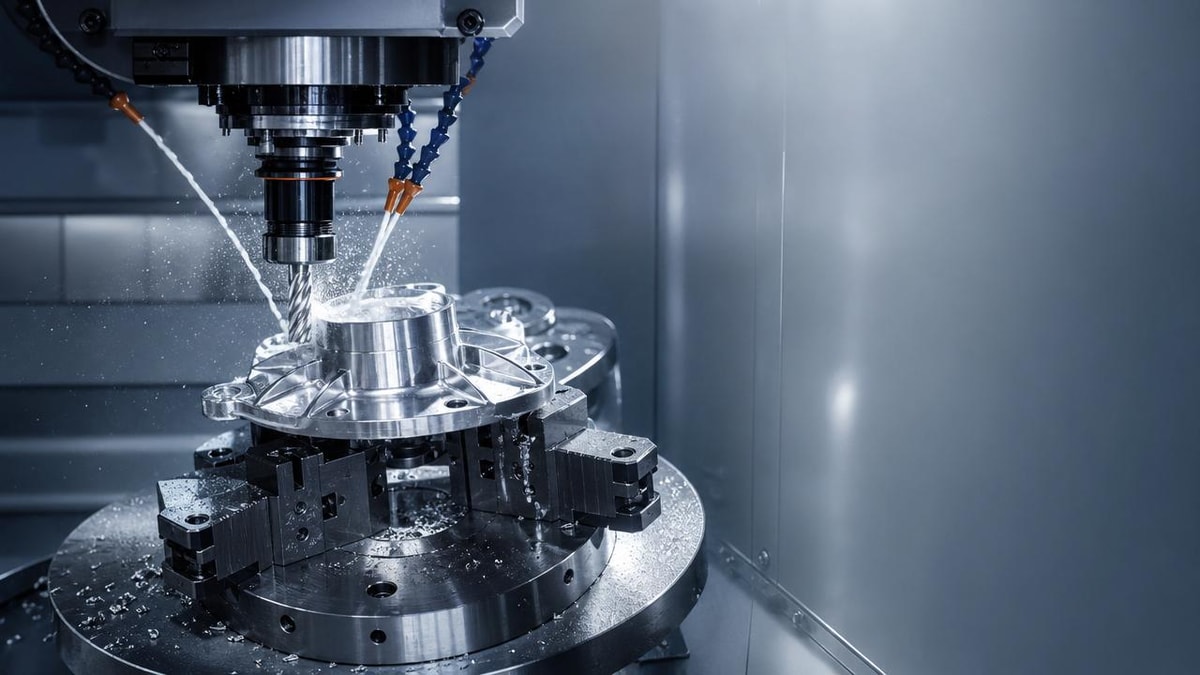
In CNC metalworking, even small mistakes can quietly undermine part consistency, leading to dimensional variation, surface defects, and avoidable quality risks. For quality control and safety management teams, understanding these common errors is essential to maintaining stable production, reducing rework, and protecting process reliability across high-precision manufacturing environments.
In high-mix and high-precision production, part consistency is not determined by one machine or one operator alone. It depends on a chain of controls that includes tooling, workholding, programming, material condition, machine health, coolant delivery, in-process inspection, and safe operating discipline. In CNC metalworking, a weak point at any stage can shift a stable process into one that produces drift, chatter marks, burrs, thermal distortion, or premature tool failure.
For quality managers and safety supervisors, the practical challenge is clear: how to identify which mistakes create the largest risk to repeatability, and how to prevent them before scrap rates rise above 2% to 5%, cycle times increase by 10% or more, or unplanned downtime disrupts delivery commitments. The following guide focuses on the most common process failures in CNC metalworking and the control measures that improve repeatability across machining centers, CNC lathes, and multi-axis systems.
Process Control Errors That Commonly Reduce Part Consistency
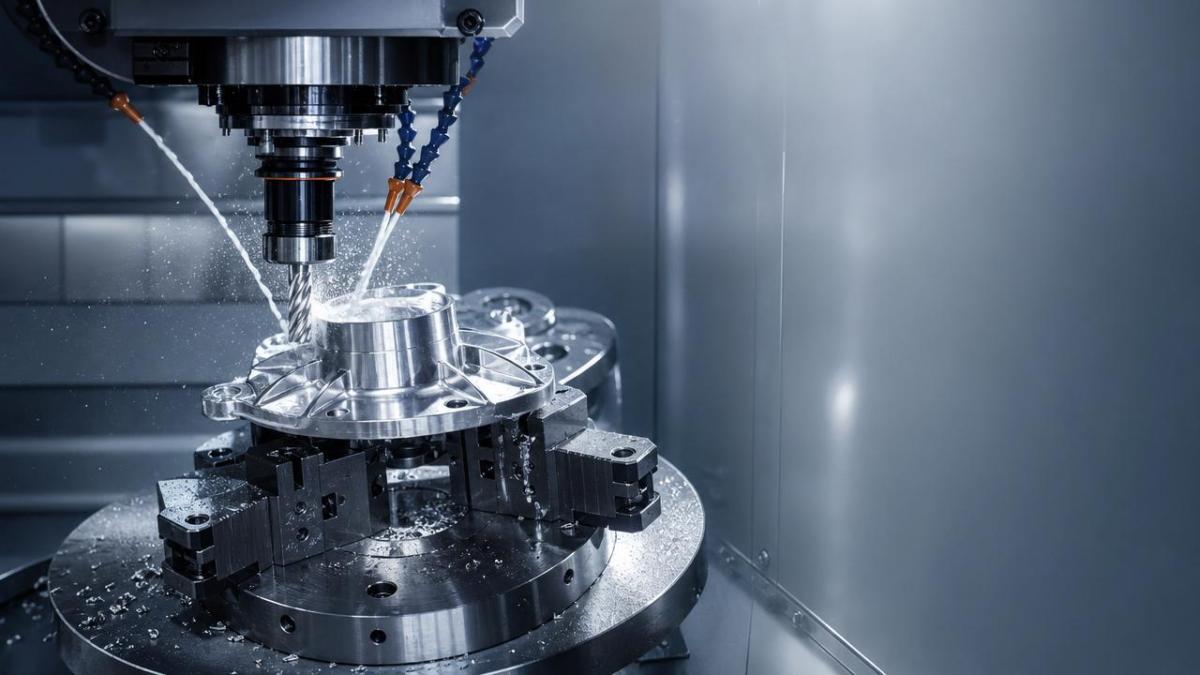
A large share of inconsistency in CNC metalworking comes from process control errors that appear minor during setup but become costly during volume production. In many plants, the first 5 to 20 parts may pass inspection, while variation starts to appear after tool wear, heat buildup, or fixture movement develops over the next 30 to 100 cycles.
1. Inadequate Workholding and Clamping Stability
Poor fixture design is one of the fastest ways to lose repeatability in CNC metalworking. If clamping force is too low, the part can shift under cutting load. If force is too high, thin-wall parts may deform before machining is even complete. On aluminum, stainless steel, and low-rigidity geometries, even a shift of 0.02 mm to 0.08 mm can push a critical feature out of tolerance.
Quality teams should verify locating surfaces, clamp sequence, support points, and chip evacuation around the fixture. Safety teams should also check whether operators are improvising clamps during changeovers, because non-standard clamping increases both quality risk and pinch-point exposure.
Key checks for fixture-related consistency
- Confirm repeatable datum location across every setup
- Measure clamping-induced deformation on first-off and last-off parts
- Inspect fixture wear at contact pads every 250 to 500 cycles where load is high
- Remove trapped chips before each reclamp to avoid stacked error
2. Incorrect Tool Selection or Uncontrolled Tool Wear
Tooling mistakes are another major cause of unstable results. Using the wrong insert geometry, tool coating, nose radius, or flute design can change cutting force, chip flow, and heat generation. In CNC metalworking, this often shows up as taper, poor surface finish, burr growth, or variation in hole size after only part of the batch is complete.
Tool life should not be managed by operator memory alone. A tool that runs well for 45 minutes in carbon steel may hold tolerance for only 20 to 30 minutes in harder alloys or interrupted cuts. For parts with tolerance bands tighter than ±0.01 mm, many shops benefit from scheduled offsets or insert changes at fixed intervals rather than waiting for visible wear.
3. Program and Offset Management Mistakes
Programming and offset errors can silently affect every part in a batch. A wrong tool length offset, cutter compensation value, or work coordinate shift may not create dramatic scrap immediately, but it often produces gradual nonconformance across multiple dimensions. In multi-axis CNC metalworking, post-processor mismatch and rotary axis calibration error can also compound profile deviation.
Quality personnel should treat offset control as a documented process. Even one unauthorized manual adjustment during a shift can make traceability difficult. Safety managers also have a stake here, because program edits made at the machine under time pressure can increase crash risk and unexpected motion events.
The table below summarizes common process mistakes, how they affect consistency, and what control action is typically most effective in CNC metalworking environments.
The key point is that part inconsistency is rarely caused by a single factor. In CNC metalworking, it is often the combination of fixture instability, unmanaged wear, and undocumented offset changes that creates repeatability problems. Cross-checking these three areas typically provides the fastest improvement path.
4. Ignoring Thermal Effects and Coolant Condition
Heat is a major but underestimated variable. Machine structures, spindles, cutting tools, and workpieces expand with temperature, and this becomes critical when tolerances fall below ±0.02 mm. If a machine starts cold and then runs continuously for 2 to 3 hours, bore size, length dimensions, and positional accuracy can all shift unless warm-up and compensation practices are consistent.
Coolant condition also matters. Low concentration can reduce lubrication and increase tool wear, while excessive concentration can create residue and operator handling concerns. In many shops, a practical monitoring interval is once per shift for concentration and once per week for contamination, tramp oil, and filtration performance.
Inspection, Safety, and Maintenance Gaps That Drive Variation
Even a well-designed machining process will drift if inspection discipline, machine condition, and operator safety practices are weak. For quality control and safety management teams, the goal is not only to catch bad parts, but to build a stable operating system where issues are detected before they become recurring defects.
5. Infrequent In-Process Inspection
Relying only on first article and final inspection is risky in CNC metalworking, especially for medium and large production runs. If checks are performed every 50 parts when wear-related drift starts after 20 parts, a significant amount of scrap can accumulate before the problem is found. For critical dimensions, many facilities use check intervals of every 5, 10, or 20 parts depending on tool stability and tolerance class.
Inspection methods should match the feature. A caliper is not enough for every bore, thread, or geometric tolerance. Where practical, in-machine probing, presetters, air gauges, or SPC-based trend monitoring can shorten feedback time and reduce overcorrection by operators.
Typical in-process control points
- First-off dimensional verification against drawing and setup sheet
- Mid-run trend check on 2 to 4 critical features
- Tool wear confirmation before expected life limit
- Last-off validation for drift, burrs, and surface finish stability
6. Poor Machine Maintenance and Calibration Discipline
Machine condition has a direct effect on part consistency. Backlash, spindle runout, axis stick-slip, worn guideways, hydraulic instability, and contaminated lubrication all contribute to variation. In CNC metalworking, these issues often appear gradually, which is why they are missed until scrap or customer complaints increase.
A practical baseline is to separate daily, weekly, and monthly checks. Daily checks may include air pressure, lubrication level, chip removal, and coolant delivery. Weekly checks can cover spindle taper cleanliness, fixture seating condition, and unusual vibration. Monthly or quarterly reviews may include backlash testing, ball bar analysis, and alignment verification depending on machine criticality.
For teams evaluating where to tighten controls first, the next table groups the most relevant quality and safety checkpoints by area of responsibility.
This matrix helps separate random defects from system-level causes. In many CNC metalworking operations, consistency improves faster when quality and safety checks are integrated rather than handled as isolated tasks.
7. Weak Standardization During Shift Changes and Job Changeovers
Shift handoff is a frequent source of variation. If one operator compensates wear with undocumented offsets and the next operator resets the process based on nominal values, the process can oscillate between undercut and oversize conditions. This is particularly common in shops running 2-shift or 3-shift schedules with short delivery windows.
A controlled handoff should include at least 6 items: active program revision, current tool life status, approved offsets, latest inspection data, known machine conditions, and pending safety issues. Standardized digital or paper setup sheets reduce ambiguity and improve traceability during audits and customer quality reviews.
8. Underestimating Safety’s Role in Consistency
Safety and consistency are closely linked in CNC metalworking. When chip buildup is removed with unsafe methods, when guarding is bypassed for faster loading, or when operators rush setup without a stable procedure, the result is not only higher injury risk but also higher process variation. A stable process is usually a safer process because movements, checks, and interventions are planned rather than improvised.
Safety managers should pay attention to recurring behaviors that signal process instability, such as frequent manual deburring at the machine, repeated offset corrections within one shift, or regular intervention to clear chips from a poorly designed fixture zone. These are quality signals as much as safety signals.
How Quality and Safety Teams Can Reduce CNC Metalworking Variability
The most effective improvement plans are practical and measurable. Instead of trying to redesign the whole process at once, teams should focus on the highest-impact failure points first. In many CNC metalworking environments, a 30-day improvement cycle is enough to reduce variation if checks are targeted and ownership is clear.
A practical 5-step control approach
- Rank the top 3 defect modes by frequency, scrap cost, or customer risk.
- Map each defect to fixture, tooling, program, machine, material, or operator cause.
- Set measurable controls such as check interval, wear limit, or clamp verification point.
- Review data every 1 to 2 weeks using scrap, rework, and drift trends.
- Lock in successful actions through work instructions, training, and audit checks.
What to measure first
- Scrap percentage by machine or part family
- Dimensional drift on 2 to 5 critical features
- Tool life consistency by material and operation
- Frequency of manual offset corrections per shift
- Number of safety-related interventions during setup or chip removal
For B2B manufacturers serving automotive, aerospace, electronics, or energy equipment sectors, consistency is a commercial issue as well as a technical one. Late detection of variation can affect PPAP readiness, customer audits, first-pass yield, and delivery reliability. Strengthening CNC metalworking controls therefore supports both plant performance and buyer confidence.
Part consistency improves when process settings are standardized, tooling life is controlled, inspection is frequent enough for the risk level, and maintenance is treated as a quality safeguard rather than a separate support function. Safety management adds further value by reducing improvised actions that often introduce instability into otherwise capable machining processes.
If your team is reviewing machining quality risks, planning process upgrades, or comparing CNC equipment and production control solutions, now is a good time to align quality, maintenance, and safety into one repeatability strategy. Contact us to discuss your production challenges, get a tailored process review, or learn more about practical solutions for more stable CNC metalworking results.
PREVIOUS ARTICLE
Recommended for You
![]() ANVISA New Rule: Portuguese Biocompatibility Labels for Medical CNC Machines in BrazilManufacturing Policy Research Center
ANVISA New Rule: Portuguese Biocompatibility Labels for Medical CNC Machines in BrazilManufacturing Policy Research Center![]() EMO Hannover 2027 Booth Booking Opens: China AI-Machining Pavilion LaunchesGlobal Machine Tool Trade Research Center
EMO Hannover 2027 Booth Booking Opens: China AI-Machining Pavilion LaunchesGlobal Machine Tool Trade Research Center![]() KATS Updates KC Rules: CNC Cybersecurity Modules Must Meet IEC 62443-4-2Manufacturing Policy Research Center
KATS Updates KC Rules: CNC Cybersecurity Modules Must Meet IEC 62443-4-2Manufacturing Policy Research Center![]() Shanghai Port Launches Green Clearance Channel for CNC EquipmentManufacturing Market Research Center
Shanghai Port Launches Green Clearance Channel for CNC EquipmentManufacturing Market Research Center![]() ISO 23218-3:2026 Published: CNC Digital Twin Interoperability StandardCNC Machining Technology Center
ISO 23218-3:2026 Published: CNC Digital Twin Interoperability StandardCNC Machining Technology Center![]() Vietnam Cuts CNC Equipment Import Tariff to 3.8% from June 2026Global Machine Tool Trade Research Center
Vietnam Cuts CNC Equipment Import Tariff to 3.8% from June 2026Global Machine Tool Trade Research Center


Aris Katos
Future of Carbide Coatings
15+ years in precision manufacturing systems. Specialized in high-speed milling and aerospace grade alloy processing.
▶
Why Shaft Parts often fail tolerance checks after finishingCNC Machining Technology Center▶
CNC milling issues that show up only in thin wall partsCNC Machining Technology Center▶
CNC metalworking mistakes that often hurt part consistencyCNC Machining Technology Center▶
Shaft Parts Machining Problems That Show Up at Final InspectionCNC Machining Technology Center▶
Industrial Turning Accuracy Can Drift for Hidden ReasonsCNC Machining Technology Center
Mastering 5-Axis Workholding Strategies
Join our technical panel on Nov 15th to learn about reducing vibrations in thin-wall components.

Providing you with integrated sanding solutions
Before-sales and after-sales services
Comprehensive technical support