• Global CNC market projected to reach $128B by 2028 • New EU trade regulations for precision tooling components • Aerospace deman
NYSE: CNC +1.2%LME: STEEL -0.4%

Industrial Turning Accuracy Can Drift for Hidden Reasons
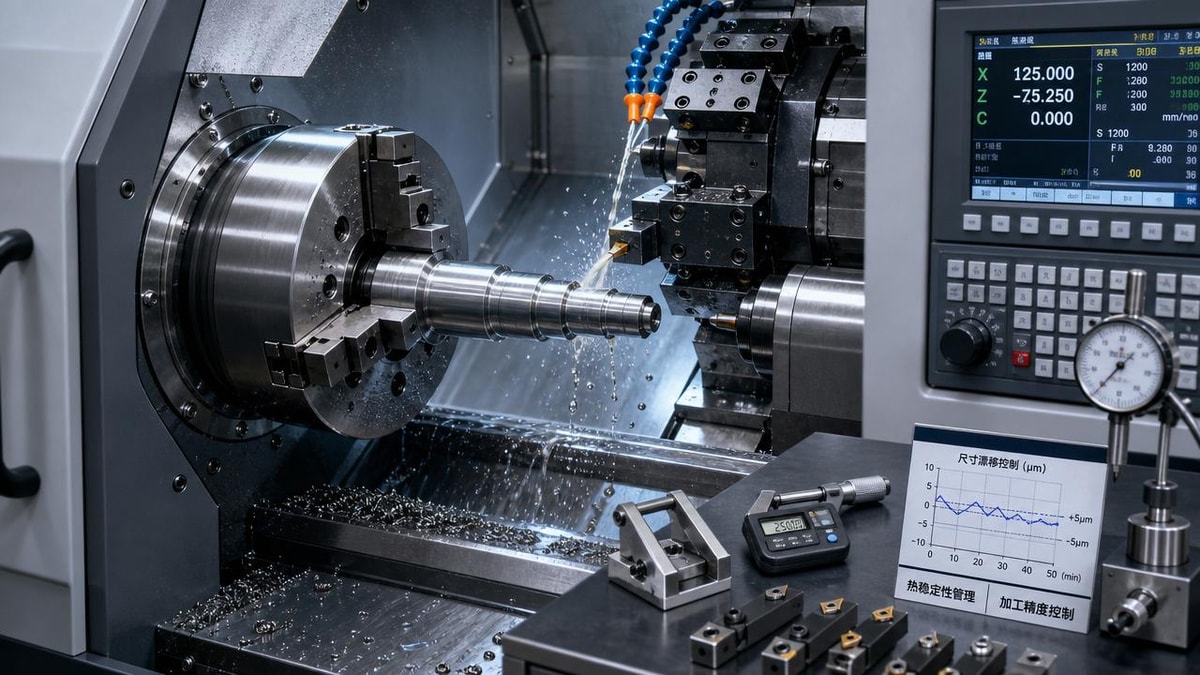
Industrial turning accuracy does not always fail for obvious reasons. For quality control and safety managers, minor shifts in machine condition, tooling behavior, thermal stability, or setup practices can quietly create dimensional drift before defects become visible. Understanding these hidden causes is essential for reducing scrap, preventing risk, and keeping production stable in high-precision manufacturing environments.
Why does industrial turning accuracy drift even when the process looks stable?
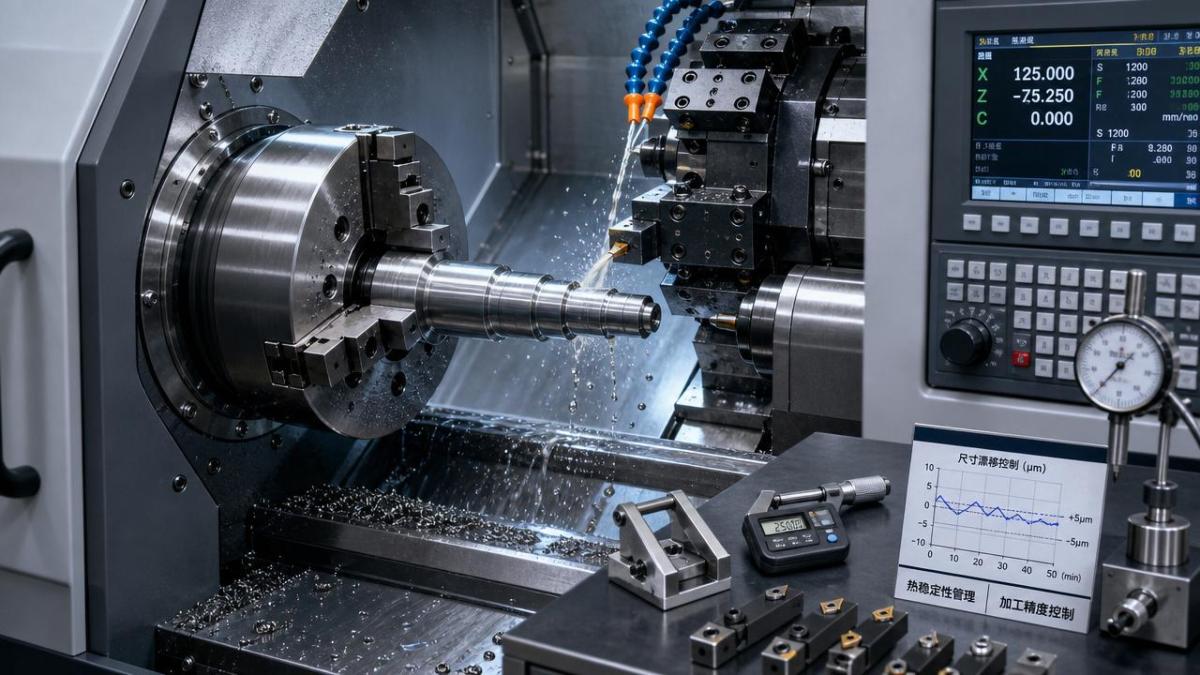
In modern CNC production, industrial turning is often monitored through part dimensions, cycle time, and visible tool wear. Yet many accuracy losses begin earlier and deeper in the process. A lathe may still sound normal, the operator may still follow the same program, and in-process inspection may still pass the first few pieces. Even so, hidden variation can build until runout, taper, surface finish, or diameter tolerance moves out of control.
For quality control teams, this creates a difficult problem: the source of the defect is not always the source of the alarm. For safety managers, the risk is broader than scrap alone. Unstable industrial turning can cause tool overload, poor chip control, unexpected rework, and rushed machine intervention. In sectors such as automotive, aerospace, energy equipment, and electronics, these issues can disrupt delivery and increase compliance pressure.
The most common hidden causes fall into several interacting categories:
- Thermal movement in the spindle, turret, coolant, and workpiece during long production runs.
- Small fixture or chuck inconsistencies that alter clamping force and part location.
- Tool edge degradation that does not appear dramatic but changes cutting force and dimensional repeatability.
- Machine wear in guideways, ballscrews, spindle bearings, or tailstock alignment.
- Programming, offset, or probing routines that are formally correct but weak against process drift.
Because global manufacturing is moving toward tighter tolerances, lights-out production, and digital traceability, these hidden causes matter more than before. In a smart factory environment, a stable industrial turning process is not defined by one good sample. It is defined by repeatability over time, across operators, materials, and machine states.
Hidden causes of industrial turning errors that quality teams often detect too late
Thermal growth is often gradual, not dramatic
Thermal change is one of the most underestimated reasons for industrial turning drift. A machine can cut within tolerance during warm-up, then move slightly as spindle heat, hydraulic temperature, coolant condition, and ambient shop temperature shift through the shift. Long shafts and thin-walled parts are especially vulnerable because they react both to machine temperature and cutting heat.
The challenge for inspection teams is timing. If the first-piece approval happens too early, the approved condition may not match the thermal condition during the main production window. If measurements are taken only at the end of a batch, the drift trend may be missed until many parts are at risk.
Tool wear does not need to be severe to affect tolerance
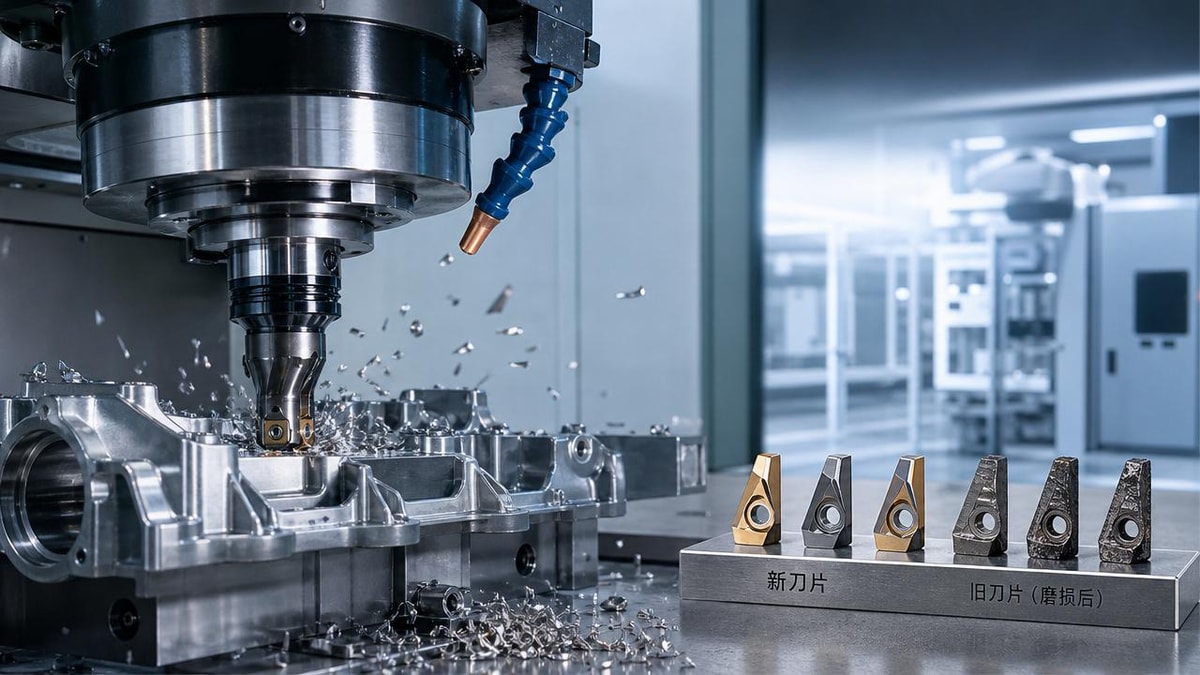
In industrial turning, dimensional error often appears before a tool looks visibly failed. Micro-chipping, built-up edge, coating breakdown, or subtle nose radius change can alter effective cutting geometry. The result may be a diameter shift of only a few microns per part, but over a full production lot that is enough to trigger nonconformance.
This is especially important in automated lines where tool life is managed by part count only. Part count is useful, but not complete. Material batch variation, interrupted cuts, coolant concentration, and chip evacuation can shorten or lengthen real tool life significantly.
Clamping repeatability may be the real source of variation
A common mistake in industrial turning analysis is to blame the machine first and the workholding second. In practice, chuck jaw wear, contaminated locating surfaces, inconsistent hydraulic pressure, soft jaw distortion, and poor part seating can all create measurable drift. The machine may still be accurate, but the part is not being presented the same way each cycle.
For safety managers, unstable clamping also raises risk. Poor grip can increase vibration, worsen chip formation, and in severe cases create part ejection hazards. That makes workholding a quality issue and a shop-floor safety issue at the same time.
Machine geometry degradation can stay hidden behind offset corrections
Operators often compensate for drift by adjusting wear offsets. This keeps production moving, but it can also mask root causes. If frequent offset changes are needed, the underlying problem may involve spindle runout, turret indexing repeatability, tailstock misalignment, ballscrew backlash, or guideway wear. Offset correction is a useful control tool, not proof that the machine is healthy.
The following table helps quality and safety teams connect hidden industrial turning causes with visible symptoms and practical checks.
A key lesson from the table is that visible defects are often delayed indicators. Strong process control in industrial turning depends on leading indicators such as temperature pattern, clamp stability, offset frequency, and tool-load trend, not only final measurement results.
Which industrial turning conditions create the highest risk in different manufacturing sectors?
Not all turning environments fail in the same way. The risk profile depends on part geometry, material, production volume, and downstream requirements. Quality control and safety managers should prioritize monitoring based on application, not use a single checklist for every line.
Typical high-risk application scenarios
- Automotive shaft production: high volume and tight cycle time make small drift costly because scrap accumulates quickly before escalation.
- Aerospace components: lower volume but tighter geometric tolerance means even slight instability can block release and documentation approval.
- Energy equipment parts: larger diameters and harder materials increase heat, tool load, and fixture stress during industrial turning.
- Electronics and precision hardware: thin-wall or miniature parts are highly sensitive to clamping force and tool sharpness.
This application comparison can support inspection planning and process review priorities in industrial turning environments.
The comparison shows why industrial turning control should match the production context. A batch strategy that works for automotive output may be too coarse for aerospace documentation needs or too aggressive for delicate precision parts.
How should QC and safety managers evaluate industrial turning stability?
Build a layered control plan
A practical control plan for industrial turning should combine dimensional checks with process health checks. Final measurement alone is reactive. A stronger method links machine, tooling, fixture, environment, and operator behavior into one review cycle.
- Define critical features by function, not by drawing size alone. Bearing fits, sealing faces, and rotating interfaces need tighter process attention.
- Set inspection frequency by drift risk. Long-cycle heavy cuts, unstable materials, and fine tolerances need shorter intervals.
- Track offset changes as a process signal. Rising adjustment frequency often points to hidden deterioration.
- Audit clamp condition and pressure settings routinely, especially after jaw change, maintenance, or material switch.
- Review coolant concentration, filtration, and nozzle direction because cooling inconsistency affects both dimension and safety.
Use the right decision signals before approving a batch
Batch release decisions in industrial turning should include more than the first article and a final sample. A better approval approach asks whether the process stayed centered, whether adjustment frequency increased, whether tool load changed, and whether measurement results show time-based drift. This is particularly valuable in automated lines and cross-border supply chains where traceability expectations are rising.
What should buyers and plant teams look for when improving industrial turning capability?
When companies face recurring accuracy drift, the first response is often to replace a tool, tighten inspection, or ask operators to be more careful. Those actions may help, but purchasing and process decisions should be broader. The real question is whether the current turning system is suitable for the tolerance, material, and production rhythm required.
Evaluation points before investing
- Machine rigidity and thermal compensation capability for the target tolerance band.
- Spindle and turret repeatability under actual production load, not only catalog values.
- Compatibility of workholding design with part shape, wall thickness, and required concentricity.
- Tool management method, including life monitoring, insert traceability, and replacement discipline.
- Digital data availability for load, alarms, offsets, cycle history, and maintenance trends.
If budget is limited, a full machine replacement may not be necessary. In many industrial turning lines, meaningful gains come from improved chuck maintenance, better soft jaw preparation, stable coolant control, calibrated probing, and disciplined warm-up procedures. The value of these upgrades is that they reduce hidden variation before capital spending becomes the only option.
Standards, compliance, and documentation: what matters in industrial turning control?
Quality and safety managers are increasingly asked to prove control, not just claim it. In industrial turning, that usually means traceable measurement, calibration records, maintenance logs, process change control, and documented reaction plans. Exact standards vary by customer and sector, but the common expectation is consistent documentation aligned with recognized quality systems and safe operating practices.
Useful compliance habits include:
- Linking part measurement records to machine, tool batch, operator, and shift data.
- Maintaining calibration schedules for gauges, probes, and in-process measurement devices.
- Documenting clamp pressure settings and change points for critical parts.
- Using formal deviation review when repeated offset adjustments exceed internal limits.
- Verifying machine condition after maintenance before resuming high-precision industrial turning production.
These controls support more than audits. They make troubleshooting faster, reduce blame-based decision making, and improve communication between suppliers, production teams, and end customers.
FAQ: common questions about industrial turning drift
How can we tell whether industrial turning drift is caused by the machine or the tooling?
Start with trend behavior. If size changes gradually with part count and resets after insert replacement, tooling is a strong suspect. If drift changes with warm-up state, machine idle time, or shift conditions, thermal or machine factors are more likely. If runout or part seating varies randomly between cycles, workholding should be checked first.
What is the most overlooked control point in industrial turning?
For many plants, it is clamping repeatability. Teams often focus on the CNC program and insert grade, but minor issues in jaw condition, seating cleanliness, hydraulic pressure, and fixture contact area can create recurring variation that looks like machine inaccuracy.
Should we increase inspection frequency when drift appears?
Yes, but only as a containment action. More inspection helps protect outgoing quality, yet it does not solve the source of industrial turning instability. Pair increased checks with root cause review of thermal condition, tooling, workholding, coolant, and offset history.
How do safety concerns connect to turning accuracy problems?
The connection is stronger than it seems. Chatter, overload, poor chip evacuation, unstable workholding, and emergency interventions are both accuracy risks and safety risks. A drifting industrial turning process often signals rising mechanical stress or unstable cutting conditions that deserve immediate review.
Why choose us for industrial turning insight and next-step support?
We focus on the global CNC machining and precision manufacturing industry, with close attention to the real conditions faced by quality control and safety managers. That means practical support around production stability, equipment capability, tooling behavior, process risk, and international manufacturing trends rather than generic theory alone.
If your team is dealing with industrial turning drift, you can contact us to discuss specific needs such as parameter confirmation, machine or process selection, fixture and tooling review, delivery cycle considerations, documentation and compliance expectations, sample support, and quotation communication for related manufacturing solutions. We can also help you compare options across different applications, from high-volume automotive work to tighter-tolerance aerospace and energy components, so your decision is based on process fit, not guesswork.
The fastest way to reduce hidden turning risk is to review the full process chain: machine condition, tool strategy, workholding, thermal control, inspection rhythm, and operator practice. When those elements are aligned, industrial turning becomes more predictable, safer to manage, and easier to scale across demanding production environments.
PREVIOUS ARTICLE
Recommended for You
 CNC Milling Capacity Gaps Can Hurt Small Batch ProfitabilityManufacturing Market Research Center
 Industrial Robotics Payback Is Changing in Mid-Size PlantsManufacturing Market Research Center
 Shaft Parts Machining Problems That Show Up at Final InspectionCNC Machining Technology Center
 Production Process Delays Usually Start Before Machining BeginsCNC Machining Technology Center
 Industrial Automation Projects Often Miss This Integration StepCNC Machining Technology Center
 CNC Metal Cutting Tool Wear Is Costing More Than You ThinkCNC Machining Technology Center

Aris Katos
Future of Carbide Coatings
15+ years in precision manufacturing systems. Specialized in high-speed milling and aerospace grade alloy processing.
▶
Shaft Parts Machining Problems That Show Up at Final InspectionCNC Machining Technology Center▶
Industrial Turning Accuracy Can Drift for Hidden ReasonsCNC Machining Technology Center▶
CNC Metalworking Costs That Often Get Missed Early OnCNC Machining Technology Center▶
Shaft Parts machining problems that show up after final inspectionCNC Machining Technology Center▶
Which Production Process changes bring the fastest output gains?CNC Machining Technology Center
Mastering 5-Axis Workholding Strategies
Join our technical panel on Nov 15th to learn about reducing vibrations in thin-wall components.

Providing you with integrated sanding solutions
Before-sales and after-sales services
Comprehensive technical support