• Global CNC market projected to reach $128B by 2028 • New EU trade regulations for precision tooling components • Aerospace deman
NYSE: CNC +1.2%LME: STEEL -0.4%

How to Fix Bottlenecks in the Production Process
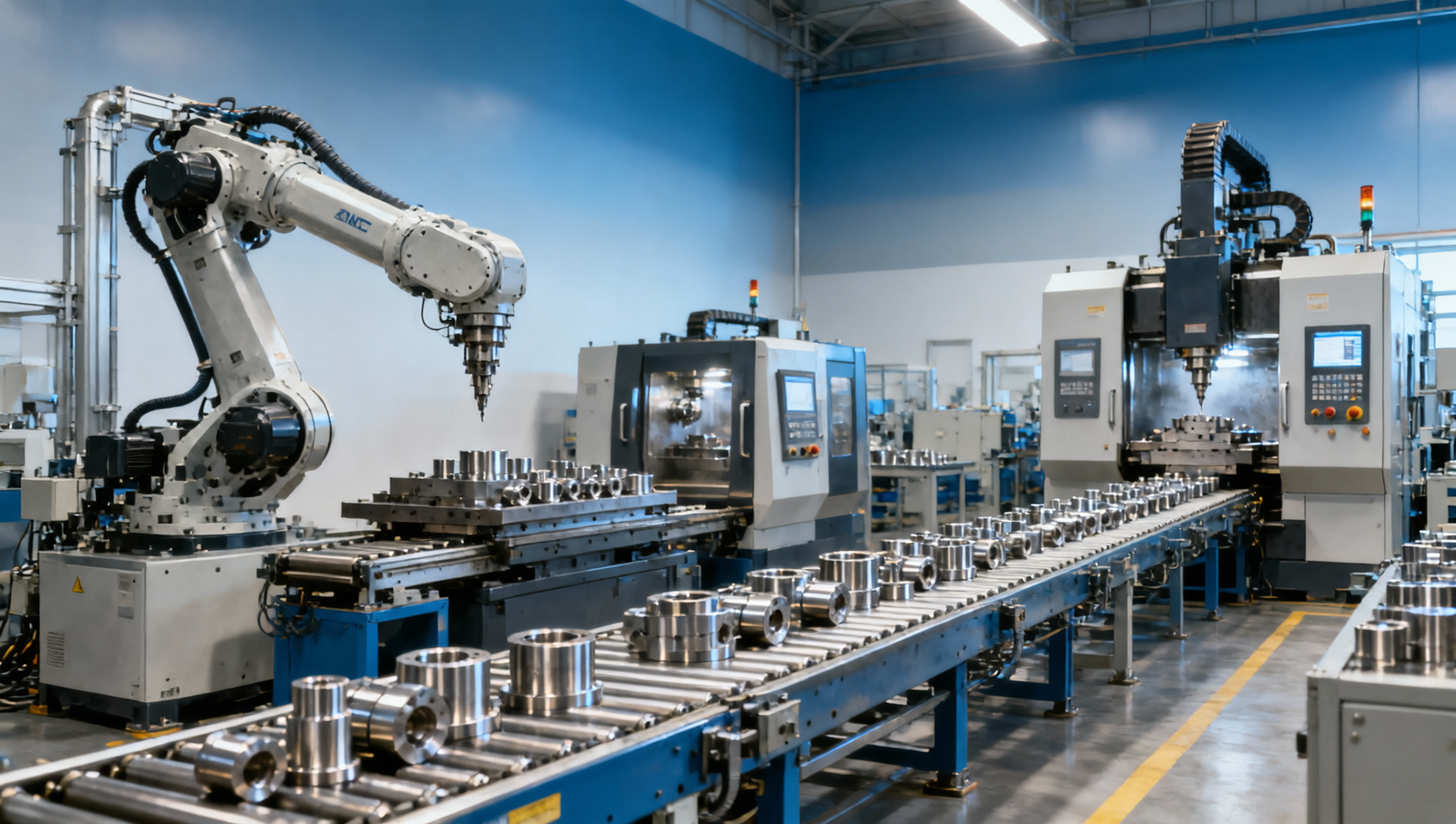
Production bottlenecks can quietly reduce output, raise costs, and weaken quality across the Manufacturing Industry. From metal machining and CNC production to automated production lines and Industrial Automation systems, identifying the root cause is essential for stable performance. This guide explains how to spot delays, improve Production Process efficiency, and optimize industrial CNC operations for smarter, faster, and more reliable Global Manufacturing results.
For researchers, machine operators, procurement teams, and commercial evaluators, bottlenecks are not just a scheduling issue. They affect spindle utilization, labor efficiency, delivery reliability, work-in-process inventory, and customer confidence. In CNC machining and precision manufacturing, even a 5% drop in throughput can quickly turn into longer lead times, overtime costs, and margin erosion.
The good news is that most production constraints are visible when the process is measured correctly. Whether the problem comes from machine cycle imbalance, poor tooling life, fixture changeovers, inspection delays, material shortages, or software planning gaps, there are practical ways to improve flow. The key is to separate symptoms from root causes and then act in a disciplined sequence.
Identify Where the Production Process Really Slows Down
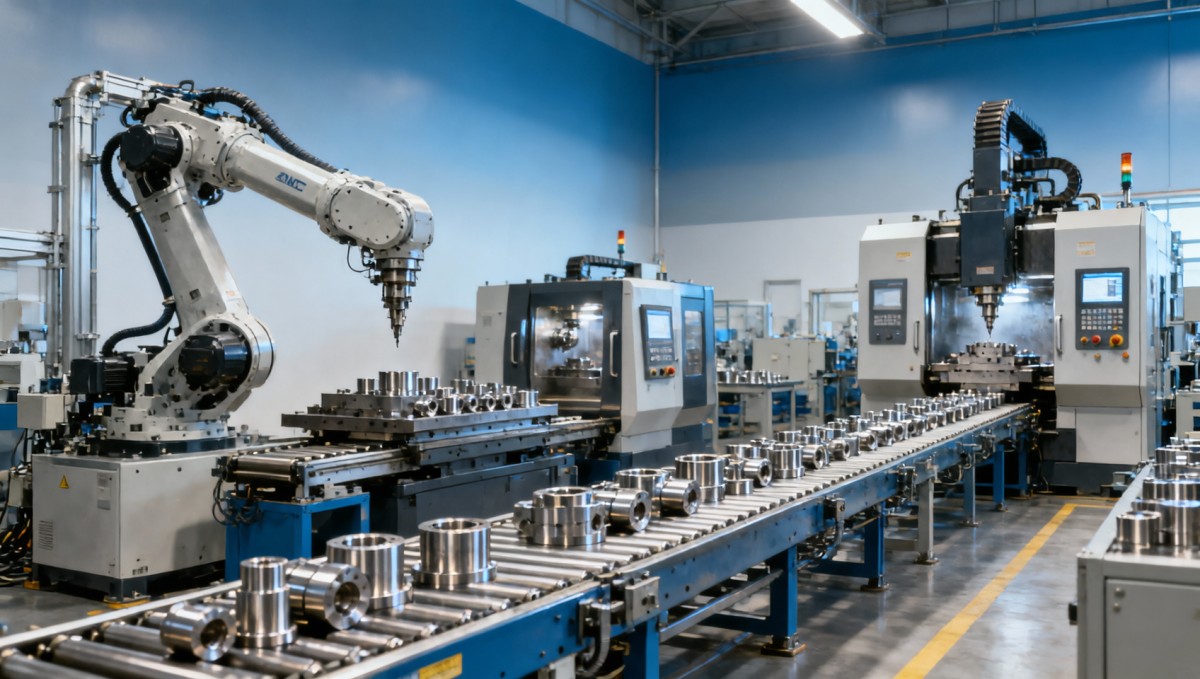
A bottleneck is the step that limits total output. In a CNC workshop, that may be a 4-axis machining center running at 92% load while upstream turning operations stay below 65%. In an automated production line, it may be one inspection station taking 75 seconds per part while surrounding stations complete their cycles in 40–50 seconds. Without this comparison, teams often invest in the wrong machine, the wrong software, or the wrong labor shift.
Start with direct observation over at least 3 to 5 production days. One day of data can be misleading because tooling wear, operator differences, urgent orders, and material interruptions distort the picture. Track machine cycle time, setup time, queue time, downtime, scrap rate, and changeover frequency. In many factories, queue time is longer than actual cutting time, especially when one process feeds several downstream operations.
For buyers and decision-makers, the lesson is simple: do not assume low output means insufficient equipment capacity. In many cases, the true limit is process coordination. A plant with 12 CNC machines may still miss delivery targets if only 2 machines handle the most complex parts or if one CMM station becomes the inspection gate for all critical dimensions.
Common Bottleneck Signals in CNC and Precision Manufacturing
The following indicators help teams identify whether the restriction is mechanical, operational, or planning related. These are especially useful in metal cutting, precision part manufacturing, and automated cell operations.
If two or more of these indicators appear together, the issue is usually systemic rather than isolated. That means teams should examine planning logic, material flow, machine loading, and quality control together instead of optimizing just one workstation.
A Practical First Check
- Map the process from raw material release to finished part packing in 5 to 8 major steps.
- Record average and peak cycle time for each step over at least one full production week.
- Separate value-added cutting time from waiting, handling, setup, and inspection time.
- Check whether the slowest step also has the highest rework or the most schedule changes.
This first-pass analysis often reveals that a visible machine is not the true bottleneck. The real delay may sit in programming release, fixture availability, or first-piece approval.
Find the Root Cause Behind CNC and Automation Bottlenecks
Once the constrained step is known, the next task is root cause analysis. In the CNC machine tool industry, bottlenecks usually come from one of five sources: equipment limits, tooling and fixturing, labor capability, process design, or digital planning. If teams address only the symptom, such as buying another machine, the bottleneck often moves rather than disappears.
Equipment-related issues include spindle power mismatch, insufficient axis capability, unstable machine accuracy, slow tool change systems, or maintenance gaps. For example, a part requiring ±0.01 mm tolerance and repeated multi-face machining may overload a general-purpose machine that was never meant for complex 5-axis work. The result is long cycle time, repeated repositioning, and more inspection steps.
Tooling and fixture constraints are equally common. If tool life varies from 45 minutes to 120 minutes on the same material, the process lacks stability. If fixtures require manual alignment for every batch, setup time will remain high no matter how advanced the CNC system is. In automated production lines, one robot or pallet station can become a blocking point if gripper design and part orientation are inconsistent.
Labor and programming also matter. A line that depends on 1 or 2 highly experienced operators is fragile. When shift changes occur, performance may drop by 10% to 15%. CAM programming delays, revision control errors, and late process approval can hold back machines that are physically available but operationally idle.
Root Cause Categories and Corrective Direction
A structured diagnosis helps procurement teams and plant managers decide whether to invest in new equipment, process redesign, or support systems. The table below provides a decision frame that fits most precision machining operations.
The main conclusion is that bottlenecks are rarely solved by one action alone. A new CNC machining center may increase cutting capacity, but if fixture changeover still takes 40 minutes and inspection still queues for 8 hours, total lead time remains poor.
Questions Decision-Makers Should Ask
- Is the bottleneck caused by capacity shortage or process instability?
- Does the constrained step operate on critical tolerance parts, high-mix jobs, or urgent orders?
- Will a capital investment reduce cycle time by at least 15% to 25%, or is setup reduction more valuable?
- Can digital monitoring expose stoppages in real time within 1 shift instead of at week-end review?
These questions protect companies from overbuying equipment and underinvesting in engineering discipline, which is a frequent problem in expanding machine shops and multinational production networks.
Use Process Balancing, Tooling Control, and Automation to Remove Delays
After root causes are confirmed, the next step is corrective action. In high-precision manufacturing, the most effective improvements usually come from three levers: cycle balancing, setup reduction, and flow automation. These changes often deliver results faster than a large facility redesign and can be implemented in 2 to 8 weeks, depending on process complexity.
Cycle balancing means aligning upstream and downstream step times so one station does not dominate the line. If one CNC operation takes 110 seconds and the next takes 58 seconds, the mismatch will build work-in-process. Options include splitting the heavy operation into 2 steps, reallocating features to another machine, or using parallel equipment for peak-load parts. In flexible manufacturing systems, pallet pools and automatic tool changers can further smooth the rhythm.
Setup reduction is often underestimated. Many shops focus on cutting speed but lose 20% to 35% of available time in fixture swap, tool presetting, offset confirmation, and first-piece inspection. Standard tooling carts, modular fixtures, offline presetting, and digital setup sheets can reduce a 45-minute changeover to 20–25 minutes in common batch production environments.
Automation should be targeted, not fashionable. Robot loading, conveyor transfer, automatic gauging, and pallet handling work well when part families are stable and tolerance control is repeatable. For low-volume, high-mix environments, semi-automation and better scheduling may provide a stronger return than a full robotic cell.
Improvement Priorities by Production Scenario
The right action depends on order mix, batch size, tolerance level, and labor availability. The comparison below helps match the bottleneck type with the most practical response.
The key takeaway is that throughput gains should be matched to production reality. A standardized setup system may outperform a new machine purchase if the real loss lies between jobs rather than during cutting.
Fast Improvement Actions With Measurable Impact
- Set maximum target changeover time by family, such as 15 minutes for repeat batches and 30 minutes for mixed-part setups.
- Track tool life by material group and replace based on actual wear windows, not only operator judgment.
- Introduce hourly production boards or digital dashboards for top 3 downtime reasons per shift.
- Create buffer rules between constrained and non-constrained steps, typically 30 to 90 minutes depending on cycle stability.
These measures create practical visibility and improve output without disrupting the entire manufacturing system.
Choose the Right Metrics, Software, and Equipment Support
Sustainable bottleneck removal requires more than a one-time correction. Manufacturers need a control system that shows whether production flow is improving week after week. In CNC machining and industrial automation, that means combining machine data, process discipline, and supplier support rather than relying on end-of-month output numbers alone.
The most useful metrics are usually simple. Monitor cycle time by part family, planned versus unplanned downtime, setup duration, first-pass yield, queue time, and on-time completion rate. For precision manufacturing, adding dimensional capability checks at critical operations can prevent hidden bottlenecks caused by rework. A machine that runs continuously but creates unstable quality is not increasing true capacity.
Software tools matter when they reduce decision latency. MES, machine monitoring platforms, tool management systems, and scheduling software can help, but only if data collection is accurate and response rules are defined. If alarms are visible but no one reacts within 10 to 15 minutes, visibility alone does not solve the problem. For many factories, a basic digital board with clear escalation steps is more effective than a complex system that operators ignore.
Equipment suppliers and integrators also play a role. Procurement teams should ask whether a machine builder can support process prove-out, training, spare parts planning, remote diagnostics, and maintenance intervals. In global manufacturing, lead times for key components may range from 2 weeks to 12 weeks, so after-sales capability directly affects bottleneck risk.
Procurement and Support Evaluation Checklist
When a bottleneck leads to investment decisions, buyers should compare not only machine specifications but also implementation reliability. The following checklist can improve commercial evaluation quality.
- Verify actual process fit: axis count, spindle range, tool magazine size, and fixture compatibility should match the target part mix for the next 24 to 36 months.
- Check service response expectations: remote support within 24 hours and critical spare part planning should be discussed before purchase.
- Ask about training structure: at least operator training, maintenance training, and process optimization guidance should be included.
- Review software compatibility: machine monitoring, CAM post-processing, and shop-floor scheduling should connect cleanly to existing systems.
Metrics That Deserve Weekly Review
A weekly review cycle is often enough for trend control and fast enough to prevent recurring loss. For constrained operations, many plants also add daily shift-level review.
These metrics connect engineering, operations, and procurement decisions. They also help international manufacturers compare plant performance with a consistent operating language.
Common Mistakes, FAQ, and a Practical Action Plan
Many bottleneck projects fail because teams move too quickly from complaint to purchase. A new machine, more labor, or a software subscription may look decisive, but if the process is not measured first, the investment may simply shift congestion to another step. A disciplined action plan usually saves both capital and implementation time.
Another common mistake is treating all products the same. A plant producing automotive shafts, electronic housings, and energy-equipment parts should not use one rule set for every route. High-volume parts may need line balancing, while complex low-volume parts need setup reduction and programming control. Segmenting by part family often reveals where the production process is truly losing capacity.
For operators and supervisors, one of the most effective habits is short-interval review. A 10-minute shift start meeting and a mid-shift bottleneck check can expose missing tools, delayed materials, or unstable offsets before a full day is lost. For decision-makers, a 30-day improvement cycle with weekly review is often a realistic rhythm for measurable results.
FAQ: How to Fix Production Bottlenecks in Real Operations
How do I know whether the bottleneck is a machine issue or a planning issue?
If the machine is busy but output remains low, compare cutting time with waiting time, setup time, and rework time. If waiting and setup account for more than 25% of the total route time, the bottleneck is often planning or process-related rather than pure machine capacity.
When should a factory add a new CNC machine?
A new machine makes sense when the constrained process is stable, demand is sustained, and utilization remains high over multiple weeks, often above 80% to 85% on the true bottleneck resource. If instability is still high, process correction should come first.
What is the fastest low-cost way to improve production flow?
In many precision manufacturing environments, setup reduction, standard work, and better tool-life control provide the fastest return. These actions can often start within 1 to 2 weeks and do not require major capital approval.
How important is inspection in bottleneck management?
Very important. Inspection delays often create false confidence because machining appears complete while shipment readiness is still blocked. In-process checks, gauge standardization, and planned first-piece approval can shorten this hidden queue significantly.
A 5-Step Action Plan
- Measure the full route for 3 to 5 days, including cycle, setup, queue, downtime, and quality loss.
- Confirm the true constrained step and classify the cause into equipment, tooling, labor, process, or planning.
- Implement one focused improvement package, such as setup reduction, route balancing, or inspection redesign.
- Review performance weekly using 4 to 6 core metrics rather than broad output totals only.
- Escalate to equipment investment only after process stability and demand evidence are clear.
Fixing bottlenecks in the production process is not just about faster machines. It is about building a reliable flow across CNC machining, automated production lines, tooling systems, inspection, and planning. For manufacturers, sourcing teams, and commercial evaluators, the strongest results come from matching data, process design, and equipment decisions to the real operating constraint. If you are reviewing CNC production efficiency, planning a line upgrade, or comparing machining and automation solutions, contact us to discuss your application, request a tailored recommendation, or learn more about practical solutions for global precision manufacturing.
PREVIOUS ARTICLE
NEXT ARTICLE
Recommended for You
![]() China Releases First Eastern Sea Seabed Elemental MapGlobal Machine Tool Trade Research Center
China Releases First Eastern Sea Seabed Elemental MapGlobal Machine Tool Trade Research Center![]() AIMM National Standard Advances for CNC Smart Factory CertificationManufacturing Policy Research Center
AIMM National Standard Advances for CNC Smart Factory CertificationManufacturing Policy Research Center![]() eVTOL Mass Production Drives CNC Export GrowthGlobal Machine Tool Trade Research Center
eVTOL Mass Production Drives CNC Export GrowthGlobal Machine Tool Trade Research Center![]() China Launches World's Largest Agri-Meteorological Observation NetworkManufacturing Market Research Center
China Launches World's Largest Agri-Meteorological Observation NetworkManufacturing Market Research Center![]() Robotics ToB Scaling Hits Data Bottleneck in CNC AI InspectionCNC Machining Technology Center
Robotics ToB Scaling Hits Data Bottleneck in CNC AI InspectionCNC Machining Technology Center![]() SAMR to Complete 1,800+ Standards Revisions in 2026Manufacturing Policy Research Center
SAMR to Complete 1,800+ Standards Revisions in 2026Manufacturing Policy Research Center


Aris Katos
Future of Carbide Coatings
15+ years in precision manufacturing systems. Specialized in high-speed milling and aerospace grade alloy processing.
▶
Metal Machining vs CNC Metalworking: What MattersCNC Machining Technology Center▶
How to Reduce Scrap in CNC Metalworking JobsCNC Machining Technology Center▶
CNC Milling or Turning: Which Saves More TimeCNC Machining Technology Center▶
How to Fix Bottlenecks in the Production ProcessCNC Machining Technology Center▶
Production Process Changes That Improve Output FastCNC Machining Technology Center
Mastering 5-Axis Workholding Strategies
Join our technical panel on Nov 15th to learn about reducing vibrations in thin-wall components.

Providing you with integrated sanding solutions
Before-sales and after-sales services
Comprehensive technical support