• Global CNC market projected to reach $128B by 2028 • New EU trade regulations for precision tooling components • Aerospace deman
NYSE: CNC +1.2%LME: STEEL -0.4%

Metal Machining vs CNC Metalworking: What Matters
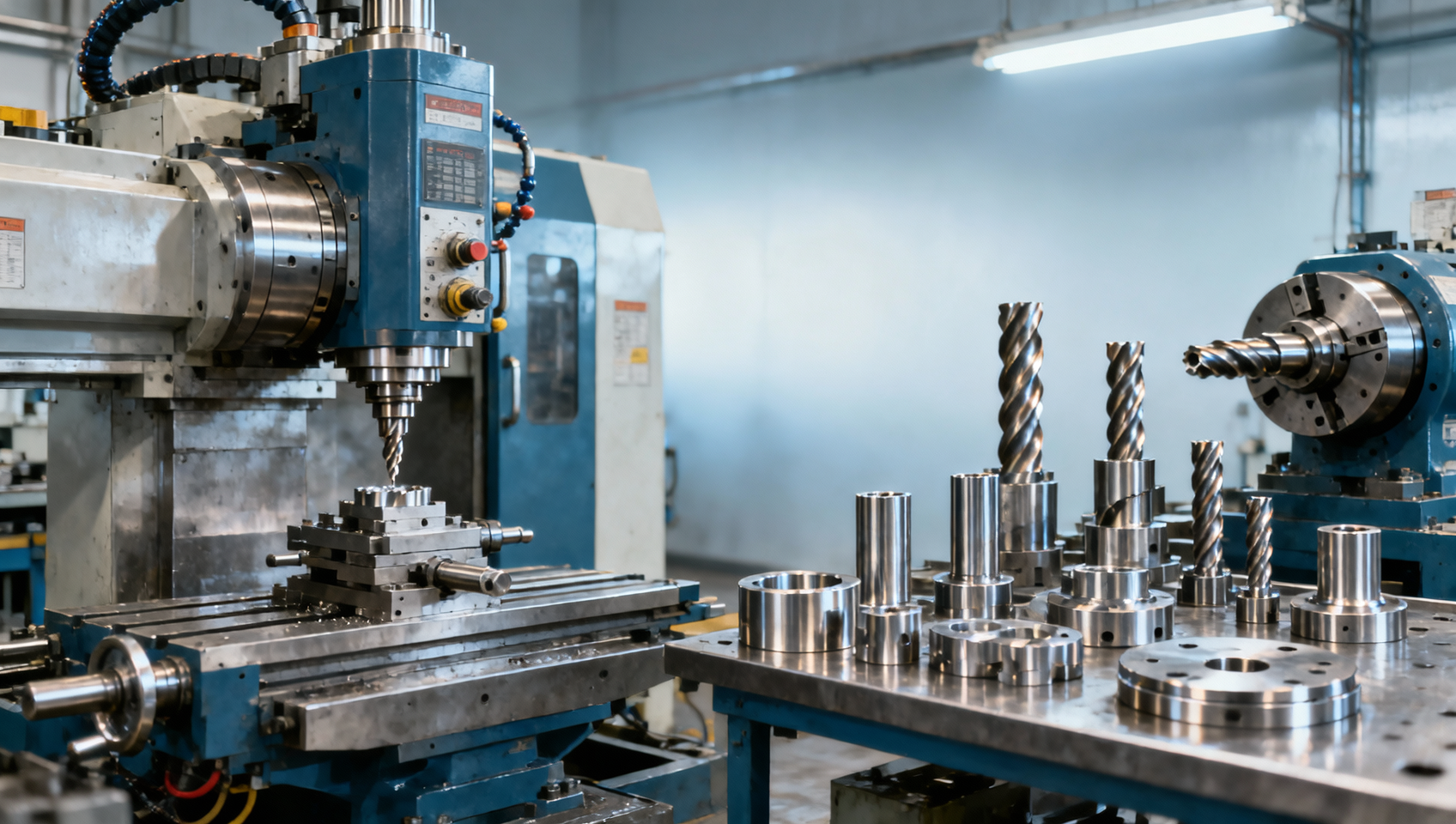
In today’s Global Manufacturing landscape, understanding the difference between metal machining and CNC metalworking is essential for anyone involved in the Manufacturing Industry. From industrial CNC systems and CNC milling to automated lathes and CNC cutting, these technologies shape precision, efficiency, and automated production. This article explores what truly matters in performance, production process, and investment value.
What is the real difference between metal machining and CNC metalworking?
Many buyers and operators use the terms metal machining and CNC metalworking as if they mean the same thing. In practice, they overlap but are not identical. Metal machining is the broader category. It includes turning, milling, drilling, grinding, boring, and other subtractive processes performed on metal workpieces using manual, semi-automatic, or fully automated equipment.
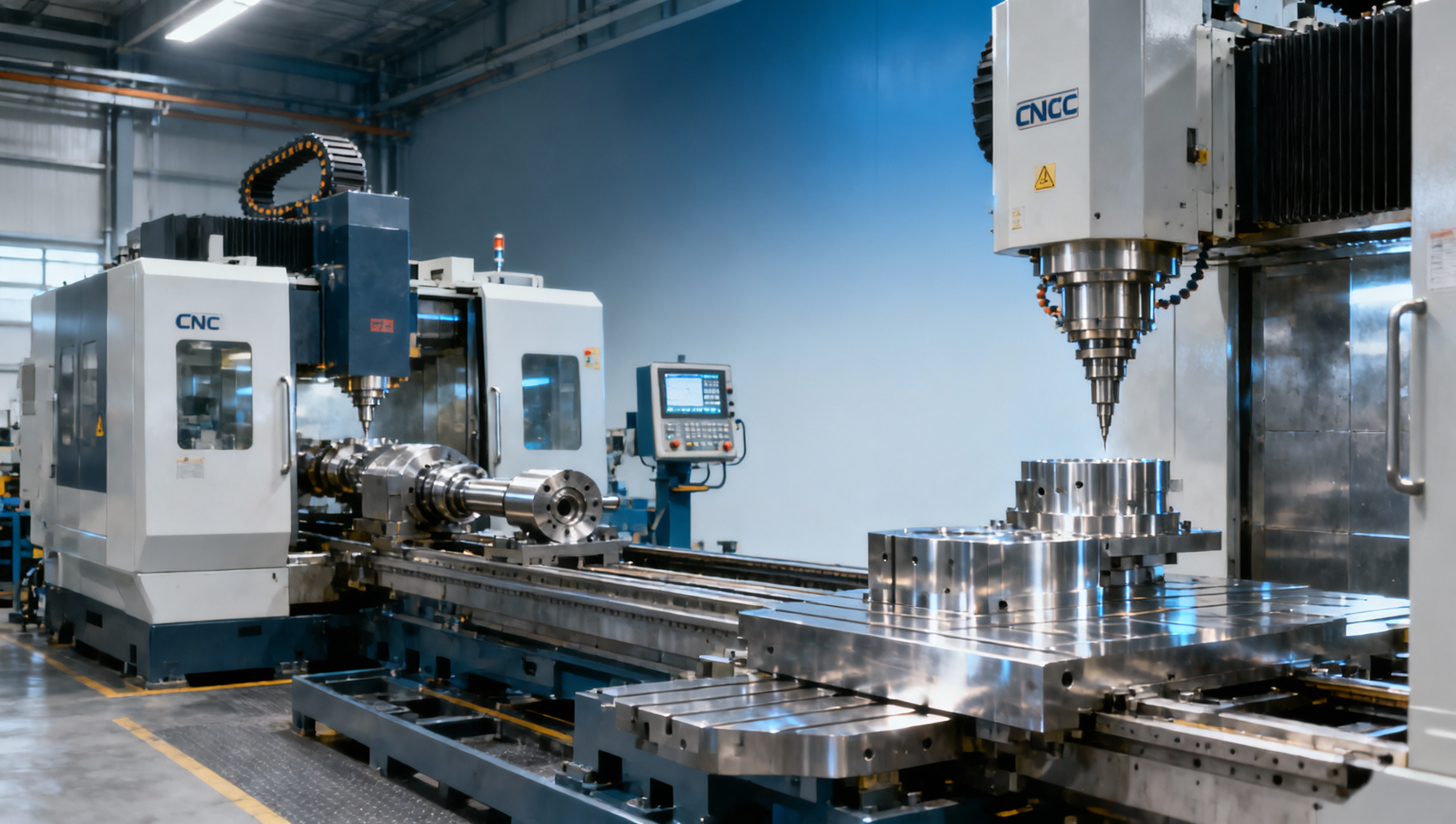
CNC metalworking refers to machining and related fabrication tasks controlled by computerized numerical control. In a modern workshop, this often involves CNC lathes, vertical machining centers, horizontal machining centers, 3-axis to 5-axis systems, automatic tool changers, digital probing, and process programs that can be repeated across batches ranging from small-lot prototypes to medium and large-volume production.
For information researchers, the distinction matters because the search intent is often different. A user searching metal machining may want a broad supplier, process overview, or material capability. A user searching CNC metalworking usually wants tighter tolerance, better repeatability, digital process control, faster cycle consistency, and a clearer link to automated production lines and smart factory integration.
For procurement and business evaluation teams, the more useful question is not which term sounds more advanced, but which production model matches part complexity, tolerance band, delivery pressure, and total cost. A simple steel bracket may not require multi-axis CNC capacity, while a complex shaft, precision disc, or aerospace structural feature often does.
A practical comparison for decision-makers
The table below helps clarify how metal machining and CNC metalworking differ in common B2B evaluation scenarios. It is especially useful when comparing supplier capability, workshop setup, and process suitability for automotive, energy equipment, electronics, and precision component manufacturing.
The key takeaway is clear: CNC metalworking is not a replacement for every machining task, but it becomes increasingly important when part geometry, consistency, documentation, and production efficiency move beyond the limits of manual control. That is why global manufacturing continues to invest in digital machining centers, flexible cells, and integrated inspection workflows.
Which factors matter most in performance, precision, and shop-floor results?
When evaluating machining capability, most teams focus too narrowly on the machine itself. Real performance depends on at least 5 linked factors: machine rigidity, spindle power range, tooling strategy, fixture stability, and process control. In CNC metalworking, software quality and operator programming discipline add another layer that strongly affects dimensional consistency and cycle time.
For operators, one of the most visible differences is repeatability over time. A machine may produce acceptable parts for the first 20 pieces, yet drift after continuous running, tool wear, or thermal change over 4–8 hours. That is why serious production planning includes tool life checks, offset correction, coolant control, and in-process inspection rather than relying only on first-piece approval.
For business evaluators, the deeper issue is process stability. A lower initial machine price can become expensive if scrap rates rise, cycle times fluctuate, or the supplier cannot maintain tolerance across multiple shifts. In sectors such as automotive and electronics, even a small variation in bore size, flatness, or concentricity can create downstream assembly risk.
In modern CNC machining environments, the target is not simply faster cutting. The real goal is balanced output: stable tolerance, predictable lead time, manageable tooling cost, and compatibility with production data systems. This is why many factories now combine CNC machine tools with probing, automated loading, barcode traceability, and periodic quality checkpoints every shift or every batch change.
Technical checkpoints that often decide success
- Tolerance capability should match the drawing requirement, not exceed it blindly. A common range for general precision work is ±0.02 mm to ±0.05 mm, while tighter parts may require a more controlled process chain.
- Material behavior changes the machining plan. Aluminum, stainless steel, carbon steel, titanium alloys, and hardened steels respond differently to heat, chip evacuation, and tool wear.
- Fixture design matters as much as spindle power. Poor clamping can cause distortion, chatter, or repeated zero-point errors even when the machine itself is capable.
- Cycle time should be measured with setup, tool change, inspection, and handling included. A cutting time of 6 minutes may become a real production time of 10–14 minutes per piece.
Why multi-axis systems change the equation
A 3-axis machine is still effective for many housings, plates, and standard parts. However, once a component requires angled surfaces, compound contours, or multiple side operations, 4-axis and 5-axis CNC metalworking can reduce setups from 3–5 operations to 1–2 operations. That change affects not only productivity but also cumulative accuracy and labor dependence.
This matters in aerospace, energy equipment, and precision assemblies where several datums interact. Every extra repositioning step introduces risk. Fewer setups often mean lower geometric variation, shorter handling time, and more efficient use of expensive material, especially on high-value alloys or near-net-shape components.
How should buyers compare metal machining and CNC metalworking for real applications?
Application fit is where many sourcing projects either succeed or fail. Buyers often compare quotations before confirming whether the process route is suitable. In reality, the best choice depends on 3 practical variables: part complexity, production volume, and quality risk. A low-cost process on paper can become the highest-cost option if rework, delay, or field failure appears later.
In automotive production, CNC metalworking is often favored for shafts, transmission parts, brake components, and precision housings because repeatability and takt alignment matter across medium to large batches. In energy equipment, both broad metal machining and CNC machining may coexist, with CNC used on sealing surfaces, bearing fits, and key interfaces while conventional machining supports heavier roughing work.
In electronics and precision industrial equipment, component miniaturization and assembly tolerance push production toward controlled CNC milling, CNC turning, and precision drilling. Here, even a small burr or surface inconsistency can affect fit, conductivity, or final assembly yield. For such parts, process discipline often matters more than simple machine count.
For global buyers sourcing across China, Germany, Japan, South Korea, and other industrial clusters, the useful comparison is not only country of origin but also process maturity. Ask whether the supplier can manage drawings, inspection records, tooling replacement cycles, and shipment planning within a realistic 2–6 week production window depending on complexity and batch size.
Application-based selection guide
The table below summarizes where each approach is commonly stronger. It can support internal communication between engineering, purchasing, and commercial teams before RFQ release.
This comparison shows why hybrid production strategies are common. Many efficient factories do not choose between metal machining and CNC metalworking as opposites. They combine both, assigning each process to the dimensions and surfaces where it creates the most value.
What should procurement teams check before placing an order?
A strong RFQ should do more than request unit price. It should define 5 key inputs: material grade, tolerance requirements, surface finish expectation, quantity plan, and inspection method. Without these, quotations become difficult to compare. One supplier may quote based on rough machining assumptions, while another includes final inspection, deburring, and traceability in the same price.
Lead time also needs careful interpretation. Prototype machining may take 7–15 days after drawing confirmation, but repeat production can vary from 2–4 weeks depending on fixture preparation, raw material availability, heat treatment, and secondary operations. For high-mix manufacturing, setup planning can be just as important as spindle hours.
Operators and technical buyers should verify whether the supplier supports process review before production. A 30-minute drawing clarification meeting can prevent days of delay. Critical points include datum strategy, burr-sensitive edges, thread standards, chamfer callouts, and whether any feature requires special tooling or probing.
Commercial evaluators should also ask about quality records and process transparency. In international trade, the ability to provide inspection reports, packing details, and milestone communication often matters as much as machining itself. This is especially true when shipments involve multiple SKUs or components intended for assembly lines.
A practical 6-point procurement checklist
- Confirm whether the part is simple, moderate, or complex in geometry. This affects whether conventional machining, 3-axis CNC, or multi-axis CNC is the right route.
- Identify critical dimensions separately from general dimensions. Not every feature needs the same tolerance band or inspection frequency.
- Check surface finish, edge condition, and post-processing needs such as heat treatment, coating, or cleaning before packing.
- Review batch size and release rhythm. Monthly releases of 200 pieces require a different production plan than a one-time order of 20 pieces.
- Ask for sample validation or first article confirmation when the part is new, complex, or used in regulated industrial applications.
- Clarify packaging, labeling, and documentation if the machined parts move directly into an automated or semi-automated assembly line.
Common sourcing mistakes to avoid
A frequent mistake is treating all tolerances as equally important. This drives unnecessary cost. Another is selecting a CNC supplier based only on equipment list without checking inspection capability, process engineering support, and communication speed. Machines alone do not ensure consistent production. Process management does.
Another risk appears when drawings are incomplete. Missing material condition, roughness notes, or thread definitions can trigger requotes, scrap, or disputes. Good suppliers usually raise these issues early. Smart buyers welcome that feedback because it reduces lifecycle risk and protects delivery schedules.
How do cost, alternatives, and future manufacturing trends affect the decision?
The cost question is more nuanced than machine rate per hour. Total machining cost usually includes setup, programming, tooling wear, material utilization, inspection, secondary operations, and logistics. CNC metalworking often has a higher front-end setup cost, but it may lower cost per piece in repeat production by reducing manual intervention, improving consistency, and shortening downstream correction time.
Alternative routes should also be considered. For some parts, fabrication plus finish machining is more economical than full machining from solid stock. For others, casting, forging, or extrusion followed by CNC finishing provides better material efficiency. The right comparison depends on annual volume, complexity, tolerance concentration, and the ratio between rough stock cost and finished geometry.
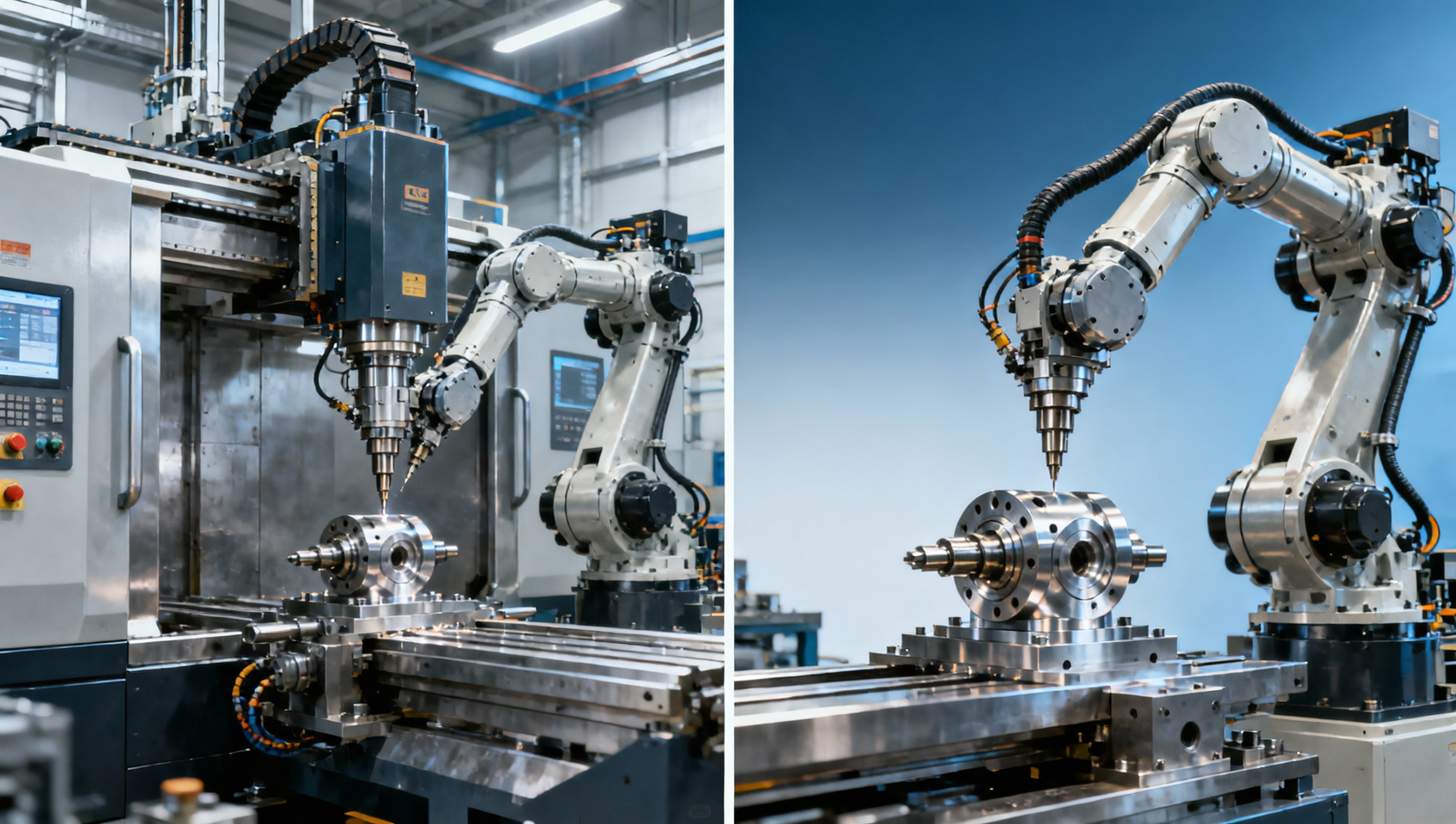
From a future-planning perspective, the global machine tool industry is moving toward higher automation, digital integration, and flexible production cells. Smart factories increasingly connect CNC machines with robots, tool monitoring, MES systems, and inspection loops. This does not eliminate the value of broad metal machining know-how. Instead, it makes process integration and data visibility more important over the next 3–5 years.
For manufacturers serving automotive, aerospace, electronics, and energy equipment, the competitive edge will come from selecting the right process depth. Some parts need cost-efficient conventional machining support. Others need full CNC metalworking with high repeatability, traceable production, and fast adjustment capability. The best partners can advise on both, not just sell one route.
FAQ: questions buyers and operators ask most often
Is CNC metalworking always better than traditional metal machining?
No. CNC metalworking is usually better for complex shapes, repeat orders, and tighter process control. Traditional metal machining still makes sense for simple parts, maintenance tasks, urgent one-off jobs, or roughing stages where digital complexity adds little value. The right answer depends on geometry, quantity, and quality risk.
What lead time should I expect for machined metal parts?
A common range is 7–15 days for prototype or sample parts after technical confirmation, and 2–4 weeks for repeat production. More complex components, special materials, heat treatment, or multi-process routing can extend lead time. It is better to request a staged timeline with milestones than rely on one headline delivery date.
What documents should be prepared before requesting a quote?
At minimum, prepare the drawing, material specification, quantity forecast, tolerance notes, and surface finish requirements. If available, add 3D files, inspection points, packaging requirements, and any applicable standard references. These inputs improve quotation quality and reduce hidden assumptions.
How can I judge whether a supplier is suitable for long-term cooperation?
Look at response quality, not only price. A suitable partner can discuss process routes, identify drawing risks, explain inspection methods, and communicate realistic production windows. If a supplier can support sample validation, batch scaling, and ongoing technical adjustment, that is often a stronger sign than a short equipment list.
Why contact us when comparing machining solutions?
If you are comparing metal machining suppliers, CNC metalworking capabilities, or mixed production routes, we help turn technical questions into practical sourcing decisions. Our platform focuses on the global CNC machining and precision manufacturing industry, covering machine tools, machining technology, production trends, market analysis, and international trade updates that matter to engineers, buyers, and commercial teams.
You can contact us for structured support on parameter confirmation, process selection, CNC milling and turning suitability, tolerance discussion, expected lead time, and production route comparison. We can also help you organize RFQ information so your team can compare suppliers more efficiently and reduce ambiguity before sample or batch release.
For projects involving automated production, precision machine tools, multi-axis systems, or international sourcing evaluation, we can support questions around application scenarios, delivery planning, documentation needs, and practical differences between general machining capacity and true CNC manufacturing capability. This is especially useful when internal stakeholders need one clear technical-commercial view.
If you are preparing a new inquiry, send the drawing, target quantity, material, tolerance range, and delivery expectation. We can help you review whether the part is better suited to broad metal machining, CNC metalworking, or a combined approach, and identify what should be confirmed before quotation, sample support, or formal order discussion.
PREVIOUS ARTICLE
NEXT ARTICLE
Recommended for You
 How to Choose the Right Metal Machining ProcessCNC Machining Technology Center
 Metal Machining vs CNC Metalworking: What MattersCNC Machining Technology Center
 What Drives Cost in Industrial CNC ProjectsManufacturing Market Research Center
 Is Industrial CNC Worth Upgrading in 2026Machine Tool Industry Editorial Team
 How CNC Industrial Systems Improve Shop EfficiencyMachine Tool Industry Editorial Team
 CNC Industrial Setup Mistakes to Avoid FirstCNC Machining Technology Center

Aris Katos
Future of Carbide Coatings
15+ years in precision manufacturing systems. Specialized in high-speed milling and aerospace grade alloy processing.
▶
Metal Machining vs CNC Metalworking: What MattersCNC Machining Technology Center▶
How to Reduce Scrap in CNC Metalworking JobsCNC Machining Technology Center▶
Why Shaft Parts for Agricultural Machinery Fail Earlier Than ExpectedCNC Machining Technology Center▶
Defense Precision Machining Faces Tighter Tolerance Risks in 2026CNC Machining Technology Center▶
How Precision Disc Parts Affect Hydraulic System StabilityCNC Machining Technology Center
Mastering 5-Axis Workholding Strategies
Join our technical panel on Nov 15th to learn about reducing vibrations in thin-wall components.

Providing you with integrated sanding solutions
Before-sales and after-sales services
Comprehensive technical support