• Global CNC market projected to reach $128B by 2028 • New EU trade regulations for precision tooling components • Aerospace deman
NYSE: CNC +1.2%LME: STEEL -0.4%

How to Reduce Scrap in CNC Metalworking Jobs
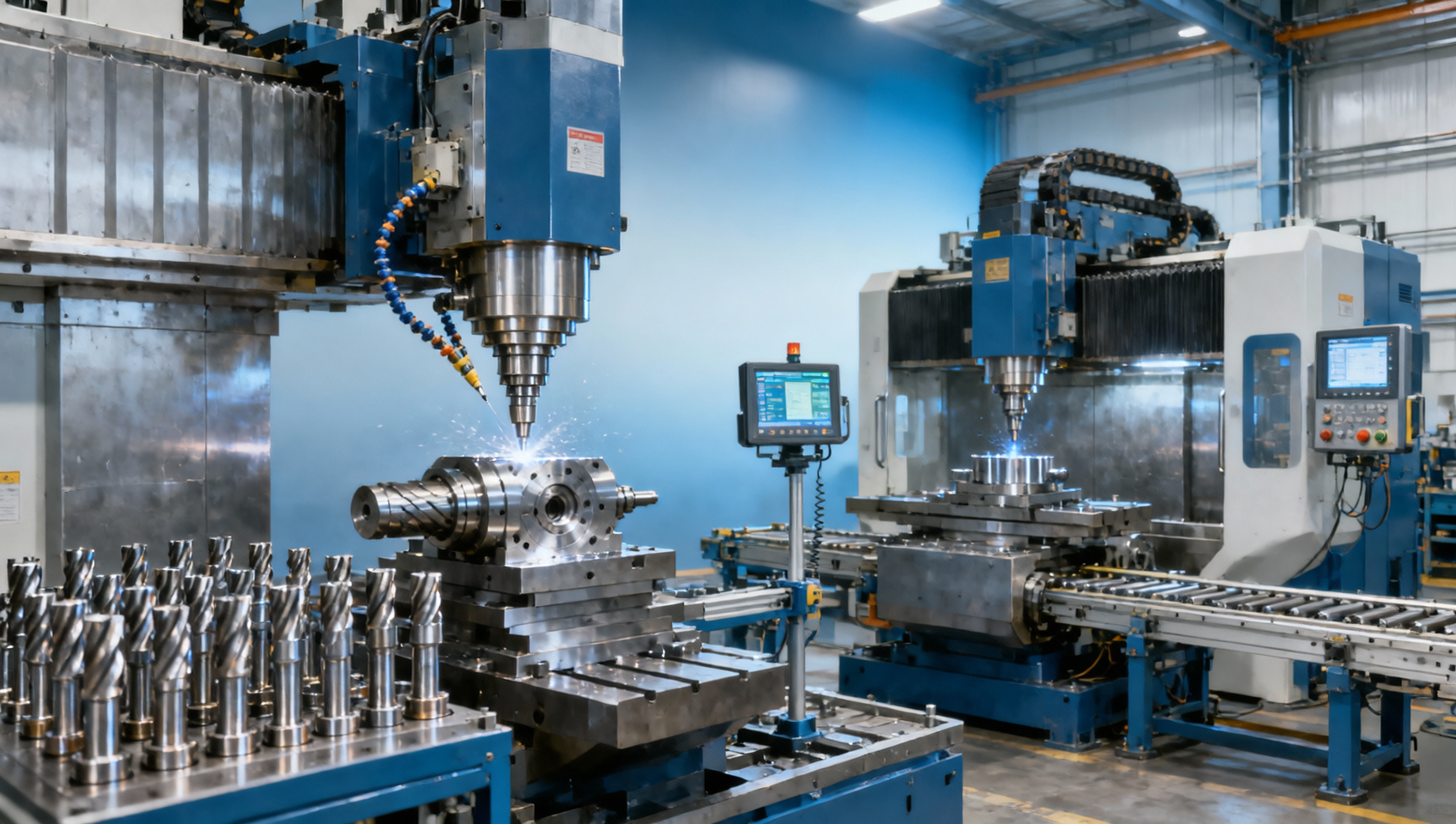
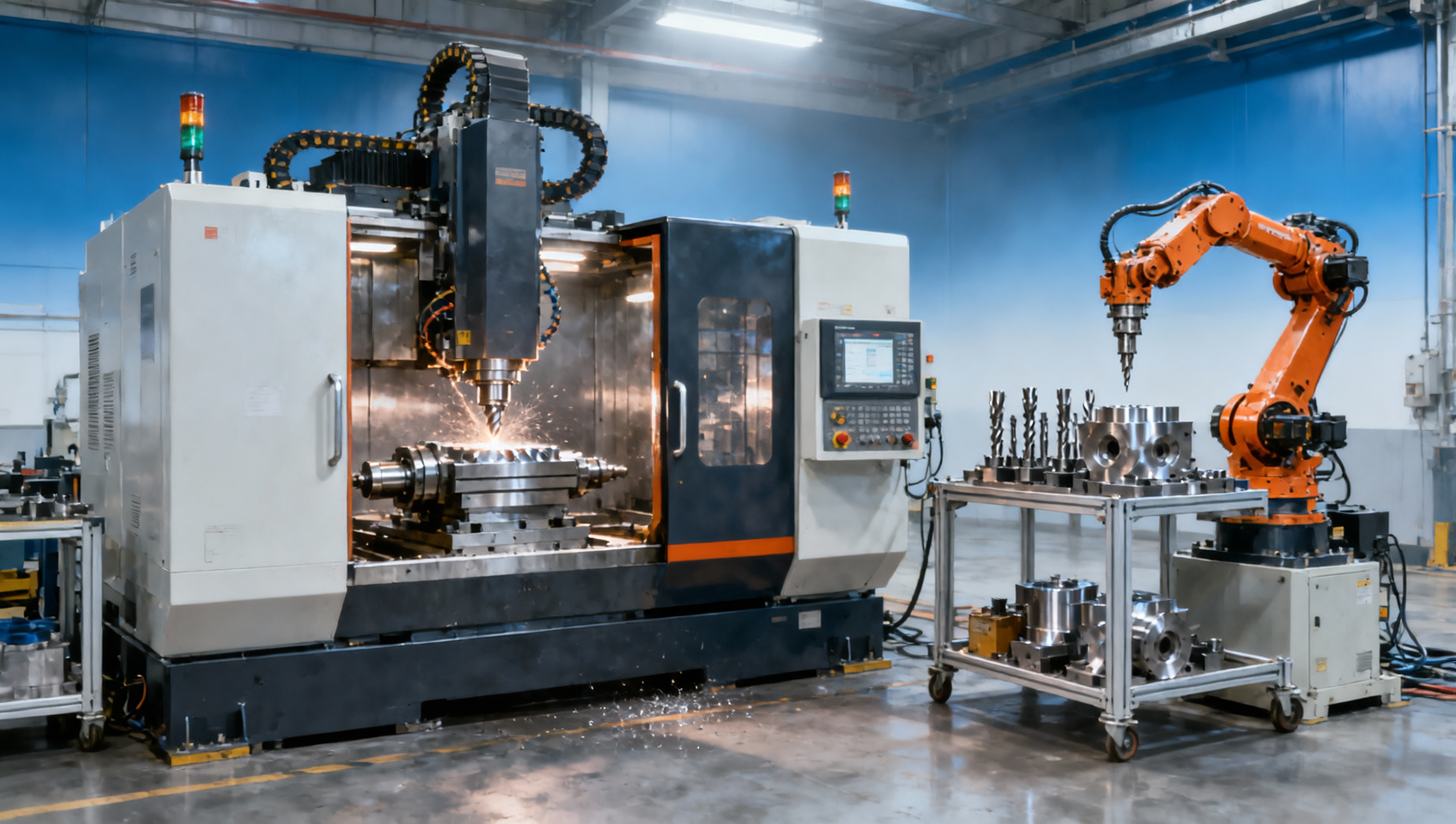
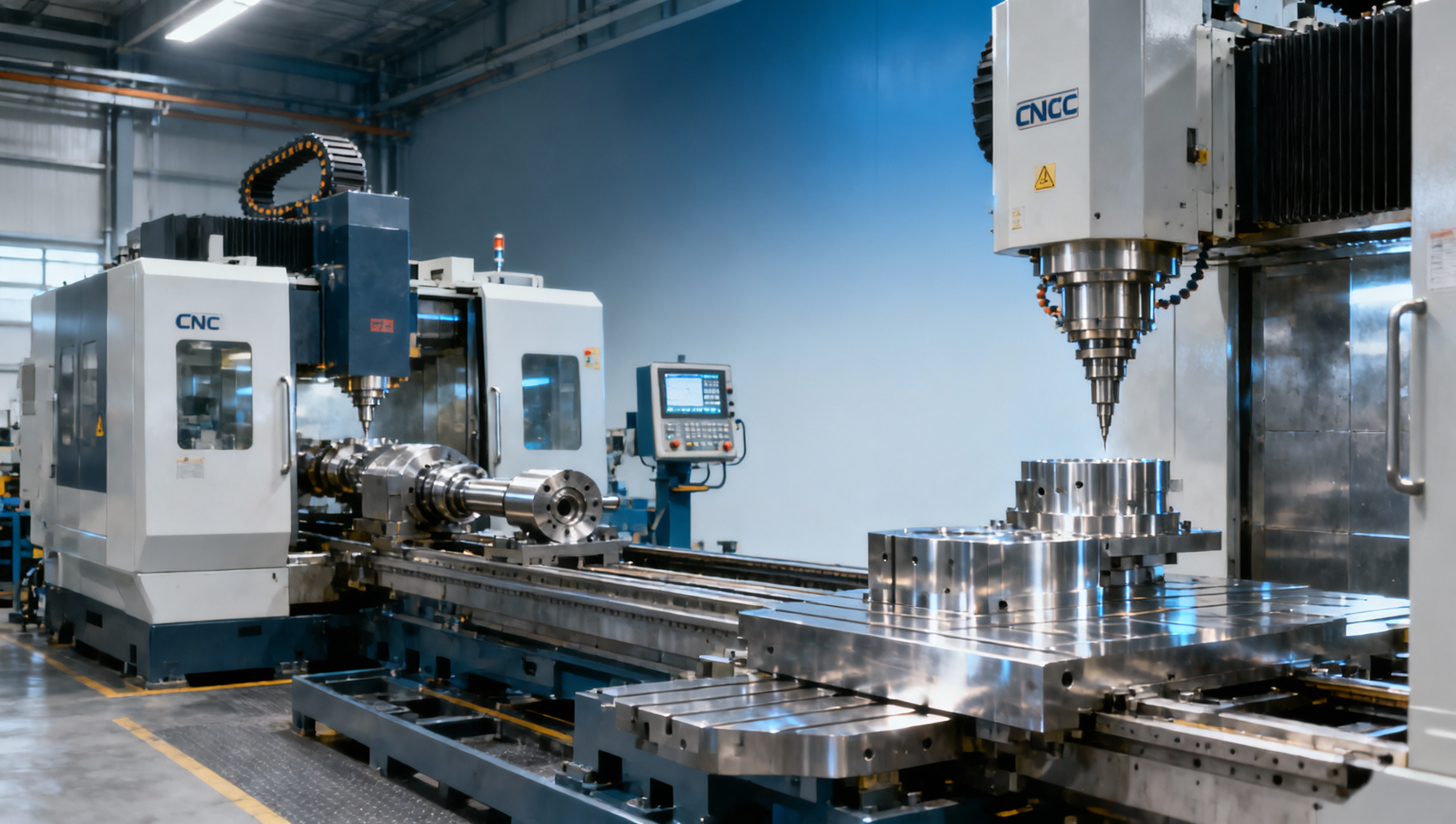
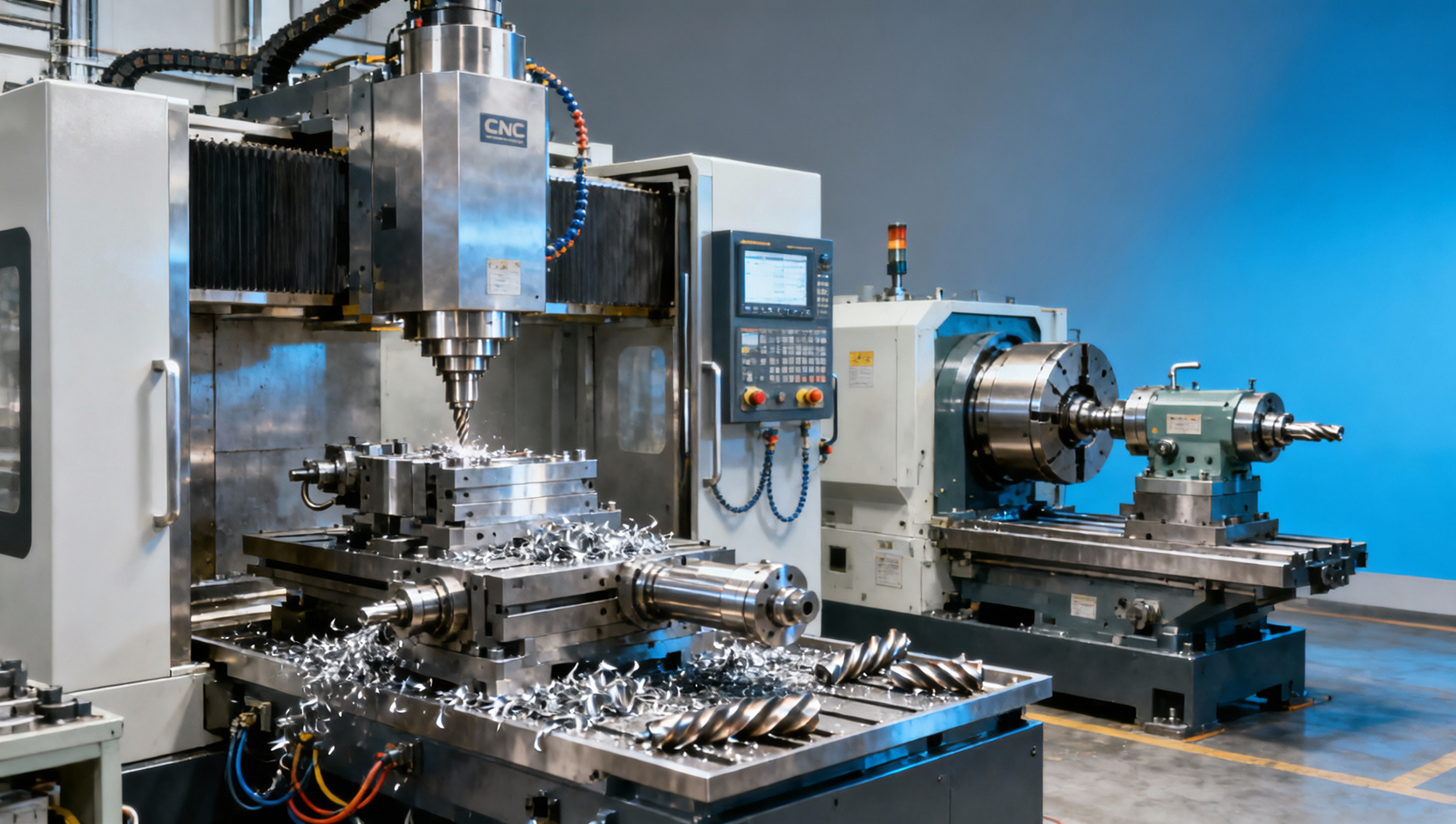
In CNC metalworking jobs, scrap can quickly erode profit, disrupt the production process, and reduce efficiency across automated production lines. From CNC cutting and CNC milling to metal lathe and industrial lathe operations, reducing waste requires better CNC programming, tool control, and process stability. This article explores practical ways manufacturers can improve quality, support industrial automation, and strengthen CNC production performance in today’s global manufacturing environment.
For most CNC shops, scrap is rarely caused by one single issue. It usually comes from a chain of small failures: unstable setups, incorrect offsets, tool wear, poor material consistency, weak first-article control, or programming mistakes that are not caught early enough. The fastest way to reduce scrap is to treat it as a process control problem rather than an operator-only problem. That matters to machine users, production teams, buyers, and business evaluators alike, because lower scrap means higher yield, more predictable delivery, lower cost per part, and better use of machines, tooling, and labor.
Where does scrap in CNC metalworking usually come from?
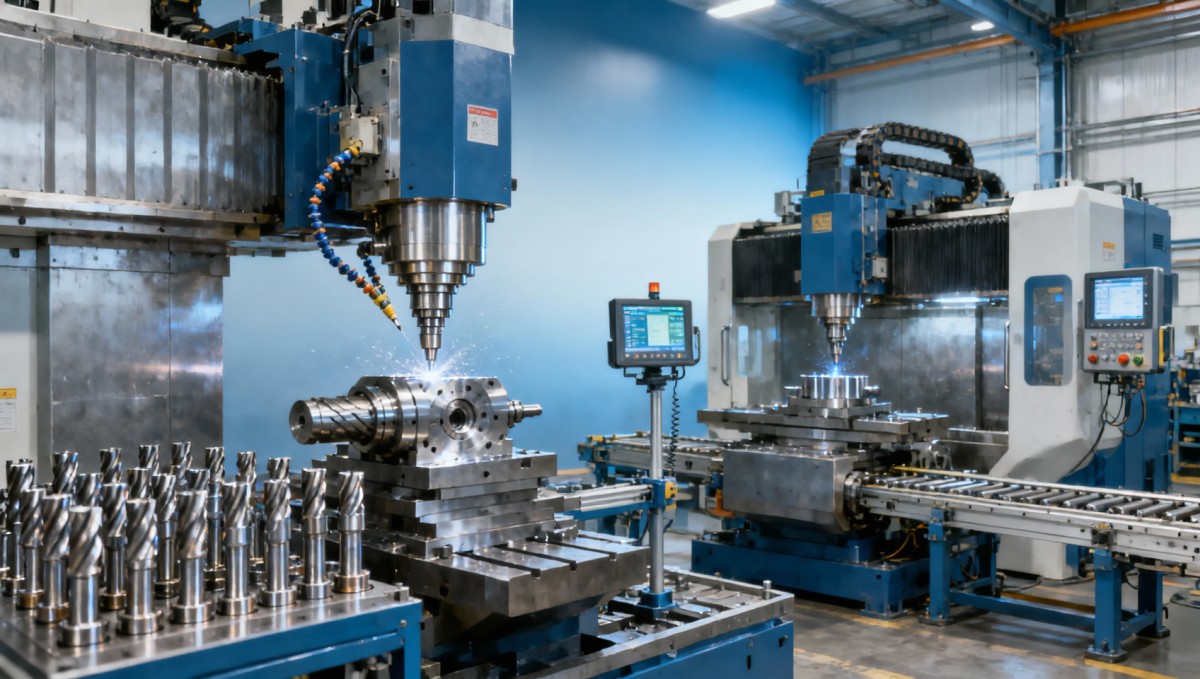
In real production, scrap often appears in a few repeatable patterns. Understanding these root causes helps companies decide whether the problem is mainly technical, operational, or managerial.
Common sources of scrap in CNC machining include:
- Programming errors: wrong tool paths, incorrect feeds and speeds, poor entry and exit strategies, or mismatch between program and actual fixture setup.
- Tool wear and breakage: worn inserts, chipped tools, poor tool life monitoring, and unstable cutting conditions.
- Setup inconsistency: fixture variation, misalignment, clamping deformation, incorrect datum selection, or operator-to-operator differences.
- Material variation: changes in hardness, internal stress, surface scale, or supplier inconsistency can affect dimensional accuracy and surface finish.
- Machine condition issues: spindle runout, backlash, thermal drift, poor lubrication, vibration, or inadequate maintenance.
- Inspection gaps: first-off approval not done properly, in-process checks too infrequent, or measurement methods not aligned with tolerance requirements.
- Process instability: chip evacuation problems, coolant delivery issues, excessive heat, and variation across batch production.
For procurement and business review teams, this is an important point: high scrap is not only a shop-floor quality issue. It is often a sign that process capability, maintenance discipline, training, and digital control are not yet mature enough for stable production.
What should operators and production teams fix first to reduce scrap?
If scrap rates are rising, the best first step is not to launch a broad improvement project. Start with the highest-frequency, highest-cost failure points. In most CNC metalworking environments, a few targeted actions deliver the fastest results.
1. Tighten first-article inspection
Many scrap problems begin at the start of a shift or after setup changes. A disciplined first-article process can stop an entire batch of defective parts before they accumulate. This should include:
- verification of program version
- fixture and clamping confirmation
- tool offset validation
- critical dimension measurement
- surface finish and burr check where relevant
2. Control tool life instead of reacting to failure
Running tools until visible failure is a costly habit. Shops that reduce scrap typically use planned tool life management based on cycle count, cutting time, wear history, and material type. This is especially important in CNC milling, CNC turning, and multi-axis machining where tool wear can shift dimensions gradually before anyone notices.
3. Standardize setups
If the same part behaves differently across shifts or machines, setup variation is likely part of the problem. Standard setup sheets, fixture referencing rules, torque standards, and offset verification procedures reduce human variation significantly.
4. Review feeds, speeds, and chip control
In both metal lathe and industrial lathe operations, unstable chips, excessive heat, or chatter can quickly create scrap. Optimizing cutting parameters is not just about cycle time. It directly affects dimensional control, edge quality, and tool consistency.
5. Improve in-process inspection frequency
For critical parts, waiting until final inspection is too late. Add in-process checks at known risk points, such as after roughing, before finishing, or after long unattended cycles. This is particularly useful in automated production lines where one unnoticed deviation can multiply quickly.
How can better CNC programming reduce waste and improve consistency?
CNC programming has a direct effect on scrap, especially for complex parts, tight tolerances, and high-mix production. A technically correct program is not always a production-stable program. To reduce waste, programmers should focus on repeatability and process margin, not just geometric completion.
Key programming practices that help reduce scrap include:
- Using proven templates: standardized machining strategies reduce unnecessary variation between jobs.
- Simulating tool paths before release: collision checking, stock verification, and fixture clearance analysis catch errors early.
- Programming for actual machine behavior: account for machine rigidity, spindle limits, acceleration, and thermal conditions.
- Reducing sudden load changes: smoother entry moves and consistent cutter engagement improve stability.
- Building in safe restart logic: this prevents additional scrap when production is interrupted.
- Documenting revision control: outdated programs are a common but avoidable source of repeat defects.
For companies investing in smart manufacturing, integrating CAM, machine monitoring, and digital work instructions can further reduce programming-related scrap. The more connected the system, the easier it is to identify where the process broke down.
How do machine condition, tooling, and fixturing affect scrap rates?
Even skilled operators and good programs cannot fully compensate for unstable hardware conditions. When shops see recurring defects with no clear operator error, they should investigate machine health, tool system quality, and fixture performance.
Machine condition
Machines used for precision metalworking must maintain repeatability under real production loads. Common warning signs include drifting dimensions, inconsistent finishes, vibration marks, taper errors, and increasing offset corrections. Preventive maintenance should focus on spindle condition, axis accuracy, lubrication, coolant delivery, and thermal behavior.
Tooling system quality
Low-quality or poorly matched tooling can increase scrap even if the machine itself is sound. Tool holder runout, insert inconsistency, and weak chip evacuation all contribute to unstable cutting. In high-volume work, premium tooling may cost more upfront but often reduces total scrap, downtime, and labor cost.
Fixture reliability
Many scrap problems are actually workholding problems. If the clamping force deforms the part, if reference surfaces are contaminated, or if loading is not repeatable, part quality will vary no matter how good the code is. Stable fixtures matter even more in automated production and unattended machining, where manual correction opportunities are limited.
What metrics should managers and buyers track to judge whether scrap is under control?
For managers, purchasers, and business evaluators, scrap reduction should be measured with operational and financial indicators, not only anecdotal shop-floor feedback. A supplier or plant may claim good quality, but the real question is whether the process is stable enough to support cost, scale, and delivery targets.
Useful metrics include:
- Scrap rate by part number: identifies which jobs create the most waste.
- First-pass yield: shows how many parts are correct without rework.
- Cost of poor quality: includes scrap material, machine time, labor, tooling loss, and delayed delivery.
- Tool life variation: helps reveal unstable cutting conditions.
- Setup-related rejection rate: useful for identifying weak standardization.
- Process capability on critical dimensions: shows whether the process can consistently meet tolerance.
- Scrap trend by shift, machine, or material lot: helps isolate recurring causes.
For procurement teams evaluating CNC suppliers, these indicators are especially important. A supplier with lower quoted pricing but unstable scrap control may create more risk through missed deadlines, quality claims, and hidden total cost.
How does industrial automation help reduce scrap in CNC production?
Industrial automation does not eliminate scrap automatically, but it can reduce waste when applied to the right control points. Automation works best when it strengthens consistency, monitoring, and response speed.
Examples include:
- Automatic tool measurement: helps detect wear or breakage before a full batch is affected.
- Probe-based part verification: supports in-machine dimensional checks and offset correction.
- Machine monitoring systems: track alarms, cycle deviations, spindle load, and abnormal conditions.
- Automated data collection: improves traceability across machines, batches, and operators.
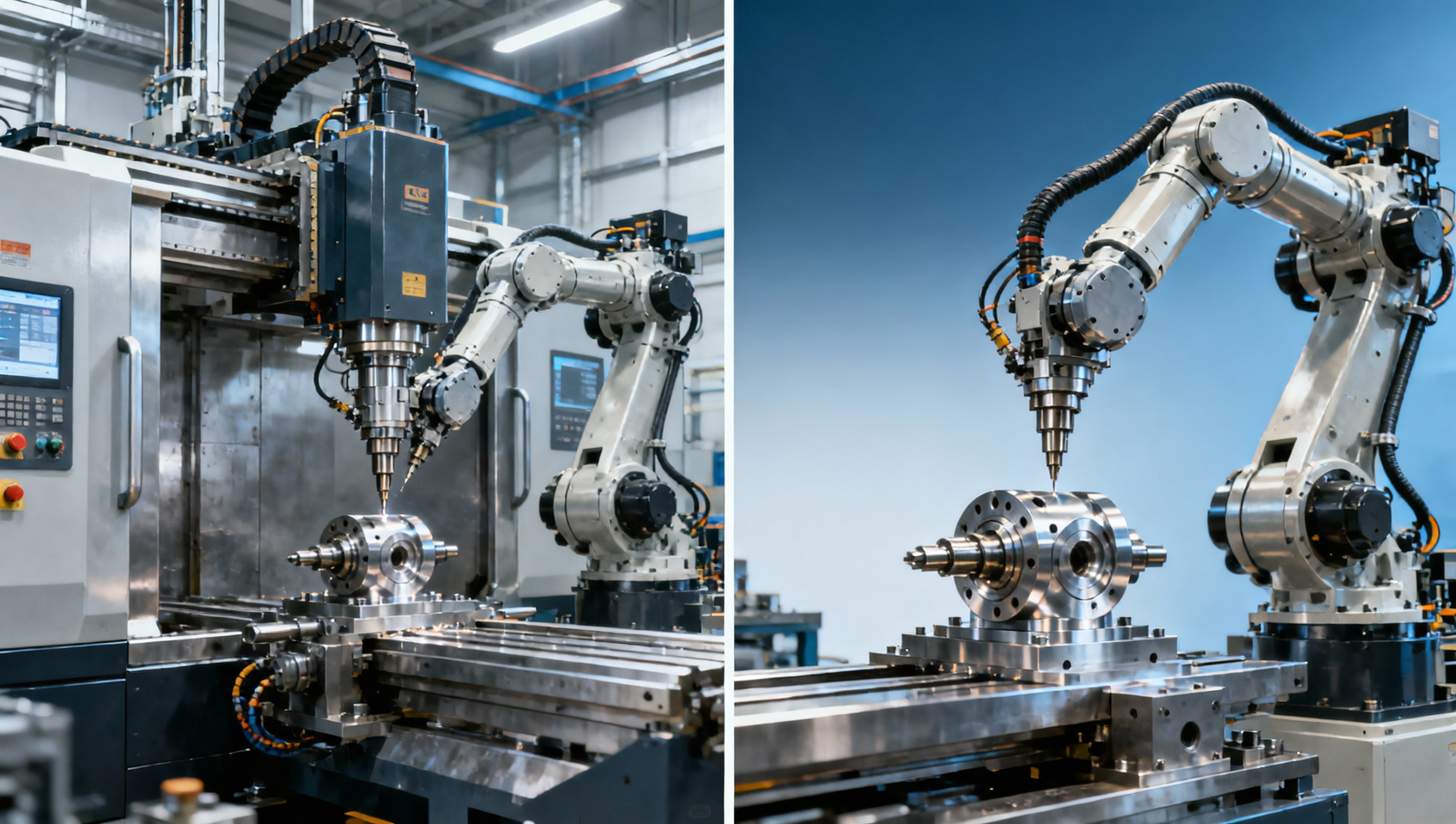
- Robot-assisted loading: can reduce handling errors and improve consistency in high-volume jobs.
However, automation should not be used to hide weak fundamentals. If fixtures are unstable, programs are poorly controlled, or tool life is unmanaged, automation may simply produce scrap faster. The best-performing CNC environments combine automation with disciplined process engineering.
A practical action plan for reducing scrap in CNC metalworking jobs
For teams that want a practical roadmap, the most effective approach is usually phased rather than overly broad.
- Identify the top three scrap sources by cost, frequency, and customer impact.
- Separate setup scrap from running scrap so the root cause is easier to find.
- Audit program control, tool life rules, and fixture repeatability on the highest-risk jobs.
- Strengthen first-article and in-process inspection for critical dimensions and surfaces.
- Use machine and tooling data to detect patterns by shift, material, and machine.
- Standardize proven methods across operators and production cells.
- Review supplier quality for raw material, cutting tools, and workholding components.
This approach helps both small workshops and larger global manufacturing operations. It is practical, measurable, and aligned with the needs of production teams as well as business decision-makers.
Conclusion: scrap reduction is really a process capability issue
Reducing scrap in CNC metalworking jobs is not just about catching bad parts sooner. It is about building a more capable process from programming and setup to tooling, inspection, machine condition, and automation. Shops that control these factors usually see better first-pass yield, lower total production cost, stronger delivery performance, and more reliable quality across CNC cutting, CNC milling, and metal lathe work.
For operators, the priority is consistency and early detection. For managers and buyers, the priority is process stability and measurable control. When both sides work from the same data and standards, scrap reduction becomes a repeatable business advantage rather than a temporary quality campaign.
NEXT ARTICLE
Recommended for You
 How to Choose the Right Metal Machining ProcessCNC Machining Technology Center
 Metal Machining vs CNC Metalworking: What MattersCNC Machining Technology Center
 What Drives Cost in Industrial CNC ProjectsManufacturing Market Research Center
 Is Industrial CNC Worth Upgrading in 2026Machine Tool Industry Editorial Team
 How CNC Industrial Systems Improve Shop EfficiencyMachine Tool Industry Editorial Team
 CNC Industrial Setup Mistakes to Avoid FirstCNC Machining Technology Center

Aris Katos
Future of Carbide Coatings
15+ years in precision manufacturing systems. Specialized in high-speed milling and aerospace grade alloy processing.
▶
Metal Machining vs CNC Metalworking: What MattersCNC Machining Technology Center▶
How to Reduce Scrap in CNC Metalworking JobsCNC Machining Technology Center▶
Why Shaft Parts for Agricultural Machinery Fail Earlier Than ExpectedCNC Machining Technology Center▶
Defense Precision Machining Faces Tighter Tolerance Risks in 2026CNC Machining Technology Center▶
How Precision Disc Parts Affect Hydraulic System StabilityCNC Machining Technology Center
Mastering 5-Axis Workholding Strategies
Join our technical panel on Nov 15th to learn about reducing vibrations in thin-wall components.

Providing you with integrated sanding solutions
Before-sales and after-sales services
Comprehensive technical support