• Global CNC market projected to reach $128B by 2028 • New EU trade regulations for precision tooling components • Aerospace deman
NYSE: CNC +1.2%LME: STEEL -0.4%

What to Ask a Machine Tool Exporter in 2026
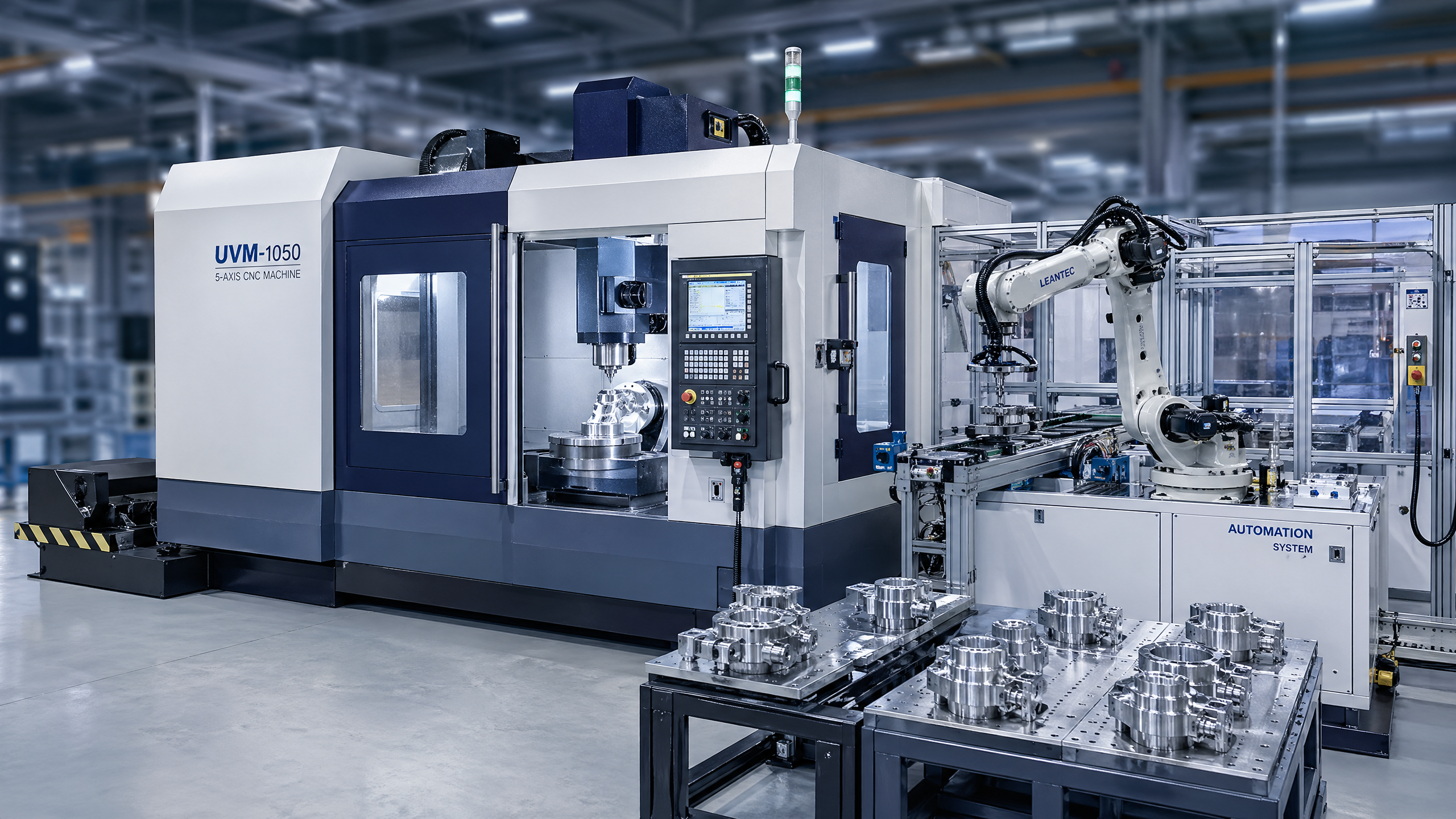
Choosing the right machine tool exporter in 2026 means looking beyond machine tool price alone. Whether you source from a CNC manufacturing wholesaler, CNC machine tool manufacturer, or machine tool factory, the key questions should cover high precision machine tool performance, automated CNC manufacturing capability, Digital Manufacturing Technology for smart factory integration, and long-term service. This guide helps buyers, operators, and evaluators ask smarter questions before selecting a CNC manufacturing supplier for aerospace, automotive, electronics, and energy equipment projects.
What should you verify first before comparing machine tool exporters?
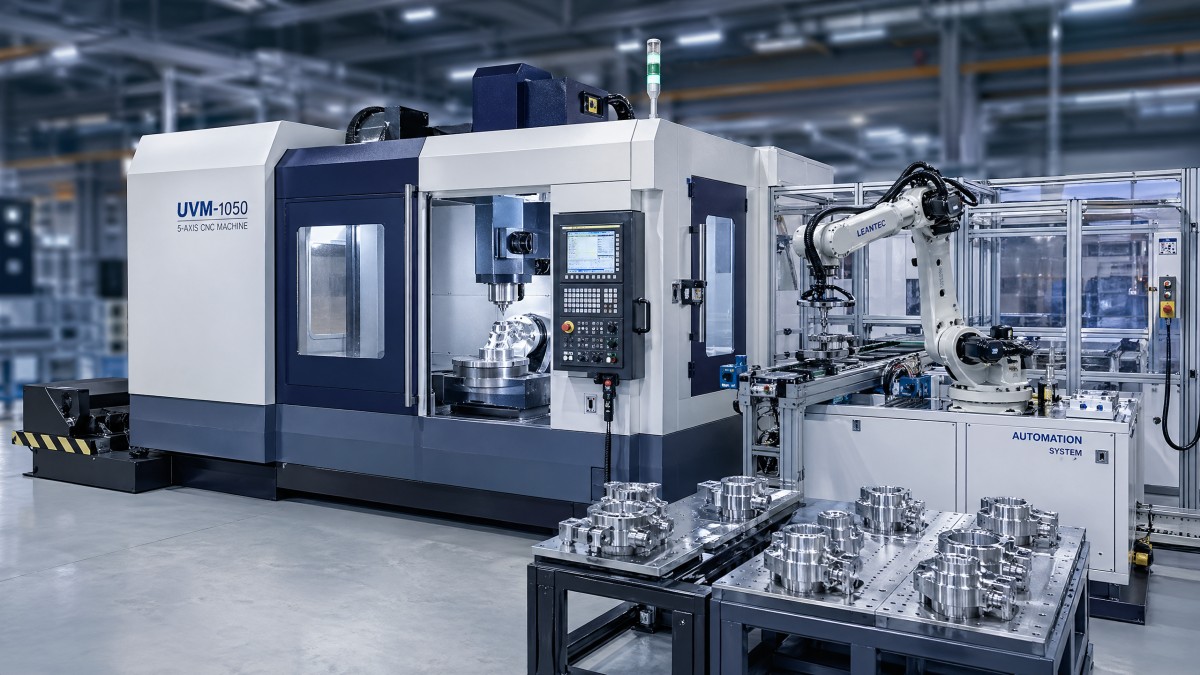
In 2026, the first screening step is not machine tool price. It is export readiness, production fit, and technical transparency. A machine tool exporter may offer an attractive quotation, but if it cannot support your part tolerance, control platform preference, or installation window, the apparent savings can disappear within 3–6 months through delays, rework, and service gaps.
Information researchers usually want a broad market view, while operators care about programming logic, chip evacuation, spindle stability, and maintenance access. Procurement teams focus on lead time, spare parts, and contract terms. Business evaluators often look at supplier continuity, engineering response speed, and whether the exporter can support a 2-stage or 3-stage rollout across multiple plants.
Ask the exporter to define its role clearly. Is it a CNC machine tool manufacturer, a trading-oriented CNC manufacturing wholesaler, or a machine tool factory with direct engineering and assembly control? This matters because communication quality, customization depth, and after-sales responsibility differ significantly between these models.
For buyers in aerospace, automotive, electronics, and energy equipment, the practical question is simple: can this supplier deliver the required machine, documentation, training, and service package within the expected 8–20 week project rhythm common in capital equipment planning? If the answer is unclear, keep asking before moving forward.
A fast first-round qualification checklist
- Confirm whether the exporter controls manufacturing directly or coordinates third-party production.
- Check whether target industries include high-precision sectors such as aerospace parts, automotive shafts, electronics housings, or energy equipment components.
- Ask for standard documentation sets, including machine layout, utility requirements, test scope, and maintenance plans.
- Verify whether installation support, operator training, and spare parts response are defined for the first 12 months.
This first-round filter prevents a common mistake: comparing exporters as if they offer the same industrial capability. In reality, one may be strong in standard CNC lathes, another in multi-axis machining systems, and another in automated CNC manufacturing cells. Your questions should expose those differences early.
Which technical questions reveal real machine capability?
A serious machine tool exporter should answer technical questions in measurable terms. Instead of asking whether a machine is “high precision,” ask about positioning accuracy, repeatability, spindle speed range, tool magazine capacity, axis travel, and supported workpiece dimensions. Typical evaluation ranges may include spindle classes from 6,000 rpm to 20,000 rpm, 3-axis to 5-axis configurations, and tolerance expectations tied to the part process rather than a generic marketing claim.
Operators should ask how the machine behaves in real production. Can it run small-batch and medium-batch jobs with quick setup changes? How stable is thermal control during continuous 8-hour to 16-hour operation? What chip management and coolant filtration options are available for steel, aluminum, or difficult-to-machine alloys? These points directly affect uptime and surface finish consistency.
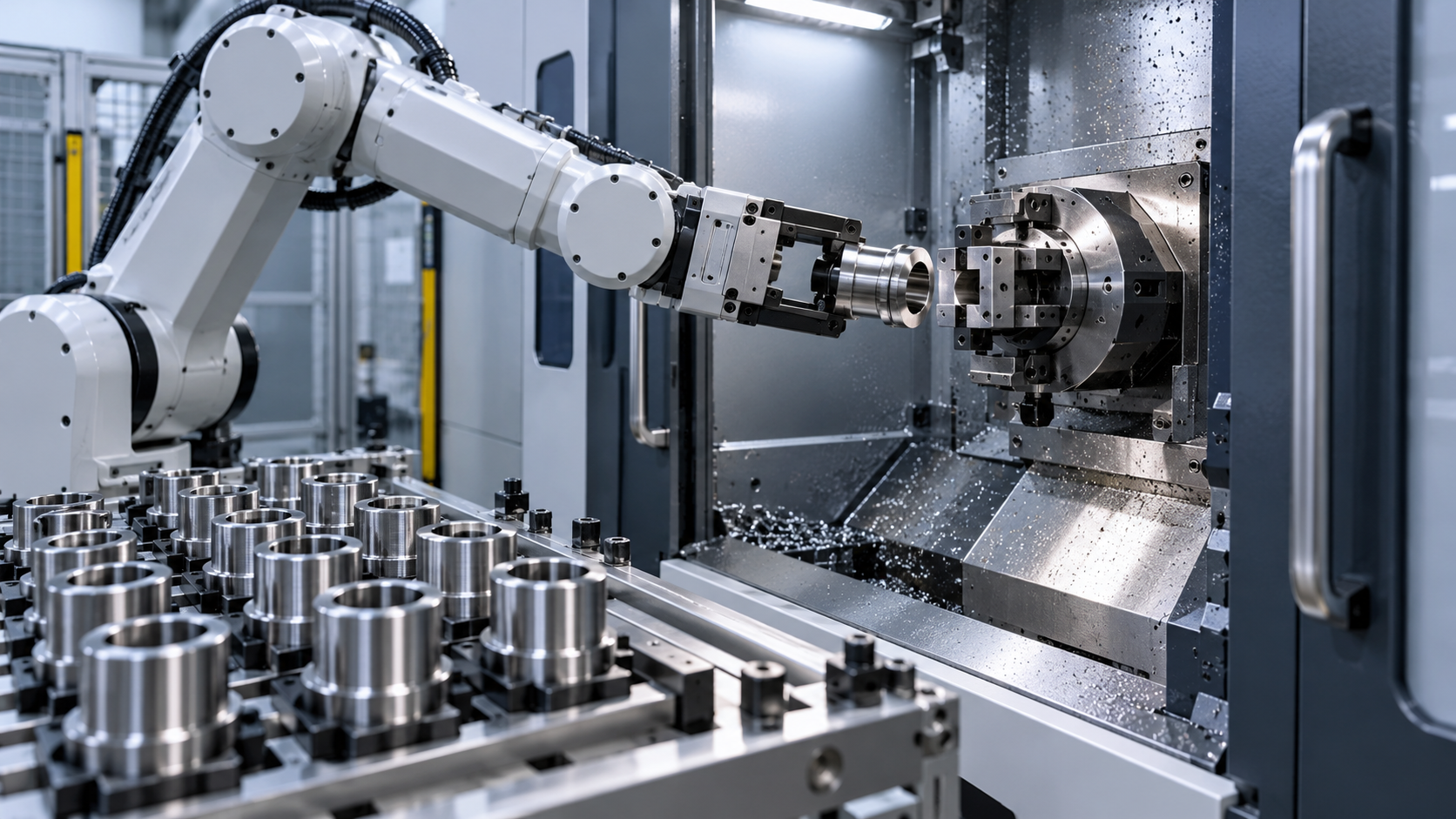
Procurement teams should also ask whether the machine is sold as a standard configuration or a tailored package. A standard machine may suit straightforward turning or milling, but complex shaft components, precision discs, and structural parts often need fixtures, probing, tool presetting, or robotic loading. A capable CNC manufacturing supplier should be able to describe the base machine and the optional production package separately.
Business evaluators should request a technical clarification meeting before final quotation approval. In many projects, 5 key checks reduce downstream risk: part drawing review, material review, takt time estimate, utility matching, and acceptance criteria definition. If the exporter avoids this step, it may not fully understand your production environment.
Technical questions worth asking in 2026
The table above helps convert vague claims into measurable conversations. When a machine tool exporter can answer these questions clearly, it becomes much easier to compare offers across machine tool factories in China, Germany, Japan, South Korea, or other manufacturing clusters without relying only on branding or price perception.
Questions operators and engineers should not skip
- How long does tool change typically take, and how does it affect cycle time in short-run production?
- What preventive maintenance tasks are expected daily, weekly, and every 3–6 months?
- Can the exporter provide recommended tooling, fixture concepts, and process suggestions for initial trials?
- What data outputs are available for OEE tracking, alarms, and production monitoring in a smart factory setting?
These details matter because a machine that looks impressive on paper may still perform poorly if setup, maintenance, or system integration is difficult. Strong exporters understand that machine performance includes both cutting capability and production usability.
How do you compare exporters on delivery, service, and total project risk?
Delivery risk is one of the biggest blind spots in international machine sourcing. A machine tool exporter may quote a base delivery period of 10–14 weeks, but buyers should ask what that timeline actually includes. Does it cover engineering confirmation, fixture adaptation, pre-shipment inspection, export packing, sea or air logistics coordination, on-site commissioning, and training? Without that breakdown, the schedule is incomplete.
Service risk is equally important. If the CNC machine tool manufacturer is in another country, who handles the first troubleshooting response? Is support delivered through remote diagnostics within 24–48 hours, local partners, or traveling engineers? For automated CNC manufacturing projects, a weak service structure can affect not only one machine but an entire linked line.
Commercial teams should evaluate spare parts policy early. Ask which wear parts are recommended for the first 6–12 months, what components have longer replenishment cycles, and whether critical electrical and spindle-related items are stocked. A lower machine tool price can become expensive if downtime extends because one essential part needs several weeks to arrive.
This is also where business evaluators should compare exporter maturity, not just equipment features. A supplier that can manage documentation, packaging, logistics coordination, and acceptance procedures often reduces project friction more effectively than one that only sells the machine body.
A practical exporter comparison table
A side-by-side comparison like this makes supplier selection more objective. It also helps teams align internally, because engineering, operations, and procurement often prioritize different risks. When all four dimensions are documented, negotiations become more precise and fewer surprises appear after purchase order issuance.
A 4-step way to reduce sourcing risk
- Shortlist 3 suppliers based on part fit, not brand familiarity alone.
- Run a technical review using drawings, target materials, and production volume categories such as small batch, medium batch, or large batch.
- Request a commercial breakdown covering machine, options, installation, training, and recommended initial spares.
- Define acceptance criteria before deposit, including test parts, cycle expectations, and documentation delivery.
This process is especially useful when sourcing from a global machine tool factory network, where time zones, language differences, and varying service models can complicate communication.
What about compliance, smart factory integration, and future expansion?
By 2026, a machine tool exporter should not only ship equipment but also explain how the machine fits into a more digital production environment. Buyers increasingly need machine connectivity, data visibility, and compatibility with MES, ERP, or shop-floor monitoring tools. This does not mean every project requires a fully automated cell on day one, but it does mean the machine should be prepared for future integration if production scales in 12–36 months.
Compliance questions also matter, especially for cross-border purchasing. Ask what documentation is available for electrical configuration, safety guarding, manuals, and export packing. If your market needs additional local conformity review, discuss that early. A disciplined exporter should identify which items are standard and which require project-specific coordination rather than giving a vague answer.
For users in automotive and electronics production, line integration usually involves communication between machine tools, robots, inspection stations, and material handling systems. For aerospace and energy equipment, the focus may lean more toward traceability, process stability, and documentation depth. The right Digital Manufacturing Technology roadmap therefore depends on the industry segment and the production maturity of the plant.
A good question to ask is whether the exporter supports phased upgrades. For example, can you start with a stand-alone machining center or CNC lathe, then add probing, pallet changing, robotic loading, or production data collection later? This staged approach often protects budget while preserving a future automation path.
Key compliance and integration topics to clarify
- Electrical and utility requirements, including voltage, compressed air, coolant, and floor preparation details before installation.
- Safety guarding scope, interlock logic, and operator access design for routine setup and maintenance.
- Data interface options for alarms, status monitoring, cycle signals, and production reporting.
- Upgrade path from manual loading to semi-automatic or fully automated CNC manufacturing cells.
Common misunderstanding in exporter selection
One common mistake is assuming that digital readiness is only relevant for large factories. In reality, even a smaller workshop benefits from basic production data, remote diagnostics, and standardized maintenance records. These functions can reduce troubleshooting time, improve repeatability, and support better planning for the next equipment purchase.
Another mistake is treating compliance as a final paperwork issue. For machine tools, compliance affects machine design, guarding, wiring, and documentation. If it is discussed too late, retrofit work may extend the project timeline by several days or several weeks, depending on the scope.
FAQ: what do buyers, operators, and evaluators ask most often?
Before contacting a machine tool exporter, many teams already have recurring questions about lead time, customization, and risk. The answers below can help frame a more productive supplier discussion and reduce wasted quotation cycles.
How many exporters should we compare before making a decision?
For most B2B projects, comparing 3 suppliers is practical. Fewer than 2 makes benchmarking difficult, while more than 4 often slows internal decision-making without adding much value. The important point is to compare them on the same input set: drawings, materials, annual or monthly volume, utility conditions, and acceptance expectations.
What is a realistic delivery cycle for CNC machine tools in 2026?
It depends on whether you need a standard model or a customized package. A standard machine may move faster, while a machine with automation, fixtures, probing, or line integration usually takes longer. Buyers should ask for a milestone plan that separates engineering confirmation, production, inspection, shipment, and commissioning instead of relying on one overall number.
What should operators ask that procurement teams often overlook?
Operators should ask about control usability, setup convenience, maintenance access, chip handling, coolant management, and alarm diagnostics. These details influence daily productivity more than brochure-level claims. Training scope also matters. Clarify whether training covers only basic startup or includes programming, preventive maintenance, and process optimization during the first production runs.
Is the lowest machine tool price ever the best choice?
Usually not. The right comparison is total project value: machine configuration, tooling or fixture compatibility, service response, spare parts planning, documentation quality, and integration readiness. A lower-priced machine from a weak exporter may create higher cost through delayed startup, unstable output, or poor support during the first 6–12 months.
When should we ask about certification and compliance requirements?
Ask at the beginning, ideally during the first technical discussion. If your site has specific electrical, safety, or import-related requirements, the exporter should factor them into design and documentation early. This avoids late-stage revisions that disrupt shipping and commissioning plans.
Why choose us when evaluating a machine tool exporter in 2026?
We focus on the global CNC machining and precision manufacturing industry, with content and sourcing insight built around real industrial needs rather than generic catalog language. That means we pay attention to machine selection logic, machining scenarios, automation expansion, and the commercial details that matter to information researchers, operators, procurement teams, and business evaluators.
If you are reviewing a CNC manufacturing supplier, we can help you clarify 5 high-value topics before formal negotiation: suitable machine category, core technical parameters, expected delivery rhythm, smart factory integration path, and service support scope. This is especially useful when you are comparing a CNC machine tool manufacturer, a CNC manufacturing wholesaler, and a direct machine tool factory at the same time.
You can contact us for practical support on parameter confirmation, product selection, project quotation review, delivery cycle planning, customization feasibility, and documentation or compliance discussion. If needed, we can also help structure your supplier question list around shafts, discs, structural parts, multi-axis machining, automated loading, or digital production expansion.
If your next project involves aerospace, automotive, electronics, or energy equipment components, reach out with your part category, material, batch size, and production goals. With that information, the exporter evaluation process becomes faster, more comparable, and more aligned with real manufacturing outcomes.
PREVIOUS ARTICLE
NEXT ARTICLE
Recommended for You
![]() 33rd JIMTOF 2026 Set to Open in Tokyo as Taiwanese Exhibitors Seek OrdersGlobal Machine Tool Trade Research Center
 Which Fixture Type Cuts Changeover Time Most in High-Mix CNC Machining?CNC Machining Technology Center
![]() FANUC Invests $18 Million in Largest U.S. Corporate Automation Training CenterMachine Tool Industry Editorial Team
 Southeast Asia Machine Tool Market: Comparing Automotive Demand by CountryManufacturing Market Research Center
![]() Zhongshan Xiaolan Machinery Exhibition Opens With Global Product DebutsMachine Tool Industry Editorial Team
 Automated Production Machining: Which Parts and Batch Sizes Are a Good Fit?Machine Tool Industry Editorial Team


Aris Katos
Future of Carbide Coatings
15+ years in precision manufacturing systems. Specialized in high-speed milling and aerospace grade alloy processing.
▶
33rd JIMTOF 2026 Set to Open in Tokyo as Taiwanese Exhibitors Seek OrdersGlobal Machine Tool Trade Research Center▶
日本高端机床出口管制生效,五轴CNC审批趋严Global Machine Tool Trade Research Center▶
Japan Tightens Controls on High-End Machine Tool ExportsGlobal Machine Tool Trade Research Center▶
US Proposes 25% Tariff on China CNC Servo DrivesGlobal Machine Tool Trade Research Center▶
US Adds 37 Chinese Machine Tool Firms to Export ListGlobal Machine Tool Trade Research Center
▶
Mastering 5-Axis Workholding Strategies
Join our technical panel on Nov 15th to learn about reducing vibrations in thin-wall components.

Providing you with integrated sanding solutions
Before-sales and after-sales services
Comprehensive technical support