• Global CNC market projected to reach $128B by 2028 • New EU trade regulations for precision tooling components • Aerospace deman
NYSE: CNC +1.2%LME: STEEL -0.4%

Southeast Asia Machine Tool Market: Comparing Automotive Demand by Country
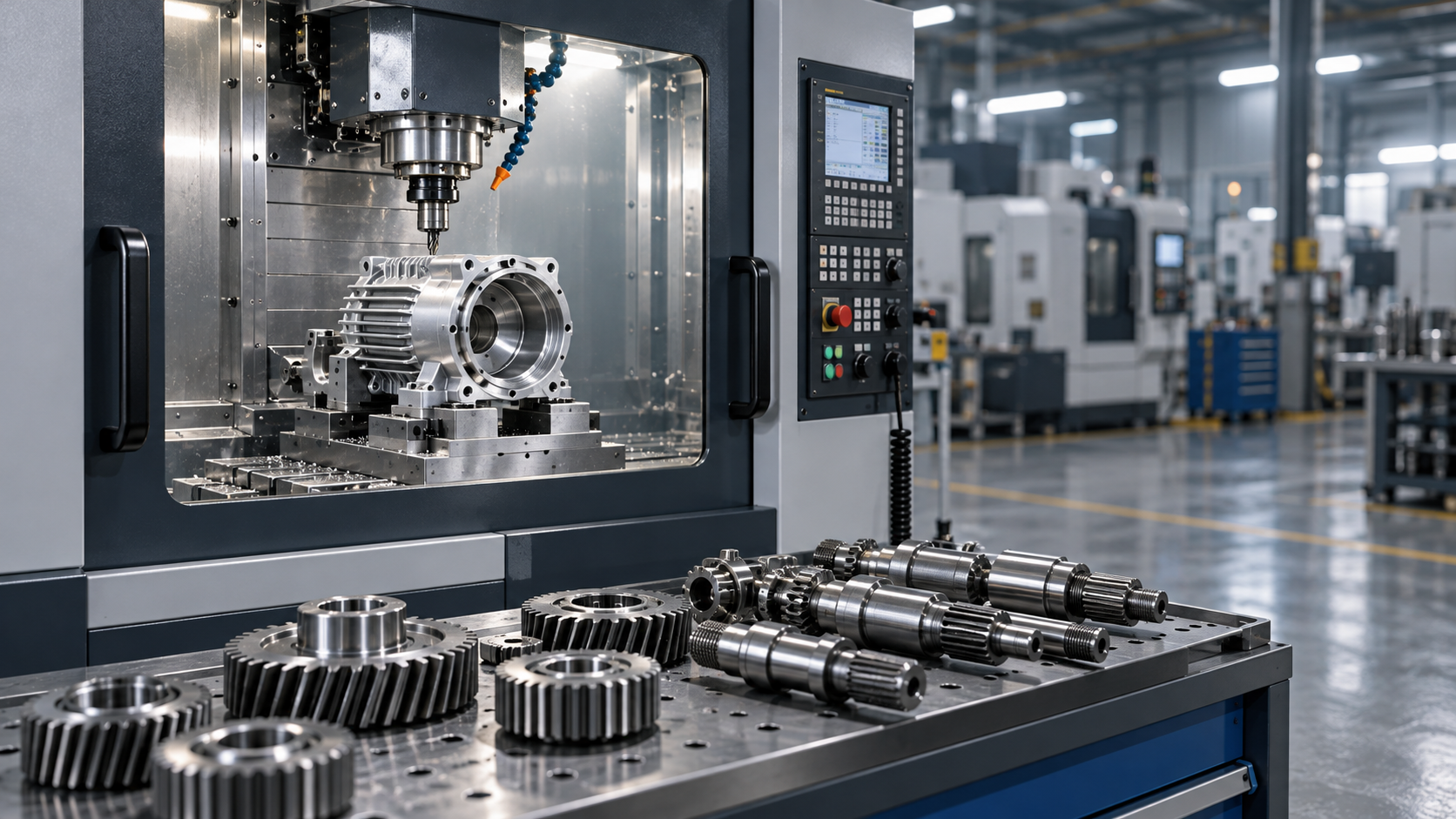
Southeast Asia Machine Tool Market: Comparing Automotive Demand by Country
Automotive manufacturing is a key demand driver in the south east asia machine tools market, but investment opportunities differ sharply by country. Thailand’s established vehicle supply chain, Indonesia’s developing electric vehicle ecosystem, and Vietnam’s expanding manufacturing base create different requirements for CNC lathes, machining centers, and automated production lines.
The distinction matters because vehicle production does not translate directly into machine tool orders. An assembly plant using imported engines, transmissions, and electric drive units may generate less local machining demand than a smaller operation supported by domestic component suppliers. The useful question is not simply where more vehicles will be built, but which parts will be manufactured locally, by whom, and on what timetable.
Read the component supply chain, not just vehicle output
Automotive equipment demand comes through several channels: new production capacity, replacement of aging machines, process upgrades, and tooling for model changes. These channels behave differently. A vehicle launch can trigger fixture and die work without requiring an entirely new machining line. Conversely, a supplier replacing unreliable equipment may invest even when national vehicle output is flat.
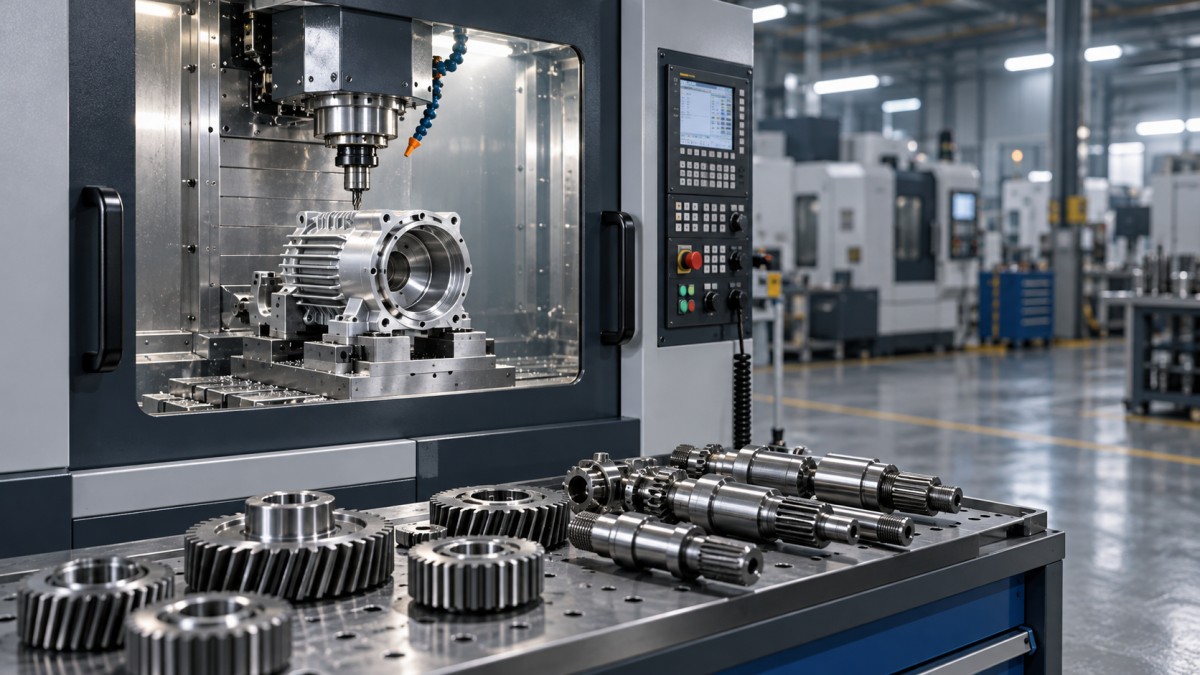
Component mix is equally important. Internal combustion powertrains require extensive machining of blocks, heads, crankshafts, and transmission parts. Battery-electric vehicles remove some of that work but create requirements for motor housings, reduction gears, shafts, and selected battery enclosure features. Braking, steering, suspension, and thermal-management components also remain relevant, although designs and production routes can change.
For country comparisons, separate announced investment from installed capacity, operating production, and awarded local component contracts. These represent different levels of demand certainty. Production releases from the ASEAN Automotive Federation and national automotive associations can help establish scale, but supplier disclosures and project documentation are needed to understand the machining opportunity.
Thailand: an established supply base facing a product transition
Thailand’s automotive manufacturing base includes established pickup, passenger vehicle, and component production, supported by long-standing Japanese manufacturer and supplier networks. For machine tool businesses, this makes it a market for both recurring production support and selective capacity investment—not simply greenfield factory sales.
Existing suppliers may need CNC turning for shafts and rotational parts, machining centers for cast components, or automation that reduces handling between operations. In mature production environments, the commercial case often rests on cycle-time stability, tool life, scrap reduction, and maintainability. A machine with an attractive purchase price can still lose an evaluation if local service coverage is weak or integration requires a lengthy shutdown.
Electrification complicates the outlook. Investment in electric vehicle assembly does not automatically replace declining demand for every combustion-engine component. Equipment suppliers should distinguish customers with confirmed electric drivetrain or chassis programs from those whose capacity remains concentrated in legacy powertrains.
Thailand therefore merits close attention for retrofit projects, replacement machines, flexible cells, and tooling changes. The risk is treating its installed automotive base as a guarantee of expansion. Customer capacity utilization, export exposure, and nominated vehicle programs need to be checked at plant level.
Indonesia: localization determines how much EV investment becomes machining demand
Indonesia combines a substantial domestic vehicle market with investment across parts of the electric vehicle and battery supply chain. That attracts attention, but battery-material processing, cell manufacturing, vehicle assembly, and precision metalworking are different equipment markets. Their investment values should not be grouped together when estimating CNC demand.
The stronger machine tool opportunities arise where manufacturers localize machined components or develop qualified domestic suppliers. Potential applications include drivetrain housings, shafts, gears, brake components, and tooling. Whether these become local orders depends on sourcing decisions, production volumes, material availability, and the ability of suppliers to meet customer quality requirements.
Indonesia also requires a broader definition of automotive demand. Motorcycle and commercial vehicle supply chains can present machining requirements that differ from passenger-car programs. Combining them into one forecast can obscure both component volumes and the equipment specifications needed.
Delivery economics deserve particular attention. Service access, spare-parts arrangements, operator training, and transport between industrial locations can affect project execution. Any localization incentive or eligibility claim should be checked against current official rules and the specific investment structure rather than assumed from a project announcement.
Vietnam: assess supplier depth behind new manufacturing capacity
Vietnam’s automotive opportunity sits alongside a wider precision manufacturing base serving electronics, industrial equipment, and export customers. This matters because a machining supplier may support automotive programs without relying entirely on them. Diversified work can support investment, provided the equipment and quality systems suit the intended parts.
The central uncertainty is supplier depth. Vehicle assembly and electric vehicle development can create demand for tooling, fixtures, prototypes, and production components, but the local share of each activity must be verified. Imported subassemblies can limit immediate demand even where final assembly expands.
For suppliers working across several customers or developing new programs, flexible CNC lathes and machining centers may be easier to justify than highly dedicated transfer systems. However, flexibility is not the same as buying the most complex machine. Five-axis capability makes sense when part geometry, setup reduction, or access requirements support it—not merely because a project involves electric vehicles.
A useful assessment separates prototype work, low-volume production, and awarded series manufacturing. Each has a different revenue profile and equipment utilization risk.
Malaysia, the Philippines, and Singapore require narrower investment cases
Malaysia combines domestic vehicle manufacturing with engineering capabilities linked to electronics and other precision industries. Automotive machining opportunities should be evaluated around specific supplier programs, tooling requirements, and process upgrades. Cross-sector skills can help with metrology and automation, but electronics experience alone does not establish readiness for high-volume automotive component production.
The Philippines should not be screened only through its final vehicle assembly footprint. Component exporters and specialist manufacturers may generate equipment demand that national assembly figures do not reveal. The assessment needs to reach the individual production process: some automotive component operations are intensive in assembly or electrical processing rather than CNC machining.
Singapore serves a different role. Its relevance is more likely to involve precision engineering, technology development, regional management, and service support than mass-market vehicle production. It can be important to a regional machine tool strategy without representing a comparable automotive machine-installation market.
These distinctions argue against a single country ranking. A supplier of automated high-volume turning cells and a supplier of flexible tooling equipment may reasonably prioritize different markets.
Electrification changes the equipment mix—not just the market size
The regional shift toward electric vehicles is best understood as a redistribution of manufacturing work. Some traditional powertrain machining disappears from battery-electric platforms, while other operations become more demanding. Hybrid programs can preserve combustion-engine work while adding electric-drive components, creating a different investment pattern again.
Aluminum housings illustrate why process detail matters. Their machining may involve thin-wall distortion, sealing surfaces, bore relationships, chip evacuation, and workholding challenges. The appropriate solution depends on the casting condition and drawing requirements. Higher spindle speed alone does not resolve poor fixturing or unstable thermal conditions.
Likewise, a battery enclosure project may rely heavily on forming, extrusion, casting, or joining, with machining limited to selected features. Counting the entire enclosure investment as machine tool demand would overstate the opportunity. Large cast structures can also change the number and type of machining operations rather than simply increasing them.
Automation should follow the production requirement. Robots, pallet systems, in-process measurement, and tool monitoring can improve consistency, but their value depends on stable upstream parts, manageable changeovers, and trained maintenance teams. Digital integration is useful when it supports actionable decisions about downtime, quality, or tool condition—not just additional dashboards.
Turn the country comparison into a project-level demand forecast
A practical forecast starts with evidence of a component program, then works backward to equipment needs. Before assigning significant value to an opportunity, establish:
- Local manufacturing scope: which parts will actually be machined in-country rather than imported or assembled from finished modules.
- Commercial commitment: whether the supplier has a nomination, a funded expansion, or only an early development discussion.
- Available capacity: whether existing machines can meet demand through extra shifts, retooling, or process improvements.
- Execution readiness: whether utilities, metrology, tooling, operators, and maintenance support will be available before production trials.
- Purchase timing: how equipment approval, installation, customer validation, and production ramp-up align.
Competitive comparisons should also extend beyond the machine quotation. Suppliers from Japan, China, Germany, and South Korea participate in regional equipment supply, but country of origin is not a substitute for application evaluation. Process capability, tooling support, controls familiarity, spare-parts availability, and local service response all influence operating cost.
Thailand offers an established supplier base, Indonesia requires careful localization analysis, and Vietnam calls for scrutiny of supplier maturity and program certainty. Malaysia, the Philippines, and Singapore can fit more targeted strategies. The next step is to connect each country thesis to named manufacturing programs, verified part requirements, and realistic purchasing schedules. That is where a regional market outlook becomes an investable equipment opportunity.
NEXT ARTICLE
Recommended for You
![]() FANUC Invests $18 Million in Largest U.S. Corporate Automation Training CenterMachine Tool Industry Editorial Team
 Southeast Asia Machine Tool Market: Comparing Automotive Demand by CountryManufacturing Market Research Center
![]() Zhongshan Xiaolan Machinery Exhibition Opens With Global Product DebutsMachine Tool Industry Editorial Team
 Automated Production Machining: Which Parts and Batch Sizes Are a Good Fit?Machine Tool Industry Editorial Team
![]() FANUC Links FIELD System Data with Copilot to Advance Shop-Floor Data UseCNC Machining Technology Center
 Smart Manufacturing for Aerospace: Building Traceability Across CNC OperationsCNC Machining Technology Center


Aris Katos
Future of Carbide Coatings
15+ years in precision manufacturing systems. Specialized in high-speed milling and aerospace grade alloy processing.
▶
Southeast Asia Machine Tool Market: Comparing Automotive Demand by CountryManufacturing Market Research Center▶
Machine Tool Market Outlook: Demand Drivers, Capacity Shifts, and Investment RisksManufacturing Market Research Center▶
Global Machine Tool Backlog Falls 12% as Automation Shifts DemandManufacturing Market Research Center▶
What Drives Machine Tool Price: 7 Cost Factors Buyers Should Compare Before OrderingManufacturing Market Research Center▶
Manufacturing Industry Cost Drivers in 2025: Labor, Energy, Freight, and Sourcing RisksManufacturing Market Research Center
▶
Mastering 5-Axis Workholding Strategies
Join our technical panel on Nov 15th to learn about reducing vibrations in thin-wall components.

Providing you with integrated sanding solutions
Before-sales and after-sales services
Comprehensive technical support