• Global CNC market projected to reach $128B by 2028 • New EU trade regulations for precision tooling components • Aerospace deman
NYSE: CNC +1.2%LME: STEEL -0.4%

CNC manufacturing suppliers underbid on prototypes—then renegotiate margins once tolerance stacks exceed ±0.015mm
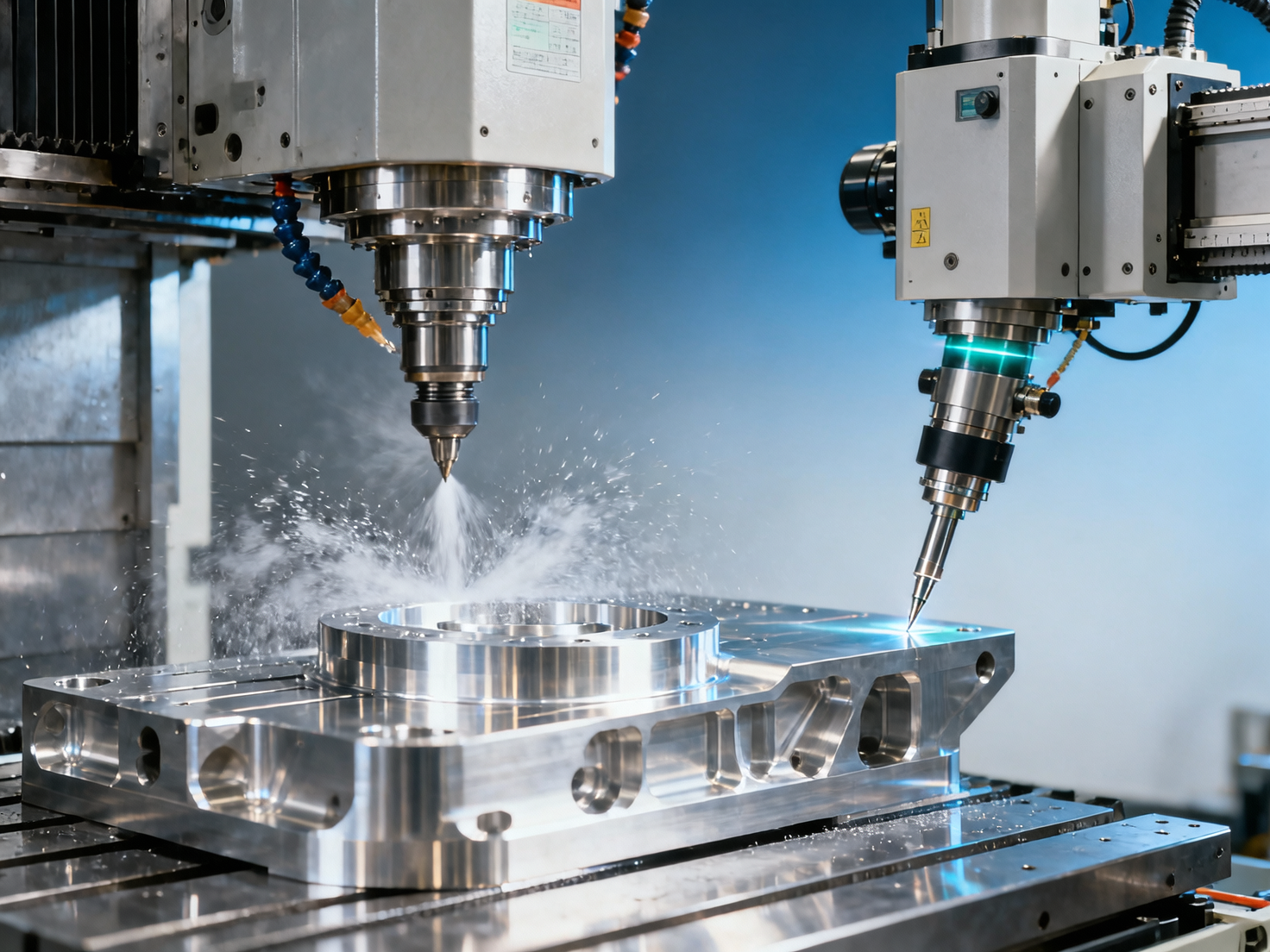
Many CNC manufacturing suppliers offer aggressive bids on prototypes—only to renegotiate margins when tolerance stacks exceed ±0.015mm. This hidden risk undermines cost-effective CNC manufacturing, especially for aerospace, medical devices, and energy equipment where high precision CNC manufacturing is non-negotiable. Whether you’re a procurement professional sourcing a CNC manufacturing wholesaler or an engineer evaluating a multi-axis CNC manufacturing factory, understanding true capability—not just quoted specs—is critical. From quick setup CNC manufacturing to automated CNC manufacturing solutions, reliability hinges on process stability, not just price. Discover how leading precision CNC manufacturing suppliers mitigate stack-up risks—without compromising space-saving design, low maintenance operation, or energy-saving performance.
Why Tolerance Stack-Up at ±0.015mm Triggers Margin Renegotiation
Tolerance stack-up refers to the cumulative deviation across multiple interdependent features in a part—especially critical in multi-axis CNC machining of structural components for aerospace or turbine housings. When dimensional chains exceed ±0.015mm, geometric tolerancing (per ISO 1101 and ASME Y14.5) often demands tighter process controls, secondary inspection protocols, and rework allowances that were omitted from initial quoting.
Suppliers who underbid typically assume nominal GD&T compliance using standard machine calibration cycles (e.g., weekly laser interferometer checks). In reality, achieving consistent ±0.015mm across 8+ feature interactions requires real-time thermal compensation, spindle load monitoring, and in-process probing—capabilities found in only ~12% of mid-tier global CNC machine tool suppliers, per 2023 industry benchmarking data.
This gap between quoted capability and verified repeatability creates three distinct financial exposures: 1) 15–30% margin erosion post-PO due to unplanned metrology labor; 2) 7–12 day schedule slippage from recalibration and fixture validation; and 3) liability for first-article rejection in regulated sectors like medical device OEMs (ISO 13485) or nuclear energy components (ASME Section III).
How Leading Suppliers Prevent Stack-Up Surprises
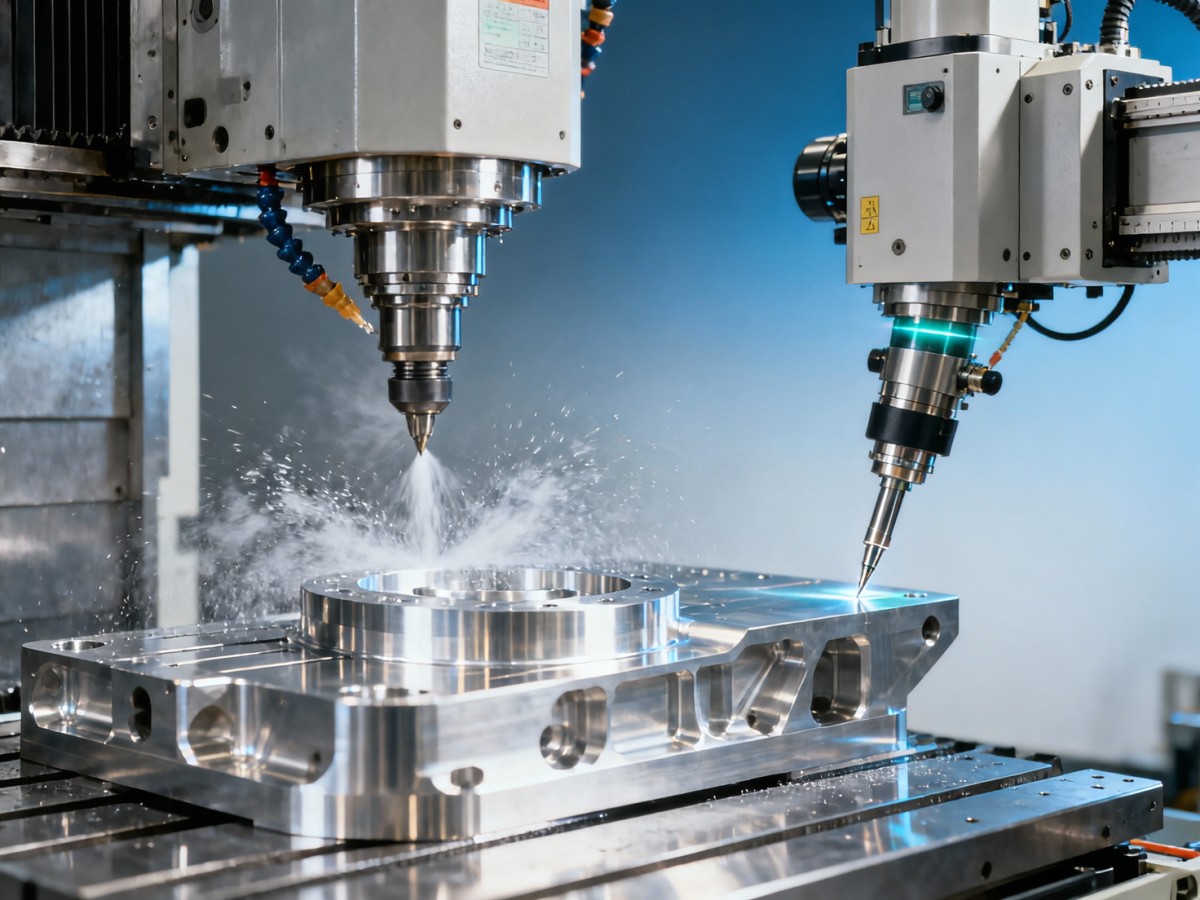
Top-tier CNC machine tool manufacturers embed tolerance-awareness into their quoting workflow—not as a post-facto negotiation trigger, but as a pre-bid engineering gate. This includes full GD&T simulation using Metrology Software Integration (MSI) platforms, alignment with customer CMM measurement plans, and explicit documentation of machine tool volumetric accuracy (per ISO 230-6:2012).
They also enforce a 4-step verification protocol before prototype release: (1) kinematic model validation against actual axis positioning errors; (2) thermal drift mapping over 8-hour continuous runs; (3) fixture-induced deformation analysis via FEA; and (4) statistical process control (SPC) baselining on ≥50 consecutive parts. Only suppliers meeting Cpk ≥1.67 across all critical dimensions proceed to formal quotation.
Key Process Controls vs. Standard Quoting Practices
The table reveals why price alone misleads procurement decisions: suppliers meeting ISO 230-6 standards reduce stack-up-related rework by up to 68%, according to 2024 data from the International Machine Tool Association (IMTA). Their upfront investment in volumetric error compensation translates directly into predictable delivery timelines and zero-margin renegotiation events.
Procurement Checklist: 5 Non-Negotiable Capabilities for ±0.015mm Work
When evaluating CNC manufacturing suppliers for high-precision applications, prioritize evidence—not claims. These five verifiable capabilities separate reliable partners from quote-driven vendors:
- Proof of ISO 230-6 volumetric accuracy certification (not just ISO 230-2)
- Documented SPC baselines for ≥3 past projects requiring ≤±0.015mm stack-up control
- Fixture design files showing FEA-based deformation analysis under clamping loads
- Real-time thermal compensation logs from recent production runs (sample available upon NDA)
- Traceable CMM reports aligned to your GD&T scheme—including datum shift simulations
Avoid suppliers who cannot provide these within 48 hours of request. In aerospace and energy equipment supply chains, 92% of late deliveries originate from unvalidated stack-up assumptions—not machine downtime.
Why Partner With Precision-Focused CNC Manufacturing Providers
We specialize in CNC machine tool systems and precision manufacturing services engineered for repeatable ±0.010mm tolerance stacks—validated across aerospace landing gear housings, MRI coil support frames, and nuclear coolant manifold assemblies. Our quoting process includes free GD&T feasibility review, thermal modeling, and volumetric error budgeting—all delivered within 5 business days.
Unlike generalist suppliers, we align every quote with your specific metrology plan, fixture constraints, and material behavior curves. We support rapid prototyping (7–10 day lead time for first article), low-volume production (1–50 units), and scalable ramp-up—without margin renegotiation, regardless of stack-up complexity.
Contact us to: confirm volumetric accuracy for your part geometry; validate GD&T compliance against your CMM program; receive a tolerance budget report; or request sample SPC charts from similar applications. Let’s eliminate stack-up surprises—before the purchase order is signed.
Recommended for You
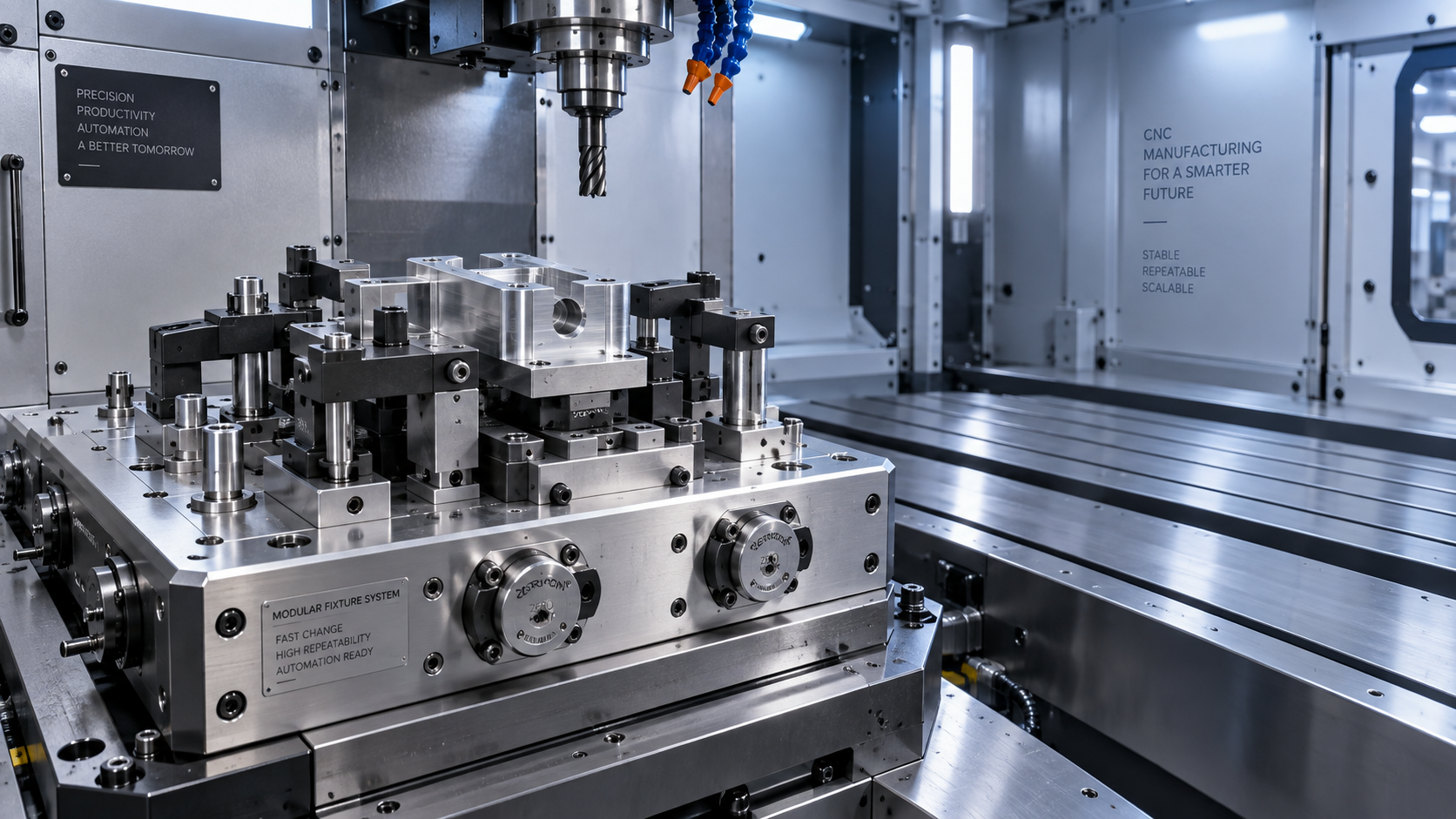
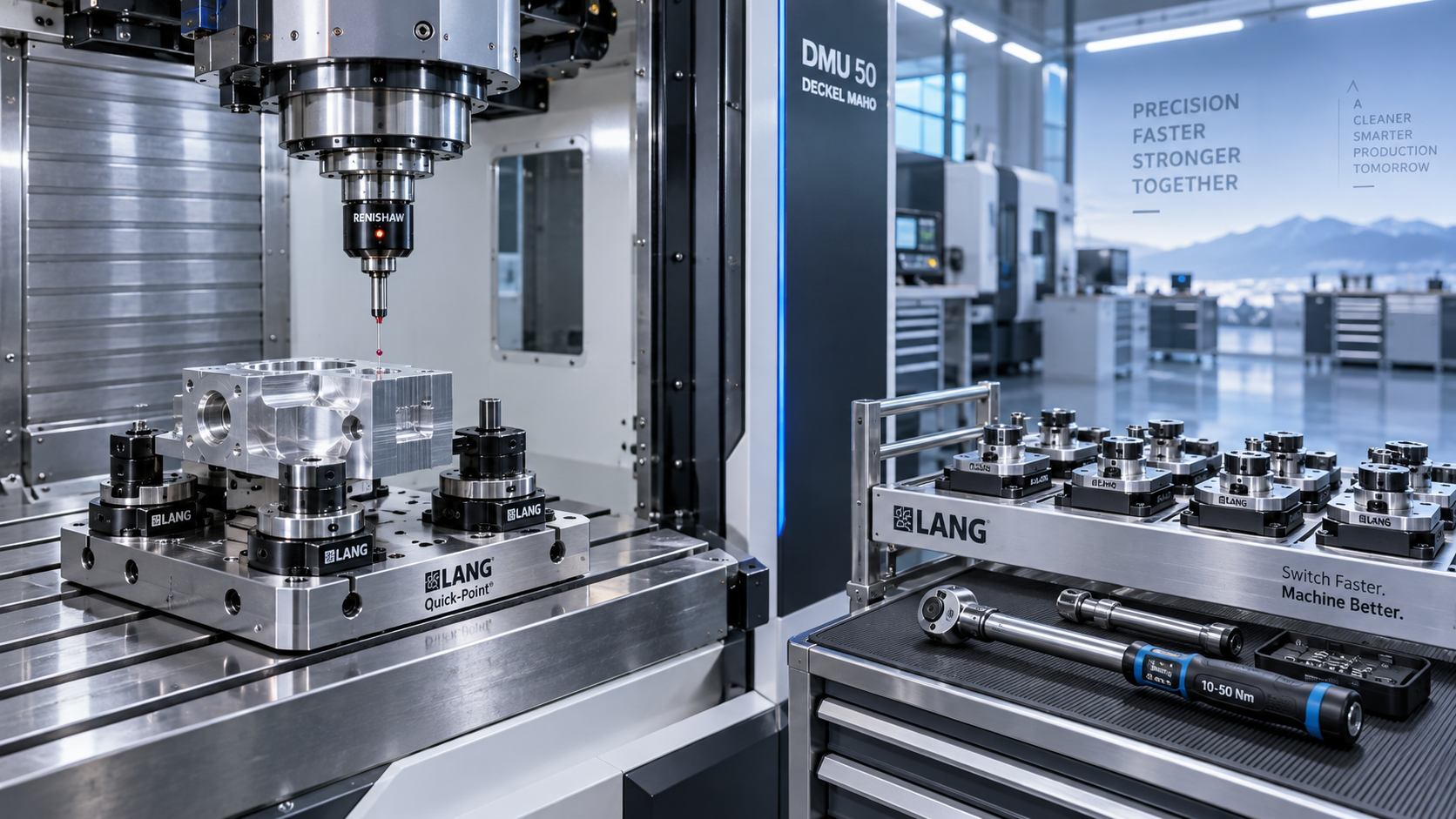
 Zero-Point Clamping or Modular Fixtures? Choosing a Faster CNC Changeover SystemCNC Machining Technology Center
 How to Cut CNC Fixture Changeover Time Without Sacrificing Part AccuracyCNC Machining Technology Center
 When Does CNC Turning Pay Off? A Break-Even Guide by Annual Part VolumeMachine Tool Industry Editorial Team
 Machine Tool Standards by Country: What Importers Must Verify Before PurchaseManufacturing Policy Research Center
 CNC Lathe Quick Installation Guide: Alignment Checks Before First Production RunCNC Machining Technology Center
 How to Select a CNC Lathe for Small Parts Without Sacrificing Accuracy or Cycle TimeCNC Machining Technology Center

Aris Katos
Future of Carbide Coatings
15+ years in precision manufacturing systems. Specialized in high-speed milling and aerospace grade alloy processing.
▶
How to Evaluate a Machine Tool Factory Before Sourcing CNC EquipmentGlobal Machine Tool Trade Research Center▶
How to Evaluate a CNC Machine Tool Manufacturer for Precision and Service SupportGlobal Machine Tool Trade Research Center▶
What Affects Cost-Effective CNC Manufacturing? Key Drivers Behind Part Price and Lead TimeGlobal Machine Tool Trade Research Center▶
How to Evaluate a CNC Tooling System Supplier in Germany for Quality, Lead Time, and CostGlobal Machine Tool Trade Research Center▶
How to Evaluate a CNC Tooling System Supplier in Germany for Quality, Lead Time, and SupportGlobal Machine Tool Trade Research Center
Mastering 5-Axis Workholding Strategies
Join our technical panel on Nov 15th to learn about reducing vibrations in thin-wall components.

Providing you with integrated sanding solutions
Before-sales and after-sales services
Comprehensive technical support