• Global CNC market projected to reach $128B by 2028 • New EU trade regulations for precision tooling components • Aerospace deman
NYSE: CNC +1.2%LME: STEEL -0.4%

CNC manufacturing wholesalers quietly shifting inventory models in 2026—here’s why lead times are tightening
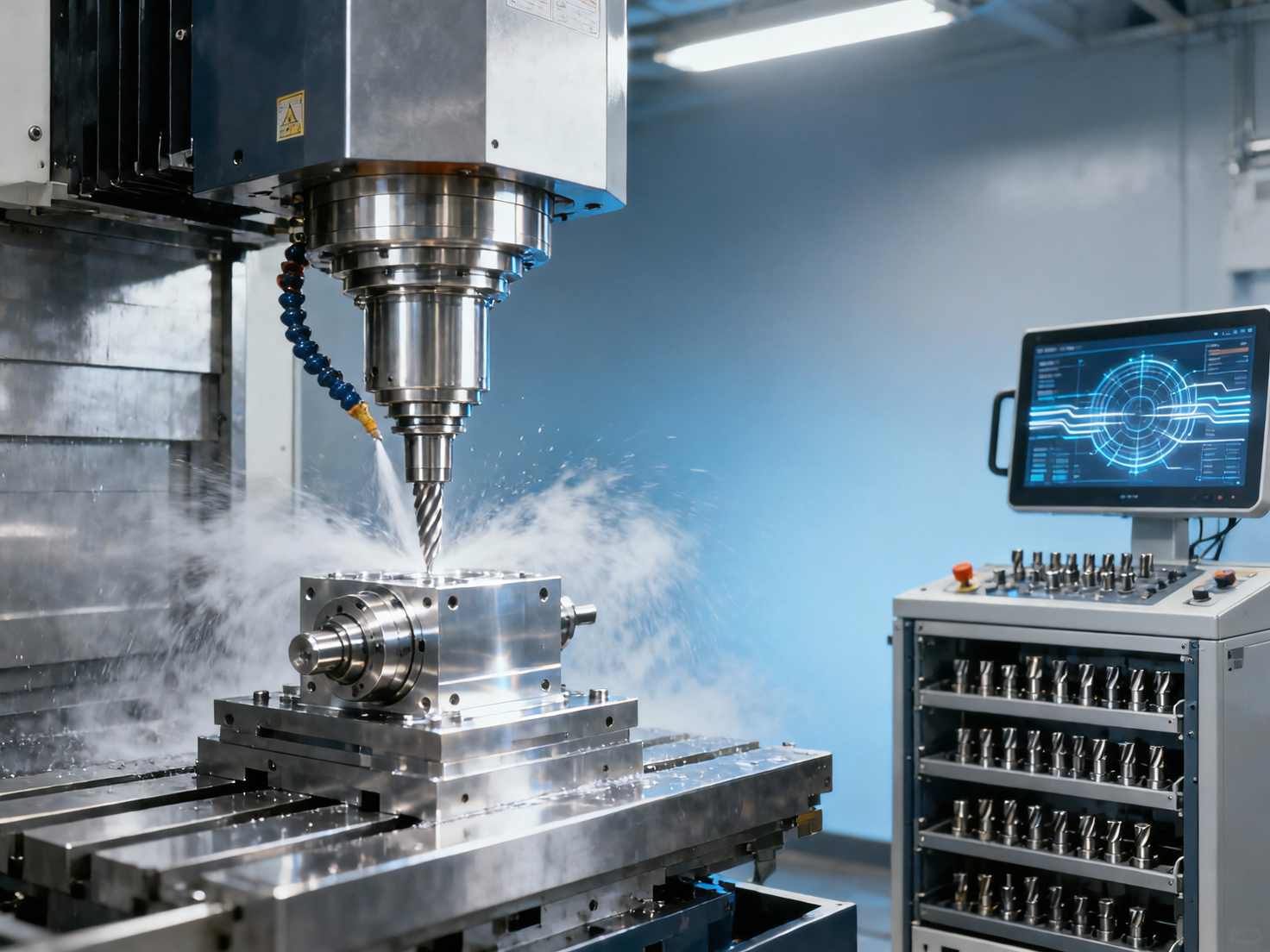
CNC manufacturing wholesalers are rethinking inventory strategies in 2026—shifting from bulk stock to demand-driven, space-saving CNC manufacturing and quick setup CNC manufacturing models. This pivot is tightening lead times across precision CNC manufacturing, especially for high-precision CNC manufacturing in aerospace, automotive, and medical devices sectors. As energy-saving CNC manufacturing and low maintenance CNC manufacturing gain traction, suppliers prioritize agile, automated CNC manufacturing capabilities over sheer volume. Whether you’re a procurement professional sourcing CNC manufacturing for energy equipment or a decision-maker evaluating a CNC manufacturing exporter, understanding this shift is critical to securing cost-effective, high-speed CNC manufacturing capacity amid rising global demand.
Why Are CNC Wholesalers Moving Away From Traditional Inventory?
Historically, CNC machine tool wholesalers held large inventories of standard spindles, linear guides, servo motors, and control systems—often sourced from Tier-1 OEMs in Germany, Japan, and South Korea. But rising warehouse costs (up 18% YoY in EU logistics hubs), tighter capital constraints, and volatile demand for aerospace-grade components have forced a structural recalibration.
The shift reflects three interlocking drivers: First, digital twin-enabled order forecasting now allows wholesalers to pre-allocate production slots on partner machine shops—reducing safety stock by 30–45%. Second, modular CNC manufacturing platforms (e.g., ISO 230-2 compliant multi-axis machining centers) support rapid reconfiguration for small-batch, high-mix orders—cutting changeover time from 4–6 hours to under 45 minutes. Third, real-time IoT telemetry from installed machines enables predictive replenishment triggers, aligning raw material procurement with actual tool wear cycles (±2.3% accuracy).
This isn’t just lean logistics—it’s a strategic response to industry-wide acceleration in smart factory adoption. Over 62% of Tier-1 automotive suppliers now require CNC component delivery within 12–18 business days, down from 25–35 days in 2022. That pressure cascades directly to wholesale partners.
How Tighter Lead Times Impact Procurement Decisions
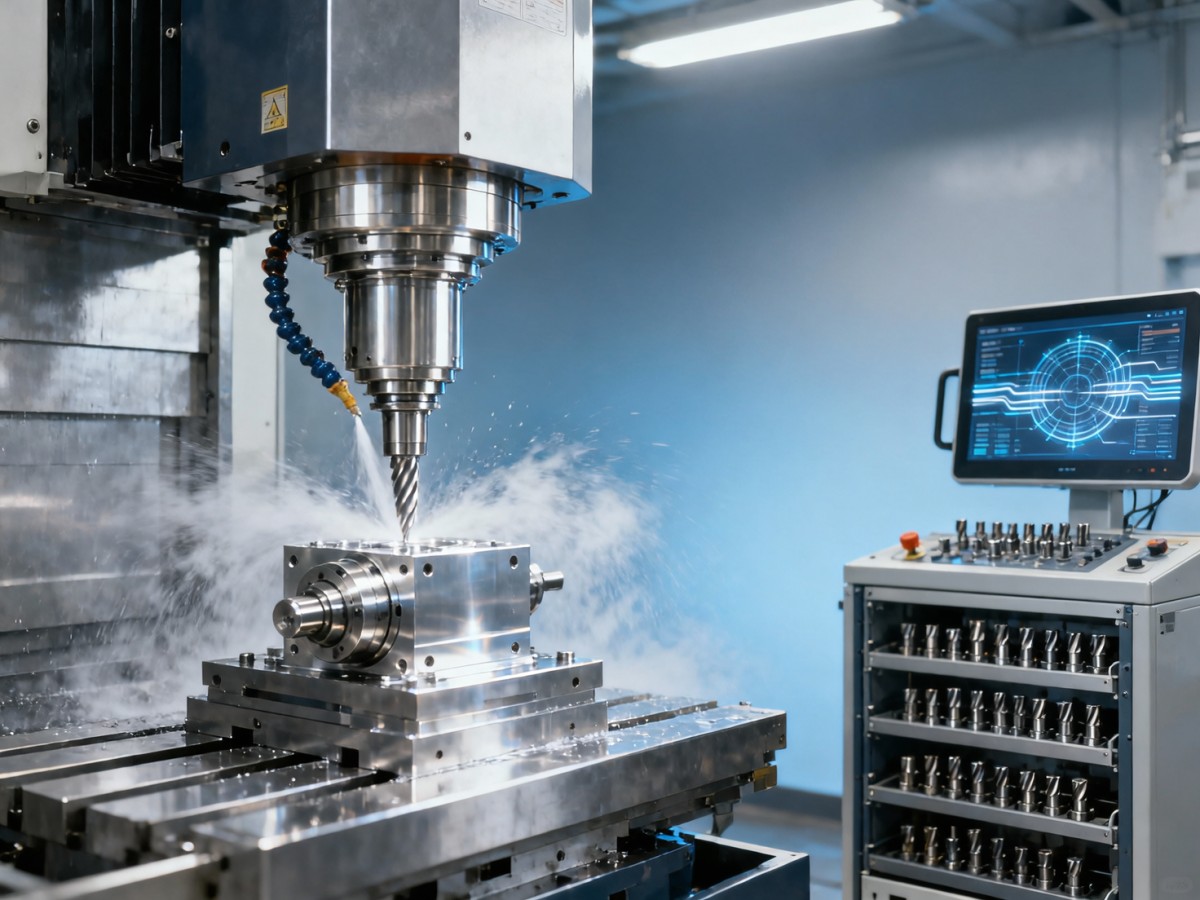
Procurement professionals face new trade-offs: faster turnaround often means less flexibility in customization, while full configurability extends lead time by 7–14 days. The table below outlines how key procurement dimensions shift across inventory models:
What this means operationally: If your project requires AS9100-compliant 5-axis machining centers with custom coolant manifolds for turbine blade production, the demand-driven model delivers traceable, single-unit validation—but requires upfront engineering alignment. For standard CNC lathes used in general-purpose energy equipment assembly, bulk stock still offers best-in-class availability at lower unit cost.
Which Sectors Feel the Pressure Most—and Why?
Aerospace and medical device manufacturers report the steepest lead time compression—averaging 22% shorter windows since Q1 2025. Why? Two reasons: First, regulatory timelines for FAA Part 21G or FDA 510(k) submissions are fixed, leaving no room for supplier delays. Second, both sectors increasingly adopt hybrid manufacturing (e.g., additively built titanium blanks finished via 5-axis CNC), demanding tight synchronization between upstream and downstream processes.
Automotive OEMs face different but equally acute pressure: EV powertrain programs compress development cycles from 36 to 24 months. That forces Tier-2 CNC component suppliers to commit to production-ready tooling and fixtures within 8 weeks—not the historical 16–20 weeks. Energy equipment procurement shows more moderate impact (12–15% lead time reduction), but with heightened focus on energy-saving CNC manufacturing specs: spindle efficiency ≥92%, regenerative braking on axis drives, and thermal stability within ±0.8°C over 8-hour shifts.
For procurement teams, this means segmenting suppliers not just by geography or price—but by certified capability tiers:
- Tier A (High-Mix, Low-Volume): Validated for AS9100/ISO 13485, supports ≤50 units/year with full digital twin integration and real-time process monitoring.
- Tier B (Medium Volume, Configurable): ISO 9001-certified, 100–500 units/year, offers pre-engineered modular options (e.g., interchangeable pallets, quick-change tooling interfaces).
- Tier C (High Volume, Standardized): ISO 9001 + IATF 16949, >500 units/year, optimized for repeatable CNC lathe/milling center builds with standardized interfaces.
What Should You Do Next? A 4-Step Action Plan
Whether you’re an information researcher mapping supply chain risk, an operator validating machine compatibility, a procurement specialist negotiating terms, or an executive approving vendor strategy—here’s how to respond immediately:
- Map your top 3 CNC-dependent SKUs by annual volume, certification requirement (e.g., AS9100 vs. ISO 9001), and tolerance band (±0.005mm vs. ±0.05mm). Prioritize those with ≤12-week buffer stock.
- Request digital twin validation reports from shortlisted wholesalers—not just delivery dates. Confirm they include simulated cycle time, thermal deformation analysis, and surface finish prediction (Ra ≤0.4μm).
- Evaluate service-level agreements (SLAs) for CNC manufacturing exporters: Look for enforceable clauses covering on-time delivery (≥95% target), first-pass yield (≥98.5%), and post-delivery technical support (≤2-hour remote response, ≤72-hour on-site escalation).
- Test one pilot order using the demand-driven model: Select a non-critical but technically representative part (e.g., aluminum housing for sensor mounting), track actual vs. promised lead time, and audit traceability documentation completeness.
We support procurement professionals and decision-makers with verified, real-time access to Tier A–C CNC manufacturing partners across China, Germany, Japan, and South Korea. Our platform provides validated lead time benchmarks, digital twin readiness scores, and compliance documentation previews—before you issue an RFQ. Contact us to request a free, no-commitment assessment of your current CNC sourcing profile—including lead time risk scoring and alternative supplier mapping based on your exact tolerance, volume, and certification requirements.
Recommended for You
 Machine Tool Market Outlook: Demand Drivers, Capacity Shifts, and Investment RisksManufacturing Market Research Center
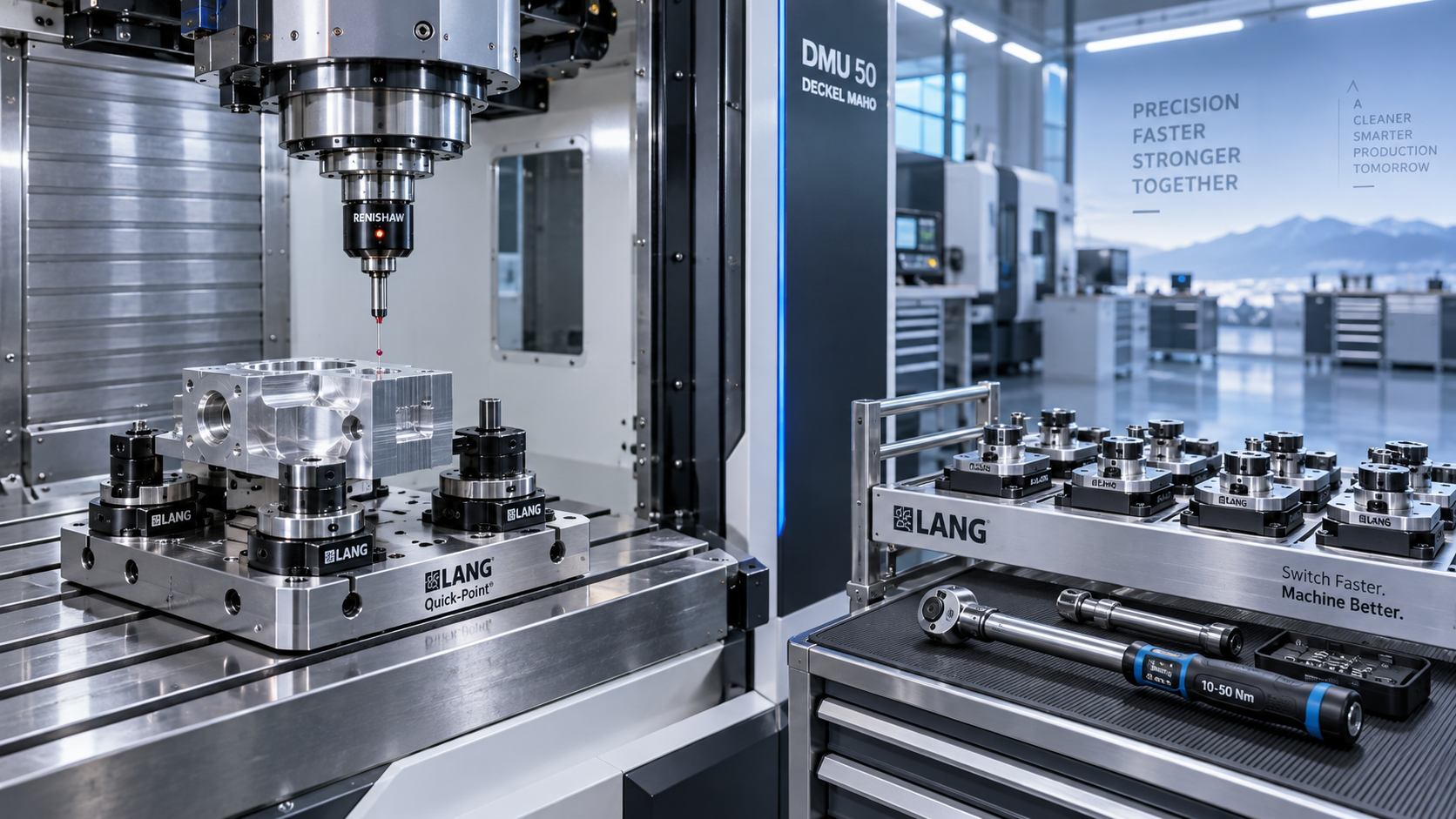
 Zero-Point Clamping or Modular Fixtures? Choosing a Faster CNC Changeover SystemCNC Machining Technology Center
 How to Cut CNC Fixture Changeover Time Without Sacrificing Part AccuracyCNC Machining Technology Center
 When Does CNC Turning Pay Off? A Break-Even Guide by Annual Part VolumeMachine Tool Industry Editorial Team
 Machine Tool Standards by Country: What Importers Must Verify Before PurchaseManufacturing Policy Research Center
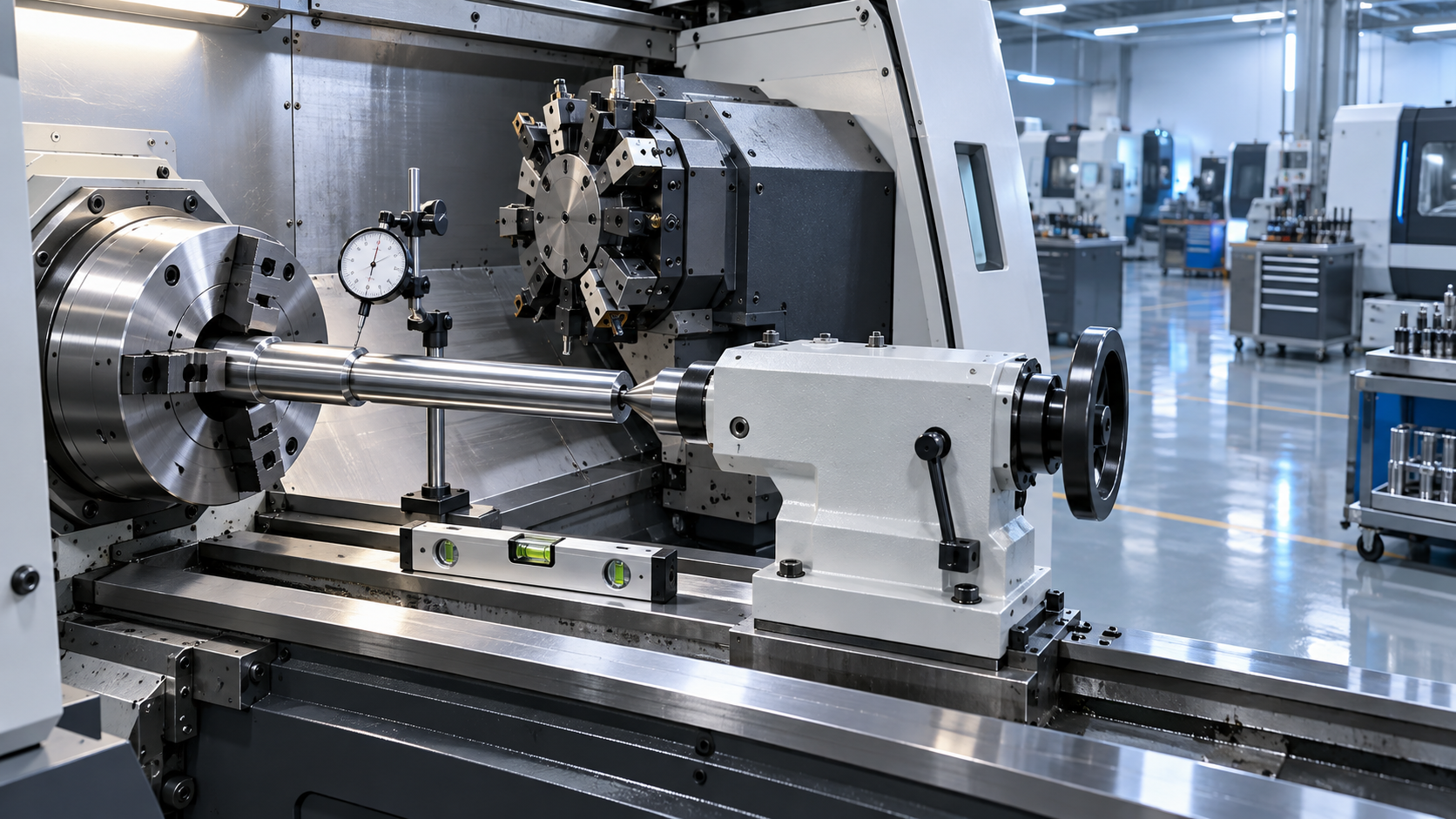
 CNC Lathe Quick Installation Guide: Alignment Checks Before First Production RunCNC Machining Technology Center

Aris Katos
Future of Carbide Coatings
15+ years in precision manufacturing systems. Specialized in high-speed milling and aerospace grade alloy processing.
▶
How to Evaluate a Machine Tool Factory Before Sourcing CNC EquipmentGlobal Machine Tool Trade Research Center▶
How to Evaluate a CNC Machine Tool Manufacturer for Precision and Service SupportGlobal Machine Tool Trade Research Center▶
What Affects Cost-Effective CNC Manufacturing? Key Drivers Behind Part Price and Lead TimeGlobal Machine Tool Trade Research Center▶
How to Evaluate a CNC Tooling System Supplier in Germany for Quality, Lead Time, and CostGlobal Machine Tool Trade Research Center▶
How to Evaluate a CNC Tooling System Supplier in Germany for Quality, Lead Time, and SupportGlobal Machine Tool Trade Research Center
Mastering 5-Axis Workholding Strategies
Join our technical panel on Nov 15th to learn about reducing vibrations in thin-wall components.

Providing you with integrated sanding solutions
Before-sales and after-sales services
Comprehensive technical support