• Global CNC market projected to reach $128B by 2028 • New EU trade regulations for precision tooling components • Aerospace deman
NYSE: CNC +1.2%LME: STEEL -0.4%

How to Evaluate a CNC Tooling System Supplier in Germany for Quality, Lead Time, and Support
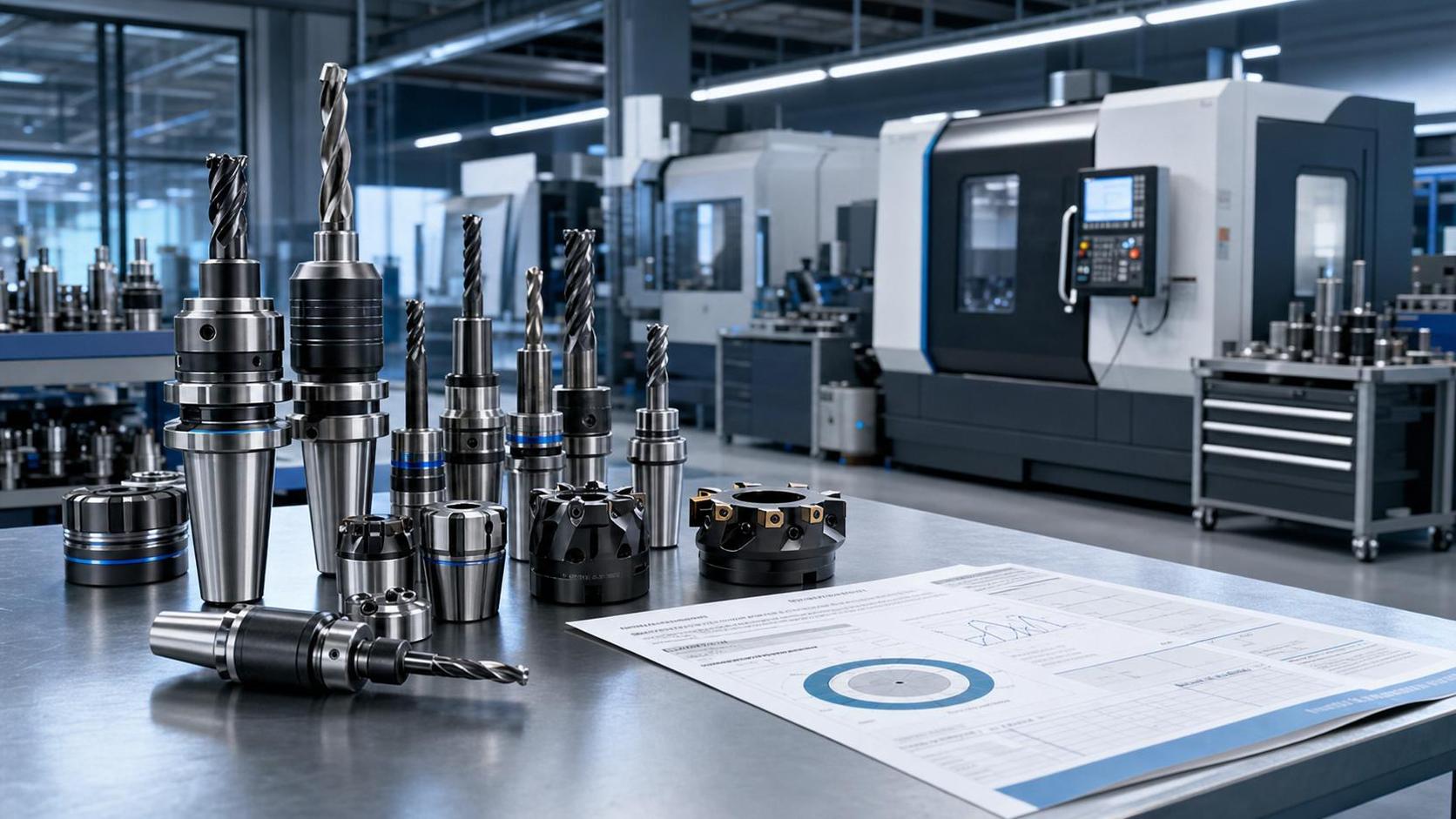
How to Evaluate a CNC Tooling System Supplier in Germany for Quality, Lead Time, and Support
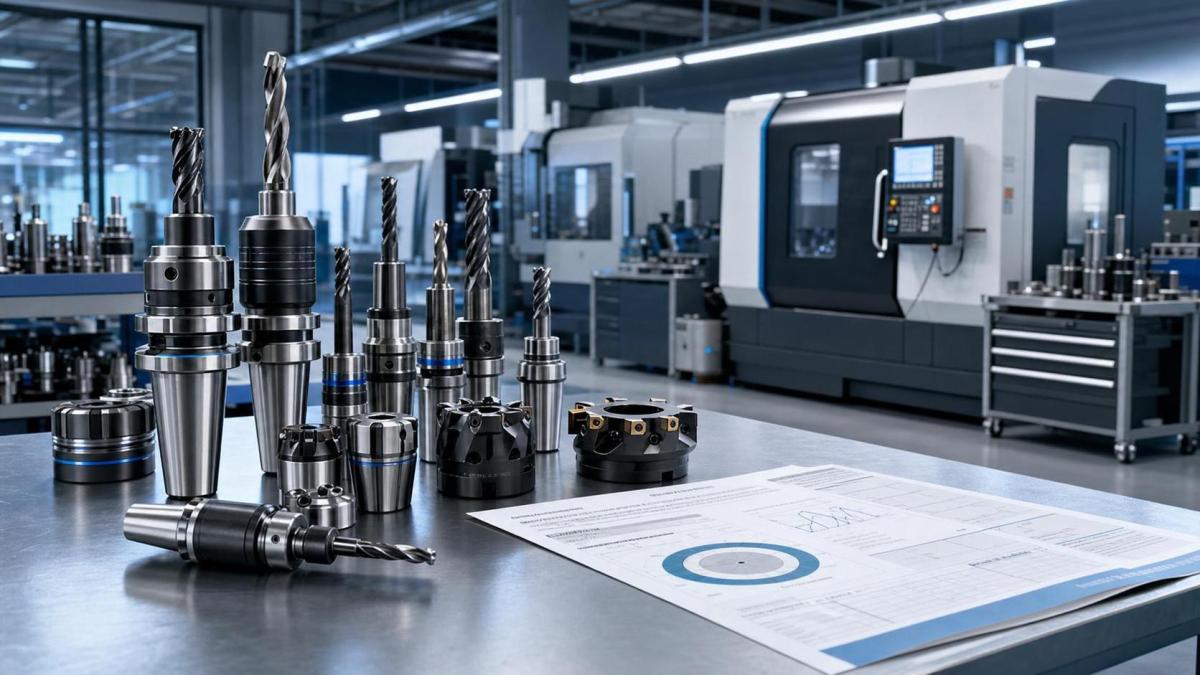
Choosing a reliable CNC Tooling System supplier in Germany can shape product quality, delivery stability, and long-term operating cost.
In real sourcing work, price matters, but it rarely tells the full story.
A low quote can hide longer lead times, weaker documentation, or limited after-sales support.
That is why evaluating a CNC Tooling System supplier in Germany requires a structured and practical review process.
Germany has a strong reputation in precision engineering, machine tools, and industrial quality systems.
Still, supplier quality varies by specialization, capacity, export experience, and service culture.
Some suppliers are excellent at standard tool holders but slower on custom assemblies.
Others perform well on engineering support yet struggle with flexible shipment scheduling.
A sound evaluation should look at technical fit, process discipline, commercial clarity, and response speed together.
This guide breaks down the checks that make supplier comparison more accurate and less risky.
Start with Technical Compatibility, Not Just Brand Reputation
A CNC Tooling System supplier in Germany should first match the technical needs of your machines and production targets.
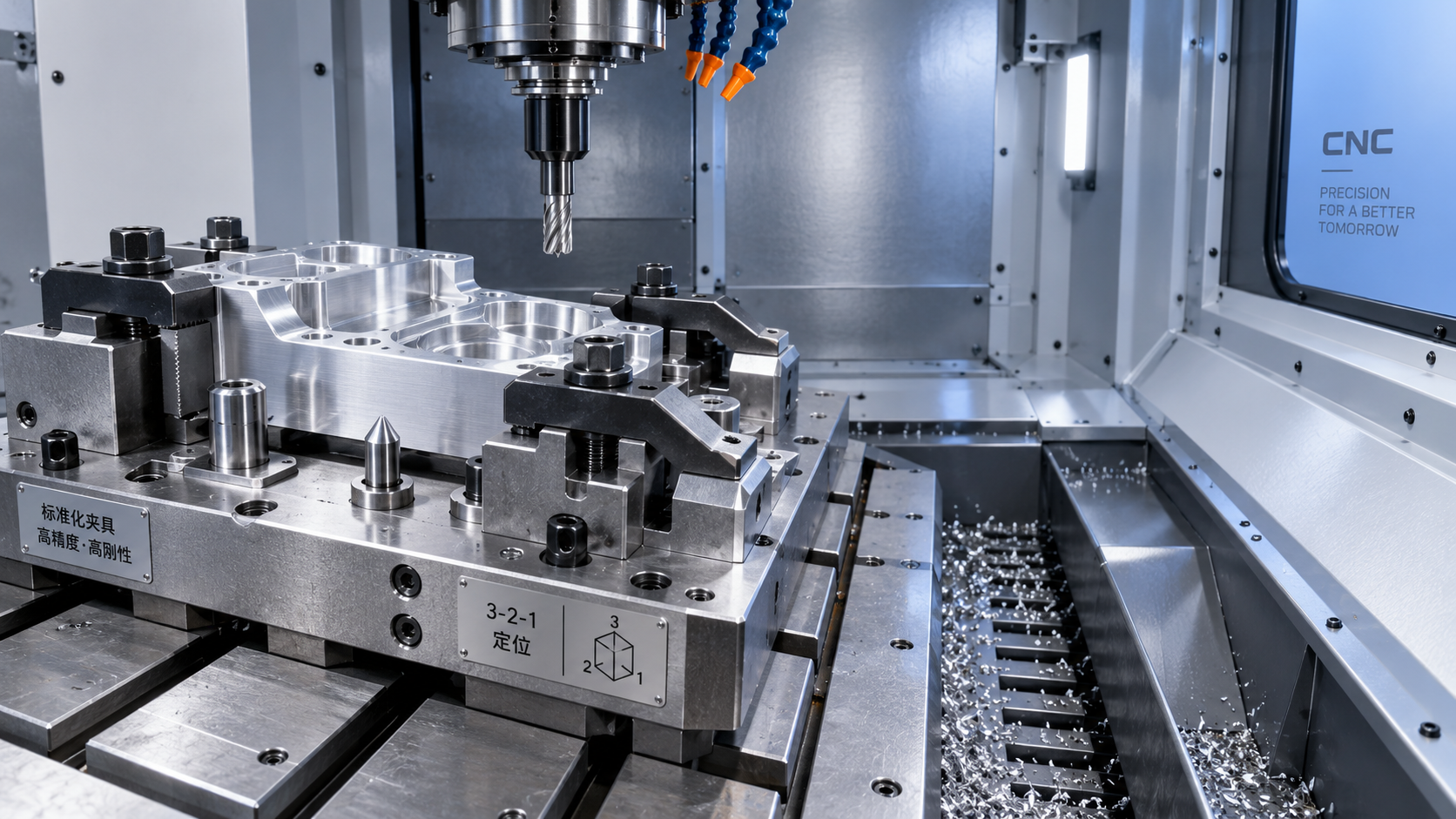
That includes spindle interface standards, tool clamping accuracy, balance grades, runout control, and material performance.
Check whether the supplier supports HSK, BT, SK, CAPTO, or other required tooling interfaces.
Ask for measurable data, not only catalog claims.
Useful data points include radial runout, repeatability, tool life performance, coating options, and recommended cutting conditions.
If the supplier offers modular tooling systems, verify interchangeability across machine platforms and product generations.
This becomes more important when production lines include mixed machine brands or multi-site operations.
In practice, the best supplier is often the one that reduces setup variation and machining instability.
Technical questions worth asking
- Which tooling standards and machine interfaces are supported?
- What inspection reports are available for runout, hardness, and balancing?
- Can the supplier handle custom tooling assemblies for difficult part geometries?
- Are presetting, traceability, and replacement part options included?
Evaluate Quality Systems Through Evidence
A serious CNC Tooling System supplier in Germany should be able to show how quality is controlled, not just promise it.
Start with ISO certifications, but do not stop there.
Certification shows baseline discipline, while actual production evidence reveals day-to-day consistency.
Request sample inspection reports, process flow documents, and nonconformance handling procedures.
A capable supplier should explain how incoming material, machining, grinding, coating, and final inspection are managed.
More importantly, ask what happens when results fall outside tolerance.
This is often where weak suppliers become visible.
Strong suppliers document root cause analysis, corrective action, and containment steps clearly.
If possible, review performance from existing sectors like automotive, aerospace, or precision electronics.
These industries usually demand tighter process control and better traceability.
Signs of a mature quality process
- Documented inspection standards for each tooling category
- Clear serial or batch traceability
- Defined complaint response and corrective action timelines
- Consistent records for dimensional and performance verification
Compare Lead Time by Process Reality, Not Quoted Days
Lead time is one of the most underestimated factors when choosing a CNC Tooling System supplier in Germany.
Quoted delivery dates can look competitive, yet actual supply performance may depend on subcontracting and material availability.
Ask the supplier to separate standard item lead time from engineered or customized orders.
Also check whether coating, heat treatment, or balancing is handled internally or by outside partners.
Each external step can add risk during demand spikes.
Recent market changes have made this even more relevant.
Energy costs, logistics pressure, and variable industrial demand can stretch replenishment cycles without much warning.
A reliable CNC Tooling System supplier in Germany should provide realistic schedules, order visibility, and change notices early.
That level of transparency often matters more than the shortest promised date.
What to validate on lead time
- Average lead time for stocked items
- Average lead time for custom tooling systems
- On-time delivery rate over the past six to twelve months
- Emergency order handling and expediting capability
- Buffer stock, safety stock, or consignment options
Look Closely at Support Before and After the Purchase
Support quality can sharply affect the total value of a CNC Tooling System supplier in Germany.
This is especially true when applications are complex or process windows are tight.
Pre-sales support should include application advice, tooling selection, and cost-performance recommendations.
Post-sales support should cover troubleshooting, replacement coordination, and root cause discussion when machining issues appear.
A supplier that responds fast but gives vague answers is still a risk.
What matters is response quality, technical depth, and follow-through.
Ask who handles support requests.
Is it a sales contact, a product engineer, or a regional service team?
That difference affects issue resolution speed more than many buyers expect.
For international sourcing, also check English documentation quality and export communication efficiency.
Useful support checkpoints
- Application engineering availability
- Response time for technical questions and complaints
- Training support for setup, maintenance, or tooling changes
- Warranty terms and replacement procedures
Assess Commercial Risk with a Simple Comparison Table
A sourcing decision becomes clearer when technical and commercial factors are scored together.
This helps avoid overvaluing a low unit price from a weaker CNC Tooling System supplier in Germany.
This kind of scorecard supports clearer internal discussion and faster approval decisions.
It also creates a more defensible supplier selection record.
Run a Pilot Order Before Full Supplier Commitment
Before locking in a long-term contract, place a controlled pilot order with the shortlisted CNC Tooling System supplier in Germany.
A pilot order reveals the gap between presentation and execution.
Track quotation speed, document accuracy, packaging quality, shipment timing, and technical support during commissioning.
Then compare actual performance with promised terms.
This step is especially useful when sourcing for automotive parts, aerospace structures, energy equipment, or precision electronics.
These sectors depend on stable repeatability and minimal process disruption.
A pilot also helps estimate the real total cost of ownership.
That includes downtime risk, setup time, reject rates, and support effort.
In many cases, the better supplier is not the cheapest one, but the one with the most stable business value.
Build a Decision Process That Stays Useful Over Time
Selecting a CNC Tooling System supplier in Germany should be treated as a long-term operating decision, not a one-time purchase event.
The best evaluations combine technical proof, delivery realism, and service accountability.
A strong supplier should help maintain machining accuracy, reduce interruptions, and support future process changes.
That becomes more valuable as manufacturing moves toward higher automation and digital integration.
For practical sourcing, focus on four questions.
Can the supplier meet the required precision?
Can they deliver consistently?
Can they solve problems quickly?
And can they support growth without creating hidden cost?
When a CNC Tooling System supplier in Germany answers all four well, the sourcing decision becomes much more secure.
Recommended for You
 Industrial Machining: Selecting Processes for Tight-Tolerance Metal PartsCNC Machining Technology Center
 Manufacturing Technology Trends That Improve Throughput and Quality ControlManufacturing Market Research Center
 How to Design Cost-Effective Fixtures That Maintain Cycle Time in Mass ProductionCNC Machining Technology Center
 Is Learning CNC Programming Worth It for Shop Owners Seeking Higher Margins?CNC Machining Technology Center
 CNC Machine Arrival Inspection: Check Shipping Damage, Accuracy, Safety, and DocumentsCNC Machining Technology Center
 How to Select a Machine Tool for Aerospace Parts with Tight Tolerances?Machine Tool Industry Editorial Team

Aris Katos
Future of Carbide Coatings
15+ years in precision manufacturing systems. Specialized in high-speed milling and aerospace grade alloy processing.
▶
How to Evaluate a Machine Tool Factory Before Sourcing CNC EquipmentGlobal Machine Tool Trade Research Center▶
How to Evaluate a CNC Machine Tool Manufacturer for Precision and Service SupportGlobal Machine Tool Trade Research Center▶
What Affects Cost-Effective CNC Manufacturing? Key Drivers Behind Part Price and Lead TimeGlobal Machine Tool Trade Research Center▶
How to Evaluate a CNC Tooling System Supplier in Germany for Quality, Lead Time, and CostGlobal Machine Tool Trade Research Center▶
How to Evaluate a CNC Tooling System Supplier in Germany for Quality, Lead Time, and SupportGlobal Machine Tool Trade Research Center
Mastering 5-Axis Workholding Strategies
Join our technical panel on Nov 15th to learn about reducing vibrations in thin-wall components.

Providing you with integrated sanding solutions
Before-sales and after-sales services
Comprehensive technical support