• Global CNC market projected to reach $128B by 2028 • New EU trade regulations for precision tooling components • Aerospace deman
NYSE: CNC +1.2%LME: STEEL -0.4%

CNC Manufacturing Cost Breakdown: What Drives Quote Differences in Custom Parts?

Why do CNC manufacturing quotes vary so much for the same part?
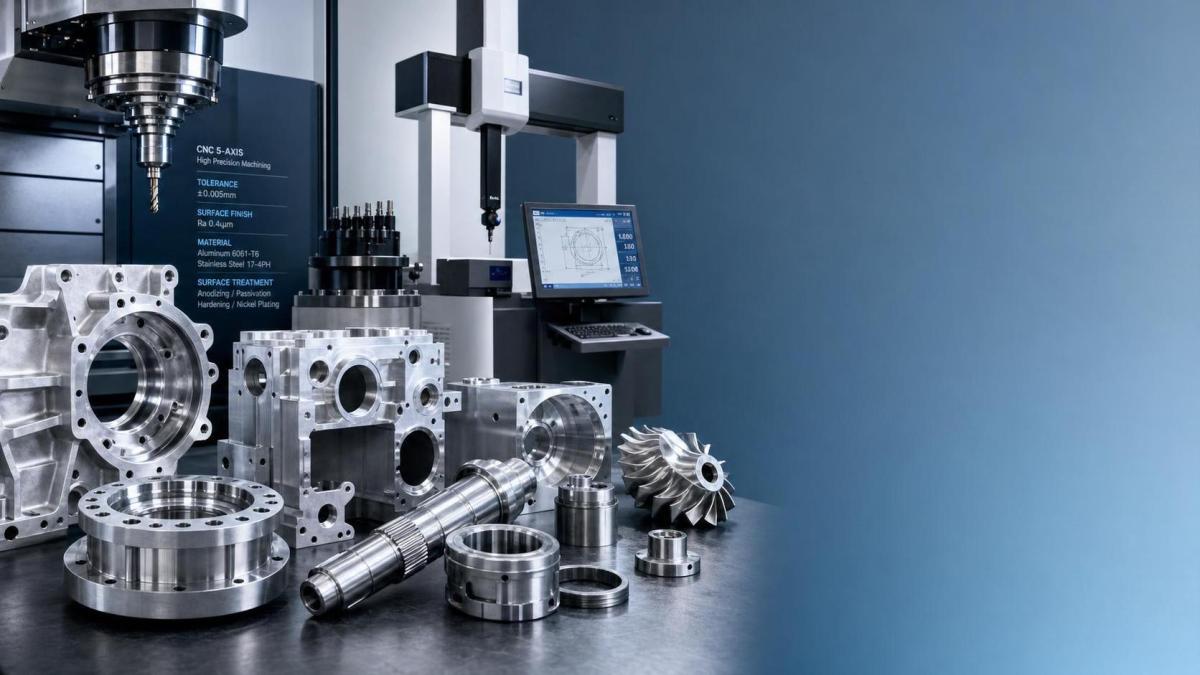
A part drawing may look identical on paper, yet two CNC manufacturing quotes can land far apart.
That gap usually comes from process assumptions, not random pricing.
In practical sourcing, material cost is only one layer.
The bigger drivers are often machining strategy, setup time, tolerance risk, inspection depth, and how efficiently a supplier runs its equipment.
This matters across automotive, aerospace, electronics, energy equipment, and other precision industries where CNC machine tools support automated production.
As global manufacturing moves toward higher precision and digital integration, quote comparison has become less about unit price alone.
A low number may reflect smart process design, but it can also hide omitted operations, loose quality control, or unrealistic lead times.
A higher number may include better tooling, stronger traceability, and more stable production planning.
The useful question is not only, “Who is cheaper?”
It is, “What exactly is included in this CNC manufacturing quote, and what risk sits behind it?”
Which cost elements usually explain the biggest quote differences?
Most quote variation can be traced to a handful of cost elements.
Some are visible in the drawing, while others depend on factory capability.
- Material grade: Aluminum 6061 and 7075 may look similar in a quote request, but machining behavior and raw stock price differ.
- Part geometry: Deep pockets, thin walls, undercuts, and hard-to-reach features increase cycle time and tooling needs.
- Tolerance level: Tight tolerances raise scrap risk, slow feed rates, and often require more inspection.
- Surface finish: Cosmetic standards, deburring quality, anodizing, plating, or grinding all add cost.
- Setup and fixturing: Low-volume parts often carry a higher setup burden per piece.
- Machine selection: A 3-axis process and a 5-axis process can produce the same result at very different cost structures.
- Inspection and documentation: First article reports, material certificates, and CMM checks are not free.
In real CNC manufacturing projects, these elements interact.
A complex part made in a small batch with tight flatness and cosmetic anodizing can become expensive even when the raw material is moderate.
That is why quote comparison works best when every supplier prices the same scope.
A quick quote-check table
Before choosing between offers, it helps to compare what usually drives price and what should be confirmed.
How much do tolerances, finishes, and hidden process steps matter?
They matter more than many first-round RFQs assume.
A drawing with a few very tight dimensions can change the entire CNC manufacturing route.
For example, a feature held to plus or minus 0.01 mm may require finish passes, temperature control, and final inspection on a CMM.
If that same feature can be relaxed slightly, the part may move to a faster machine and a lower-risk process.
Surface requirements also shift cost quickly.
A functional machined finish is very different from a cosmetic visible face that must show no tool marks.
Secondary steps are another common blind spot.
Thread inserts, heat treatment, bead blasting, laser marking, passivation, plating, assembly, and packaging standards all affect the final number.
When one quote includes these steps and another assumes them out of scope, the price gap can look confusing.
More often, it is simply incomplete alignment.
A reliable CNC manufacturing review therefore starts with identifying which dimensions are truly critical and which finishes are functional, cosmetic, or optional.
Does batch size really change CNC manufacturing cost that much?
Yes, and often more than expected.
Programming, setup, tool measurement, first-piece verification, and fixture preparation are front-loaded costs.
When those costs are spread across ten parts, the unit price stays high.
Spread across one thousand parts, the unit price often drops sharply.
This is especially true for parts made on multi-axis equipment, custom fixtures, or stable automated cells.
Global CNC manufacturing suppliers in strong machine tool clusters often price larger repeat volumes more aggressively because their production planning is built around machine utilization.
That said, volume is not always the answer.
If demand is uncertain, overbuying can create inventory cost that erases the machining savings.
A better approach is to request tiered pricing and ask where the main breakpoints come from.
- Ask for prototype, pilot, and production quantity pricing separately.
- Check whether tooling or fixture charges are one-time or repeated.
- Confirm whether the quoted price assumes stable releases or a single one-off order.
- Review packaging and shipping strategy for higher volumes.
These details make quote comparison much more meaningful.
When is the lowest quote a warning sign rather than a good deal?
A low quote is not automatically risky, but it deserves careful reading.
In CNC manufacturing, unusually low pricing often comes from one of four situations.
- The supplier excluded steps that others included.
- The process plan assumes looser execution than the drawing truly requires.
- The quoted lead time is optimistic and may slip under production pressure.
- The factory has capacity now, but limited control over repeat quality.
This is common in projects involving precision structural parts, shafts, discs, or complex housings.
If the part supports an automated assembly line or downstream fit, small dimensional instability can become expensive very quickly.
A better check is to compare risk-adjusted cost.
That includes scrap exposure, rework, incoming inspection burden, delay impact, and the chance of a second sourcing cycle.
Where digital process control, traceability, and stable machine capability are stronger, the quote may look higher but the total acquisition cost can be lower.
A practical warning checklist
If any of these points are unclear, the quote is not ready for a clean decision.
- No breakdown for machining, finishing, tooling, and inspection.
- No statement on material source or certification.
- No mention of critical tolerance control.
- Unclear responsibility for outsourced treatments.
- Lead time promised without capacity confirmation.
- Revision control on drawings and specs is missing.
What should be clarified before comparing CNC manufacturing suppliers side by side?
The best quote comparisons happen before pricing comes back.
A clear RFQ package reduces noise and exposes true capability differences.
That package should define the part revision, annual demand, lot size, material grade, tolerance priorities, finish standard, inspection expectations, and delivery terms.
It also helps to mark which dimensions are fit-critical and which are only reference features.
For global CNC manufacturing sourcing, this step is especially important because suppliers may work with different default standards, machine platforms, and subcontract networks.
A concise pre-quote checklist can prevent expensive misunderstandings.
- Share 2D drawings and 3D models together.
- Separate must-hold tolerances from preferred tolerances.
- State whether prototype speed or production stability matters more.
- Ask for assumptions in writing, not only a price line.
- Request alternate suggestions for lower-cost manufacturability.
That last point is useful.
Strong suppliers often improve CNC manufacturing cost by changing stock form, reducing setups, combining features, or adjusting noncritical tolerances.
Those suggestions often reveal more value than the first quoted number.
How can a smarter quote review lead to better decisions?
A good CNC manufacturing quote should answer more than price.
It should show how the part will be made, where risk sits, and what assumptions shape the cost.
That is increasingly important in a manufacturing landscape shaped by automation, multi-axis machining, smart factory methods, and globally distributed supply chains.
When quotes differ, the useful response is to compare scope, process realism, and quality coverage before judging price.
In many cases, the best outcome comes from a short clarification round.
Refine the drawing notes, identify cost-sensitive features, ask for batch options, and confirm which controls are included.
That simple discipline makes CNC manufacturing sourcing more predictable and easier to defend internally.
The next step is straightforward: build a quote comparison sheet that tracks process scope, tolerances, finishing, inspection, lead time, and commercial assumptions side by side.
Once those factors are visible, quote differences usually stop looking mysterious.
They start looking manageable.
Recommended for You
 Is Learning CNC Programming Worth It for Shop Owners Seeking Higher Margins?CNC Machining Technology Center
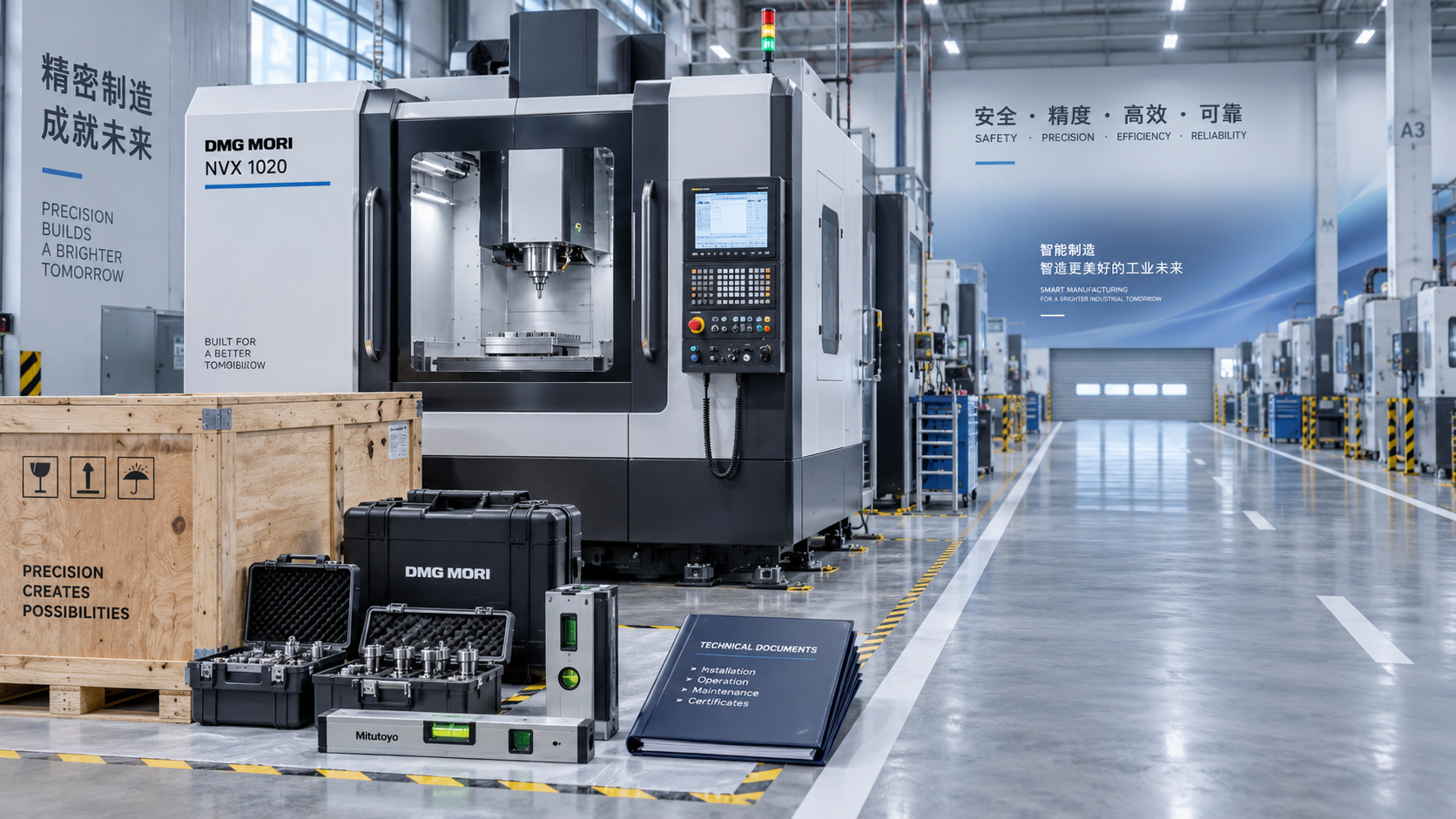
 CNC Machine Arrival Inspection: Check Shipping Damage, Accuracy, Safety, and DocumentsCNC Machining Technology Center
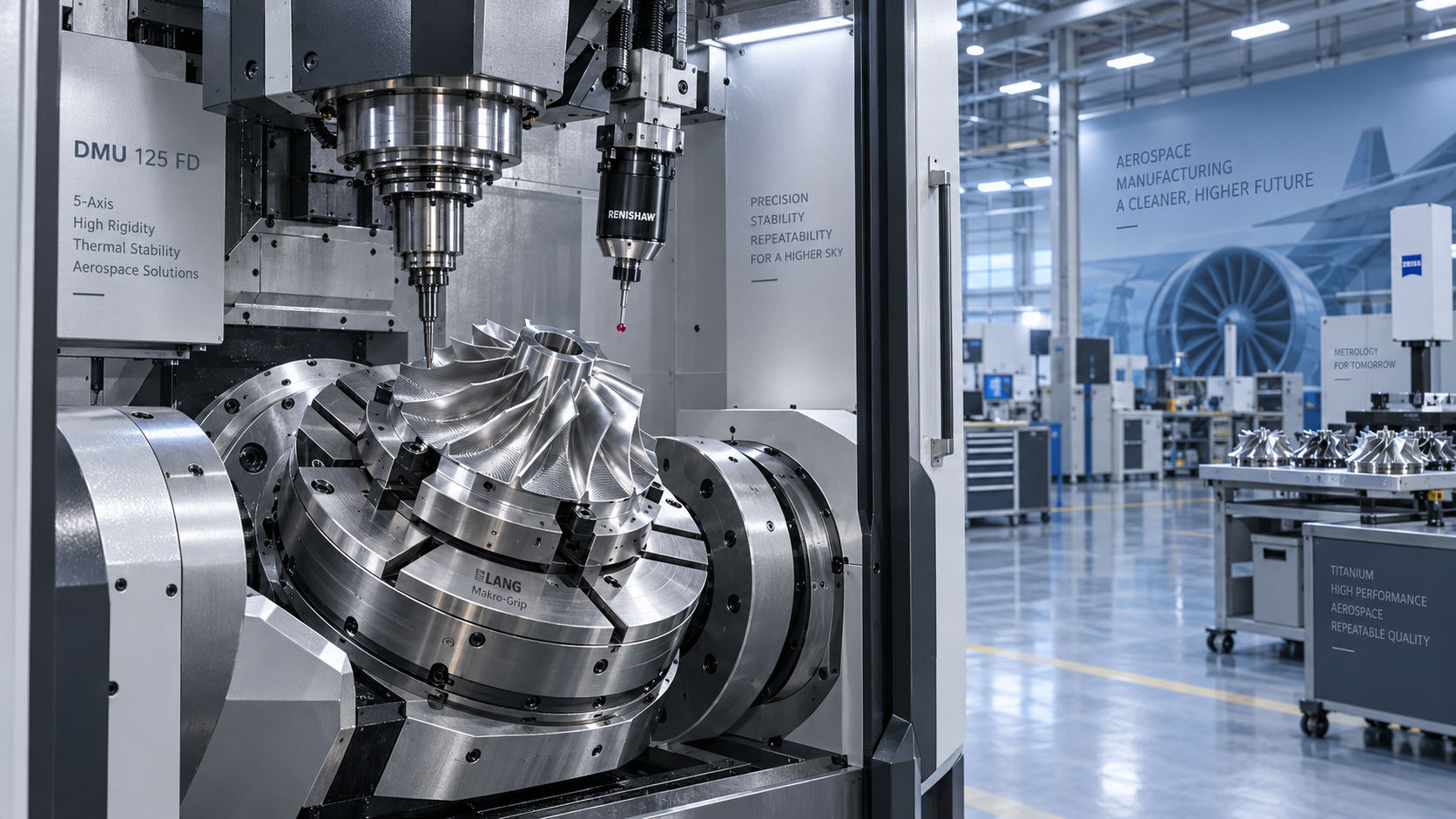
 How to Select a Machine Tool for Aerospace Parts with Tight Tolerances?Machine Tool Industry Editorial Team
 How to Select CNC Equipment for High-Mix, Low-Volume ProductionCNC Machining Technology Center
 Can CNC Machining Inconel Control Tool Wear in High-Temperature Aerospace Parts?CNC Machining Technology Center
 Machine Tool Market Outlook: Demand Drivers, Capacity Shifts, and Investment RisksManufacturing Market Research Center


Aris Katos
Future of Carbide Coatings
15+ years in precision manufacturing systems. Specialized in high-speed milling and aerospace grade alloy processing.
▶
How to Evaluate a Machine Tool Factory Before Sourcing CNC EquipmentGlobal Machine Tool Trade Research Center▶
How to Evaluate a CNC Machine Tool Manufacturer for Precision and Service SupportGlobal Machine Tool Trade Research Center▶
What Affects Cost-Effective CNC Manufacturing? Key Drivers Behind Part Price and Lead TimeGlobal Machine Tool Trade Research Center▶
How to Evaluate a CNC Tooling System Supplier in Germany for Quality, Lead Time, and CostGlobal Machine Tool Trade Research Center▶
How to Evaluate a CNC Tooling System Supplier in Germany for Quality, Lead Time, and SupportGlobal Machine Tool Trade Research Center
Mastering 5-Axis Workholding Strategies
Join our technical panel on Nov 15th to learn about reducing vibrations in thin-wall components.

Providing you with integrated sanding solutions
Before-sales and after-sales services
Comprehensive technical support