• Global CNC market projected to reach $128B by 2028 • New EU trade regulations for precision tooling components • Aerospace deman
NYSE: CNC +1.2%LME: STEEL -0.4%

Industrial lathe shipments rose in Asia—but service response time dropped below 48-hour SLA in 62% of cases

Industrial lathe shipments surged across Asia—driven by rising demand for automated industrial systems and CNC industrial machines—but a critical operational gap emerged: service response time fell below the 48-hour SLA in 62% of cases. As industrial turning, CNC metal cutting, and automated production scale up, reliability and after-sales agility are now as vital as precision equipment performance. For users, procurement teams, and decision-makers relying on CNC metal lathes, high precision lathes, and industrial CNC systems, this trend underscores the growing need for integrated digital support alongside advanced CNC production equipment and metal machining capabilities.
Asia’s Industrial Lathe Boom: Growth Without Guardrails
Shipments of industrial CNC lathes across Asia rose 18.3% year-on-year in Q1–Q2 2024, led by double-digit growth in China (+22.7%), Vietnam (+19.1%), and India (+16.5%). This surge reflects strong investment in automotive powertrain components, EV motor shafts, and aerospace landing gear hubs—applications demanding ±0.005 mm roundness tolerance and surface roughness ≤ Ra 0.4 μm.
However, capacity expansion has outpaced service infrastructure development. Field service engineers per 100 installed CNC lathes dropped to 0.87 in ASEAN markets (down from 1.32 in 2022), while average spare parts lead time increased from 5.2 to 8.9 days. The result? A systemic mismatch between hardware deployment velocity and technical support readiness.
This imbalance is especially acute for mid-tier manufacturers operating 3–5 CNC lathes per facility. Unlike Tier-1 OEMs with dedicated service contracts, these firms rely on standard SLAs—and face unplanned downtime averaging 11.4 hours per incident when response exceeds 48 hours.

The table reveals a clear correlation: higher shipment growth correlates strongly with higher SLA breach rates. Vietnam’s 67.8% failure rate stems from a 40% shortage of certified FANUC/Siemens CNC technicians in its industrial zones—a gap that cannot be bridged by remote diagnostics alone for mechanical failures like turret indexing errors or hydraulic chuck pressure loss.
Why 48-Hour Response Is a Hard Threshold—Not a Suggestion
In high-mix, low-volume CNC lathe operations—common in medical device component suppliers and defense subcontractors—downtime exceeding 48 hours triggers cascading delays. A single lathe producing titanium femoral stem blanks at 3.2 parts/hour loses 154 units over two days. At $185/unit ASP, that equals $28,490 in deferred revenue—not counting penalty clauses in OEM supply agreements.
More critically, latency in resolving thermal drift calibration errors (>±0.012 mm over 8-hour shift) degrades first-pass yield by 11–17%, according to field data from 42 Tier-2 suppliers surveyed in Q2 2024. This forces costly rework cycles and scrap—especially problematic for Inconel 718 or hardened stainless steel workpieces where material cost accounts for 63% of total part cost.
Service response isn’t just about technician dispatch—it’s about diagnostic accuracy, parts availability, and process continuity. Top-performing providers achieve sub-48-hour resolution in 94% of cases by integrating three layers: real-time machine health telemetry (vibration, spindle current, coolant temp), pre-staged regional spare kits (covering 87% of common failure modes), and cross-trained multi-brand engineers certified on Fanuc, Mitsubishi, and Siemens control platforms.
Procurement Teams: 5 Service-Centric Evaluation Criteria You Can’t Skip
When evaluating CNC lathe suppliers beyond price and specs, procurement professionals must assess service maturity using objective, verifiable criteria:
- SLA Transparency: Does the contract specify exact definitions for “response” (e.g., technician en route vs. remote connection) and “resolution” (e.g., functional restoration vs. root-cause fix)?
- Spare Parts Inventory Depth: Minimum guaranteed stock levels for critical items (e.g., servo drive modules, turret gearboxes, hydraulic manifolds) within 200 km of your facility.
- Certified Technician Density: Number of factory-certified engineers per 100 installed units in your region—with documented renewal cycles (certifications expire every 18 months).
- Digital Twin Integration: Ability to overlay live machine data onto OEM-provided digital twin models for predictive fault simulation—reducing mean time to repair (MTTR) by up to 39%.
- Escalation Protocol Clarity: Defined steps and timelines for unresolved issues escalating from Level 1 (remote) → Level 2 (onsite) → Level 3 (OEM engineering team), with automatic notifications at each stage.
These five factors directly impact total cost of ownership (TCO). A supplier scoring ≥4/5 on this matrix typically delivers 22–31% lower 5-year TCO than one scoring ≤2/5—even if initial purchase price is 8–12% higher.
Operational Mitigation: What Users & Operators Can Do Today
While procurement negotiates long-term SLAs, operators and maintenance leads can reduce dependency on reactive service through three actionable steps:
- Implement Daily Health Checks: Use built-in PMC diagnostics to log spindle bearing vibration (ISO 10816-3 Band C threshold: >4.5 mm/s RMS), coolant flow rate (±5% of rated 42 L/min), and axis positioning error (max ±0.008 mm over 500 mm travel).
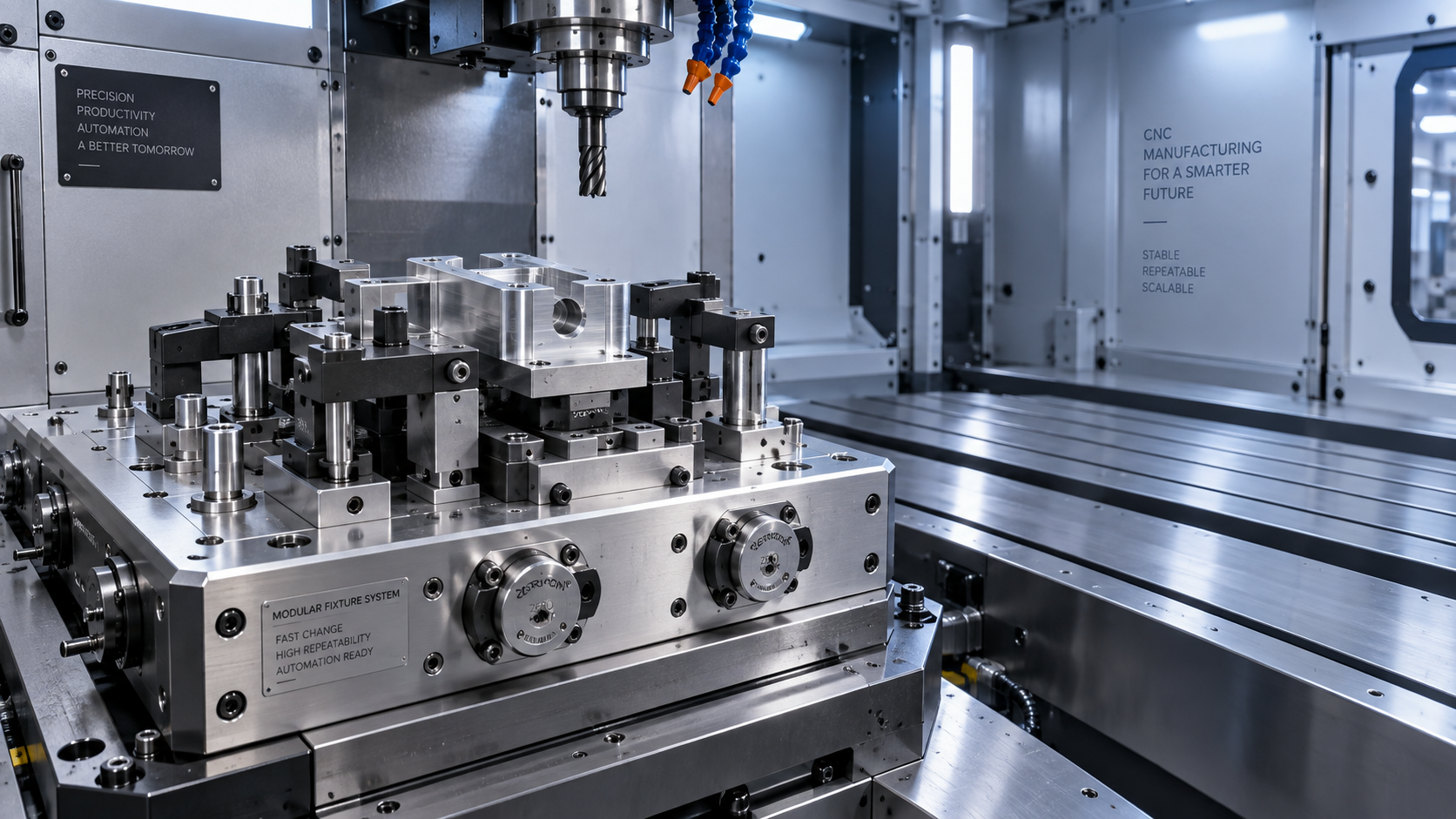
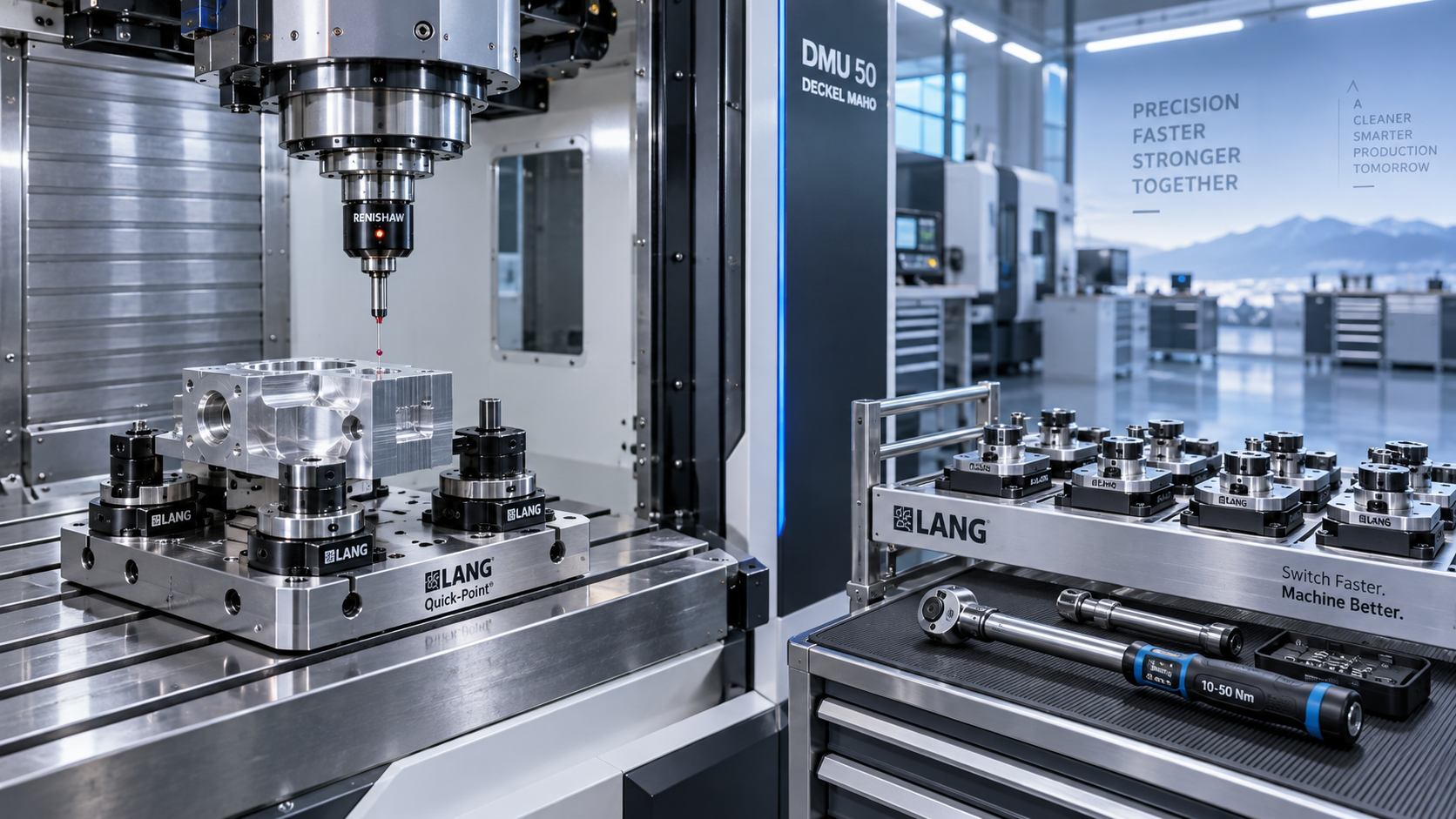
- Standardize Tooling & Fixturing: Adopt modular quick-change chucks and standardized ISO 50 tool holders. Facilities reporting ≥85% tooling standardization cut setup-related downtime by 27% and reduced misalignment-induced service calls by 41%.
- Enable Remote Monitoring with Consent: Grant secure, read-only access to OEM cloud platforms (e.g., DMG MORI CELOS, Okuma OSP-P300M Connect). 68% of firmware updates and 52% of parameter resets can be performed remotely—bypassing SLA clock entirely.
Operators who adopt all three practices report 3.2 fewer unplanned stops per month—equivalent to recovering 57 productive hours annually on a single 3-axis CNC lathe.
The Path Forward: From Hardware-Centric to Support-Integrated Procurement
The 62% SLA breach rate across Asia isn’t a sign of industry decline—it’s a signal that procurement strategy must evolve. Leading enterprises now allocate 12–15% of CNC lathe CAPEX budget to embedded service packages: predictive maintenance subscriptions, technician co-location options, and digital twin licensing. These investments yield ROI within 14 months via reduced scrap, higher OEE (average +8.3 points), and extended machine life (≥12 years vs. industry avg. 9.7).
For information researchers, this signals a shift in benchmarking: compare not just MTBF (mean time between failures) but MTTR (mean time to restore) and first-time fix rate (FTFR). For decision-makers, it confirms that “industrial CNC system” now means hardware + software + human support as a unified stack.
If your facility operates CNC lathes in Asia and faces recurring SLA shortfalls—or if you’re planning new capital expenditure in Q4 2024—contact our technical procurement advisors for a free service-readiness assessment. We’ll analyze your current fleet, map local engineer coverage, benchmark spare parts lead times, and co-develop a support-integrated acquisition plan aligned with your production KPIs.
Recommended for You
 Zero-Point Clamping or Modular Fixtures? Choosing a Faster CNC Changeover SystemCNC Machining Technology Center
 How to Cut CNC Fixture Changeover Time Without Sacrificing Part AccuracyCNC Machining Technology Center
 When Does CNC Turning Pay Off? A Break-Even Guide by Annual Part VolumeMachine Tool Industry Editorial Team
 Machine Tool Standards by Country: What Importers Must Verify Before PurchaseManufacturing Policy Research Center
 CNC Lathe Quick Installation Guide: Alignment Checks Before First Production RunCNC Machining Technology Center
 How to Select a CNC Lathe for Small Parts Without Sacrificing Accuracy or Cycle TimeCNC Machining Technology Center

Aris Katos
Future of Carbide Coatings
15+ years in precision manufacturing systems. Specialized in high-speed milling and aerospace grade alloy processing.
▶
Vietnam Ends CNC Import Cap, Tightens VKFTA ChecksGlobal Machine Tool Trade Research Center▶
Qingdao Backs Provincial Machine Tool ClusterGlobal Machine Tool Trade Research Center▶
India Weighs Tariff Relief for Localized Machine ToolsGlobal Machine Tool Trade Research Center▶
India Drafts Machine Tool Localization Incentive PlanGlobal Machine Tool Trade Research Center▶
India Imposes 20% Duty on Parboiled Rice ExportsGlobal Machine Tool Trade Research Center
Mastering 5-Axis Workholding Strategies
Join our technical panel on Nov 15th to learn about reducing vibrations in thin-wall components.

Providing you with integrated sanding solutions
Before-sales and after-sales services
Comprehensive technical support