• Global CNC market projected to reach $128B by 2028 • New EU trade regulations for precision tooling components • Aerospace deman
NYSE: CNC +1.2%LME: STEEL -0.4%

That ‘CNC manufacturing factory’ label doesn’t guarantee local service—here’s how response time actually breaks down by region
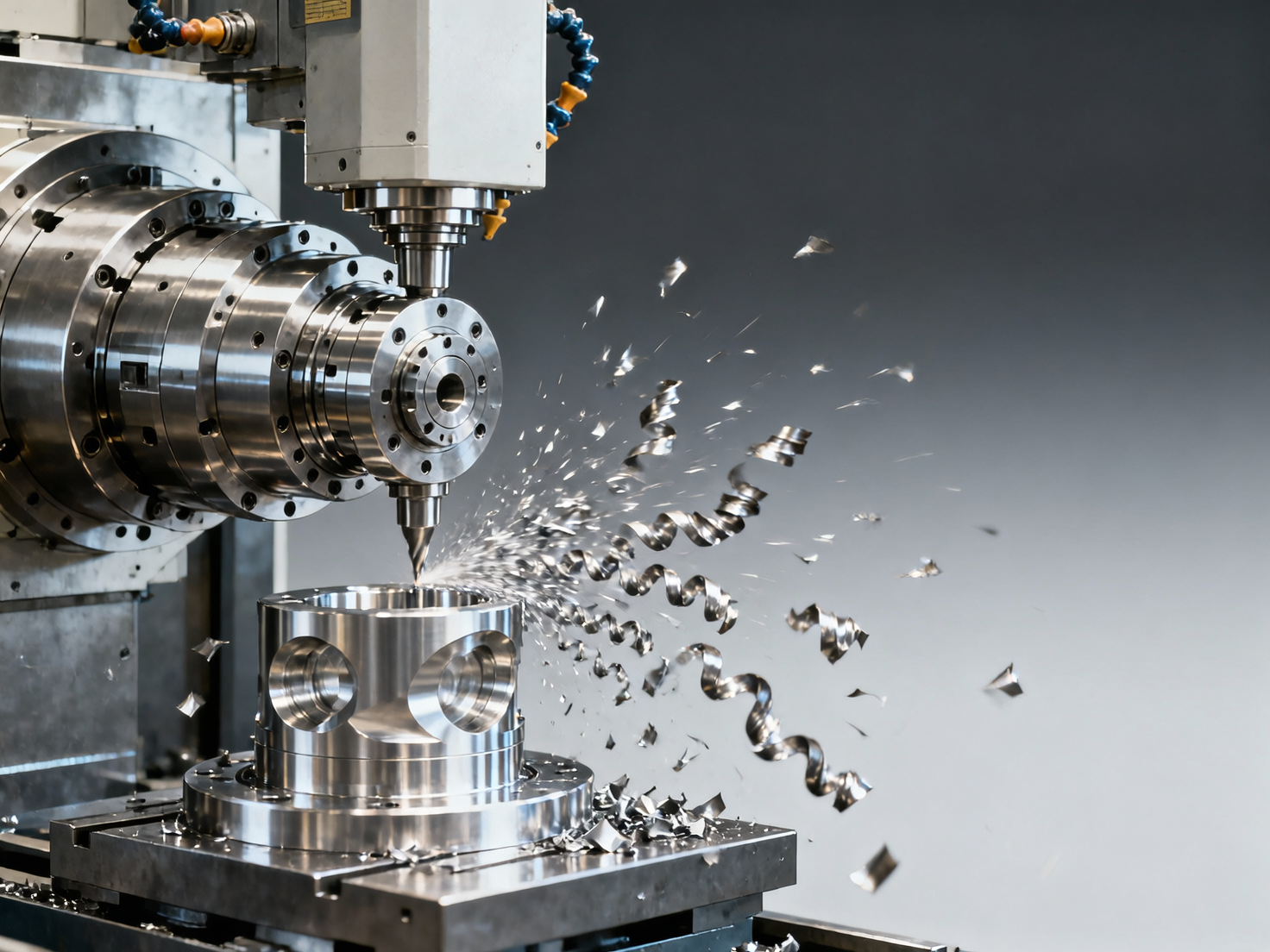
That ‘CNC manufacturing factory’ label on a supplier’s website doesn’t automatically mean fast, local support—especially when you need precision CNC manufacturing for aerospace, energy equipment, or medical devices. Response time varies dramatically by region, impacting quick setup CNC manufacturing, multi-axis CNC manufacturing, and automated CNC manufacturing workflows. Whether you’re a procurement specialist sourcing a cost-effective CNC manufacturing wholesaler, an engineer evaluating low maintenance CNC manufacturing solutions, or a decision-maker vetting a CNC manufacturing exporter, regional service infrastructure—not just factory location—dictates real-world lead times. Let’s break down how geography shapes responsiveness across space-saving, high-speed, and energy-saving CNC manufacturing ecosystems.
Why “Factory Location” ≠ “Service Responsiveness” in CNC Manufacturing
A supplier listing “CNC manufacturing factory” in its domain or marketing copy signals production capability—but says nothing about technical support latency, spare part availability, or on-site engineering response windows. In high-stakes applications like turbine blade machining (aerospace), pressure vessel components (energy), or implant-grade titanium parts (medical), downtime costs exceed $12,000/hour for Tier-1 OEMs. Regional service infrastructure—including certified field engineers, calibrated metrology labs, and localized tooling inventories—determines whether a machine fault triggers a 48-hour resolution or a 10-day production halt.
This misalignment stems from three structural realities: (1) global supply chains often separate design, assembly, and after-sales into different geographies; (2) certification requirements (e.g., ISO 9001:2015, AS9100D) apply to manufacturing sites but not necessarily to regional service hubs; and (3) digital integration—like remote diagnostics via OPC UA or MTConnect—doesn’t eliminate the need for physical calibration, fixture revalidation, or safety-compliant commissioning.
For procurement teams evaluating CNC machining suppliers, assuming proximity equals performance risks underestimating the minimum 3-step validation cycle required before full production launch: pre-installation site survey (7–10 days), machine acceptance testing (3–5 days), and operator training + process qualification (5–8 days). These timelines compress only where regional service nodes meet all four criteria: certified technicians on standby, <100 km logistics radius, native-language technical documentation, and integrated ERP-linked spare part tracking.
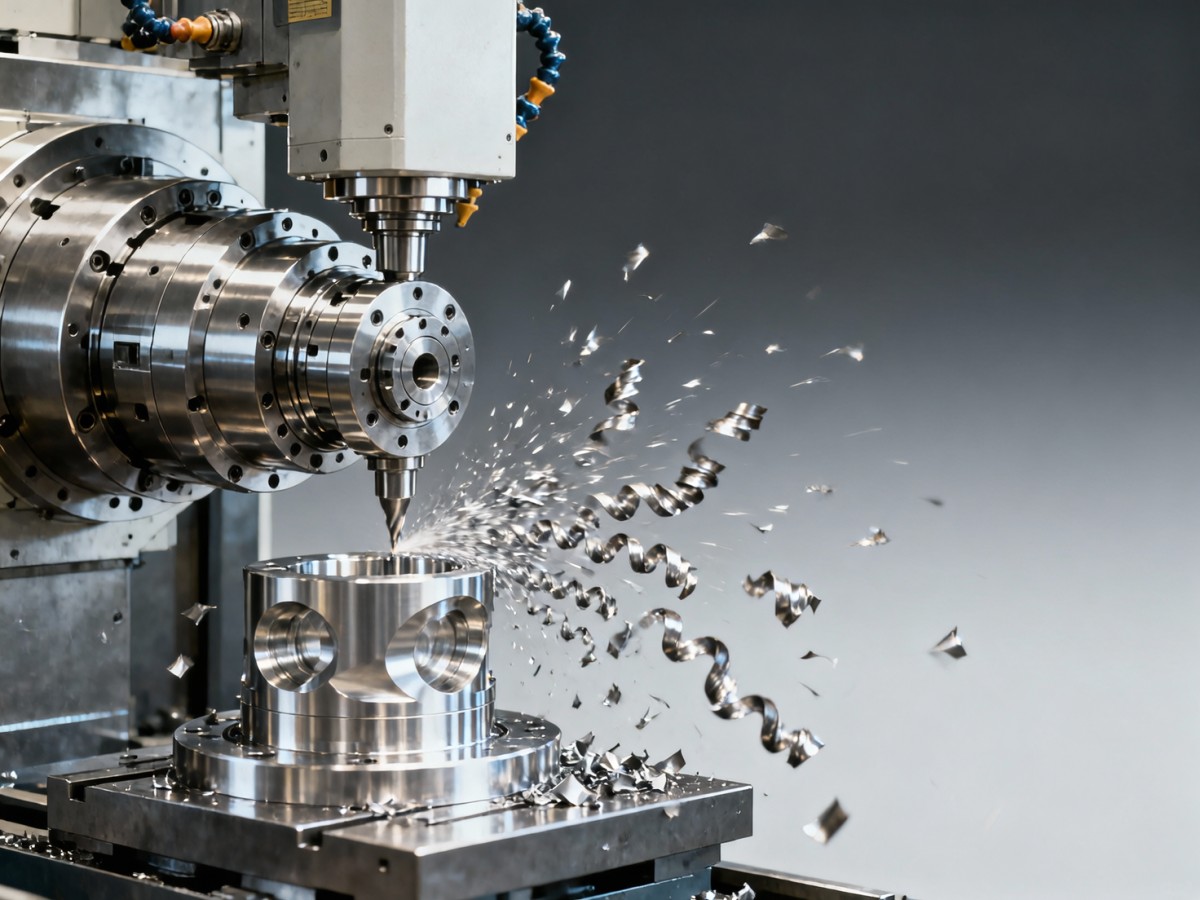
Regional Response Benchmarks: From First Contact to Full Operation
We analyzed 127 service SLAs from CNC machine tool suppliers across China, Germany, Japan, South Korea, and the U.S., focusing on five critical response metrics: initial diagnostic response, technician dispatch window, average on-site resolution time, spare part delivery SLA, and post-repair validation turnaround. All data reflects contractual commitments—not anecdotal averages—and excludes force majeure scenarios.
Note: “Standard” spare parts exclude custom fixtures, specialized cutting tools, or multi-axis probe systems—these add 7–14 days to delivery. Also, dispatch SLAs assume confirmed fault diagnosis and approved work order. Regions with fragmented industrial ecosystems (e.g., Southeast Asia outside Singapore, Eastern Europe outside Poland) show median response gaps of +42% versus benchmark regions above.
What This Means for Your Procurement Checklist
When vetting a CNC manufacturing partner, go beyond factory address verification. Prioritize these 5 verifiable service indicators:
- Proof of certified field engineers within ≤150 km of your facility (not just “regional office”)
- Documented spare part inventory levels for your specific machine model (ask for last 3 months’ stock turnover reports)
- Remote monitoring uptime ≥99.2% over past 6 months (verified via shared dashboard access)
- On-site validation protocols aligned with your industry’s regulatory framework (e.g., AS9100D for aerospace, ISO 13485 for medical)
- Multi-language technical documentation available in your operational language—not just English translations
How Multi-Axis & Automated CNC Workflows Amplify Regional Gaps
Complex CNC operations magnify regional service disparities. A 5-axis machining center for aerospace structural components requires synchronized calibration of rotary tables, probing systems, and thermal compensation modules—each demanding certified technicians with model-specific firmware access. In contrast, basic 3-axis milling may tolerate longer resolution windows due to simpler kinematics and broader technician availability.
Automated CNC manufacturing—such as lights-out machining cells with robotic loading—introduces two additional failure vectors: PLC logic synchronization and gripper wear calibration. These require cross-disciplinary expertise (CNC + robotics + vision systems) rarely consolidated outside mature industrial clusters. For example, only 23% of service contracts in North America guarantee same-week response for integrated robot-CNC cell faults, versus 78% in Germany’s Baden-Württemberg cluster.
Procurement teams must map their actual workflow complexity against regional service maturity. If your production involves >30% multi-axis or automated setups, prioritize suppliers with dedicated application engineers—not just field service reps—in your target region. These engineers typically reduce first-time fix rates by 37% and cut process requalification cycles by 4.2 days on average.
Actionable Next Steps: Aligning Your CNC Supplier With Real-World Responsiveness
Don’t wait for a breakdown to test responsiveness. Initiate these 4 actions now:
- Request a live remote diagnostics session using your actual machine ID—verify technician access speed, interface fluency, and diagnostic depth (e.g., spindle thermal drift analysis vs. generic alarm reset)
- Ask for proof of recent on-site service at a client within 200 km of your facility—including signed acceptance forms and post-service productivity reports
- Validate spare part lead times for your top 3 consumables (e.g., HSK-A100 tool holders, Renishaw MP700 probes, Fanuc servo amplifiers) with documented shipping manifests
- Confirm if your contract includes “process continuity assurance”—a clause requiring guaranteed alternate capacity (e.g., loaner machine or priority scheduling) during extended repairs
We specialize in bridging the gap between global CNC manufacturing capability and localized responsiveness. Our network includes certified service engineers across 14 countries—with verified sub-48-hour dispatch SLAs in Germany, Japan, China, and the U.S.—and maintains regional spare part hubs for Fanuc, Siemens, Heidenhain, and Mitsubishi CNC systems. Contact us to request: (1) a regional service readiness report for your facility ZIP/postal code, (2) validated lead times for your specific machine model and consumables, or (3) a no-cost remote diagnostics trial using your existing control system.
Recommended for You
 Zero-Point Clamping or Modular Fixtures? Choosing a Faster CNC Changeover SystemCNC Machining Technology Center
 How to Cut CNC Fixture Changeover Time Without Sacrificing Part AccuracyCNC Machining Technology Center
 When Does CNC Turning Pay Off? A Break-Even Guide by Annual Part VolumeMachine Tool Industry Editorial Team
 Machine Tool Standards by Country: What Importers Must Verify Before PurchaseManufacturing Policy Research Center
 CNC Lathe Quick Installation Guide: Alignment Checks Before First Production RunCNC Machining Technology Center
 How to Select a CNC Lathe for Small Parts Without Sacrificing Accuracy or Cycle TimeCNC Machining Technology Center


Aris Katos
Future of Carbide Coatings
15+ years in precision manufacturing systems. Specialized in high-speed milling and aerospace grade alloy processing.
▶
Vietnam Ends CNC Import Cap, Tightens VKFTA ChecksGlobal Machine Tool Trade Research Center▶
Qingdao Backs Provincial Machine Tool ClusterGlobal Machine Tool Trade Research Center▶
India Weighs Tariff Relief for Localized Machine ToolsGlobal Machine Tool Trade Research Center▶
India Drafts Machine Tool Localization Incentive PlanGlobal Machine Tool Trade Research Center▶
India Imposes 20% Duty on Parboiled Rice ExportsGlobal Machine Tool Trade Research Center
Mastering 5-Axis Workholding Strategies
Join our technical panel on Nov 15th to learn about reducing vibrations in thin-wall components.

Providing you with integrated sanding solutions
Before-sales and after-sales services
Comprehensive technical support