• Global CNC market projected to reach $128B by 2028 • New EU trade regulations for precision tooling components • Aerospace deman
NYSE: CNC +1.2%LME: STEEL -0.4%

Automated CNC Manufacturing Cost Breakdown: Equipment, Labor, and ROI Factors
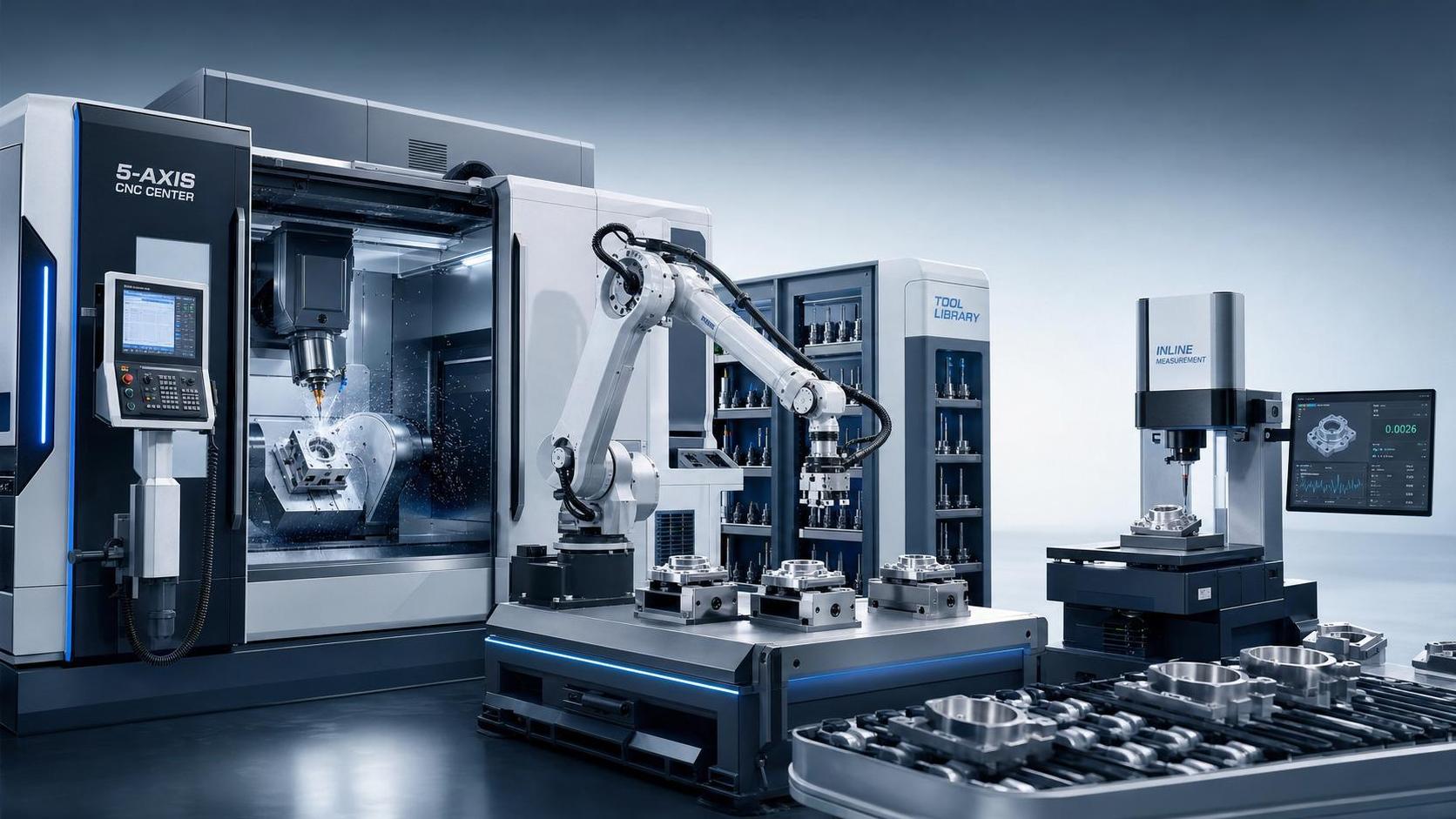
Why does automated CNC manufacturing cost more than the machine price suggests?
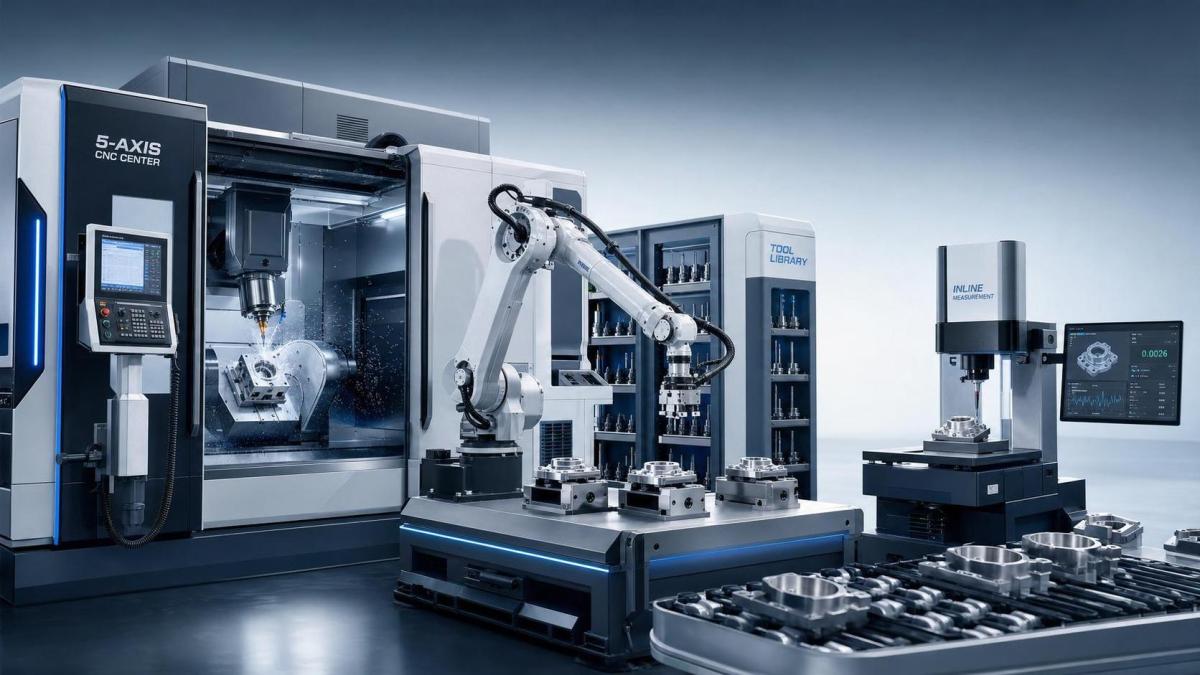
Automated CNC manufacturing looks straightforward on paper. A buyer sees the machine quote, compares financing terms, and expects a predictable capital decision.
In practice, the real cost sits across equipment, tooling, software, labor redesign, maintenance planning, and production stability.
That matters because CNC machine tools now support critical output in automotive, aerospace, electronics, and energy equipment manufacturing.
The shift toward smart factories has raised expectations. Companies no longer buy only machining capacity. They buy uptime, traceability, and repeatable output.
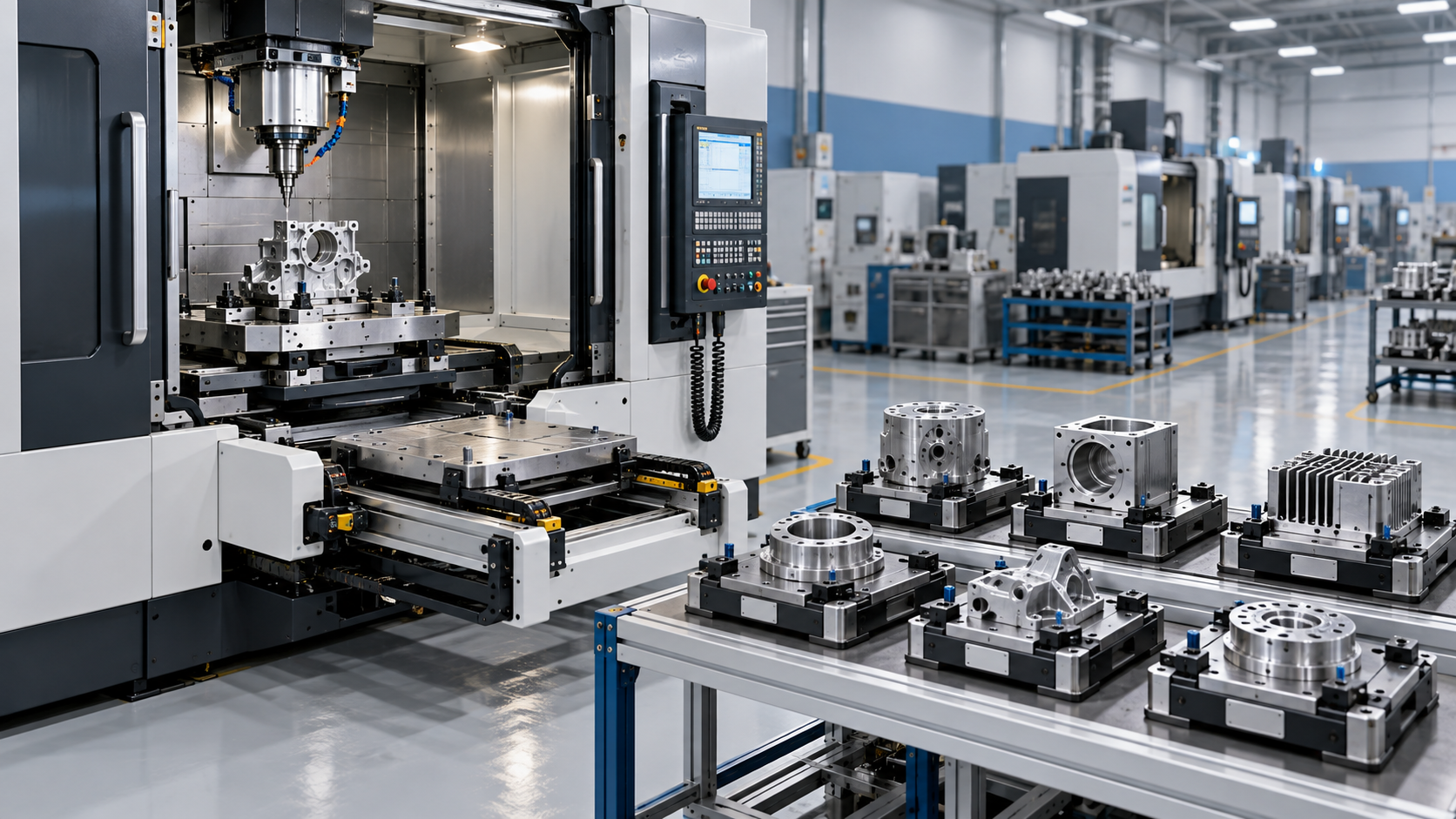
A modern automated CNC manufacturing project may include CNC lathes, machining centers, robotic loading, fixtures, tool monitoring, and data integration.
So the better question is not, “What does the machine cost?” It is, “What does reliable production cost over three to seven years?”
That broader view is especially useful when evaluating suppliers from major machine tool clusters in China, Germany, Japan, and South Korea.
Price differences often reflect more than brand. They may reflect spindle life, control software maturity, service coverage, and automation compatibility.
Which equipment costs usually shape the total investment?
Equipment spending in automated CNC manufacturing usually falls into visible costs and hidden enablers.
Visible costs include the base machine, robot, chip handling, coolant systems, probing, and safety enclosure upgrades.
Hidden enablers are just as important. These include workholding, tool presetting, post-process inspection, software licenses, and network connection.
A machining center that seems competitively priced can become expensive once tool magazines, pallet systems, and automatic loading are added.
The same pattern applies to multi-axis systems. Higher capability reduces setups, but it often raises fixture complexity and training requirements.
A useful way to frame the equipment decision is to compare what each layer contributes to throughput and risk reduction.
When comparing proposals, it helps to separate “required for first production” from “required for stable automation.” The second list is where many ROI surprises begin.
Does automation really lower labor cost, or does it just move the expense?
Usually, labor cost does not disappear. It changes shape.
Automated CNC manufacturing reduces repetitive loading, manual handling, and some inspection tasks. That can improve labor productivity per machine hour.
At the same time, more skilled work appears upstream and downstream. Programming, fixture design, process optimization, and maintenance become more important.
This is why labor savings are often overstated in early business cases. A plant may remove direct operators, yet add technical support demands.
The more accurate view is labor cost per qualified part, not labor headcount alone.
In actual deployments, labor economics improve fastest when part families are stable, setup discipline is strong, and operators can oversee multiple machines.
Where product mix changes every day, the labor benefit is still possible, but only if setup time is tightly controlled.
- Track operator-to-machine ratio before and after automation.
- Include programming hours, fixture preparation, and maintenance coverage.
- Measure scrap and rework labor, not only direct machine attendance.
- Model overtime reduction if automated CNC manufacturing enables extended unmanned shifts.
That final point can be decisive. One extra unattended shift often changes the economics more than a modest reduction in daytime staffing.
How should ROI be calculated for automated CNC manufacturing?
A strong ROI model starts with cash impact, not only production theory.
The base formula is simple: compare annual savings and incremental gross margin against total ownership cost.
But a realistic model needs several layers. These include utilization, maintenance downtime, tool consumption, power use, quality yield, and ramp-up time.
Many automated CNC manufacturing projects disappoint because the approval model assumes peak output from month one.
A better approach is to model three cases: conservative, expected, and optimized. That shows how sensitive returns are to real operating conditions.
The questions below often reveal whether a payback estimate is dependable.
If projected ROI depends entirely on labor reduction, the case may be fragile. Better returns usually combine labor efficiency, higher throughput, and stronger quality consistency.
Where do hidden costs and common mistakes usually appear?
The most common hidden costs in automated CNC manufacturing are not dramatic. They are small omissions that accumulate.
Energy use is one example. High-speed spindles, coolant systems, compressors, and robots can shift operating cost more than expected.
Software is another. Machine connectivity, simulation, scheduling, and tool management often involve recurring licensing or upgrade expenses.
Then there is support infrastructure. Floor reinforcement, power supply upgrades, compressed air quality, chip disposal, and climate control all affect readiness.
A frequent mistake is approving the machine before confirming part flow. If loading, gauging, or material delivery still bottleneck the cell, automation underperforms.
Another mistake is using average part volumes. Automated CNC manufacturing performs best when the approved business case is tied to real product mix data.
- Confirm changeover frequency and fixture replacement time.
- Check local service capability and spare part lead times.
- Review tool wear behavior for difficult materials.
- Estimate costs of quality containment during early ramp-up.
These points are especially relevant in global sourcing, where a lower acquisition price may come with slower technical support or longer parts logistics.
When does automated CNC manufacturing make financial sense?
It makes sense when automation solves a measurable production constraint, not when it is treated as a general modernization symbol.
The strongest cases usually share a few traits. Demand is stable enough, quality requirements are strict, and manual intervention currently limits output.
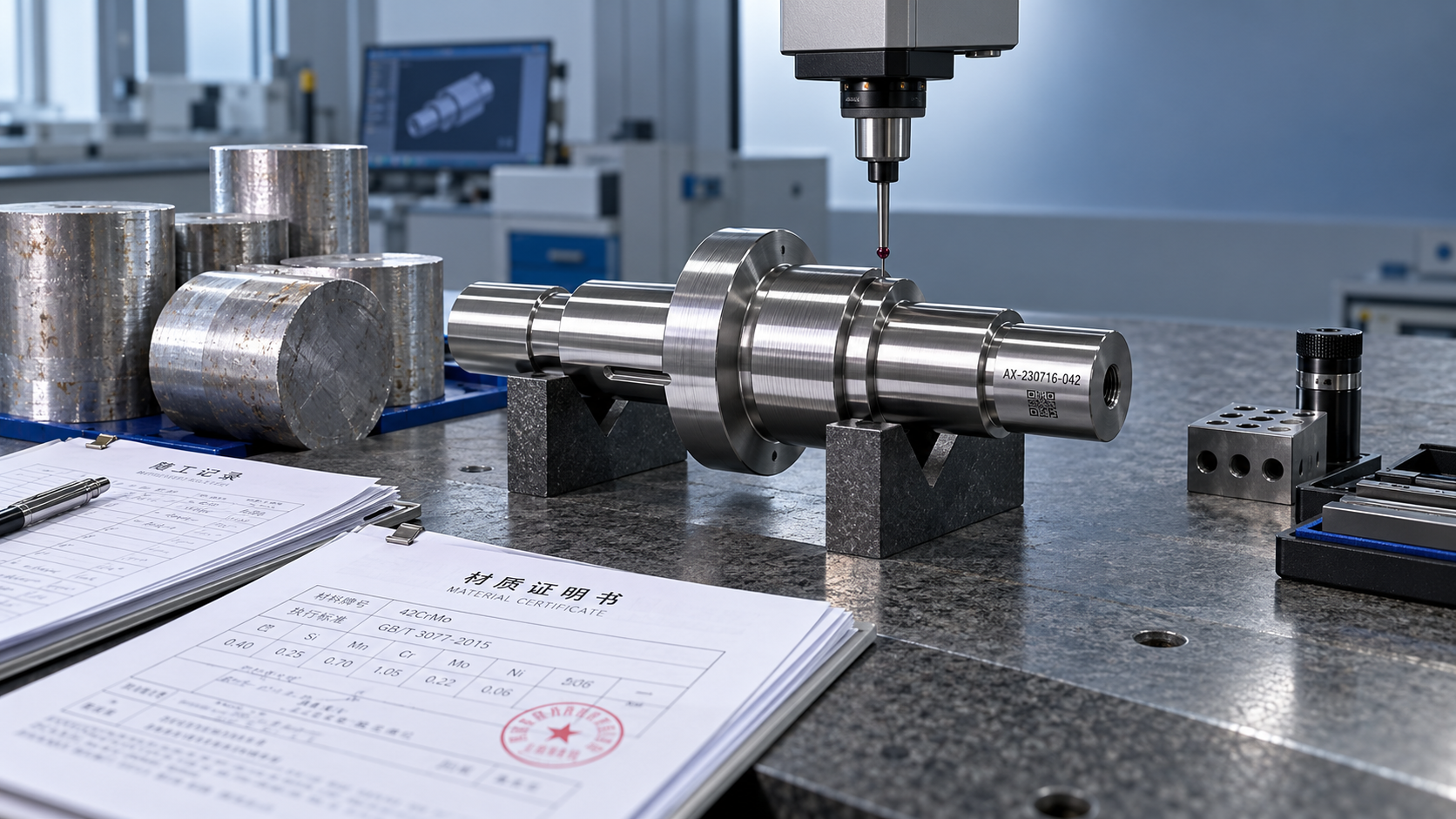
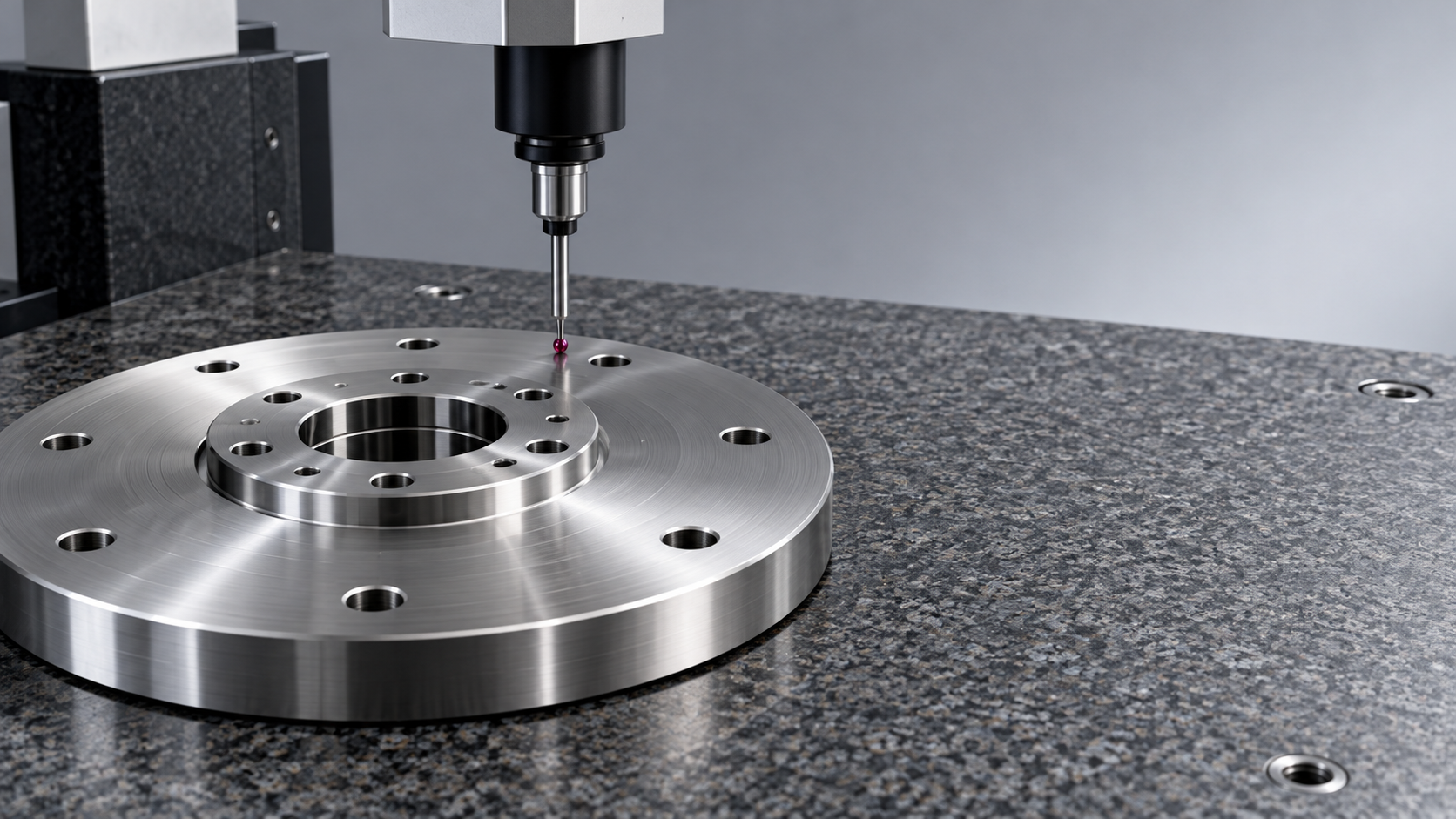
This is common in precision shafts, discs, structural parts, and repeat programs with documented tolerances and traceability needs.
By contrast, highly volatile job-shop work may need selective automation rather than a fully integrated cell.
A practical approval path is to rank opportunities by part family, annual volume, setup frequency, and gross margin sensitivity.
If automated CNC manufacturing can improve capacity without expanding floor labor in multiple shifts, the investment case often becomes much stronger.
Before final approval, align the model with real operating evidence. Trial cuts, sample cycle reports, service commitments, and integration scope should all be documented.
The next step is straightforward: build a line-by-line ownership model, test payback under different utilization levels, and verify where the project creates resilient returns rather than optimistic savings.
Recommended for You
![]() Mitsubishi Electric Announces Physical AI System Linking Humanoid Robots and CNC MachinesMachine Tool Industry Editorial Team
Mitsubishi Electric Announces Physical AI System Linking Humanoid Robots and CNC MachinesMachine Tool Industry Editorial Team Precision Machining for Defense: Supplier Quality and Traceability ChecksManufacturing Market Research Center
![]() Nidec Machine Tool Launches MVR-5X Five-Axis Gantry MachineMachine Tool Industry Editorial Team
Nidec Machine Tool Launches MVR-5X Five-Axis Gantry MachineMachine Tool Industry Editorial Team Choosing a Precision Disc Parts Manufacturer in China: Tolerances and Quality ChecksManufacturing Market Research Center
![]() Siemens Executive Says AI Could Raise Factory Automation to 80%Manufacturing Market Research Center
Siemens Executive Says AI Could Raise Factory Automation to 80%Manufacturing Market Research Center Choosing Automated Machine Tools for High-Mix, Low-Volume ProductionMachine Tool Industry Editorial Team


Aris Katos
Future of Carbide Coatings
15+ years in precision manufacturing systems. Specialized in high-speed milling and aerospace grade alloy processing.
▶
Choosing Automated Machine Tools for High-Mix, Low-Volume ProductionMachine Tool Industry Editorial Team▶
Choosing Industrial Robots for Warehouse Picking and PalletizingMachine Tool Industry Editorial Team▶
Digital Manufacturing for Smart Factories: Connecting Legacy Machines to MESMachine Tool Industry Editorial Team▶
Selecting Machine Tools for Automotive Parts: Accuracy, Throughput, and AutomationMachine Tool Industry Editorial Team▶
Smart Manufacturing for Small Businesses: Where Automation Delivers the Fastest ROIMachine Tool Industry Editorial Team
▶
Mastering 5-Axis Workholding Strategies
Join our technical panel on Nov 15th to learn about reducing vibrations in thin-wall components.

Providing you with integrated sanding solutions
Before-sales and after-sales services
Comprehensive technical support