• Global CNC market projected to reach $128B by 2028 • New EU trade regulations for precision tooling components • Aerospace deman
NYSE: CNC +1.2%LME: STEEL -0.4%

Cost-Effective Automation Line Solutions: What Drives Budget, Output, and ROI
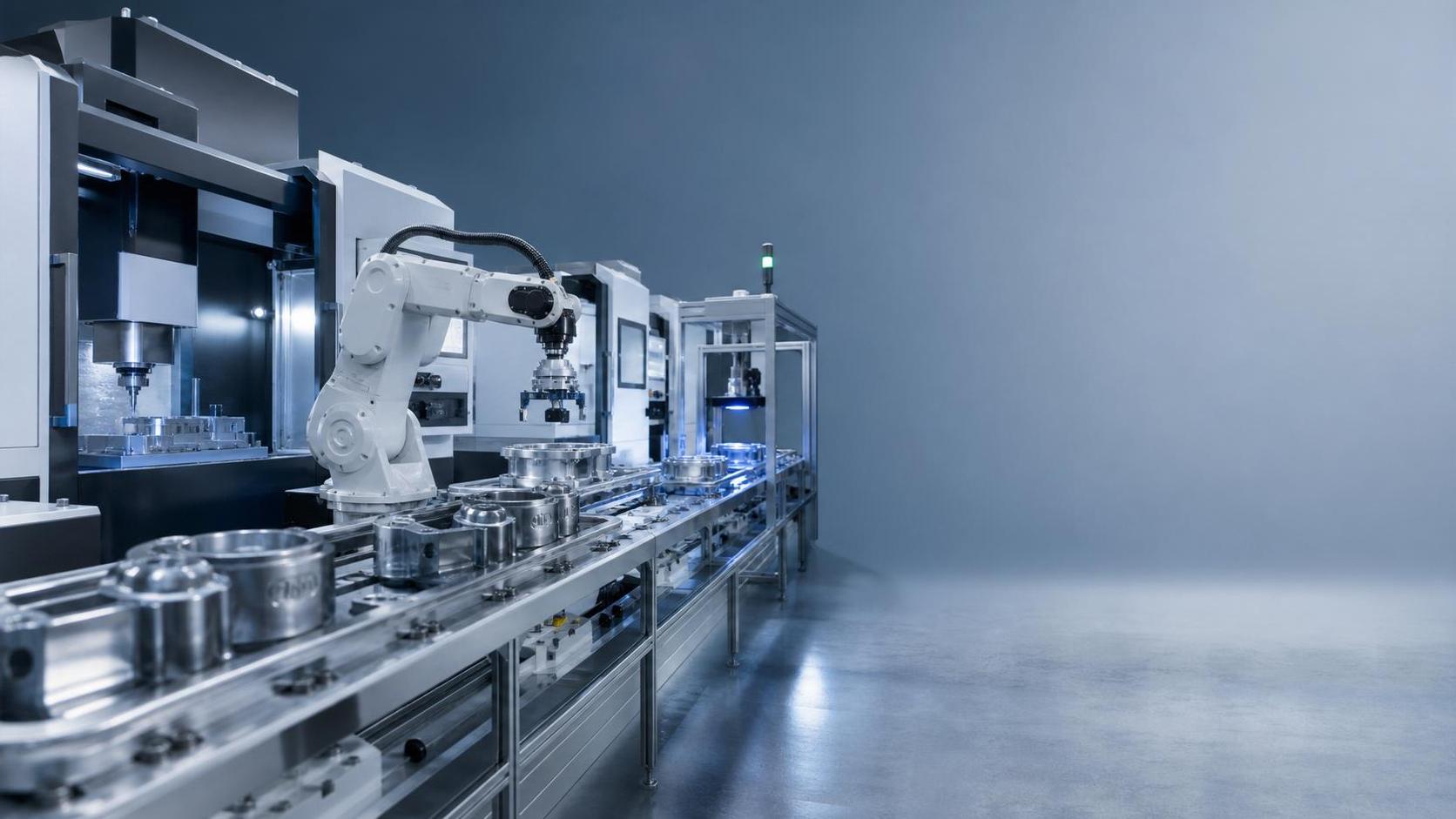
Cost-Effective Automation Line Solutions: What Drives Budget, Output, and ROI
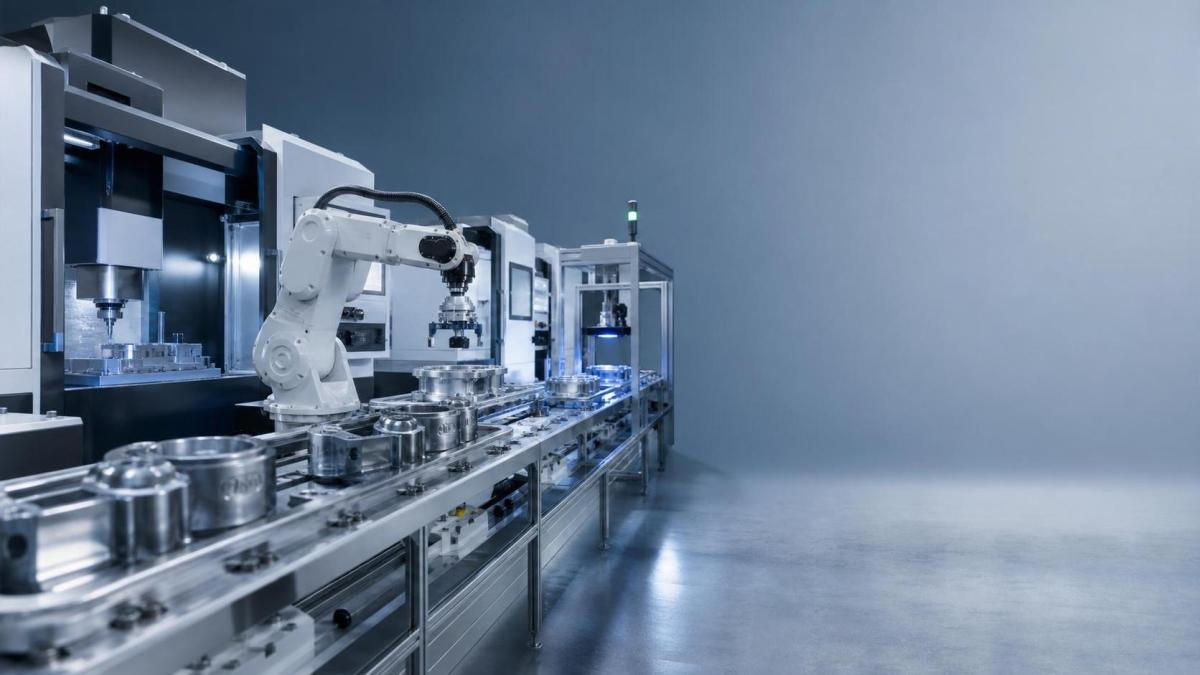
For manufacturers planning upgrades, an Automation Line Cost-effective Solution is rarely about buying the cheapest equipment. The real decision sits at the intersection of throughput, precision, staffing, maintenance, and future expansion.
In CNC machining, every budget line connects to output. A lower initial price can still create higher costs if cycle time, scrap rate, or unplanned downtime move in the wrong direction.
That is why procurement teams now evaluate automated production lines with a wider lens. They compare machine capability, integration complexity, labor savings, software visibility, and long-term return.
In sectors like automotive, aerospace, energy equipment, and electronics, production targets keep rising. At the same time, tolerances are tighter, batch sizes shift faster, and delivery windows leave less room for inefficiency.
A practical Automation Line Cost-effective Solution must therefore support stable quality and consistent output, while keeping total ownership costs under control across the full equipment life cycle.
What Really Shapes the Budget
Budget planning starts with hardware, but it should not end there. CNC lathes, machining centers, robotic handling units, fixtures, conveyors, and inspection systems each influence the final investment.
Machine precision requirements usually push costs up first. A line built for high-accuracy structural parts needs stronger thermal stability, better spindle performance, and more reliable repeatability.
Material type also changes the equation. Harder alloys, difficult-to-cut metals, and complex geometries demand more capable tooling, stronger fixtures, and smarter process control.
More importantly, integration costs are often underestimated. Interfaces between CNC machines, robots, sensors, MES systems, and quality tracking platforms can become a major part of project spending.
This is where many buyers miss the real picture. An Automation Line Cost-effective Solution depends as much on system design discipline as on equipment price.
- Core machines and spindle configuration
- Robot loading, unloading, and transfer design
- Tooling, fixtures, and part clamping stability
- Inspection stations and traceability functions
- Software integration, training, and commissioning
- Maintenance planning and spare parts support
In actual procurement work, the lowest quote often excludes hidden engineering tasks. Those missing items usually return later as change orders, delays, or performance gaps.
How Output Is Built, Not Assumed
Output is not defined by machine count alone. A line with fewer machines can outperform a larger setup if cycle balancing, loading rhythm, and tool life are managed well.
For any Automation Line Cost-effective Solution, capacity modeling should begin with part mix. High-volume standard parts and low-volume complex parts require very different line strategies.
A dedicated line may deliver the best unit cost for stable demand. A flexible line may produce better ROI when orders change frequently or product variants keep expanding.
Another strong signal comes from changeover time. If the line stops too long between product switches, nameplate capacity quickly becomes irrelevant.
Real output depends on a small group of operational drivers:
- Cycle time per part and process bottlenecks
- OEE, including uptime, speed loss, and quality loss
- Tool wear stability across shifts
- Fixture consistency and setup accuracy
- Operator intervention frequency
- Material flow between stations
When these factors are measured early, a cost-effective automation line becomes far easier to justify. Without them, expected output remains a sales promise rather than a business case.
Why ROI Often Depends on More Than Labor Savings
Many ROI models focus heavily on reduced headcount. Labor savings matter, but they are only one part of the return from an Automation Line Cost-effective Solution.
In precision manufacturing, scrap reduction can be just as valuable. The same is true for better consistency, lower rework, and fewer delivery disruptions caused by unstable processes.
Lead time also deserves attention. Shorter production cycles improve responsiveness, reduce work-in-progress inventory, and support more reliable customer commitments.
From a financial perspective, the strongest ROI usually comes from a combination of gains, not a single metric. That combination often includes both direct and indirect value.
This also means a realistic payback model should cover ramp-up time, maintenance cost, tool consumption, software support, and training. Ignoring those factors makes ROI look stronger than it will be.
What Makes a Solution Cost-Effective in Practice
A cost-effective automation line is not necessarily the most advanced one. It is the solution that matches production reality, quality targets, and growth plans with the least waste.
For some plants, that means starting with semi-automated cells and building toward a connected line. For others, full integration from the beginning is the more efficient path.
The best Automation Line Cost-effective Solution usually shows several practical traits from day one:
- Scalable architecture for future machine or robot additions
- Standardized interfaces that reduce integration risk
- Accessible maintenance points and clear spare parts planning
- Process flexibility for new part programs
- Stable quality control with in-line inspection where needed
- Useful production data rather than excessive data collection
There is another important point. Overengineering can damage ROI just as much as underinvestment. Features that never support actual production goals simply inflate cost and slow implementation.
In recent market shifts, more buyers are prioritizing flexible automation, modular stations, and digital traceability. The reason is simple: they need capacity today without blocking adaptation tomorrow.
Common Procurement Risks and How to Avoid Them
Even a promising Automation Line Cost-effective Solution can underperform when procurement discipline is weak. Most failures come from preventable gaps in planning and supplier alignment.
One common risk is buying for peak demand only. If the line cannot run economically at normal demand levels, payback will stretch far beyond the original estimate.
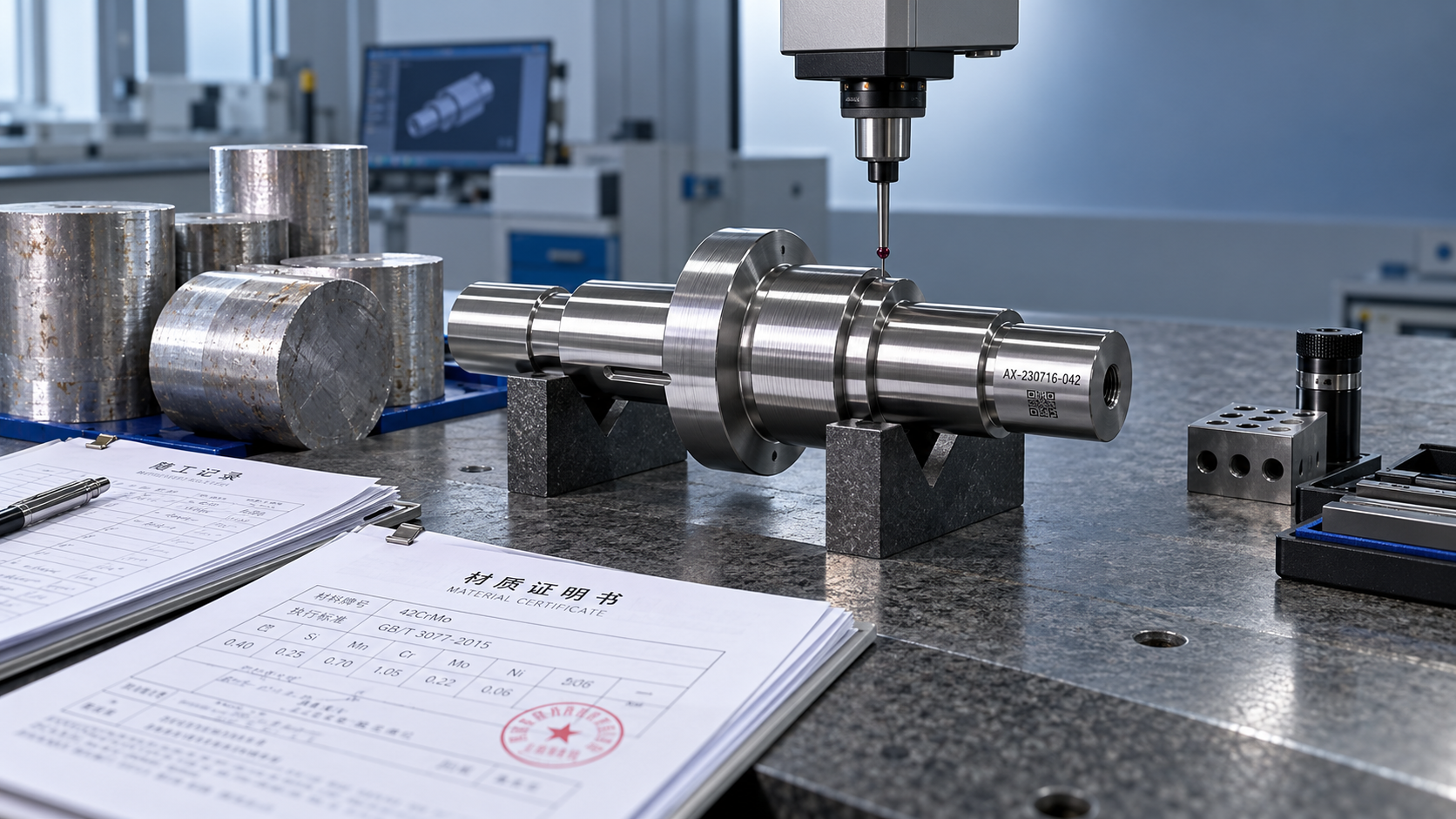
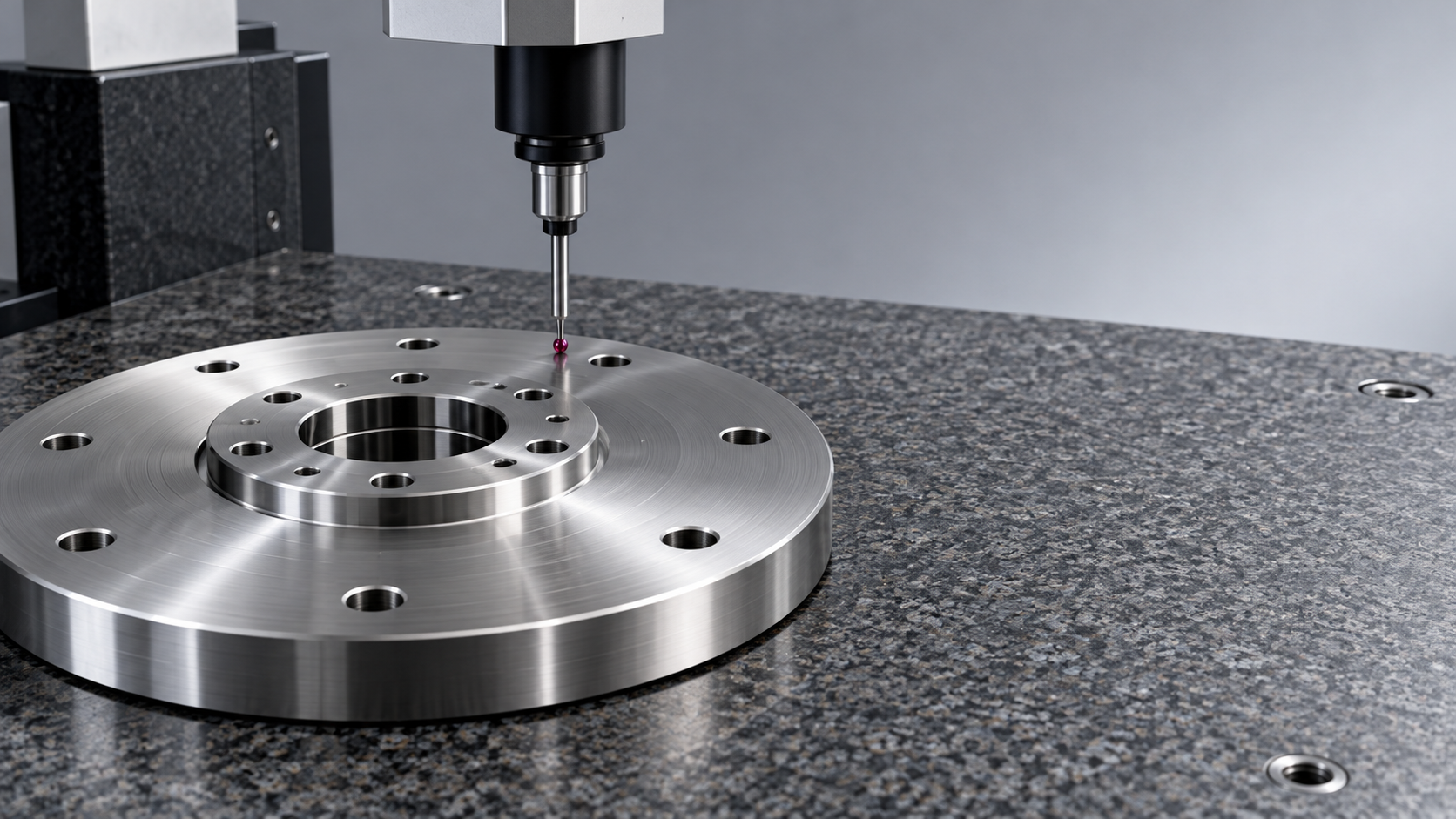
Another risk is accepting generic cycle-time assumptions. A CNC line for shaft components behaves differently from one producing precision discs or complex structural parts.
Supplier evaluation should therefore move beyond price lists. It should test process understanding, integration capability, service responsiveness, and experience in similar manufacturing environments.
- Request part-based cycle studies, not generic brochures.
- Verify acceptance criteria for output, accuracy, and uptime.
- Review software compatibility with current factory systems.
- Confirm local service capacity and spare parts lead times.
- Model ROI using conservative assumptions, not best-case scenarios.
These checks may lengthen evaluation slightly, but they reduce the chance of expensive surprises after installation. In procurement, speed helps only when the assumptions are sound.
A Smarter Framework for Final Selection
When comparing suppliers, the final choice should connect budget, output, and strategic fit. A strong Automation Line Cost-effective Solution performs well across all three, not just one category.
A useful framework is to score each proposal against five questions. Can it hit required throughput? Can it hold quality consistently? Can it scale? Can it be supported locally? Can it pay back realistically?
This approach keeps the conversation grounded in operational value. It also helps separate a truly cost-effective automation line from a low-price package with hidden future costs.
In the CNC machine tool industry, the direction is clear. Higher precision, stronger automation, and digital integration are becoming standard expectations across global manufacturing.
That shift creates both pressure and opportunity. The manufacturers that choose the right Automation Line Cost-effective Solution will be better positioned to control cost, protect quality, and expand output with confidence.
Before making a final commitment, tie every quote back to part requirements, line balance, service support, and measurable ROI. That is how a procurement decision turns into long-term manufacturing advantage.
Recommended for You
![]() Mitsubishi Electric Announces Physical AI System Linking Humanoid Robots and CNC MachinesMachine Tool Industry Editorial Team
Mitsubishi Electric Announces Physical AI System Linking Humanoid Robots and CNC MachinesMachine Tool Industry Editorial Team Precision Machining for Defense: Supplier Quality and Traceability ChecksManufacturing Market Research Center
![]() Nidec Machine Tool Launches MVR-5X Five-Axis Gantry MachineMachine Tool Industry Editorial Team
Nidec Machine Tool Launches MVR-5X Five-Axis Gantry MachineMachine Tool Industry Editorial Team Choosing a Precision Disc Parts Manufacturer in China: Tolerances and Quality ChecksManufacturing Market Research Center
![]() Siemens Executive Says AI Could Raise Factory Automation to 80%Manufacturing Market Research Center
Siemens Executive Says AI Could Raise Factory Automation to 80%Manufacturing Market Research Center Choosing Automated Machine Tools for High-Mix, Low-Volume ProductionMachine Tool Industry Editorial Team


Aris Katos
Future of Carbide Coatings
15+ years in precision manufacturing systems. Specialized in high-speed milling and aerospace grade alloy processing.
▶
Choosing Automated Machine Tools for High-Mix, Low-Volume ProductionMachine Tool Industry Editorial Team▶
Choosing Industrial Robots for Warehouse Picking and PalletizingMachine Tool Industry Editorial Team▶
Digital Manufacturing for Smart Factories: Connecting Legacy Machines to MESMachine Tool Industry Editorial Team▶
Selecting Machine Tools for Automotive Parts: Accuracy, Throughput, and AutomationMachine Tool Industry Editorial Team▶
Smart Manufacturing for Small Businesses: Where Automation Delivers the Fastest ROIMachine Tool Industry Editorial Team
▶
Mastering 5-Axis Workholding Strategies
Join our technical panel on Nov 15th to learn about reducing vibrations in thin-wall components.

Providing you with integrated sanding solutions
Before-sales and after-sales services
Comprehensive technical support