• Global CNC market projected to reach $128B by 2028 • New EU trade regulations for precision tooling components • Aerospace deman
NYSE: CNC +1.2%LME: STEEL -0.4%

Automated CNC Manufacturing vs Traditional CNC Cells: Which Setup Fits Your Output Goals?
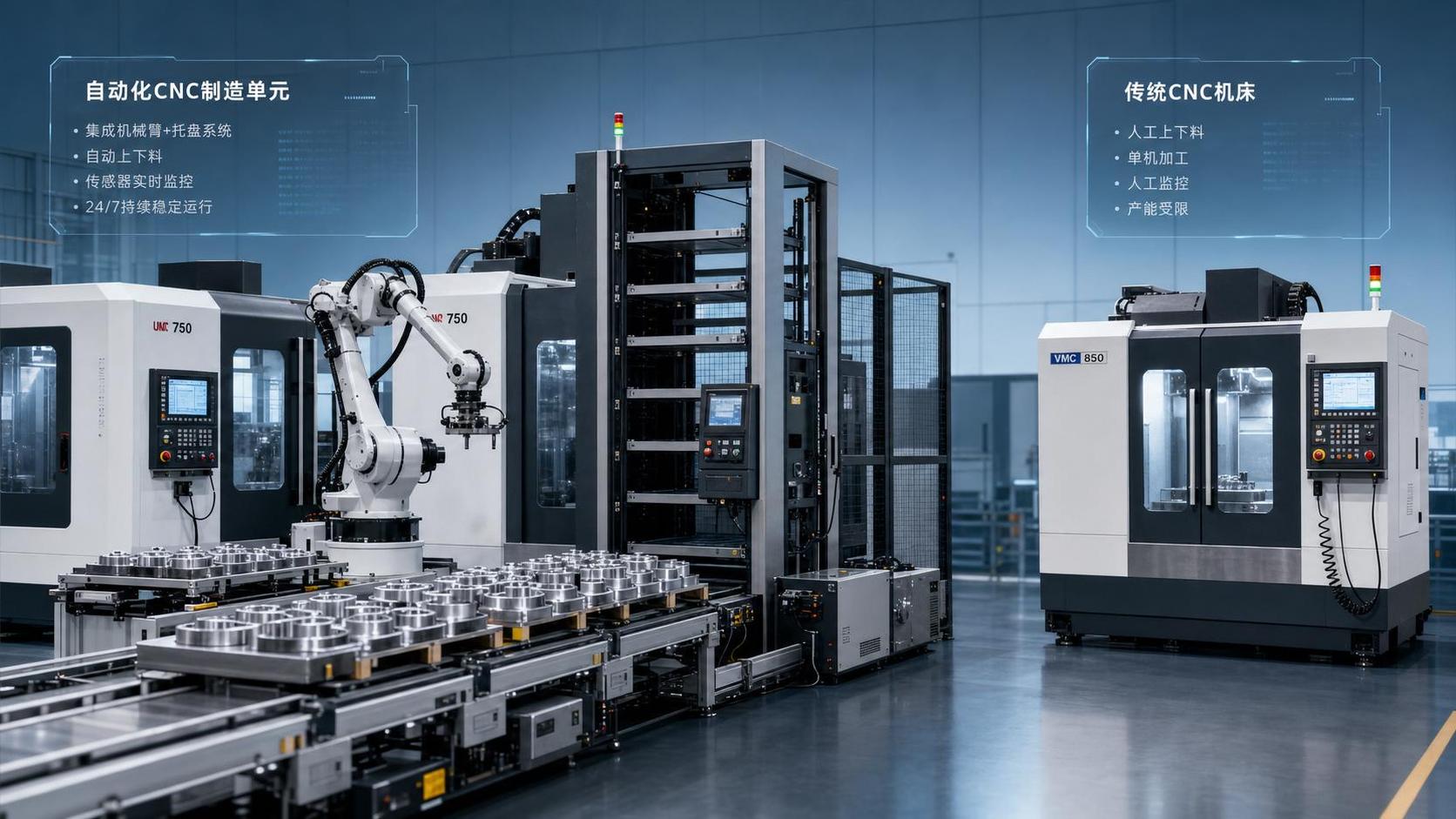
Automated CNC Manufacturing vs Traditional CNC Cells: Which Setup Fits Your Output Goals?
As output targets tighten and labor costs rise, choosing between automated CNC manufacturing and traditional CNC cells has become a strategic decision for manufacturers.
The right setup shapes throughput, quality stability, staffing pressure, and future expansion.
For buyers comparing capital spending, this is rarely a simple machine choice.
It is an operating model decision that affects cost per part, lead time, and resilience.
What Automated CNC Manufacturing Changes
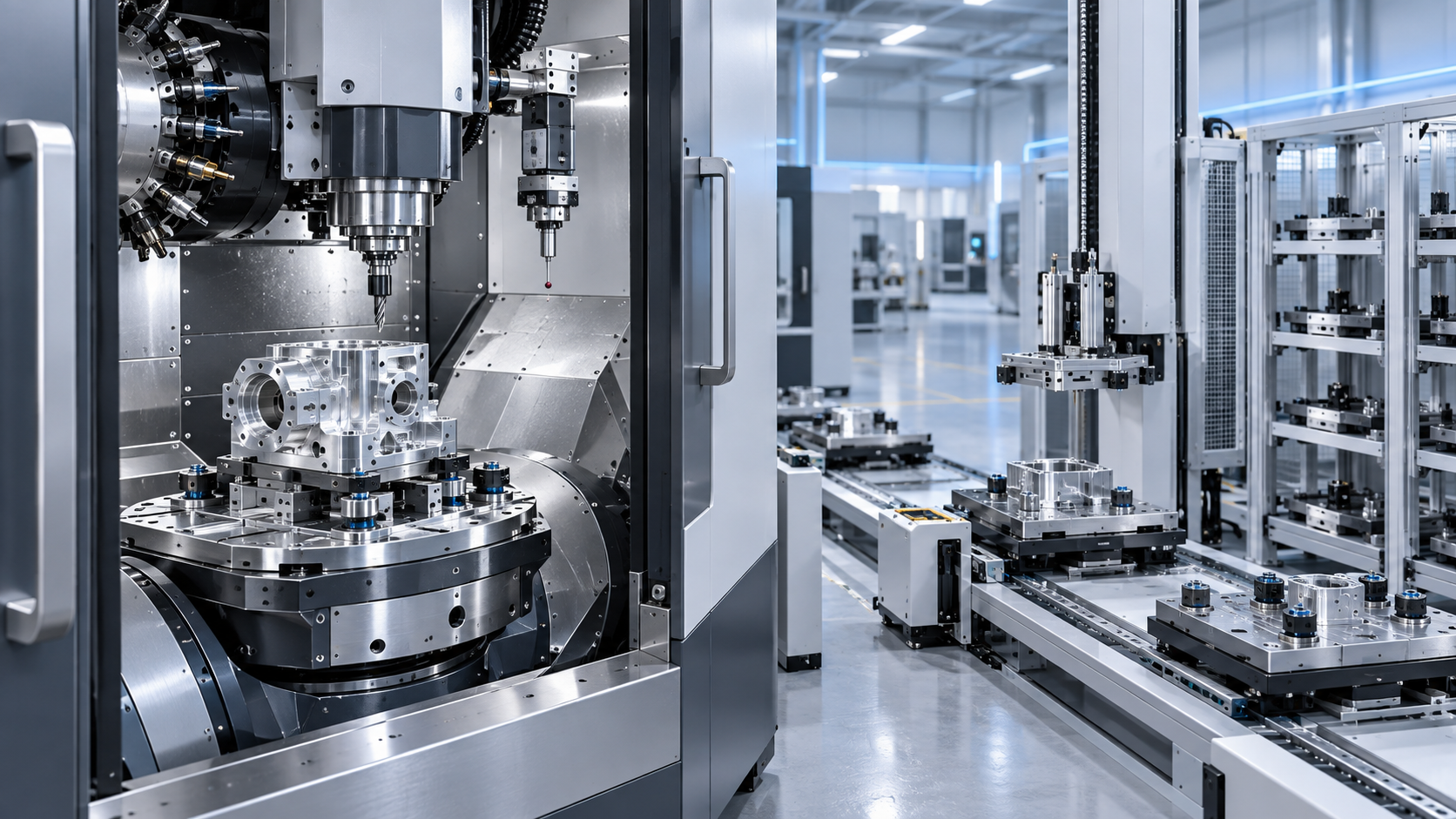
Automated CNC manufacturing combines machine tools with loaders, robots, pallet systems, sensors, and production software.
Instead of relying on constant manual handling, the process flows with fewer interruptions.
That usually means longer unattended runs, better spindle utilization, and more predictable output.
In high-volume environments, automated CNC manufacturing often reduces idle time more than it reduces cutting time.
That difference matters because non-cutting minutes quietly destroy capacity.
From a purchasing view, automation is not only about labor replacement. It is about output consistency at scale.
How Traditional CNC Cells Still Win in the Right Conditions
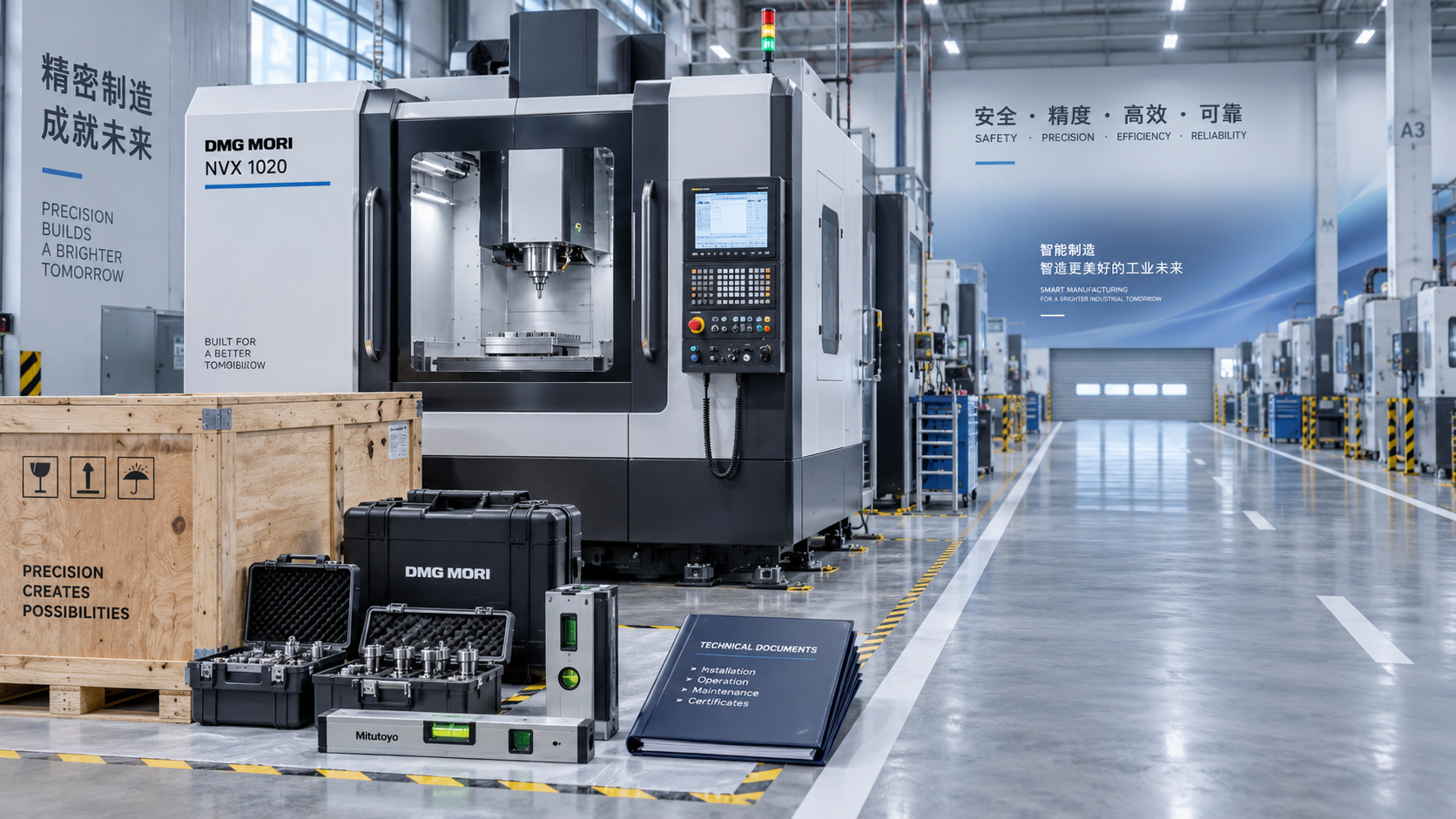
Traditional CNC cells usually center on standalone lathes or machining centers with manual loading and operator-led changeovers.
They remain common because they are flexible, familiar, and cheaper to launch.
For mixed-part production, short runs, or frequent engineering revisions, that flexibility is valuable.
Operators can adapt quickly when fixtures change, tolerances shift, or urgent jobs appear without notice.
This is why traditional CNC cells still perform well in job shops and prototype-heavy operations.
They may not deliver the same automation rate, but they can protect responsiveness when demand is less stable.
The Real Cost Comparison Goes Beyond Machine Price
Many buyers first compare purchase price, then stop too early.
Automated CNC manufacturing usually requires higher upfront investment in hardware, integration, guarding, programming, and training.
Traditional CNC cells usually start with lower capital cost and faster installation.
But cost per part is where the decision becomes clearer.
When annual volumes rise, manual handling, overtime, scrap variation, and staffing gaps become more expensive than expected.
In those cases, automated CNC manufacturing can create a stronger total cost profile over three to five years.
A practical comparison should include these cost areas:
- Capital equipment, tooling, fixtures, and integration fees
- Operator labor per shift and supervisor support
- Setup time, changeover losses, and downtime frequency
- Quality losses, rework, scrap, and traceability costs
- Energy use, maintenance, and spare parts planning
- Expansion cost when output doubles later
This also means the cheapest machine layout on day one may be the most expensive arrangement by year three.
Output Goals Should Drive the Setup Choice
The strongest signal is not technology preference. It is production intent.
If the goal is steady, high-volume output with limited variation, automated CNC manufacturing usually fits better.
If the goal is fast response across many part numbers, traditional CNC cells may still be the smarter choice.
In actual operations, four questions usually clarify the direction:
- Are volumes stable enough to justify repetitive automation?
- How often do programs, fixtures, or materials change?
- Is labor availability becoming a production bottleneck?
- Will growth depend on adding shifts or adding smarter capacity?
When the answers point to repeatability and labor constraints, automated CNC manufacturing becomes easier to justify.
A Side-by-Side View for Procurement Teams
This table does not replace a plant-level study, but it helps frame procurement discussions around business outcomes.
Where Precision, Quality, and Risk Come In
Both models can deliver tight tolerances when machines, tooling, and process control are strong.
The difference is usually consistency over time and across shifts.
Automated CNC manufacturing reduces human handling steps, which can lower variation in loading, positioning, and cycle timing.
That matters in automotive, aerospace, electronics, and energy components where repeatability drives customer confidence.
Still, automation introduces its own risks.
A weak integration design can spread one problem across many parts before anyone intervenes.
That is why automated CNC manufacturing should include in-process checks, tool monitoring, and clear exception handling.
Traditional CNC cells may catch unusual issues faster when skilled operators stay close to the machine, especially during new product introduction.
When a Hybrid Strategy Makes More Sense
Not every factory needs to choose one model across the entire plant.
A hybrid layout is often the most practical answer.
For example, stable families of shaft parts or disc components can move into automated CNC manufacturing.
At the same time, custom work, urgent prototypes, or low-volume revisions can remain in traditional CNC cells.
This lowers investment risk while protecting flexibility.
It also creates a cleaner transition path for teams that want automation without disrupting every process at once.
From recent market shifts, this phased approach is becoming more common among growing manufacturers.
Questions to Ask Before You Buy
Before approving any CNC investment, push the evaluation past brochure-level claims.
- What spindle utilization rate is realistic after setup losses?
- How many part families can the system run without expensive redesign?
- What is the expected cost per part at current and target volumes?
- How will the line perform during operator shortages or overtime restrictions?
- What maintenance skills are required to keep output stable?
- How quickly can capacity expand if demand rises in twelve months?
These questions reveal whether automated CNC manufacturing supports your business case or simply looks modern on paper.
They also help compare suppliers on measurable outcomes instead of generic automation claims.
Final Decision: Match the Setup to the Output Model
Automated CNC manufacturing is usually the stronger choice when output is repeatable, volumes are rising, and labor risk is real.
Traditional CNC cells remain effective when product mix changes often and fast intervention matters more than unattended runtime.
The best buying decision starts with the production model you need, not the equipment trend you see.
Map your annual volumes, part variation, staffing outlook, and quality risk first.
Then compare automated CNC manufacturing and traditional CNC cells against those numbers.
That process leads to a more defendable investment and a setup that fits real output goals.
In practical terms, the right solution is the one that keeps capacity, cost, and growth moving in the same direction.
Recommended for You
 How to Design Cost-Effective Fixtures That Maintain Cycle Time in Mass ProductionCNC Machining Technology Center
 Is Learning CNC Programming Worth It for Shop Owners Seeking Higher Margins?CNC Machining Technology Center
 CNC Machine Arrival Inspection: Check Shipping Damage, Accuracy, Safety, and DocumentsCNC Machining Technology Center
 How to Select a Machine Tool for Aerospace Parts with Tight Tolerances?Machine Tool Industry Editorial Team
 How to Select CNC Equipment for High-Mix, Low-Volume ProductionCNC Machining Technology Center
 Can CNC Machining Inconel Control Tool Wear in High-Temperature Aerospace Parts?CNC Machining Technology Center

Aris Katos
Future of Carbide Coatings
15+ years in precision manufacturing systems. Specialized in high-speed milling and aerospace grade alloy processing.
▶
Smart Manufacturing for Small Businesses: Where Automation Delivers the Fastest ROIMachine Tool Industry Editorial Team▶
How Smart Manufacturing Technology Improves OEE Across Industry 4.0 Production LinesMachine Tool Industry Editorial Team▶
How to Evaluate an Automation Line for Electronics Production Before InvestmentMachine Tool Industry Editorial Team▶
How to Evaluate an Automated Production Line for Output, Flexibility, and ROIMachine Tool Industry Editorial Team▶
How Smart Manufacturing Improves Traceability and Quality Control in Aerospace?Machine Tool Industry Editorial Team
Mastering 5-Axis Workholding Strategies
Join our technical panel on Nov 15th to learn about reducing vibrations in thin-wall components.

Providing you with integrated sanding solutions
Before-sales and after-sales services
Comprehensive technical support