• Global CNC market projected to reach $128B by 2028 • New EU trade regulations for precision tooling components • Aerospace deman
NYSE: CNC +1.2%LME: STEEL -0.4%

How to Choose an Automation Line for Food Packaging Based on Speed, Product Type, and Hygiene Needs
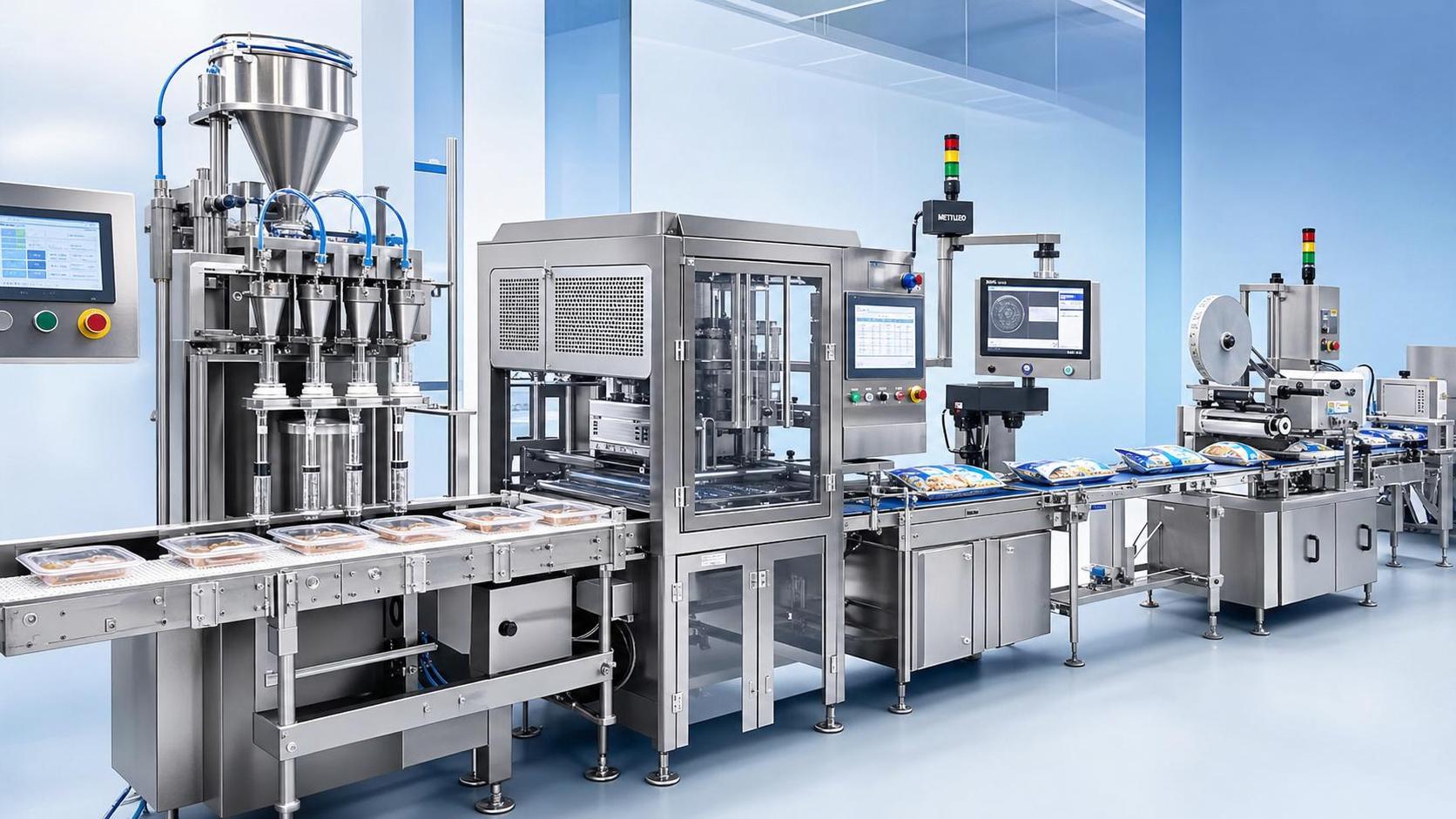
Choosing an Automation Line for Food Packaging is rarely a simple capacity decision. Line speed matters, but so do product behavior, package style, cleaning demands, changeover frequency, and the level of process control expected over time.
That is why this topic now sits at the center of broader manufacturing discussions. Across global production, automation is moving toward higher precision, digital visibility, and flexible line design, and food packaging is following the same path.
In practice, the right line supports output targets while limiting waste, reducing stoppages, and protecting hygiene compliance. A poor match may still run fast on paper, yet perform badly once real products, sanitation cycles, and shift-level variability enter the picture.
Why line selection now requires a wider view
Food manufacturers are under pressure from several directions at once. Throughput expectations are rising, labor availability is uneven, and product portfolios are becoming more diverse.
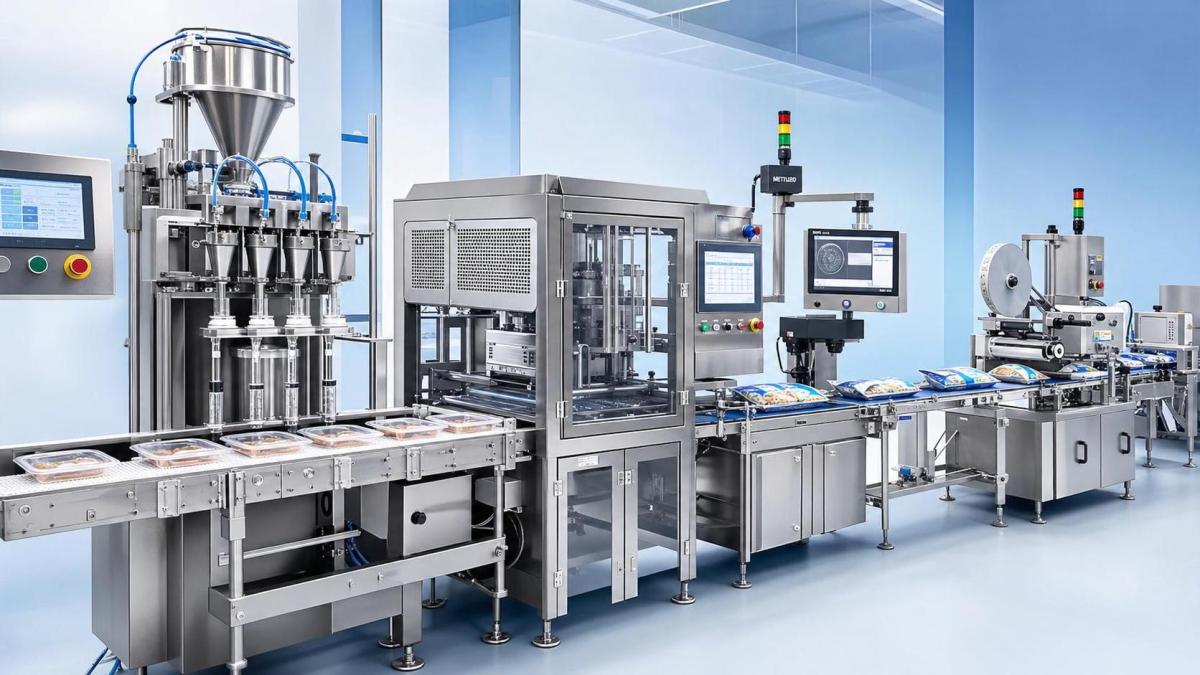
At the same time, equipment decisions are increasingly shaped by the same industrial logic seen in CNC machining and smart production lines: repeatability, integration, maintainability, and data-driven control.
An Automation Line for Food Packaging is therefore more than a conveyor with a sealer or cartoner. It is a coordinated system of feeding, dosing, forming, filling, sealing, inspection, labeling, case packing, and transfer.
Each module affects the others. A bottleneck in product infeed, poor synchronization between stations, or difficult washdown access can erase the expected benefit of high nominal speed.
Start with the real meaning of speed
Speed should be defined as stable, saleable output, not maximum machine motion. Many projects fail because the specified rate reflects ideal test conditions rather than production reality.
The first useful distinction is between peak speed and sustained speed. Peak speed may look attractive during supplier comparison, but sustained speed reveals whether the full line can hold performance across a normal shift.
Questions behind the number
- What rate is required per minute, per hour, and per shift?
- How much unplanned downtime is already typical upstream?
- Will product accumulation be needed between stations?
- How often will the line stop for cleaning, adjustment, or format change?
- What reject rate is acceptable once vision inspection is added?
A line designed only for top speed may become fragile. In many cases, a slightly lower-rated system delivers better weekly output because it runs more consistently and recovers faster after interruptions.
Product type determines the line architecture
No Automation Line for Food Packaging fits every product family. The physical behavior of the product usually decides the required handling method before packaging format is even finalized.
Dry snacks, frozen foods, liquids, powders, sauces, bakery goods, fresh produce, and ready meals create very different design priorities. Fragility, flowability, temperature sensitivity, oil content, and stickiness all matter.
This is where industrial equipment experience from precision manufacturing becomes relevant. Good line design depends on tolerance control, repeatable motion, fixture logic, and reliable station coordination, even in a food setting.
Hygiene needs should shape engineering decisions early
Hygiene is often treated as a final checklist item. That approach creates costly redesigns. In reality, hygiene requirements should influence the line concept from the start.
The required sanitation level depends on product risk, plant zoning, moisture exposure, allergen control, and cleaning method. A dry goods line and a high-care ready-meal line will not share the same equipment priorities.
Design details that affect hygiene performance
- Surface finish and resistance to corrosion
- Frame geometry that avoids dirt traps
- Tool-free access for cleaning points
- Cable routing and enclosure protection
- Seal integrity in washdown conditions
- Separation between product zone and drive components
When evaluating an Automation Line for Food Packaging, it helps to review not only cleanability but cleaning time. A hygienic machine that takes too long to open, rinse, dry, and restart may reduce plant efficiency.
Packaging format changes the economics of the line
Line choice is also shaped by the package itself. Pouches, trays, flow wraps, bottles, cups, cartons, and multi-packs have different mechanical demands and different failure points.
A compact line for one SKU can perform very well, yet become inefficient once the product range expands. This matters when the business expects seasonal launches, retailer-specific sizes, or mixed-case distribution.
Useful evaluation points
Look at format change time, recipe storage, servo adjustability, and operator intervention. Also check whether future modules, such as leak detection or robotic case packing, can be added without rebuilding the line.
Flexible automation usually costs more upfront, but it can protect the project when packaging strategy changes. That tradeoff should be tested against expected SKU growth, not current output alone.
Integration, controls, and data are no longer optional
Modern food lines increasingly resemble advanced manufacturing cells. Sensors, machine vision, PLC coordination, traceability systems, and remote diagnostics are becoming standard requirements rather than premium extras.
For an Automation Line for Food Packaging, controls architecture influences uptime as much as mechanics do. Poorly integrated software can cause nuisance stops, inconsistent timing, and difficult troubleshooting.
It is worth checking how the line will connect to MES, ERP, batch records, maintenance systems, and OEE reporting. Digital integration supports better root-cause analysis and faster improvement after startup.
This trend mirrors wider industrial automation. Precision machine tool sectors have already shown that repeatable output depends on both mechanical quality and digital control discipline.
A practical way to compare line options
Supplier proposals often look similar at a headline level. The better comparison method is to score line options against production reality and operational risk.
Factory acceptance testing and product trials should be designed around actual conditions. Real materials, real package dimensions, and realistic sanitation routines reveal more than brochure claims.
Where to focus next
A strong Automation Line for Food Packaging starts with a clear requirement set. That requirement set should connect target speed, product behavior, hygiene classification, packaging format, and digital integration into one decision framework.
From there, compare candidate lines using sustained output, cleanability, changeover logic, and expansion potential. This usually gives a more reliable answer than choosing the fastest machine in the quotation stack.
The most useful next step is to map the current process in detail, identify non-negotiable hygiene points, and test whether each proposed line can support both present production and foreseeable packaging changes.
When that assessment is done carefully, the selected line is far more likely to deliver stable output, compliant operation, and a better long-term return on automation investment.
Recommended for You
 How to Select a CNC Metal Lathe for Tight-Tolerance Shaft and Sleeve PartsCNC Machining Technology Center
 How to Select an Industrial Lathe for High-Volume Shaft ProductionMachine Tool Industry Editorial Team
 Selecting Machine Tools for Automotive Parts: Accuracy, Throughput, and AutomationMachine Tool Industry Editorial Team
 Industrial Machining: Selecting Processes for Tight-Tolerance Metal PartsCNC Machining Technology Center
 Manufacturing Technology Trends That Improve Throughput and Quality ControlManufacturing Market Research Center
 How to Design Cost-Effective Fixtures That Maintain Cycle Time in Mass ProductionCNC Machining Technology Center

Aris Katos
Future of Carbide Coatings
15+ years in precision manufacturing systems. Specialized in high-speed milling and aerospace grade alloy processing.
▶
Selecting Machine Tools for Automotive Parts: Accuracy, Throughput, and AutomationMachine Tool Industry Editorial Team▶
Smart Manufacturing for Small Businesses: Where Automation Delivers the Fastest ROIMachine Tool Industry Editorial Team▶
How Smart Manufacturing Technology Improves OEE Across Industry 4.0 Production LinesMachine Tool Industry Editorial Team▶
How to Evaluate an Automation Line for Electronics Production Before InvestmentMachine Tool Industry Editorial Team▶
How to Evaluate an Automated Production Line for Output, Flexibility, and ROIMachine Tool Industry Editorial Team
Mastering 5-Axis Workholding Strategies
Join our technical panel on Nov 15th to learn about reducing vibrations in thin-wall components.

Providing you with integrated sanding solutions
Before-sales and after-sales services
Comprehensive technical support