• Global CNC market projected to reach $128B by 2028 • New EU trade regulations for precision tooling components • Aerospace deman
NYSE: CNC +1.2%LME: STEEL -0.4%

Industrial Automation Control System for CNC Machines: Key Functions and Integration Points
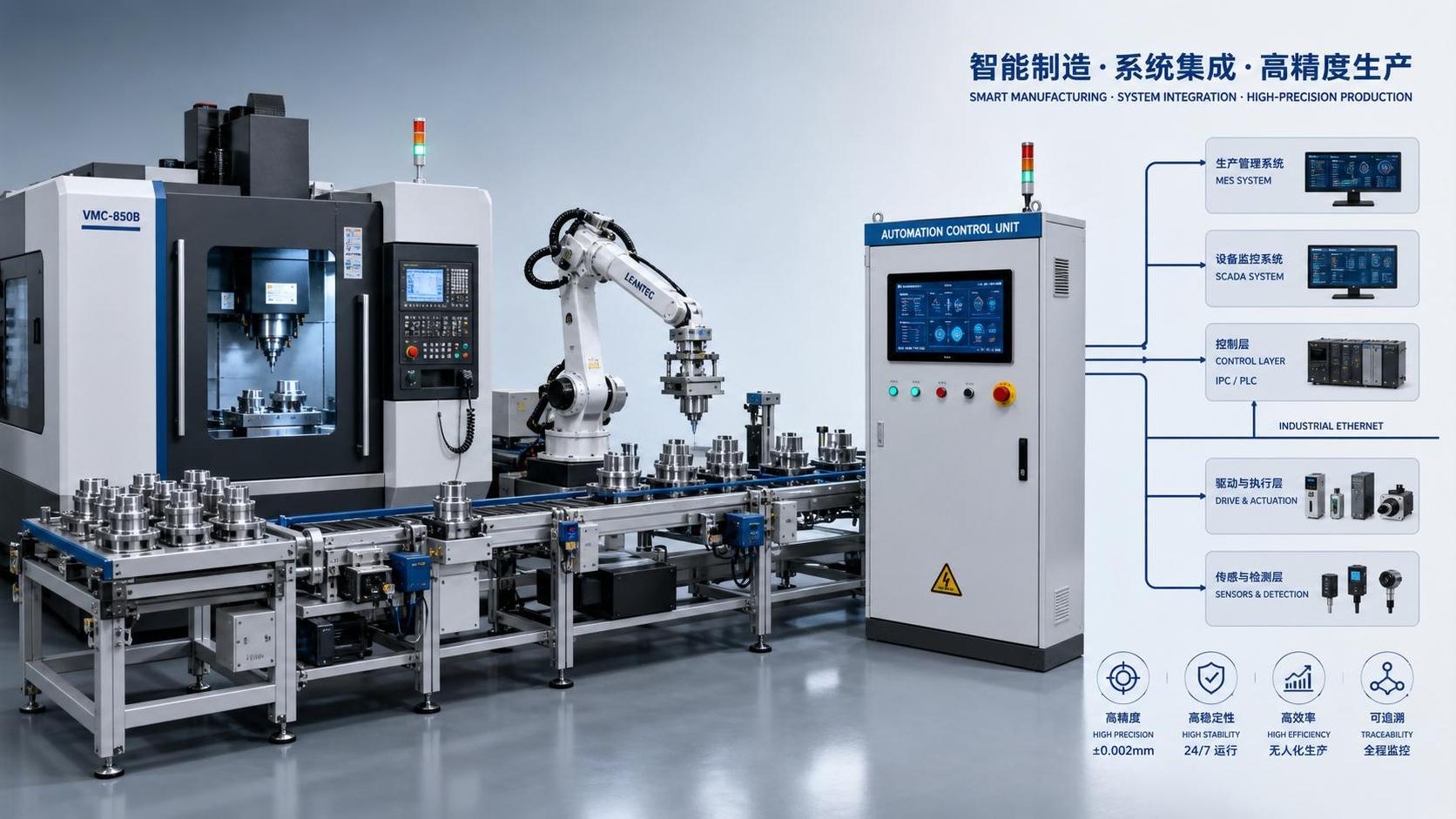
An Industrial Automation control system for CNC machines has moved from a supporting role to a core production asset. It connects machine motion, process control, data flow, and plant coordination in one operating framework.
That shift matters because CNC machining now sits inside larger automated environments. Automotive, aerospace, electronics, and energy equipment production all depend on precision, repeatability, and traceable execution across connected assets.
For operations planning and project delivery, the real question is no longer whether automation should be added. The more useful question is how the control system should be structured and where it must integrate.
Why CNC Control Architecture Now Deserves Closer Attention
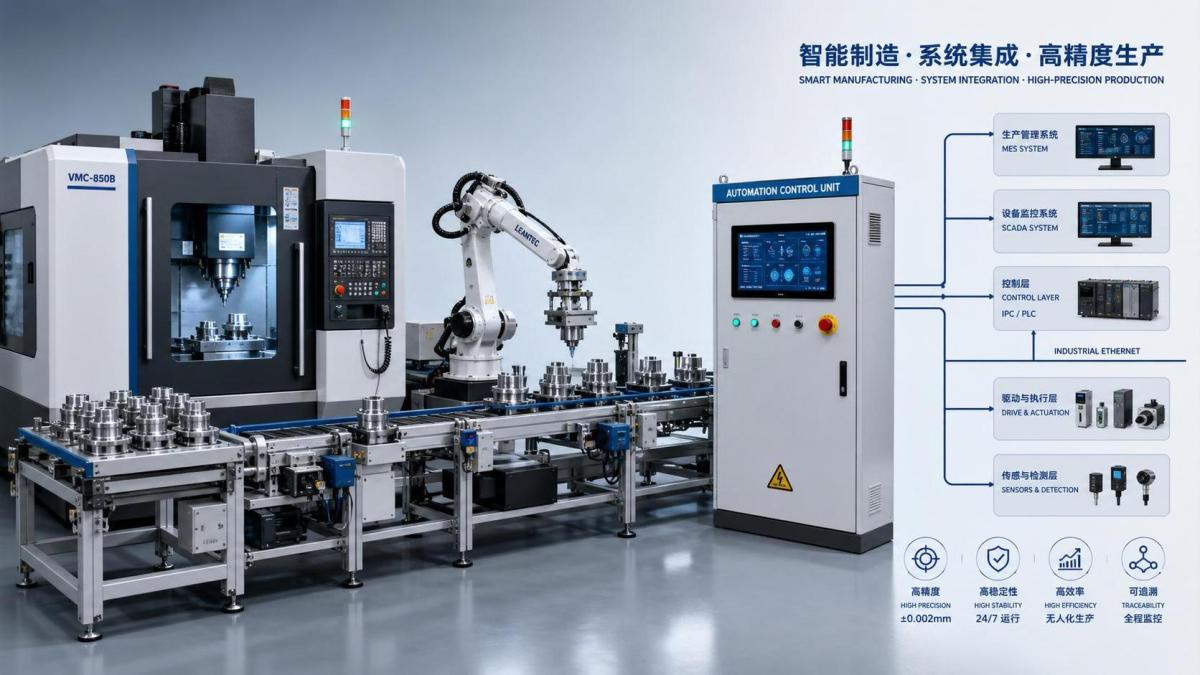
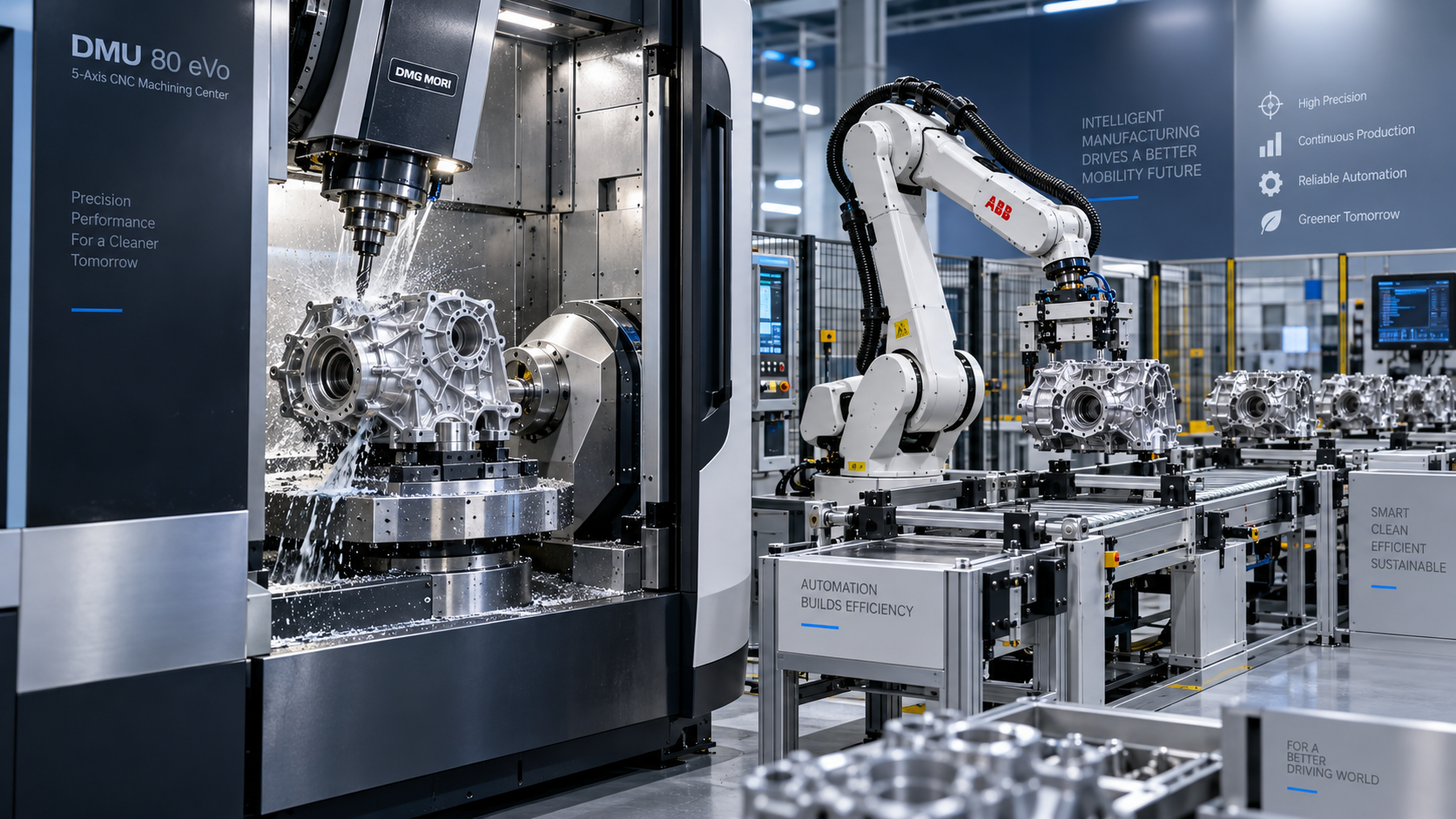
Machine tools have become more capable, but also more interdependent. A machining center today may exchange signals with robots, tool presetters, inspection devices, MES platforms, and maintenance systems.
This is especially visible in global machine tool clusters across China, Germany, Japan, and South Korea. Suppliers are competing not only on spindle speed or axis count, but on digital integration and automation readiness.
As production lines become more flexible, disconnected control logic creates delays. Manual intervention increases setup time, weakens quality consistency, and makes downtime harder to diagnose.
An Industrial Automation control system for CNC machines addresses that gap. It turns isolated equipment into a coordinated process, with shared signals, defined responses, and usable production data.
What the System Really Includes
The term covers more than the CNC controller itself. In practice, it includes the logic, hardware, software, communication layer, and supervisory tools that keep machining stable and connected.
At the machine level, it governs axis motion, spindle behavior, feed rates, alarms, interlocks, and tool change actions. Around that core, it manages inputs from sensors and commands to auxiliary devices.
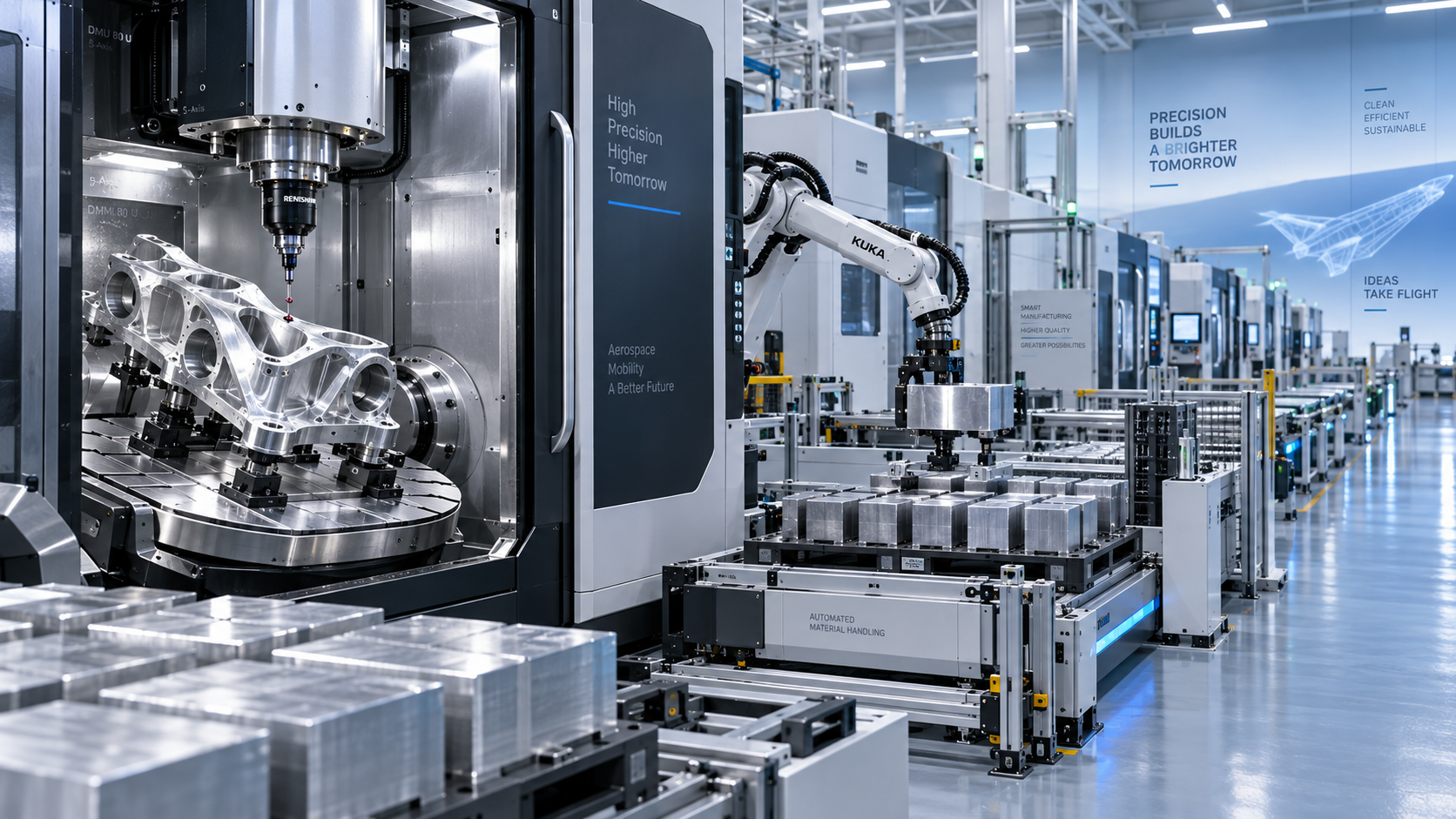
At the line level, it coordinates loading, unloading, buffering, inspection handoff, and status reporting. In more advanced cells, it also supports recipe control, scheduling feedback, and condition monitoring.
This broader view is important. Many integration failures happen because the control scope is defined too narrowly during planning, then expanded late when interfaces become unavoidable.
Core functional layers
- Real-time machine control for axes, spindle, servo response, and safety interlocks.
- Process management for tool offsets, workpiece programs, cycle sequencing, and alarms.
- Equipment coordination for robots, conveyors, loaders, fixtures, and clamping systems.
- Data communication for machine status, quality records, energy use, and maintenance events.
- Supervisory visibility through HMI, SCADA, MES, or factory analytics platforms.
Key Functions That Influence Production Results
The value of an Industrial Automation control system for CNC machines is easiest to see in daily operating results. Precision is one part of the picture, but predictability is often the larger gain.
Stable control logic reduces process variation between shifts, machines, and product batches. That matters when the same line handles complex shafts, precision discs, and high-accuracy structural components.
It also improves response speed when conditions change. Tool wear, fixture drift, or material variation can be identified faster when machine data and process states are visible in one system.
Functions with the highest operational impact
When these functions are designed well, the system supports both output and control. That balance is critical in plants where utilization targets cannot come at the expense of quality records.
Where Integration Points Usually Matter Most
Integration is where automation projects often succeed or stall. A technically capable CNC platform can still underperform if interfaces with surrounding systems are incomplete or poorly timed.
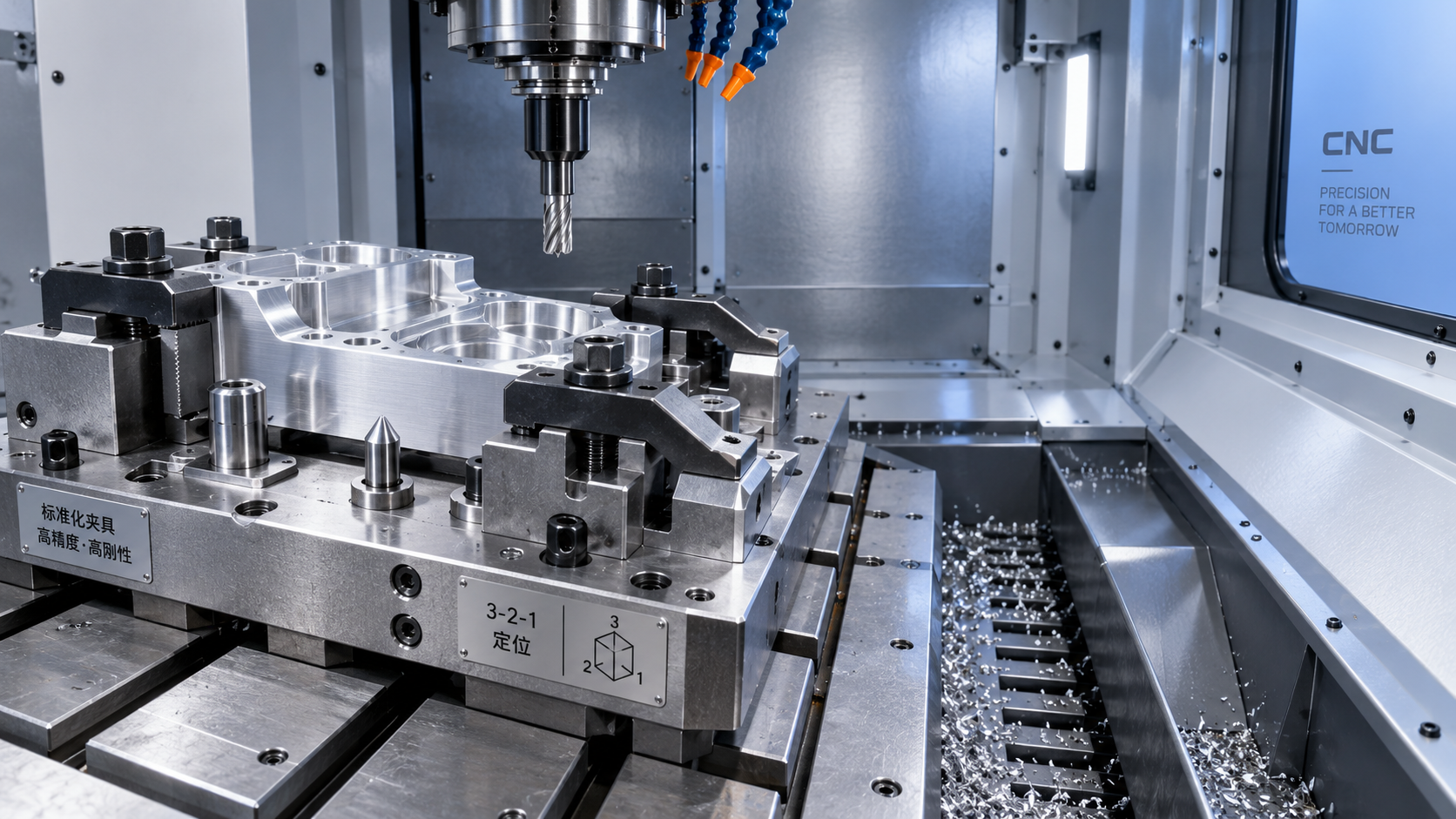
The first layer is machine-to-device integration. This includes robots, bar feeders, pallet changers, part loaders, coolant systems, chip handling units, and in-machine probing devices.
The second layer is machine-to-line coordination. Flexible manufacturing cells need handshake logic, queue control, status exchange, and exception handling when one asset falls behind.
The third layer connects production to business systems. MES, ERP, quality software, and maintenance platforms need consistent machine data, not fragmented signals with unclear meaning.
Common integration points
- PLC and CNC coordination for machine sequence logic and auxiliary equipment control.
- Robot interface for part transfer, tending cycles, and safety zone management.
- Tool management systems for offset updates, inventory visibility, and life tracking.
- Inspection systems for in-process measurement and closed-loop correction.
- MES or SCADA platforms for production tracking, OEE, and downtime classification.
- Predictive maintenance tools using spindle load, vibration, temperature, and cycle history.
In actual deployments, communication standards and data mapping deserve early attention. Interface problems usually come from inconsistent naming, unclear ownership, or event timing gaps.
How Different Manufacturing Contexts Change Priorities
Not every CNC environment values the same control features. A high-mix machining cell and a dedicated automotive line may use similar hardware, but their automation priorities differ.
In aerospace machining, traceability, process stability, and quality-linked data often lead system design. In electronics or precision components, cycle efficiency and repeatable micro-level control may dominate.
Energy equipment and heavy industry usually place more weight on machine availability, remote diagnostics, and integration with large workholding or material handling systems.
That is why an Industrial Automation control system for CNC machines should be reviewed through the production model first. Technology selection becomes clearer when the process constraints are explicit.
Practical Evaluation Points Before Expansion or Retrofit
Whether the project is a new line or a retrofit, the strongest decisions usually come from interface clarity rather than feature volume. More functions do not automatically mean better control.
A useful starting point is to define which production losses should be reduced first. Setup delays, alarm recovery time, tool-related scrap, and idle robot waiting all point to different control priorities.
It also helps to separate hard real-time needs from reporting needs. Motion interlocks and safety responses must work differently from cloud dashboards or shift-level analytics.
Questions worth asking early
- Which machine events must trigger immediate action, and which only need logging?
- How will part programs, tool data, and offsets be version-controlled across machines?
- Which data points are needed for quality, maintenance, scheduling, and compliance?
- Can the chosen architecture scale from one cell to multiple lines without major rework?
- Who owns interface testing between CNC, PLC, robot, and supervisory systems?
These questions help keep the Industrial Automation control system for CNC machines aligned with measurable plant needs. They also reduce the risk of late-stage integration surprises.
What to Watch as the Market Keeps Evolving
The machine tool sector is moving toward tighter digital integration, not isolated automation islands. Industrial robots, flexible production lines, and smart factory systems are pushing CNC control into a broader operational role.
That means future value will come from interoperability, data quality, and lifecycle adaptability. A system that works today but cannot absorb new devices or software layers will age quickly.
For that reason, the next step is usually not a generic technology upgrade. It is a structured review of machine functions, interface points, data requirements, and expansion paths across the production environment.
A well-scoped Industrial Automation control system for CNC machines should make each machining asset easier to manage, easier to connect, and easier to improve over time. That is the basis for sound investment decisions in precision manufacturing.
Recommended for You
 Selecting Machine Tools for Automotive Parts: Accuracy, Throughput, and AutomationMachine Tool Industry Editorial Team
 Industrial Machining: Selecting Processes for Tight-Tolerance Metal PartsCNC Machining Technology Center
 Manufacturing Technology Trends That Improve Throughput and Quality ControlManufacturing Market Research Center
 How to Design Cost-Effective Fixtures That Maintain Cycle Time in Mass ProductionCNC Machining Technology Center
 Is Learning CNC Programming Worth It for Shop Owners Seeking Higher Margins?CNC Machining Technology Center
 CNC Machine Arrival Inspection: Check Shipping Damage, Accuracy, Safety, and DocumentsCNC Machining Technology Center

Aris Katos
Future of Carbide Coatings
15+ years in precision manufacturing systems. Specialized in high-speed milling and aerospace grade alloy processing.
▶
Selecting Machine Tools for Automotive Parts: Accuracy, Throughput, and AutomationMachine Tool Industry Editorial Team▶
Smart Manufacturing for Small Businesses: Where Automation Delivers the Fastest ROIMachine Tool Industry Editorial Team▶
How Smart Manufacturing Technology Improves OEE Across Industry 4.0 Production LinesMachine Tool Industry Editorial Team▶
How to Evaluate an Automation Line for Electronics Production Before InvestmentMachine Tool Industry Editorial Team▶
How to Evaluate an Automated Production Line for Output, Flexibility, and ROIMachine Tool Industry Editorial Team
Mastering 5-Axis Workholding Strategies
Join our technical panel on Nov 15th to learn about reducing vibrations in thin-wall components.

Providing you with integrated sanding solutions
Before-sales and after-sales services
Comprehensive technical support