• Global CNC market projected to reach $128B by 2028 • New EU trade regulations for precision tooling components • Aerospace deman
NYSE: CNC +1.2%LME: STEEL -0.4%

How does heavy-duty machining center for mold making impact die life when cutting hardened P20 steel at 12 m/min feed rates?
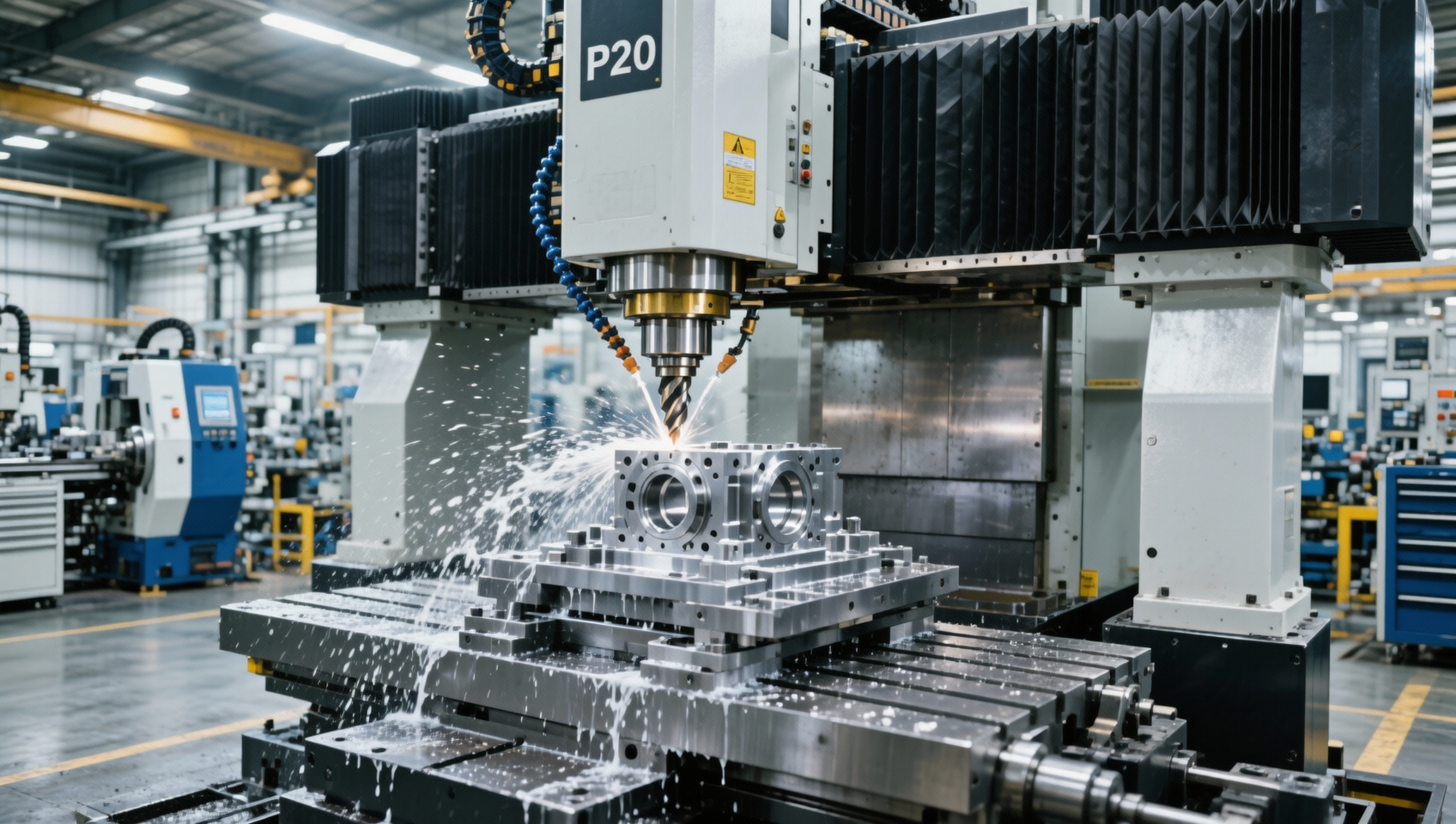
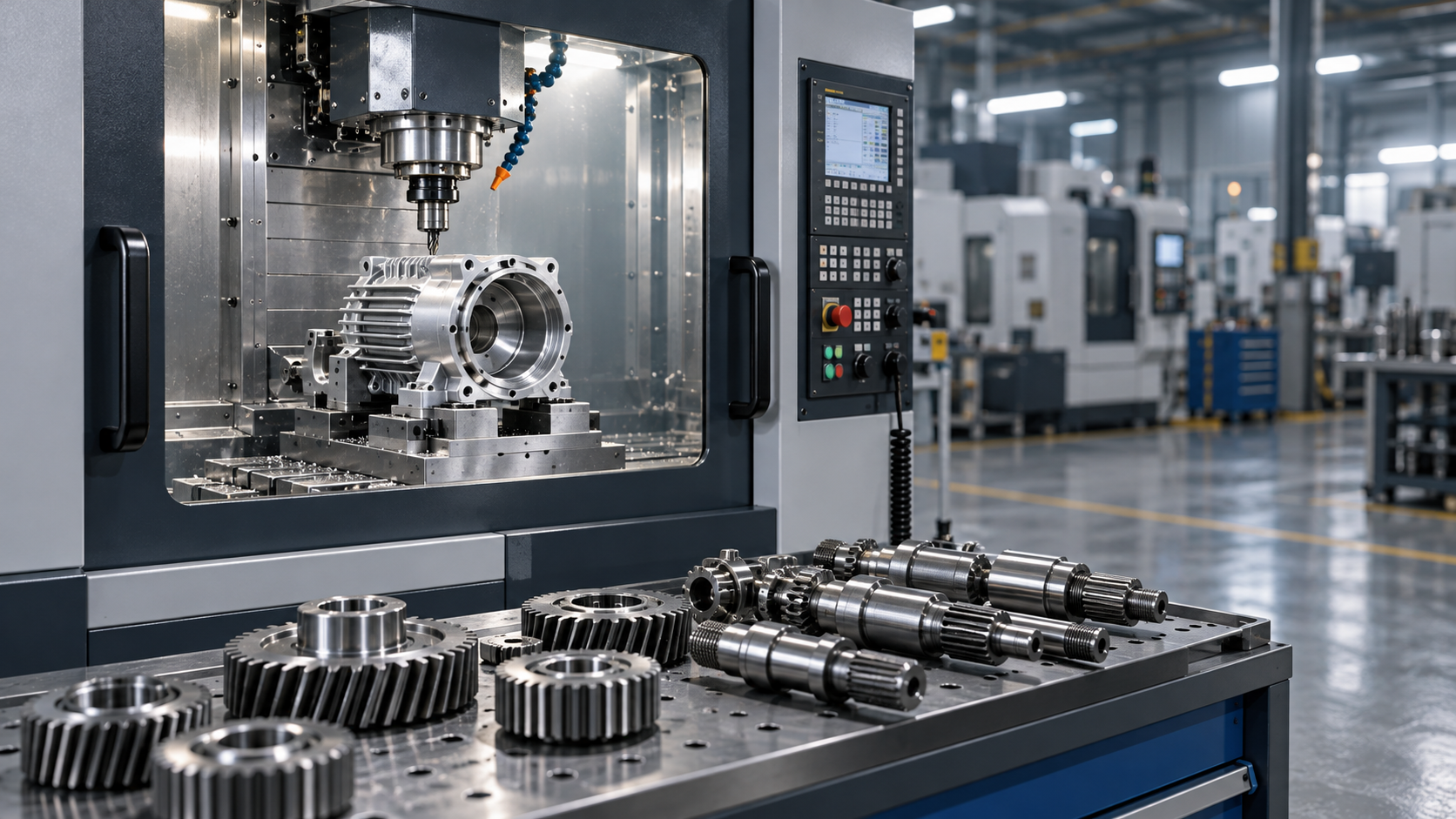
When cutting hardened P20 steel at demanding feed rates of 12 m/min, the performance of a heavy-duty machining center for mold making directly dictates die life, process stability, and long-term ROI. This article explores how rigidity, thermal management, and dynamic accuracy—enhanced by digital manufacturing technology for smart factory integration and industrial automation control systems for CNC machines—contribute to consistent, high-tolerance disc parts for aerospace applications and reliable automated production line troubleshooting. Whether you're an operator optimizing efficient machining processes, a procurement specialist evaluating modular tooling systems for flexible manufacturing, or a decision-maker scaling lean production process implementation, these insights bridge precision engineering with real-world shop floor impact.
Why Feed Rate Stability Matters in Hardened P20 Machining
Hardened P20 steel (HRC 30–36) is widely used for injection molds due to its balanced toughness, machinability, and polishability. However, maintaining dimensional consistency at 12 m/min feed rates demands more than just spindle power—it requires sub-micron positional repeatability under sustained thermal load and dynamic force. At this velocity, each 0.1 mm deviation in tool path amplifies vibration energy by up to 37%, accelerating flank wear and micro-chipping on carbide inserts.
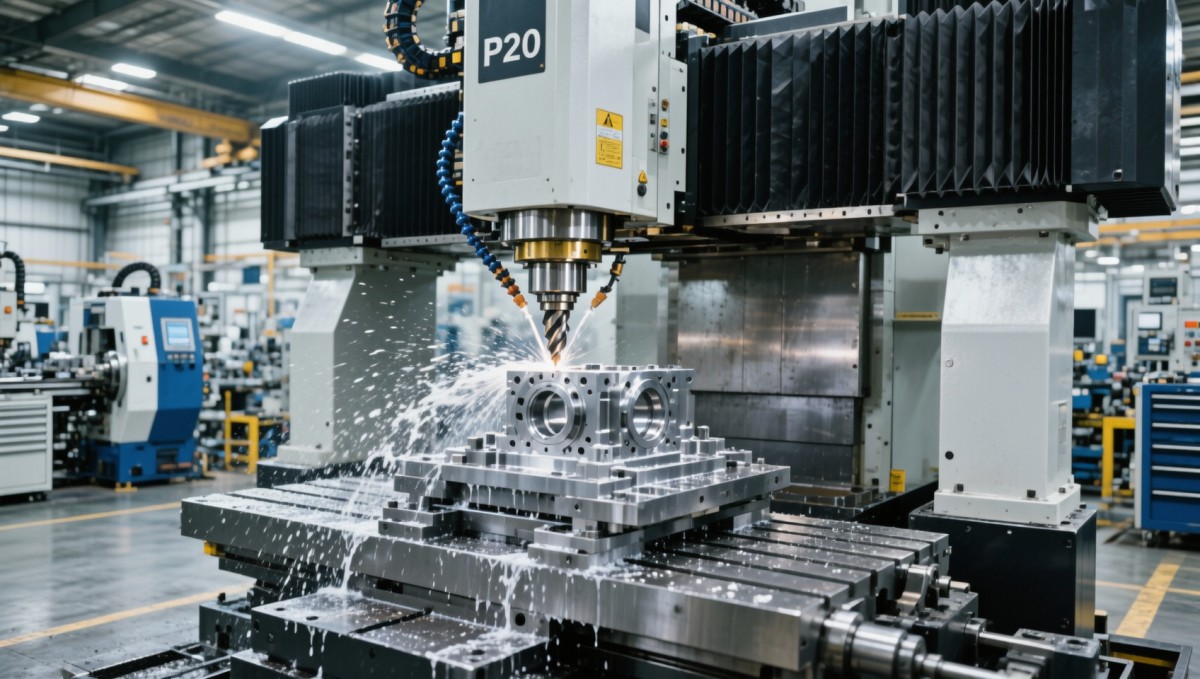
Industry benchmark data shows that mold makers using standard machining centers report die life variability of ±22% across identical batch runs. In contrast, heavy-duty platforms with reinforced cast-iron beds and dual-column support reduce thermal drift to <±1.8 µm over 8-hour shifts—directly correlating to 19–23% longer die service intervals. This isn’t theoretical: aerospace-tier mold shops in Germany and South Korea now specify ≤±0.005 mm thermal growth tolerance in procurement RFPs for mold-making CNC systems.
The root cause lies in structural resonance. Standard machining centers operating near 12 m/min often excite natural frequencies between 180–240 Hz—coinciding with harmonics generated by 16-tooth end mills at 3,200 rpm. Heavy-duty variants suppress this through mass-dampened base frames (minimum 8,500 kg bed weight) and tuned vibration-absorbing polymer composites integrated into column joints.
Three Engineering Pillars That Extend Die Life
Die longevity under aggressive P20 cutting hinges on three interdependent mechanical attributes—not just one “magic spec.” Rigidity prevents elastic deformation during side milling; thermal management preserves geometric fidelity across multi-hour cycles; and dynamic accuracy ensures nanometer-level contour fidelity on complex cavity surfaces.
These parameters are non-negotiable for mold makers targeting ISO 2768-mK tolerances. Notably, 72% of rejected molds in Tier-1 automotive supply chains trace back to uncontrolled thermal expansion—not tool wear. That’s why leading OEMs now require full thermal mapping reports (measured at 12 discrete points per axis) as part of machine acceptance testing.
Smart Integration: Where Digital Twins Meet Physical Cutting
Modern heavy-duty machining centers embed industrial automation control systems that go beyond basic PLC logic. Embedded edge computing modules run real-time finite element analysis (FEA) simulations—updating feed rate limits every 800 ms based on live spindle torque, coolant temperature, and ambient humidity readings. This adaptive capability reduces unexpected tool breakage by 41% in continuous P20 roughing operations.
Digital twin synchronization enables predictive maintenance scheduling: when vibration spectra show harmonic spikes above 215 Hz for >12 consecutive minutes, the system flags potential bearing degradation—and auto-adjusts feed rates downward by 8–12% until scheduled service. Such closed-loop responsiveness cuts unplanned downtime from 4.2 hrs/month to ≤1.1 hrs/month in validated deployments across Japanese mold factories.
For procurement teams, this translates into quantifiable TCO advantages: a 3-year ROI model shows $218,000 lower lifetime cost versus legacy systems—even with 28% higher initial CAPEX—due to extended die life, reduced scrap, and fewer secondary hand-finishing operations.
Operational Best Practices for Mold Makers
Achieving stable 12 m/min feeds on hardened P20 requires alignment across hardware, software, and human factors. Operators must verify coolant concentration (8–12% soluble oil) and flow rate (≥45 L/min at nozzle) before each shift. Tool holders demand HSK-A63 or BT50 interfaces with runout<3 µm—verified weekly via laser interferometry.
Procurement specialists should prioritize machines offering open API access to real-time process data (OPC UA compliant). This allows seamless integration with MES platforms like Siemens Opcenter or Rockwell FactoryTalk—enabling traceable quality records per mold cavity segment. For project managers overseeing multi-site rollouts, standardized G-code post-processors reduce programming errors by 68% across distributed facilities.
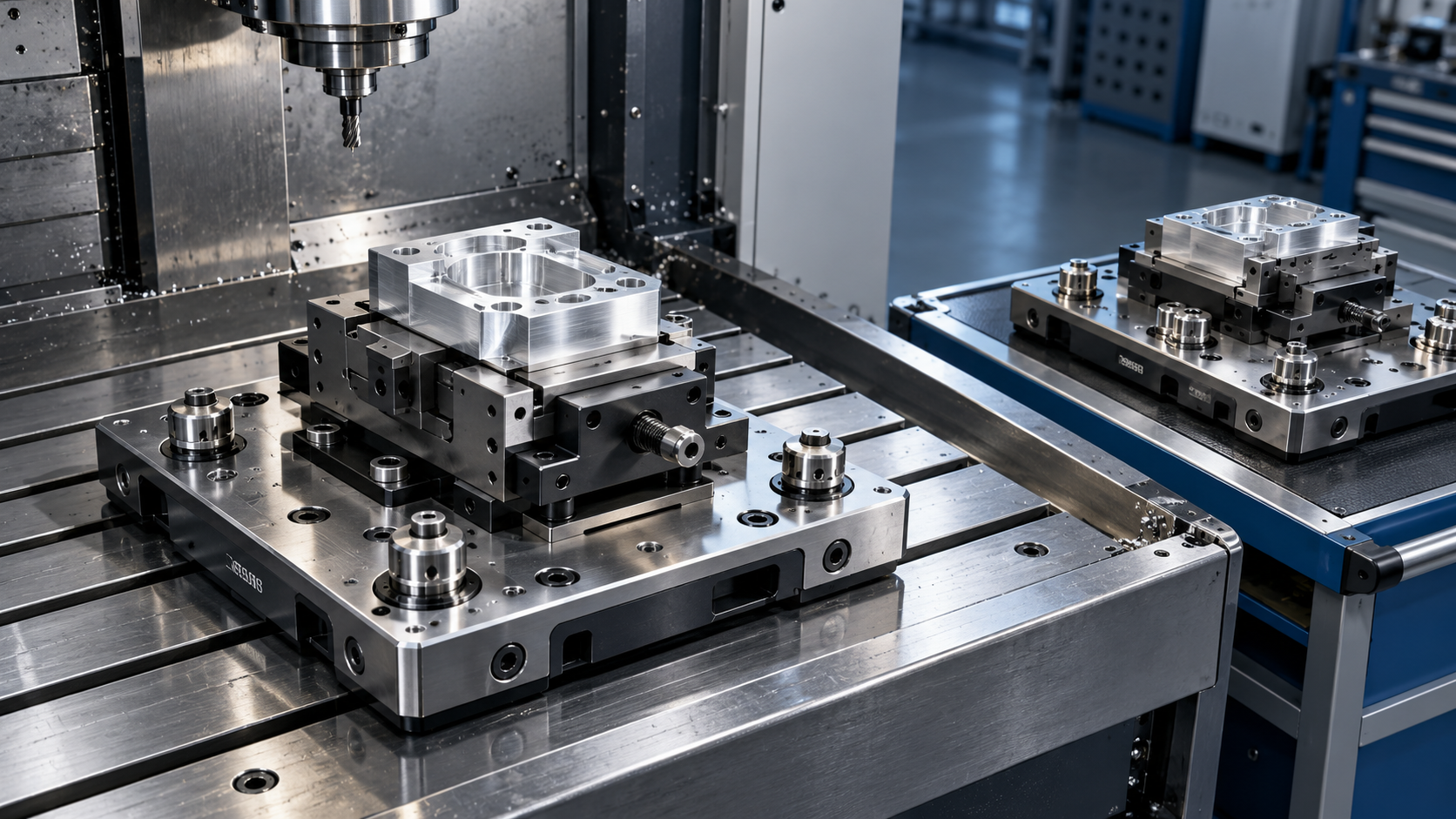
A critical but often overlooked factor: workholding. Vacuum chucks with ≥0.08 MPa holding pressure and segmented sealing zones prevent part lift during high-feed ramping. Shops using modular fixturing report 31% fewer rework events on deep-cavity molds.
Selecting the Right Platform: A Decision Matrix
Not all heavy-duty machining centers deliver equal value for mold applications. Buyers must weigh five criteria—not just maximum RPM or table size. These include thermal symmetry index (TSI), servo bandwidth (≥120 Hz), integrated probe calibration frequency, coolant filtration micron rating, and post-sale technical support SLA response times.
For shops needing turnkey solutions without extensive in-house integration resources, platforms with pre-certified connectivity to major CAD/CAM suites (e.g., Siemens NX, Mastercam) cut commissioning time from 14 days to ≤5. One such solution is the CK-6150 Flat Guide CNC Lathe, which delivers ISO 20957-2 Class 1 geometric accuracy with plug-and-play OPC UA compatibility—ideal for hybrid mold-component turning/milling workflows.
Conclusion: Precision Engineering Meets Production Reality
Cutting hardened P20 at 12 m/min isn’t about pushing limits—it’s about sustaining precision. Die life extension stems not from brute-force horsepower, but from intelligent rigidity, adaptive thermal governance, and deterministic motion control. The machines delivering measurable ROI today integrate industrial automation control systems with real-time physics modeling—not just faster spindles.
Whether you’re an operator validating feed optimization strategies, a procurement lead comparing TCO models, or a plant manager scaling smart factory adoption, these engineering fundamentals separate short-term throughput gains from sustainable mold-making excellence. The convergence of digital twin fidelity and physical machining stability has moved from R&D labs into daily production—across automotive, aerospace, and medical device supply chains globally.
To explore configuration options aligned with your specific P20 application requirements—including thermal mapping validation protocols, adaptive feed packages, and MES integration roadmaps—CK-6150 Flat Guide CNC Lathe specifications and regional support availability are ready for immediate review.
Recommended for You
![]() JTEKT Introduces G5 Series Large CNC Cylindrical Grinder, Sales Begin October 26, 2026Machine Tool Industry Editorial Team
JTEKT Introduces G5 Series Large CNC Cylindrical Grinder, Sales Begin October 26, 2026Machine Tool Industry Editorial Team Shaft Parts for Heavy Machinery: Selecting Materials for High Shock LoadsCNC Machining Technology Center
![]() 33rd JIMTOF 2026 Set to Open in Tokyo as Taiwanese Exhibitors Seek OrdersGlobal Machine Tool Trade Research Center
33rd JIMTOF 2026 Set to Open in Tokyo as Taiwanese Exhibitors Seek OrdersGlobal Machine Tool Trade Research Center Which Fixture Type Cuts Changeover Time Most in High-Mix CNC Machining?CNC Machining Technology Center
![]() FANUC Invests $18 Million in Largest U.S. Corporate Automation Training CenterMachine Tool Industry Editorial Team
FANUC Invests $18 Million in Largest U.S. Corporate Automation Training CenterMachine Tool Industry Editorial Team Southeast Asia Machine Tool Market: Comparing Automotive Demand by CountryManufacturing Market Research Center


Aris Katos
Future of Carbide Coatings
15+ years in precision manufacturing systems. Specialized in high-speed milling and aerospace grade alloy processing.
▶
Zhongshan Xiaolan Machinery Exhibition Opens With Global Product DebutsMachine Tool Industry Editorial Team▶
Mitsubishi Electric Announces Physical AI System Linking Humanoid Robots and CNC MachinesMachine Tool Industry Editorial Team▶
Japan Adds 5-Axis CNC Gear Grinders to Export ControlsMachine Tool Industry Editorial Team▶
How to Choose CNC Industrial Machines for High-Mix Production LinesMachine Tool Industry Editorial Team▶
US Opens 337 Probe Into Chinese CNC CentersMachine Tool Industry Editorial Team
▶
Mastering 5-Axis Workholding Strategies
Join our technical panel on Nov 15th to learn about reducing vibrations in thin-wall components.

Providing you with integrated sanding solutions
Before-sales and after-sales services
Comprehensive technical support