• Global CNC market projected to reach $128B by 2028 • New EU trade regulations for precision tooling components • Aerospace deman
NYSE: CNC +1.2%LME: STEEL -0.4%

5-Axis CNC Machining Centers Are Reshaping High-Precision Manufacturing Meta Title
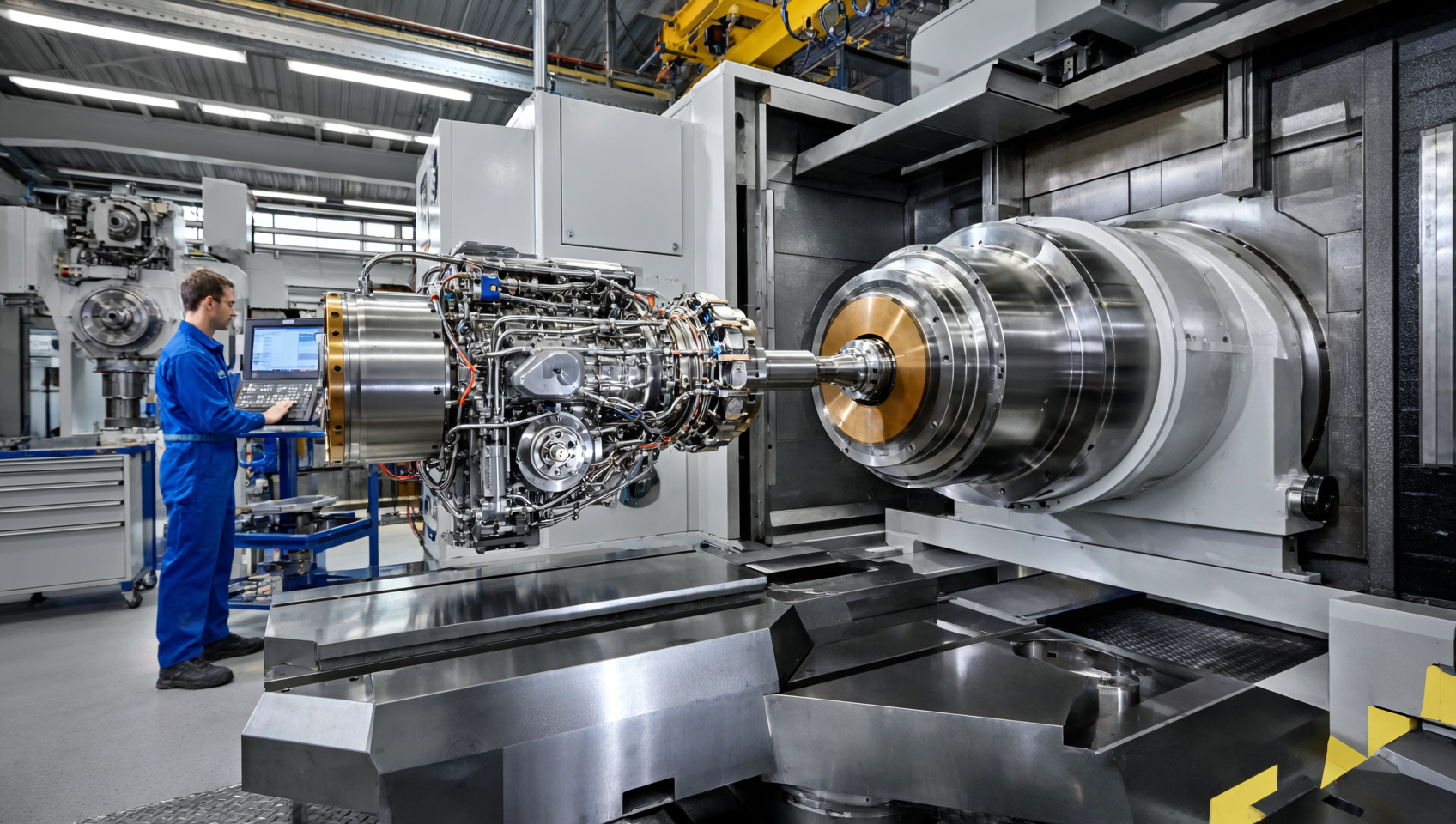
Five-axis CNC machining centers have become one of the most important innovations in modern manufacturing technology. Unlike traditional three-axis machines, five-axis machines allow simultaneous movement along multiple axes, enabling the production of highly complex components with greater precision.
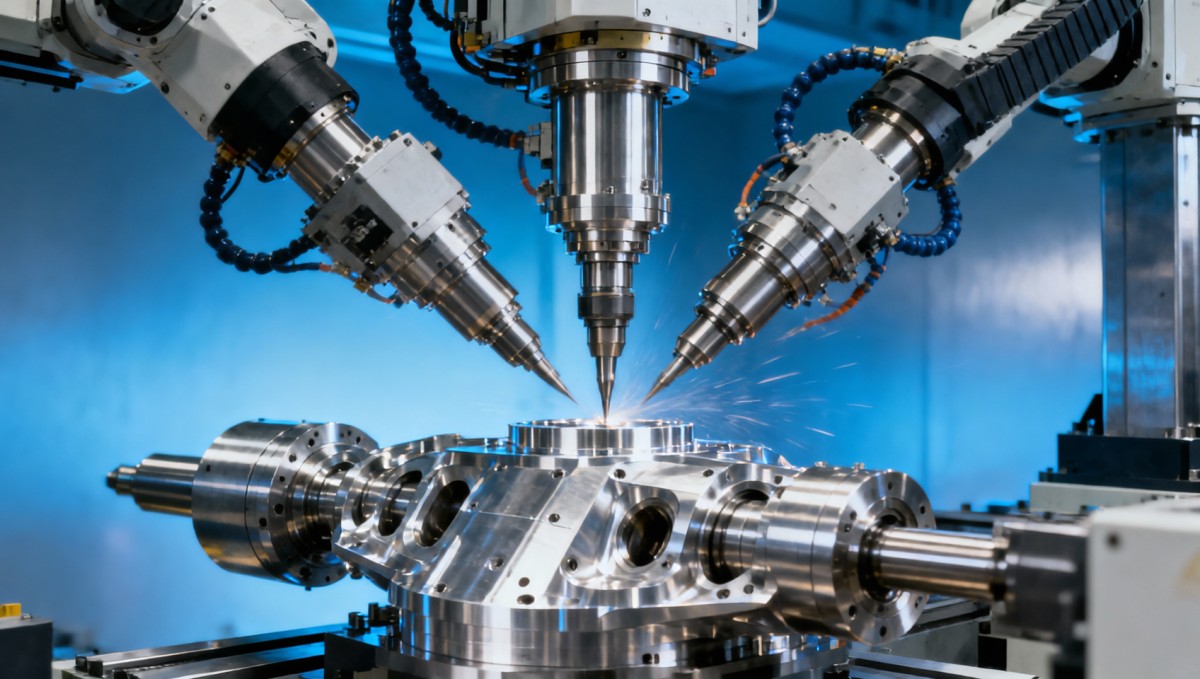
The primary advantage of five-axis machining is its ability to reduce the number of setups required during production. Traditional machining often requires multiple repositioning steps to complete a complex part. With five-axis technology, many of these operations can be completed in a single setup, significantly improving efficiency.
This capability is particularly valuable in industries such as aerospace, where components often have complex curved surfaces. Turbine blades, structural components, and engine parts all require high levels of precision that five-axis machines can deliver.
Another important benefit is improved surface finish. Because the cutting tool can approach the workpiece from multiple angles, manufacturers can achieve smoother surfaces while reducing the need for additional finishing operations.
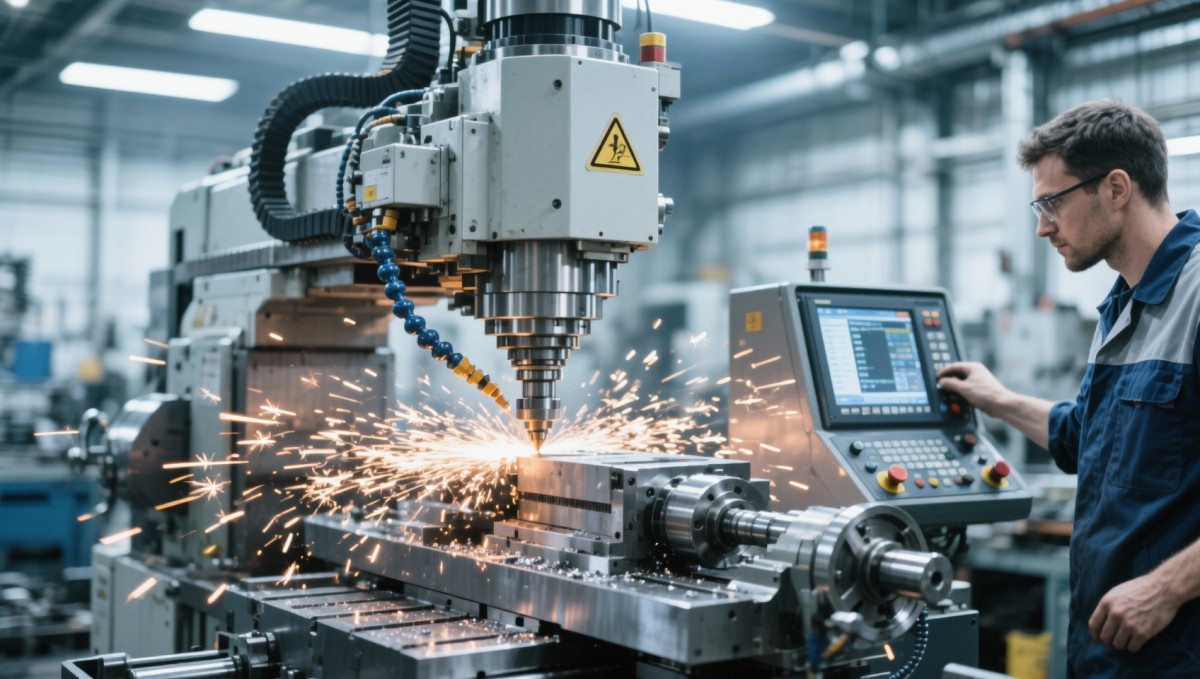
Tool life is also improved with five-axis machining. The ability to position the cutting tool at optimal angles reduces cutting forces and heat generation, which can extend the lifespan of tools and reduce machining costs.
The automotive industry has also adopted five-axis machining technology to produce high-performance engine components and lightweight structural parts. As electric vehicles continue to gain popularity, the demand for precision-machined components is expected to increase.
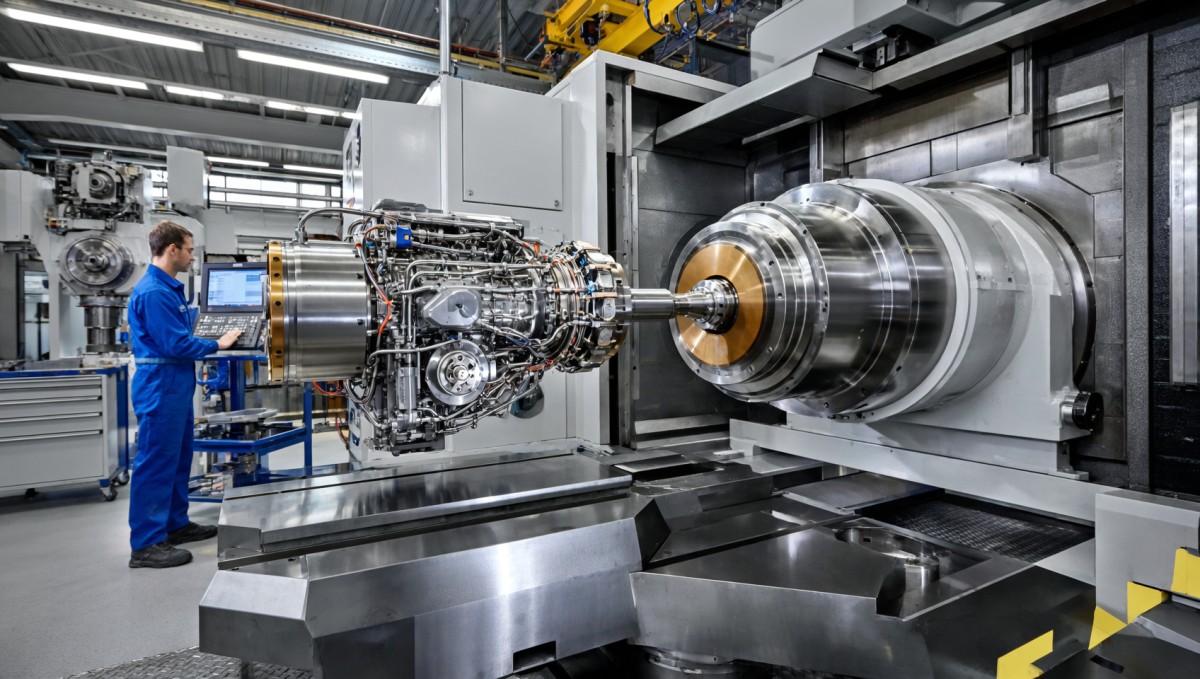
Advances in software have further enhanced the capabilities of five-axis machines. Modern CAM software allows engineers to simulate machining operations before production begins, reducing the risk of errors and improving process efficiency.
Despite its advantages, five-axis machining requires skilled operators and advanced programming knowledge. However, as training and software tools continue to improve, more manufacturers are adopting this technology.
In the future, five-axis CNC machining centers are expected to play an even greater role in high-precision manufacturing as industries demand more complex and efficient production processes.
Recommended for You
![]() AI Investment Lifts US September Equipment Demand; Core Capital Goods Orders Rise 0.5%Manufacturing Market Research Center
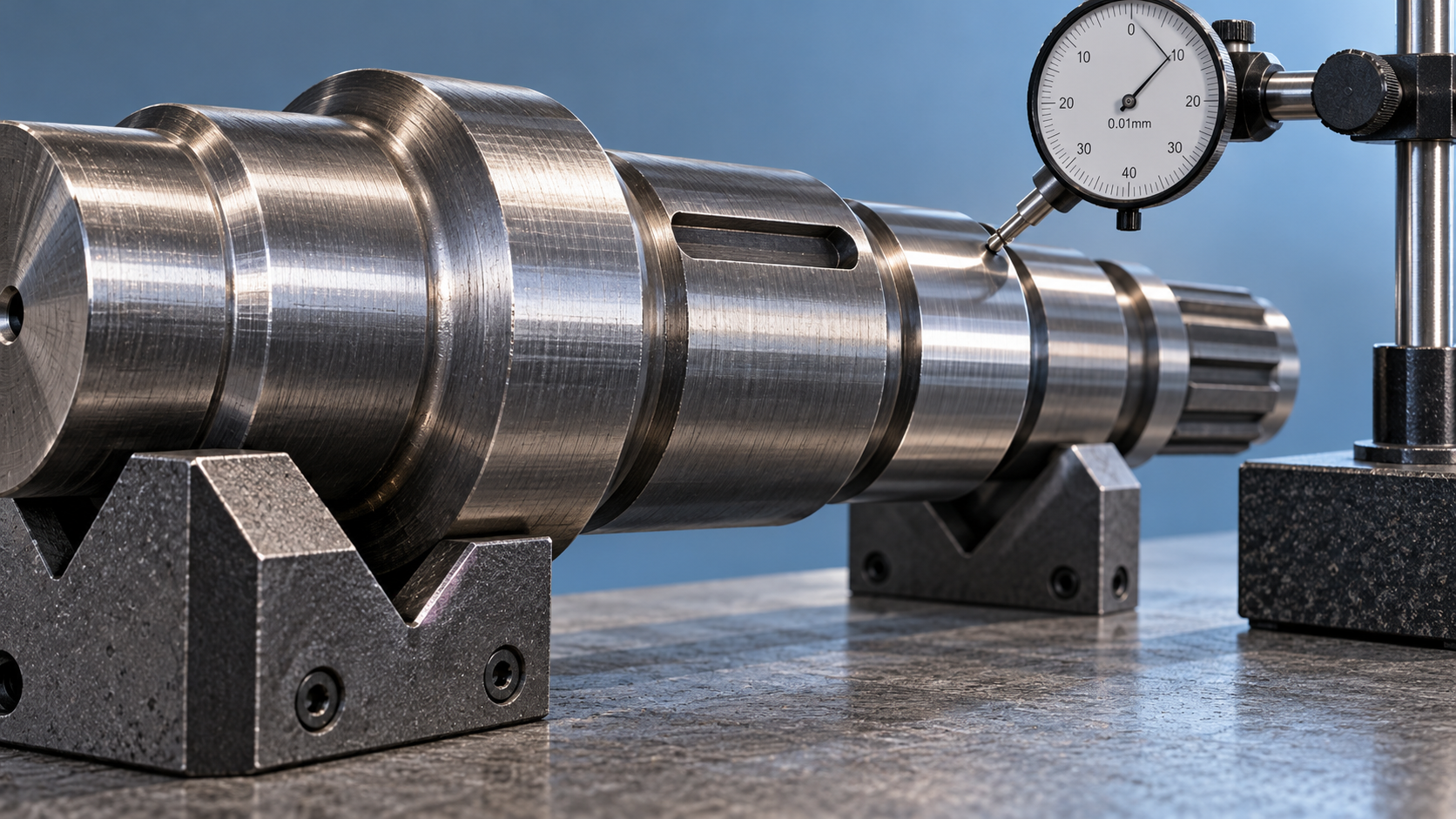
AI Investment Lifts US September Equipment Demand; Core Capital Goods Orders Rise 0.5%Manufacturing Market Research Center Why Heavy Machinery Shafts Fail Under Cyclic Loads and How to Prevent ItCNC Machining Technology Center
![]() JTEKT Introduces G5 Series Large CNC Cylindrical Grinder, Sales Begin October 26, 2026Machine Tool Industry Editorial Team
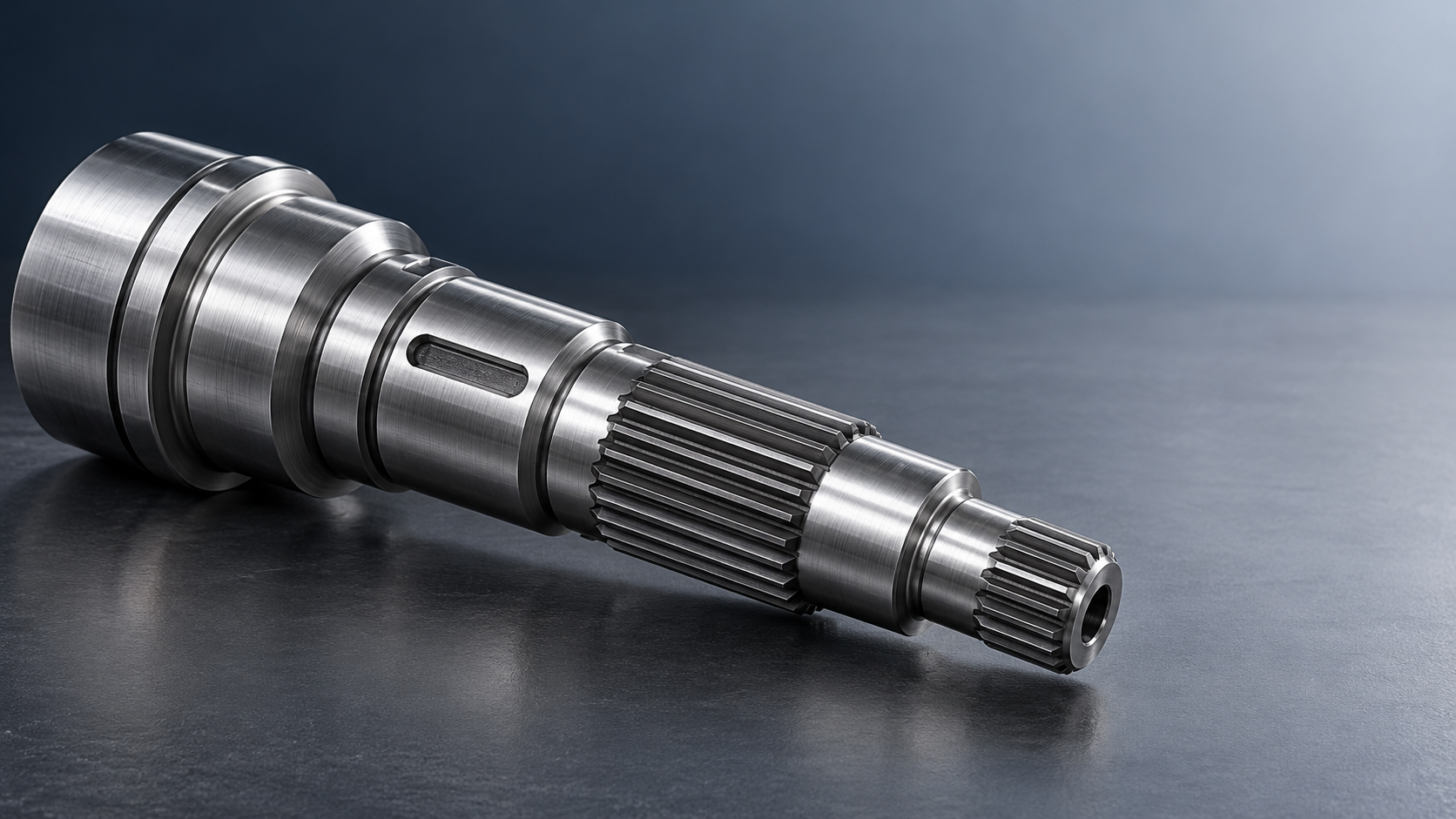
JTEKT Introduces G5 Series Large CNC Cylindrical Grinder, Sales Begin October 26, 2026Machine Tool Industry Editorial Team Shaft Parts for Heavy Machinery: Selecting Materials for High Shock LoadsCNC Machining Technology Center
![]() 33rd JIMTOF 2026 Set to Open in Tokyo as Taiwanese Exhibitors Seek OrdersGlobal Machine Tool Trade Research Center
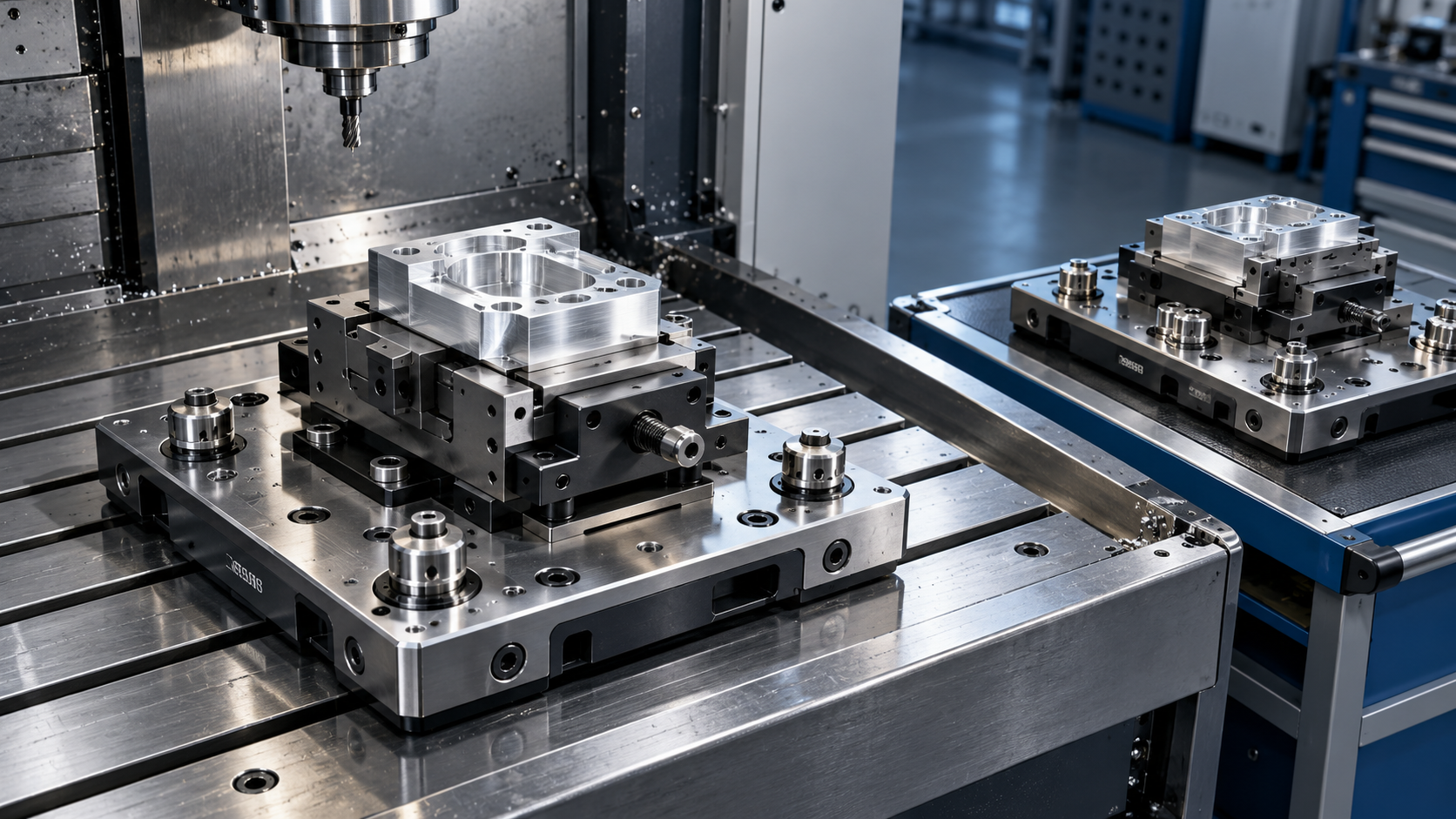
33rd JIMTOF 2026 Set to Open in Tokyo as Taiwanese Exhibitors Seek OrdersGlobal Machine Tool Trade Research Center Which Fixture Type Cuts Changeover Time Most in High-Mix CNC Machining?CNC Machining Technology Center


Aris Katos
Future of Carbide Coatings
15+ years in precision manufacturing systems. Specialized in high-speed milling and aerospace grade alloy processing.
▶
JTEKT Introduces G5 Series Large CNC Cylindrical Grinder, Sales Begin October 26, 2026Machine Tool Industry Editorial Team▶
Nidec Machine Tool Launches MVR-5X Five-Axis Gantry MachineMachine Tool Industry Editorial Team▶
How to Select a Machine Tool for Aerospace Parts with Tight Tolerances?Machine Tool Industry Editorial Team▶
How to Compare Machine Tools for Small-Batch vs Mass Production JobsMachine Tool Industry Editorial Team▶
Multi-Axis Machine Tool Selection Guide: Travel, Spindle, Accuracy, and Control SystemMachine Tool Industry Editorial Team
▶
Mastering 5-Axis Workholding Strategies
Join our technical panel on Nov 15th to learn about reducing vibrations in thin-wall components.

Providing you with integrated sanding solutions
Before-sales and after-sales services
Comprehensive technical support