• Global CNC market projected to reach $128B by 2028 • New EU trade regulations for precision tooling components • Aerospace deman
NYSE: CNC +1.2%LME: STEEL -0.4%

How to Choose a Tooling System for CNC Machining: Holders, Repeatability, and Setup Time
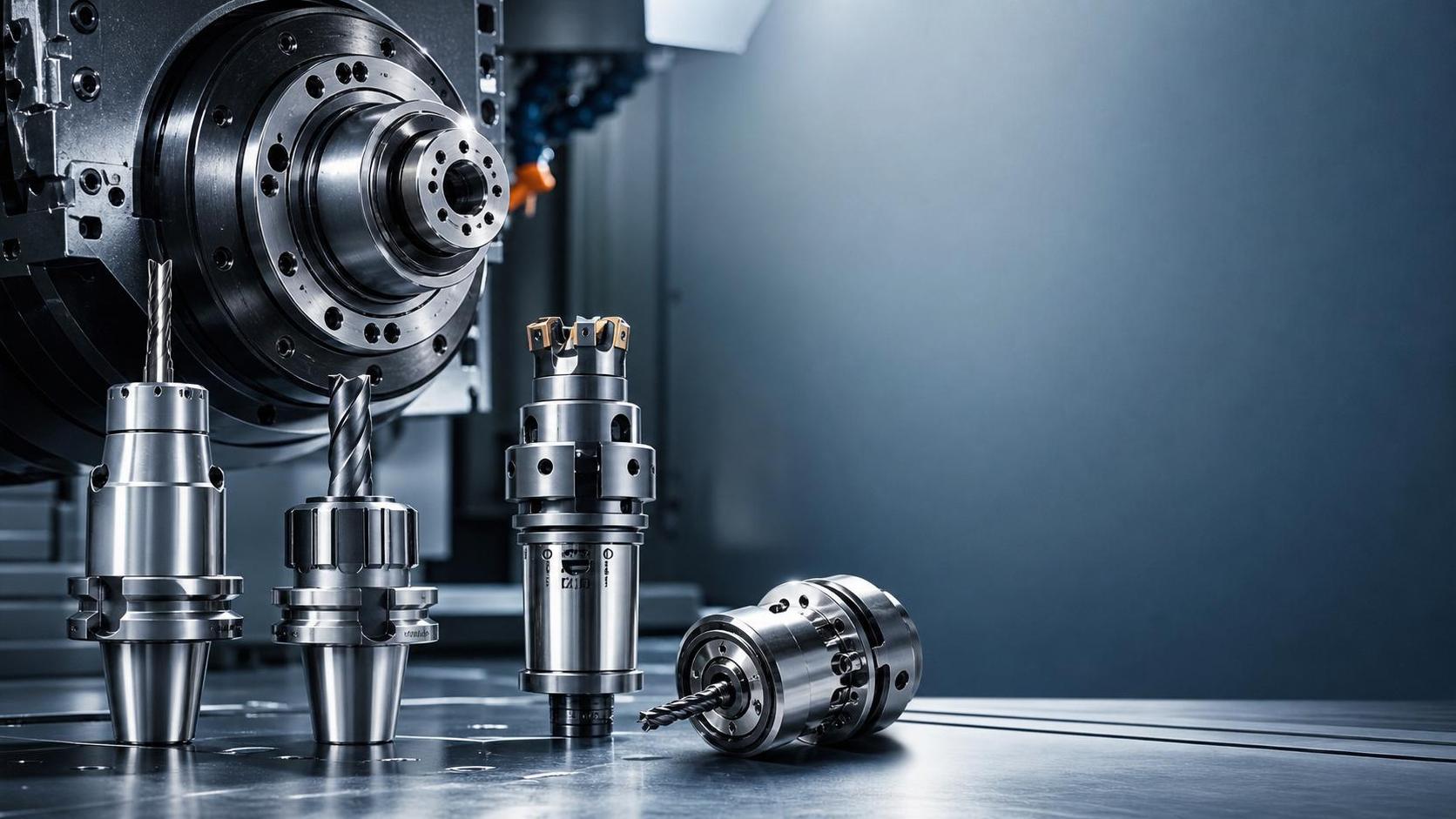
Choosing a Tooling System for CNC machining is rarely a simple holder comparison. It affects dimensional stability, spindle uptime, operator workload, and how reliably a shop can move from prototype work to repeatable production.
That matters even more as machine tools become more connected, automated, and tightly linked to production planning. In automotive, aerospace, electronics, and energy equipment, setup losses and variation at the tool interface can quietly limit the value of a high-performance machine.
A practical evaluation therefore needs to look beyond catalog claims. Holder design, repeatability at every tool change, and total setup time often tell more about long-term performance than peak spindle data alone.
Why the Tool Interface Deserves More Attention
The Tooling System sits between the machine spindle and the cutting edge. It is the connection point that transfers torque, maintains runout control, and supports length accuracy through repeated changes.
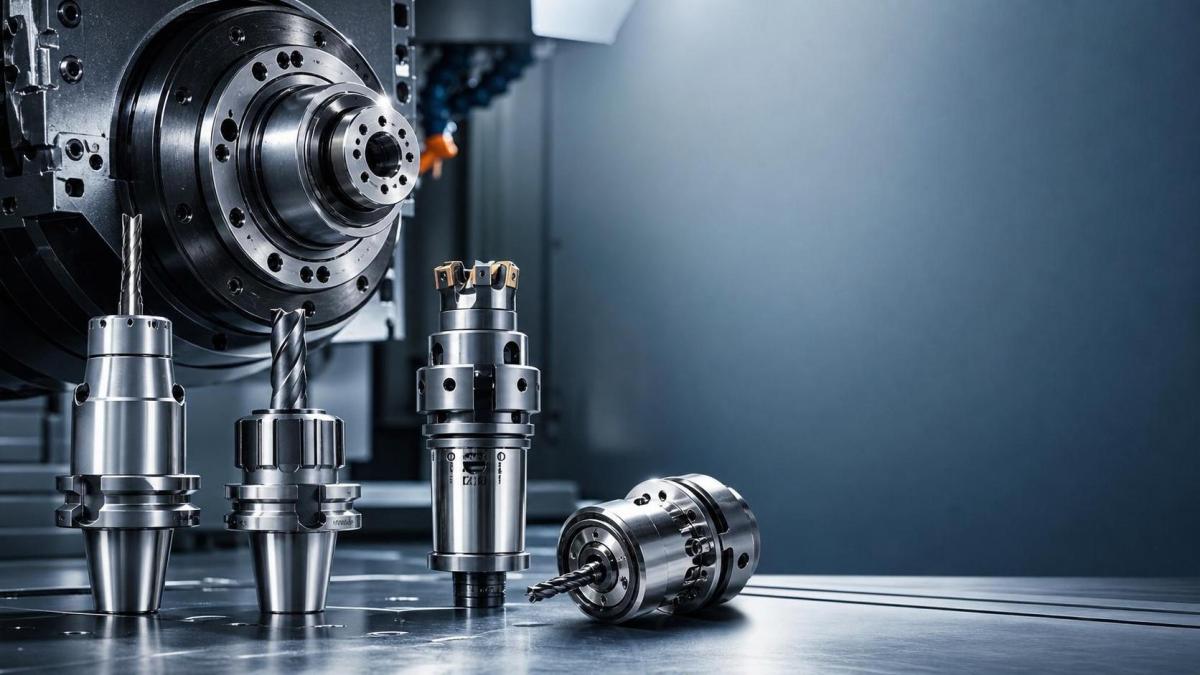
In daily machining, small deviations at that interface can become visible in tool life, surface finish, and cycle consistency. When tolerances tighten, the holder system becomes part of the process capability, not just an accessory.
This is one reason global machine tool suppliers continue to refine spindle standards, clamping methods, and presetting workflows. Higher precision and faster automation both increase the cost of inconsistency.
What a Good Tooling System Actually Includes
A Tooling System is usually a combination of spindle interface, toolholders, collets or hydraulic units, pull studs, preset data practices, and changeover procedures. In many cases, it also includes storage, identification, and balancing rules.
Looking at the system as a package is important. A strong holder design can still underperform if preset lengths drift, clamping parts vary by supplier, or change procedures depend too much on individual habits.
For that reason, the best evaluation usually compares complete process behavior. It asks how the Tooling System performs across roughing, finishing, short runs, and recurring jobs, not just in a single ideal test.
Holders Are Only One Part of the Decision
Different holder styles solve different machining problems. Shrink fit, hydraulic, collet, shell mill, and modular systems each offer tradeoffs in rigidity, damping, access, and maintenance effort.
A useful comparison focuses on application fit rather than generic ranking. High-speed finishing, deep cavity work, heavy material removal, and mixed-part production rarely reward the same setup choices.
Typical holder priorities by use case
This kind of mapping keeps the Tooling System aligned with the actual part mix. It also prevents overinvestment in premium holders where process variation is coming from somewhere else.
Repeatability Is the Real Performance Test
Repeatability is often more valuable than a single impressive accuracy result. A Tooling System should return to the same position and clamping condition after repeated changes, cleaning, and normal handling.
In practical terms, repeatability affects offset confidence, first-part approval time, and the number of trial cuts needed after replacement. It also determines how well a shop can standardize programs across shifts or locations.
This is especially relevant in global manufacturing networks. Facilities in China, Germany, Japan, South Korea, and other major machine tool regions increasingly rely on common standards to support distributed production and consistent output.
What to verify during evaluation
- Radial runout at the cutting diameter, not only at the holder nose.
- Axial length repeatability after multiple clamp and release cycles.
- Stability after cleaning variation, coolant exposure, and thermal change.
- Consistency across different operators and different machines.
- Compatibility with presetters, tool data management, and ATC routines.
A Tooling System that performs well only under ideal lab conditions may create hidden cost on the shop floor. Repeatable behavior under ordinary production pressure is the more useful benchmark.
Setup Time Has Become a Strategic Metric
In the past, setup time was often treated as an operational detail. Today, it directly influences spindle utilization, scheduling flexibility, and whether automation investments produce the expected return.
A Tooling System that reduces changeover friction can raise output without increasing machine count. That is why modularity, preset offline assembly, and stable tool length control have become central evaluation points.
The strongest systems are not always the most complex. In many mixed-production environments, the better choice is the one that lowers adjustment steps and reduces the chance of setup error.
Where setup losses usually come from
- Manual holder assembly that depends on individual technique.
- Tool length changes that force repeated offset correction.
- Too many holder variants for similar operations.
- Poor compatibility with presetting or digital tool records.
- Cleaning and maintenance steps that are often skipped.
When these issues are measured, the Tooling System decision becomes easier. It moves from brand preference to documented process performance.
How Industry Trends Change the Selection Logic
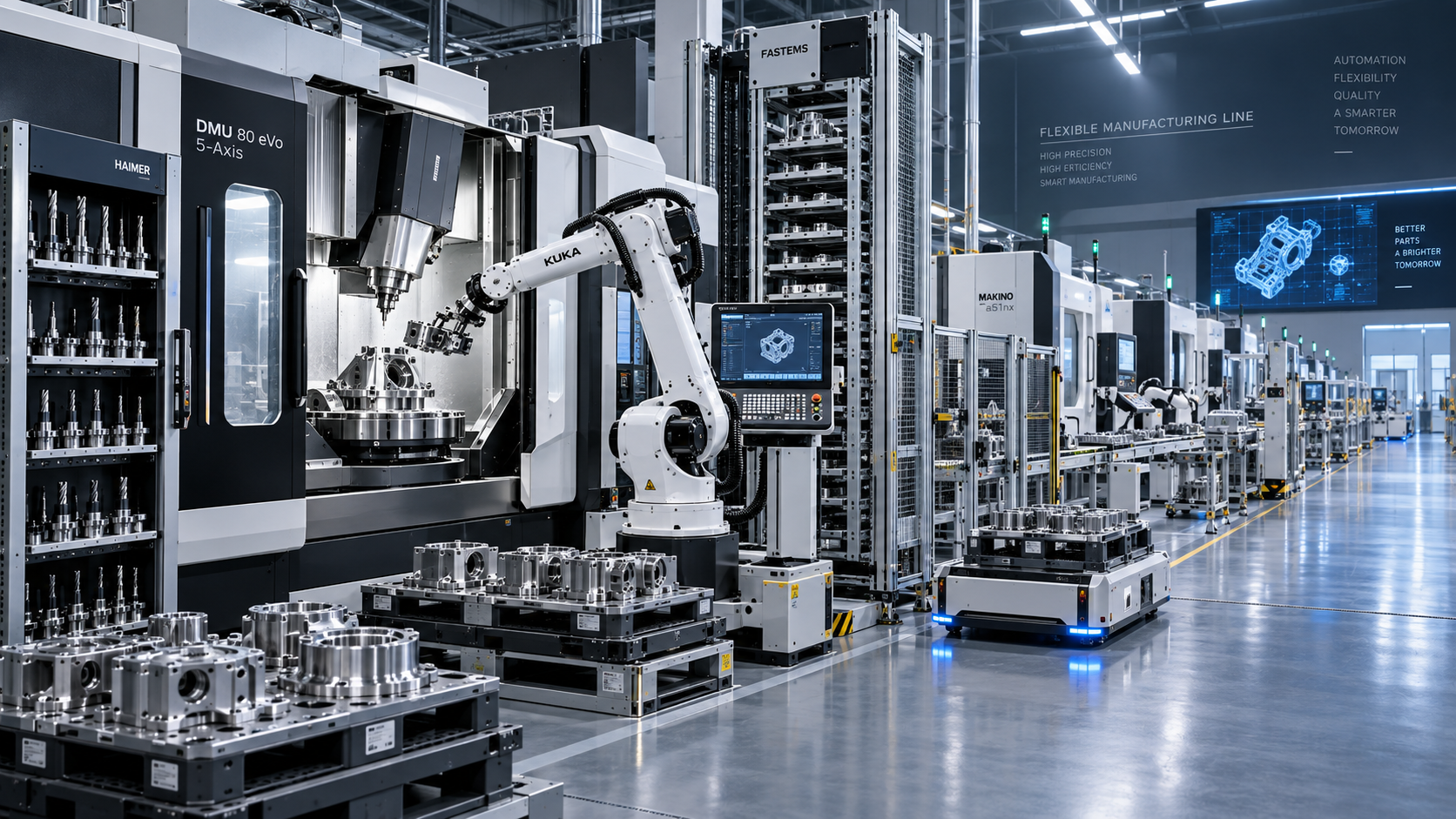
Smart manufacturing has changed what shops expect from a Tooling System. Tool assemblies now need to support digital traceability, offline preparation, and smooth integration with automated cells or flexible production lines.
That shift matters across sectors. Aerospace work may prioritize strict repeatability and documentation, while electronics or automotive programs may value rapid changeover and consistent high-volume execution.
Either way, the holder strategy should match the production model. A system chosen only for isolated cutting performance may fall short once robots, pallet systems, or unattended shifts are introduced.
A Practical Framework for Comparing Options
A useful comparison starts with the part family and production rhythm. Material, tolerance, lot size, tool reach, machine interface, and change frequency should define the shortlist before any detailed vendor discussion.
From there, it helps to compare options against a stable set of questions rather than general claims.
Key decision dimensions
Where Selection Mistakes Usually Happen
One common mistake is choosing a Tooling System around the most demanding single operation, then forcing that structure onto every job. That can raise cost and setup burden without improving overall throughput.
Another mistake is separating holder choice from fixture strategy, cutting data, and machine condition. Poor spindle health, weak workholding, or unstable tool paths can be misread as holder failure.
It is also easy to underestimate standardization. Fewer holder families, clearer assembly rules, and consistent preset methods often deliver more value than chasing marginal gains in isolated tests.
Turning Evaluation Into a Better Next Step
The most useful next step is to define a comparison based on real production cases. Include one stable repeat job, one frequent changeover job, and one tolerance-sensitive job, then measure time, variation, and intervention points.
That process will usually show whether the current Tooling System supports future manufacturing goals or only current habits. It also creates a clearer basis for discussing upgrades, standardization, or broader digital integration.
In CNC machining, the right Tooling System is not simply the strongest holder or the newest interface. It is the one that holds accuracy, repeats reliably, and keeps setup time under control as production scales.
PREVIOUS ARTICLE
NEXT ARTICLE
Recommended for You
 How to Select CNC Equipment for High-Mix, Low-Volume ProductionCNC Machining Technology Center
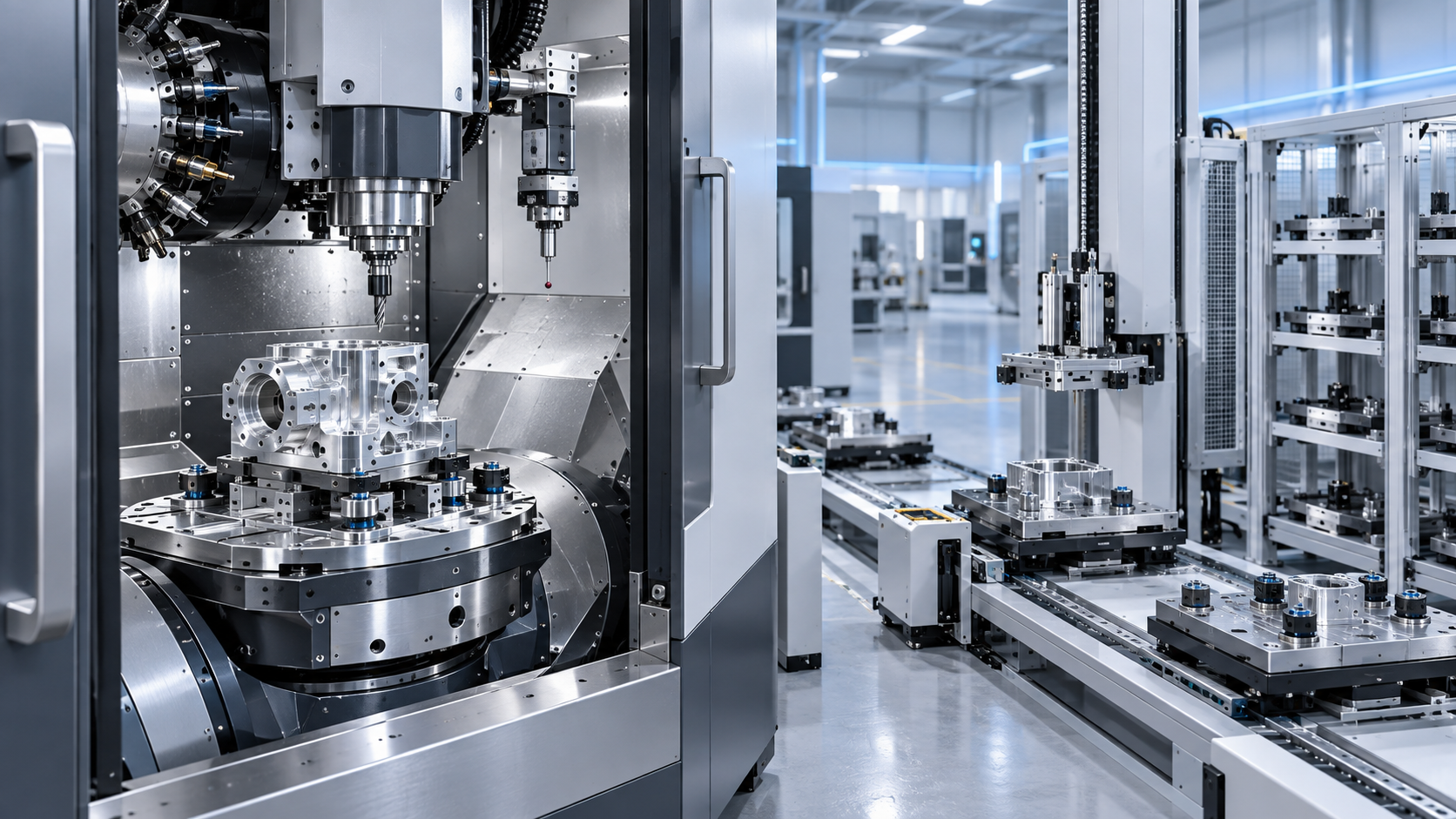
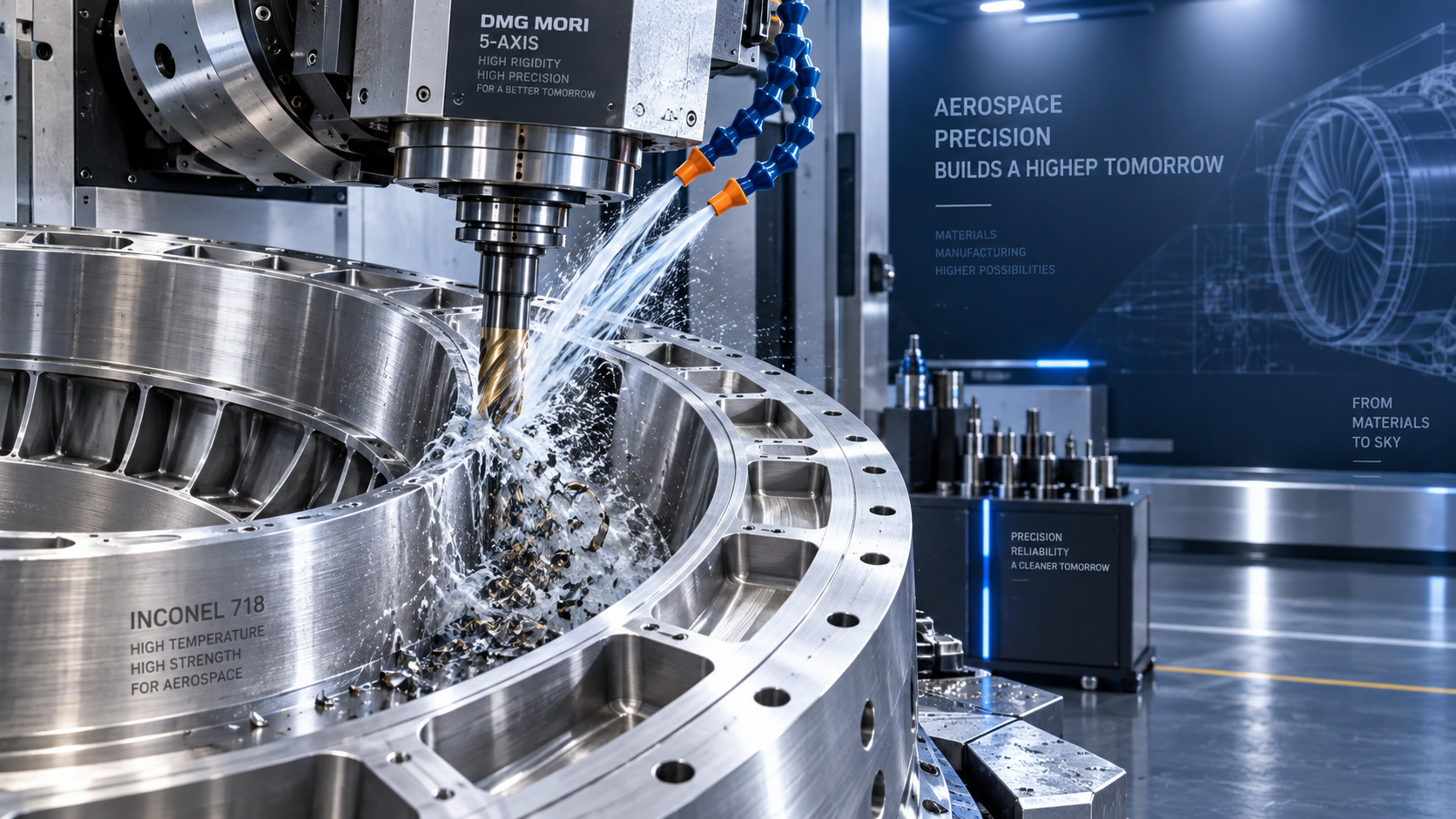
 Can CNC Machining Inconel Control Tool Wear in High-Temperature Aerospace Parts?CNC Machining Technology Center
 Machine Tool Market Outlook: Demand Drivers, Capacity Shifts, and Investment RisksManufacturing Market Research Center
 Zero-Point Clamping or Modular Fixtures? Choosing a Faster CNC Changeover SystemCNC Machining Technology Center
 How to Cut CNC Fixture Changeover Time Without Sacrificing Part AccuracyCNC Machining Technology Center
 When Does CNC Turning Pay Off? A Break-Even Guide by Annual Part VolumeMachine Tool Industry Editorial Team

Aris Katos
Future of Carbide Coatings
15+ years in precision manufacturing systems. Specialized in high-speed milling and aerospace grade alloy processing.
▶
KATS Expands CE Recognition for CNC Clamping SystemsMachine Tool Industry Editorial Team▶
How to Evaluate a Tooling System for Precision Machining: 7 Key Specs That MatterMachine Tool Industry Editorial Team▶
ITC Opens 337 Probe Into Chinese CNC Tool CoatingsMachine Tool Industry Editorial Team▶
Vietnam Ends 5% Tariff on Chinese CNC Tool ImportsMachine Tool Industry Editorial Team▶
Japan Ends Import License Rule for Chinese Cutting ToolsMachine Tool Industry Editorial Team
Mastering 5-Axis Workholding Strategies
Join our technical panel on Nov 15th to learn about reducing vibrations in thin-wall components.

Providing you with integrated sanding solutions
Before-sales and after-sales services
Comprehensive technical support