• Global CNC market projected to reach $128B by 2028 • New EU trade regulations for precision tooling components • Aerospace deman
NYSE: CNC +1.2%LME: STEEL -0.4%

KATS Tightens KC Rules for CNC Fixtures from August 2026

On June 28, 2026, the Korea Agency for Technology and Standards (KATS) revised its KC certification guidance for industrial fixtures, setting a new compliance condition for CNC-dedicated fixtures entering the Korean market from August 1, 2026. The update matters because it turns EMC testing and ISO 12100 mechanical safety risk assessment into parallel certification requirements for imported products that include hydraulic, pneumatic, and electric quick-change systems, with direct implications for export compliance, certification scheduling, procurement timing, and delivery coordination across the fixture supply chain.
What the revised KC guidance now requires
KATS updated the KC Safety Certification Guidelines for Industrial Fixtures (Rev. 3.1) on June 28, 2026. Under the revised guidance, all CNC-specific fixtures imported into South Korea from August 1, 2026 must complete both electromagnetic compatibility (EMC) testing and an ISO 12100 mechanical safety risk assessment. The scope stated in the event summary includes hydraulic, pneumatic, and electric quick-change systems. The information provided also indicates that the new requirement is expected to extend certification lead times for Chinese fixture manufacturers by about six to eight weeks and may affect procurement scheduling at Korean automotive parts plants.
Where the operational pressure is likely to appear first
Export-facing fixture manufacturers will face a longer compliance front end
From an industry perspective, Chinese manufacturers shipping CNC fixtures to South Korea are among the most directly affected parties because the rule change adds a dual-testing requirement before products can move through the Korean compliance path. The main pressure point is likely to sit in pre-shipment preparation, especially around certification timing, technical file readiness, and coordination between product configuration and testing scope. What deserves closer attention is whether current product documentation, especially for quick-change systems, is already organized in a way that supports both EMC review and mechanical safety assessment without repeated submission cycles.
Procurement teams may need to revise ordering windows and supplier checks
For Korean buyers, particularly those tied to automotive parts production, the practical issue is less about the text of the rule and more about whether incoming fixtures can still match planned purchasing and installation schedules. Analysis shows that a six- to eight-week extension in certification time can shift procurement sequencing, supplier onboarding, and delivery confirmation. Buyers may therefore need to pay closer attention to whether suppliers can demonstrate readiness for the revised KC process, rather than treating certification as a late-stage formality.
Testing and certification service providers may see earlier engagement demands
Certification-related service providers are also likely to be affected because the new rule combines EMC and ISO 12100-based mechanical safety review for the covered fixture category. Observably, this can move some compliance work earlier in the commercial cycle, including technical scoping, document screening, and test planning. Even without additional execution details, the rule change signals that conformity work may need to begin before purchase orders and shipment dates are finalized.
What companies should review before the August 2026 start date
Check whether the product scope matches the revised coverage
Companies dealing in CNC-dedicated fixtures for the Korean market should first confirm whether their products fall within the coverage described in the revised guidance, especially where hydraulic, pneumatic, or electric quick-change systems are involved. This is a threshold issue because product classification will shape the compliance path, document set, and certification timeline.
Reassess certification lead time in contracts and shipment planning
Analysis shows that the stated six- to eight-week extension is commercially relevant even without further detail on case-by-case execution. Exporters, procurement teams, and supply chain coordinators should review whether current order cycles, delivery commitments, and installation plans still leave enough time for dual testing and risk assessment. The key point is not to assume that earlier certification habits will remain workable after August 1, 2026.
Review technical files and compliance records for dual-track submission
What deserves closer attention is the quality and completeness of the technical material that may be needed to support both EMC testing and ISO 12100 review. While the input does not provide a detailed filing checklist, companies should be alert to possible pressure on test reports, technical descriptions, risk-related documentation, and product-specific compliance records. This is better understood as a document readiness issue than only a laboratory scheduling issue.
Watch for downstream changes in bid and purchasing documents
Observably, once a certification rule becomes an import condition, it can also influence how procurement and supplier qualification documents are written. Companies serving Korean buyers should monitor whether purchase specifications, supplier approval requirements, or tender language begin to reflect the revised KC expectation more explicitly. The current information does not confirm that such downstream changes have already occurred, so this remains an area to watch rather than a confirmed outcome.
Why this looks like an execution signal rather than a distant policy discussion
Analysis shows that this development is closer to an actionable market rule than to a preliminary policy direction because the revised guidance has a stated update date and a defined effective date of August 1, 2026. At the same time, it is more appropriate to understand this as an execution signal that still requires observation in practice. The confirmed facts establish the compliance threshold, but they do not yet answer every operational question around certification workflow, document interpretation, or how strictly buyers and market participants will sequence purchasing decisions around the new requirement.
How the market should read this update now
The practical meaning of this event is that KC access conditions for imported CNC fixtures into South Korea are becoming more demanding in a way that directly touches compliance timing and procurement coordination. A cautious reading is appropriate: this is already a concrete rule change with a near-term effective date, but its full commercial effect will depend on how certification bodies, exporters, and buyers apply it in day-to-day transactions. For now, the update is best understood as a landed compliance change with immediate planning consequences rather than as a broad market conclusion about future demand or supply.
Source note and points that still need verification
This article is based on the user-provided news title, event date, and event summary. For developments of this kind, commonly relevant source types include official notices, regulator publications, standards documents, trade or customs-related releases, industry association updates, and reporting by established trade media. No specific official source link was provided in the input, so the exact publication link still needs to be verified on an ongoing basis. Further observation should focus on any additional policy detail, certification interpretation, procurement document changes, market feedback, and how affected companies implement the revised requirement in practice.
Recommended for You
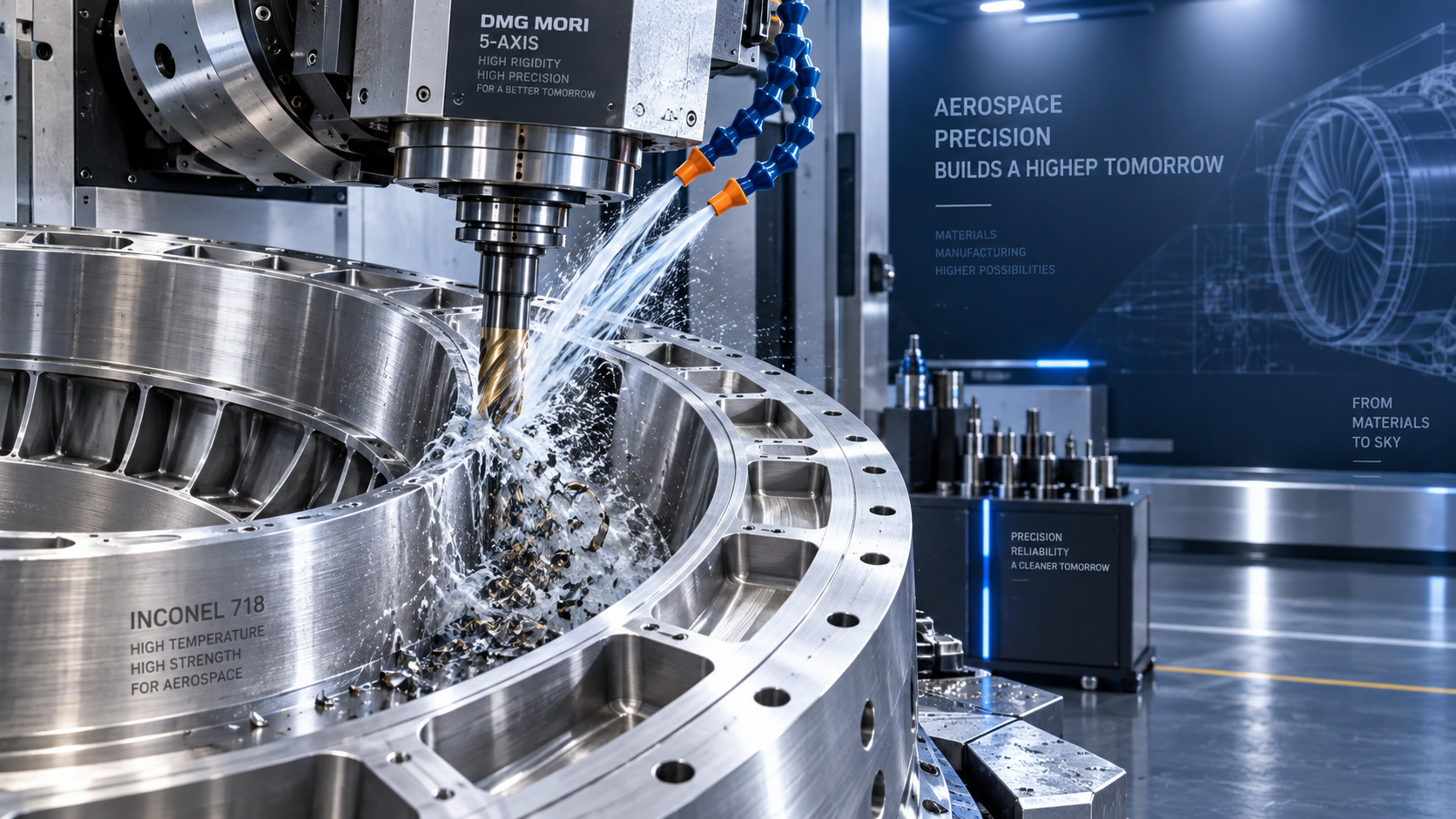
 Can CNC Machining Inconel Control Tool Wear in High-Temperature Aerospace Parts?CNC Machining Technology Center
 Machine Tool Market Outlook: Demand Drivers, Capacity Shifts, and Investment RisksManufacturing Market Research Center
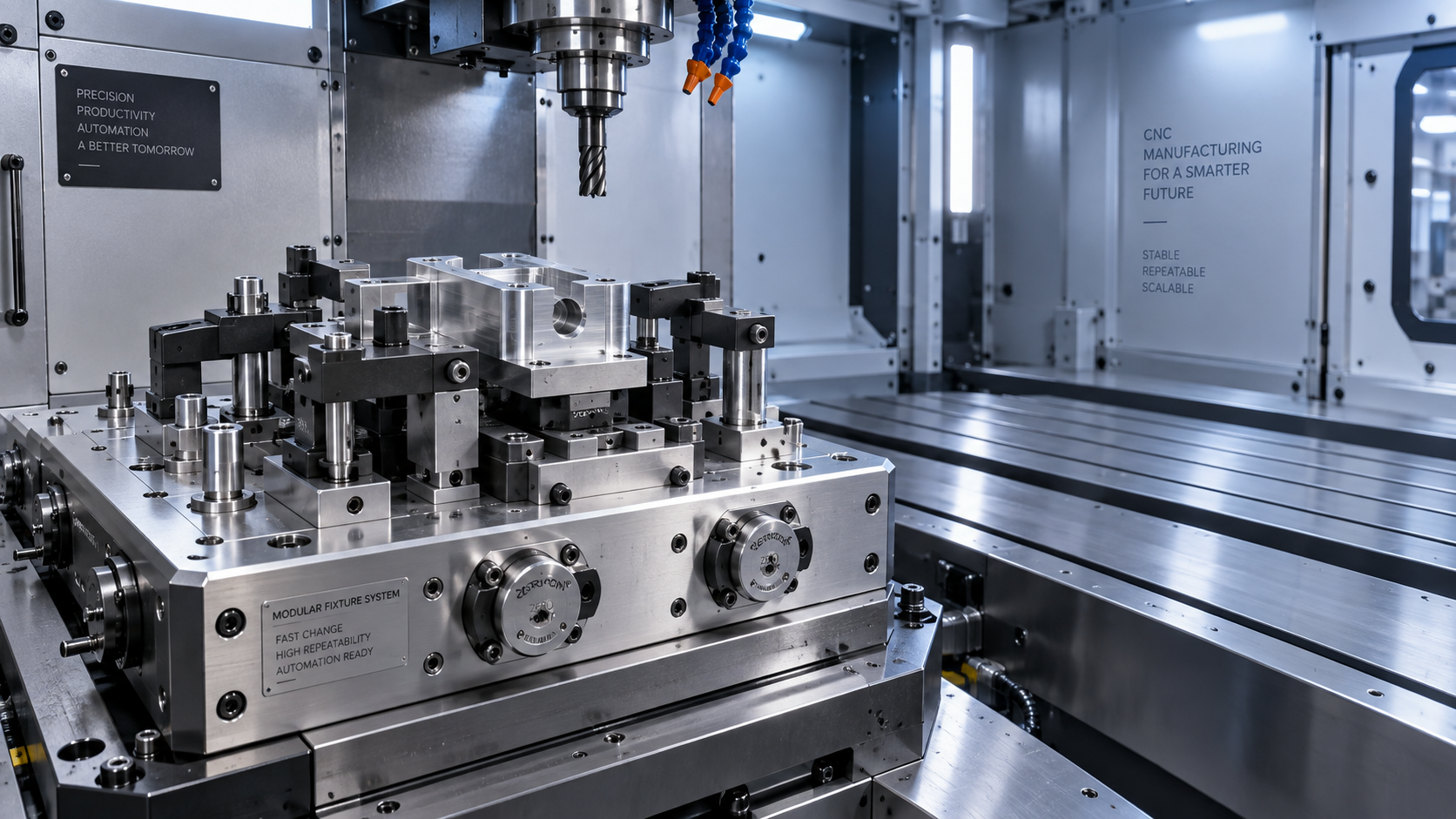
 Zero-Point Clamping or Modular Fixtures? Choosing a Faster CNC Changeover SystemCNC Machining Technology Center
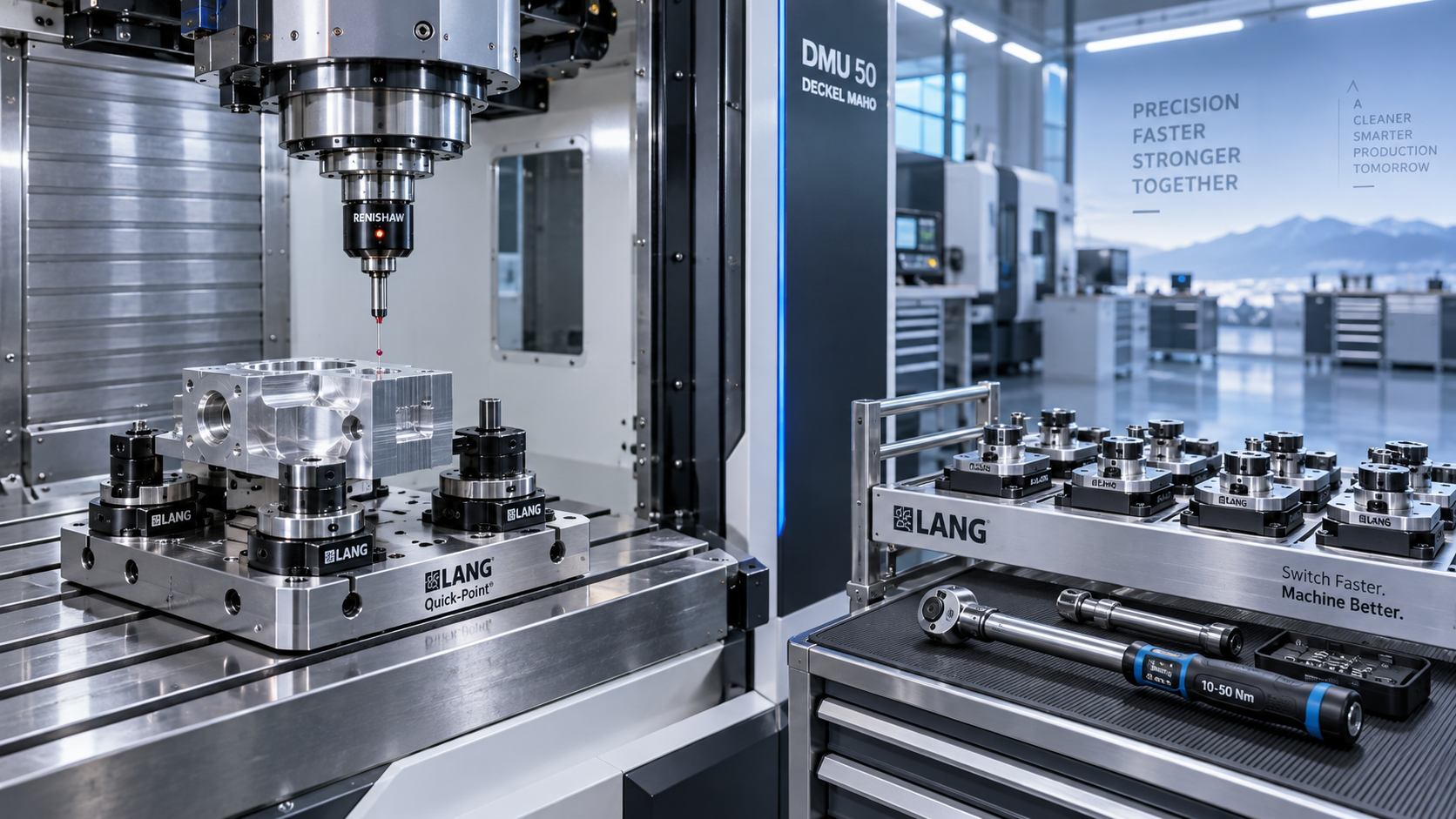
 How to Cut CNC Fixture Changeover Time Without Sacrificing Part AccuracyCNC Machining Technology Center
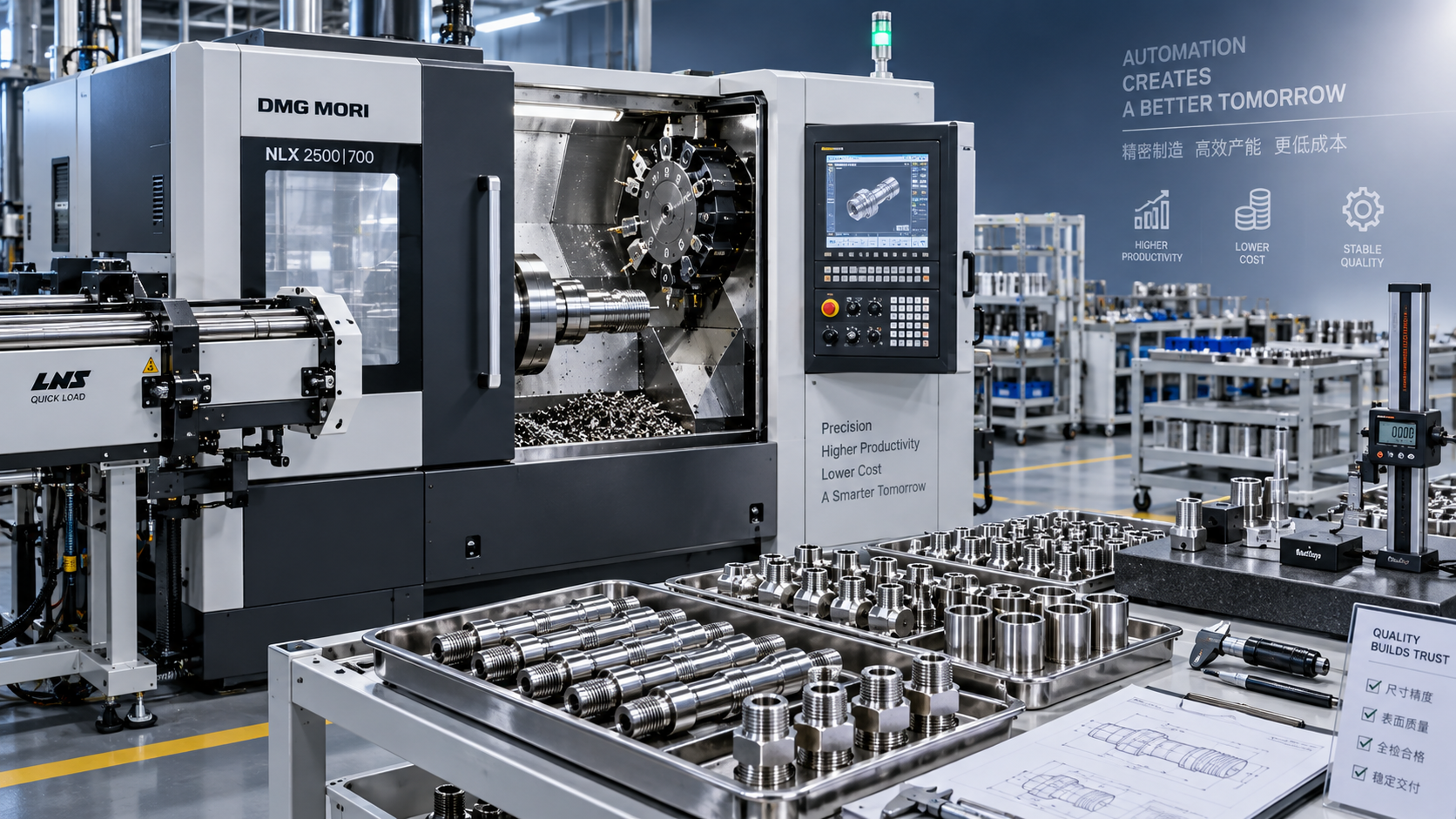
 When Does CNC Turning Pay Off? A Break-Even Guide by Annual Part VolumeMachine Tool Industry Editorial Team
 Machine Tool Standards by Country: What Importers Must Verify Before PurchaseManufacturing Policy Research Center



Aris Katos
Future of Carbide Coatings
15+ years in precision manufacturing systems. Specialized in high-speed milling and aerospace grade alloy processing.
▶
KATS Expands CE Recognition for CNC Clamping SystemsMachine Tool Industry Editorial Team▶
How to Evaluate a Tooling System for Precision Machining: 7 Key Specs That MatterMachine Tool Industry Editorial Team▶
ITC Opens 337 Probe Into Chinese CNC Tool CoatingsMachine Tool Industry Editorial Team▶
Vietnam Ends 5% Tariff on Chinese CNC Tool ImportsMachine Tool Industry Editorial Team▶
Japan Ends Import License Rule for Chinese Cutting ToolsMachine Tool Industry Editorial Team
Mastering 5-Axis Workholding Strategies
Join our technical panel on Nov 15th to learn about reducing vibrations in thin-wall components.

Providing you with integrated sanding solutions
Before-sales and after-sales services
Comprehensive technical support