• Global CNC market projected to reach $128B by 2028 • New EU trade regulations for precision tooling components • Aerospace deman
NYSE: CNC +1.2%LME: STEEL -0.4%

EU Sets CE-EMC+AI Certification Rule for CNC Exports

On August 10, 2026, the European Commission formally issued Regulation (EU) 2026/1447, introducing a new compliance requirement for CNC machine tools, machining centers, and automated production units exported to the EU. From October 1, 2026, these products must pass an added CE-EMC+AI certification module covering strengthened electromagnetic compatibility testing as well as explainability and security log audit requirements for embedded AI control systems. For exporters, importers, procurement teams, and certification-related service providers, this is worth close attention because it affects not only market access, but also documentation preparation, delivery timing, and customs clearance readiness.
What the New EU Requirement Formally Changes
The confirmed change is that Regulation (EU) 2026/1447 was officially released by the European Commission on August 10, 2026, and sets October 1, 2026 as the effective date for the new rule. Under this requirement, all CNC machine tools, machining centers, and automated production units exported to the EU must complete the additional CE-EMC+AI module certification. The scope of that module includes reinforced electromagnetic compatibility testing and compliance checks related to the explainability of embedded AI control systems and the auditing of security logs.
The event summary also makes clear that the rule directly affects delivery cycles and compliance costs for Chinese machine tool exporters. At the same time, overseas importers are expected to verify supplier certification status in advance in order to avoid customs clearance delays.
Where the Pressure Will Appear First in the Supply Chain
Export shipments may face a tighter pre-delivery compliance gate
From an industry perspective, exporters are the first group likely to feel the operational impact because the new certification requirement sits directly in front of EU market entry. The practical pressure point is not limited to product design; it also extends to testing arrangements, technical file preparation, and shipment scheduling. What deserves closer attention is whether products already planned for EU delivery can complete the added CE-EMC+AI process before shipment, since any gap between production completion and certification readiness may affect dispatch and handover timing.
Procurement and importing parties will need earlier supplier screening
For overseas buyers and importers, the main impact lies in supplier qualification review and order planning. Analysis shows that certification status is no longer just a background compliance issue; it becomes a transaction-critical condition tied to customs clearance risk. Buyers will need to pay closer attention to whether suppliers can provide evidence of conformity for the added module, especially when arranging orders with fixed delivery windows or contract-linked acceptance milestones.
Testing and certification workflows are likely to become a scheduling bottleneck
Certification-related service participants and internal compliance teams may also face pressure because the new requirement combines EMC reinforcement with AI-related review elements. Observably, that means the compliance path may involve more than one type of technical assessment and supporting record. Even without confirmed enforcement detail beyond the summary provided, companies should already treat testing slots, audit preparation, and document completeness as business-critical steps rather than late-stage formalities.
After-sales and traceability functions may need closer document alignment
For service teams supporting exported CNC equipment, the relevance comes from the explicit mention of embedded AI explainability and security log audit requirements. Analysis shows that once compliance expectations move beyond hardware-only testing, document retention, system traceability, and post-delivery support records may become more closely linked to customer review and dispute handling. This does not yet confirm a specific after-sales obligation beyond the published summary, but it is a clear signal that technical and service documentation should be managed more carefully.
What Companies Should Watch Before October 2026
Check which exported product lines fall into the new certification path
Companies shipping CNC machine tools, machining centers, or automated production units to the EU should first map which product lines are clearly within scope of the new rule. The immediate compliance question is not abstract policy awareness, but whether current and near-term export models will require updated certification arrangements before delivery.
Review technical files tied to EMC and embedded AI functions
Analysis shows that technical documentation is likely to become a central work item. Businesses should pay particular attention to whether existing materials are sufficient for reinforced EMC testing and for demonstrating explainability and security log audit readiness in embedded AI control systems. Because no further execution detail is provided in the input, this should be understood as a compliance preparation priority rather than a statement that a fixed document format has already been confirmed.
Reassess delivery calendars and procurement commitments
The summary directly indicates an effect on delivery cycles and compliance costs, so order execution plans deserve immediate review. Exporters and buyers should look at projects scheduled around or after October 1, 2026 and check whether certification timing could affect production release, shipment booking, acceptance arrangements, or customs planning. For procurement teams, supplier qualification should be reviewed early enough to avoid discovering certification gaps only at dispatch stage.
Continue tracking how the rule is applied in practice
What deserves closer attention is the follow-on interpretation of the new requirement in real transactions. Companies should monitor how certification language appears in commercial documents, technical specifications, and supplier qualification checks. Since the input does not provide detailed enforcement guidance, businesses should avoid treating any one internal assumption as final and instead keep watching for clearer execution wording and market practice.
Why This Reads as a Real Execution Signal
Observably, this is more than a general policy discussion because the event includes a formal regulation number, a published date, an effective date, and a defined product scope. That makes it more appropriate to understand the development as an implemented rule change with immediate planning relevance, especially for exporters and importers working on orders that will move close to or after the October 2026 threshold.
At the same time, analysis shows that the market still needs to watch how the requirement is interpreted in certification work, procurement review, and customs-facing documentation. The current information is sufficient to confirm that the compliance threshold is changing, but not sufficient to claim that all execution details are already settled.
How the Market Should Read the Change Now
The industry significance of this development lies in the fact that EU access for affected CNC equipment is now tied to an added certification layer that combines EMC reinforcement with AI-related compliance review. For companies already active in EU-bound machine tool trade, this should be read as a concrete compliance and delivery planning issue rather than a distant policy signal.
A neutral reading is that the rule has clearly entered the implementation stage, while its practical application still deserves continued observation. The most reasonable approach at this point is to treat certification readiness, supplier status verification, and document preparation as near-term priorities, without overstating outcomes that have not yet been confirmed.
Basis of This Article and What Still Needs Verification
This article is based on the user-provided news title, event date, and event summary. For developments of this kind, commonly relevant source categories may include official announcements, releases by regulatory authorities, customs or trade administration information, industry association notices, standard-setting documents, and reporting by authoritative media.
No specific official source link was provided in the input, so the exact official reference path still requires follow-up verification. Observably, the areas that remain worth tracking include detailed policy interpretation, certification application standards, wording changes in tender or procurement documents, market feedback from importers and exporters, and how companies execute the requirement in actual delivery arrangements.
Recommended for You
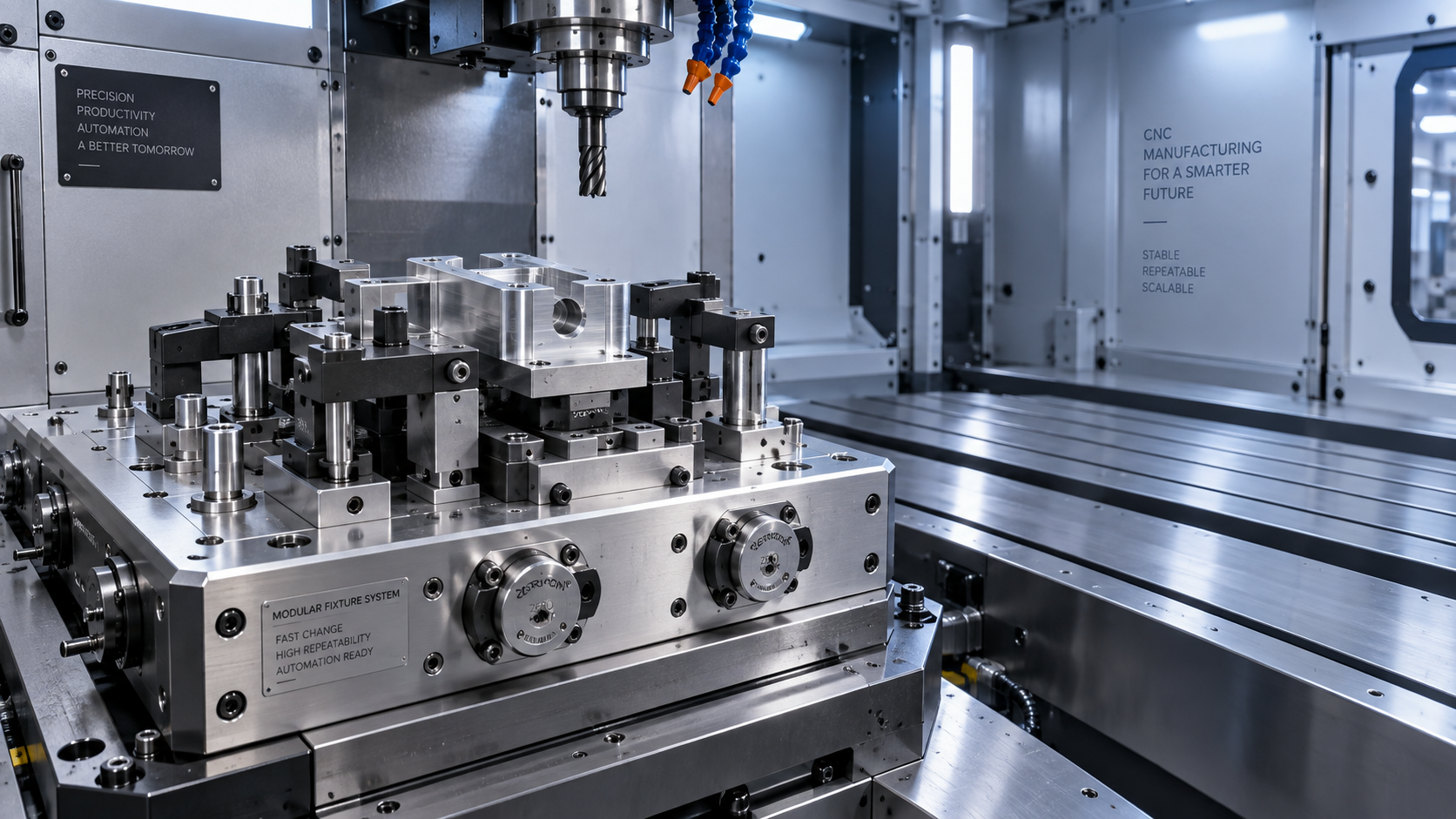
 Zero-Point Clamping or Modular Fixtures? Choosing a Faster CNC Changeover SystemCNC Machining Technology Center
 How to Cut CNC Fixture Changeover Time Without Sacrificing Part AccuracyCNC Machining Technology Center
 When Does CNC Turning Pay Off? A Break-Even Guide by Annual Part VolumeMachine Tool Industry Editorial Team
 Machine Tool Standards by Country: What Importers Must Verify Before PurchaseManufacturing Policy Research Center
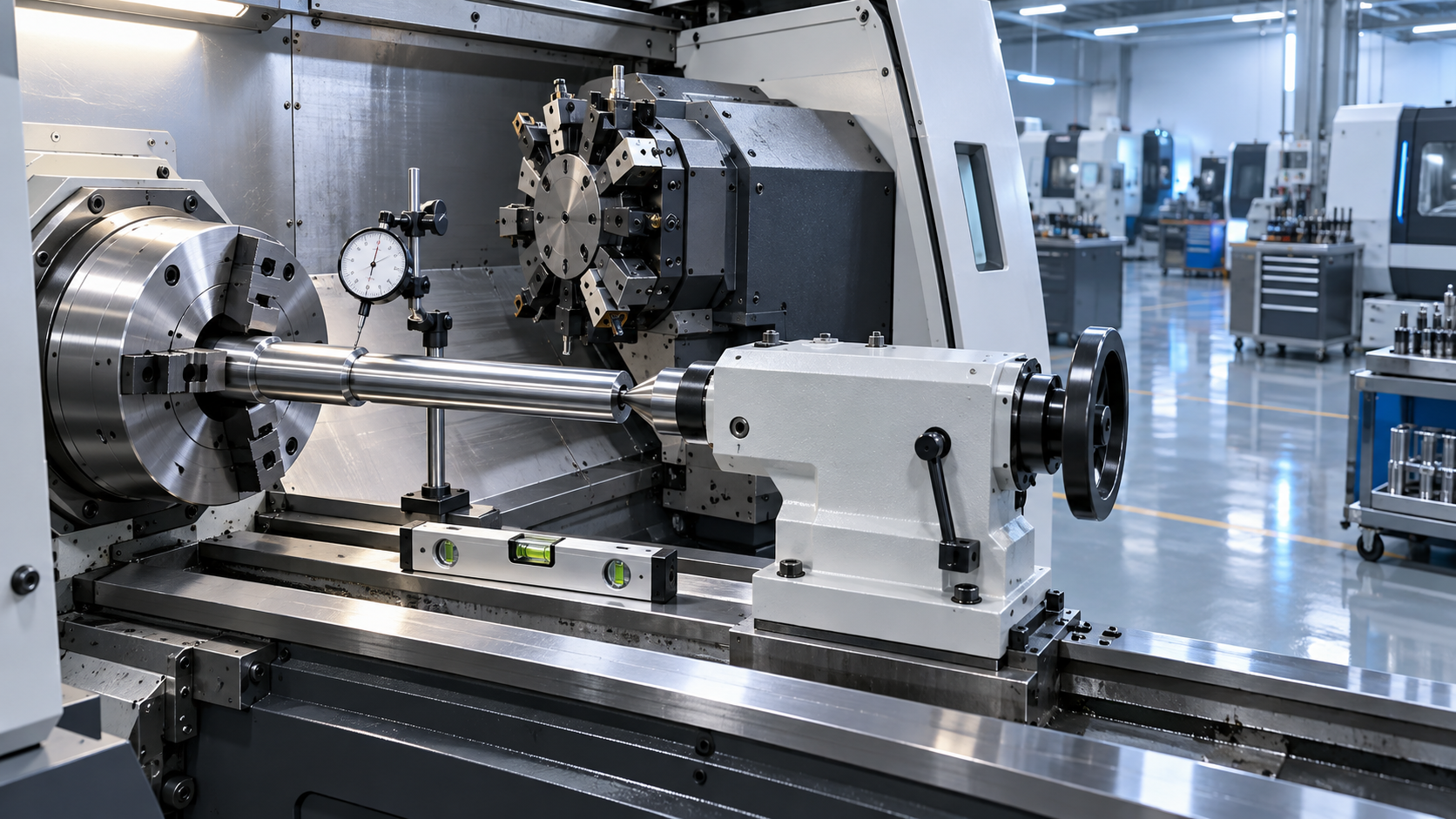
 CNC Lathe Quick Installation Guide: Alignment Checks Before First Production RunCNC Machining Technology Center
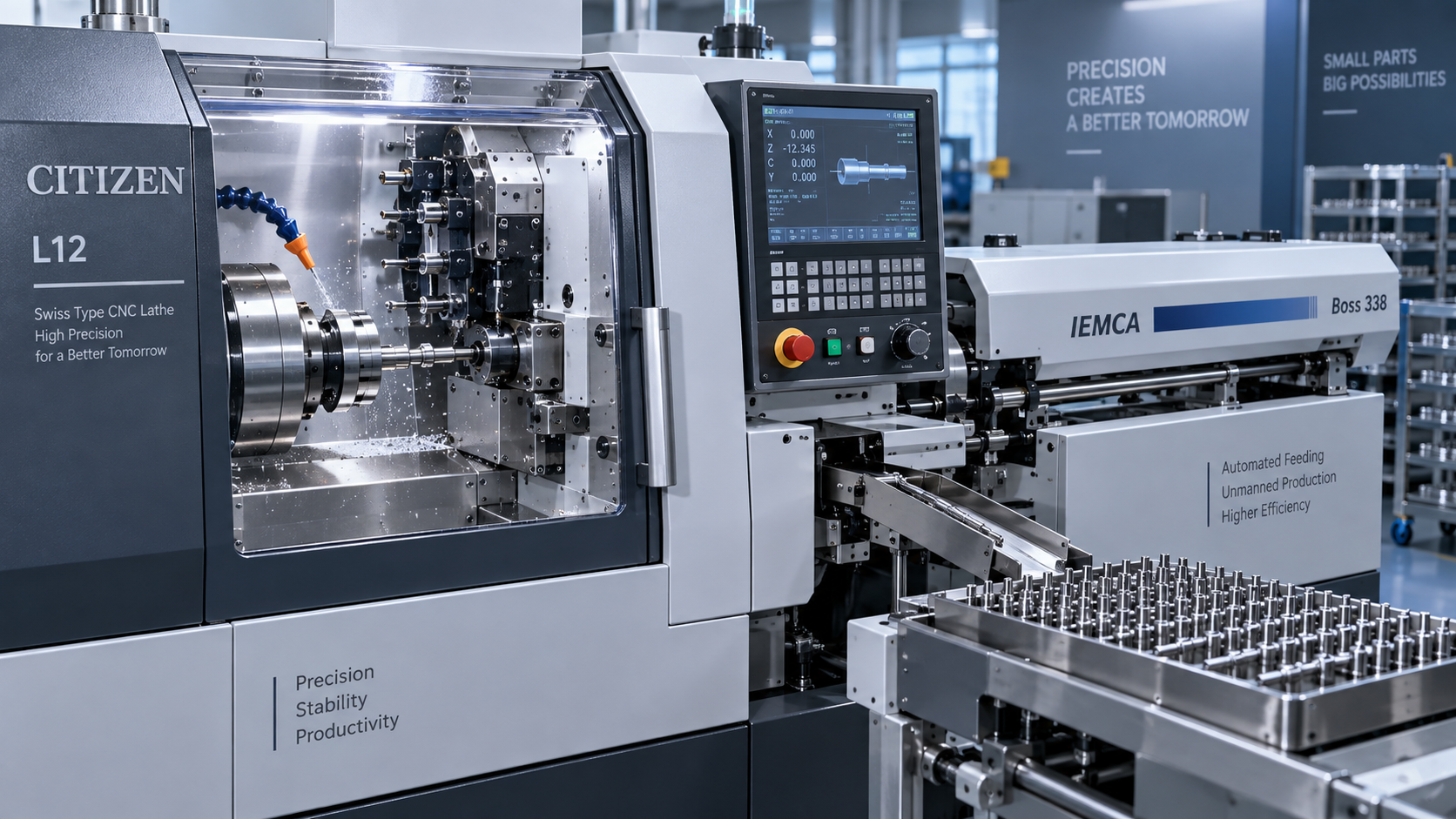
 How to Select a CNC Lathe for Small Parts Without Sacrificing Accuracy or Cycle TimeCNC Machining Technology Center




Aris Katos
Future of Carbide Coatings
15+ years in precision manufacturing systems. Specialized in high-speed milling and aerospace grade alloy processing.
▶
Machine Tool Standards by Country: What Importers Must Verify Before PurchaseManufacturing Policy Research Center▶
EU Sets CE-EMC+AI Certification Rule for CNC ExportsManufacturing Policy Research Center▶
EU Rule Update Raises CNC Safety Certification BarManufacturing Policy Research Center▶
U.S. Tightens Reviews for China CNC ExportsManufacturing Policy Research Center▶
EU Tightens CNC Export Compliance from October 2026Manufacturing Policy Research Center
Mastering 5-Axis Workholding Strategies
Join our technical panel on Nov 15th to learn about reducing vibrations in thin-wall components.

Providing you with integrated sanding solutions
Before-sales and after-sales services
Comprehensive technical support