• Global CNC market projected to reach $128B by 2028 • New EU trade regulations for precision tooling components • Aerospace deman
NYSE: CNC +1.2%LME: STEEL -0.4%

JIS B 6336-2:2026 Drops Warm-up Exemption for CNC Lathe Accuracy Tests

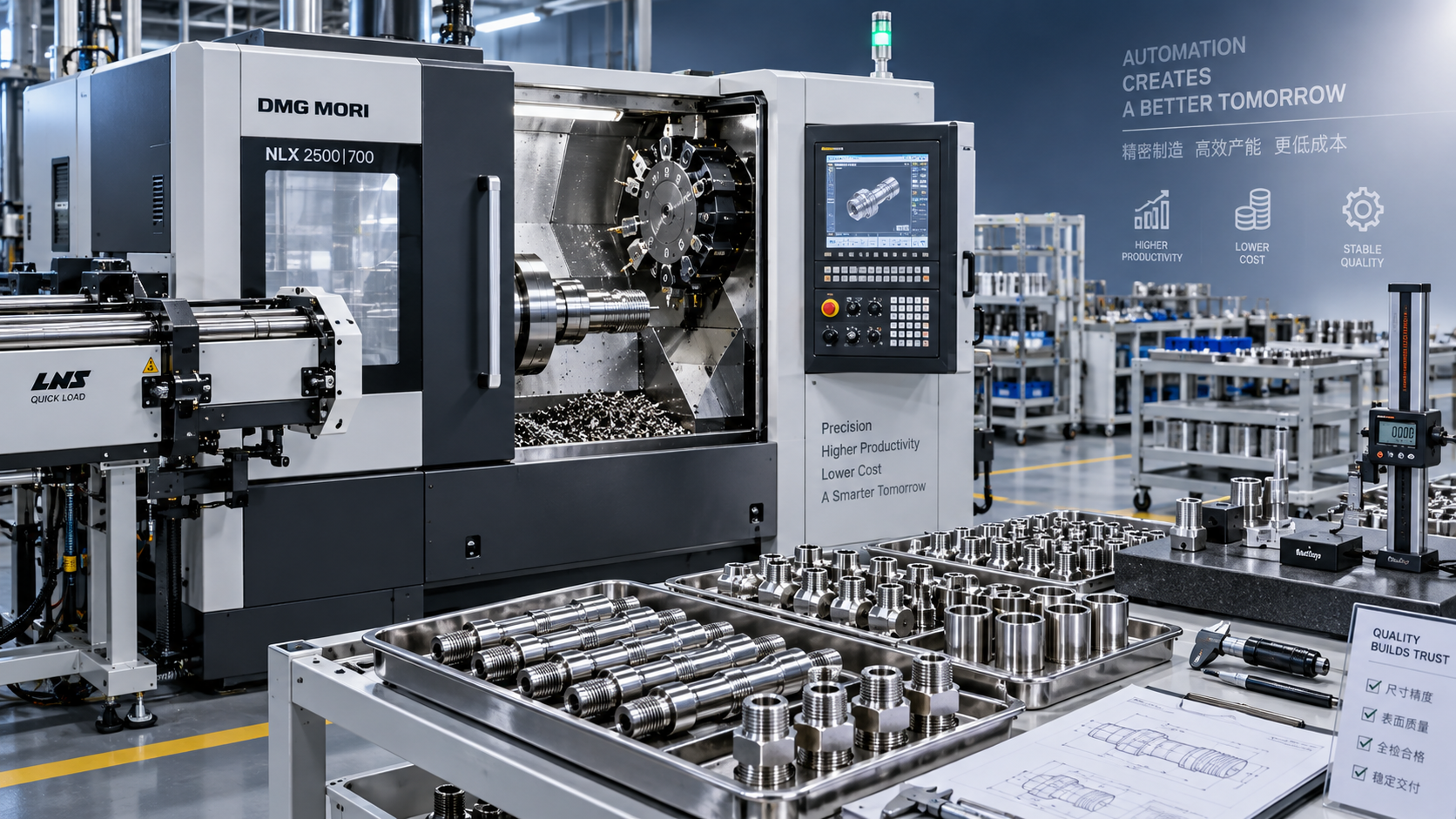
On May 10, 2026, the Japanese Industrial Standards Committee (JISC) released JIS B 6336-2:2026, revising the testing protocol for positioning accuracy of CNC lathes. The update eliminates the prior exemption allowing manufacturers to skip the 30-minute warm-up period before testing — mandating full thermal-cycle evaluation per ISO 230-2. This change directly affects China’s mid-to-high-end CNC lathe exporters targeting the Japanese market, increasing their certification time and cost by approximately 22%.
Event Overview
The Japanese Industrial Standards Committee (JISC) officially published JIS B 6336-2:2026 on May 10, 2026. The revised standard removes Clause 5.2.1 of the 2018 edition, which permitted omission of the 30-minute machine warm-up prior to positioning accuracy testing under specified ambient conditions. Under the new version, all positioning accuracy tests must be conducted in thermal equilibrium state, following the full test sequence defined in ISO 230-2:2014.
Industries Affected
Direct Exporters (China-based CNC lathe OEMs and ODMs): These firms face immediate compliance pressure when exporting to Japan. The elimination of the warm-up exemption extends test duration per unit and requires additional environmental monitoring equipment and operator training. Certification lead time increases by ~22%, raising both direct lab fees and opportunity costs during validation cycles.
Raw Material & Component Suppliers: Suppliers providing precision guideways, ball screws, or thermal-compensation sensors to Chinese lathe makers may see modest demand shifts. While not directly regulated, their components’ thermal stability becomes more critical under stricter thermal-state testing — prompting early technical alignment requests from downstream OEMs.
Machining & Contract Manufacturing Firms: Domestic Chinese job shops using imported JIS-compliant lathes are unaffected by export requirements but may experience longer machine qualification intervals if importing new units post-2026. Internal acceptance testing protocols may need revision to reflect updated thermal-state expectations, especially for high-tolerance aerospace or medical parts.
Supply Chain Service Providers (Testing Labs, Certification Bodies, Technical Consultants): Third-party labs accredited for JIS testing must revalidate their ISO 230-2 implementation, including thermal soak documentation and environmental logging. Demand for JIS-specific training and audit support is expected to rise, particularly among Chinese labs seeking JISC recognition.
Key Considerations and Response Measures
Reassess pre-shipment test planning
Exporters should allocate additional 1.5–2 hours per unit for mandatory thermal stabilization and data logging. This impacts batch scheduling and delivery commitments — especially for just-in-time deliveries to Japanese Tier-1 automotive suppliers.
Verify supplier compliance upstream
OEMs must confirm that key subsystem vendors (e.g., CNC control integrators, spindle manufacturers) have validated thermal behavior across operating temperature ranges. Component-level thermal drift data may now be required during type approval submissions.
Update internal quality documentation
Quality manuals, test reports, and calibration records must explicitly reference JIS B 6336-2:2026 and include evidence of thermal equilibrium (e.g., spindle bearing temperature logs, ambient chamber stability records), not just positional error values.
Editorial Perspective / Industry Observation
Analysis shows this revision reflects a broader trend toward harmonizing national standards with ISO thermal performance benchmarks — not merely tightening compliance, but shifting emphasis from static accuracy to operational reliability. Observably, Japan’s move precedes anticipated updates to EU Machinery Regulation Annex II requirements on thermal stability, suggesting regional regulatory convergence. From an industry perspective, the 22% cost/time impact is likely underestimated for smaller exporters lacking in-house metrology labs — where outsourcing may push effective cost increases closer to 30–35%. Current data does not yet indicate whether JISC plans transitional allowances; that remains a key variable for near-term planning.
Conclusion
This revision signals a maturing phase in global precision machine tool regulation — where dimensional accuracy is no longer assessed in isolation, but as one outcome of thermally robust system design and process discipline. For Chinese manufacturers, adapting to JIS B 6336-2:2026 is less about passing a test and more about embedding thermal-awareness into R&D, production, and quality infrastructure. A rational interpretation is that the standard functions as both a trade gate and a catalyst for engineering maturity.
Source Attribution
Official publication: Japanese Industrial Standards Committee (JISC), JIS B 6336-2:2026 — Test code for numerically controlled turning machines — Part 2: Determination of accuracy of positioning, repeatability and backlash of axes, issued May 10, 2026. Full text available via JISC Web Portal (https://www.jisc.go.jp). Note: JISC has not announced a formal transition period or grandfathering clause; status remains under observation.
PREVIOUS ARTICLE
Recommended for You
 How to Select CNC Equipment for High-Mix, Low-Volume ProductionCNC Machining Technology Center
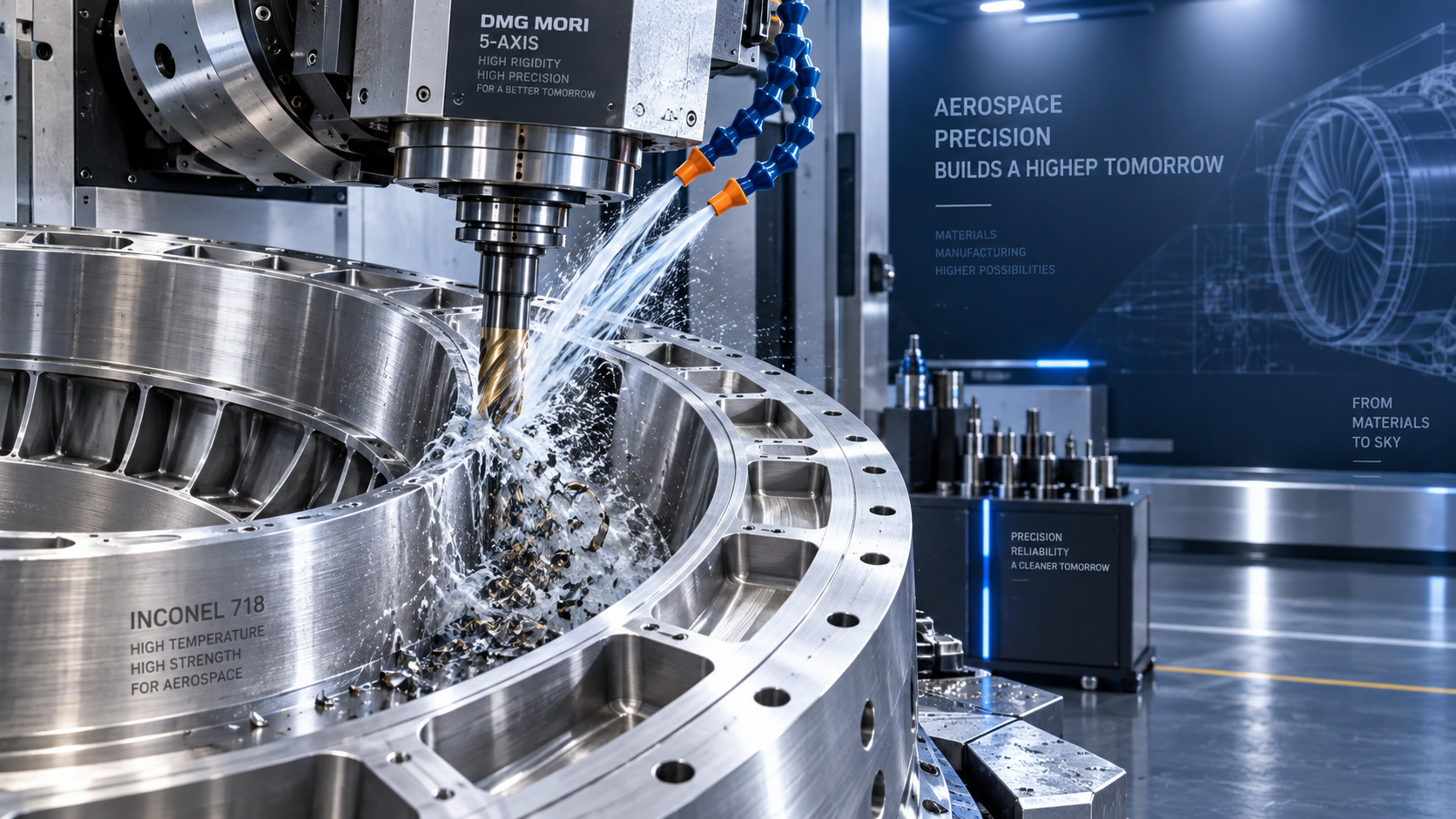
 Can CNC Machining Inconel Control Tool Wear in High-Temperature Aerospace Parts?CNC Machining Technology Center
 Machine Tool Market Outlook: Demand Drivers, Capacity Shifts, and Investment RisksManufacturing Market Research Center
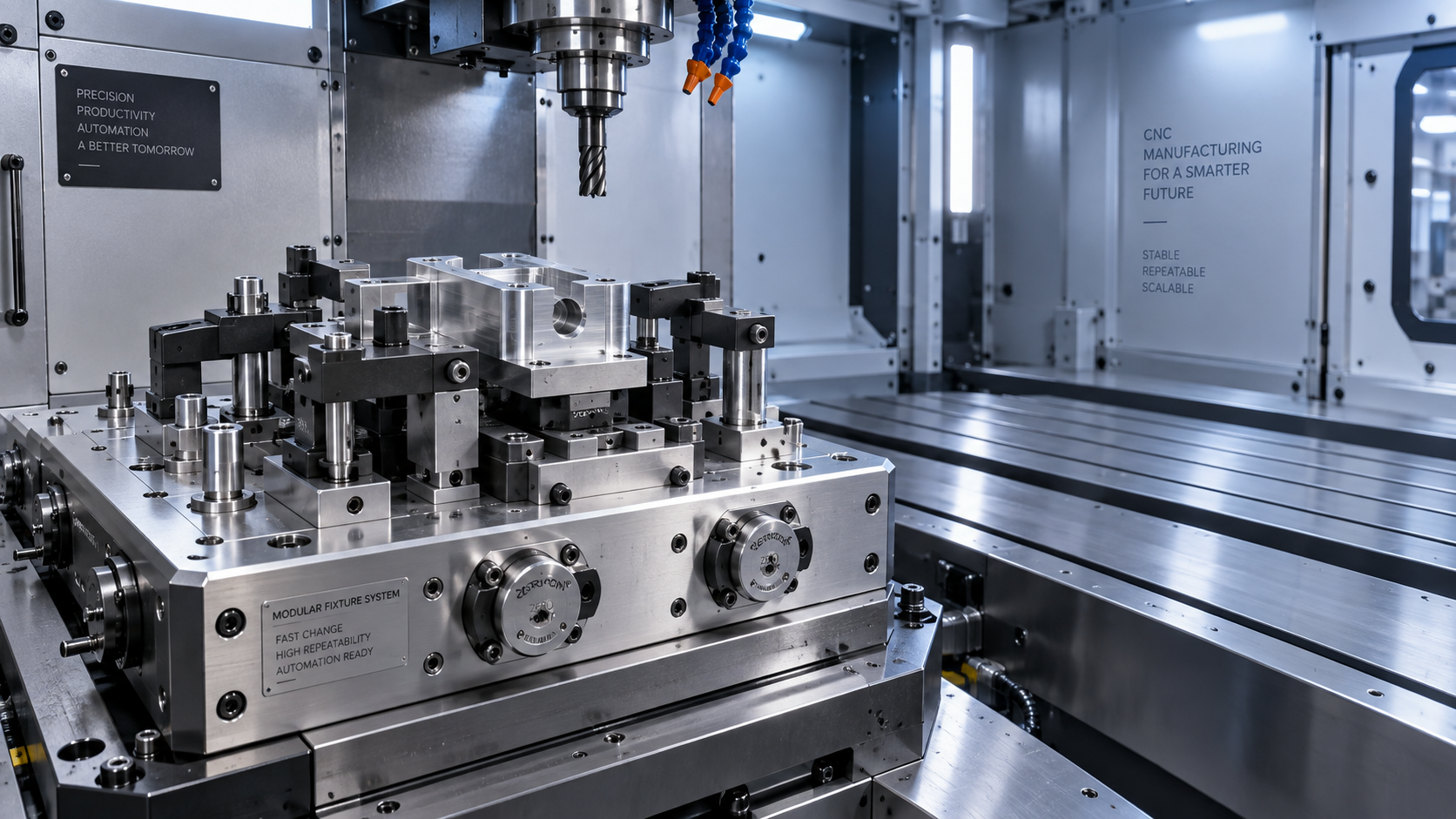
 Zero-Point Clamping or Modular Fixtures? Choosing a Faster CNC Changeover SystemCNC Machining Technology Center
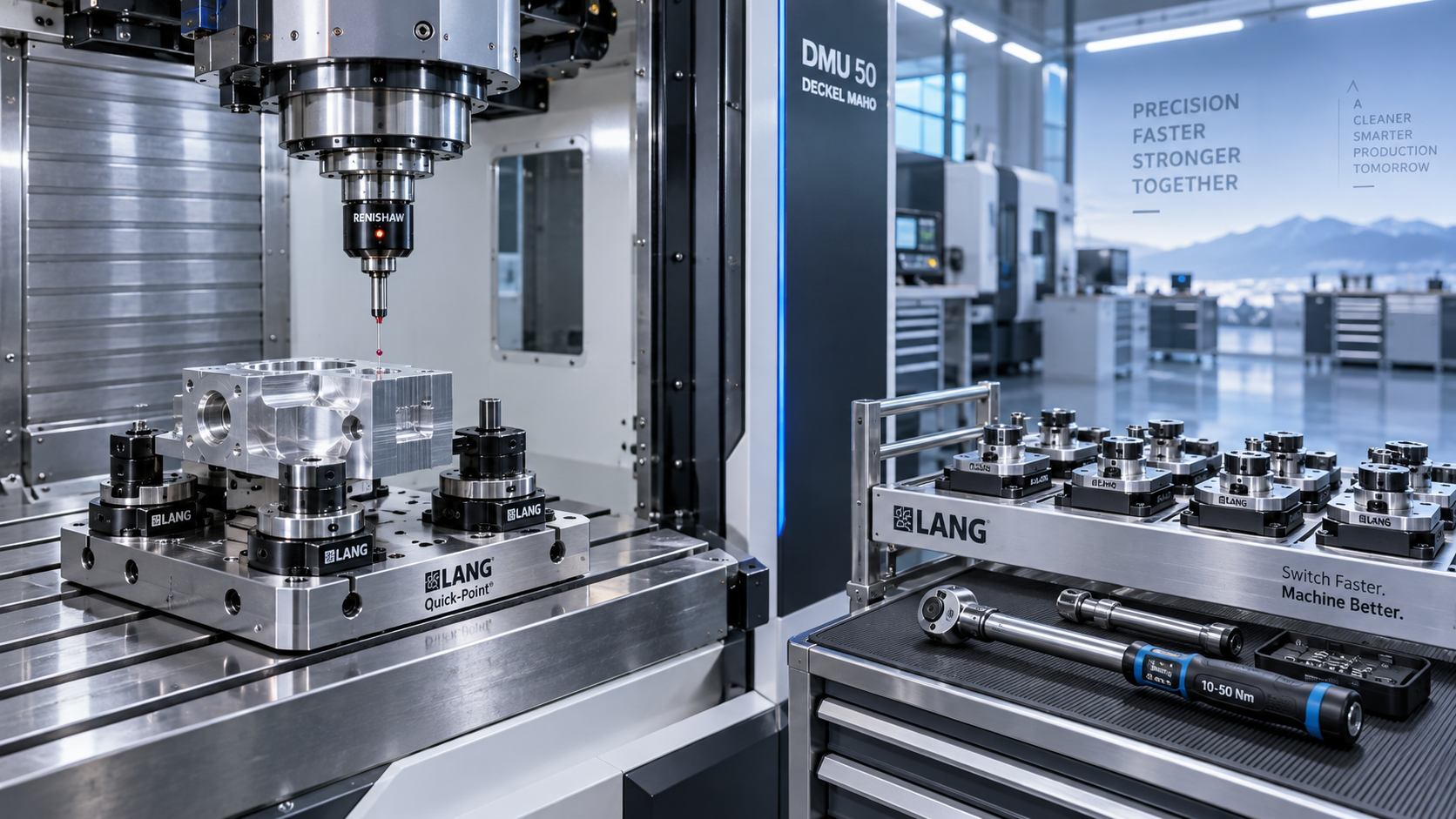
 How to Cut CNC Fixture Changeover Time Without Sacrificing Part AccuracyCNC Machining Technology Center
 When Does CNC Turning Pay Off? A Break-Even Guide by Annual Part VolumeMachine Tool Industry Editorial Team


Aris Katos
Future of Carbide Coatings
15+ years in precision manufacturing systems. Specialized in high-speed milling and aerospace grade alloy processing.
▶
How to Compare Machine Tools for Small-Batch vs Mass Production JobsMachine Tool Industry Editorial Team▶
Multi-Axis Machine Tool Selection Guide: Travel, Spindle, Accuracy, and Control SystemMachine Tool Industry Editorial Team▶
How to Evaluate Precision Equipment for Tight-Tolerance Parts and Stable OutputMachine Tool Industry Editorial Team▶
KATS Tightens CNC Grinder Import Test RulesMachine Tool Industry Editorial Team▶
Precision Lathe Types Compared: Swiss-Type, Slant Bed, and Flat Bed DifferencesMachine Tool Industry Editorial Team
Mastering 5-Axis Workholding Strategies
Join our technical panel on Nov 15th to learn about reducing vibrations in thin-wall components.

Providing you with integrated sanding solutions
Before-sales and after-sales services
Comprehensive technical support