• Global CNC market projected to reach $128B by 2028 • New EU trade regulations for precision tooling components • Aerospace deman
NYSE: CNC +1.2%LME: STEEL -0.4%

World's First 800V HVDC Compute-Power Co-Verification Platform Operational

On May 12, 2026, the China Academy of Information and Communications Technology (CAICT) Tai’er Laboratory announced the commissioning of the world’s first 800V high-voltage direct current (HVDC) compute-power co-verification platform in Dongguan. This milestone establishes a foundational infrastructure for validating green electricity integration with high-performance industrial equipment—particularly in precision manufacturing sectors increasingly subject to carbon accountability and energy efficiency mandates.
Event Overview
On May 12, 2026, CAICT Tai’er Laboratory announced the operational launch of the ‘800V HVDC Compute-Power Co-Verification Platform’ in Dongguan. The platform enables real-world green electricity direct-supply testing for high-power CNC machining centers and laser cutting systems. It supports joint validation of energy efficiency, thermal management performance, and industrial communication protocols—including OPC UA over Time-Sensitive Networking (TSN). The facility is open for international预约 (scheduled access), and accommodates on-site audits aligned with ISO 50001 Energy Management Systems requirements.
Industries Affected
Direct trade enterprises: These firms—especially those exporting high-end machine tools or turnkey automation solutions to EU and North American markets—face tightening regulatory scrutiny on embedded carbon and energy sourcing transparency. The platform provides third-party-recognized verification evidence for green power usage, directly supporting compliance with upcoming CBAM-related reporting and product-level EPD (Environmental Product Declaration) requirements. Impact manifests in reduced pre-market certification lead time and strengthened technical credibility during tenders.
Raw material procurement enterprises: Suppliers of critical components such as high-efficiency motors, wide-bandgap (SiC/GaN) power modules, and liquid-cooled busbars are seeing accelerated demand validation cycles. Because the platform operates at 800V HVDC—distinct from legacy AC or low-voltage DC test environments—their components must demonstrate interoperability under sustained high-voltage, high-current, and dynamic load conditions. This shifts qualification criteria from static electrical specs toward system-level robustness and protocol-aware thermal response.
Manufacturing enterprises (OEMs and contract manufacturers): Companies deploying multi-axis CNC systems or fiber laser platforms now have access to a standardized, traceable environment to assess how green electricity supply affects process stability, tool wear consistency, and real-time control latency. Notably, the inclusion of OPC UA over TSN validation means that energy source changes no longer occur in isolation from motion control integrity—a previously unaddressed coupling point. Impact is most visible in R&D cycle compression and improved confidence in grid-interactive factory designs.
Supply chain service enterprises: Providers of energy-as-a-service (EaaS), industrial IoT integration, and ISO 50001 implementation support now possess an auditable reference point for linking energy procurement contracts (e.g., PPAs) with actual equipment-level consumption behavior. The platform enables them to move beyond theoretical energy modeling toward empirical correlation between renewable generation profiles and production line KPIs—enhancing value proposition differentiation in competitive bidding.
Key Focus Areas and Recommended Actions
Align internal validation roadmaps with HVDC-specific protocol stacks
Enterprises developing or integrating industrial controllers should prioritize compatibility testing with OPC UA over TSN under 800V HVDC supply conditions—not just nominal voltage tolerance. Protocol timing jitter, clock synchronization resilience, and deterministic packet delivery under variable green power input remain under-characterized; early engagement with the platform helps de-risk future certifications.
Reassess energy procurement strategies through an equipment-interoperability lens
Purchasing teams evaluating PPA structures or on-site solar/wind + storage deployments should incorporate verified equipment-level response data—not only kWh cost or carbon intensity. The platform reveals how voltage ripple, transient response, and ramp rates from intermittent sources affect spindle torque consistency or laser beam quality; this informs both contractual SLAs and buffer sizing decisions.
Prepare for ISO 50001 audit readiness with traceable green power linkage
Energy managers should treat the platform not merely as a test lab but as an extension of their energy monitoring infrastructure. Its capability to support on-site ISO 50001 audits implies that measurement uncertainty budgets, calibration traceability, and boundary definitions (e.g., whether converter losses are attributed to grid or load side) must be explicitly documented—well before scheduling.
Editorial Perspective / Industry Observation
Observably, this platform does not merely advance testing capability—it reframes the boundary between energy infrastructure and production engineering. Historically, ‘green electricity’ adoption in heavy industry was treated as a utility procurement decision. Now, with verifiable cause–effect chains between power quality parameters and machining accuracy emerging, energy becomes a controllable process variable. Analysis shows that early adopters will likely gain advantage not in headline decarbonization claims, but in demonstrable yield improvement and predictive maintenance fidelity under fluctuating supply conditions. From an industry perspective, the greater significance lies in standardizing what ‘green operation’ means at the machine level—shifting focus from kilowatt-hours to kilowatt-seconds of deterministic performance.
Conclusion
The operational launch of the 800V HVDC compute-power co-verification platform marks a structural inflection: it bridges policy-driven sustainability goals with granular, physics-based manufacturing constraints. Rather than signaling imminent regulatory enforcement, it better serves as a calibration point—enabling stakeholders across the industrial value chain to align technical development, procurement logic, and compliance strategy around measurable, repeatable, and internationally recognized benchmarks. Rational observation suggests its influence will grow not through mandate, but through demonstrated ROI in uptime, scrap reduction, and audit efficiency.
Source Attribution
Official announcement issued by CAICT Tai’er Laboratory on May 12, 2026. Verified via CAICT press release archive and platform technical specification sheet (v2.1, April 2026). Further details—including international access terms and protocol validation scope—are pending publication in the IEC TC 65/SC 65E Joint Working Group roadmap update (expected Q3 2026). Continuous observation recommended regarding expansion to include hydrogen-fuel-cell-coupled microgrid scenarios and cybersecurity validation modules.
PREVIOUS ARTICLE
Recommended for You
 How to Select CNC Equipment for High-Mix, Low-Volume ProductionCNC Machining Technology Center
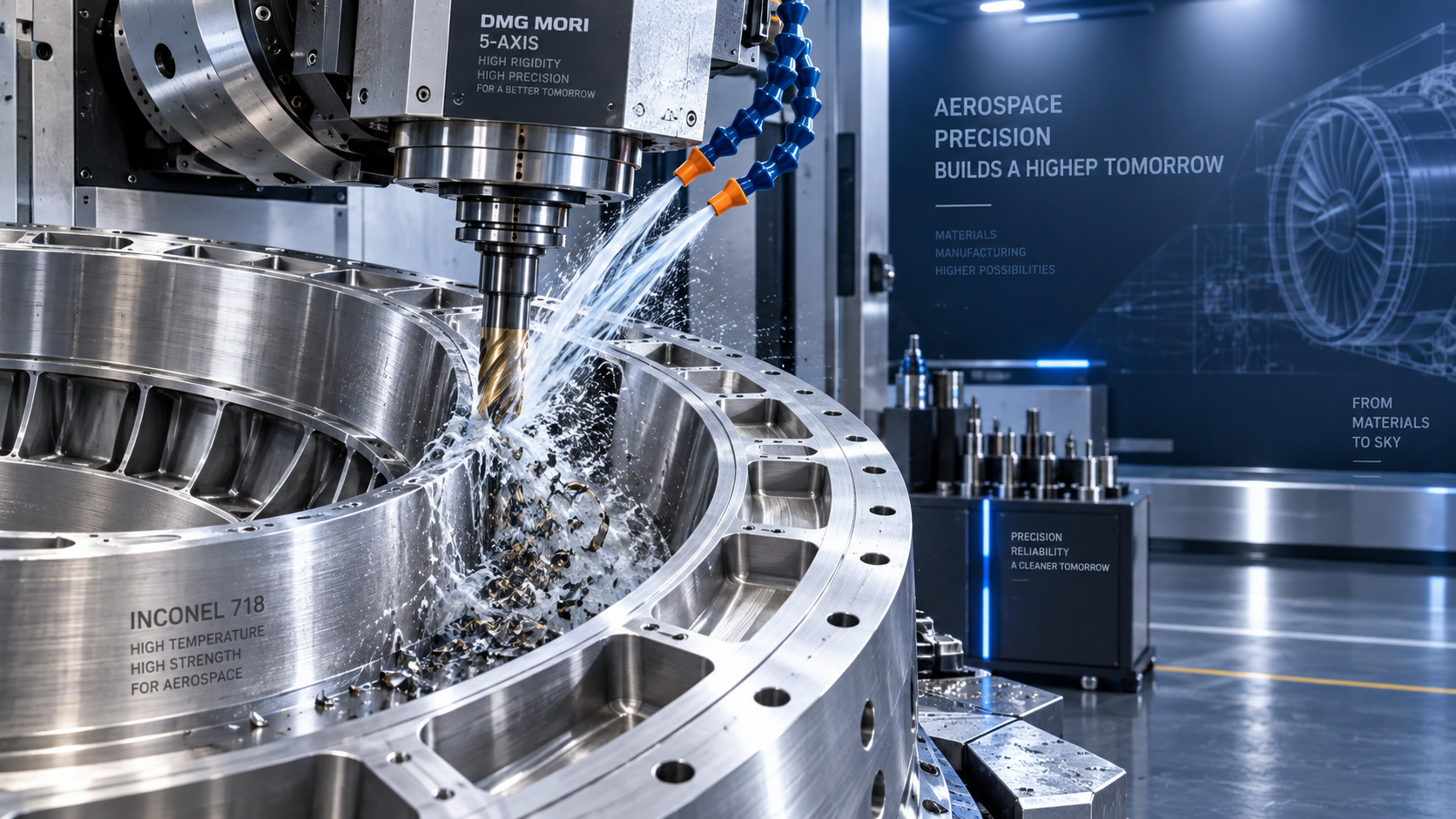
 Can CNC Machining Inconel Control Tool Wear in High-Temperature Aerospace Parts?CNC Machining Technology Center
 Machine Tool Market Outlook: Demand Drivers, Capacity Shifts, and Investment RisksManufacturing Market Research Center
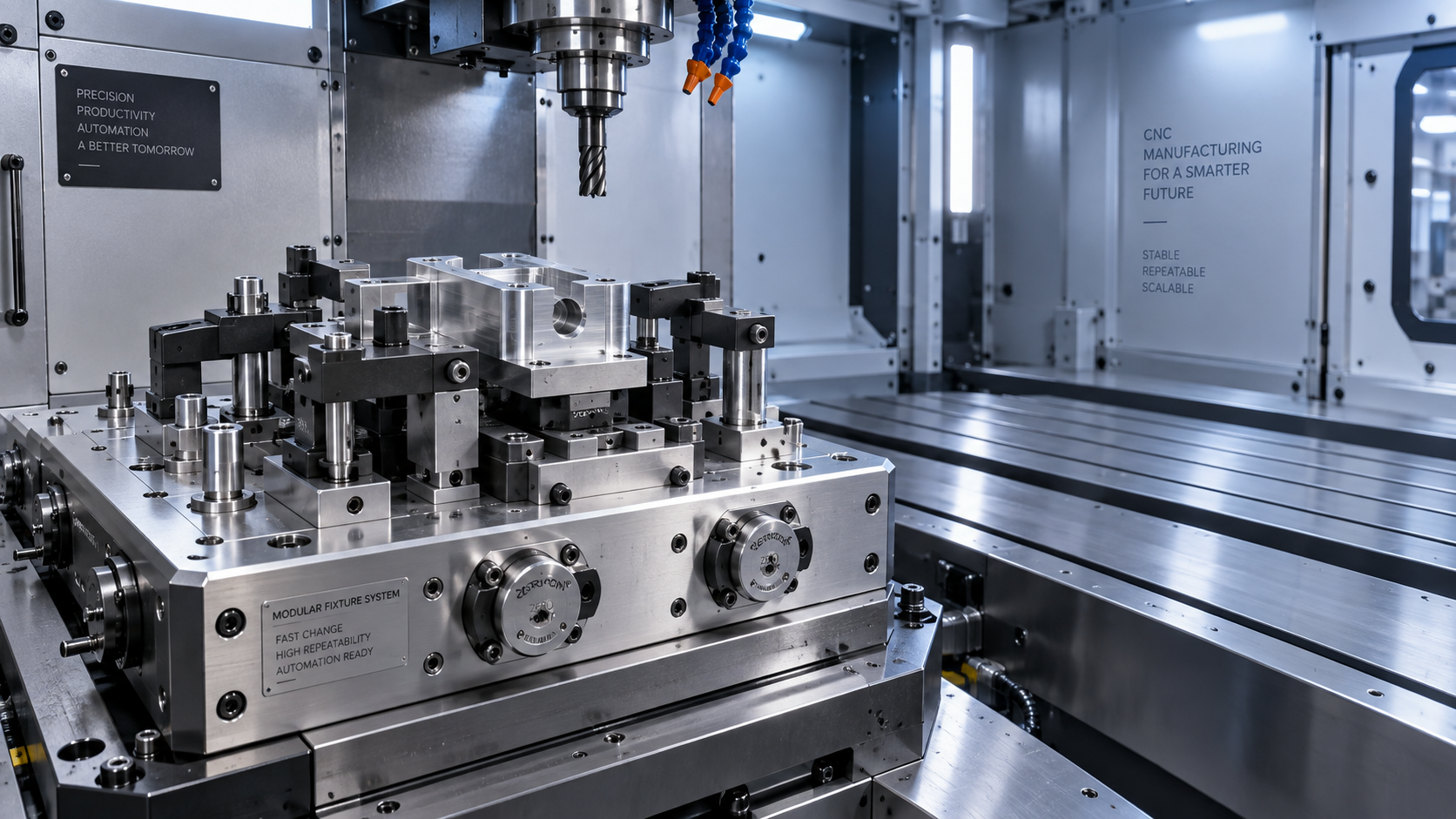
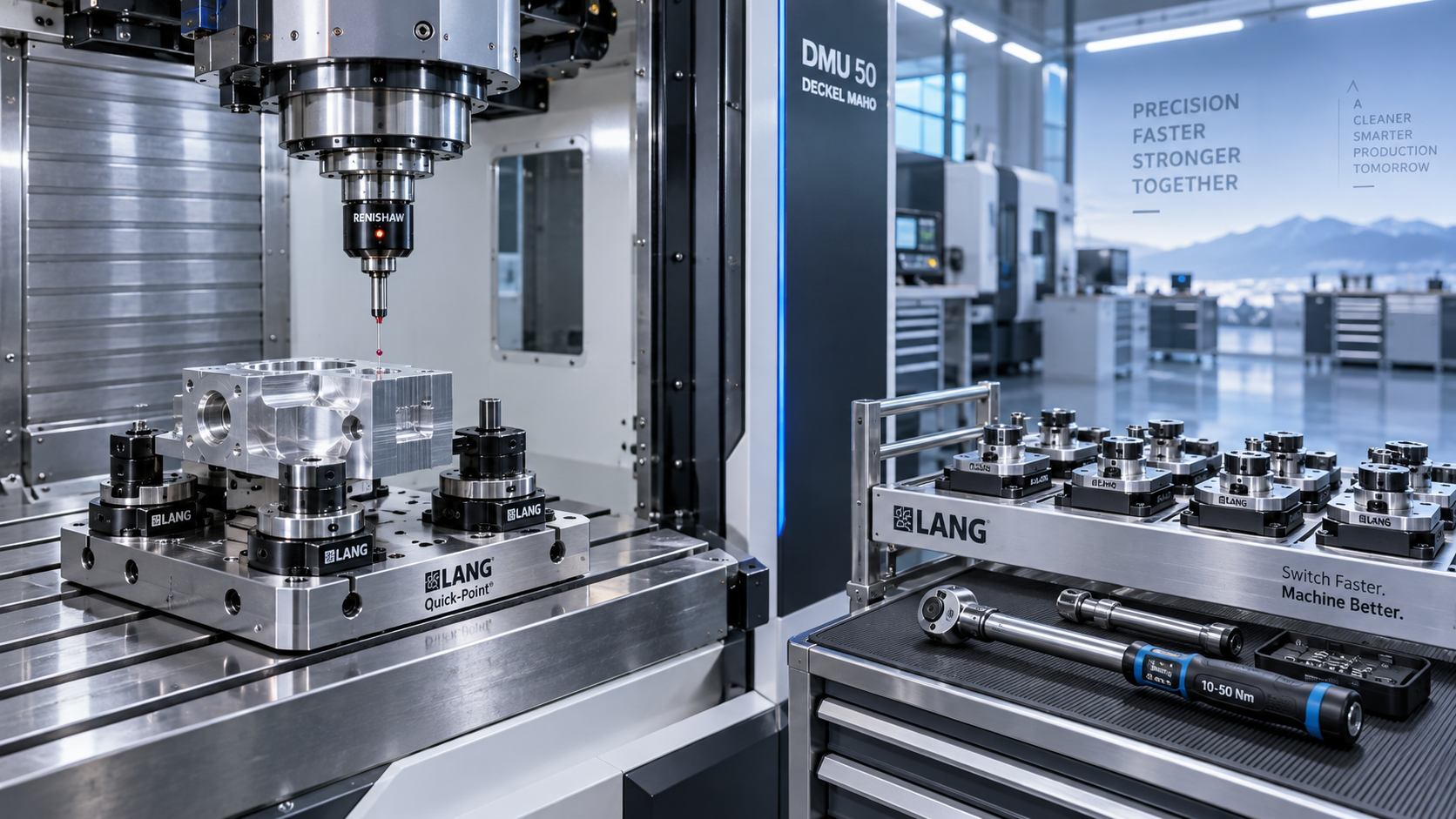
 Zero-Point Clamping or Modular Fixtures? Choosing a Faster CNC Changeover SystemCNC Machining Technology Center
 How to Cut CNC Fixture Changeover Time Without Sacrificing Part AccuracyCNC Machining Technology Center
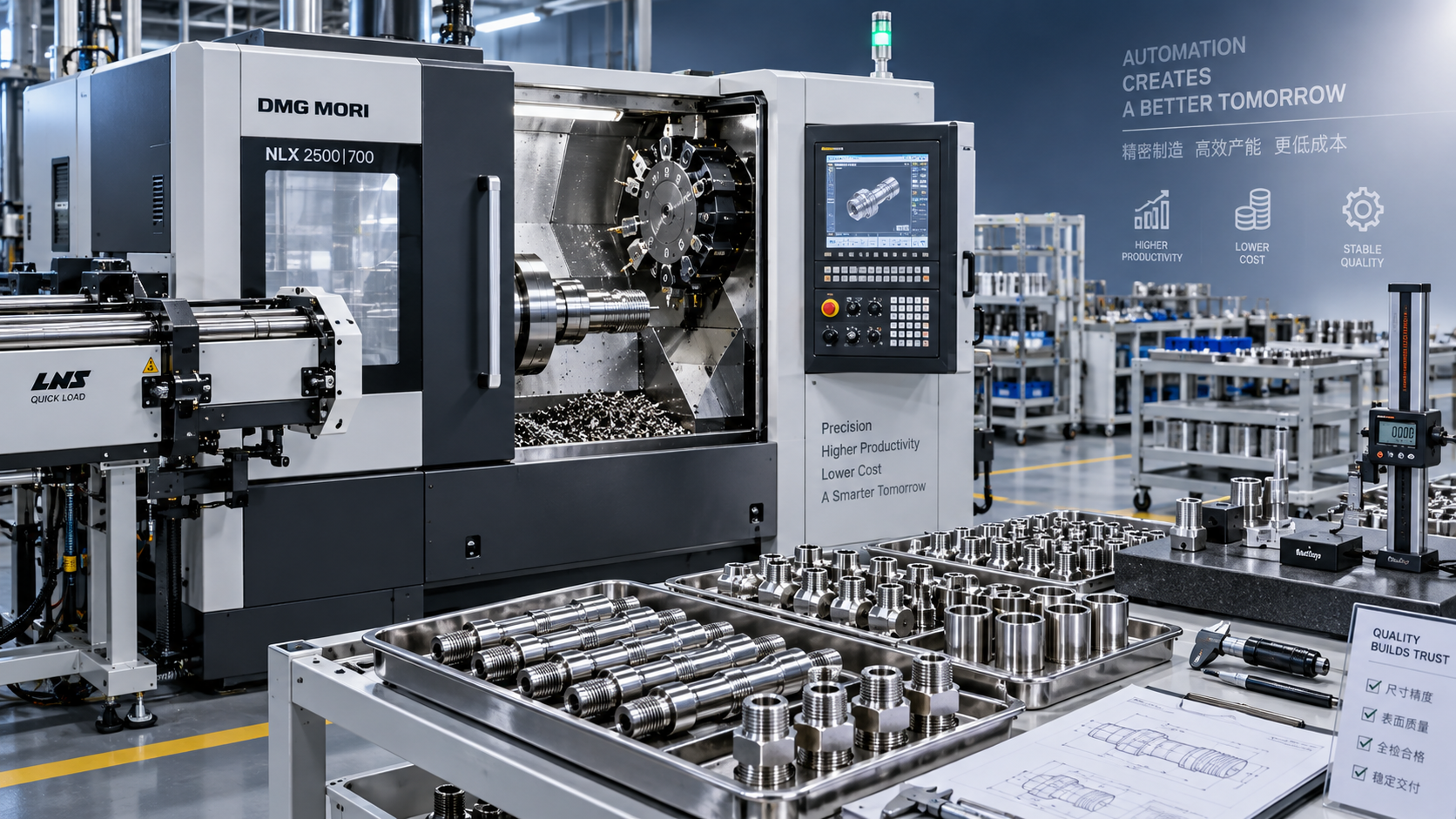
 When Does CNC Turning Pay Off? A Break-Even Guide by Annual Part VolumeMachine Tool Industry Editorial Team



Aris Katos
Future of Carbide Coatings
15+ years in precision manufacturing systems. Specialized in high-speed milling and aerospace grade alloy processing.
▶
Global Manufacturing Trends: How Supply Chains and Regional Shifts Affect SourcingManufacturing Market Research Center▶
Small-Batch Production and Smart Manufacturing for Small Businesses: Where to Start FirstManufacturing Market Research Center▶
What Smart Manufacturing Technology for Industry 4.0 Means for Mid-Sized FactoriesManufacturing Market Research Center▶
How Smart Manufacturing Benefits Reduce Downtime and Scrap in Metal Parts ProductionManufacturing Market Research Center▶
Advanced Manufacturing Technology for Energy Equipment: Key Processes and Use CasesManufacturing Market Research Center
Mastering 5-Axis Workholding Strategies
Join our technical panel on Nov 15th to learn about reducing vibrations in thin-wall components.

Providing you with integrated sanding solutions
Before-sales and after-sales services
Comprehensive technical support