• Global CNC market projected to reach $128B by 2028 • New EU trade regulations for precision tooling components • Aerospace deman
NYSE: CNC +1.2%LME: STEEL -0.4%

Luoyang Bearing IPO Approval to Ease CNC Spindle Bearing Shortage

On May 19, 2026, the Shenzhen Stock Exchange’s Listing Committee approved Luoyang Bearing Co., Ltd.’s initial public offering on the ChiNext market. As the only domestic bearing manufacturer hosting a State Key Laboratory in the field, the company’s planned production expansion—specifically, a new annual capacity of 500,000 high-precision electric spindle bearings—is expected to address persistent supply constraints affecting global CNC machine tool OEMs, particularly around lead time and batch consistency.
Event Overview
On May 19, 2026, the Listing Committee of the Shenzhen Stock Exchange approved Luoyang Bearing Co., Ltd.’s IPO application for listing on the ChiNext market. The company is the sole Chinese enterprise operating a State Key Laboratory focused on bearing technology. Its proposed fundraising will finance a new production line targeting 500,000 units per year of high-precision electric spindle bearings, with commissioning scheduled for Q2 2027.
Industries Affected
Direct Trading Enterprises
Import/export trading firms specializing in industrial bearings or CNC components face shifting dynamics: reduced reliance on imported high-end spindle bearings (notably from Japan and Germany) may compress arbitrage margins, while demand for domestic technical support services—such as specification alignment and after-sales validation—will likely increase. Their role may evolve from pure intermediaries toward value-added integration partners.
Raw Material Procurement Enterprises
Suppliers of specialty steel (e.g., vacuum-melted GCr15, M50NiL), ceramic rolling elements, and high-purity lubricants may see revised order patterns. Increased volume commitments from Luoyang Bearing—especially under long-term supply agreements tied to IPO-funded capex—could improve procurement predictability but also raise expectations for certification compliance (e.g., ISO 5841-3, ASTM A295) and traceability.
Manufacturing Enterprises (CNC Machine Tool OEMs & Tier-1 Subsystem Integrators)
CNC OEMs currently managing 18-week average lead times and yield-related rework for spindle assemblies stand to benefit operationally. However, transition risk remains: qualification cycles for new domestic bearings typically require 6–12 months of in-machine testing. Early engagement with Luoyang Bearing’s engineering team—particularly on preload matching, thermal drift profiles, and interface tolerancing—will be critical before full-scale adoption.
Supply Chain Service Providers
Logistics and customs brokers handling precision-bearing shipments may observe declining volumes of air-freighted imports from Asia-Pacific and EU hubs. Concurrently, demand for domestic bonded warehousing with climate-controlled staging (±1°C, <35% RH) and metrology-backed lot release documentation is expected to rise—especially among integrators requiring JIT delivery with zero-defect guarantees.
Key Considerations and Recommended Actions
Engage early in co-engineering initiatives
CNC OEMs should initiate joint development programs with Luoyang Bearing ahead of the Q2 2027 ramp-up—not merely for sample evaluation, but to co-define test protocols aligned with ISO 23751 (spindle bearing performance) and internal reliability targets (e.g., L10 life ≥ 20,000 hours).
Reassess dual-sourcing strategies
Procurement teams must weigh cost savings against qualification timelines. Maintaining at least one qualified foreign supplier during the 2027–2028 transition period remains advisable—not as a hedge against failure, but to preserve benchmarking rigor and avoid complacency in process control.
Update internal quality gate criteria
Manufacturers should revise incoming inspection checklists to include microstructure verification (carbide distribution per ASTM E1245), surface residual stress mapping (XRD), and dynamic runout measurement under simulated load conditions—standards previously applied only to premium imports.
Editorial Perspective / Industry Observation
Observably, this IPO approval signals more than a capital event—it reflects institutional recognition that bearing sovereignty is now embedded in national advanced manufacturing policy. However, capacity expansion alone does not guarantee substitution: historical data shows that only ~35% of newly launched high-precision bearing lines achieve Cpk ≥ 1.33 within 18 months of ramp-up. Analysis shows that Luoyang Bearing’s lab affiliation provides strong R&D leverage, yet its ability to scale process discipline across new production lines—and retain skilled metrologists amid regional talent competition—remains the decisive variable. From an industry perspective, this milestone is better understood as a necessary, but insufficient, condition for structural supply chain resilience.
Conclusion
The approval marks a concrete step toward reducing systemic vulnerability in high-precision motion control components. Yet the broader impact hinges less on headline产能 and more on how quickly ecosystem actors—from steel mills to machine builders—align specifications, testing standards, and commercial terms. A rational observation is that near-term gains will be incremental and highly application-specific; sustained improvement requires coordinated upgrades across materials science, precision machining, and metrology infrastructure—not just equity financing.
Source Attribution
Official records: Shenzhen Stock Exchange Listing Committee Meeting Minutes (May 19, 2026); Luoyang Bearing Co., Ltd. Pre-IPO Prospectus (Filing No. SZSE-CNX-2026-047). Note: Final production yield data, customer qualification status, and export licensing scope remain pending disclosure and are subject to ongoing monitoring.
Recommended for You
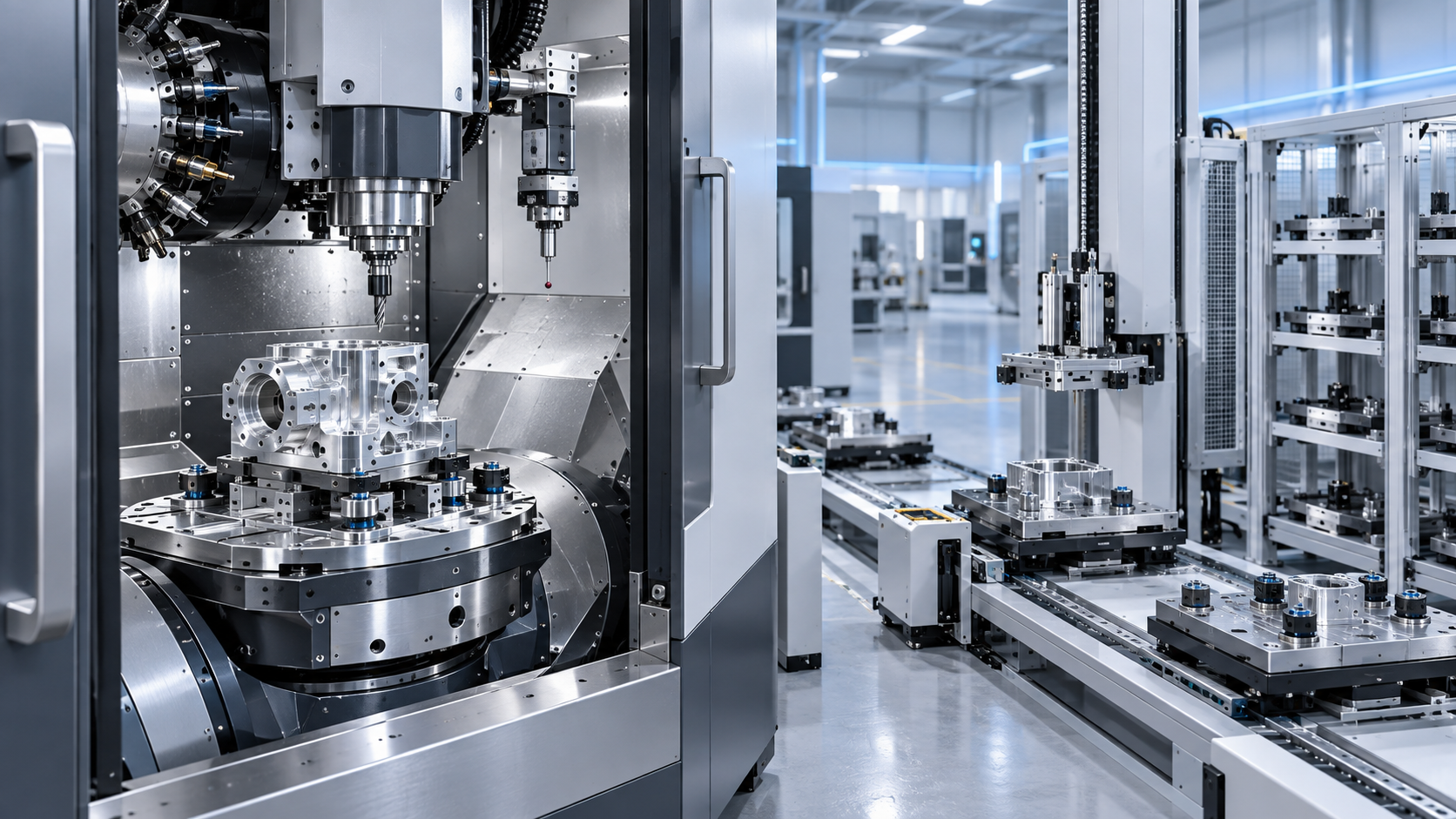
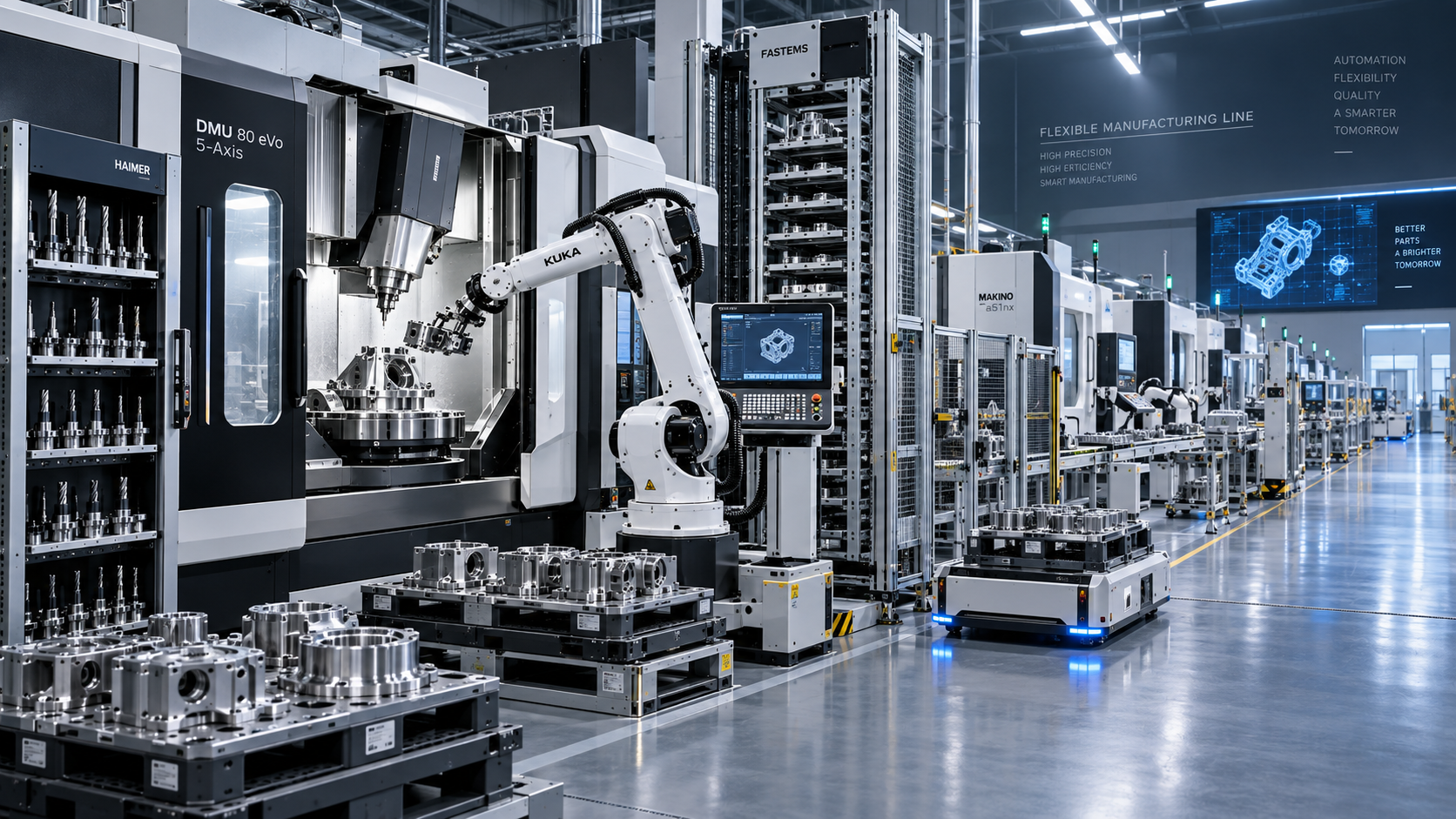
 How to Select CNC Equipment for High-Mix, Low-Volume ProductionCNC Machining Technology Center
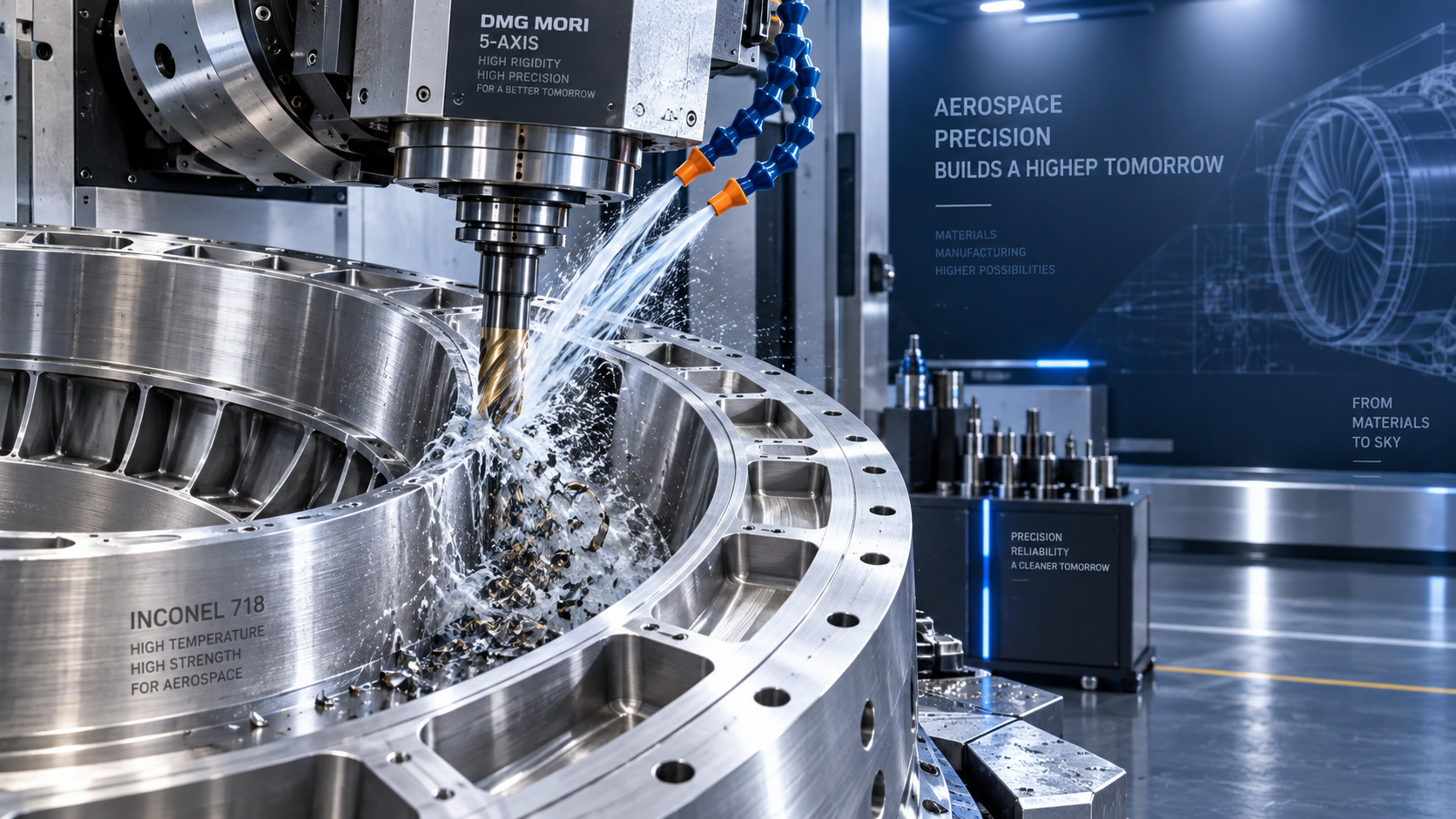
 Can CNC Machining Inconel Control Tool Wear in High-Temperature Aerospace Parts?CNC Machining Technology Center
 Machine Tool Market Outlook: Demand Drivers, Capacity Shifts, and Investment RisksManufacturing Market Research Center
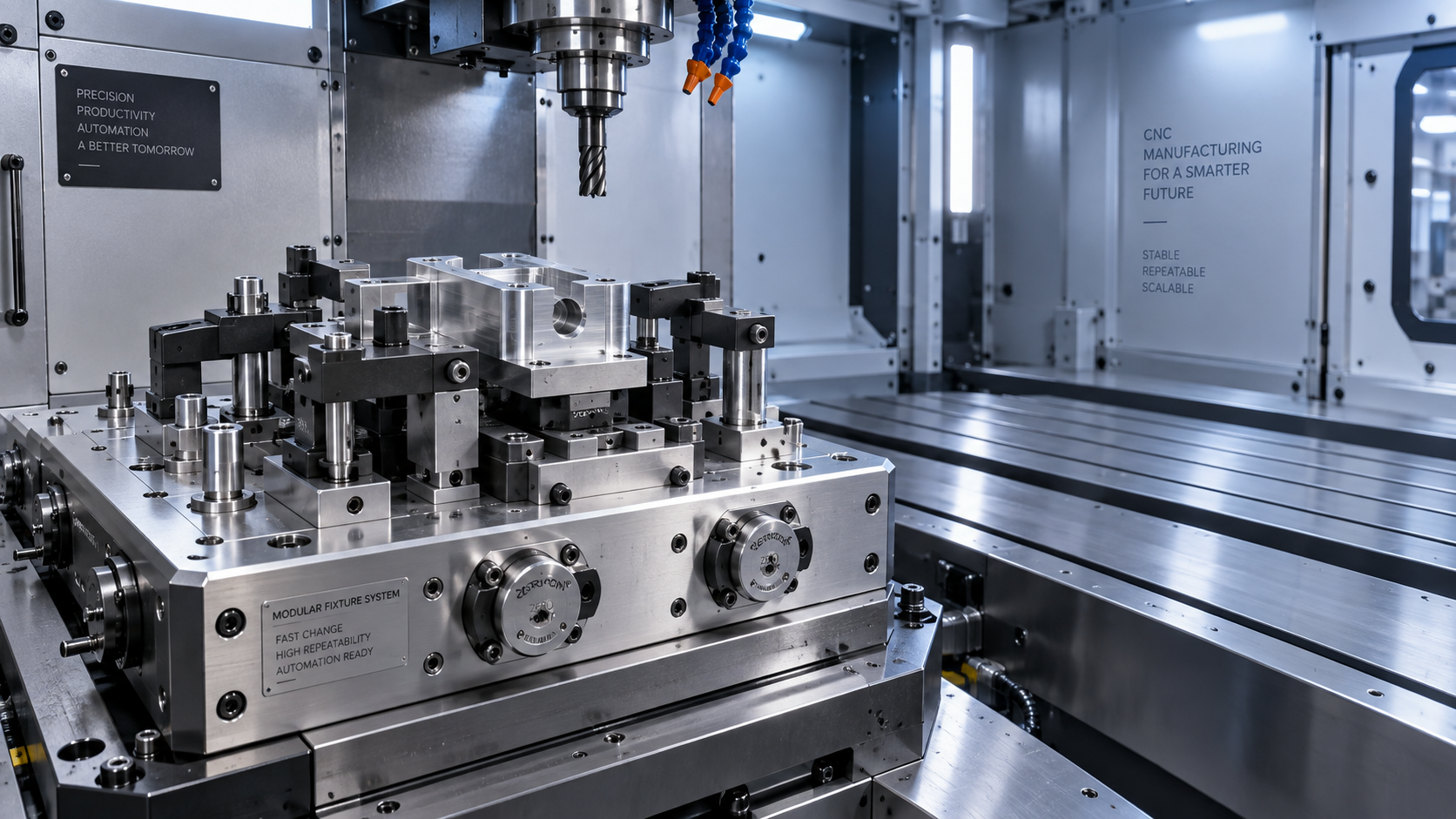
 Zero-Point Clamping or Modular Fixtures? Choosing a Faster CNC Changeover SystemCNC Machining Technology Center
 How to Cut CNC Fixture Changeover Time Without Sacrificing Part AccuracyCNC Machining Technology Center
 When Does CNC Turning Pay Off? A Break-Even Guide by Annual Part VolumeMachine Tool Industry Editorial Team

Aris Katos
Future of Carbide Coatings
15+ years in precision manufacturing systems. Specialized in high-speed milling and aerospace grade alloy processing.
▶
How to Choose a CNC Manufacturing Wholesaler for Quality, Lead Time, and CostManufacturing Market Research Center▶
China Temporarily Bans Helium ExportsManufacturing Market Research Center▶
Yangshan Port Launches Smart Clearance for CNC ExportsManufacturing Market Research Center▶
Shanghai Port Adds Real-Time CNC Shipment TrackingManufacturing Market Research Center▶
Waigaoqiao Port Tightens CNC Export Slot BookingManufacturing Market Research Center
Mastering 5-Axis Workholding Strategies
Join our technical panel on Nov 15th to learn about reducing vibrations in thin-wall components.

Providing you with integrated sanding solutions
Before-sales and after-sales services
Comprehensive technical support