• Global CNC market projected to reach $128B by 2028 • New EU trade regulations for precision tooling components • Aerospace deman
NYSE: CNC +1.2%LME: STEEL -0.4%

MIIT Launches 'AI + Software' Initiative to Boost CAM/CAD Export

On May 14, 2026, the Ministry of Industry and Information Technology (MIIT) issued the Plan for AI Empowerment of Industrial Software Going Global, marking a coordinated policy push to accelerate international market access for domestically developed computer-aided design (CAD) and computer-aided manufacturing (CAM) software. The initiative targets standardization alignment, certification support, and export readiness—key bottlenecks historically limiting China’s industrial software competitiveness in high-regulation markets such as Germany, the U.S., and Japan.
Event Overview
On May 14, 2026, MIIT released the Plan for AI Empowerment of Industrial Software Going Global. The plan explicitly prioritizes domestic CAM and integrated CAD/CAM platforms for technical alignment with ISO 14649 (STEP-NC) and AP242 international data exchange standards. It also establishes dedicated subsidy mechanisms to support enterprises in obtaining internationally recognized compliance certifications—including Germany’s VDI/VDE 2545 (for secure industrial automation systems) and the U.S. NIST IR 7628 (for cybersecurity in smart grid environments). The first official list of pre-qualified software products eligible for this support will be published in June 2026.
Industries Affected
Direct Trade Enterprises: Export-oriented software vendors face immediate implications—notably accelerated time-to-market in regulated regions. Certification subsidies lower entry barriers, but eligibility hinges on demonstrable conformance to ISO 14649 or AP242; firms without existing data model interoperability infrastructure may require significant re-engineering before applying.
Raw Material Procurement Enterprises: While not direct users of CAD/CAM tools, procurement organizations sourcing from OEMs or tier-1 suppliers increasingly demand digital traceability (e.g., STEP-NC–based machining instructions embedded in part orders). This initiative indirectly pressures them to upgrade internal PLM or ERP systems to ingest and validate certified NC data—potentially triggering upstream IT modernization cycles.
Manufacturing & Machining Enterprises: Domestic contract manufacturers adopting certified Chinese CAM platforms gain stronger interoperability with global engineering teams—especially where STEP-NC enables closed-loop process planning across geographies. However, successful adoption requires staff retraining on new post-processing workflows and verification protocols tied to VDI/VDE 2545 or NIST IR 7628 requirements.
Supply Chain Service Providers: Third-party validation labs, localization service providers, and certification consultants are likely to see rising demand for bilingual (Chinese–English) technical documentation review, test case development against AP242 schema, and audit preparation for VDI/VDE 2545 cybersecurity modules—though no formal accreditation framework for these services has yet been announced by MIIT.
Key Considerations and Recommended Actions
Verify Current Data Standard Compliance
Enterprises should conduct an internal audit of their CAD/CAM data export pipelines—specifically assessing whether native output conforms to ISO 14649 Part 10 or AP242 Edition 3 schema definitions. Non-conformant outputs may disqualify applications for MIIT subsidies even if core functionality is robust.
Assess Certification Readiness Beyond Technical Features
Certification under VDI/VDE 2545 or NIST IR 7628 involves documentation rigor, threat modeling, and evidence-based security validation—not just code-level fixes. Firms should initiate gap analysis with qualified third-party assessors ahead of the June eligibility list release.
Engage Early with MIIT-Designated Testing Institutions
The Plan references collaboration with national key laboratories and standardization institutes. Companies preparing submissions should proactively identify and contact MIIT-endorsed testing entities (e.g., China Academy of Information and Communications Technology) to align test scope and timelines.
Editorial Perspective / Industry Observation
Observably, this initiative signals a strategic pivot—from promoting ‘indigenous substitution’ toward enabling ‘interoperable sovereignty’. Rather than isolating domestic software stacks, MIIT is incentivizing convergence with globally accepted frameworks. Analysis shows that success hinges less on AI feature novelty and more on disciplined adherence to legacy-neutral data architecture. From an industry standpoint, the emphasis on STEP-NC and AP242 suggests long-term intent to position Chinese platforms within aerospace, medical device, and high-precision tooling supply chains—segments where data fidelity and auditability outweigh UI convenience.
Conclusion
This policy does not guarantee market share gains—but it removes a systemic friction point: the cost and complexity of cross-border certification. For the industrial software ecosystem, its significance lies in institutionalizing a pathway from domestic deployment to internationally auditable operation. A rational interpretation is that the 2026–2027 period will serve as a critical stress test—not of algorithmic capability, but of engineering discipline in data governance and standards implementation.
Source Attribution
Official document: Plan for AI Empowerment of Industrial Software Going Global, Ministry of Industry and Information Technology (MIIT), issued May 14, 2026. Full text available via MIIT’s official portal (www.miit.gov.cn) under Policy Documents > Industrial Software Development (pending publication as of May 15, 2026). Note: The June 2026 eligibility list, criteria weighting for AI integration versus standards compliance, and subsidy disbursement mechanics remain under observation.
PREVIOUS ARTICLE
Recommended for You
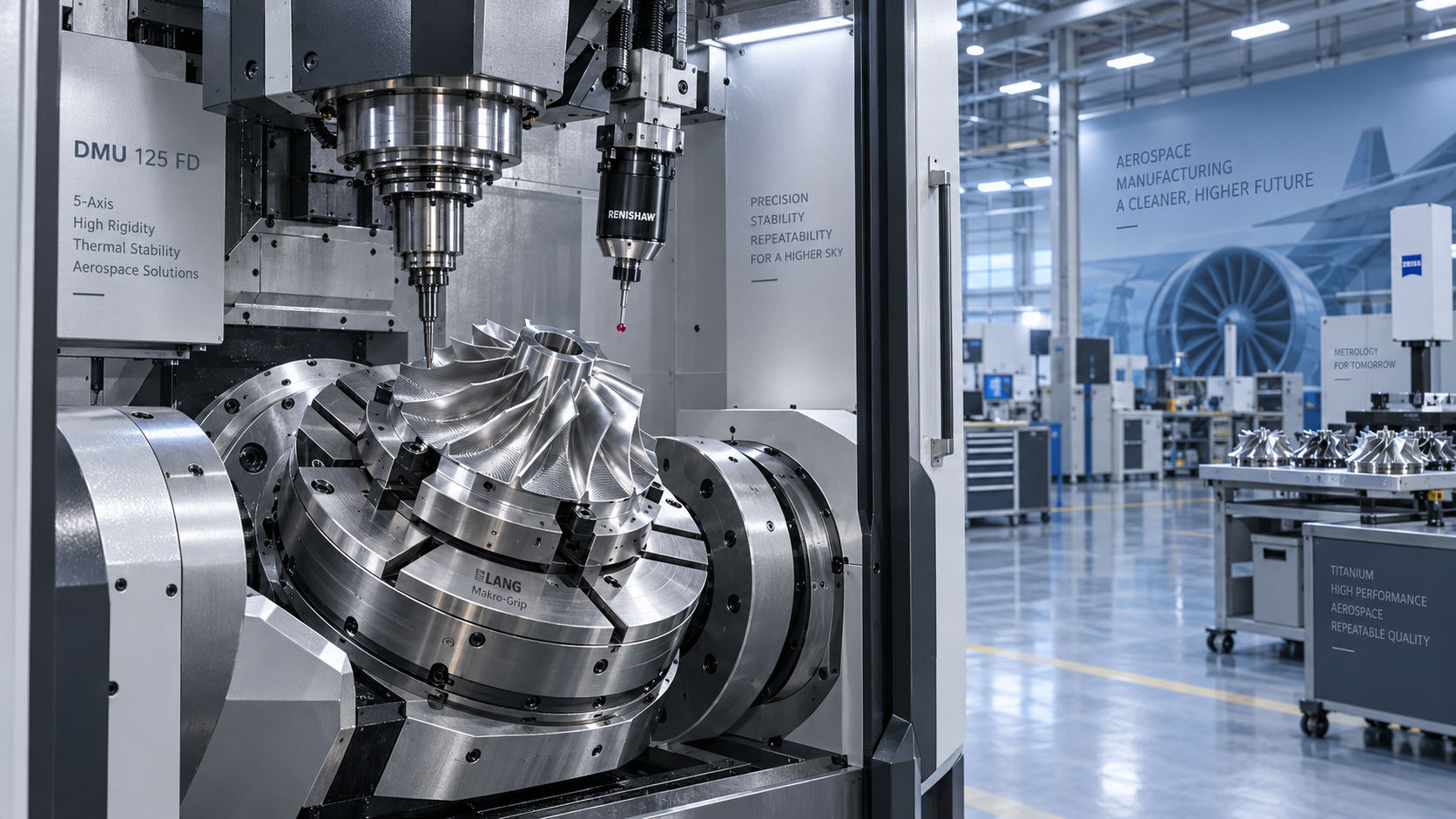
 How to Select a Machine Tool for Aerospace Parts with Tight Tolerances?Machine Tool Industry Editorial Team
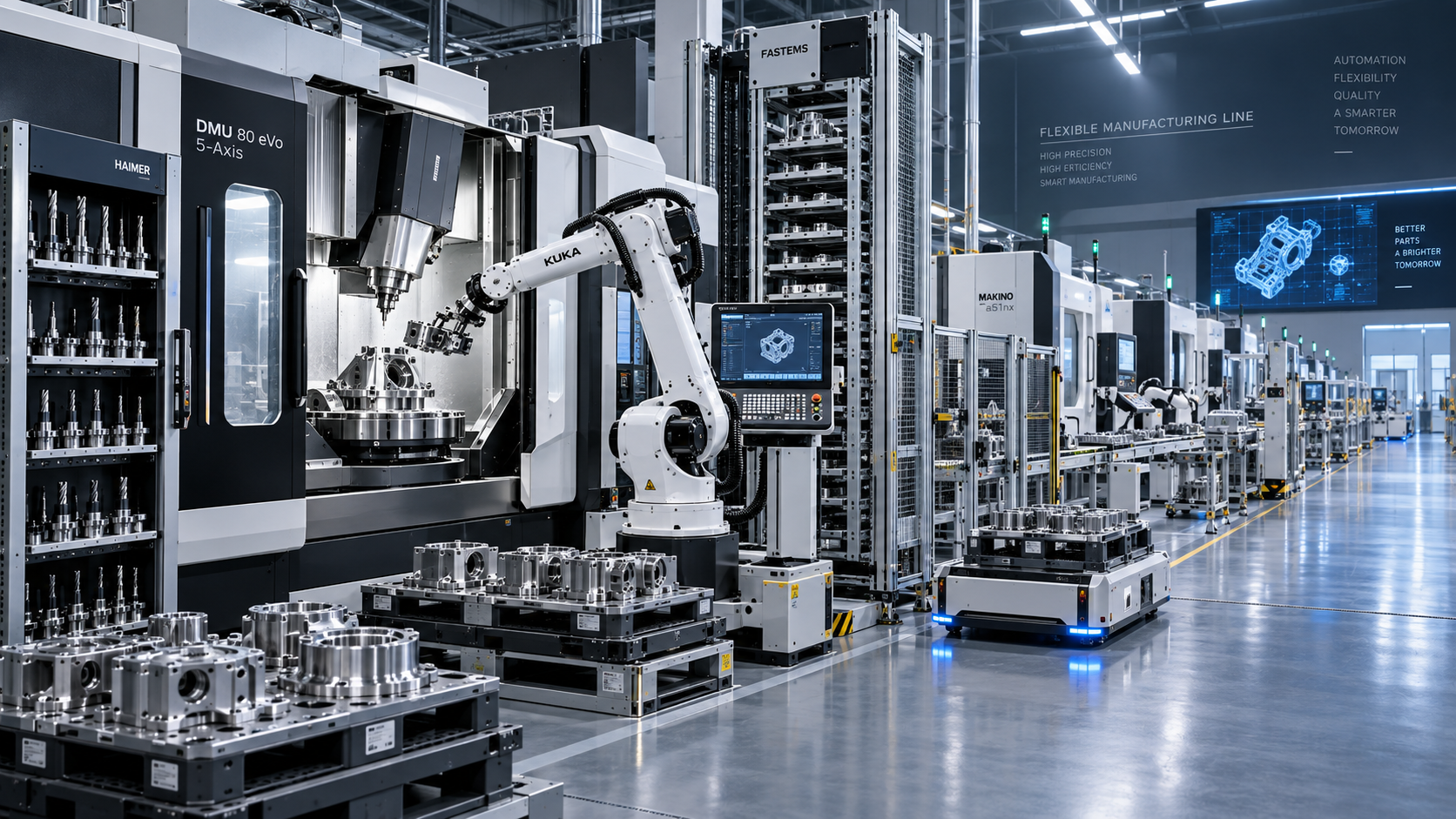
 How to Select CNC Equipment for High-Mix, Low-Volume ProductionCNC Machining Technology Center
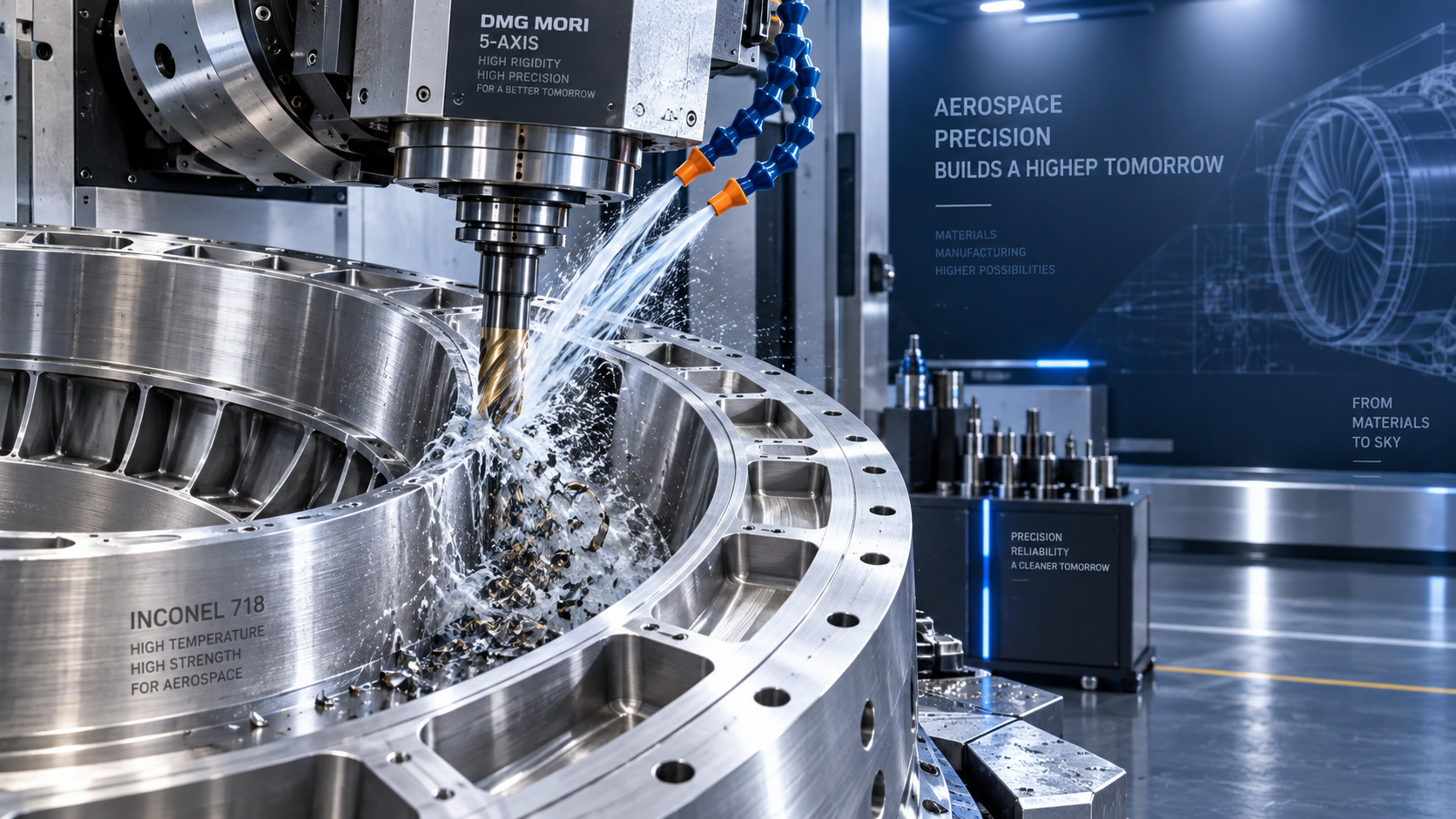
 Can CNC Machining Inconel Control Tool Wear in High-Temperature Aerospace Parts?CNC Machining Technology Center
 Machine Tool Market Outlook: Demand Drivers, Capacity Shifts, and Investment RisksManufacturing Market Research Center
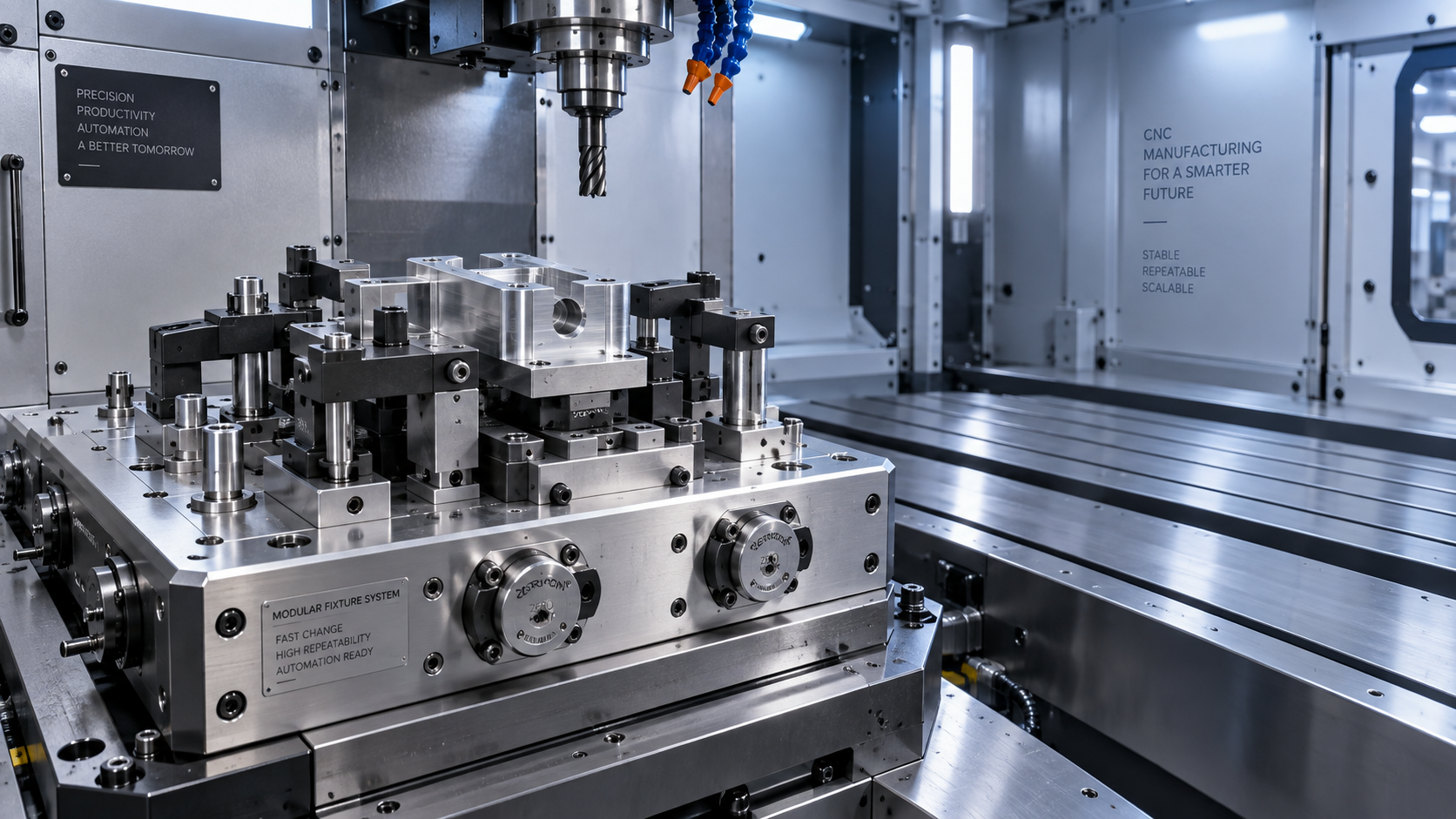
 Zero-Point Clamping or Modular Fixtures? Choosing a Faster CNC Changeover SystemCNC Machining Technology Center
 How to Cut CNC Fixture Changeover Time Without Sacrificing Part AccuracyCNC Machining Technology Center


Aris Katos
Future of Carbide Coatings
15+ years in precision manufacturing systems. Specialized in high-speed milling and aerospace grade alloy processing.
▶
How to Select CNC Equipment for High-Mix, Low-Volume ProductionCNC Machining Technology Center▶
Can CNC Machining Inconel Control Tool Wear in High-Temperature Aerospace Parts?CNC Machining Technology Center▶
How Automated Precision Machining Maintains Tolerance in High-Mix ProductionCNC Machining Technology Center▶
CNC Programming Explained: From CAD Models to Reliable Shop-Floor ToolpathsCNC Machining Technology Center▶
How Multi-Axis Machining Produces Complex Components With Fewer SetupsCNC Machining Technology Center
Mastering 5-Axis Workholding Strategies
Join our technical panel on Nov 15th to learn about reducing vibrations in thin-wall components.

Providing you with integrated sanding solutions
Before-sales and after-sales services
Comprehensive technical support