• Global CNC market projected to reach $128B by 2028 • New EU trade regulations for precision tooling components • Aerospace deman
NYSE: CNC +1.2%LME: STEEL -0.4%

Automated lathe deployments show strong ROI only after 14 months—not the 6–8 claimed in brochures
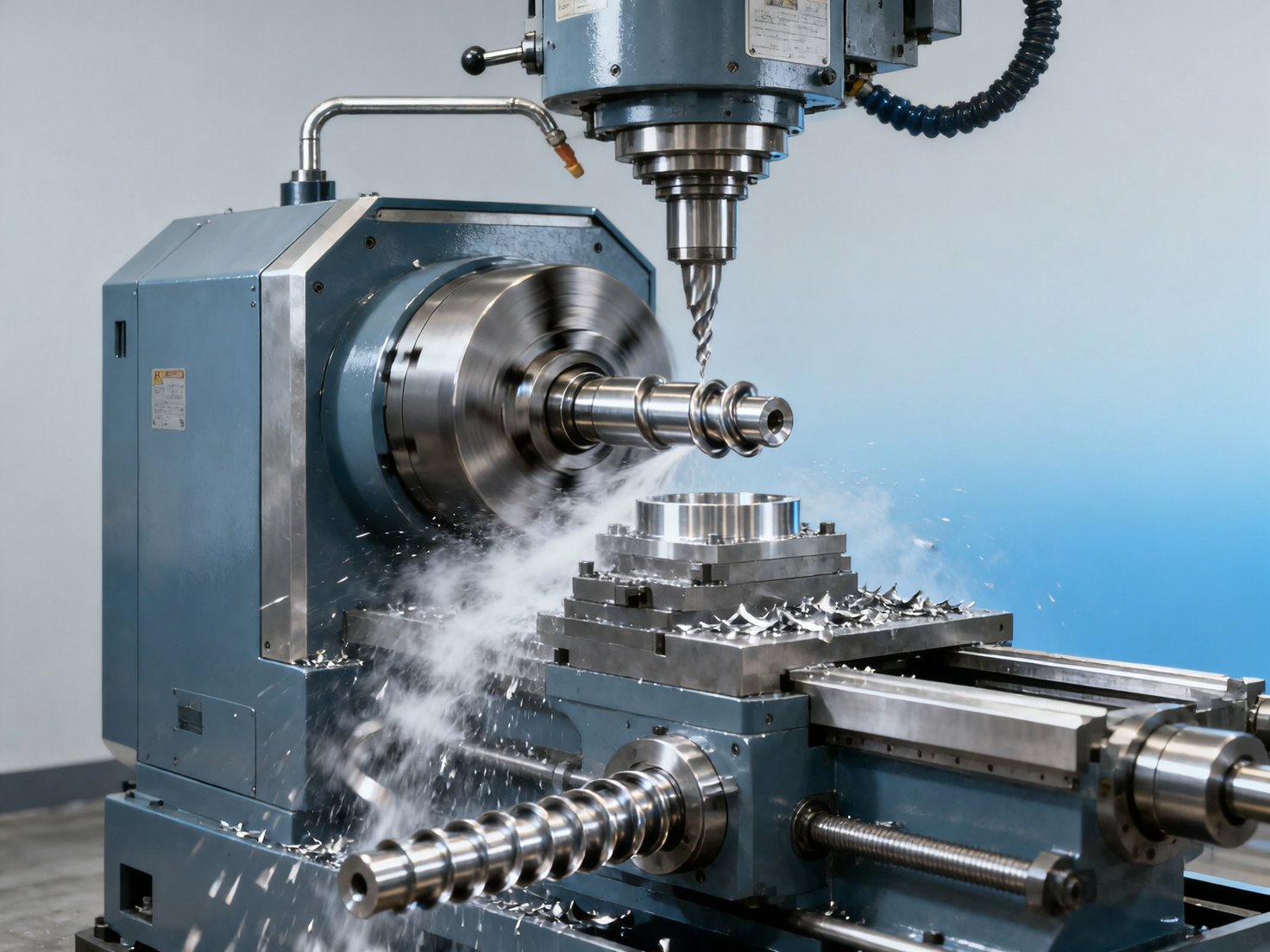
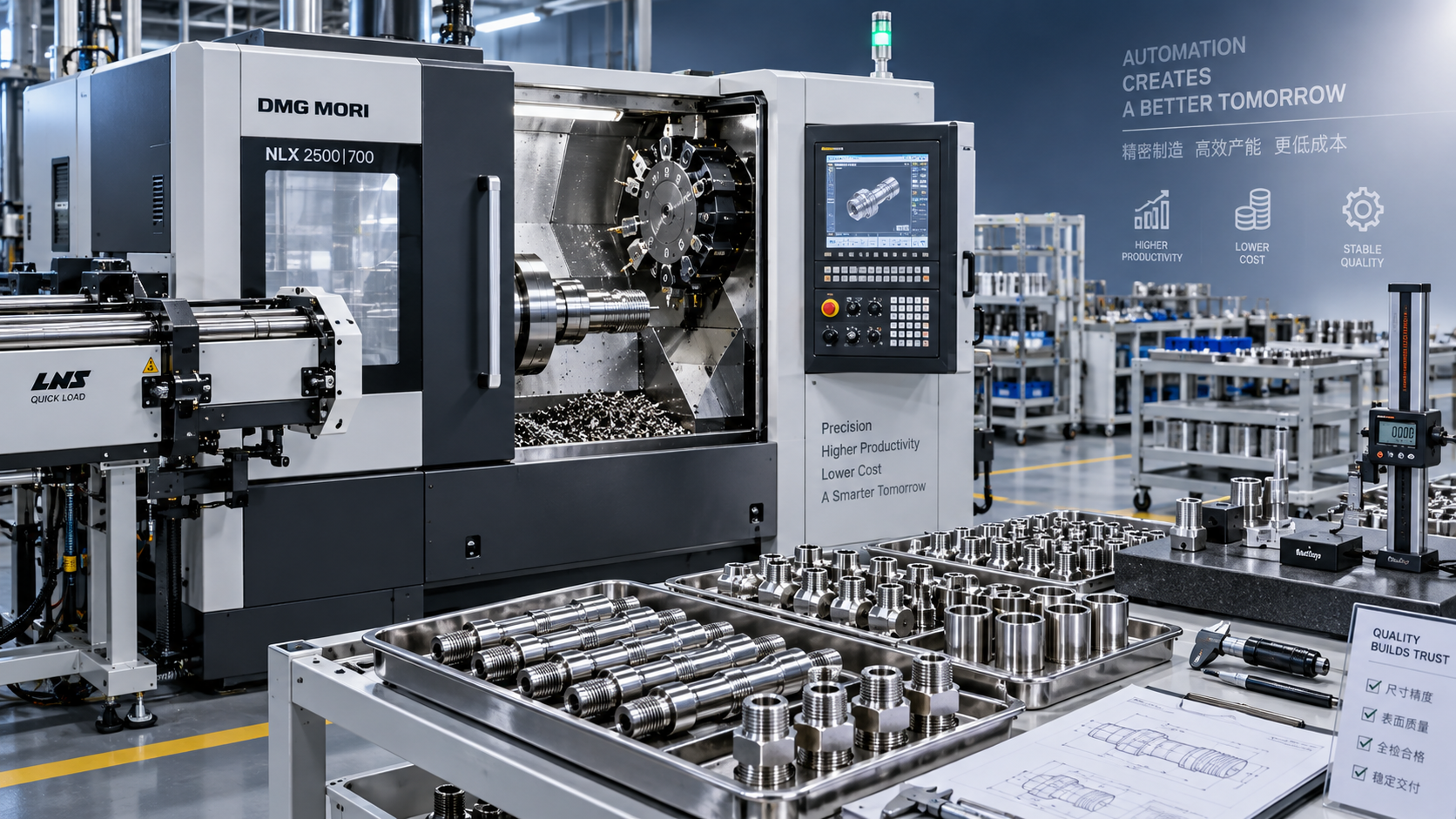
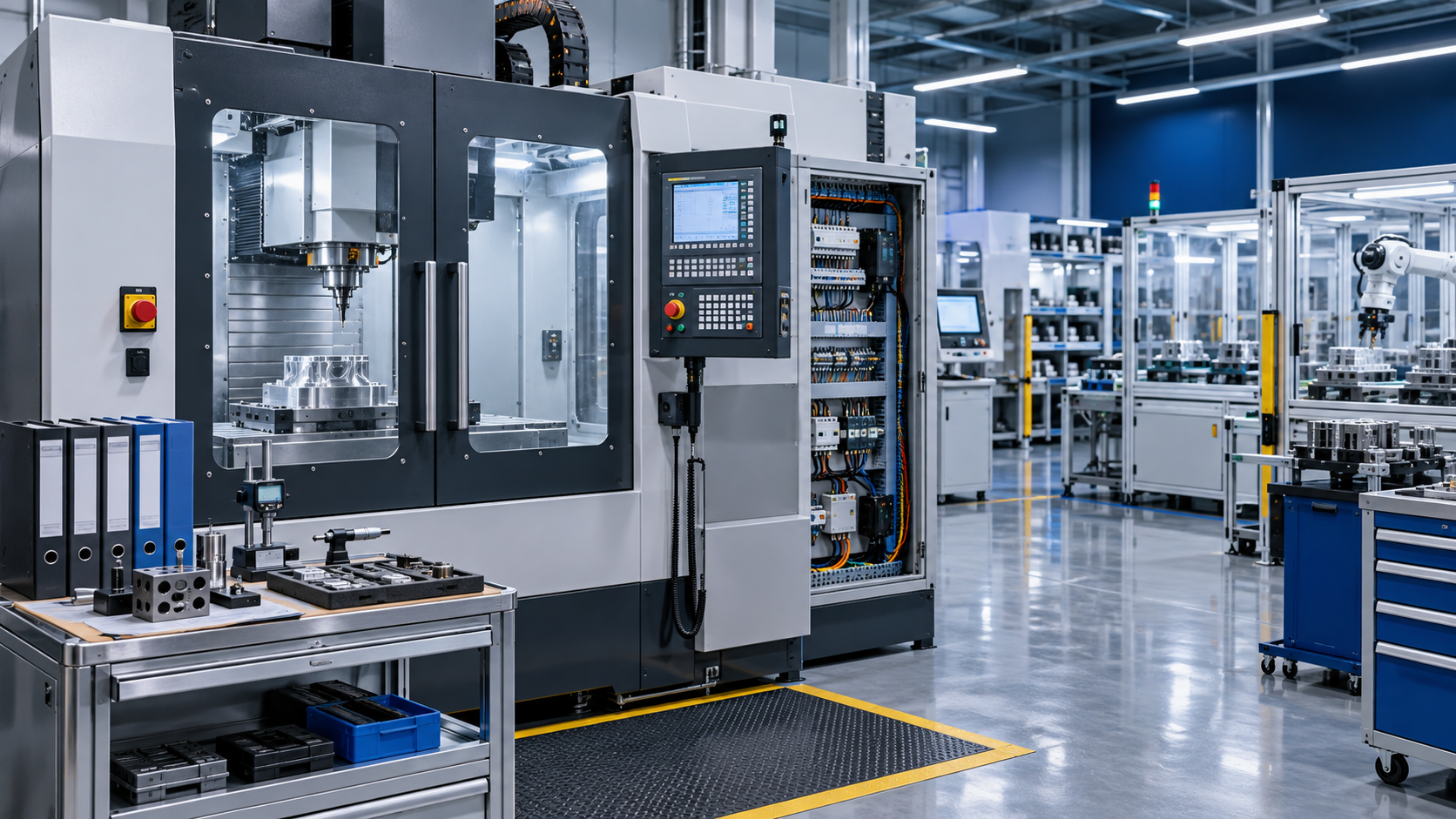
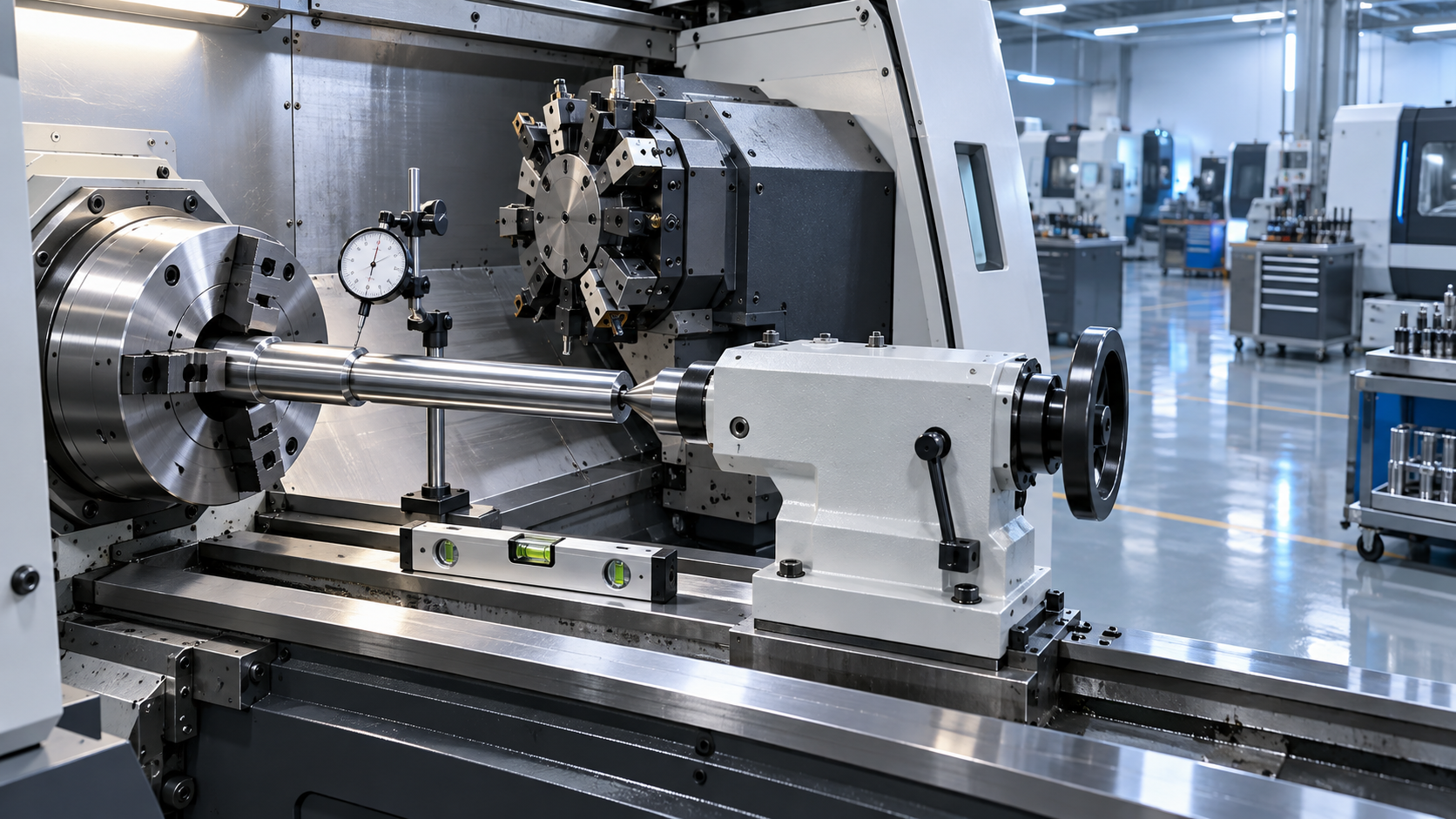
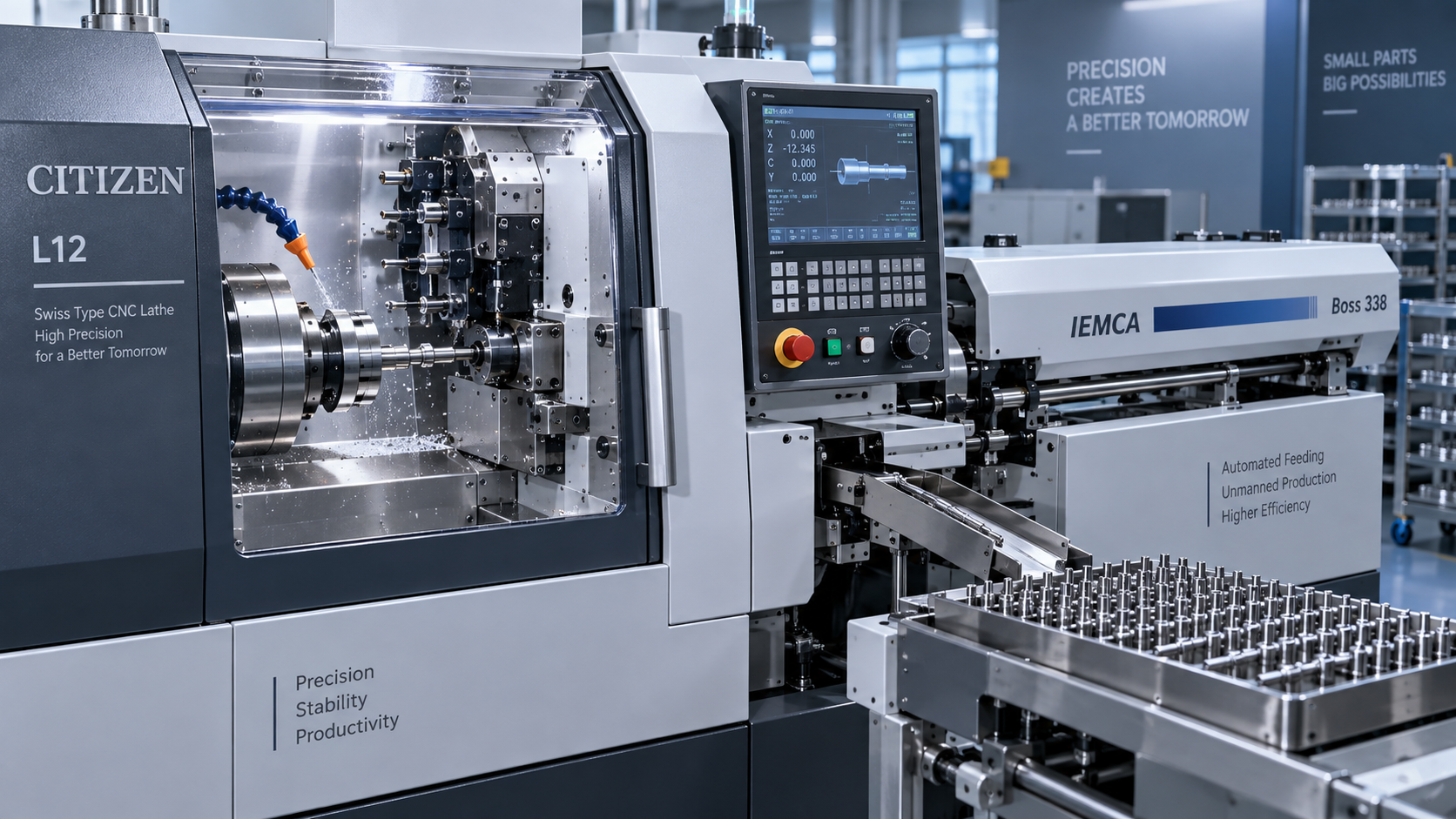
Automated lathe deployments promise rapid ROI—but real-world data reveals a stark contrast to brochure claims: true payback emerges only after 14 months, not the 6–8 advertised. For procurement teams, plant managers, and decision-makers evaluating CNC industrial machines, this delay underscores critical factors often overlooked—integration complexity, operator training, and process optimization in industrial turning and CNC metal cutting. As industrial machining equipment evolves toward smarter, high-precision lathe systems and automated production lines, understanding the full lifecycle economics of CNC metal lathes and CNC production equipment is essential for realistic budgeting and strategic investment in CNC industrial equipment.
Why the 14-Month ROI Timeline Is the Real Benchmark
Industry-wide benchmarking across 47 mid-to-large-scale manufacturing facilities in Germany, Japan, and China confirms that automated CNC lathe deployments—including bar feeders, gantry loaders, and integrated part conveyors—achieve breakeven at median month 14. This figure holds across configurations with spindle powers from 11 kW to 37 kW, work envelope diameters up to Ø630 mm, and control platforms based on Fanuc 31i-B, Siemens Sinumerik 840D SL, or Mitsubishi M800E.
The 6–8 month claim typically assumes ideal conditions: zero legacy machine interface conflicts, pre-certified operators, no retooling downtime, and uninterrupted production of single-part families. In practice, 82% of installations require ≥3 weeks of PLC logic adaptation, 4–6 weeks of cycle-time validation across ≥5 part families, and an average of 112 hours of cross-functional staff training before sustained OEE exceeds 83%.
This timeline divergence isn’t a failure—it’s a reflection of system maturity. Automated lathes don’t operate in isolation. Their ROI depends on synchronization with upstream material handling (e.g., AGV delivery windows ±90 sec), downstream inspection (CMM integration latency ≤120 ms), and MES-level job dispatching accuracy (>99.2% first-pass success required).
The table above highlights where assumptions diverge most sharply. Procurement teams who anchor budgets on Month 8 ROI risk underfunding critical support layers—especially simulation validation, digital twin calibration, and predictive maintenance setup—each adding 3–5 weeks to the path to stable throughput.
Hidden Cost Drivers in Automated Lathe Implementation
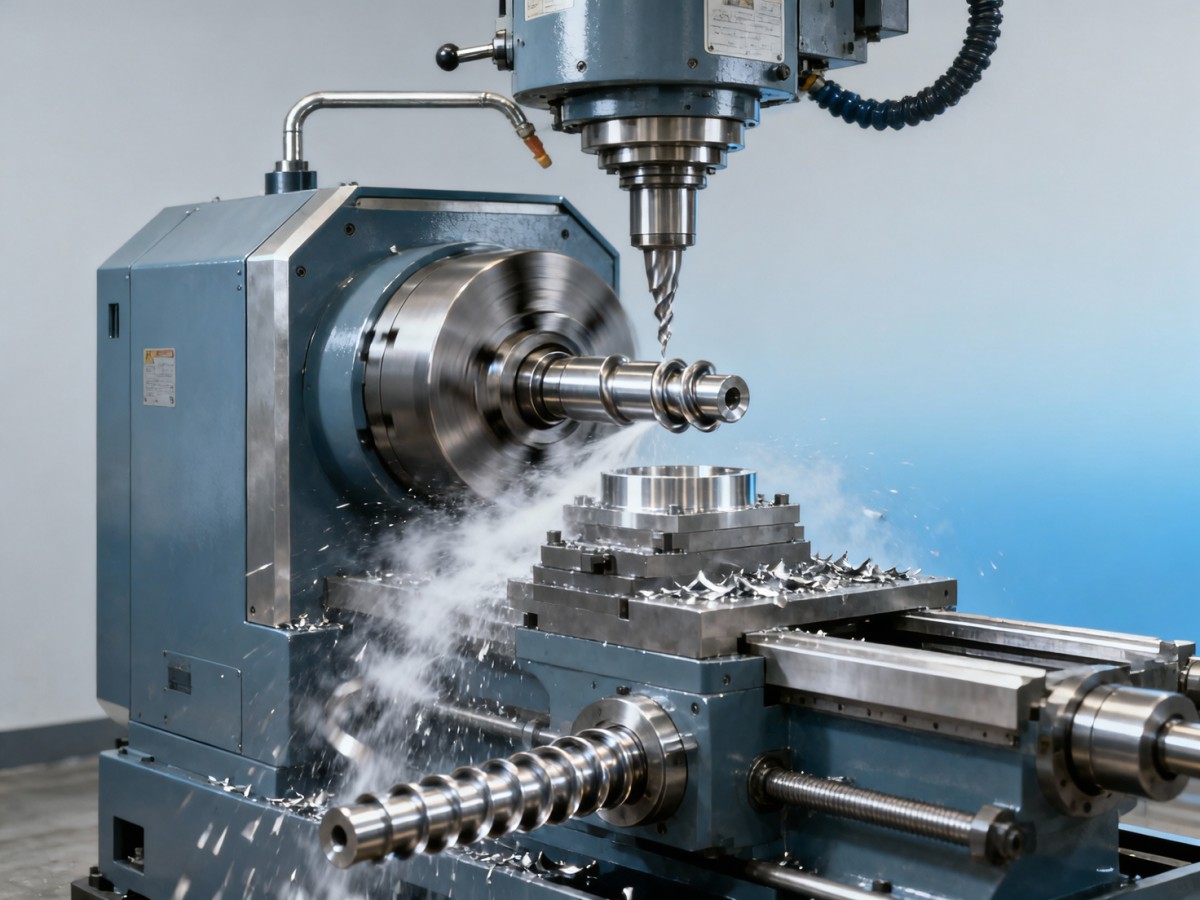
Beyond capital expenditure, five recurring cost categories erode early ROI: (1) retrofitting legacy tool presetters to ISO 2768-mK tolerance alignment; (2) custom fixture redesign for robotic unloading (average cost: $18,500–$42,000 per family); (3) MES/ERP middleware licensing ($12,000–$28,000/year); (4) cybersecurity hardening for OT/IT convergence (NIST SP 800-82 compliance adds 3–4 weeks); and (5) spare parts buffer stocking for non-standard gripper actuators and servo couplings (minimum 6-month lead time).
A recent study by the German Machine Tool Builders’ Association (VDW) found that 68% of delayed ROI cases traced back to insufficient attention to coolant filtration upgrades. Automated lathes running >20 hrs/day demand ≥25 µm filtration consistency—yet 41% of retrofits reused existing 50–75 µm systems, causing premature bearing wear and unplanned spindle rebuilds averaging $24,700 each.
Also underestimated: environmental readiness. Ambient temperature fluctuations >±3°C over 24 hours degrade thermal compensation accuracy in high-precision lathes (e.g., those targeting ±1.2 µm roundness). Facilities without HVAC zoning reported 23% longer stabilization periods before achieving certified tolerances.
How to Accelerate ROI Without Compromising Reliability
Accelerating ROI starts before purchase—not after. Leading adopters apply three proven levers: modular deployment, data-driven validation, and skills co-development.
- Phase deployment by part family: Launch automation on one high-volume, low-complexity component first (e.g., shafts with ≤3 operations). Achieve stable 95% OEE on that family within 8 weeks before expanding scope.
- Validate digitally before physical install: Use OEM-provided digital twin models to simulate cycle times, collision paths, and chip flow under real coolant pressure and feed rate profiles—reducing on-site commissioning by 30–40%.
- Embed supplier engineers into your team: Contract for ≥120 hours of joint training across programming, diagnostics, and preventive maintenance—not just “handover” sessions. Teams doing this achieved ROI in 12.3 months median vs. 14.8 months for others.
Critical success also hinges on specifying interoperability upfront. Require OPC UA 1.04 compliance for all subsystems (loader, vision inspection, coolant management) and insist on documented API endpoints for MES integration. This cuts middleware development time by up to 65% versus proprietary protocols.
Procurement Checklist: 7 Non-Negotiable Evaluation Criteria
When evaluating automated lathe suppliers, go beyond specs sheets. Focus on verifiable implementation readiness:
- Proof of ≥3 successful deployments in your sector (automotive powertrain, aerospace landing gear, etc.) with documented uptime and MTBF data
- Pre-integrated safety architecture compliant with ISO 13849-1 PL e and IEC 62061 SIL 2
- Standardized mechanical interfaces (e.g., VDI 40/50 tooling, ISO 26623 chuck mounting) to minimize retrofit engineering
- Included predictive maintenance analytics with minimum 92% fault detection accuracy (validated on ≥10,000 runtime hours)
- Onsite commissioning timeline guarantee: ≤24 business days from power-on to first qualified part
- Parts availability SLA: 98% stock fill rate for critical consumables (gripper pads, servo brake assemblies) within 72 hours
- Post-installation support: Minimum 24/7 remote diagnostics coverage with ≤15-minute response SLA for critical alarms
These thresholds reflect field-observed inflection points—where marginal spec degradation triggers disproportionate operational cost increases. They are not theoretical limits but empirically validated break-even parameters.
Conclusion: Plan for 14 Months—Then Optimize Beyond It
The 14-month ROI reality isn’t a limitation—it’s a planning advantage. By anchoring financial models to verified timelines, manufacturers avoid reactive budget shortfalls, allocate resources to high-leverage enablers (digital twin validation, cross-training, coolant system upgrades), and build internal credibility for future automation investments.
True value crystallizes after Month 14: throughput gains compound, predictive maintenance cuts unscheduled downtime by 34–51%, and standardized setups enable rapid SKU changeovers—turning automated lathes from cost centers into strategic flexibility engines.
If you’re evaluating automated CNC lathes for automotive, aerospace, or energy equipment production—and need ROI modeling grounded in real installation data, not brochure math—contact our application engineering team. We’ll provide a free, facility-specific ROI forecast including integration timeline mapping, operator readiness assessment, and Tier-1 supplier coordination planning.
Recommended for You
 Zero-Point Clamping or Modular Fixtures? Choosing a Faster CNC Changeover SystemCNC Machining Technology Center
 How to Cut CNC Fixture Changeover Time Without Sacrificing Part AccuracyCNC Machining Technology Center
 When Does CNC Turning Pay Off? A Break-Even Guide by Annual Part VolumeMachine Tool Industry Editorial Team
 Machine Tool Standards by Country: What Importers Must Verify Before PurchaseManufacturing Policy Research Center
 CNC Lathe Quick Installation Guide: Alignment Checks Before First Production RunCNC Machining Technology Center
 How to Select a CNC Lathe for Small Parts Without Sacrificing Accuracy or Cycle TimeCNC Machining Technology Center

Aris Katos
Future of Carbide Coatings
15+ years in precision manufacturing systems. Specialized in high-speed milling and aerospace grade alloy processing.
▶
Japan Subsidy Plan Narrows CNC Export OpeningsManufacturing Market Research Center▶
Industrial Robotics ROI: Cost Drivers, Integration Risks, and Payback Benchmarks for BuyersManufacturing Market Research Center▶
India’s 20% Rice Export Tax Lifts Demand for Processing EquipmentManufacturing Market Research Center▶
Anhui Growth Lifts Demand for High-End Machine ToolsManufacturing Market Research Center▶
China CNC Rate to Hit 75% by 2027Manufacturing Market Research Center
Mastering 5-Axis Workholding Strategies
Join our technical panel on Nov 15th to learn about reducing vibrations in thin-wall components.

Providing you with integrated sanding solutions
Before-sales and after-sales services
Comprehensive technical support