• Global CNC market projected to reach $128B by 2028 • New EU trade regulations for precision tooling components • Aerospace deman
NYSE: CNC +1.2%LME: STEEL -0.4%

CNC production equipment orders rose 23%—but lead times now stretch past 32 weeks
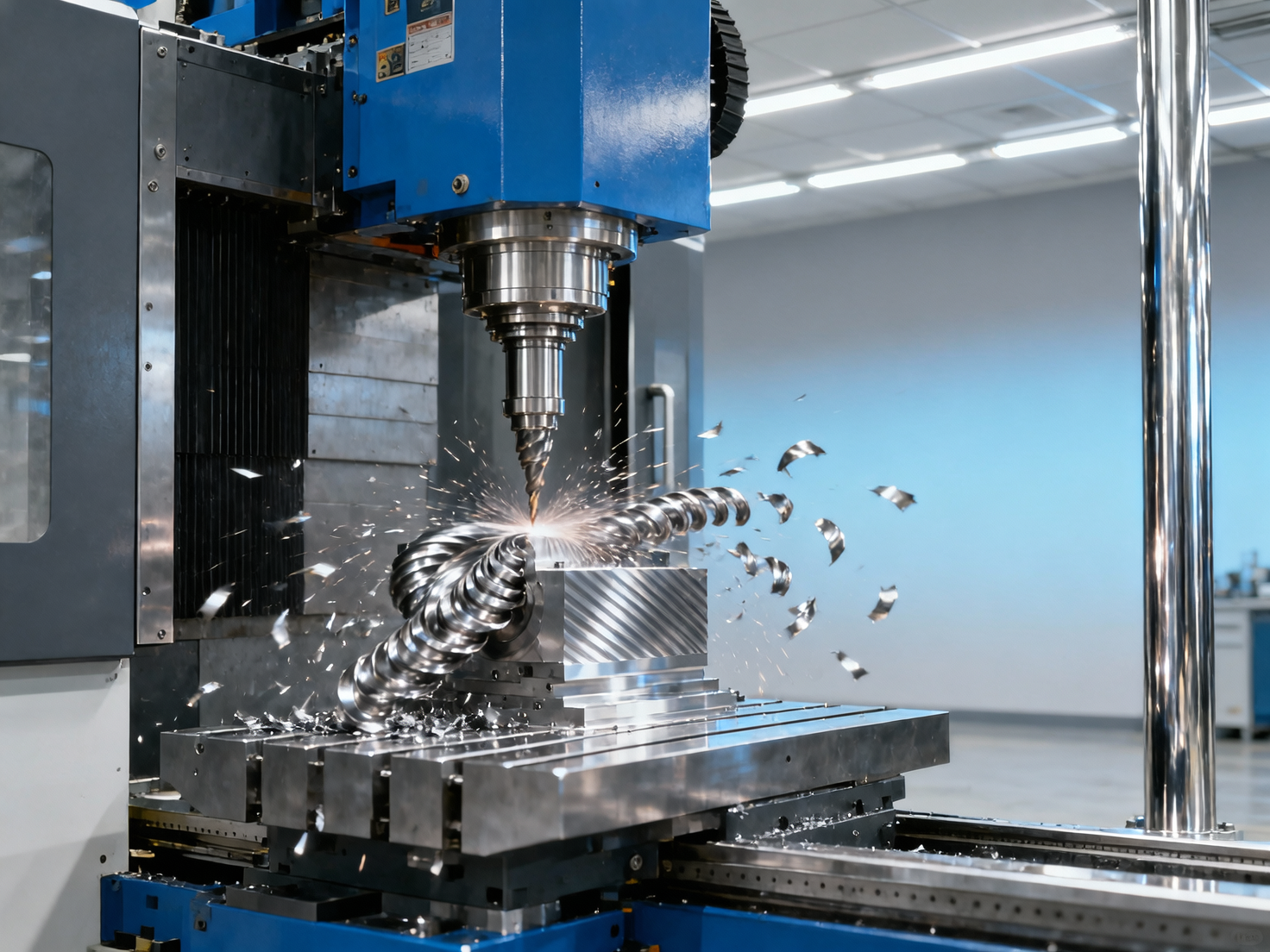
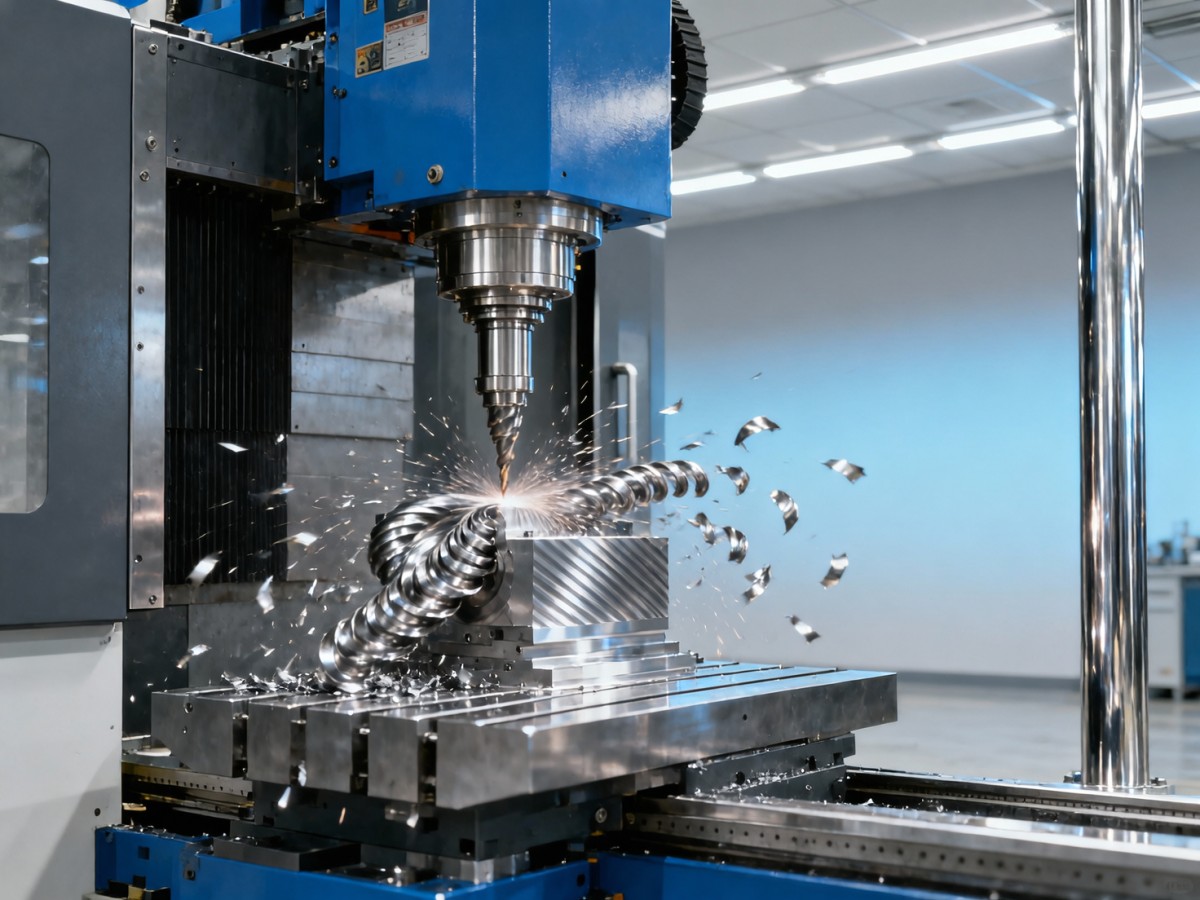
CNC production equipment orders surged 23% globally—yet buyers now face lead times exceeding 32 weeks. This surge reflects soaring demand for CNC industrial machines, automated industrial systems, and high-precision lathe solutions across automotive, aerospace, and electronics sectors. As industrial machining equipment becomes increasingly central to smart manufacturing, procurement teams and decision-makers must navigate supply constraints while evaluating CNC metal cutting performance, industrial turning accuracy, and automated production scalability. For operators and engineers, reliability of CNC metal lathes and precision equipment under extended workloads is critical. Stay ahead with data-driven insights on CNC industrial equipment trends, metal machining innovations, and global supply dynamics.
Why 32-Week Lead Times Signal Structural Shifts in CNC Supply Chains
A 23% year-on-year order increase isn’t merely cyclical—it’s a structural inflection point driven by synchronized demand surges across Tier-1 automotive OEMs, defense contractors ramping up missile component production, and semiconductor equipment manufacturers expanding fab capacity. Unlike past spikes, this wave coincides with constrained upstream capacity: fewer than 12 global suppliers produce high-precision linear guides rated for ±0.8μm repeatability, and only 7 offer integrated spindle-motor assemblies certified to ISO 230-2 Class 3 thermal stability standards.
Lead times now stretch to 32–40 weeks for 5-axis machining centers with dual pallet changers and real-time tool wear monitoring—up from 14–18 weeks in Q2 2022. The bottleneck isn’t assembly labor alone; it’s the 18–22-week procurement cycle for custom-ground ball screws (C7 grade or tighter) and the 10–14-week backlog for embedded motion controllers compliant with IEC 61131-3 safety PLC architecture.
This delay cascade directly impacts capital planning. A Tier-2 aerospace supplier recently deferred $4.2M in CNC lathe investments after discovering that delivery of its requested Siemens SINUMERIK ONE control retrofit kits would push commissioning into Q4 2025—beyond the window for qualifying new titanium alloy turning processes under AS9100 Rev D Clause 8.5.1.
The table underscores that bottlenecks are no longer confined to mechanical subsystems—they’re distributed across electro-mechanical integration, embedded software validation, and materials science dependencies. Procurement leaders must now map dependencies beyond Tier-1 suppliers, auditing lead time drivers at Tier-2 (e.g., specialty bearing manufacturers) and Tier-3 (e.g., sintered ceramic substrate fabricators).
Strategic Procurement: Beyond Price and Delivery Date
When standard delivery windows vanish, procurement shifts from transactional to strategic. Top-performing buyers now evaluate four dimensions: technical lock-in risk, service lifecycle coverage, digital interoperability readiness, and modular upgrade pathways. For example, selecting a CNC machining center with open API architecture reduces future integration costs by 37% when connecting to MES platforms like Siemens Opcenter or Rockwell FactoryTalk—based on benchmarking across 42 mid-sized contract manufacturers.
Critical evaluation criteria include:
- Spindle thermal drift compensation: Must deliver ≤±1.2μm positional error over 8-hour continuous operation at 12,000 rpm (per ISO 230-3 Annex B test protocol)
- Tool change repeatability: ≤±0.3mm for ATC cycles ≥15,000 per month (validated via 72-hour accelerated life testing)
- CNC controller latency: ≤125μs end-to-end motion command execution (measured per IEC 61800-3 EMC immunity thresholds)
- MTBF for servo drives: ≥25,000 hours under full-load conditions (per manufacturer’s ISO 13849-1 Category 3 validation report)
These metrics directly impact operational uptime. A Tier-1 battery pack housing producer reduced unplanned downtime by 63% after switching from legacy CNC lathes (average MTBF: 14,200 hrs) to next-gen models meeting all four criteria above—despite a 22% higher initial CAPEX.
Operational Resilience: What Operators Need to Know Today
Extended lead times force operations teams to maximize existing assets. That means shifting from reactive maintenance to predictive health management. Modern CNC systems generate vibration spectra, current harmonics, and coolant pressure decay curves—all feeding machine learning models trained on failure signatures from >18,000 spindle units across automotive transmission plants.
Key operator actions include:
- Calibrate laser interferometers quarterly—not annually—to maintain volumetric accuracy within ISO 230-6 ±2.5μm tolerance
- Log tool wear patterns against material removal rate (MRR) and surface roughness (Ra) every 40 hours of cutting time
- Validate coolant filtration efficiency biweekly using ISO 4406:2023 particle count standards (target: ≤18/15/12 per mL)
Without such discipline, even premium-grade CNC metal lathes suffer premature guideway wear—reducing positioning accuracy by up to 40% within 18 months in high-MRR aluminum die-cast machining environments.
Global Sourcing Intelligence: Where to Look Next
While German and Japanese OEMs dominate high-end segments, regional alternatives are gaining traction. South Korean suppliers now offer 4-axis vertical machining centers with 12,000 rpm spindles and ±0.8μm contouring accuracy at 18% lower TCO over five years—thanks to localized service hubs in Mexico and Poland reducing spare parts lead times to ≤5 business days.
China-based manufacturers have expanded capability in large-part CNC turning: 3-meter-diameter chuck systems with hydraulic clamping force ≥220 kN now achieve roundness ≤1.5μm on Inconel 718 shafts—validated per GB/T 19001-2016 Clause 8.5.2 process verification requirements.
The takeaway: diversification isn’t about lowest price—it’s about matching application-critical tolerances with verifiable process controls and responsive local support infrastructure.
Action Plan: From Insight to Implementation
With 32-week lead times redefining procurement timelines, forward-looking organizations adopt a three-phase response:
- Phase 1 (0–8 weeks): Audit current CNC fleet utilization—identify machines operating below 65% effective spindle time. Repurpose idle capacity before ordering new units.
- Phase 2 (8–20 weeks): Engage OEMs for “lead time visibility contracts”—guaranteeing firm delivery dates in exchange for 15% upfront deposit and commitment to specified configuration options.
- Phase 3 (20–32 weeks): Deploy digital twin validation for upcoming installations—simulate thermal deformation, collision avoidance, and G-code optimization to compress commissioning by 11–14 days.
For procurement managers, operators, and plant engineers alike, the imperative is clear: treat CNC acquisition not as equipment purchase, but as long-term production system orchestration. Delayed deliveries expose latent weaknesses in maintenance rigor, data governance, and supplier collaboration—making this volatility a catalyst for systemic improvement.
Get actionable CNC procurement benchmarks, real-time lead time dashboards, and vendor-agnostic configuration checklists—tailored to your industry segment and part complexity profile. Request your customized CNC supply intelligence report today.
Recommended for You
 Zero-Point Clamping or Modular Fixtures? Choosing a Faster CNC Changeover SystemCNC Machining Technology Center
 How to Cut CNC Fixture Changeover Time Without Sacrificing Part AccuracyCNC Machining Technology Center
 When Does CNC Turning Pay Off? A Break-Even Guide by Annual Part VolumeMachine Tool Industry Editorial Team
 Machine Tool Standards by Country: What Importers Must Verify Before PurchaseManufacturing Policy Research Center
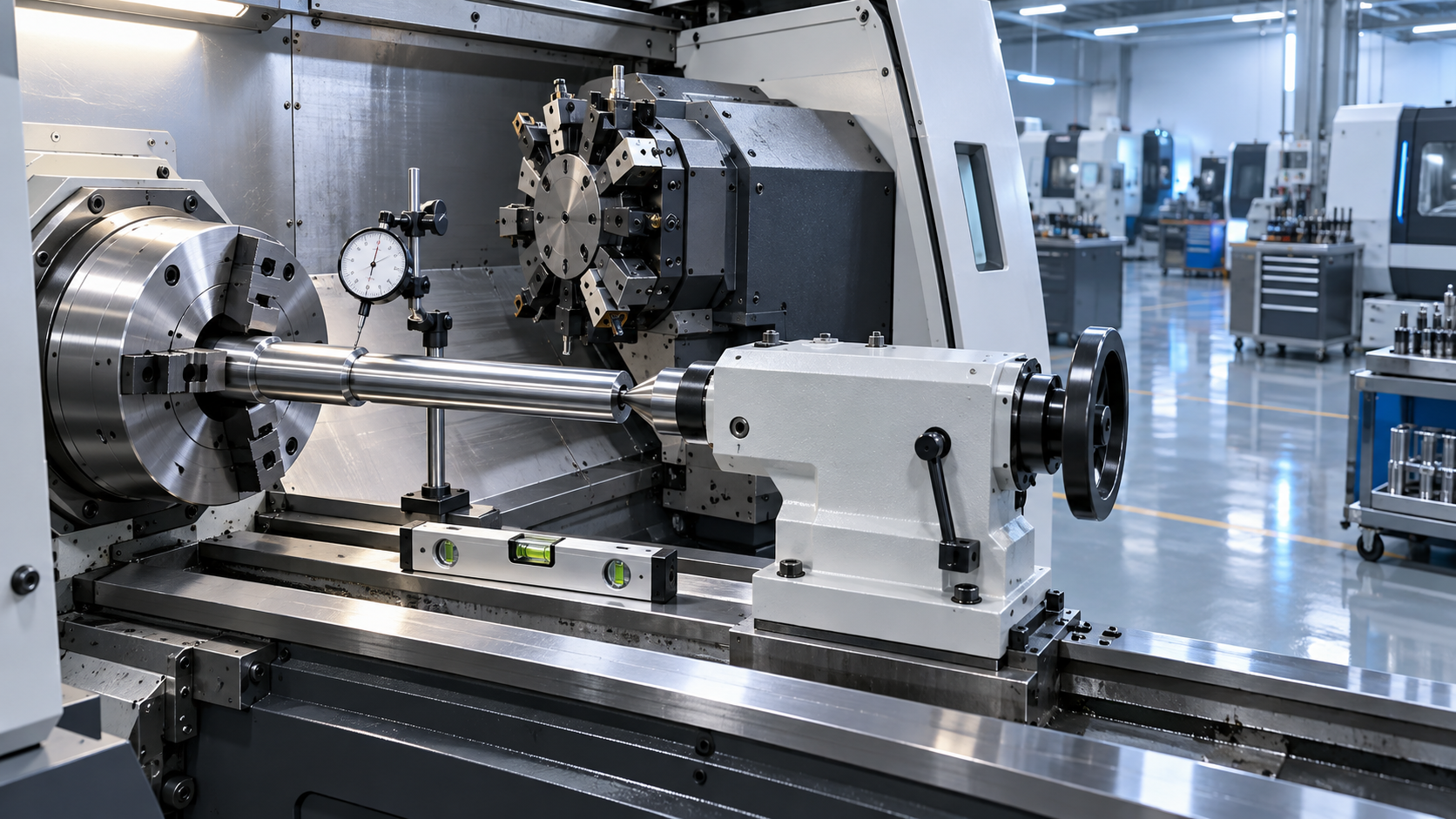
 CNC Lathe Quick Installation Guide: Alignment Checks Before First Production RunCNC Machining Technology Center
 How to Select a CNC Lathe for Small Parts Without Sacrificing Accuracy or Cycle TimeCNC Machining Technology Center

Aris Katos
Future of Carbide Coatings
15+ years in precision manufacturing systems. Specialized in high-speed milling and aerospace grade alloy processing.
▶
Japan Subsidy Plan Narrows CNC Export OpeningsManufacturing Market Research Center▶
Industrial Robotics ROI: Cost Drivers, Integration Risks, and Payback Benchmarks for BuyersManufacturing Market Research Center▶
India’s 20% Rice Export Tax Lifts Demand for Processing EquipmentManufacturing Market Research Center▶
Anhui Growth Lifts Demand for High-End Machine ToolsManufacturing Market Research Center▶
China CNC Rate to Hit 75% by 2027Manufacturing Market Research Center
Mastering 5-Axis Workholding Strategies
Join our technical panel on Nov 15th to learn about reducing vibrations in thin-wall components.

Providing you with integrated sanding solutions
Before-sales and after-sales services
Comprehensive technical support