• Global CNC market projected to reach $128B by 2028 • New EU trade regulations for precision tooling components • Aerospace deman
NYSE: CNC +1.2%LME: STEEL -0.4%

Automotive industry machine tool orders spiked in Q1 — yet capacity utilization stayed flat
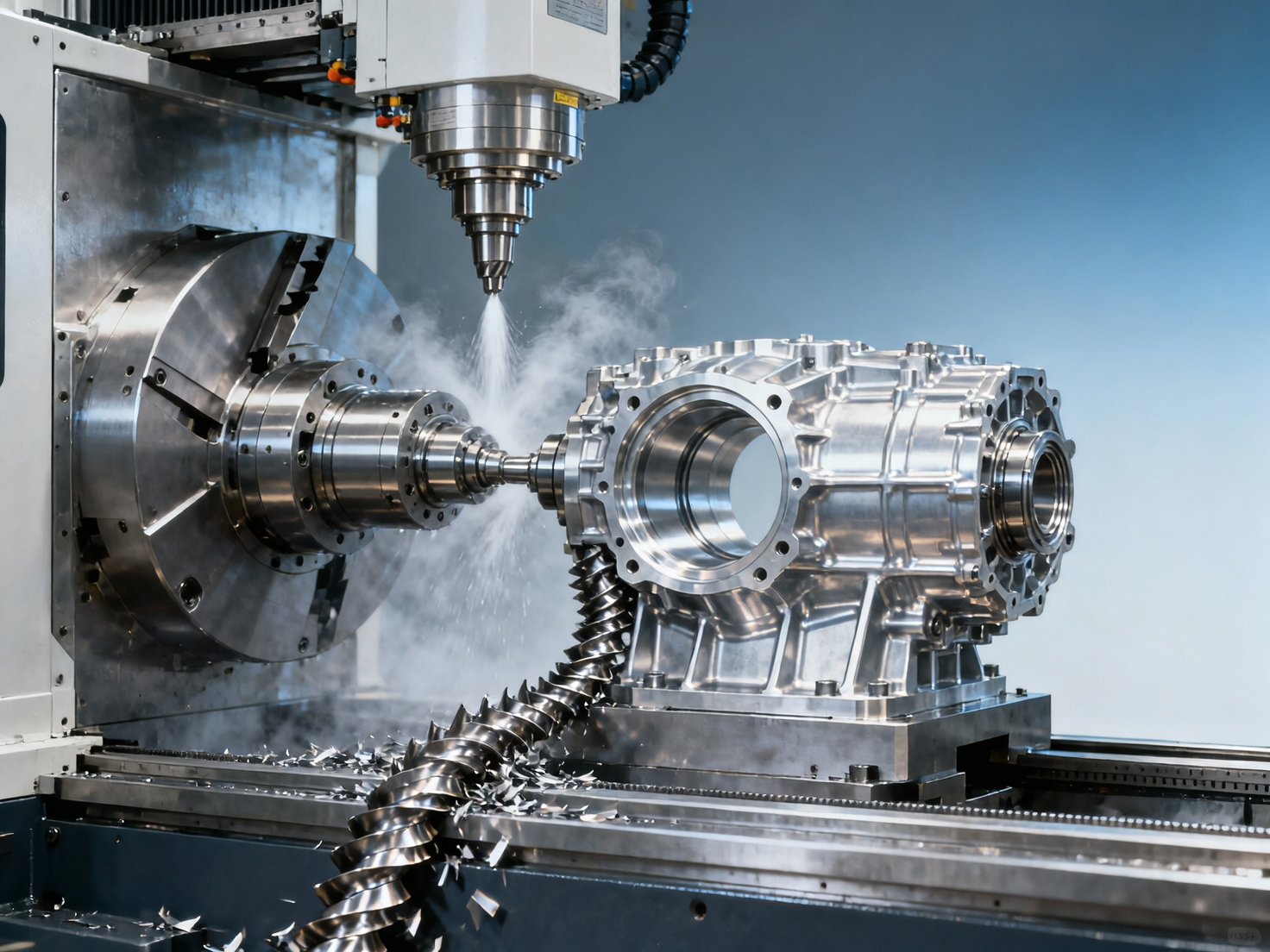
Automotive industry machine tool orders surged in Q1 — a strong signal of renewed investment in production capacity. Yet puzzlingly, overall capacity utilization remained flat, raising questions about supply chain bottlenecks, delivery delays, or strategic inventory buildup. For procurement teams and decision-makers, this divergence highlights the urgency of partnering with a reliable machine tool supplier — especially one offering high precision machine tools, multi-axis machine tools, and heavy duty machine tools tailored for the automotive industry, aerospace, and electronics manufacturing. As global CNC machine tool manufacturers compete on price, performance, and digital integration, understanding real-time market dynamics has never been more critical for exporters, users, and industrial planners alike.
Why Did Q1 Orders Spike While Utilization Stayed Flat?
The 28% YoY increase in automotive sector machine tool orders (Q1 2024, according to preliminary data from the Association of Manufacturing Technology) reflects aggressive capacity expansion plans — particularly for EV powertrain components, battery housing lines, and lightweight structural parts. However, average factory utilization across Tier-1 suppliers and OEMs held at 72–74%, unchanged from Q4 2023.
This gap points to three converging realities: first, extended lead times — standard CNC machining centers now require 18–24 weeks for delivery, pushing commissioning into Q3–Q4; second, installation and validation cycles averaging 6–8 weeks per line due to integrated automation and IIoT gateway setup; third, deliberate buffer ordering by procurement teams anticipating component shortages in servo drives, linear guides, and high-torque spindles.
For users and operators, this means delayed access to new equipment despite confirmed orders. For decision-makers, it underscores that order volume alone is no longer a reliable proxy for near-term throughput uplift.
What Automotive Applications Demand Multi-Axis & Heavy-Duty CNC Tools?
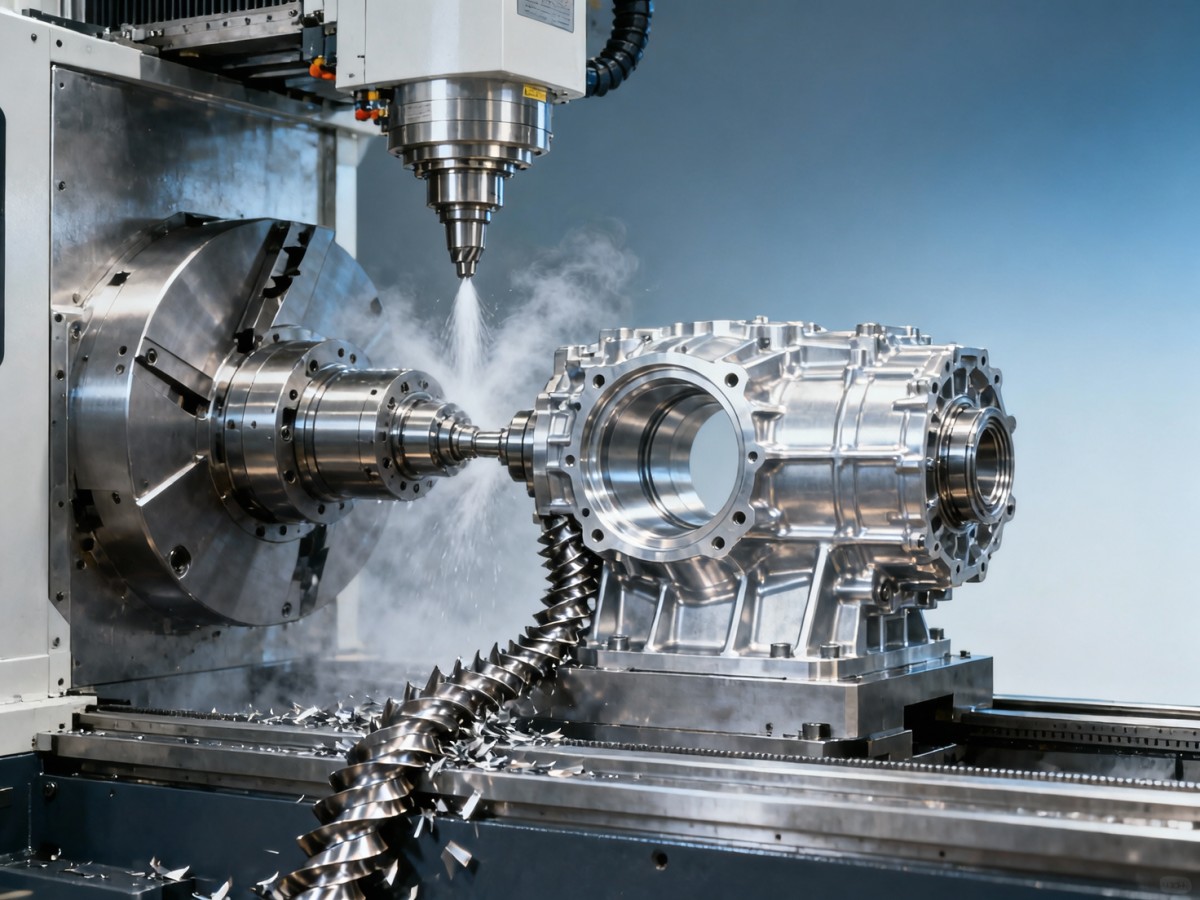
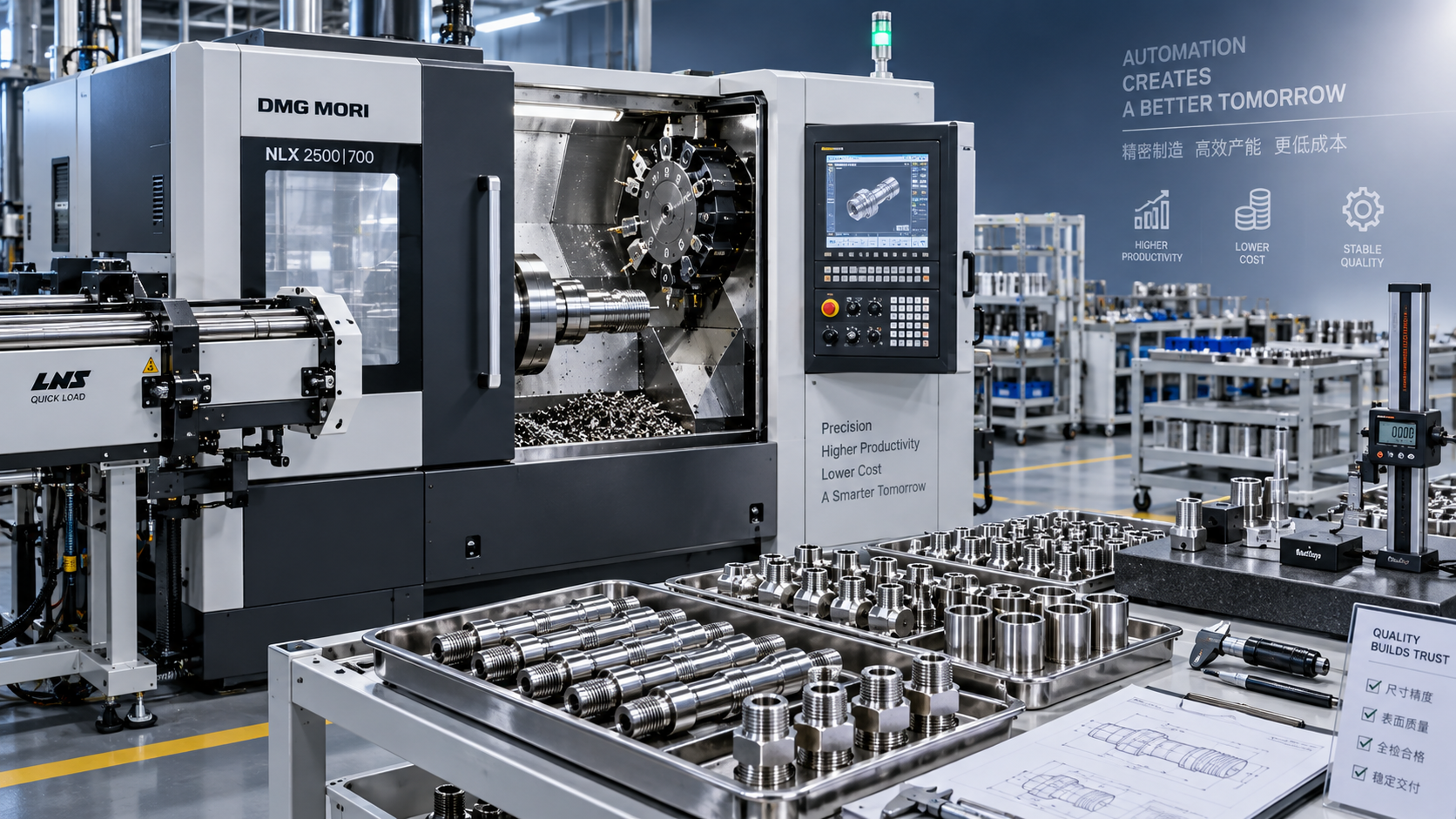
Modern automotive production relies on specialized CNC configurations — not general-purpose machines. High-precision 5-axis machining centers are now standard for aluminum EV motor housings, requiring ±0.008 mm positional accuracy and surface finishes under Ra 0.8 µm. Heavy-duty vertical turning lathes handle cast iron brake calipers and differential carriers weighing up to 3,200 kg, operating continuously at 92% uptime over 3-shift cycles.
Critical applications include:
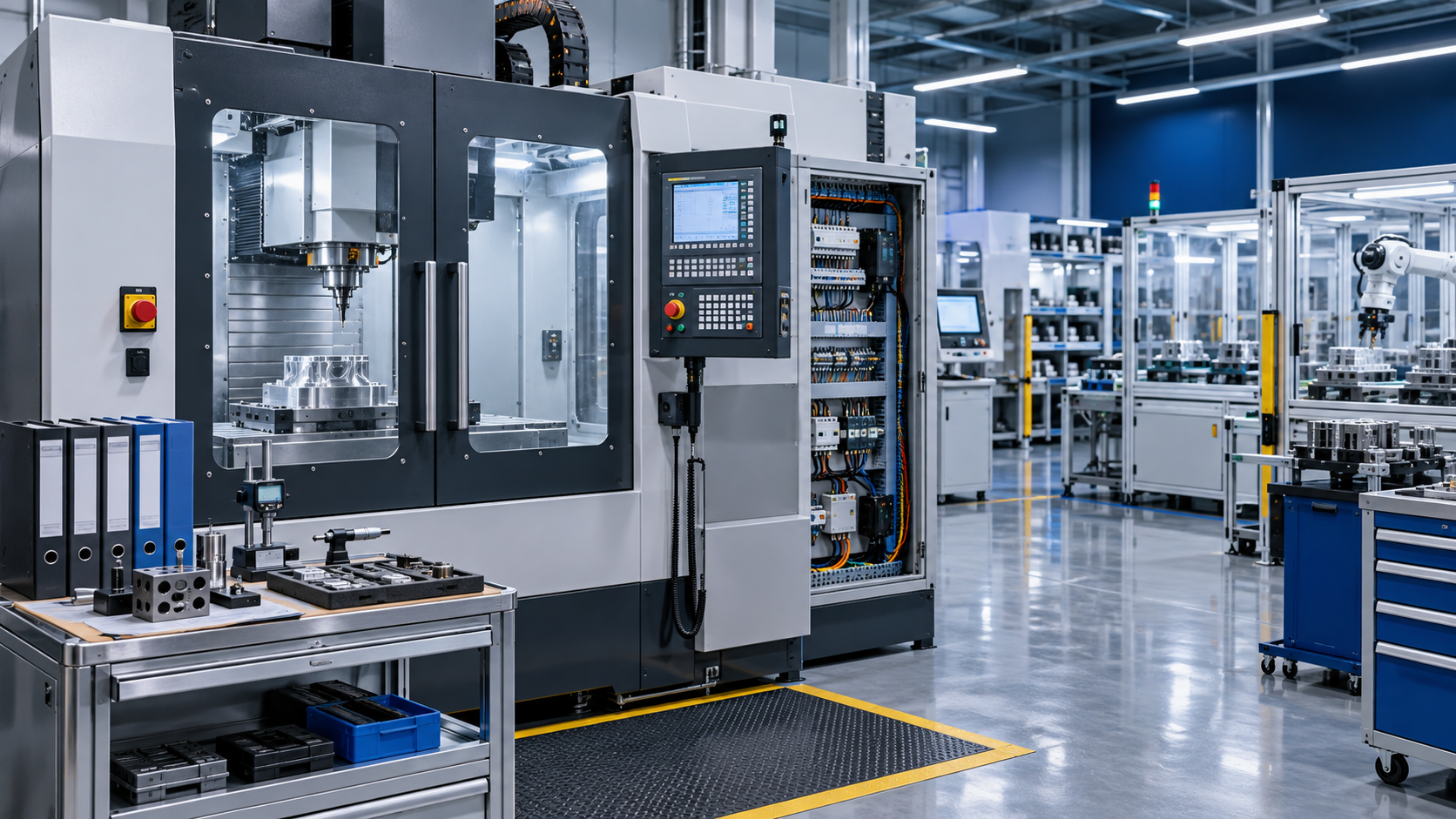
- EV battery tray milling: requires large-table gantry machining centers (X-axis ≥ 3,000 mm), coolant pressure ≥ 40 bar, and real-time thermal compensation
- Transmission gear blank turning: demands twin-spindle CNC lathes with sub-5 µm roundness repeatability and automated chip conveyance
- Aerospace-grade suspension knuckles: processed on 5-axis mill-turn centers with B-axis tilt range of −30° to +110° and 30,000 rpm HSK-A63 spindles
These use cases drive demand for machines compliant with ISO 230-2 (geometric accuracy), ISO 230-6 (dynamic performance), and optionally ISO 13399 (cutting tool data interoperability) — key considerations during procurement evaluation.
How to Evaluate CNC Suppliers Beyond Price and Lead Time?
Procurement professionals face increasing complexity when selecting CNC partners. Price competitiveness matters — but so do five operational dimensions that directly impact ROI within 12 months:
Suppliers meeting ≥ 2 benchmarks above typically reduce time-to-first-good-part by 37% and cut unplanned downtime by 22% (based on 2023 user survey data across 42 Tier-1 facilities).
Which Machines Are Most Critical for Near-Term Capacity Ramp-Up?
Given current delivery constraints, procurement decisions must prioritize machines with shortest path to output. Three categories deliver fastest ROI in automotive settings:
- High-speed 4-axis horizontal machining centers: Ideal for cylinder heads and intake manifolds; typical cycle time reduction vs. 3-axis: 28–35%; average deployment time: 4 weeks post-delivery
- Multi-tasking turn-mill centers with Y-axis: Eliminate secondary operations for CV joints and steering racks; reduce part handling by 60%; require only 2 operator shifts for 24/7 operation
- Modular gantry systems with interchangeable heads: Support rapid reconfiguration between battery tray milling and chassis frame drilling; changeover completed in ≤ 90 minutes
All three types benefit from standardized electrical interfaces (IEC 61131-3 PLC programming) and unified HMI architecture — reducing operator retraining time to under 3 days per station.
Why Partner With a Supplier That Integrates Precision, Automation & Digital Readiness?
When orders spike but utilization stalls, agility—not just capacity—becomes the decisive factor. Leading CNC suppliers now offer coordinated packages combining:
- Pre-validated machine tool models certified for ISO 9001:2015 and IATF 16949:2016 automotive quality systems
- Embedded edge computing modules enabling vibration monitoring, tool wear prediction, and adaptive feed control
- Standardized delivery protocols: 4-step implementation (site prep → mechanical install → electrical integration → process validation) with fixed 14-day SLA per phase
We support procurement, operations, and engineering teams with actionable next steps: confirm your required spindle torque range (e.g., 120–450 N·m), define acceptable delivery window (standard: 18 weeks; expedited: 12 weeks with priority build slot), and share your existing MES/SCADA platform for compatibility verification. Request a free application review — including part geometry analysis and recommended machine configuration — within 48 business hours.
Recommended for You
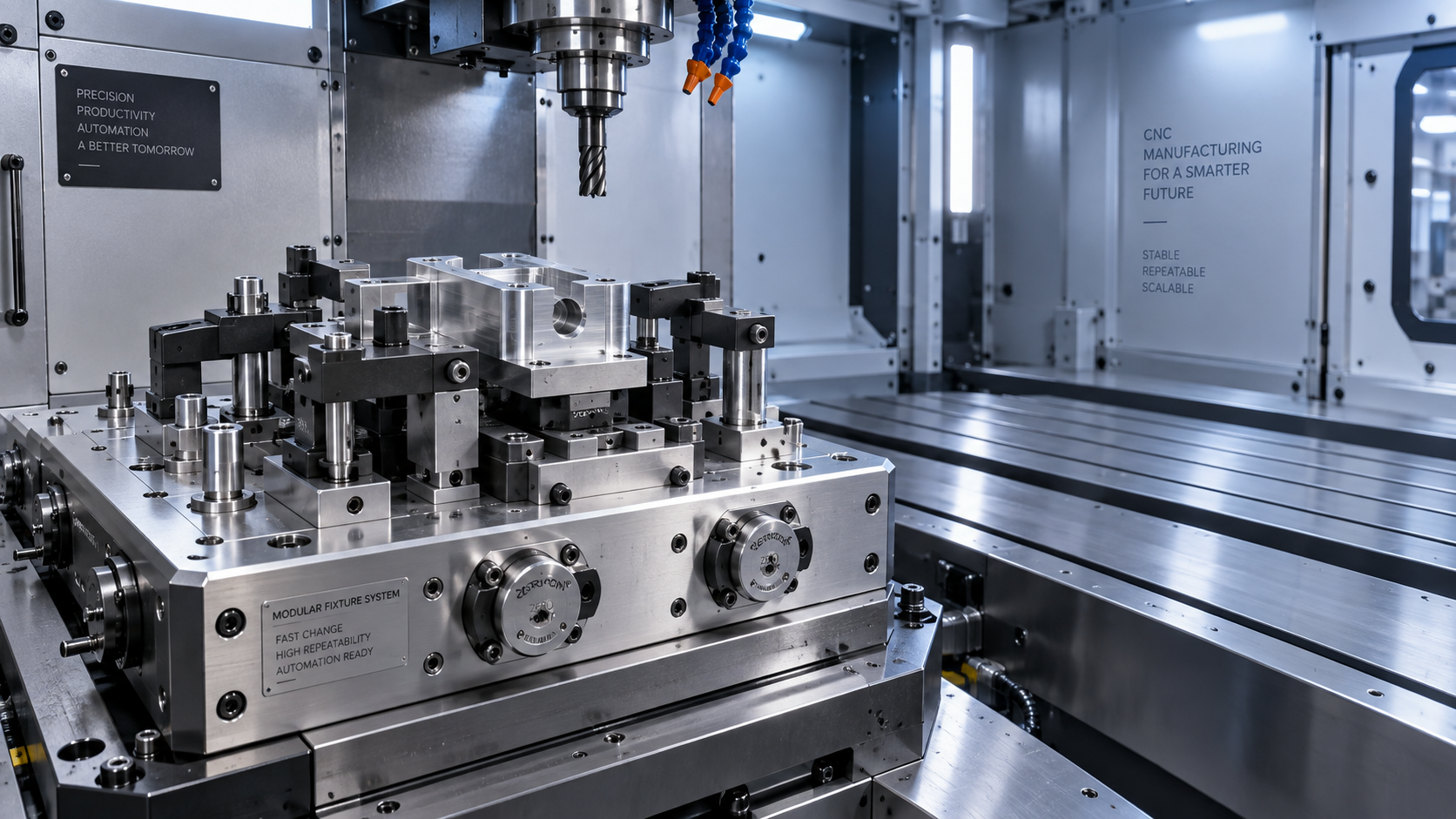
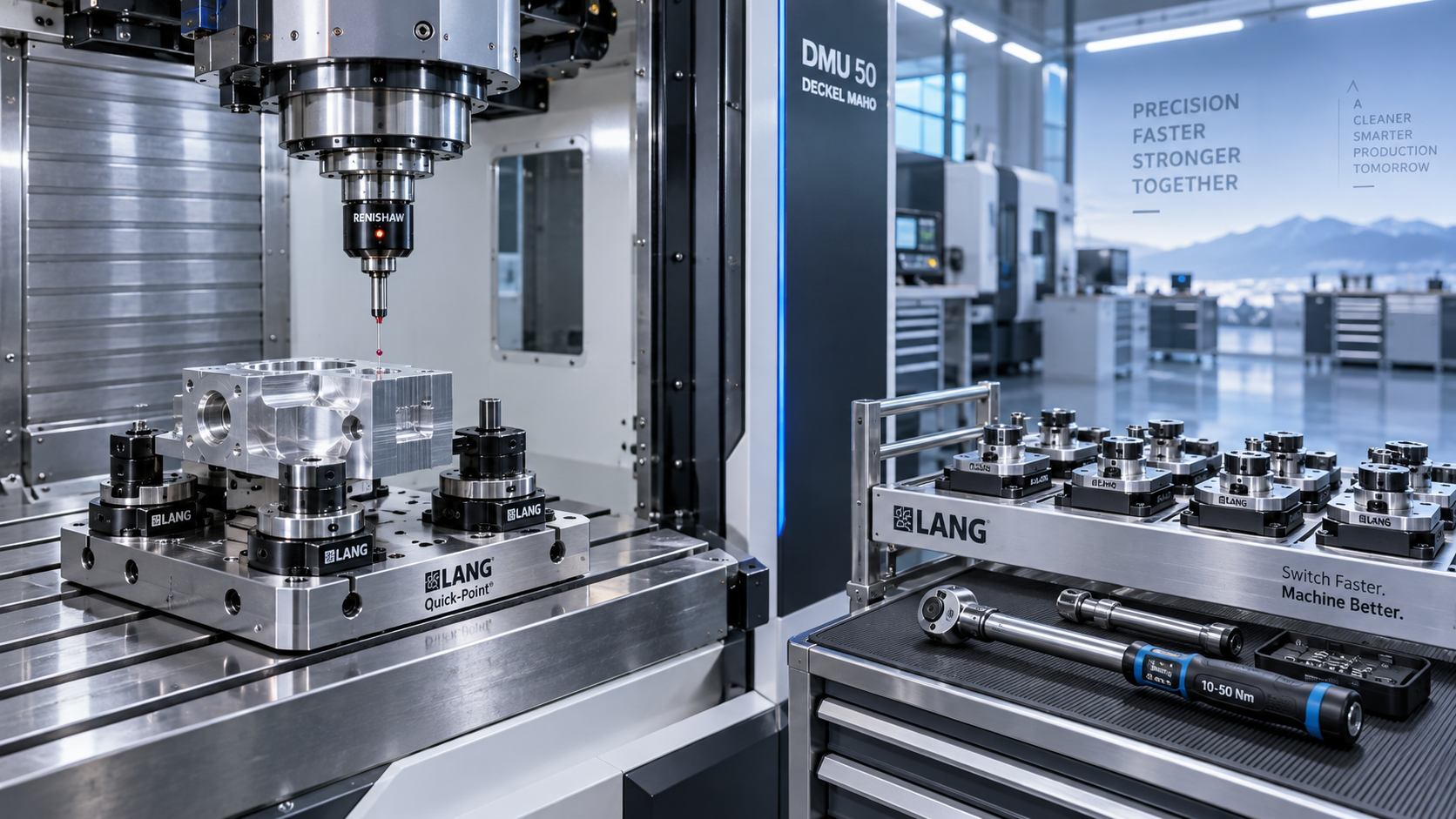
 Zero-Point Clamping or Modular Fixtures? Choosing a Faster CNC Changeover SystemCNC Machining Technology Center
 How to Cut CNC Fixture Changeover Time Without Sacrificing Part AccuracyCNC Machining Technology Center
 When Does CNC Turning Pay Off? A Break-Even Guide by Annual Part VolumeMachine Tool Industry Editorial Team
 Machine Tool Standards by Country: What Importers Must Verify Before PurchaseManufacturing Policy Research Center
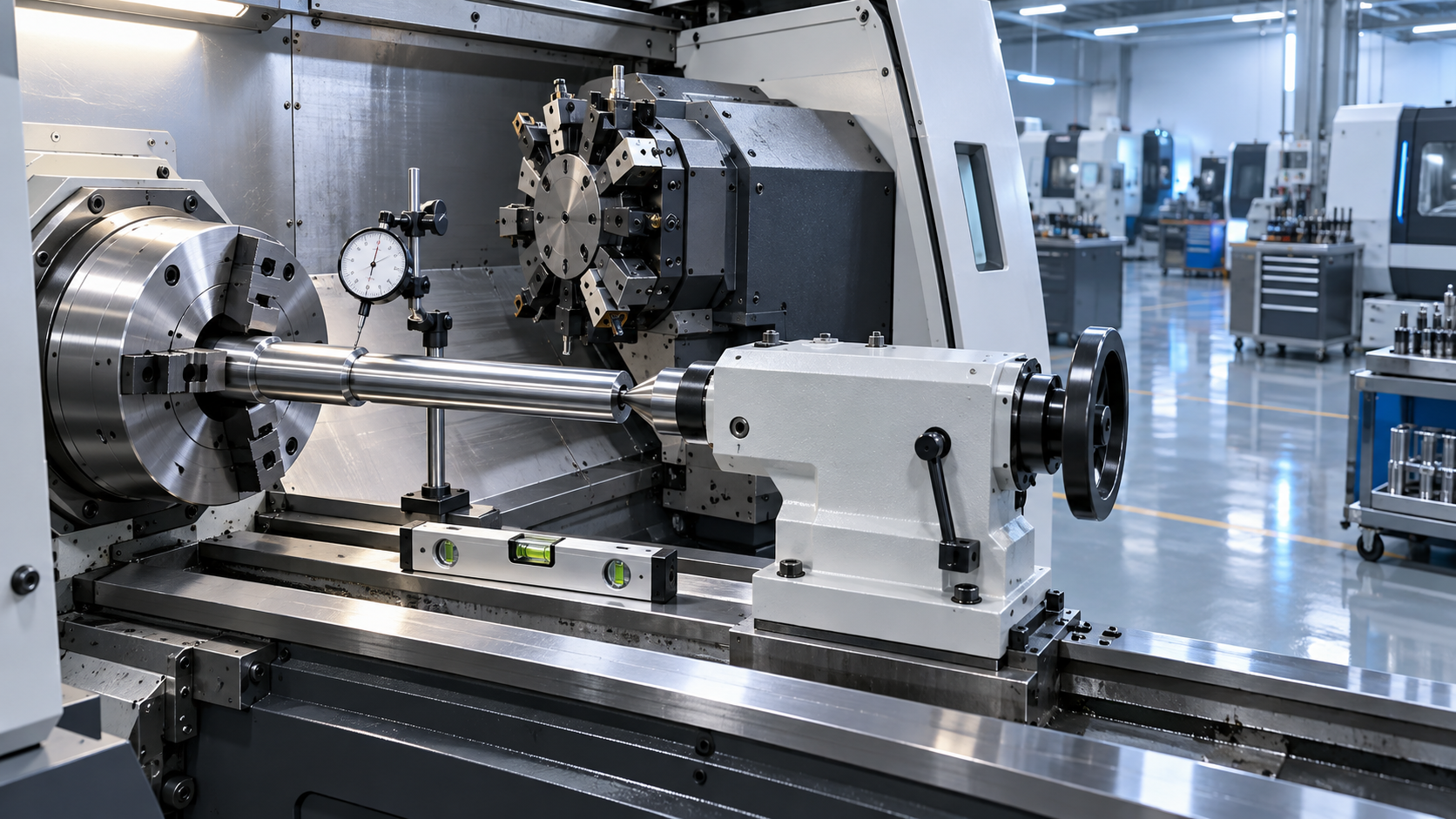
 CNC Lathe Quick Installation Guide: Alignment Checks Before First Production RunCNC Machining Technology Center
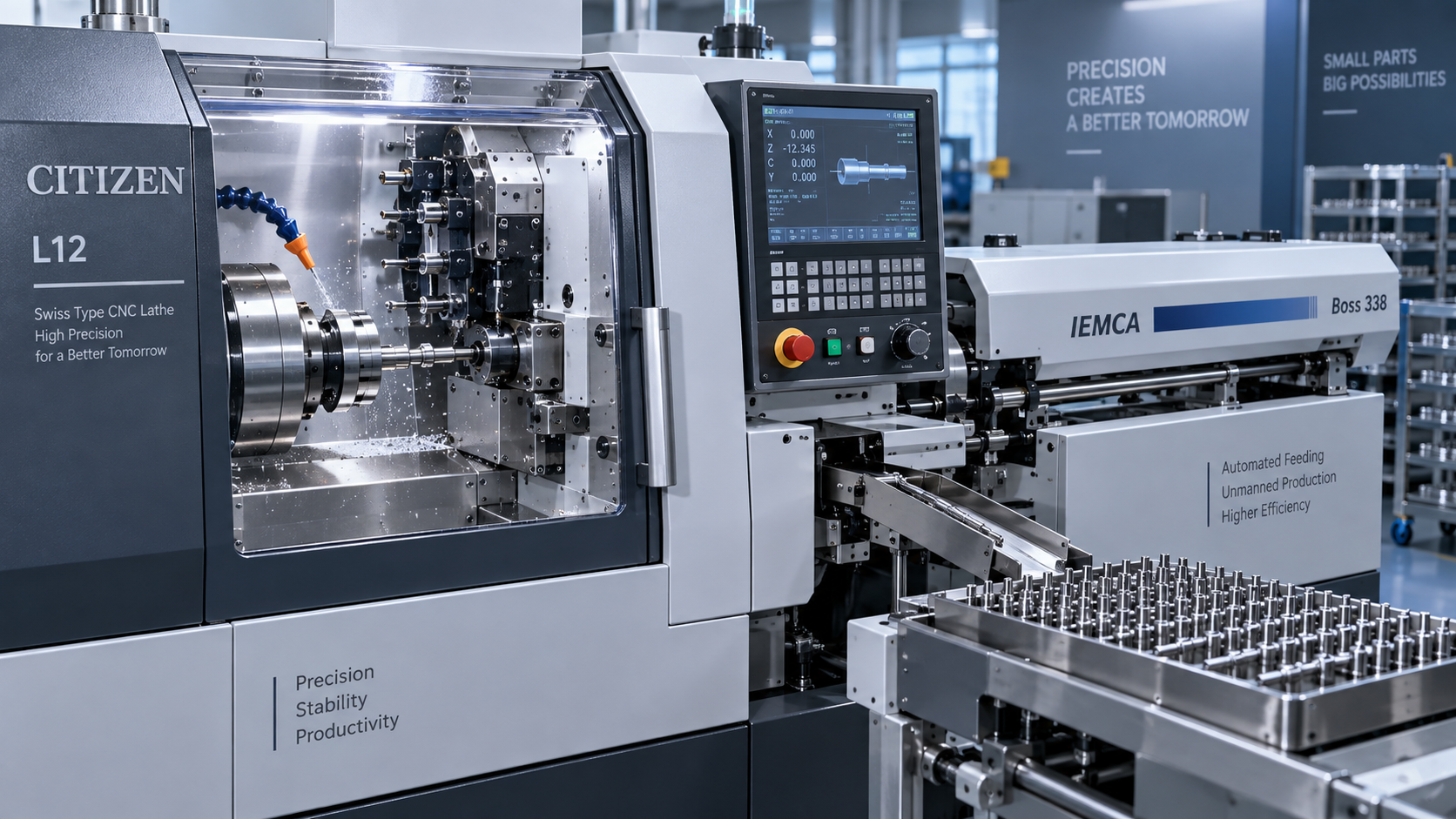
 How to Select a CNC Lathe for Small Parts Without Sacrificing Accuracy or Cycle TimeCNC Machining Technology Center

Aris Katos
Future of Carbide Coatings
15+ years in precision manufacturing systems. Specialized in high-speed milling and aerospace grade alloy processing.
▶
Japan Subsidy Plan Narrows CNC Export OpeningsManufacturing Market Research Center▶
Industrial Robotics ROI: Cost Drivers, Integration Risks, and Payback Benchmarks for BuyersManufacturing Market Research Center▶
India’s 20% Rice Export Tax Lifts Demand for Processing EquipmentManufacturing Market Research Center▶
Anhui Growth Lifts Demand for High-End Machine ToolsManufacturing Market Research Center▶
China CNC Rate to Hit 75% by 2027Manufacturing Market Research Center
Mastering 5-Axis Workholding Strategies
Join our technical panel on Nov 15th to learn about reducing vibrations in thin-wall components.

Providing you with integrated sanding solutions
Before-sales and after-sales services
Comprehensive technical support