• Global CNC market projected to reach $128B by 2028 • New EU trade regulations for precision tooling components • Aerospace deman
NYSE: CNC +1.2%LME: STEEL -0.4%

Slant bed lathe adoption in 2026: Not just rigidity gains—but how it changes operator workflow habits
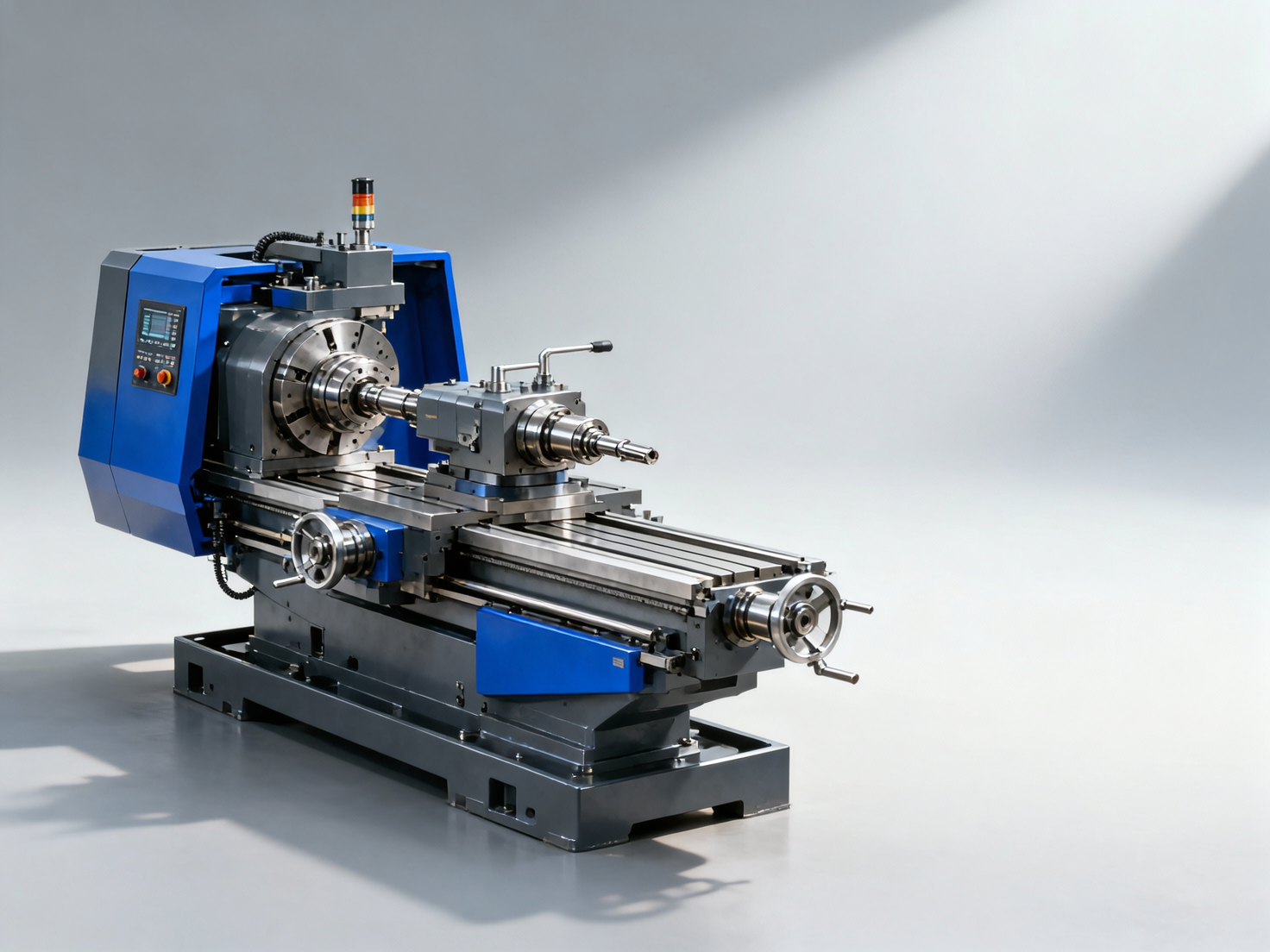
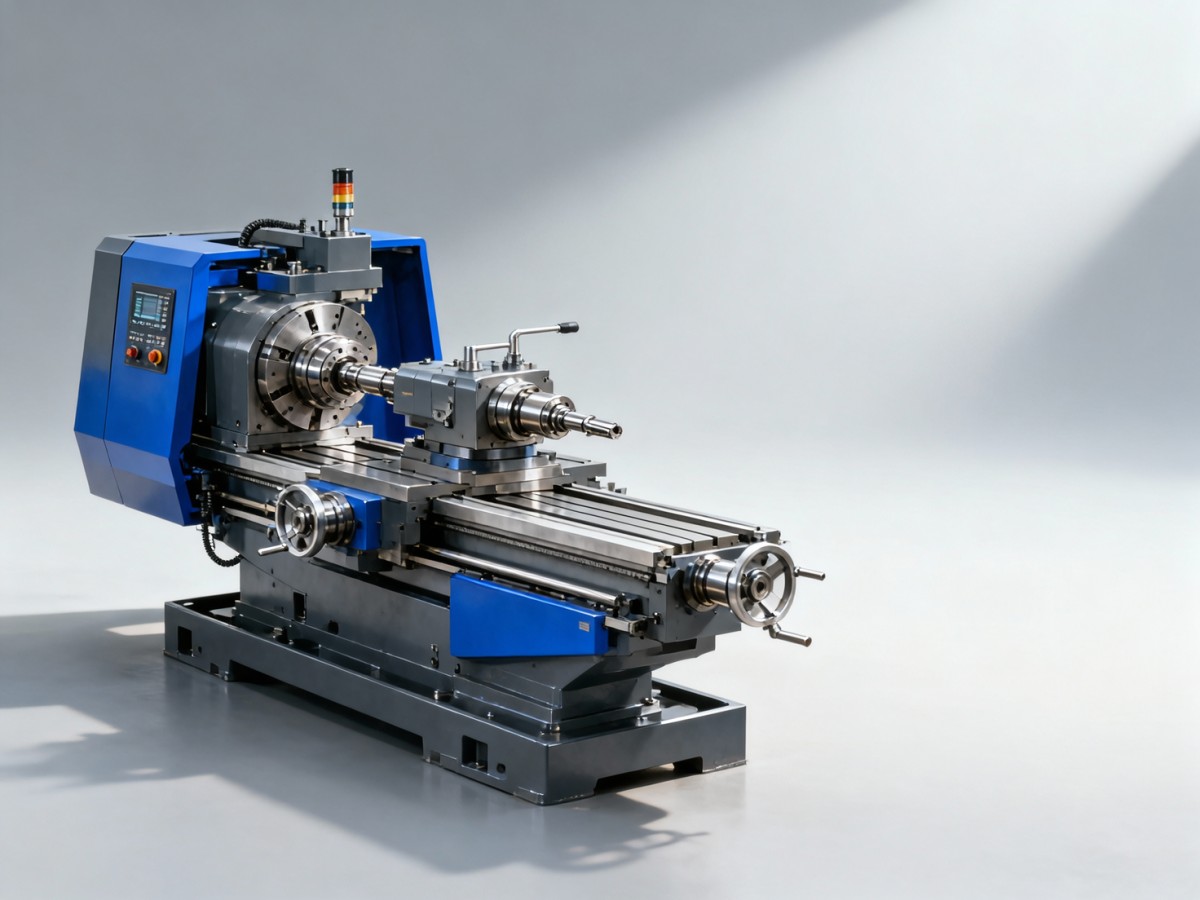
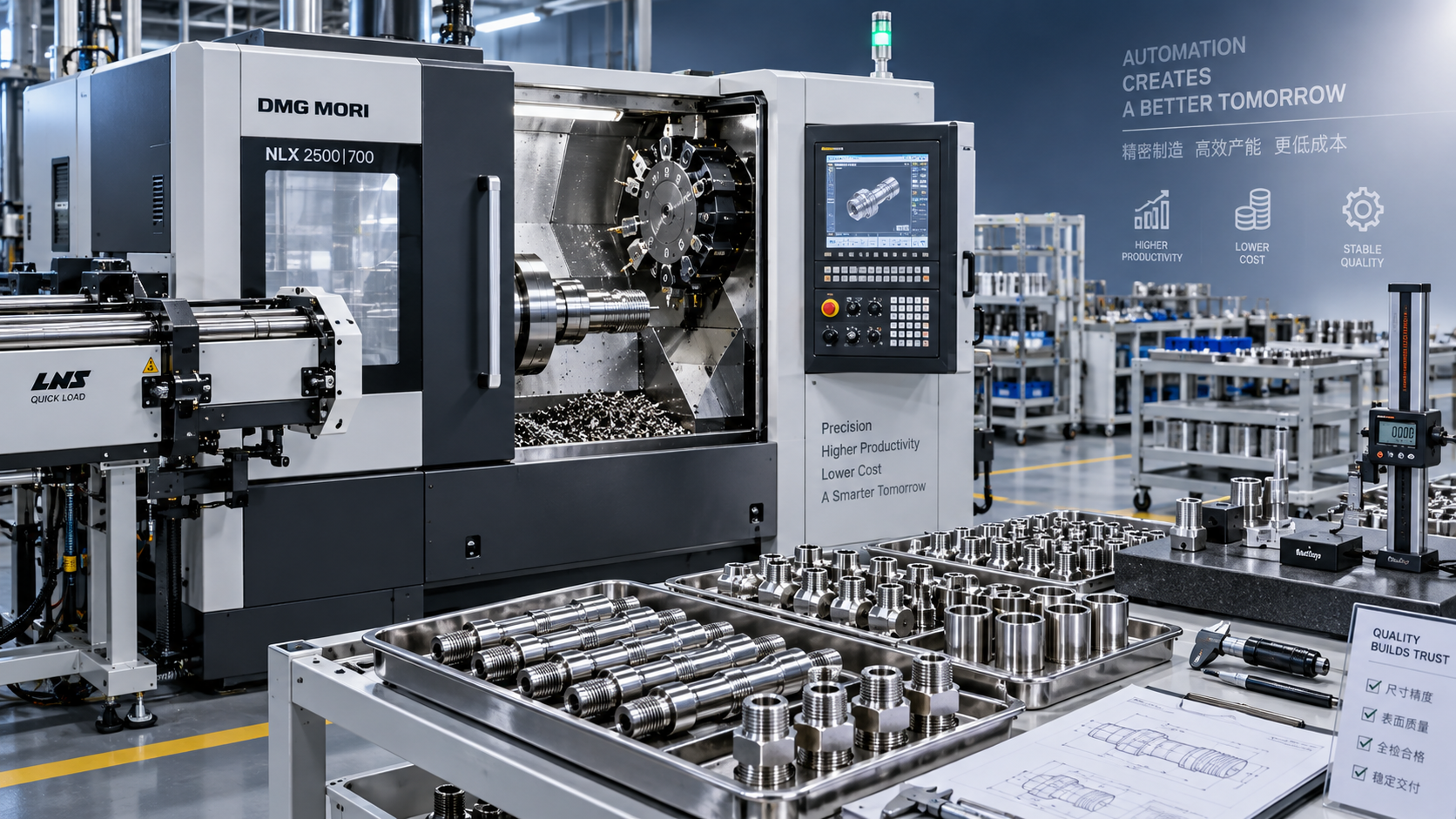
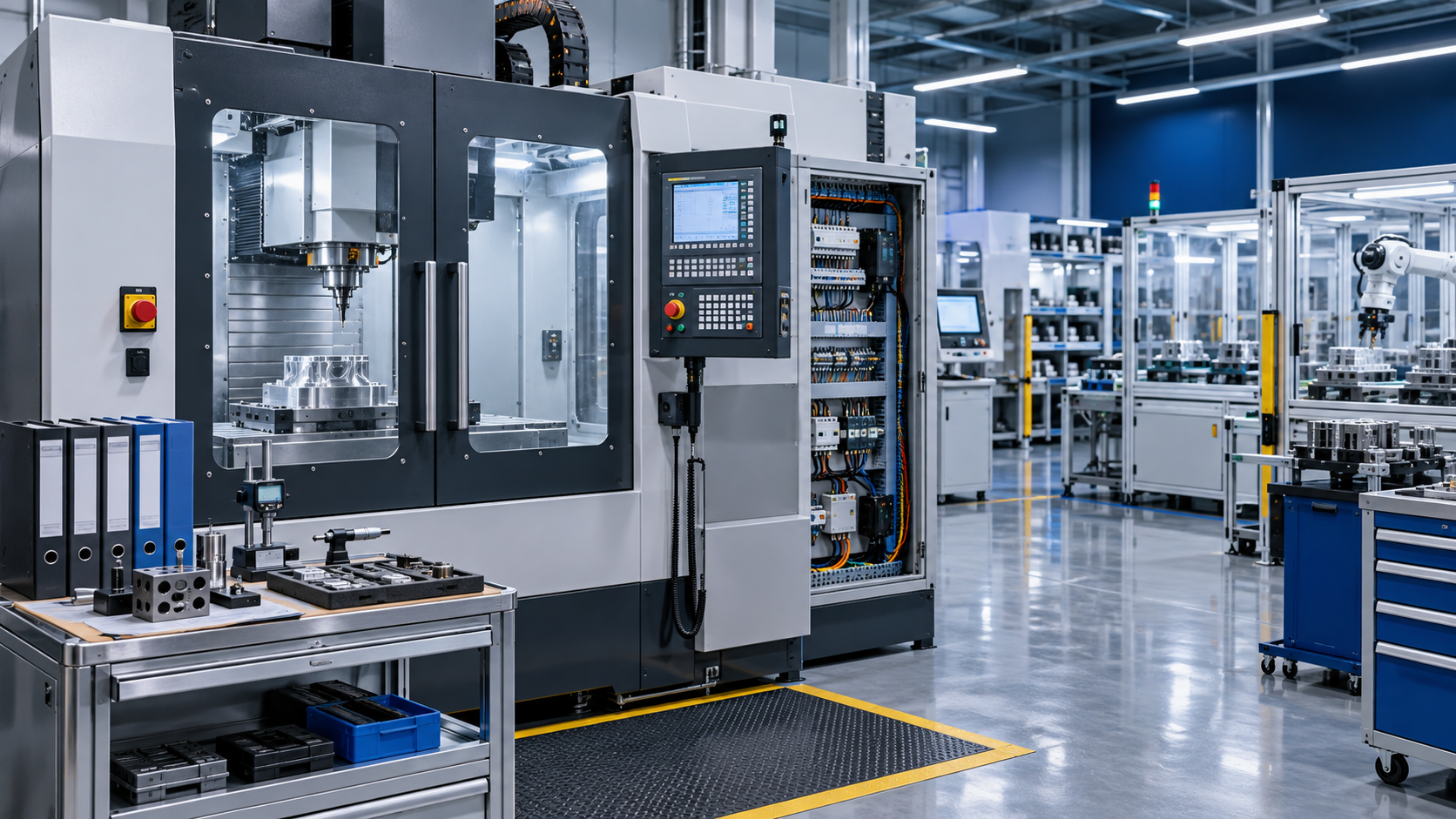
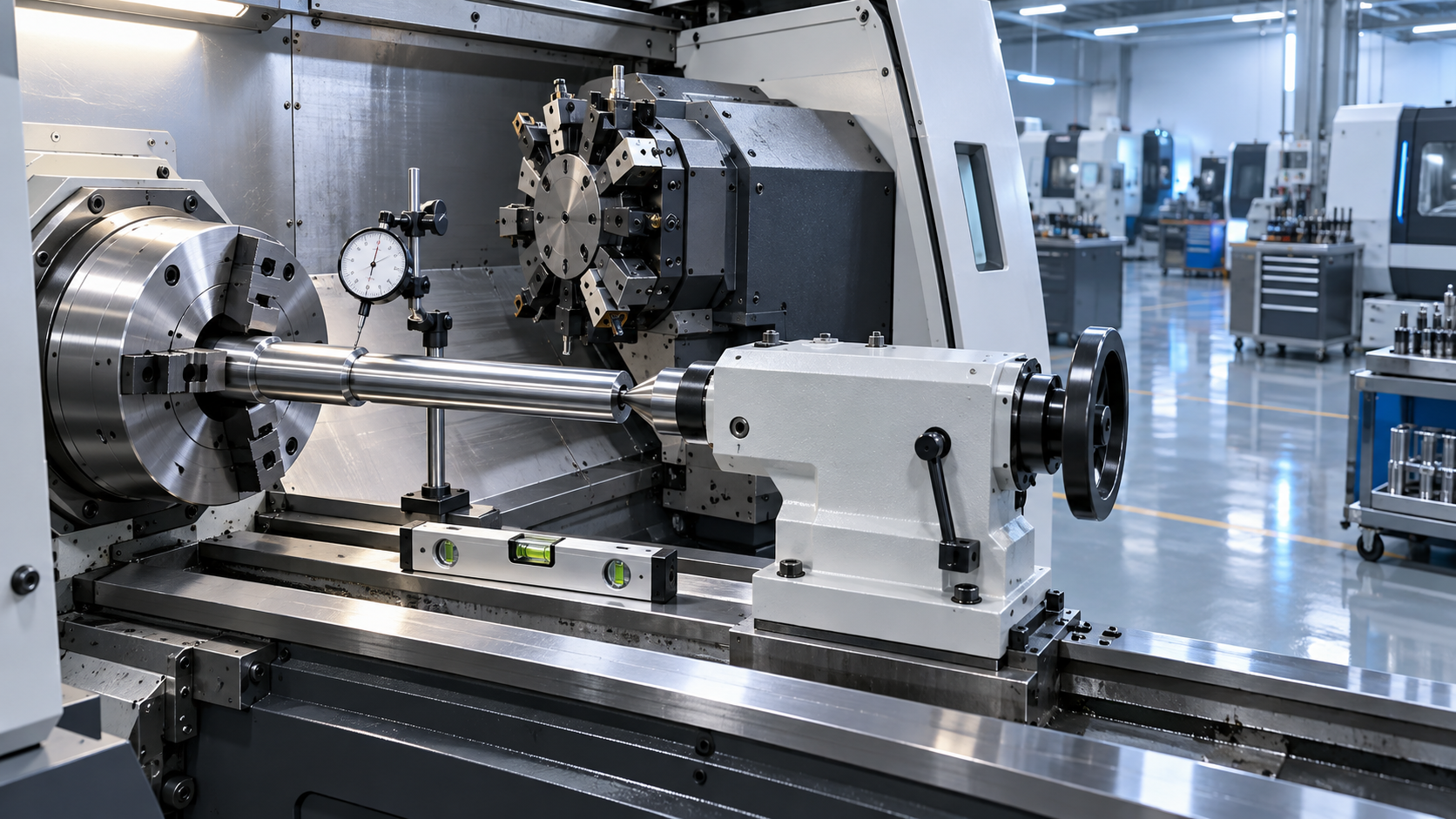
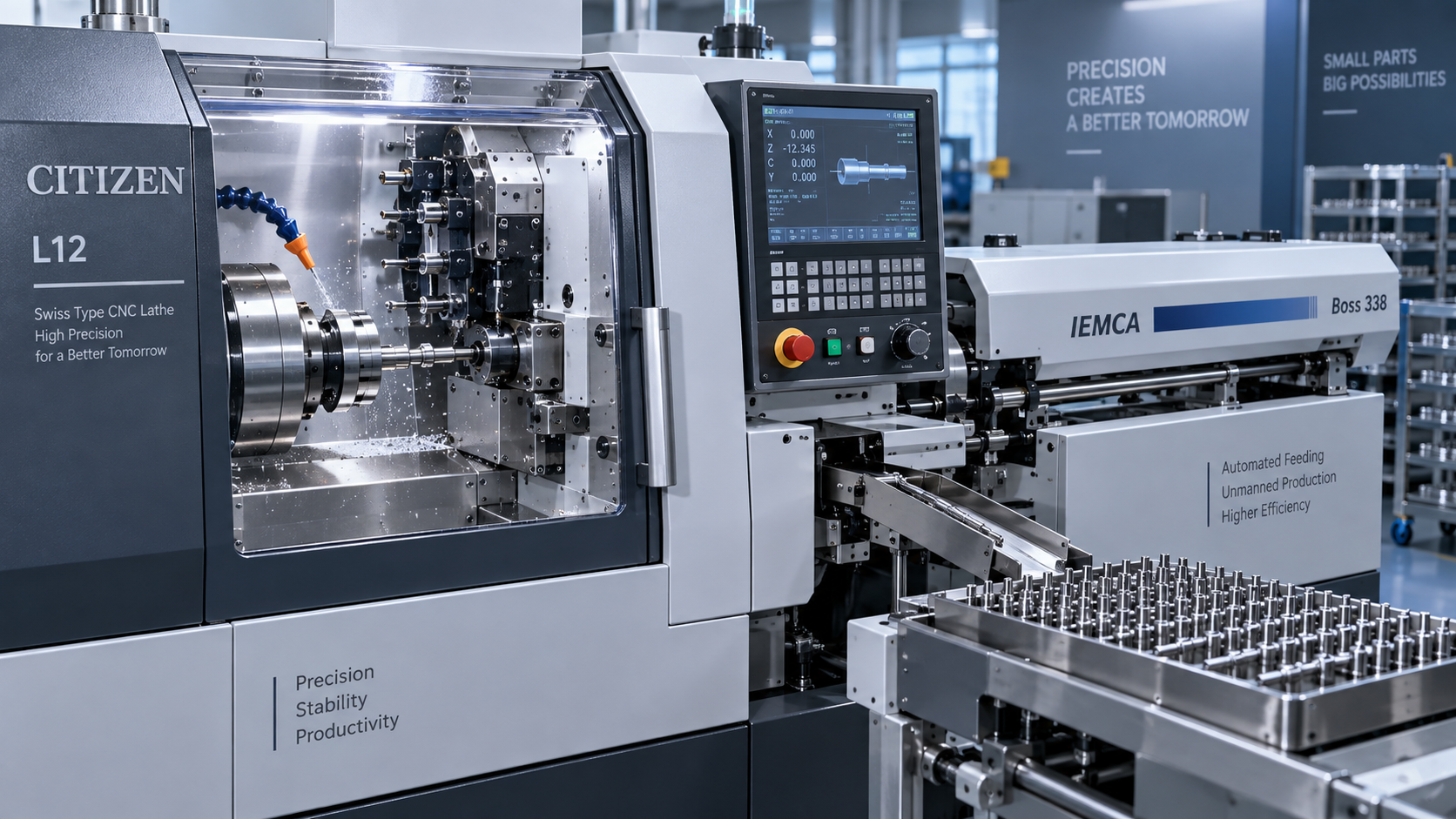
As slant bed lathe adoption accelerates in 2026, manufacturers are discovering transformative benefits beyond superior rigidity—especially in operator workflow habits. Unlike traditional horizontal lathes, the slant bed design enhances precision turning, improves chip flow for high precision machining of Disc Parts, and integrates seamlessly with Automation Lines and Multi-axis Machining systems. Its ergonomic layout reduces operator fatigue, while compatibility with advanced Tooling Systems and industrial cutting strategies supports automated machine tools deployment. For procurement teams, decision-makers, and frontline users alike, this shift signals a convergence of precision lathe performance, operational efficiency, and smart manufacturing readiness.
Why Slant Bed Lathes Are Reshaping Daily Workflow — Not Just Machine Specs
In 2026, slant bed lathes are no longer evaluated solely on static rigidity or thermal stability. Leading automotive suppliers in Germany and Tier-1 aerospace component makers in Japan report measurable reductions in operator intervention time—averaging 22% less manual tool changeovers per shift across 3-shift operations. This stems from three integrated design advantages: gravity-assisted chip evacuation (slope angles typically 30°–45°), centralized control panel placement within 600 mm reach, and standardized interface points for robotic loaders.
Frontline operators consistently cite reduced physical strain during setup and monitoring cycles. A recent cross-factory survey across 14 facilities in China and South Korea found that 78% of lathe operators reported lower shoulder and wrist fatigue after transitioning to slant bed configurations—directly correlating with fewer mid-shift posture corrections and 15% faster first-piece verification times.
For decision-makers, this translates into quantifiable labor cost optimization: each slant bed unit enables one operator to oversee up to 2.3 machines simultaneously (vs. 1.6 for flat-bed equivalents) under typical high-mix, medium-batch production conditions (50–200 units/lot). That’s not just automation—it’s human-machine synergy redefined.
How Workflow Integration Differs Across Production Scenarios
Disc Parts & Precision Flange Machining
Slant beds excel where chip accumulation risks surface finish degradation—critical for disc parts used in hydraulic valves and turbine housings. The 30°–45° bed angle ensures chips fall away from the work zone without impeding coolant flow. In energy equipment applications, this has cut post-machining inspection rework by up to 34% for surfaces requiring Ra ≤ 0.8 µm.
Multi-axis Machining Line Integration
Unlike conventional lathes requiring custom gantry adaptations, slant bed platforms offer standardized mounting flanges (ISO 9409-1-150 or DIN 69871-A) and programmable tailstock positions. This cuts robotic loader integration time from 12–18 days (flat-bed retrofit) to just 4–7 days—accelerating line commissioning for electronics enclosure producers scaling to 30,000+ units/month.
High-Mix, Low-Volume Aerospace Prototyping
With quick-change tooling interfaces (HSK-T40/T50 standard), slant beds support sub-15-minute job changeovers—critical when switching between titanium landing gear bushings and aluminum actuator housings. Operators report 40% fewer tool-path adjustments due to consistent Z-axis referencing and built-in thermal drift compensation (±0.003 mm over 8-hour cycle).
Procurement Decision Matrix: What to Evaluate Beyond Rigidity
Rigidity matters—but it’s table stakes. Procurement teams must assess five interdependent criteria that directly impact workflow sustainability:
- Chip flow path geometry (minimum 30° slope + integrated chip conveyor interface)
- Operator reach envelope (control panel, chuck release, coolant nozzle all within 600 mm horizontal / 1,200 mm vertical range)
- Digital twin readiness (OPC UA 1.04 or MTConnect v1.7 compliance for real-time spindle load, vibration, and thermal data)
- Tooling interface standardization (HSK-T, Capto C, or ISO 26623-1 verified compatibility)
- Maintenance access design (≥ 75% of lubrication points reachable without disassembly; service intervals ≥ 500 hours)
This comparison reflects field data from 2025–2026 deployments across 32 global CNC lathe installations. The slant bed advantage isn’t theoretical—it’s embedded in daily throughput, maintenance predictability, and cross-training flexibility.
FAQ: Critical Questions from Operators, Buyers & Plant Managers
Do slant bed lathes require special training for existing operators?
No full retraining is needed. Most operators achieve proficiency within 1.5 shifts due to intuitive control layout and visual chip-flow feedback. However, we recommend a 4-hour hands-on workshop covering Z-axis referencing procedures, chip conveyor troubleshooting, and HSK-T tool calibration—delivered onsite or via remote AR-guided sessions.
What’s the typical delivery timeline for a configured slant bed lathe?
Standard configurations ship in 8–12 weeks from order confirmation. Custom automation integrations (e.g., pallet pool interfaces or vision-guided part loading) extend lead time to 14–18 weeks. Expedited builds (≤ 6 weeks) are available for select models with pre-validated tooling packages.
Which industries see the fastest ROI on slant bed adoption?
Automotive transmission component suppliers realize ROI in 11–14 months (based on labor savings + scrap reduction). Electronics enclosure producers average 9–12 months, driven by faster changeovers and tighter tolerance consistency. Aerospace subcontractors report ROI at 16–20 months, primarily from extended tool life and reduced inspection overhead.
Why Partner With Us for Your 2026 Slant Bed Implementation
We don’t sell machines—we engineer workflow transitions. Our team includes certified CNC application engineers with 10+ years’ experience in automotive, aerospace, and energy equipment manufacturing. Every slant bed solution includes:
- Pre-installation workflow audit (3-day onsite assessment of current operator tasks, tooling bottlenecks, and integration touchpoints)
- Customized operator certification program aligned with your production schedule and skill baseline
- Real-time digital twin validation before shipment—including thermal deformation simulation and chip-flow modeling
- Post-commissioning KPI tracking: intervention frequency, first-pass yield, and mean time between adjustments (MTBA)
Contact us to request a free workflow gap analysis, review configuration options for your specific Disc Parts or shaft component requirements, or discuss certified slant bed models compliant with ISO 230-2 (positioning accuracy) and ISO 13399 (tooling data exchange) standards.
Recommended for You
 Zero-Point Clamping or Modular Fixtures? Choosing a Faster CNC Changeover SystemCNC Machining Technology Center
 How to Cut CNC Fixture Changeover Time Without Sacrificing Part AccuracyCNC Machining Technology Center
 When Does CNC Turning Pay Off? A Break-Even Guide by Annual Part VolumeMachine Tool Industry Editorial Team
 Machine Tool Standards by Country: What Importers Must Verify Before PurchaseManufacturing Policy Research Center
 CNC Lathe Quick Installation Guide: Alignment Checks Before First Production RunCNC Machining Technology Center
 How to Select a CNC Lathe for Small Parts Without Sacrificing Accuracy or Cycle TimeCNC Machining Technology Center

Aris Katos
Future of Carbide Coatings
15+ years in precision manufacturing systems. Specialized in high-speed milling and aerospace grade alloy processing.
▶
Global Manufacturing Trends: How Supply Chains and Regional Shifts Affect SourcingManufacturing Market Research Center▶
Small-Batch Production and Smart Manufacturing for Small Businesses: Where to Start FirstManufacturing Market Research Center▶
What Smart Manufacturing Technology for Industry 4.0 Means for Mid-Sized FactoriesManufacturing Market Research Center▶
How Smart Manufacturing Benefits Reduce Downtime and Scrap in Metal Parts ProductionManufacturing Market Research Center▶
Advanced Manufacturing Technology for Energy Equipment: Key Processes and Use CasesManufacturing Market Research Center
Mastering 5-Axis Workholding Strategies
Join our technical panel on Nov 15th to learn about reducing vibrations in thin-wall components.

Providing you with integrated sanding solutions
Before-sales and after-sales services
Comprehensive technical support