• Global CNC market projected to reach $128B by 2028 • New EU trade regulations for precision tooling components • Aerospace deman
NYSE: CNC +1.2%LME: STEEL -0.4%

Why the Manufacturing Industry is rethinking capacity
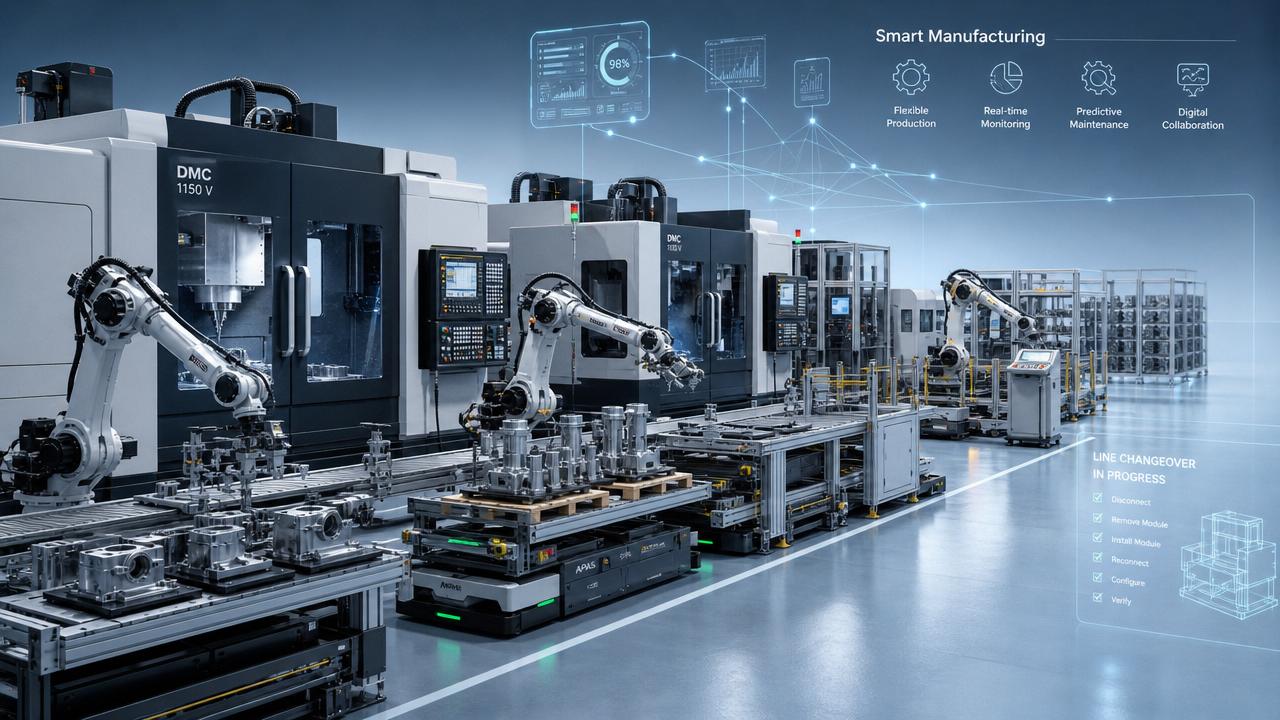
The Manufacturing Industry is rethinking capacity as volatility, automation, and supply chain shifts reshape global production. Capacity no longer means adding machines alone. It now means building responsive systems that balance output, quality, cost, and resilience across changing demand cycles.
Across CNC machining, precision manufacturing, and automated production, companies are moving from fixed expansion plans toward flexible capacity strategies. The goal is clearer now: produce complex parts faster, protect margins, and adapt without sacrificing precision or delivery reliability.
Why capacity planning in the Manufacturing Industry is entering a new phase
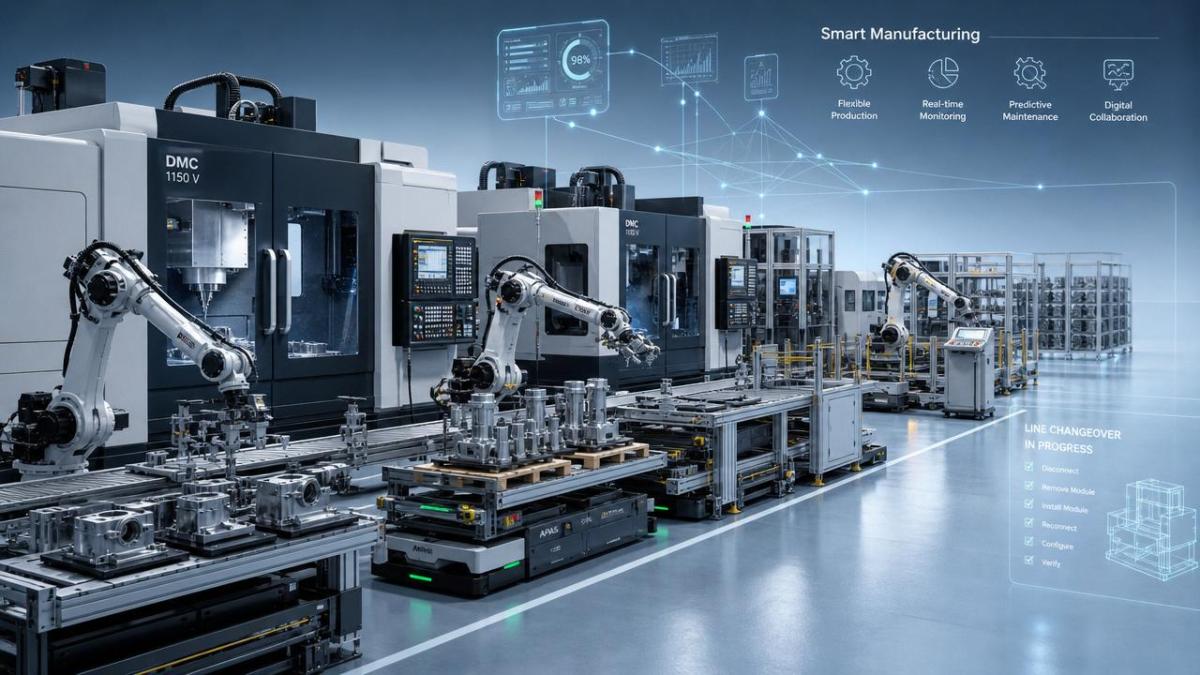
For years, capacity was measured by installed equipment, labor hours, and floor space. That logic is weakening. The Manufacturing Industry now faces shorter product cycles, unstable orders, energy pressure, and tighter quality expectations.
In CNC machine tools, one production line may serve automotive parts today and energy equipment tomorrow. Multi-axis systems, machining centers, and automated cells must support changeovers with less downtime and higher process consistency.
Global competition is also changing the capacity debate. China, Germany, Japan, and South Korea continue strengthening machine tool ecosystems. At the same time, buyers increasingly value lead-time stability, traceability, and digital coordination over simple volume claims.
This shift matters because unused capacity destroys returns, while rigid capacity limits growth. In the Manufacturing Industry, the winning model is becoming scalable precision rather than maximum output at any cost.
The strongest signals behind this shift are already visible
Several trend signals show why the Manufacturing Industry is reassessing capacity decisions. These signals are practical, measurable, and increasingly visible across precision machining, smart factories, and global supply networks.
- Demand is less predictable, with sharper order swings and smaller production batches.
- Product complexity is rising, especially for aerospace, electronics, and advanced energy components.
- Automation investment is shifting from isolated machines to connected production systems.
- Supply chain diversification requires regional manufacturing options and backup production paths.
- Quality documentation and process data are becoming central to commercial competitiveness.
These changes are especially relevant in CNC environments. A high-end machining center without integrated scheduling, tooling visibility, and maintenance intelligence may increase installed capacity, but not usable capacity.
The forces pushing the Manufacturing Industry to rethink capacity
The Manufacturing Industry is not reacting to one cause. Capacity strategy is changing because multiple economic, technical, and operational forces now interact at the same time.
In the Manufacturing Industry, these drivers push companies toward measurable, adaptive capacity. Investment decisions increasingly focus on throughput quality, setup reduction, machine utilization, and scheduling responsiveness.
How this affects production systems, sourcing, and growth decisions
The impact extends beyond the shop floor. Capacity choices now influence quoting speed, inventory policy, supplier strategy, maintenance planning, and even market expansion timing.
Production systems are becoming modular
In CNC machining and precision manufacturing, modular production cells are gaining attention. Flexible fixtures, tool management systems, and automated material handling help increase output without overcommitting to one product type.
Sourcing decisions are becoming more strategic
A supplier with stable digital capacity data may now be more valuable than one with larger nominal output. The Manufacturing Industry increasingly rewards visibility, process control, and reliable handoff between facilities.
Growth planning is becoming less linear
Instead of expanding all at once, many operations are sequencing capacity in stages. They add machine tools, automation, or software layers as utilization, complexity, and customer demand justify each step.
- Stage one often targets bottleneck relief.
- Stage two improves flexibility and changeover speed.
- Stage three connects data across scheduling, quality, and maintenance.
What deserves the closest attention now in the Manufacturing Industry
Rethinking capacity does not mean slowing investment. It means asking better questions. The Manufacturing Industry should focus on the quality of capacity, not just the quantity of installed assets.
- Measure usable capacity, not theoretical machine hours.
- Track setup time, spindle uptime, and unplanned stoppages closely.
- Evaluate whether tooling, fixtures, and software limit throughput.
- Compare fixed expansion with flexible automation alternatives.
- Build regional production options for supply continuity.
- Use machine and process data to support faster capacity decisions.
- Prioritize precision retention during scaling, especially for complex parts.
For machine tool ecosystems, this also includes better integration between CNC lathes, machining centers, cutting tools, metrology, and automated assembly. Capacity fails when one link advances and the others remain static.
A practical framework for judging future capacity moves
The Manufacturing Industry benefits from a simple decision framework. Before expanding, compare demand uncertainty, technical requirements, and operational readiness in one structured view.
This approach helps separate expansion that creates advantage from expansion that only adds cost. In the Manufacturing Industry, disciplined capacity design is becoming a competitive capability by itself.
The next step is to build smarter capacity, not simply more of it
The direction is clear. The Manufacturing Industry is moving toward connected, flexible, and precision-led capacity models. CNC machine tools, digital production systems, and smart factory methods are central to that transition.
A useful next step is to review actual bottlenecks across machines, tooling, scheduling, and quality workflows. Then compare theoretical output with usable output across different order scenarios.
From there, prioritize changes that improve responsiveness first. In many cases, better data, faster changeovers, and integrated automation deliver more value than adding unmanaged equipment.
As the Manufacturing Industry continues evolving, capacity will be defined by adaptability, precision, and visibility. Those factors now shape resilience, customer confidence, and long-term manufacturing competitiveness worldwide.
PREVIOUS ARTICLE
Recommended for You
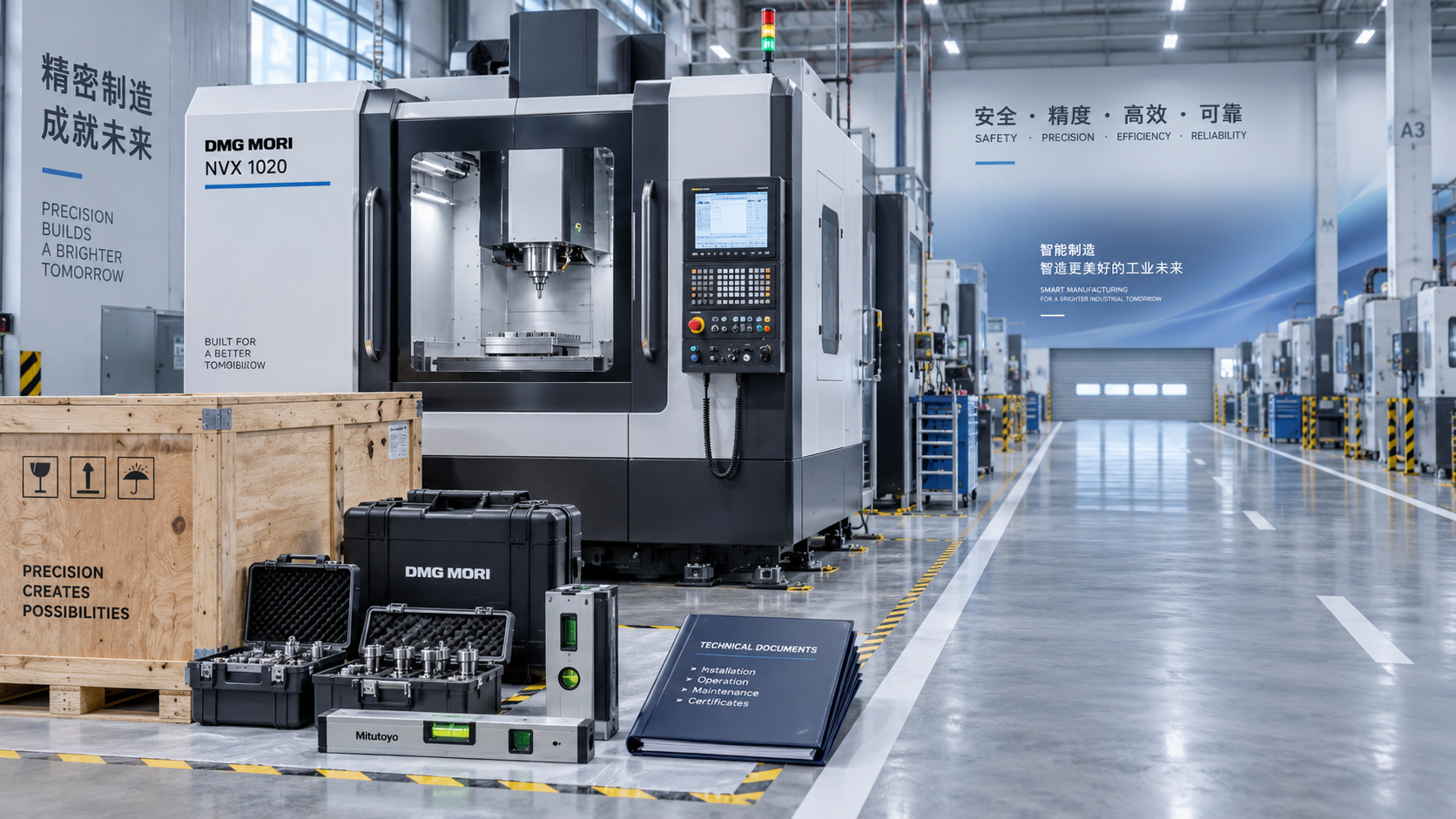
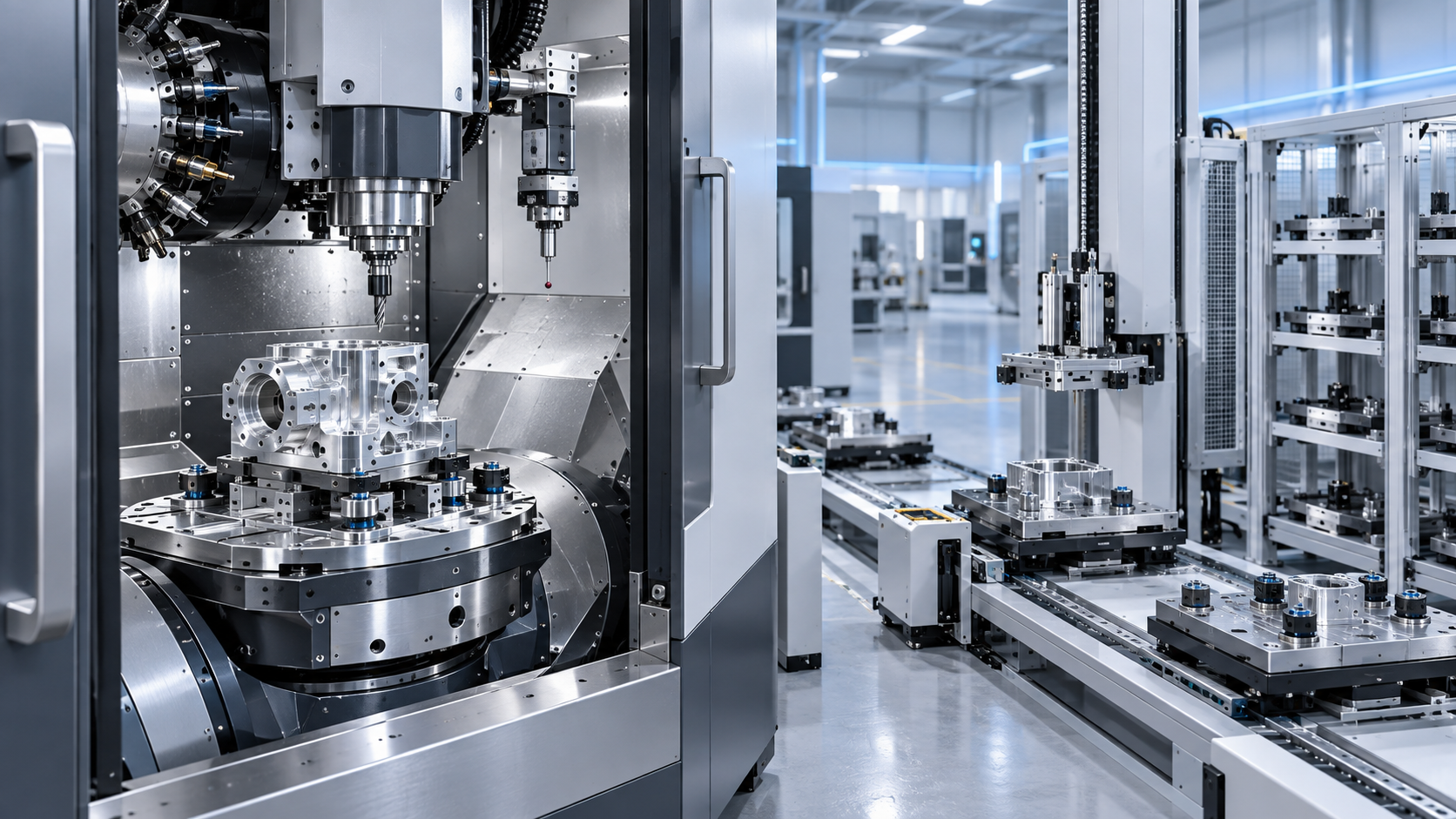
 CNC Machine Arrival Inspection: Check Shipping Damage, Accuracy, Safety, and DocumentsCNC Machining Technology Center
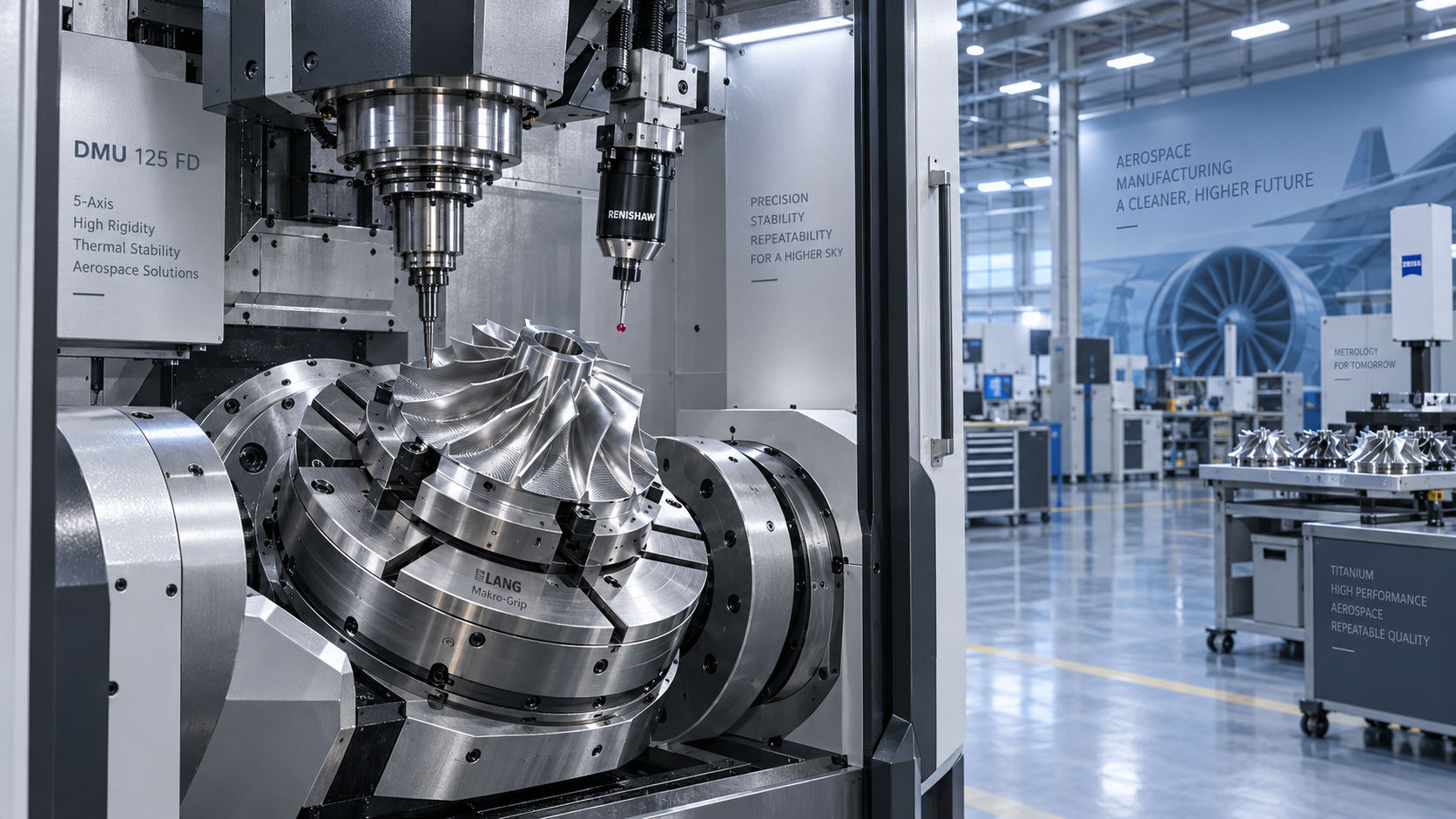
 How to Select a Machine Tool for Aerospace Parts with Tight Tolerances?Machine Tool Industry Editorial Team
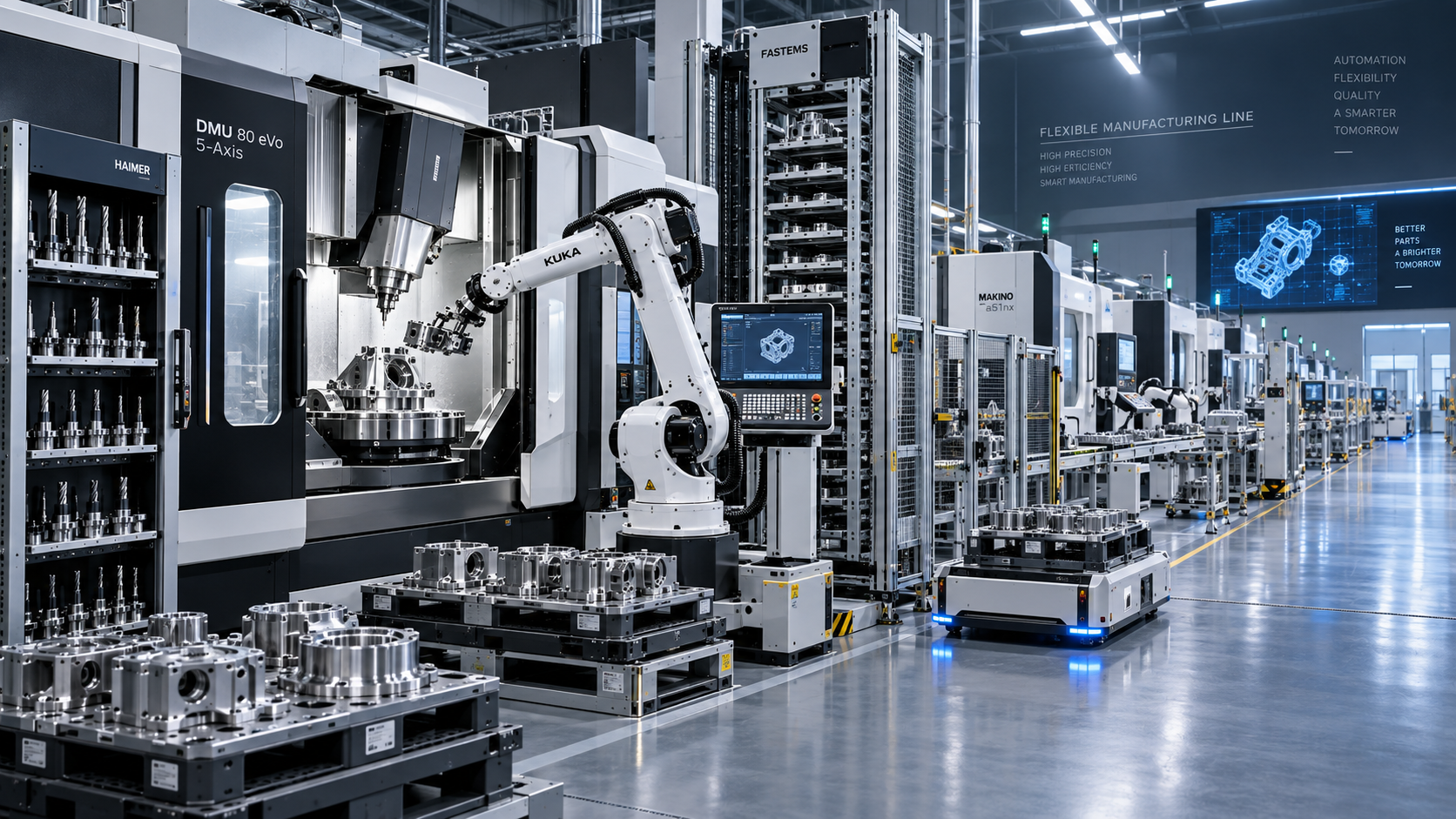
 How to Select CNC Equipment for High-Mix, Low-Volume ProductionCNC Machining Technology Center
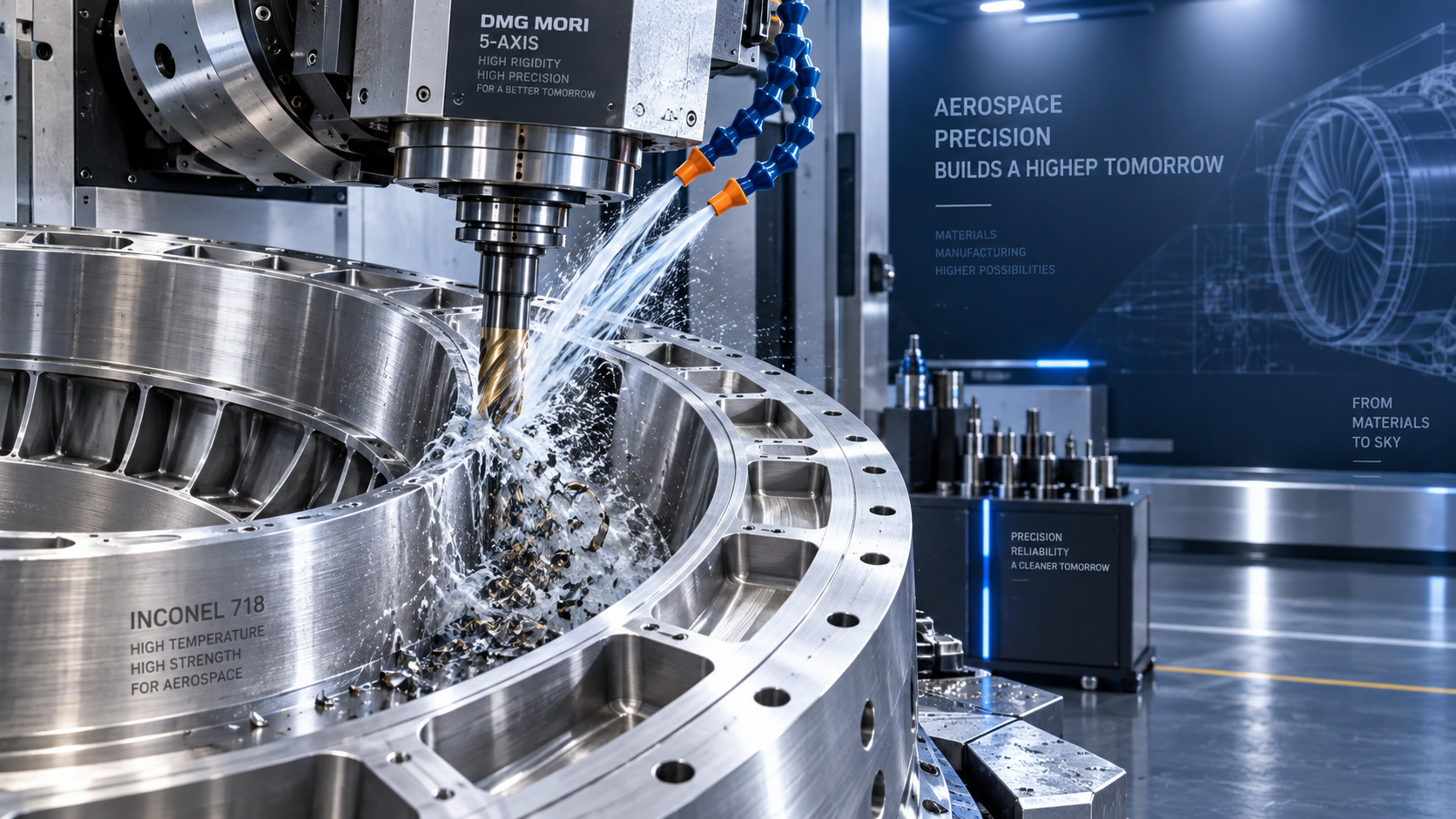
 Can CNC Machining Inconel Control Tool Wear in High-Temperature Aerospace Parts?CNC Machining Technology Center
 Machine Tool Market Outlook: Demand Drivers, Capacity Shifts, and Investment RisksManufacturing Market Research Center
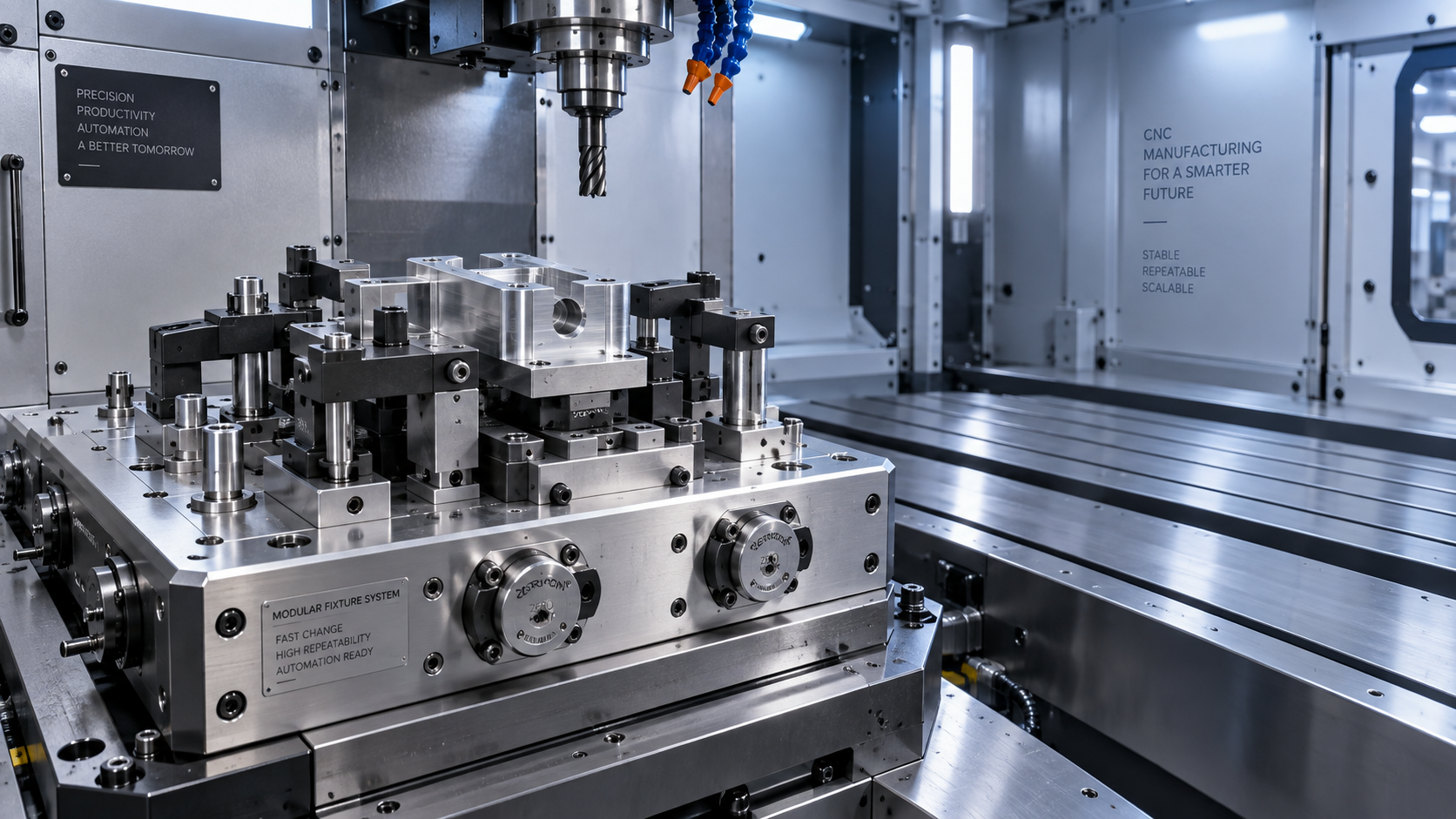
 Zero-Point Clamping or Modular Fixtures? Choosing a Faster CNC Changeover SystemCNC Machining Technology Center

Aris Katos
Future of Carbide Coatings
15+ years in precision manufacturing systems. Specialized in high-speed milling and aerospace grade alloy processing.
▶
Global Manufacturing Trends: How Supply Chains and Regional Shifts Affect SourcingManufacturing Market Research Center▶
Small-Batch Production and Smart Manufacturing for Small Businesses: Where to Start FirstManufacturing Market Research Center▶
What Smart Manufacturing Technology for Industry 4.0 Means for Mid-Sized FactoriesManufacturing Market Research Center▶
How Smart Manufacturing Benefits Reduce Downtime and Scrap in Metal Parts ProductionManufacturing Market Research Center▶
Advanced Manufacturing Technology for Energy Equipment: Key Processes and Use CasesManufacturing Market Research Center
Mastering 5-Axis Workholding Strategies
Join our technical panel on Nov 15th to learn about reducing vibrations in thin-wall components.

Providing you with integrated sanding solutions
Before-sales and after-sales services
Comprehensive technical support