• Global CNC market projected to reach $128B by 2028 • New EU trade regulations for precision tooling components • Aerospace deman
NYSE: CNC +1.2%LME: STEEL -0.4%

EU Tightens Conformity Rules for Automated Lines

On July 9, 2026, the European Commission formally adopted Regulation (EU) 2026/1122, adding a new compliance threshold for certain automated assembly lines sold into the EU market. The change is especially relevant to equipment manufacturers, system integrators, distributors, procurement teams, and end users involved with lines that combine more than two robotic cells or use PLC-based motion control, because certification scope and order-release checks will both become more demanding from January 2027.
What the new rule formally changes
According to the information provided, Regulation (EU) 2026/1122 was adopted on July 9, 2026. It introduces mandatory third-party type examination for automated assembly lines that integrate more than two robotic cells or PLC-based motion control, with the requirement taking effect in January 2027.
The certification scope must now include cybersecurity resilience under EN IEC 62443-3-3 and human-machine collaboration safety under ISO/TS 15066. The same information also states that distributors in EU markets must verify supplier certification before placing orders.
Where the impact is likely to be felt first
Equipment builders and line integrators face a wider compliance scope
From an industry perspective, this change may affect manufacturers and integrators most directly because the rule is tied to how automated assembly lines are configured. The main business impact is likely to appear in product definition, technical documentation, certification planning, and delivery preparation for lines that fall within the stated scope.
What deserves closer attention is whether a line includes more than two robotic cells or relies on PLC-based motion control, because those design characteristics now matter not only for engineering but also for market access preparation.
Distributors will need a stronger pre-order verification step
Analysis shows that distributors in EU markets are no longer dealing only with commercial suitability; they must also verify supplier certification before placing orders. That may shift part of the compliance burden into supplier onboarding, order approval, contract review, and document control.
For channel participants, the practical issue is not only whether a product can be sold, but whether certification evidence is available early enough to support purchasing and distribution timelines.
Procurement and end-user buyers may need earlier supplier screening
Observably, procurement teams and end users sourcing automated assembly lines for EU operations may be affected through vendor selection and project scheduling. If certification now covers both cybersecurity resilience and human-machine collaboration safety, buyers may need to review supplier readiness earlier in the sourcing cycle rather than waiting until final delivery stages.
The business risk to monitor is potential mismatch between technical offers and the certification status required for EU placement.
What companies should watch in practice
Check whether current line configurations fall inside the stated scope
Companies should first focus on whether their automated assembly lines integrate more than two robotic cells or include PLC-based motion control, because that is the threshold described in the provided summary. This is a classification issue with direct implications for certification workflow.
Align certification preparation with the January 2027 effective date
What deserves closer attention is the time gap between formal adoption in July 2026 and effectiveness in January 2027. In practical terms, that interval may affect quotation validity, project handover timing, order sequencing, and communication between sales, engineering, compliance, and customers.
Review whether documentation covers both safety and cybersecurity elements
Analysis shows that the certification requirement is not limited to machine function alone. Because the provided summary explicitly adds EN IEC 62443-3-3 and ISO/TS 15066 to the certification scope, companies should pay close attention to whether technical files, assessment materials, and supplier submissions address both cybersecurity resilience and human-machine collaboration safety.
Prepare distributor-supplier verification workflows
For distributors and suppliers, a key operational point is the new obligation to verify certification before orders are placed. That suggests immediate attention should go to document availability, internal approval responsibility, and customer or supplier communication around certification status.
Why this reads as more than a narrow paperwork update
In analysis, this development is better understood as a regulatory signal that conformity assessment for automated assembly lines in the EU is being framed more broadly than traditional equipment checks alone. The addition of cybersecurity resilience and collaborative safety within certification scope indicates that market access expectations are being tied more closely to how automated systems interact with both networks and human operators.
At the same time, it would be premature to treat this as a complete picture of downstream enforcement or market-wide commercial impact, because the provided information is limited to the formal adoption, the stated scope, the effective date, and the distributor verification requirement. Further interpretation still depends on how companies and market participants implement these obligations in practice.
How to read the significance now
At this stage, it is more appropriate to understand the July 9 adoption as a confirmed regulatory change with near-term operational consequences rather than as a short-lived news item. The most immediate significance lies in certification scope, order-process controls, and supplier qualification for affected automated assembly lines entering the EU market.
From an industry perspective, the rule is both a short-term compliance issue ahead of January 2027 and a longer-term signal that safety and cybersecurity are being assessed together more explicitly in automation-related market access. The extent of broader commercial impact still needs continued observation.
Basis of this article and points for continued verification
This article is based on the user-provided news title, event date, and summary concerning the EU adoption of new conformity assessment rules for automated assembly lines. For this type of development, commonly relevant source categories may include official regulatory announcements, company statements, industry association updates, authoritative media coverage, and standards-related documents.
No specific official source link was provided in the input, so the exact source document path still needs ongoing verification. Areas worth continued monitoring include any further official wording, implementation clarifications, and practical compliance expectations related to certification scope and distributor verification procedures.
Recommended for You
 Industrial Machining: Selecting Processes for Tight-Tolerance Metal PartsCNC Machining Technology Center
 Manufacturing Technology Trends That Improve Throughput and Quality ControlManufacturing Market Research Center
 How to Design Cost-Effective Fixtures That Maintain Cycle Time in Mass ProductionCNC Machining Technology Center
 Is Learning CNC Programming Worth It for Shop Owners Seeking Higher Margins?CNC Machining Technology Center
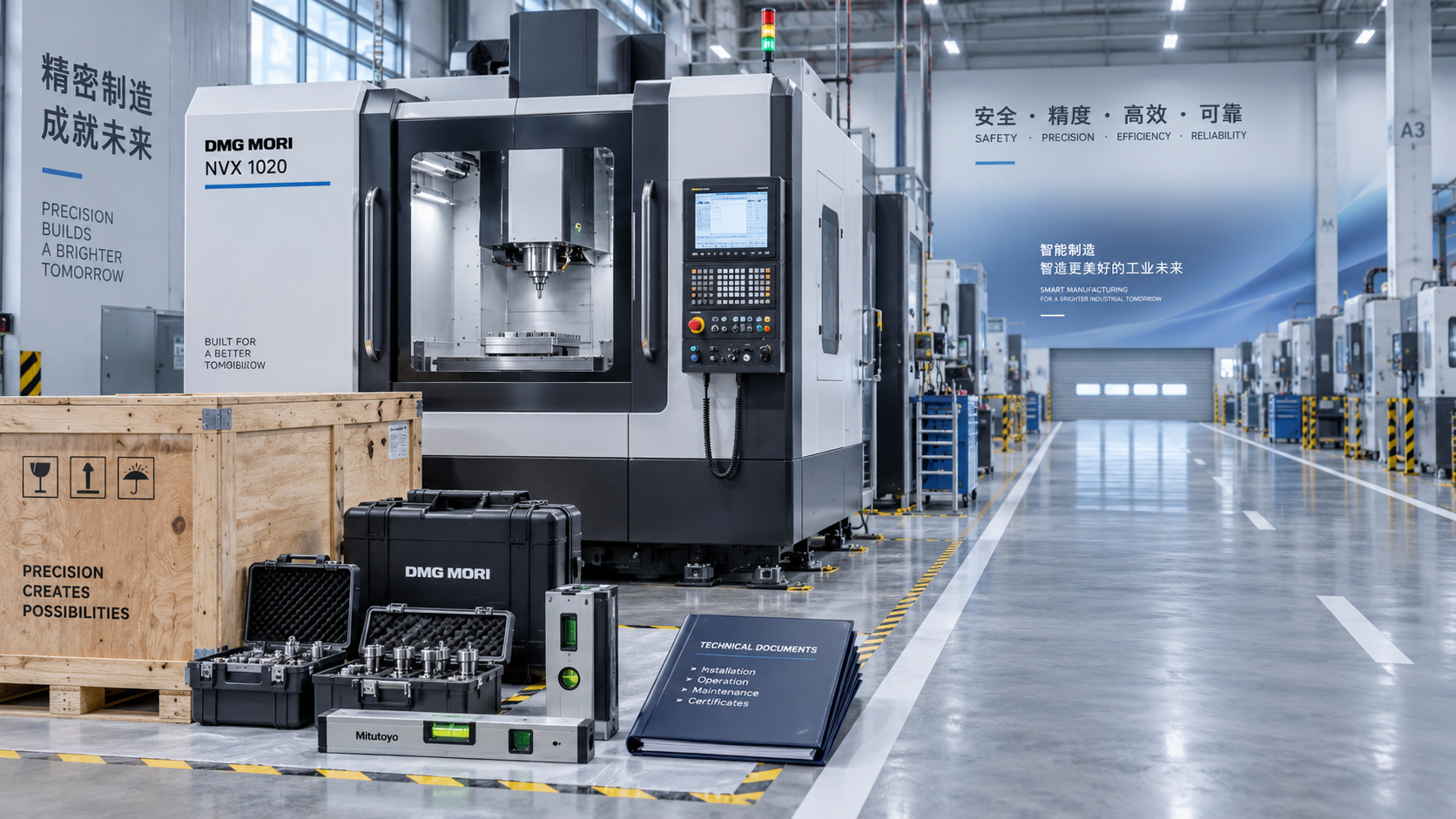
 CNC Machine Arrival Inspection: Check Shipping Damage, Accuracy, Safety, and DocumentsCNC Machining Technology Center
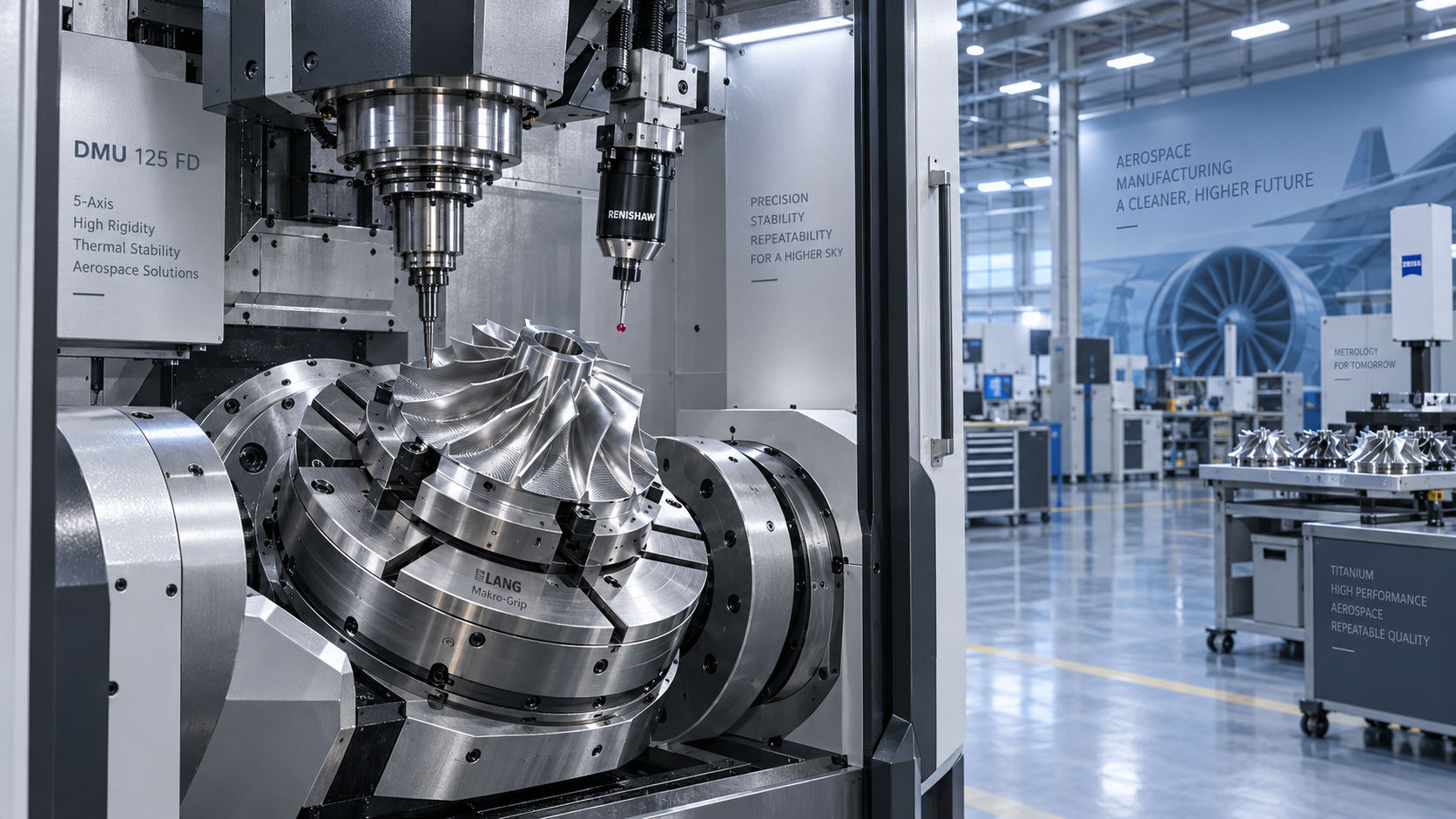
 How to Select a Machine Tool for Aerospace Parts with Tight Tolerances?Machine Tool Industry Editorial Team

Aris Katos
Future of Carbide Coatings
15+ years in precision manufacturing systems. Specialized in high-speed milling and aerospace grade alloy processing.
▶
How to Evaluate an Automation Line for Automotive Assembly Before Project LaunchCNC Machining Technology Center▶
EU Tightens Conformity Rules for Automated LinesCNC Machining Technology Center▶
Where Industrial Robotics for Warehouse Automation Delivers the Fastest ROICNC Machining Technology Center▶
Automation Line for Automotive Assembly: Key Equipment and Layout FactorsCNC Machining Technology Center▶
Industrial Automation projects fail when handoff is poorly plannedCNC Machining Technology Center
Mastering 5-Axis Workholding Strategies
Join our technical panel on Nov 15th to learn about reducing vibrations in thin-wall components.

Providing you with integrated sanding solutions
Before-sales and after-sales services
Comprehensive technical support