• Global CNC market projected to reach $128B by 2028 • New EU trade regulations for precision tooling components • Aerospace deman
NYSE: CNC +1.2%LME: STEEL -0.4%

CNC Lathe Lead Times Reach 22 Weeks

The timing of the underlying disruption is not clearly specified in the available information, but the latest update cited in the Machinery Market Monitor dated July 10, 2026 shows a notable extension in global CNC lathe lead times. Average delivery cycles have moved from 16 weeks in Q1 to 22 weeks, with the change linked to supply constraints in high-precision angular contact bearings of ISO P4 grade sourced mainly from Germany. For machine tool exporters, purchasing teams, and downstream manufacturers, this matters because the shortage is affecting a critical component while Tier-1 OEM allocation is reportedly favoring automotive and aerospace demand over general-purpose lathe exports.
What the latest market update confirms
According to the information provided, the global average lead time for CNC lathes has increased to 22 weeks from 16 weeks in the first quarter. The stated reason is tighter supply of high-precision angular contact bearings meeting ISO P4 grade requirements, with those bearings sourced primarily from Germany. The same update states that Tier-1 OEMs are prioritizing allocation to automotive and aerospace customers, which is reducing availability for general-purpose lathe exports.
Where the pressure is likely to be felt first
Export-oriented machine tool sales may face longer order conversion cycles
From an industry perspective, exporters and trading businesses handling general-purpose CNC lathes are among the most exposed because the reported allocation pattern directly tightens availability for export supply. The likely impact is not only on delivery timing, but also on quotation validity, production scheduling, and customer expectation management. What deserves closer attention is whether longer lead times begin to affect order sequencing and shipment planning for standard machines.
Procurement teams will need to watch critical-component dependency more closely
For procurement functions, the issue is significant because the disruption is tied to a specific precision bearing category rather than to a broad-based machine shortage. That means attention should stay on components with limited sourcing flexibility, especially where product specifications depend on ISO P4 grade performance. Observably, the key business risk is the knock-on effect of one constrained part on complete-machine delivery commitments.
Downstream manufacturers may need to reassess installation and capacity timing
Manufacturing companies planning equipment additions or replacement cycles may also be affected if their expected CNC lathe deliveries shift further out. Analysis shows that the most immediate exposure is in project timing, commissioning schedules, and coordination with suppliers rather than in any confirmed end-market demand change. For buyers of general-purpose lathes, the practical question is whether equipment availability remains aligned with planned production milestones.
What companies should monitor now
Track whether allocation priorities remain concentrated in specific end markets
The current information specifically mentions prioritization toward automotive and aerospace customers. Companies purchasing or reselling general-purpose CNC lathes should therefore monitor whether this remains a temporary allocation choice or becomes a more persistent ordering pattern in the near term.
Review delivery commitments tied to standard export machines
Because the reported tightening is affecting general-purpose lathe exports, businesses with open quotes, pending purchase orders, or customer delivery promises in this category should recheck lead-time assumptions. The immediate operational focus is less about broad strategy and more about whether contract timing, customer communication, and internal planning still reflect current market conditions.
Pay closer attention to component-specific supply language from suppliers
Analysis shows that the bearing constraint is the core signal in this update. Companies should watch how suppliers describe availability, substitutions, and lead-time validity around high-precision angular contact bearings, especially where machine specifications depend on those inputs. The distinction between a general machine backlog and a component-driven bottleneck is important for practical planning.
Separate confirmed facts from forward assumptions
What deserves closer attention is that the available information confirms longer lead times and allocation pressure, but it does not establish how long the situation will last. Businesses should avoid treating the current lead time as either a short-lived anomaly or a settled long-term norm without further verification.
How this update is best understood at this stage
This should be read as a meaningful supply-chain signal rather than as a complete picture of the CNC machine market. Analysis shows that the change is specific enough to be actionable: it points to a bottleneck in German-sourced ISO P4 grade bearings and to customer prioritization inside Tier-1 OEM allocation. At the same time, the information provided does not confirm broader market outcomes beyond those points. It is more appropriate to understand this as an active development that warrants continued monitoring, particularly for export channels and standard-machine buyers.
A measured takeaway for the machine tool market
The immediate industry significance of this update lies in the speed of the lead-time increase, from 16 to 22 weeks, and in the fact that the disruption is tied to a high-precision component with downstream effects on complete-machine supply. From an industry perspective, the report is not yet enough to support sweeping conclusions about long-term market direction, but it does indicate that delivery planning for CNC lathes has become less predictable in the current period. The most reasonable interpretation for now is that this is a supply-driven constraint with practical consequences for procurement, exports, and project scheduling, and one that still requires follow-up observation.
Basis of this article and points for continued verification
This article is based on the user-provided news title, the note that the event timing was not clearly specified, and the supplied event summary referencing the latest Machinery Market Monitor dated July 10, 2026. For coverage of this kind, commonly relevant source types may include official company statements, industry association updates, authoritative media reporting, and technical or standards-related documentation. A specific official source link was not provided in the input, so the underlying details still require continued verification. Follow-up attention should focus on whether lead times remain elevated, whether allocation priorities change, and whether the bearing supply constraint broadens or eases.
Recommended for You
 Industrial Machining: Selecting Processes for Tight-Tolerance Metal PartsCNC Machining Technology Center
 Manufacturing Technology Trends That Improve Throughput and Quality ControlManufacturing Market Research Center
 How to Design Cost-Effective Fixtures That Maintain Cycle Time in Mass ProductionCNC Machining Technology Center
 Is Learning CNC Programming Worth It for Shop Owners Seeking Higher Margins?CNC Machining Technology Center
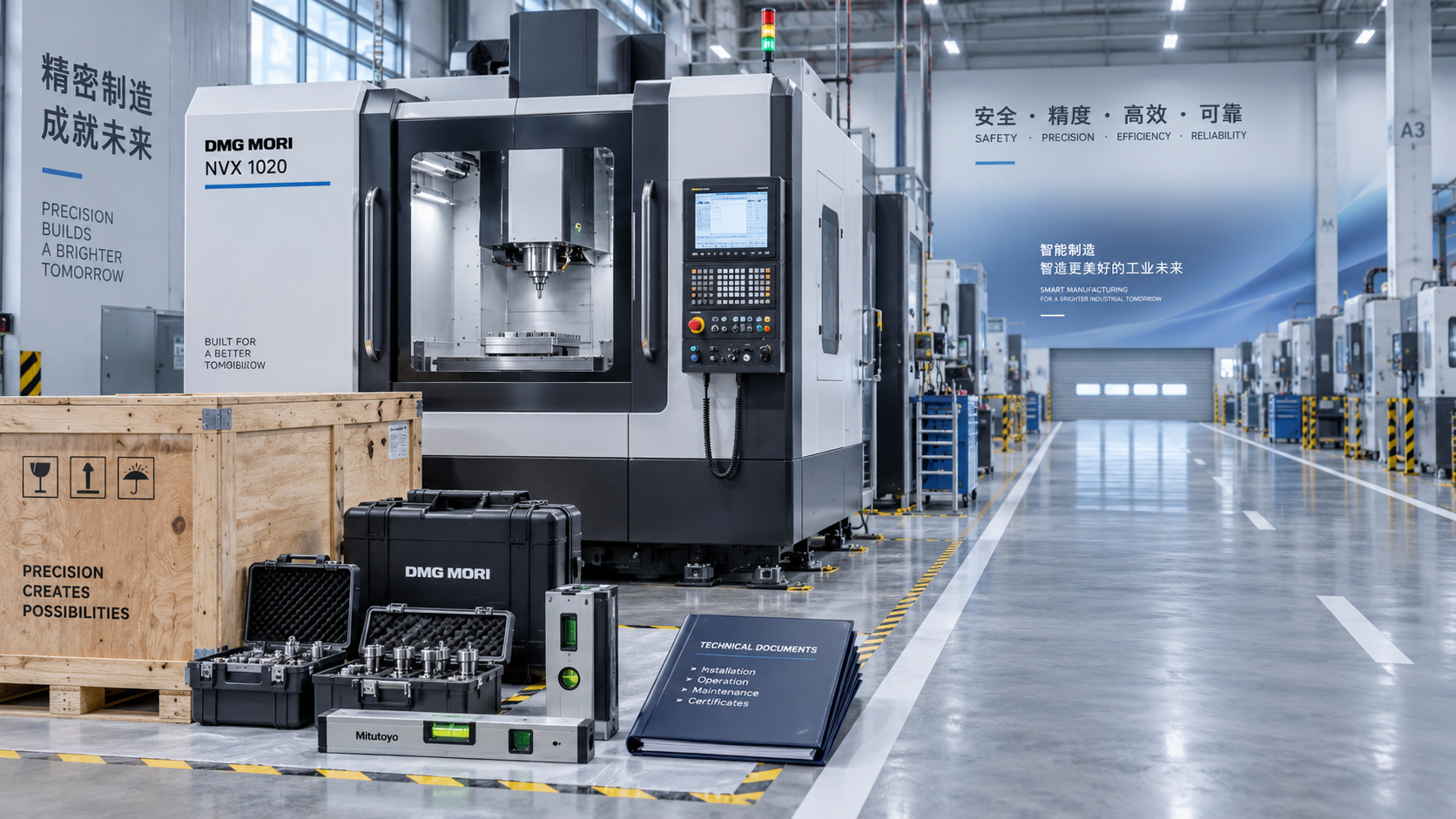
 CNC Machine Arrival Inspection: Check Shipping Damage, Accuracy, Safety, and DocumentsCNC Machining Technology Center
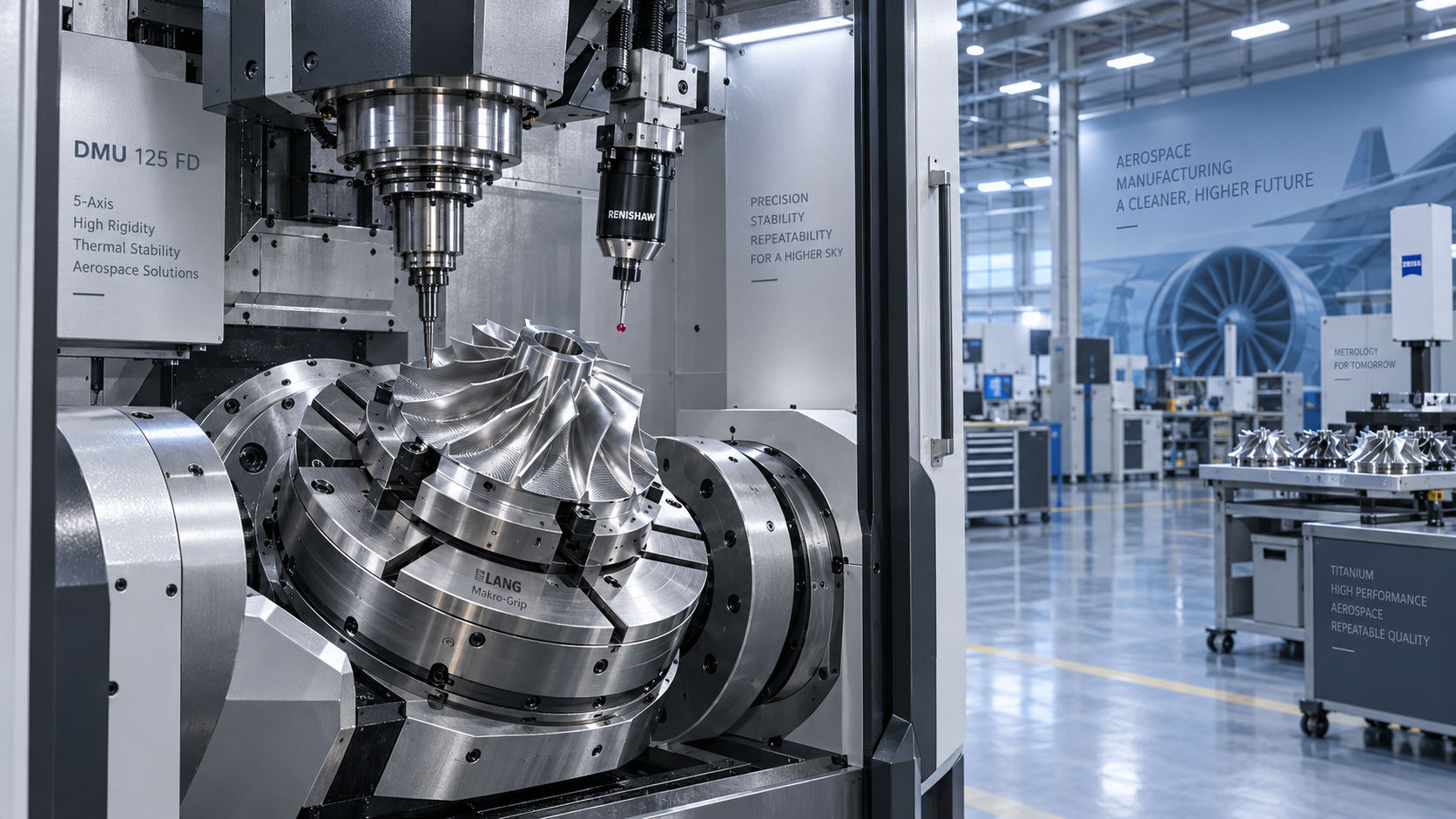
 How to Select a Machine Tool for Aerospace Parts with Tight Tolerances?Machine Tool Industry Editorial Team



Aris Katos
Future of Carbide Coatings
15+ years in precision manufacturing systems. Specialized in high-speed milling and aerospace grade alloy processing.
▶
When Does CNC Turning Pay Off? A Break-Even Guide by Annual Part VolumeMachine Tool Industry Editorial Team▶
How to Compare CNC Metal Lathe Brands ObjectivelyMachine Tool Industry Editorial Team▶
CNC Lathe Quick Installation Guide: How to Avoid Alignment and Wiring MistakesMachine Tool Industry Editorial Team▶
CNC Lathe Quick Installation Guide: Common Setup Mistakes and How to Avoid ThemMachine Tool Industry Editorial Team▶
CNC Lathe Lead Times Reach 22 WeeksMachine Tool Industry Editorial Team
Mastering 5-Axis Workholding Strategies
Join our technical panel on Nov 15th to learn about reducing vibrations in thin-wall components.

Providing you with integrated sanding solutions
Before-sales and after-sales services
Comprehensive technical support