• Global CNC market projected to reach $128B by 2028 • New EU trade regulations for precision tooling components • Aerospace deman
NYSE: CNC +1.2%LME: STEEL -0.4%

CNC Programming Errors That Slow Setup More Than Cutting
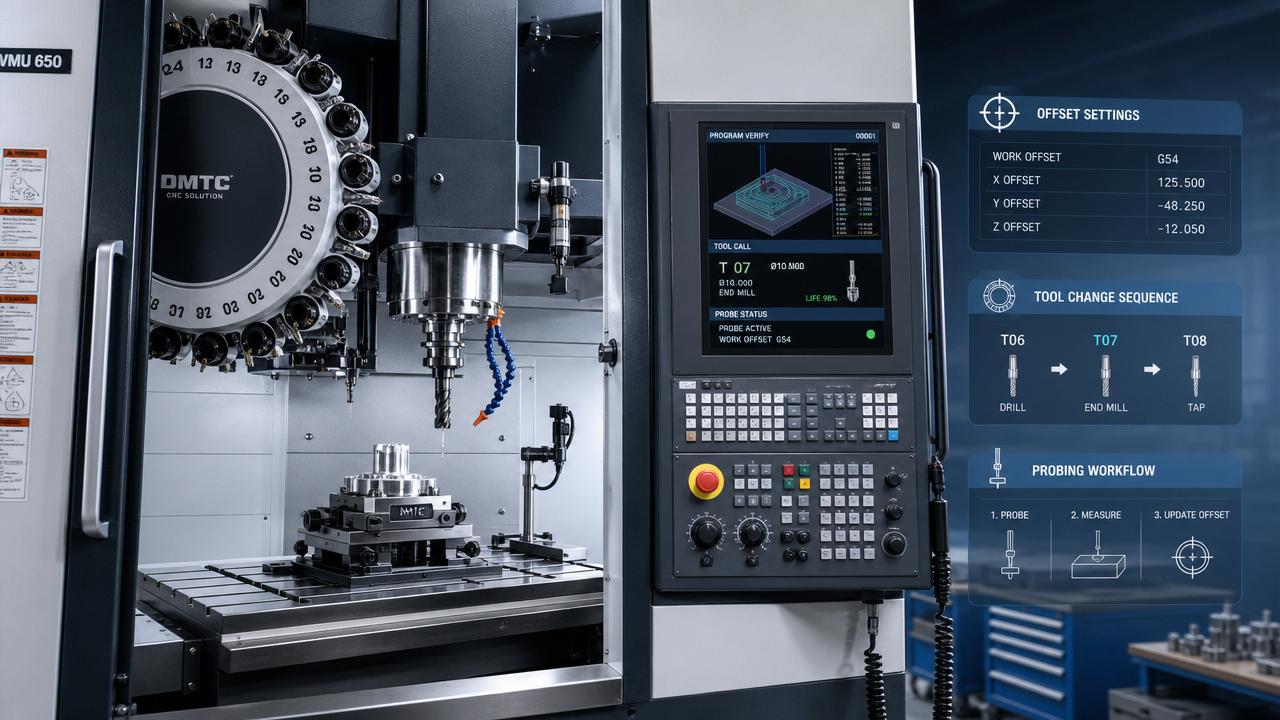
In many shops, setup delays come from CNC Programming issues, not slow cutting. A machine may have strong spindle output, yet still lose hours before the first good part.
For maintenance and technical support work, this matters. Small programming errors often affect offsets, tool calls, probing, dry runs, alarms, and restart safety.
In the wider precision manufacturing sector, reducing setup waste supports better machine utilization, steadier delivery, and lower service pressure across automated production environments.
When setup takes longer than machining: the real CNC Programming warning signs
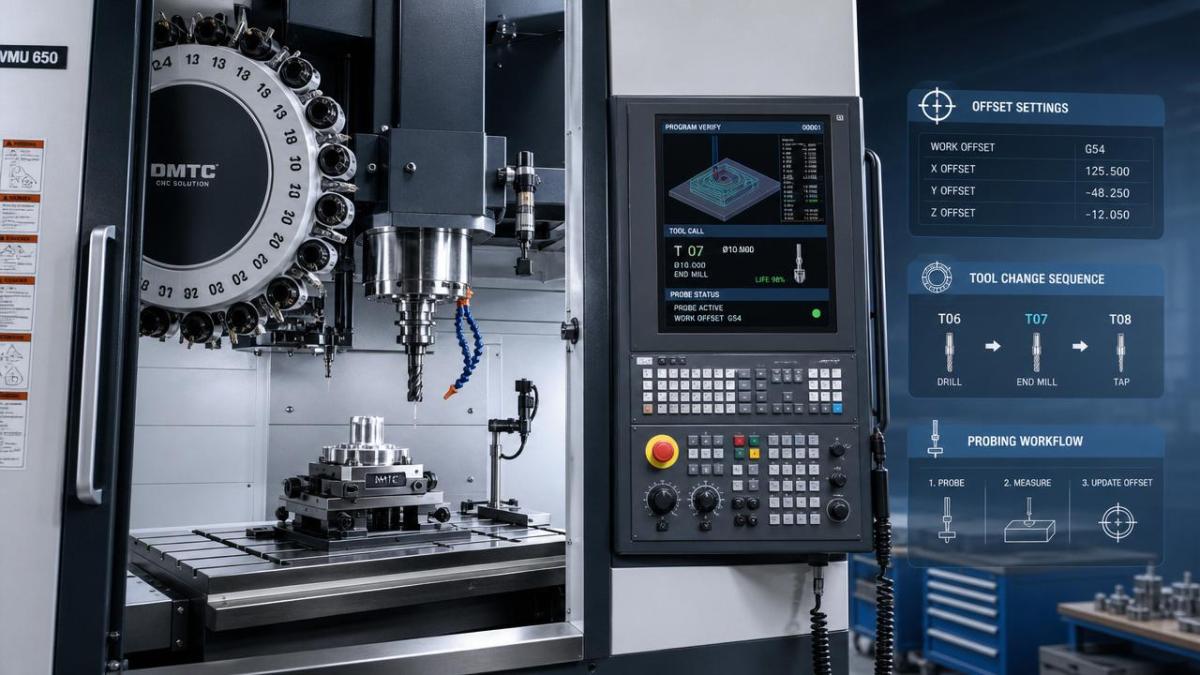
Not every delay looks dramatic. Many CNC Programming mistakes appear as short pauses, extra verification steps, or repeated operator intervention before cycle start.
These signs usually show up in high-mix work, short production runs, and machines with frequent tool changes. They also appear after software edits or control updates.
Typical warning signs include unexpected tool position checks, repeated offset edits, blocked probing cycles, and uncertain restart points after alarms or optional stops.
In CNC Programming, setup friction often grows when code is technically valid but operationally fragile. That difference is where many hidden losses begin.
Scenario one: offset logic creates more setup risk than cutting time
Offset mistakes are among the most common CNC Programming issues in turning centers, machining centers, and multi-axis systems.
A program may call the correct tool, yet link it to the wrong geometry or wear offset. The machine does not always catch that immediately.
The result is slow setup behavior. Operators stop to confirm values, maintenance checks history, and the first part inspection becomes a recovery event.
Common triggers include copied programs, inconsistent offset naming, and mismatched post-processor output between similar machines in one production line.
Key judgment points
- Tool number and offset number are not logically paired.
- Wear values remain from previous jobs.
- Work offset selection changes between setup sheets and code.
- Safe restart depends on manual memory, not program structure.
Good CNC Programming reduces decision load. Clear offset structure shortens setup because technicians verify less and trust the sequence more.
Scenario two: tool change commands look correct but still slow readiness
Tool change inefficiency is rarely blamed on CNC Programming first. Yet code structure often forces extra machine movement, spindle stops, or manual checks.
This is common in machining centers using long tool lists, sister tools, or mixed manual and automatic tool setup routines.
For example, a program may send the spindle home too often. It may also trigger coolant, orientation, or magazine actions in an order that wastes time.
The cutting path stays efficient, but the setup phase becomes slow. Every dry run takes longer, and every pre-production check becomes more cautious.
What to review in code
- Unnecessary return-to-home moves before each tool call.
- Duplicate spindle orientation or coolant commands.
- Missing preload logic for the next tool.
- Tool life management not aligned with program flow.
In advanced CNC Programming, readiness matters as much as cycle time. Efficient tool sequencing improves both machine uptime and troubleshooting clarity.
Scenario three: probing routines increase confidence or quietly block startup
Probing should reduce setup time. Poor CNC Programming can make it do the opposite.
If macros are unclear, operators may not know whether the system updates work offsets, checks stock position, or only records data.
A probing cycle that lacks safe approach logic can trigger alarms, false contact, or overtravel. Then the setup process slows because trust is lost.
This problem appears often in flexible manufacturing cells and smart factory environments where one machine handles frequent job changes.
Core judgment points for probing reliability
- Probe macros do not state what values will be written.
- Approach distances are too tight for real setup variation.
- Alarm messages lack location detail.
- Probe calibration status is assumed, not verified.
Reliable CNC Programming makes probing predictable. It should help confirm setup, not create another layer of uncertainty before machining begins.
How setup needs change across different CNC Programming scenarios
Different production contexts create different programming risks. A short-run aerospace part does not fail in the same way as repeat automotive work.
This scenario view helps teams judge where CNC Programming improvements will save the most setup time first.
Practical adaptation steps that reduce setup loss fast
The best improvements are usually simple. They focus on consistency, visibility, and safer recovery after interruptions.
- Create fixed rules for tool number and offset pairing across machines.
- Add restart blocks before major process sections.
- Separate probing macros for setup confirmation and in-process inspection.
- Review post-processor output after every control change or software update.
- Limit manual edits at the machine and record any required exceptions.
- Use alarm comments that show action, not only fault status.
Strong CNC Programming supports maintenance, operators, and process engineers at the same time. That shared clarity is what shortens setup reliably.
Common misjudgments that keep CNC Programming problems hidden
One common mistake is measuring only cycle time. If setup takes forty minutes longer, a five-second path improvement has little real value.
Another misjudgment is assuming experienced operators will fix weak code. That may keep production moving, but it hides unstable CNC Programming practices.
A third issue is treating alarms as machine faults only. Many startup alarms are caused by sequence logic, modal states, or missing resets inside the program.
It is also easy to ignore variation between machine models. Similar equipment may still require different CNC Programming output for safe setup behavior.
In global precision manufacturing, these hidden losses matter. They affect delivery performance, service workload, and the practical value of automation investments.
Next actions for improving CNC Programming where setup time is leaking
Start with the last ten jobs that had delayed first-part approval. Review code, offset usage, tool change flow, and probing behavior before analyzing cutting paths.
Then group problems by scenario. Separate offset errors, restart risks, macro confusion, and machine-specific output issues. Patterns usually appear quickly.
Use those findings to build a setup-focused CNC Programming checklist. Keep it short, repeatable, and tied to the control behavior of actual machines.
When CNC Programming becomes easier to verify, machines become easier to start, recover, and maintain. That is often where the biggest productivity gain is found.
PREVIOUS ARTICLE
NEXT ARTICLE
Recommended for You
 Zero-Point Clamping or Modular Fixtures? Choosing a Faster CNC Changeover SystemCNC Machining Technology Center
 How to Cut CNC Fixture Changeover Time Without Sacrificing Part AccuracyCNC Machining Technology Center
 When Does CNC Turning Pay Off? A Break-Even Guide by Annual Part VolumeMachine Tool Industry Editorial Team
 Machine Tool Standards by Country: What Importers Must Verify Before PurchaseManufacturing Policy Research Center
 CNC Lathe Quick Installation Guide: Alignment Checks Before First Production RunCNC Machining Technology Center
 How to Select a CNC Lathe for Small Parts Without Sacrificing Accuracy or Cycle TimeCNC Machining Technology Center

Aris Katos
Future of Carbide Coatings
15+ years in precision manufacturing systems. Specialized in high-speed milling and aerospace grade alloy processing.
▶
How Automated Precision Machining Maintains Tolerance in High-Mix ProductionCNC Machining Technology Center▶
CNC Programming Explained: From CAD Models to Reliable Shop-Floor ToolpathsCNC Machining Technology Center▶
How Multi-Axis Machining Produces Complex Components With Fewer SetupsCNC Machining Technology Center▶
How Much Does CNC Programming Software Cost in 2026?CNC Machining Technology Center▶
CNC Machining Explained: Processes, Tolerances, and Parts It Can ProduceCNC Machining Technology Center
Mastering 5-Axis Workholding Strategies
Join our technical panel on Nov 15th to learn about reducing vibrations in thin-wall components.

Providing you with integrated sanding solutions
Before-sales and after-sales services
Comprehensive technical support