• Global CNC market projected to reach $128B by 2028 • New EU trade regulations for precision tooling components • Aerospace deman
NYSE: CNC +1.2%LME: STEEL -0.4%

What Causes CNC Milling Tolerance Drift in Long Runs?
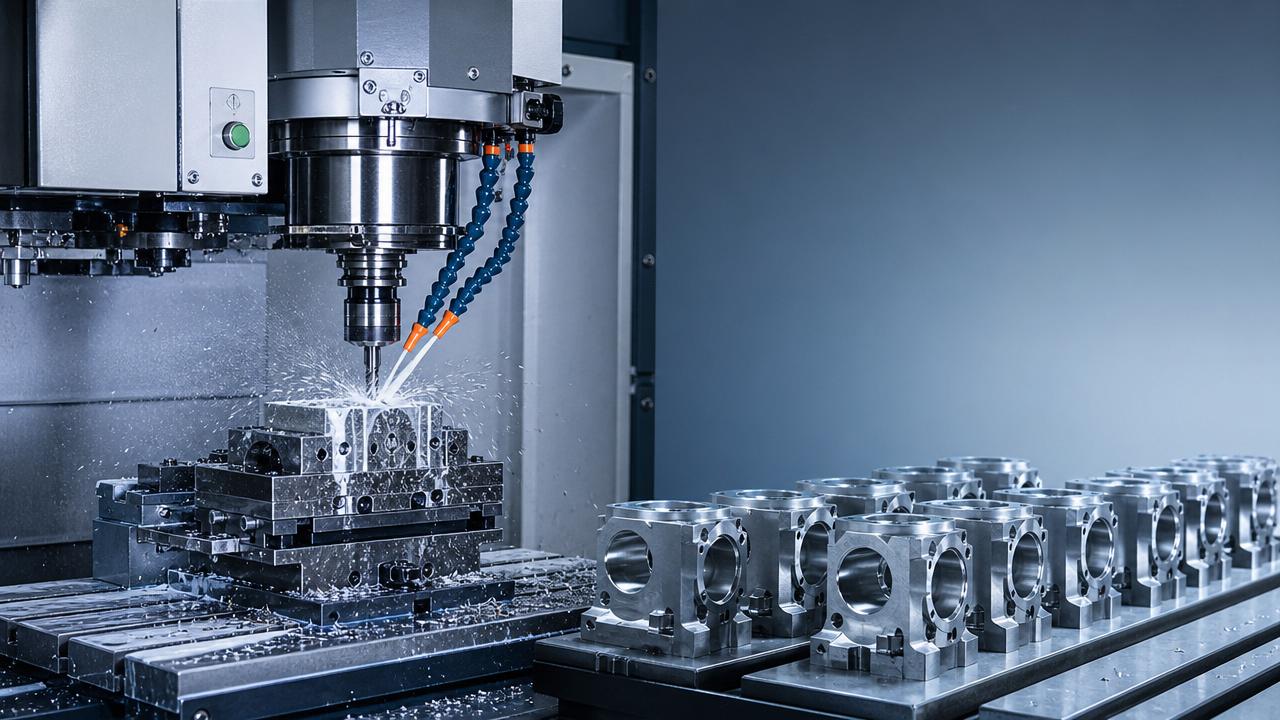
Even well-programmed CNC milling jobs can show tolerance drift during long production runs, turning stable output into costly rework and scrap. For CNC milling operations, small dimensional changes often build slowly, then appear suddenly in inspection data. In a manufacturing environment that increasingly depends on unattended machining, process stability matters as much as peak accuracy. Understanding what drives drift helps reduce scrap, protect tool life, and keep long-run output within specification.
Why CNC milling tolerance drift is getting more visible in long-run production
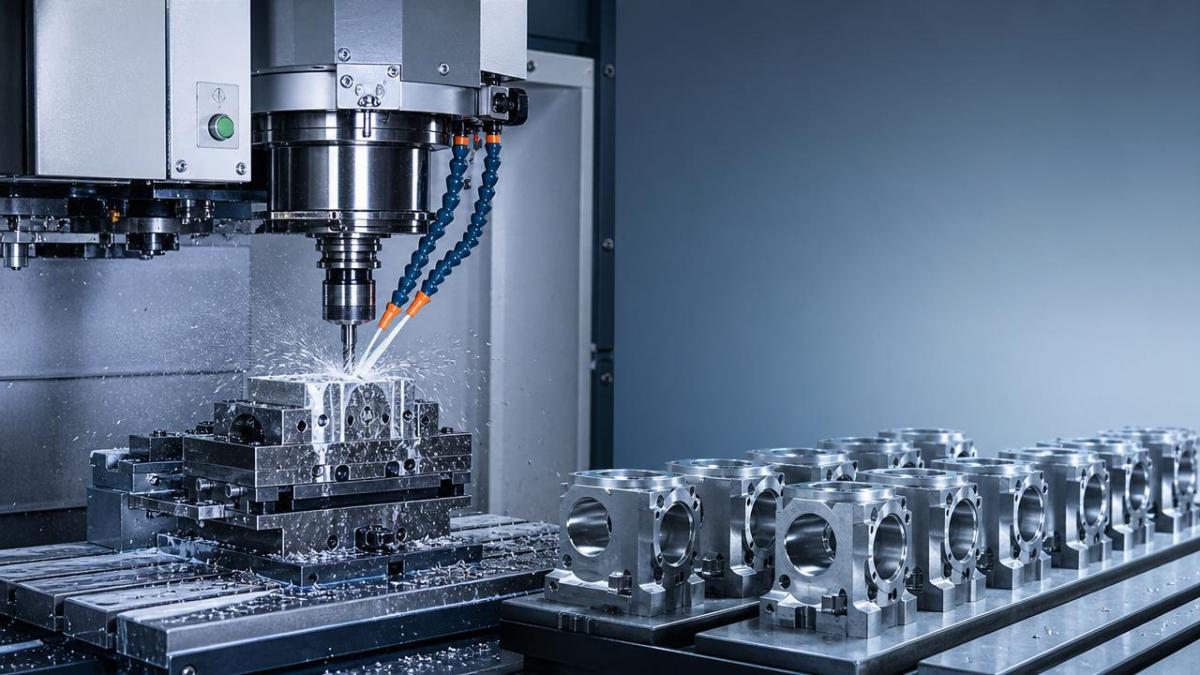
Tolerance drift in CNC milling is not a new issue, but current production trends make it easier to detect and more expensive to ignore.
Batch sizes may be larger, quality requirements tighter, and machine utilization higher than before. More parts now run overnight with fewer manual checks.
At the same time, aerospace, automotive, electronics, and energy components often require micron-level repeatability across hundreds or thousands of cycles.
This means CNC milling drift is no longer just a machine issue. It affects throughput, delivery reliability, cost control, and trust in process capability.
In smart manufacturing settings, data also reveals patterns once hidden by manual sampling. Shops can now see gradual offset movement, thermal growth, and tool wear trends in real time.
The strongest signals behind CNC milling drift usually come from heat, wear, and instability
Most long-run CNC milling drift comes from several interacting factors rather than one obvious fault. The table below shows the main drivers and how they appear.
Thermal growth often starts small, then dominates the trend
In CNC milling, a cold machine rarely behaves like a fully warmed machine. Spindle housing, axis drives, and machine castings expand as the run continues.
Even a few microns of growth can move a bore, slot, or pocket beyond tolerance. Long cycle times and heavy cuts increase this effect.
Ambient temperature changes also matter. Day-to-night shifts, open shop doors, and unstable coolant temperature can alter machine behavior across a long batch.
Tool wear changes size gradually before failure becomes obvious
CNC milling tools lose edge sharpness with every pass. As flank wear grows, cutting forces rise and the tool may deflect more.
This causes features to grow or shrink depending on cutter path, tool engagement, and compensation strategy. Surface finish may degrade later, not first.
Built-up edge can make drift erratic. A tool may cut oversize for several parts, then return closer to nominal after edge material breaks away.
Fixturing and material behavior can create hidden variation
If a part does not seat consistently, CNC milling accuracy will not remain stable. Chips under contact points and fixture wear are common causes.
Thin-wall components are especially sensitive. Clamping force may distort the part slightly, then release after machining, creating apparent drift in measured dimensions.
Material residual stress can shift after roughing. Different bar or plate batches may react differently, even with the same CNC milling program.
These drift patterns affect more than part size across the production chain
CNC milling tolerance drift impacts quality, machine utilization, scheduling, and downstream assembly. The issue often spreads beyond a single workstation.
- Inspection frequency increases, slowing flow.
- Offsets get adjusted too often, masking root causes.
- Assembly fit problems appear even when single features look acceptable.
- Tool life estimates become unreliable, raising consumable cost.
- Scrap and rework rise near the end of unattended runs.
For high-mix production, drift also reduces confidence in first-part approval. A stable first component does not guarantee stable part number fifty.
For larger industrial sectors, this matters because CNC milling supports interconnected supply chains. A small shift in one machining cell can delay full assembly schedules.
What deserves closer attention now in CNC milling process control
Long-run control in CNC milling now depends on monitoring trends, not only checking final dimensions. Several points deserve regular attention.
- Warm-up consistency before critical production starts.
- Tool life tracking by cut time, load, or part count.
- Coolant temperature, concentration, and delivery pressure.
- Fixture inspection for wear, chips, and clamping repeatability.
- Machine health checks for backlash, spindle condition, and axis accuracy.
- In-process probing or scheduled dimensional sampling.
Data trends are especially useful when paired with process knowledge. A spindle load increase, for example, often confirms tool wear before dimensions drift out of spec.
Practical responses can reduce CNC milling drift before it becomes scrap
The most effective response is usually a combination of machine discipline, tooling strategy, and measurement planning.
Simple control habits often deliver the fastest gains
- Record dimension trends by part number, tool, and machine state.
- Separate thermal drift from wear drift before changing offsets.
- Replace tools based on process data, not only visible failure.
- Verify fixture repeatability at planned intervals.
- Use probing and SPC where tolerance risk is highest.
These steps help CNC milling become more predictable across long runs. They also improve digital traceability, which is increasingly important in modern manufacturing systems.
The next decision should focus on trend visibility, not just final inspection
When CNC milling drift appears, the best next move is to map when it starts, how fast it grows, and which conditions change at the same time.
A stable process usually shows repeatable patterns. Once those patterns are visible, corrective actions become faster, cheaper, and more reliable.
Review warm-up routines, tool replacement rules, coolant control, and fixture condition together. In many cases, tolerance drift is a system signal rather than a single defect.
For any CNC milling line running long batches, the practical goal is clear: detect trend changes early, respond with data, and keep every part in spec from first cycle to last.
PREVIOUS ARTICLE
Recommended for You
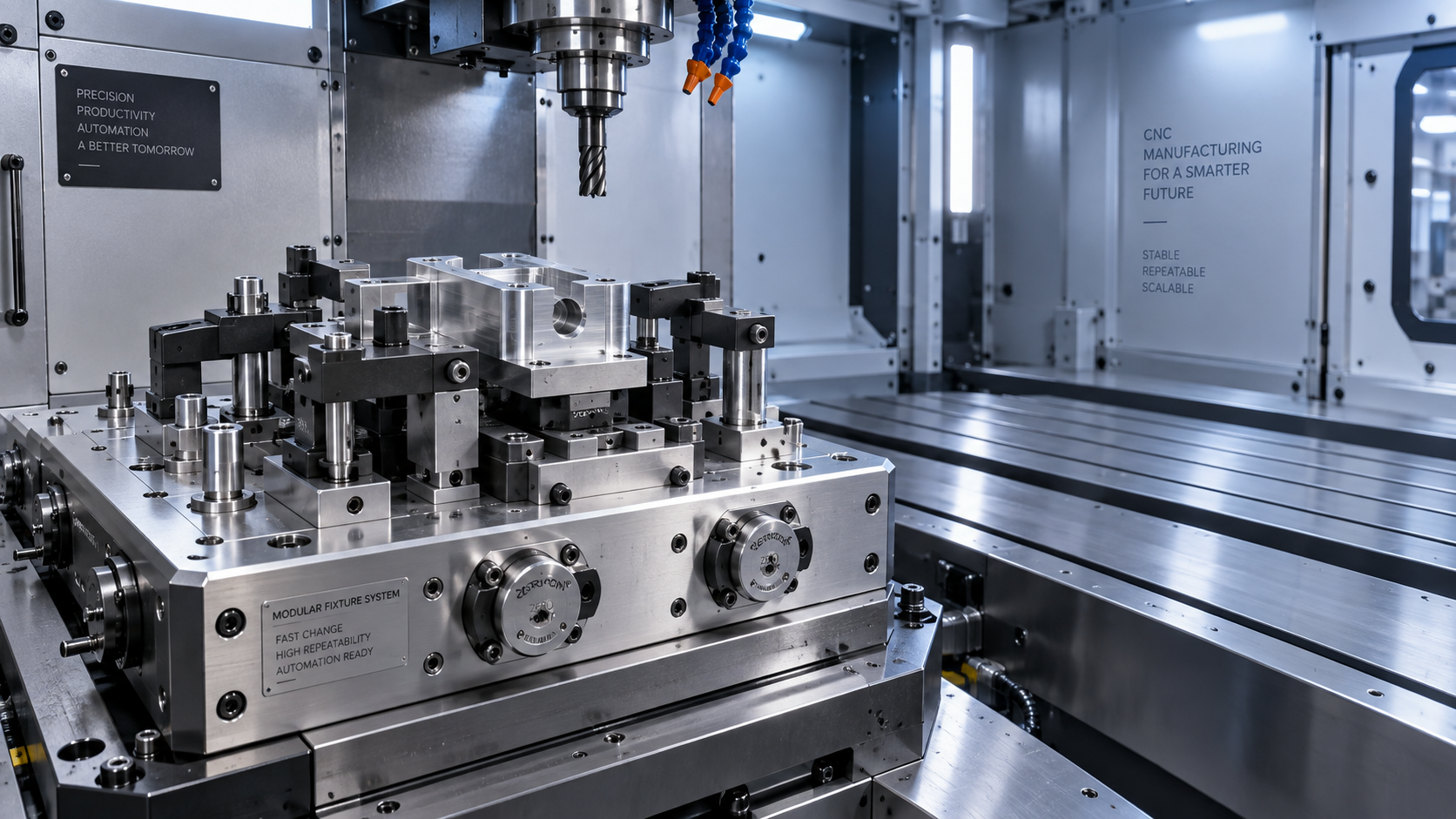
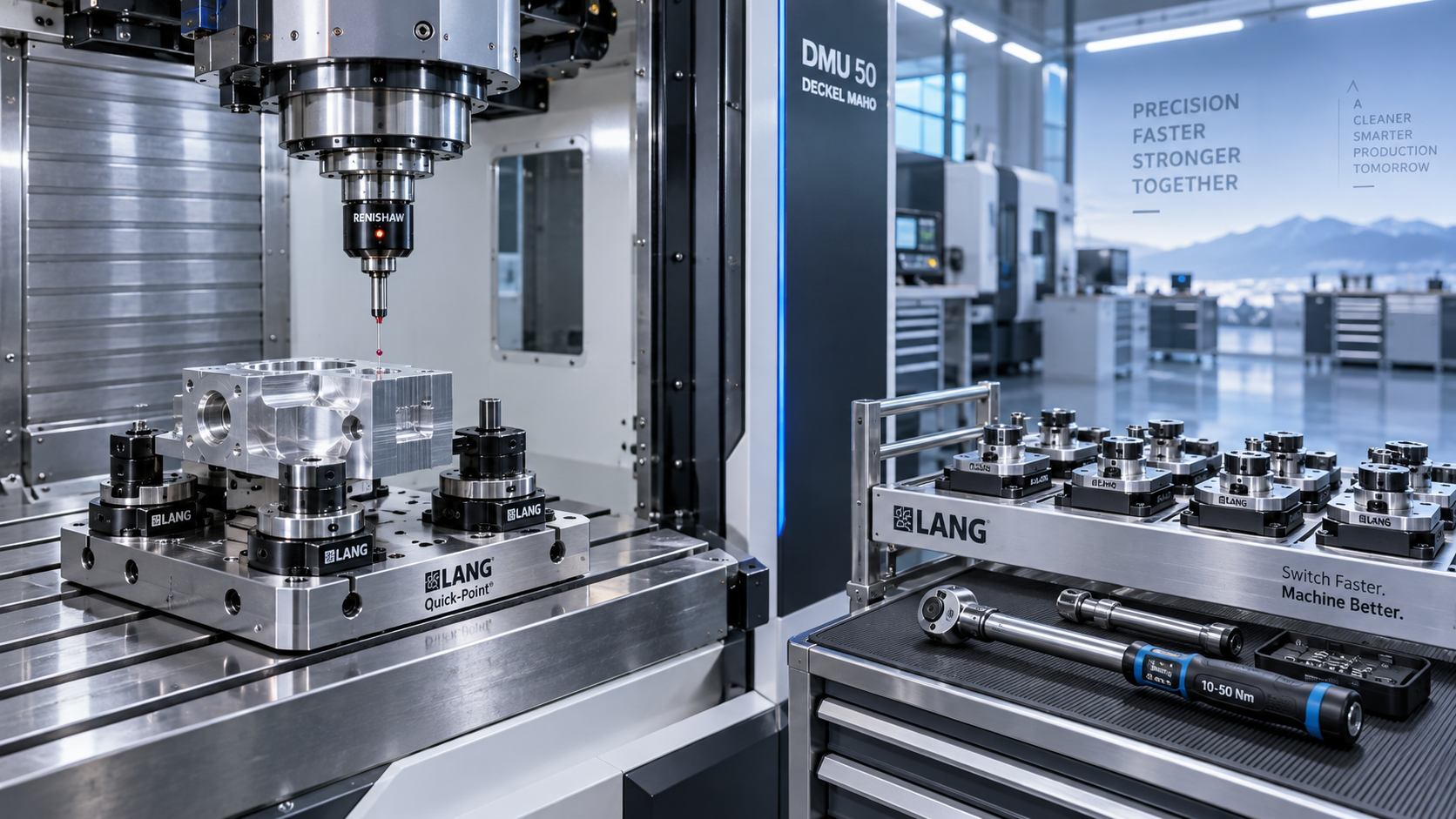
 Zero-Point Clamping or Modular Fixtures? Choosing a Faster CNC Changeover SystemCNC Machining Technology Center
 How to Cut CNC Fixture Changeover Time Without Sacrificing Part AccuracyCNC Machining Technology Center
 When Does CNC Turning Pay Off? A Break-Even Guide by Annual Part VolumeMachine Tool Industry Editorial Team
 Machine Tool Standards by Country: What Importers Must Verify Before PurchaseManufacturing Policy Research Center
 CNC Lathe Quick Installation Guide: Alignment Checks Before First Production RunCNC Machining Technology Center
 How to Select a CNC Lathe for Small Parts Without Sacrificing Accuracy or Cycle TimeCNC Machining Technology Center

Aris Katos
Future of Carbide Coatings
15+ years in precision manufacturing systems. Specialized in high-speed milling and aerospace grade alloy processing.
▶
How Automated Precision Machining Maintains Tolerance in High-Mix ProductionCNC Machining Technology Center▶
CNC Programming Explained: From CAD Models to Reliable Shop-Floor ToolpathsCNC Machining Technology Center▶
How Multi-Axis Machining Produces Complex Components With Fewer SetupsCNC Machining Technology Center▶
How Much Does CNC Programming Software Cost in 2026?CNC Machining Technology Center▶
CNC Machining Explained: Processes, Tolerances, and Parts It Can ProduceCNC Machining Technology Center
Mastering 5-Axis Workholding Strategies
Join our technical panel on Nov 15th to learn about reducing vibrations in thin-wall components.

Providing you with integrated sanding solutions
Before-sales and after-sales services
Comprehensive technical support