• Global CNC market projected to reach $128B by 2028 • New EU trade regulations for precision tooling components • Aerospace deman
NYSE: CNC +1.2%LME: STEEL -0.4%

China's Fourth-Gen Quantum Computer 'Wukong-180' Goes Online

On May 9, 2026, China launched the domestically developed superconducting quantum computer 'Wukong-180', featuring an 180-qubit chip and opening global task access. This development is particularly relevant to precision manufacturing, CNC equipment integration, and export-oriented industrial software providers — as early applications focus on quantum-accelerated CNC path optimization and reverse modeling for micron-level tolerance processes.
Event Overview
On May 9, 2026, the 'Wukong-180' quantum computer — equipped with a 180-bit indigenous superconducting chip — officially went online and began accepting quantum computing tasks from users worldwide. It has already entered collaborative validation with precision manufacturing enterprises in Hefei and Shenzhen, targeting high-complexity curved-surface CNC machining path optimization and micrometer-level tolerance process parameter reverse modeling. These efforts have demonstrated measurable reductions in trial-cutting cycles. The system is positioned to support differentiated technical service exports for Chinese CNC solution providers serving international markets.
Industries Affected
Precision CNC Equipment Manufacturers & Exporters
These companies are directly affected because 'Wukong-180' enables quantum-enhanced simulation and inverse modeling capabilities that can be embedded into or integrated with their control software stacks. Impact manifests in competitive differentiation: exporters may now offer quantum-verified process parameters or adaptive path planning as value-added services — especially for high-mix, low-volume aerospace or medical device components.
Contract Manufacturing & High-Precision Machining Firms
Firms engaged in micro-tolerance, multi-axis CNC work (e.g., mold/die, turbine blade, or optical component production) face operational impact. Reduced trial-cutting time shortens lead times and improves first-pass yield — but only if internal engineering workflows adapt to integrate quantum-generated models into existing CAM/CAE pipelines. Adoption depends on compatibility with current toolpath generation standards and post-processing interfaces.
Industrial Software Developers (CAM/CAE/MES)
Vendors of computer-aided manufacturing and process simulation software may experience upstream pressure to support quantum-accelerated modules. Since 'Wukong-180' is accessible via remote task submission, integration feasibility hinges on API standardization, latency tolerance, and error-handling protocols for hybrid classical-quantum workflows — not on local hardware deployment.
What Enterprises and Practitioners Should Monitor and Do Now
Track official documentation on API access, task queuing, and supported input formats
The current public information does not specify whether 'Wukong-180' provides standardized RESTful endpoints, SDKs, or job submission templates. Companies evaluating integration should monitor updates from the operator (Benchin Quantum) regarding interface specifications — especially those affecting batch processing, geometry file compatibility (e.g., STEP, IGES), and tolerance definition schemas.
Assess readiness of internal process validation workflows for hybrid quantum-classical inputs
Early adopters are using quantum outputs for reverse modeling and path optimization — but these results require verification against physical cutting tests and metrology feedback loops. Firms should audit whether their current NC verification, G-code simulation, and inspection reporting systems can ingest and trace quantum-derived parameters without manual re-entry or format translation.
Identify pilot use cases with clear ROI thresholds in trial-cut reduction or setup time
Applications cited — such as high-curvature surface milling or tight-tolerance feature machining — involve long setup and iterative tuning. Companies should select one or two repeatable part families where current trial-cut cycles exceed 4 hours or where dimensional nonconformance rates exceed 5%, to benchmark quantum-assisted gains objectively.
Engage with domestic quantum-access platforms rather than pursuing proprietary quantum infrastructure
'Wukong-180' operates as a cloud-accessible resource; no evidence suggests on-premise deployment is available or intended. Analysis shows that near-term value lies in workflow augmentation — not replacement — of classical simulation. Firms should prioritize interoperability testing over hardware investment decisions.
Editorial Perspective / Industry Observation
Observably, this milestone signals the transition of quantum computing from pure research infrastructure toward domain-specific industrial utility — but only within tightly bounded, classically constrained applications. The reported use cases remain narrow: CNC path optimization and reverse modeling under fixed geometric and material assumptions. It is not yet a general-purpose platform for real-time control or full-process digital twin simulation. From an industry perspective, 'Wukong-180' functions more as a high-precision computational co-processor than a standalone system — its relevance grows only where classical solvers hit combinatorial limits in parameter space exploration. Current adoption remains experimental and tied to specific government-industry collaboration frameworks. Sustained commercial traction will depend less on qubit count and more on integration latency, output reliability, and domain-specific validation protocols.
This event marks the earliest stage of applied quantum computing in discrete manufacturing — not a shift in production architecture, but a potential lever for incremental efficiency gains in high-value, low-volume niches. Its significance lies not in immediate scalability, but in establishing a domestic, controllable quantum-access pathway aligned with China’s advanced manufacturing upgrade agenda.
Information Sources
Main source: Official announcement by Benchin Quantum (Benchin Quantum Technology Co., Ltd.), released May 9, 2026. No third-party verification or independent benchmark reports have been published as of the date of this article. Ongoing observation is warranted for updates on API documentation, enterprise integration case studies, and peer-reviewed validation of claimed performance improvements.
PREVIOUS ARTICLE
Recommended for You
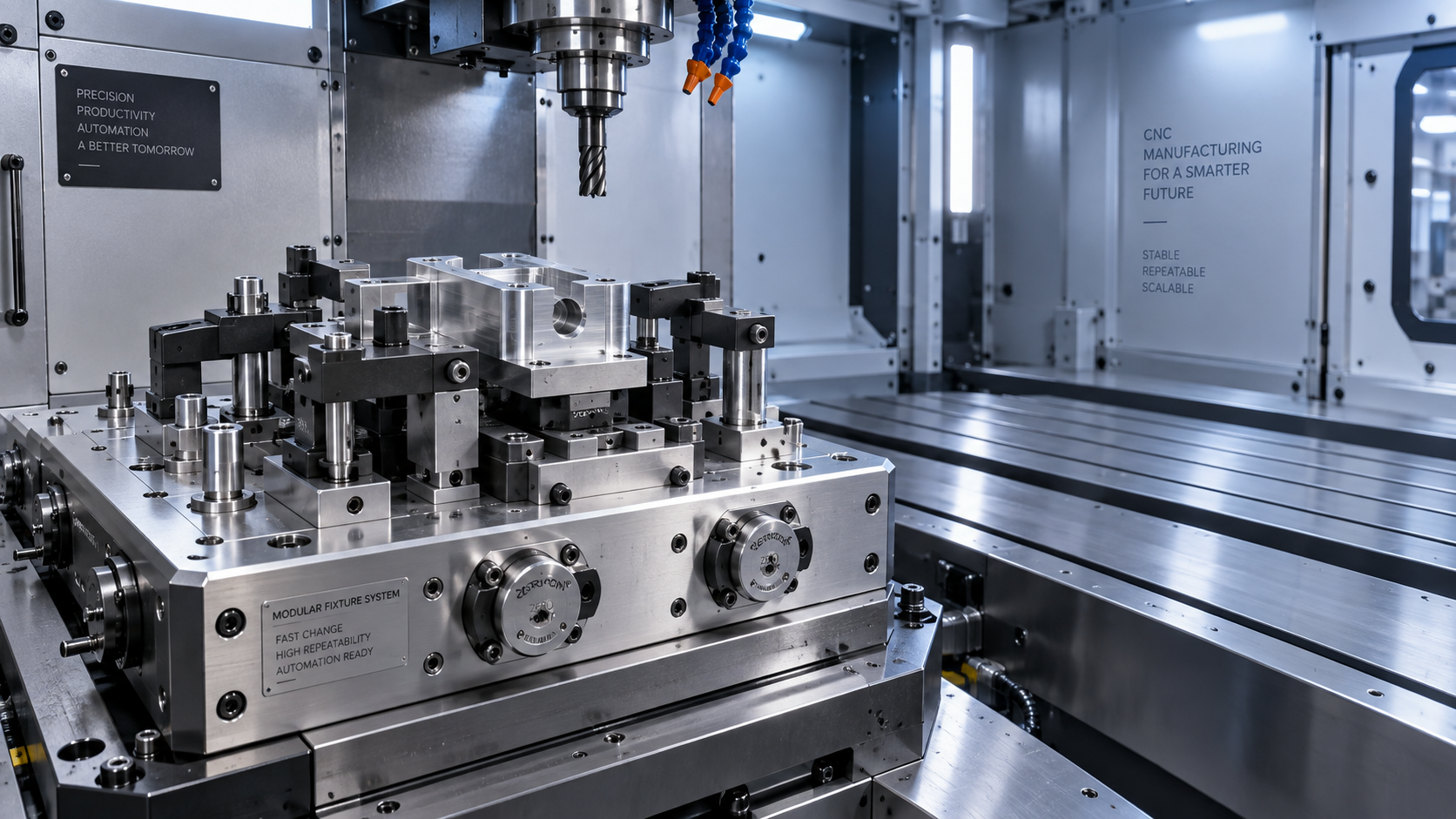
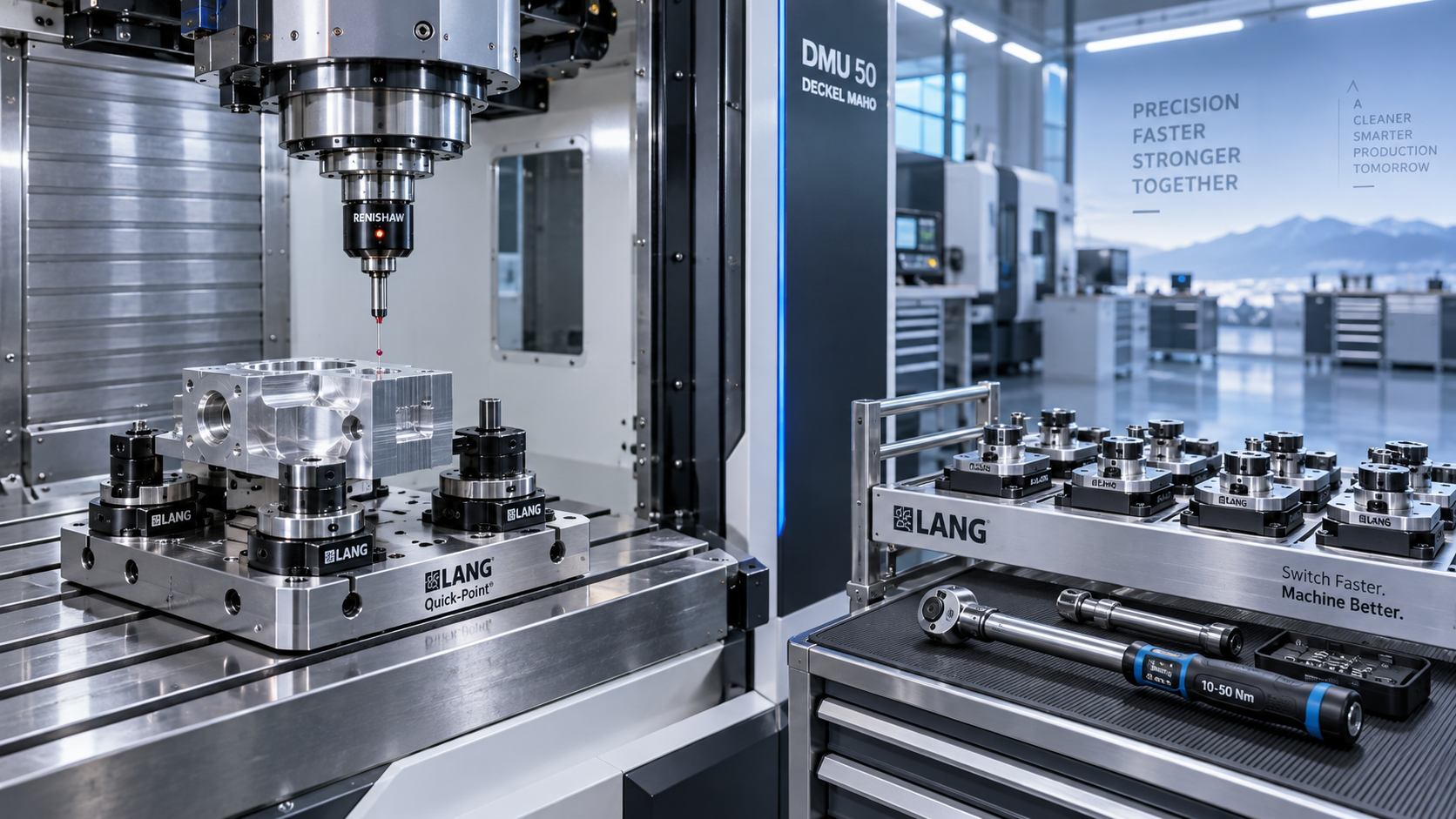
 Zero-Point Clamping or Modular Fixtures? Choosing a Faster CNC Changeover SystemCNC Machining Technology Center
 How to Cut CNC Fixture Changeover Time Without Sacrificing Part AccuracyCNC Machining Technology Center
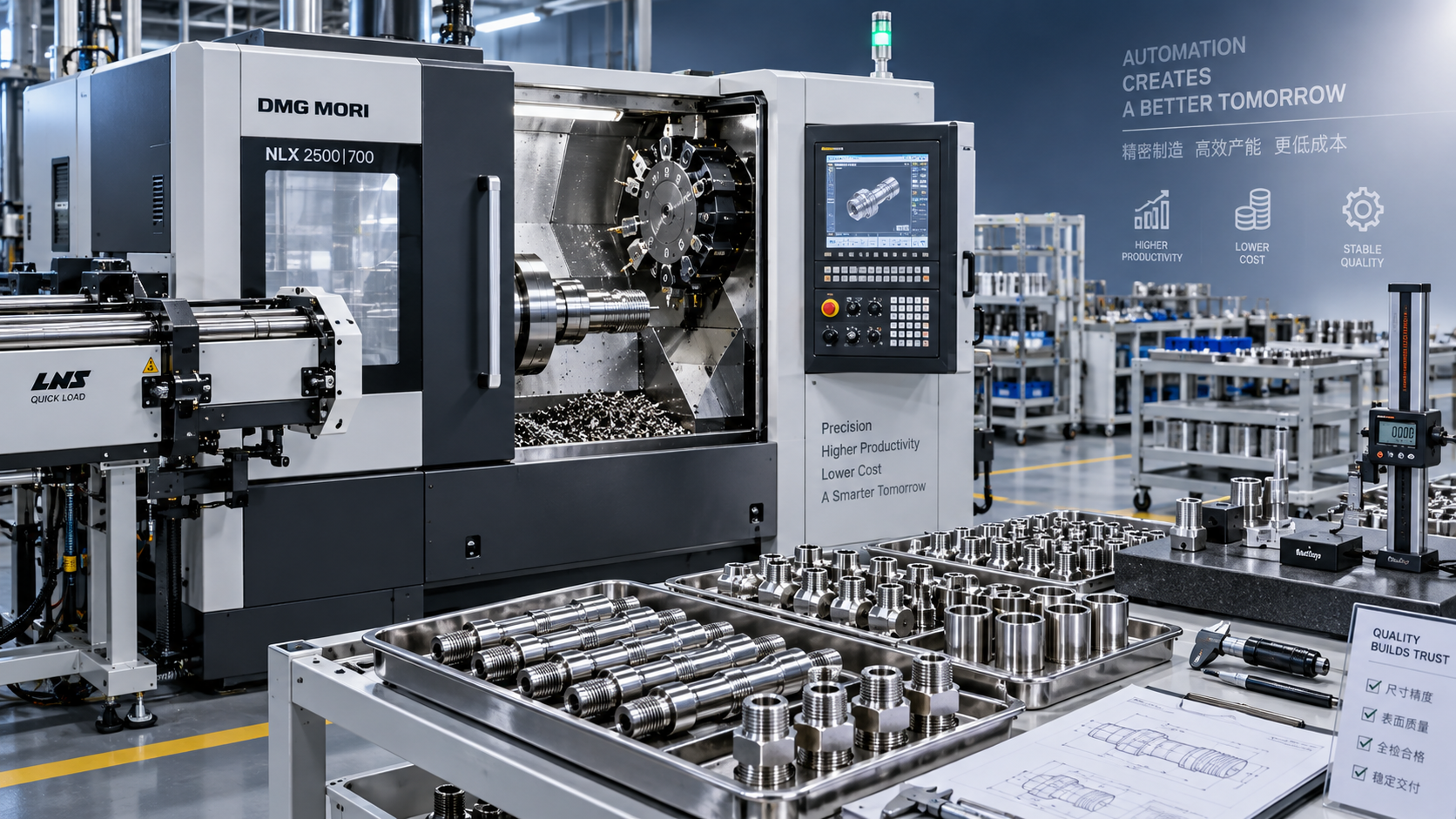
 When Does CNC Turning Pay Off? A Break-Even Guide by Annual Part VolumeMachine Tool Industry Editorial Team
 Machine Tool Standards by Country: What Importers Must Verify Before PurchaseManufacturing Policy Research Center
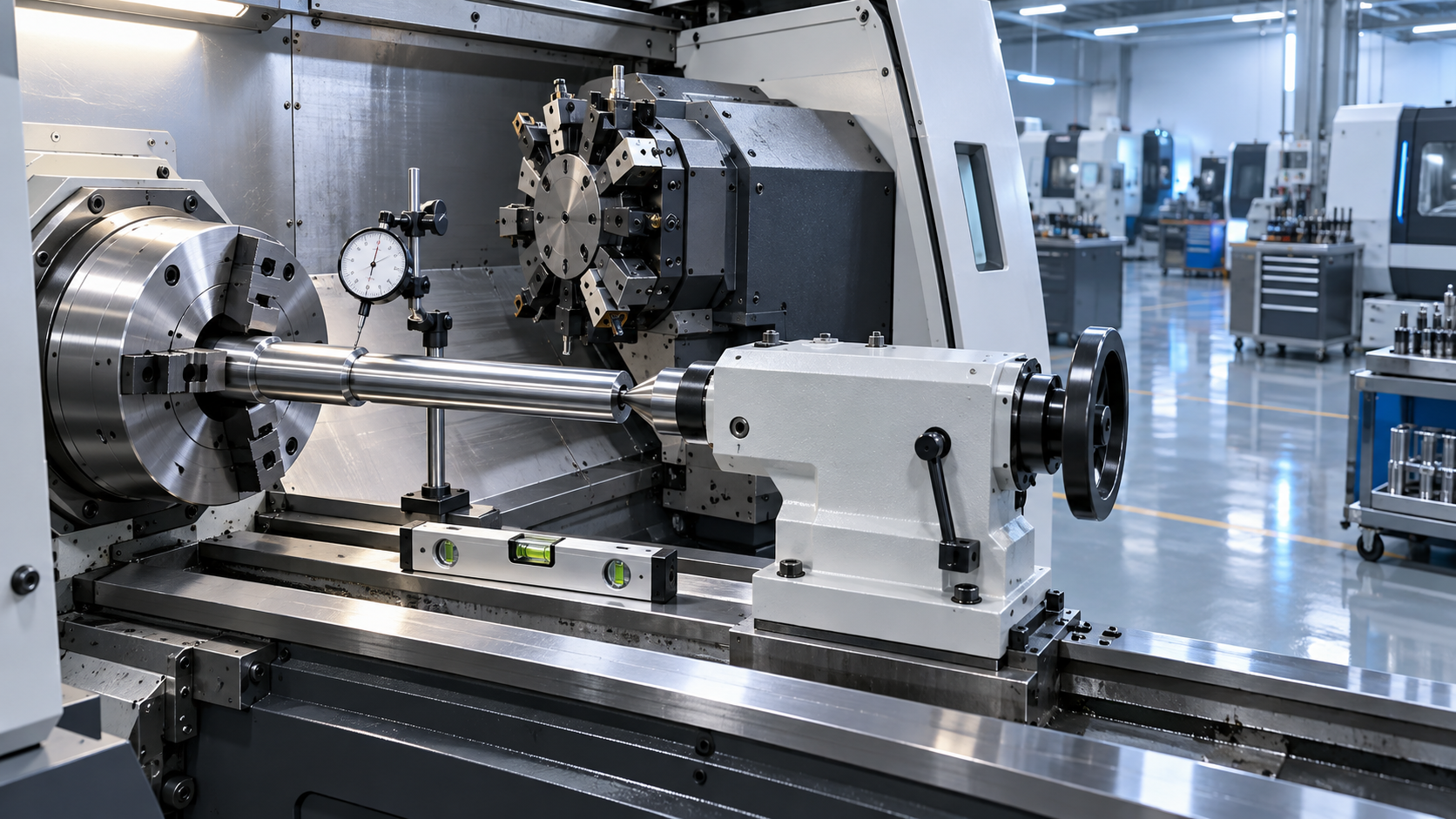
 CNC Lathe Quick Installation Guide: Alignment Checks Before First Production RunCNC Machining Technology Center
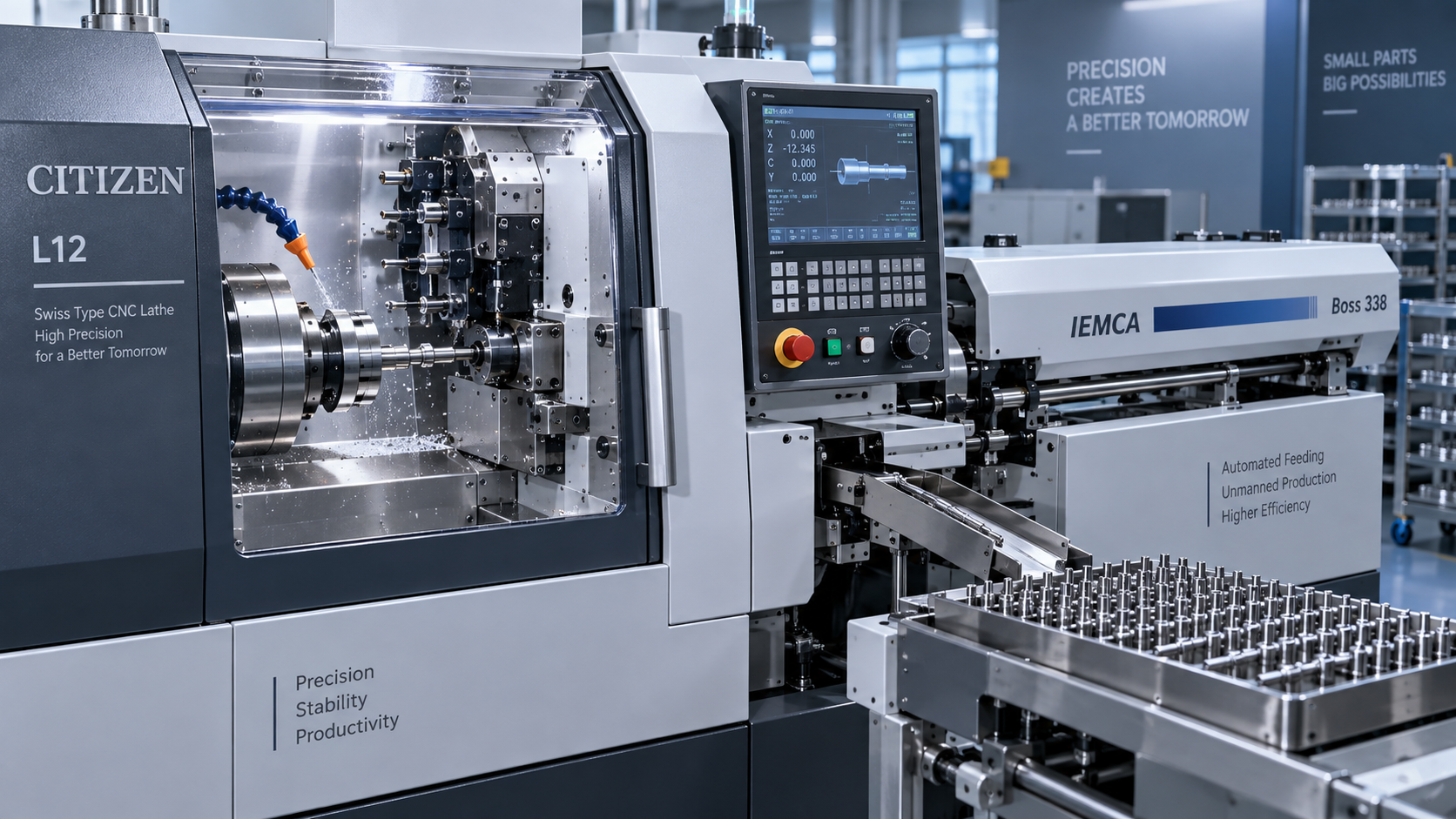
 How to Select a CNC Lathe for Small Parts Without Sacrificing Accuracy or Cycle TimeCNC Machining Technology Center

Aris Katos
Future of Carbide Coatings
15+ years in precision manufacturing systems. Specialized in high-speed milling and aerospace grade alloy processing.
▶
How Automated Precision Machining Maintains Tolerance in High-Mix ProductionCNC Machining Technology Center▶
CNC Programming Explained: From CAD Models to Reliable Shop-Floor ToolpathsCNC Machining Technology Center▶
How Multi-Axis Machining Produces Complex Components With Fewer SetupsCNC Machining Technology Center▶
How Much Does CNC Programming Software Cost in 2026?CNC Machining Technology Center▶
CNC Machining Explained: Processes, Tolerances, and Parts It Can ProduceCNC Machining Technology Center
Mastering 5-Axis Workholding Strategies
Join our technical panel on Nov 15th to learn about reducing vibrations in thin-wall components.

Providing you with integrated sanding solutions
Before-sales and after-sales services
Comprehensive technical support