• Global CNC market projected to reach $128B by 2028 • New EU trade regulations for precision tooling components • Aerospace deman
NYSE: CNC +1.2%LME: STEEL -0.4%

What Causes Chatter in CNC Milling and How to Fix It
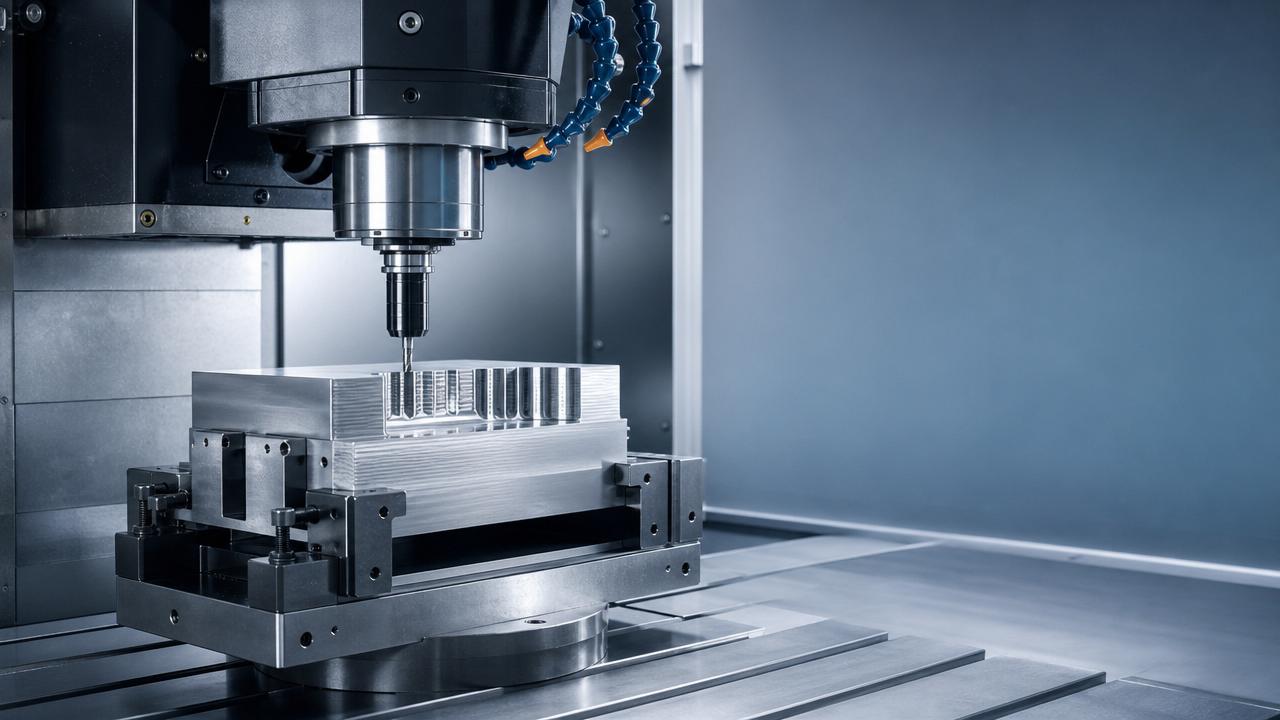
Chatter in CNC milling can quickly damage part quality and process stability. It leaves visible marks, raises cutting forces, and creates noise that signals lost control.
In modern manufacturing, stable CNC milling matters across automotive, aerospace, energy, and electronics production. Better vibration control improves accuracy, tool life, throughput, and machine utilization.
This guide explains what causes chatter in CNC milling and how to fix it using practical checks. It helps turn symptoms into clear actions on tools, speeds, fixturing, and machine condition.
Why a Structured CNC Milling Chatter Check Matters
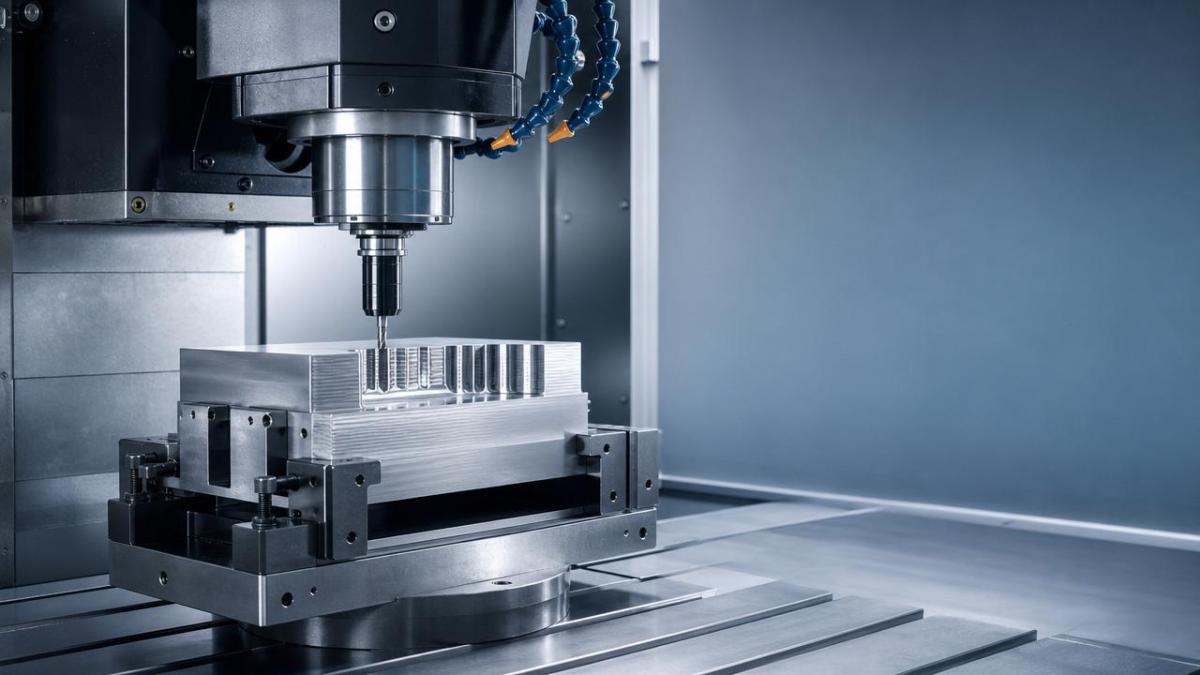
Chatter rarely comes from one issue alone. It often appears when tool dynamics, spindle speed, workholding, material behavior, and machine health combine in an unstable cutting condition.
A structured review prevents random trial and error. Instead of changing everything at once, a checklist isolates the strongest vibration source and reduces downtime during CNC milling optimization.
This matters even more in connected factories and automated lines. One unstable CNC milling setup can affect cycle time, inspection results, and the consistency of downstream operations.
Core Checklist to Diagnose and Fix Chatter in CNC Milling
- Check tool overhang first. Excessive stick-out lowers rigidity, increases deflection, and often becomes the fastest path to chatter in CNC milling, especially during deep pocket or wall machining.
- Review spindle speed and move away from unstable resonance zones. A small RPM change can break vibration frequency matching and immediately improve CNC milling stability.
- Confirm feed per tooth matches tool size, material, and radial engagement. Extremely light cutting can encourage rubbing, while aggressive loading can excite chatter.
- Inspect radial and axial depth of cut. Large engagement raises cutting force variation and can overload the weakest link in the CNC milling system.
- Examine tool condition carefully. Worn edges, chipped corners, poor coating condition, or built-up edge can create unstable cutting forces and trigger chatter.
- Verify holder type and clamping quality. Weak holders, contamination on tapers, and poor runout control reduce stiffness and hurt CNC milling surface finish.
- Measure runout at the tool tip. Even small runout changes tooth loading, causes uneven cutting, and increases the chance of vibration.
- Evaluate workpiece rigidity and fixture support. Thin walls, long unsupported sections, and soft clamping allow the part to vibrate with the cutter.
- Check machine condition, including spindle bearings, backlash, way wear, and looseness. Mechanical wear reduces damping and makes chatter easier to start.
- Review toolpath strategy. Sharp direction changes, poor entry moves, and full-width cuts often create unstable force spikes during CNC milling.
- Use proper coolant or air strategy for the material. Heat buildup and chip recutting can increase vibration, especially in aluminum and stainless steel milling.
- Compare flute count, helix angle, and tool geometry with the material. The wrong cutter design can make otherwise correct CNC milling parameters unstable.
Quick Priority Order
- Reduce tool overhang.
- Shift spindle speed by 10% to 20%.
- Lower radial engagement before reducing feed.
- Improve workholding support.
- Replace worn tools or holders.
How the Main Causes Create Chatter in CNC Milling
Tool and Holder Rigidity
Long tools bend more easily. Every extra millimeter of stick-out reduces stiffness and changes the natural frequency of the cutting system.
Holder quality matters too. Hydraulic, shrink-fit, and balanced systems often improve CNC milling stability compared with weaker or poorly maintained holders.
Spindle Speed and Harmonics
Chatter often happens when tooth passing frequency aligns with a machine or tooling resonance. That is why changing RPM sometimes works faster than changing everything else.
Stable speed zones vary by machine, holder, cutter, and part geometry. In advanced CNC milling, stability lobe data can guide better spindle speed selection.
Workpiece Flexibility
Thin ribs, tall walls, and large plates behave like springs. If support is weak, the part can vibrate even when the spindle and tool are in good condition.
This is common in aerospace structures and precision housings. CNC milling strategies must match changing part stiffness as material is removed.
Machine Health and Maintenance
A machine with worn bearings, loose gibs, poor leveling, or backlash has less damping. That makes stable CNC milling harder, even with high-quality tooling.
Routine inspections support better surface finish and dimensional control. Chatter can be an early warning sign of mechanical degradation.
Additional Checks for Different CNC Milling Situations
High-Speed Finishing
Finishing cuts can chatter because chip load becomes too light. The cutter may rub instead of shearing cleanly, especially on hardened materials or thin features.
Keep runout low, use a sharp tool, and avoid excessive stick-out. Small RPM changes often improve finishing stability in CNC milling.
Heavy Roughing
Roughing chatter usually comes from high engagement, poor chip evacuation, or limited system stiffness. Heat and force variation rise quickly under heavy loads.
Use dynamic toolpaths, reduce radial step-over, and keep chip thickness controlled. These changes often stabilize rough CNC milling without major cycle time loss.
Thin-Wall and Pocket Machining
As pocket walls get thinner, rigidity falls during the cut. A setup that starts stable may begin chattering near the final passes.
Sequence matters here. Leave support material longer, use lighter finishing passes, and choose climb milling paths that reduce wall deflection.
Difficult Materials
Titanium, stainless steel, and heat-resistant alloys generate strong cutting forces and heat. They expose weaknesses in toolholding, coolant delivery, and spindle stability.
For these materials, CNC milling success often depends on rigid clamping, stable flute geometry, and careful control of speed, feed, and engagement.
Commonly Overlooked Risks
Dirty Contact Surfaces
Dust, chips, or oil between spindle taper and holder reduce contact quality. This small issue can create runout and weaken CNC milling rigidity.
Unbalanced Tool Assemblies
At high RPM, poor balance becomes a vibration source by itself. Balance quality is especially important in high-speed CNC milling operations.
Ignoring Toolpath Entry and Exit
Aggressive plunges, abrupt corners, and sudden full engagement can shock the cutter. Smoother entry moves reduce force spikes and chatter risk.
Using the Wrong Tool for the Material
General-purpose tools may work, but specialized geometry often performs better. Matching flute count and helix design to the material improves CNC milling stability.
Practical Steps to Fix Chatter Fast
- Shorten the tool and holder assembly wherever possible.
- Change spindle speed in small steps and listen for stability improvement.
- Reduce radial width of cut before making large feed reductions.
- Support the workpiece closer to the cutting zone.
- Switch to a sharper or more suitable cutter geometry.
- Inspect spindle taper, holder cleanliness, and tool runout.
- Review machine maintenance records if chatter appears across multiple jobs.
FAQ About CNC Milling Chatter
Is higher spindle speed always better?
No. Higher speed can help or hurt. The best CNC milling speed is the one that avoids the system’s unstable vibration range.
Should feed rate be reduced first?
Not always. Reducing feed too much can cause rubbing. Often, changing RPM or radial engagement works better in CNC milling chatter control.
Can a new machine still chatter?
Yes. Even a new machine can chatter if tool overhang, holder choice, workholding, or cutting parameters are poorly matched.
Conclusion and Next Actions
Chatter in CNC milling is usually a stability problem, not a mystery. The best fixes come from checking rigidity, spindle speed, engagement, tool condition, and machine health in order.
Start with the simplest changes first: shorten overhang, adjust RPM, improve support, and verify runout. Then refine toolpath and cutter selection for the material.
With a repeatable process, CNC milling becomes quieter, more accurate, and more productive. Stable cutting supports better quality across precision manufacturing and automated production environments.
PREVIOUS ARTICLE
NEXT ARTICLE
Recommended for You
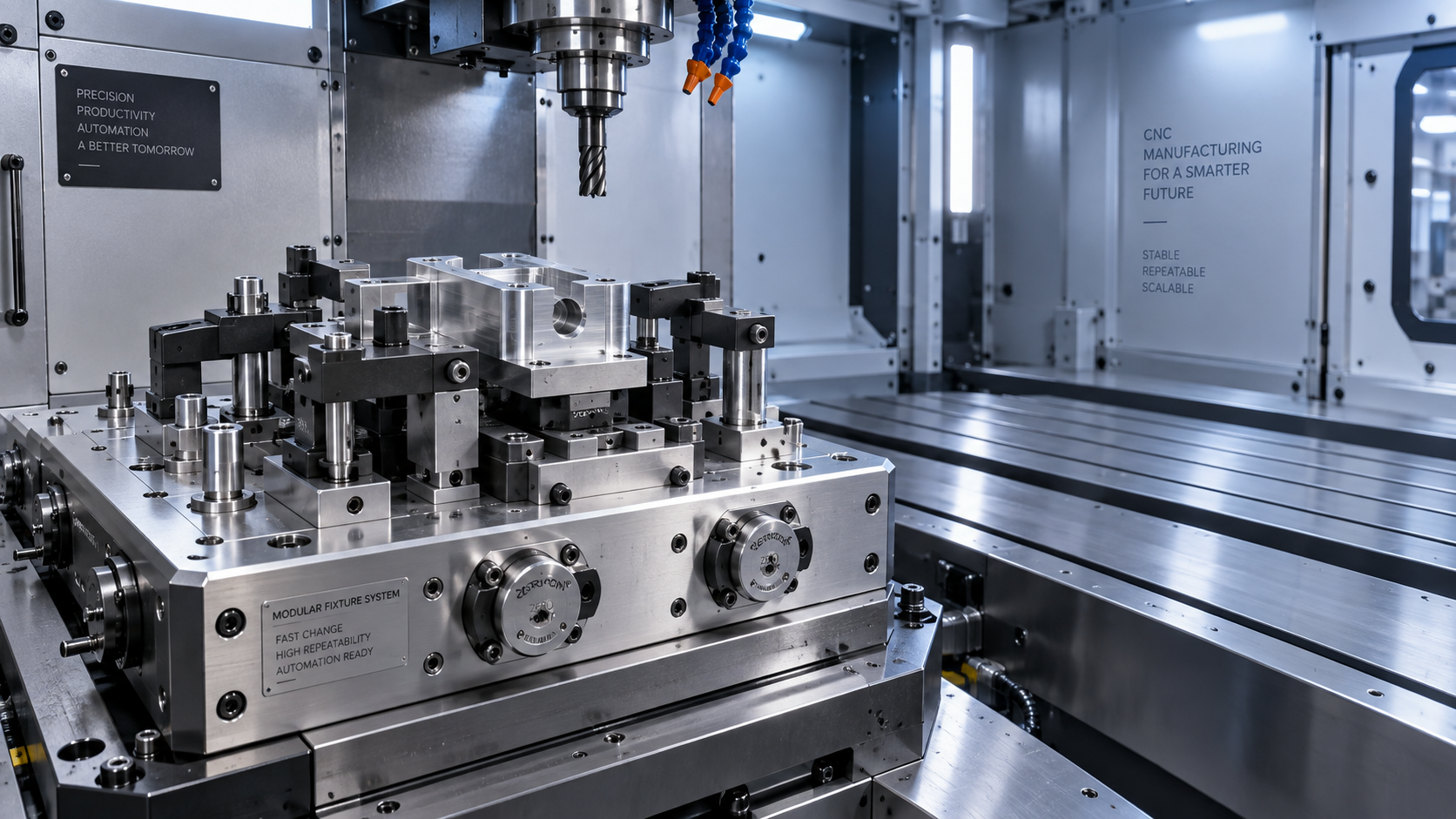
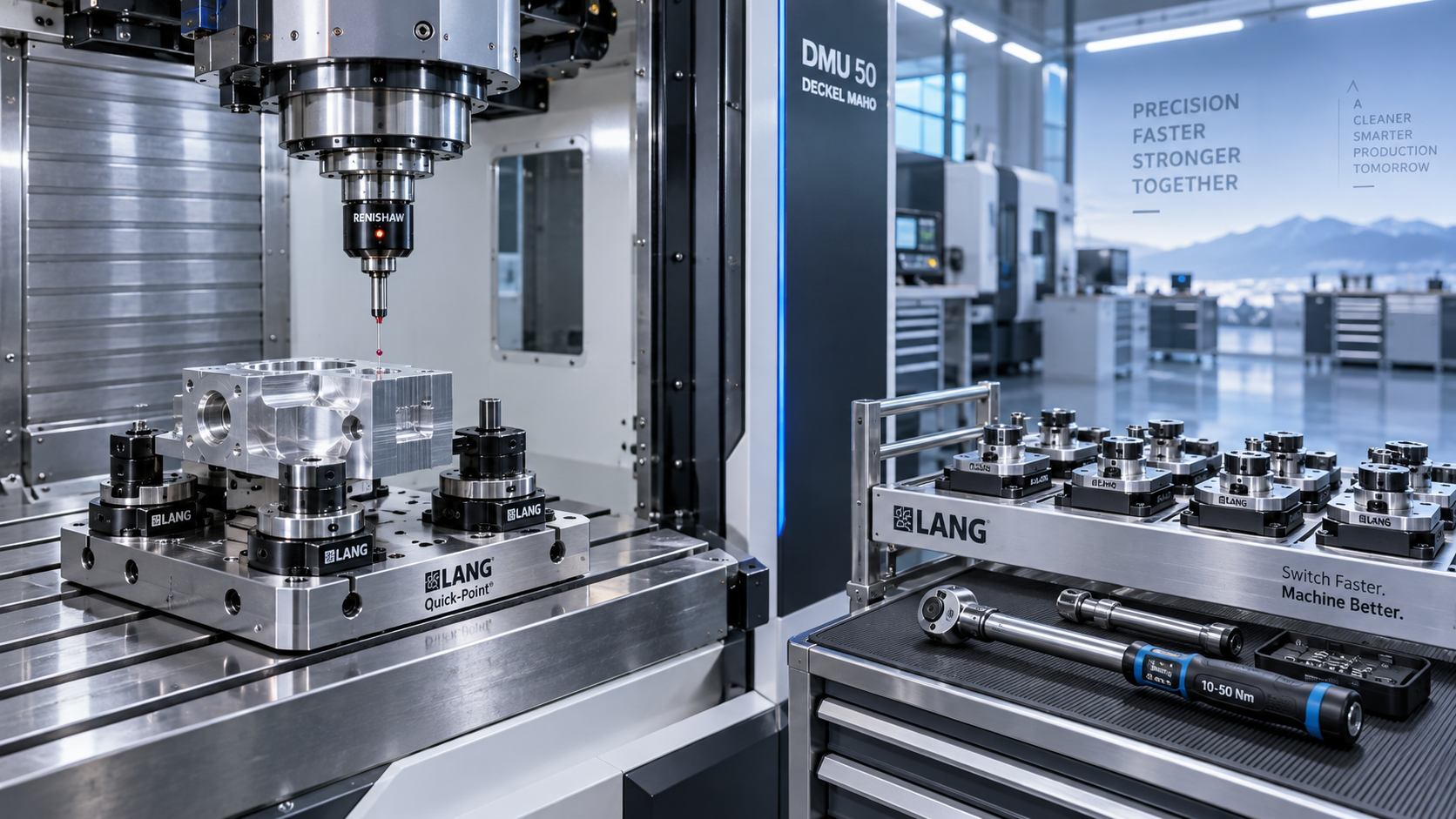
 Zero-Point Clamping or Modular Fixtures? Choosing a Faster CNC Changeover SystemCNC Machining Technology Center
 How to Cut CNC Fixture Changeover Time Without Sacrificing Part AccuracyCNC Machining Technology Center
 When Does CNC Turning Pay Off? A Break-Even Guide by Annual Part VolumeMachine Tool Industry Editorial Team
 Machine Tool Standards by Country: What Importers Must Verify Before PurchaseManufacturing Policy Research Center
 CNC Lathe Quick Installation Guide: Alignment Checks Before First Production RunCNC Machining Technology Center
 How to Select a CNC Lathe for Small Parts Without Sacrificing Accuracy or Cycle TimeCNC Machining Technology Center

Aris Katos
Future of Carbide Coatings
15+ years in precision manufacturing systems. Specialized in high-speed milling and aerospace grade alloy processing.
▶
How Automated Precision Machining Maintains Tolerance in High-Mix ProductionCNC Machining Technology Center▶
CNC Programming Explained: From CAD Models to Reliable Shop-Floor ToolpathsCNC Machining Technology Center▶
How Multi-Axis Machining Produces Complex Components With Fewer SetupsCNC Machining Technology Center▶
How Much Does CNC Programming Software Cost in 2026?CNC Machining Technology Center▶
CNC Machining Explained: Processes, Tolerances, and Parts It Can ProduceCNC Machining Technology Center
Mastering 5-Axis Workholding Strategies
Join our technical panel on Nov 15th to learn about reducing vibrations in thin-wall components.

Providing you with integrated sanding solutions
Before-sales and after-sales services
Comprehensive technical support