• Global CNC market projected to reach $128B by 2028 • New EU trade regulations for precision tooling components • Aerospace deman
NYSE: CNC +1.2%LME: STEEL -0.4%

Cutting Tools Selection Guide: How Tool Material, Coating, and Geometry Affect Performance
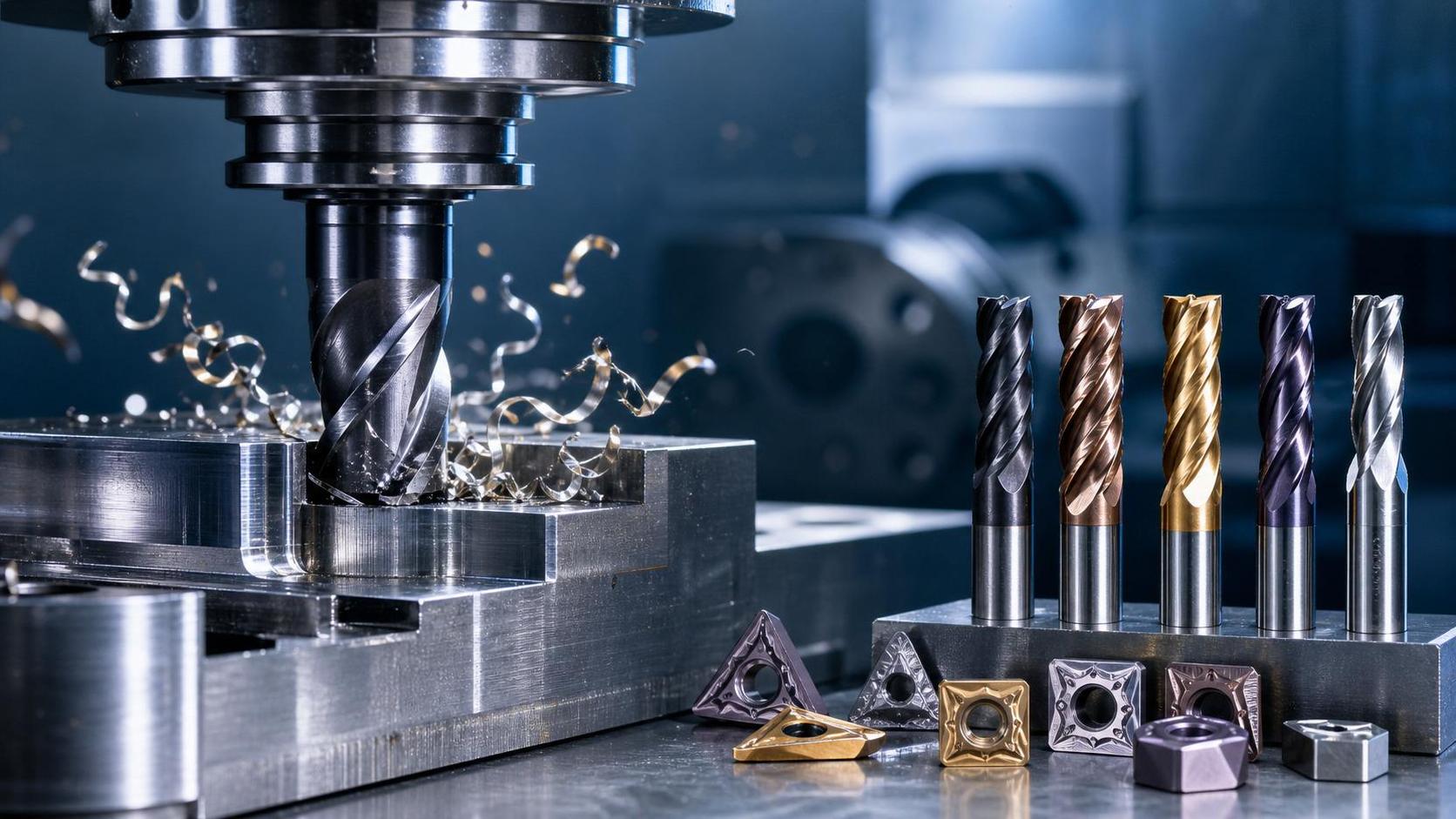
Cutting Tools Selection Guide: How Tool Material, Coating, and Geometry Affect Performance
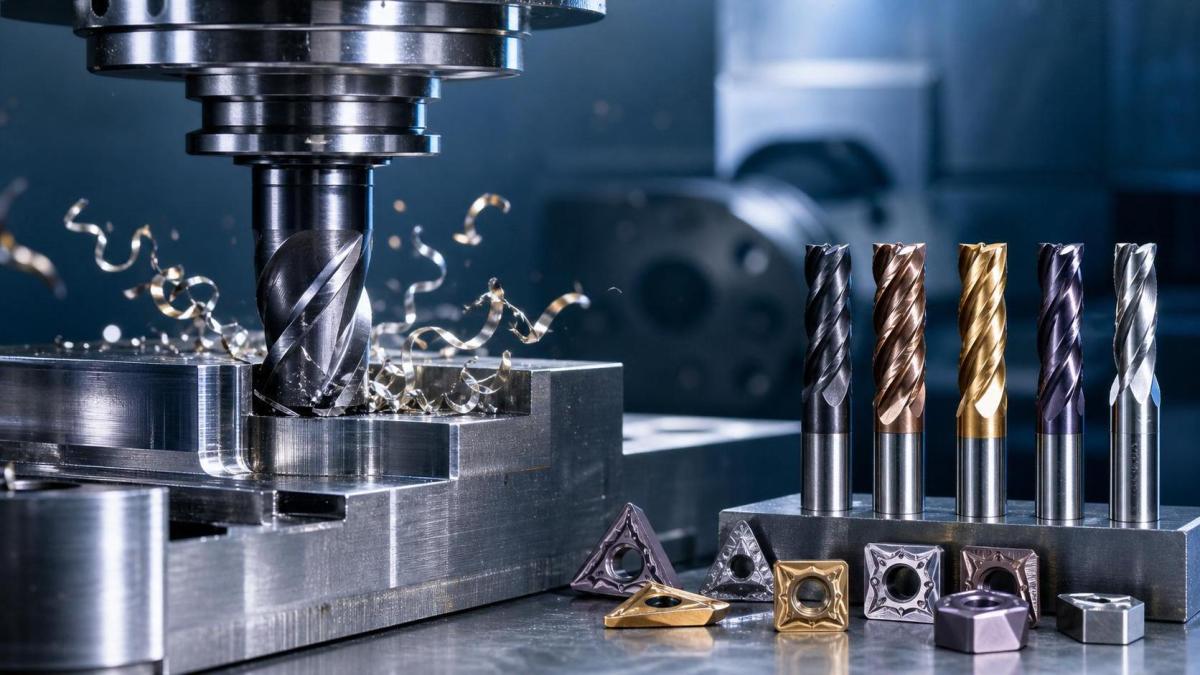
Choosing the right Cutting Tools shapes machining stability, surface finish, and total production cost. A poor match often causes chatter, heat, burrs, and early tool failure.
A better match improves consistency across long runs. It also reduces setup changes, scrap risk, and unplanned machine downtime.
Three factors usually decide performance first: tool material, coating, and geometry. These elements work together, not separately, during real cutting conditions.
In CNC machining, the same spindle and program can produce very different results when Cutting Tools change. That is why tool selection deserves a structured approach.
This guide explains what each factor does, where mistakes happen, and how to choose Cutting Tools with more confidence in everyday production.
Why Cutting Tools Performance Depends on the Full Tool System
Many shops focus only on tool price. In practice, the cheaper insert can become the most expensive choice on the machine.
Cutting Tools perform inside a full system. That system includes workpiece material, cutting speed, feed, coolant, holder rigidity, and machine stability.
Still, tool material, coating, and geometry remain the fastest levers to improve results. They directly control heat resistance, wear pattern, chip flow, and edge strength.
From recent manufacturing trends, higher spindle utilization and unattended machining are becoming more common. That also means Cutting Tools must be more predictable over longer cycles.
Selection should therefore start with the process target. Are you optimizing for roughing, finishing, accuracy, tool life, or cycle time?
Tool Material: The Base of Cutting Tools Capability
Tool material defines hardness, toughness, hot strength, and wear resistance. It is the foundation behind how Cutting Tools behave under load.
The most common choices include high-speed steel, cemented carbide, cermet, ceramics, CBN, and PCD. Each serves different machining priorities.
High-Speed Steel
High-speed steel is tougher than many harder materials. It works well for drills, taps, and tools exposed to interrupted load.
Its weakness is heat resistance. At high speed, wear rises quickly, so it suits moderate cutting conditions better.
Cemented Carbide
Carbide is the mainstream choice for modern Cutting Tools. It balances hardness, hot hardness, and productivity across many materials.
It handles steel, stainless steel, cast iron, and many nonferrous applications. Different carbide grades shift the balance between wear resistance and toughness.
Cermet, Ceramics, CBN, and PCD
Cermet often delivers excellent surface finish in finishing operations. Ceramics support very high-speed cutting, especially in cast iron and heat-resistant alloys.
CBN is strong for hardened steel. PCD is highly effective for aluminum, copper alloys, graphite, and abrasive nonferrous materials.
These advanced Cutting Tools offer major gains, but they demand stable setups. Poor rigidity can destroy their advantage very quickly.
How Coating Changes Heat, Friction, and Tool Life
If tool material is the base, coating is the surface strategy. Coatings help Cutting Tools survive heat, friction, and adhesion during machining.
Common coatings include TiN, TiCN, TiAlN, AlTiN, and AlCrN. Each offers different resistance to wear, oxidation, and built-up edge.
For dry or high-temperature cutting, aluminum-rich coatings often perform well. They form protective oxide layers under heat.
For sticky materials, lower friction coatings can improve chip evacuation. That matters in aluminum machining, deep pockets, and high-feed conditions.
Coating cannot fix the wrong substrate. A hard coating on a brittle tool may still fail when impact loads are high.
This is where many selection errors begin. Shops choose coated Cutting Tools by brand reputation alone, then overlook actual cutting temperature and chip behavior.
Geometry: The Most Visible Performance Lever in Cutting Tools
Geometry changes how Cutting Tools enter the cut, form chips, and resist breakage. It is often the fastest variable to tune on the shop floor.
Rake angle, clearance angle, edge hone, nose radius, chipbreaker shape, and helix angle all influence performance in different ways.
Positive and Negative Rake
Positive rake lowers cutting force and usually improves chip flow. It is helpful for softer materials and less rigid setups.
Negative rake strengthens the edge. It suits tougher conditions, harder materials, and operations where impact resistance matters more.
Edge Preparation and Nose Radius
A sharper edge cuts easier but may chip faster. A stronger honed edge lasts longer but raises cutting force.
A larger nose radius can improve finish and distribute load. It can also trigger chatter if machine rigidity is limited.
Chipbreaker Design
Good chip control protects surface quality and process safety. Long stringy chips can damage parts, tools, and even automatic production flow.
That is why chipbreaker geometry should match feed rate and material type. Efficient Cutting Tools are rarely efficient when chip control fails.
Matching Cutting Tools to Common Workpiece Materials
Selection becomes easier when material behavior is clear. Different workpieces create different heat levels, chip shapes, and wear mechanisms.
- Carbon steel: versatile carbide Cutting Tools with balanced toughness usually work well.
- Stainless steel: use sharper geometry and coatings that reduce adhesion and heat buildup.
- Cast iron: wear-resistant grades and stable edge geometry often deliver better consistency.
- Aluminum alloys: polished flutes, sharp edges, and low-friction coatings improve chip evacuation.
- Hardened steel: CBN or suitable hard-turning Cutting Tools can replace grinding in some cases.
- Superalloys: heat-resistant substrates and strong geometry help control notching and crater wear.
In actual production, mixed part families complicate selection. A tool that is best for one alloy may be unstable across the whole batch.
That is why standardization matters. Many shops prefer Cutting Tools that give slightly lower peak performance but better overall predictability.
A Practical Selection Process for Everyday CNC Work
A practical method prevents trial-and-error waste. It also helps compare Cutting Tools using measurable production goals.
- Identify workpiece material, hardness, and batch size.
- Define the operation: roughing, semi-finishing, finishing, drilling, milling, or threading.
- Check machine power, holder rigidity, coolant method, and vibration risk.
- Choose tool material based on heat, wear, and impact conditions.
- Select coating according to friction, oxidation resistance, and adhesion risk.
- Adjust geometry for chip control, force reduction, and edge strength.
- Run a controlled trial and track wear pattern, finish, and cycle time.
Wear pattern tells an important story. Flank wear, crater wear, chipping, and built-up edge each point to different selection problems.
Common Mistakes When Choosing Cutting Tools
Several mistakes appear again and again in machining environments. Most are not caused by bad tools, but by poor matching.
- Choosing the hardest Cutting Tools when the setup actually needs more toughness.
- Using one geometry across every material to simplify purchasing.
- Ignoring chip evacuation until surface defects or machine alarms appear.
- Blaming coating failure when spindle load or coolant delivery is the real problem.
- Evaluating Cutting Tools only by unit price instead of cost per component.
A small change in grade or chipbreaker can outperform a large change in cutting speed. That is often the more reliable improvement path.
What Better Cutting Tools Selection Looks Like
Good selection is not about finding one perfect catalog answer. It is about matching Cutting Tools to process reality, then refining with evidence.
Start with the workpiece and operation. Then align tool material, coating, and geometry with machine capability and quality targets.
When that logic is clear, tool life becomes more stable, surface finish becomes easier to control, and production planning gets less reactive.
For shops facing tighter tolerances and higher automation, smarter Cutting Tools selection is no longer a minor optimization. It is a direct productivity decision.
The most useful next step is simple: review one high-volume part, compare current wear patterns, and recheck whether your Cutting Tools truly match the job.
Recommended for You
 Industrial Machining: Selecting Processes for Tight-Tolerance Metal PartsCNC Machining Technology Center
 Manufacturing Technology Trends That Improve Throughput and Quality ControlManufacturing Market Research Center
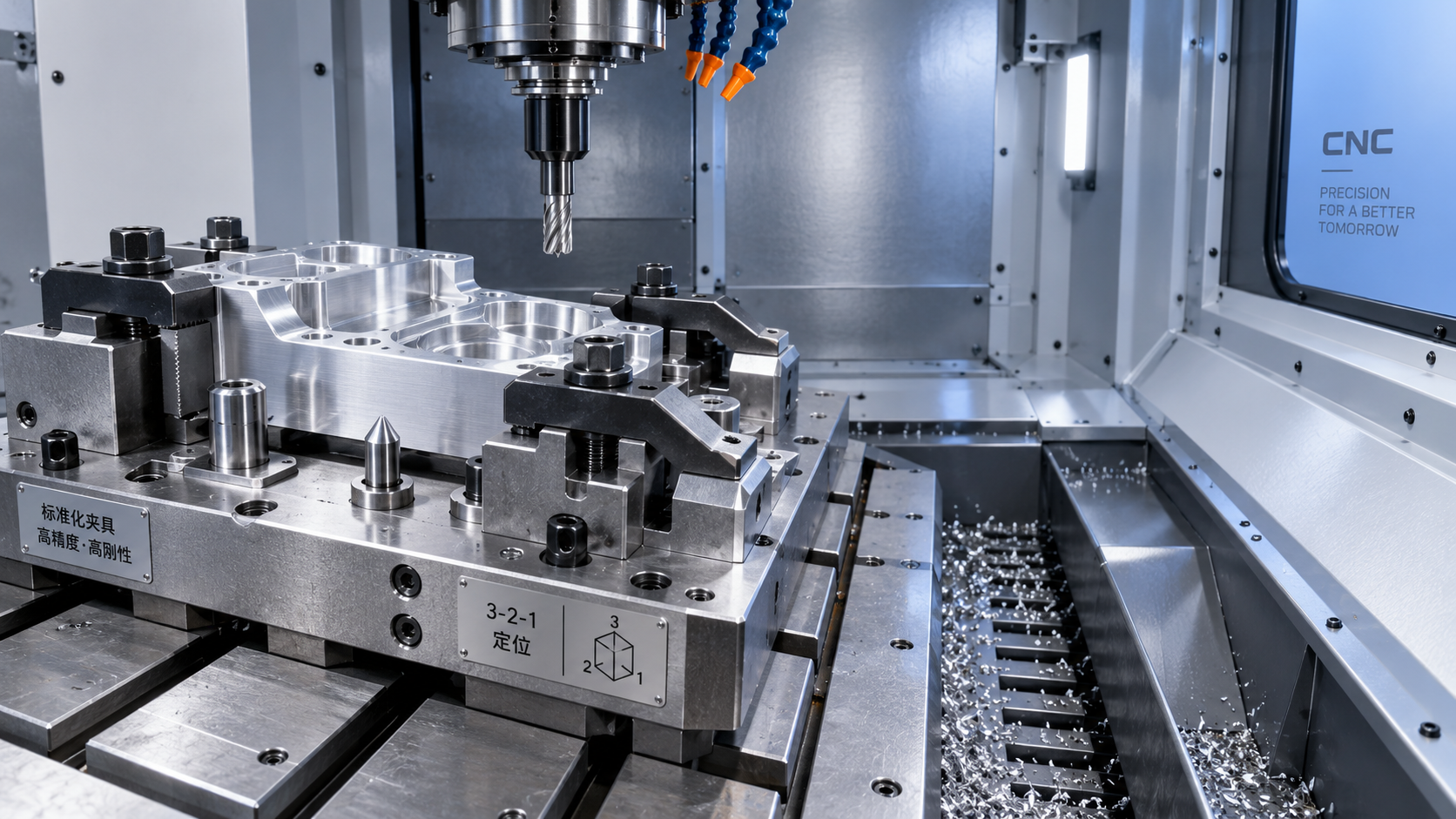
 How to Design Cost-Effective Fixtures That Maintain Cycle Time in Mass ProductionCNC Machining Technology Center
 Is Learning CNC Programming Worth It for Shop Owners Seeking Higher Margins?CNC Machining Technology Center
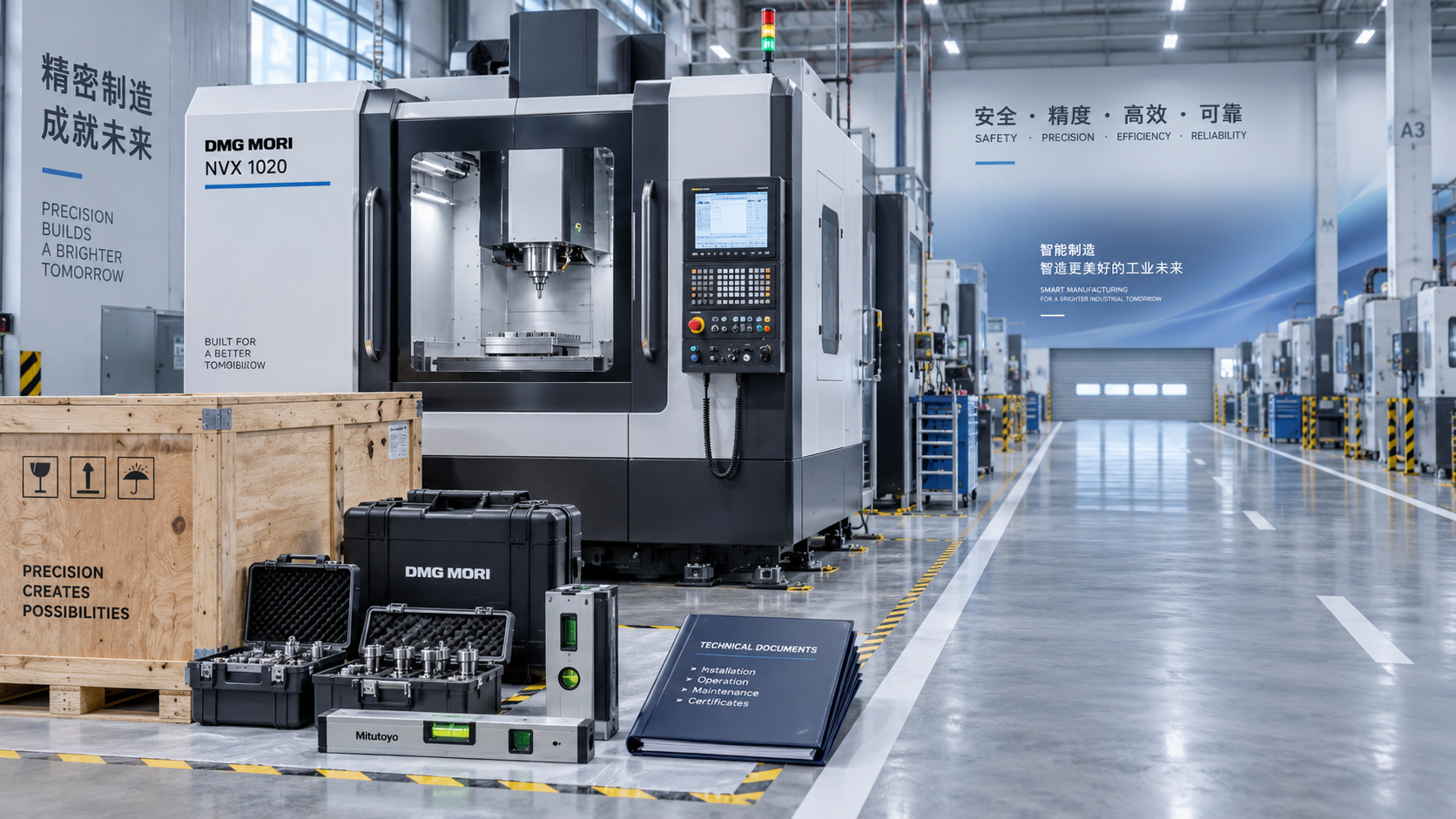
 CNC Machine Arrival Inspection: Check Shipping Damage, Accuracy, Safety, and DocumentsCNC Machining Technology Center
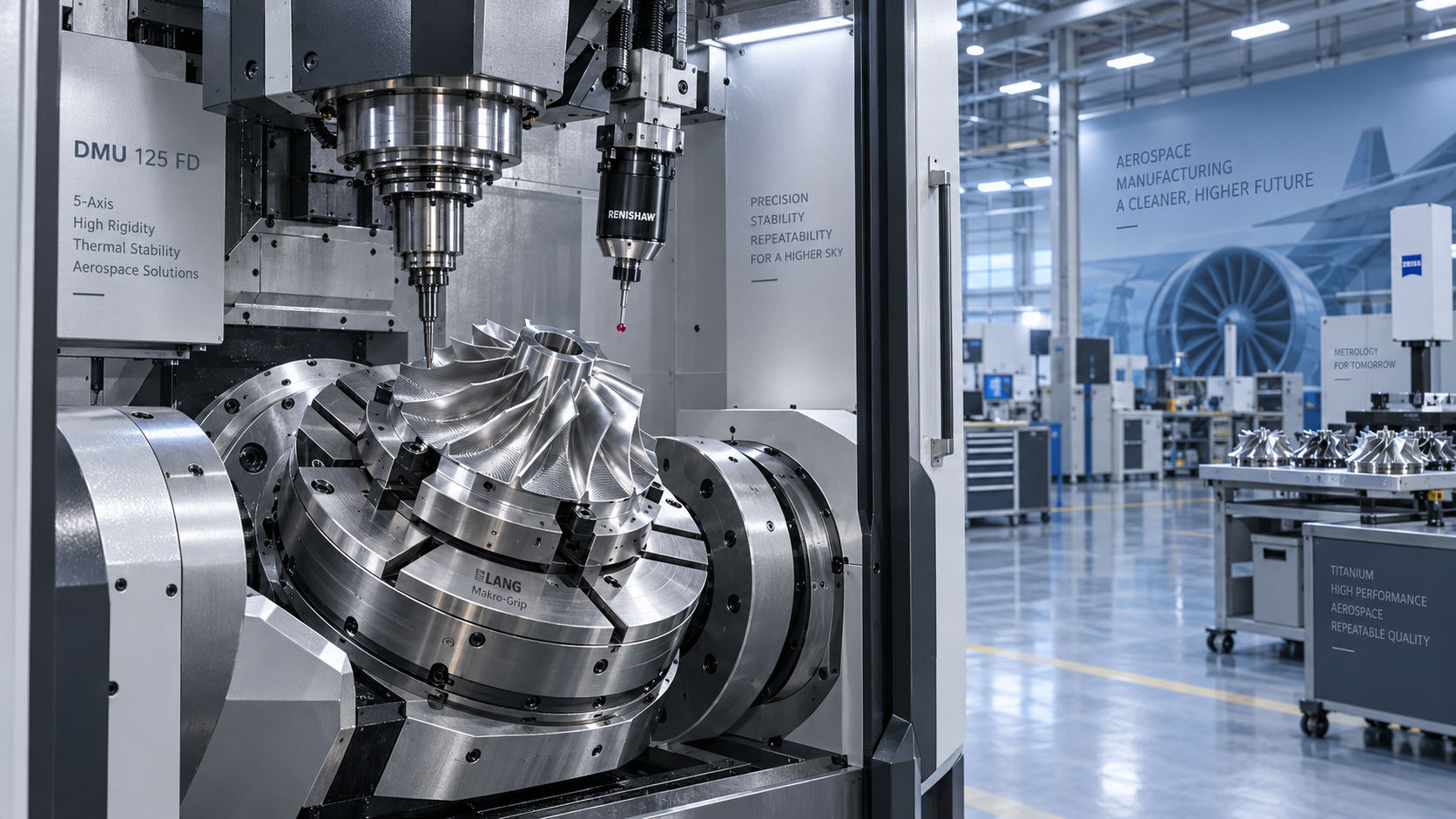
 How to Select a Machine Tool for Aerospace Parts with Tight Tolerances?Machine Tool Industry Editorial Team

Aris Katos
Future of Carbide Coatings
15+ years in precision manufacturing systems. Specialized in high-speed milling and aerospace grade alloy processing.
▶
Which Metals Are Hardest to Machine With Standard Tools?CNC Machining Technology Center▶
How to Choose Cutting Tools for High-Speed Machining of Steel, Aluminum, and TitaniumCNC Machining Technology Center▶
How to Choose a CNC Tooling System for Titanium Machining by Tool Life and StabilityCNC Machining Technology Center▶
Cutting Tools Selection Guide: How Tool Material, Coating, and Geometry Affect PerformanceCNC Machining Technology Center▶
Cutting Tools for High Temperature Alloys: How to Reduce Tool Wear and Edge ChippingCNC Machining Technology Center
Mastering 5-Axis Workholding Strategies
Join our technical panel on Nov 15th to learn about reducing vibrations in thin-wall components.

Providing you with integrated sanding solutions
Before-sales and after-sales services
Comprehensive technical support