• Global CNC market projected to reach $128B by 2028 • New EU trade regulations for precision tooling components • Aerospace deman
NYSE: CNC +1.2%LME: STEEL -0.4%

Cutting Tools for High Temperature Alloys: How to Reduce Tool Wear and Edge Chipping
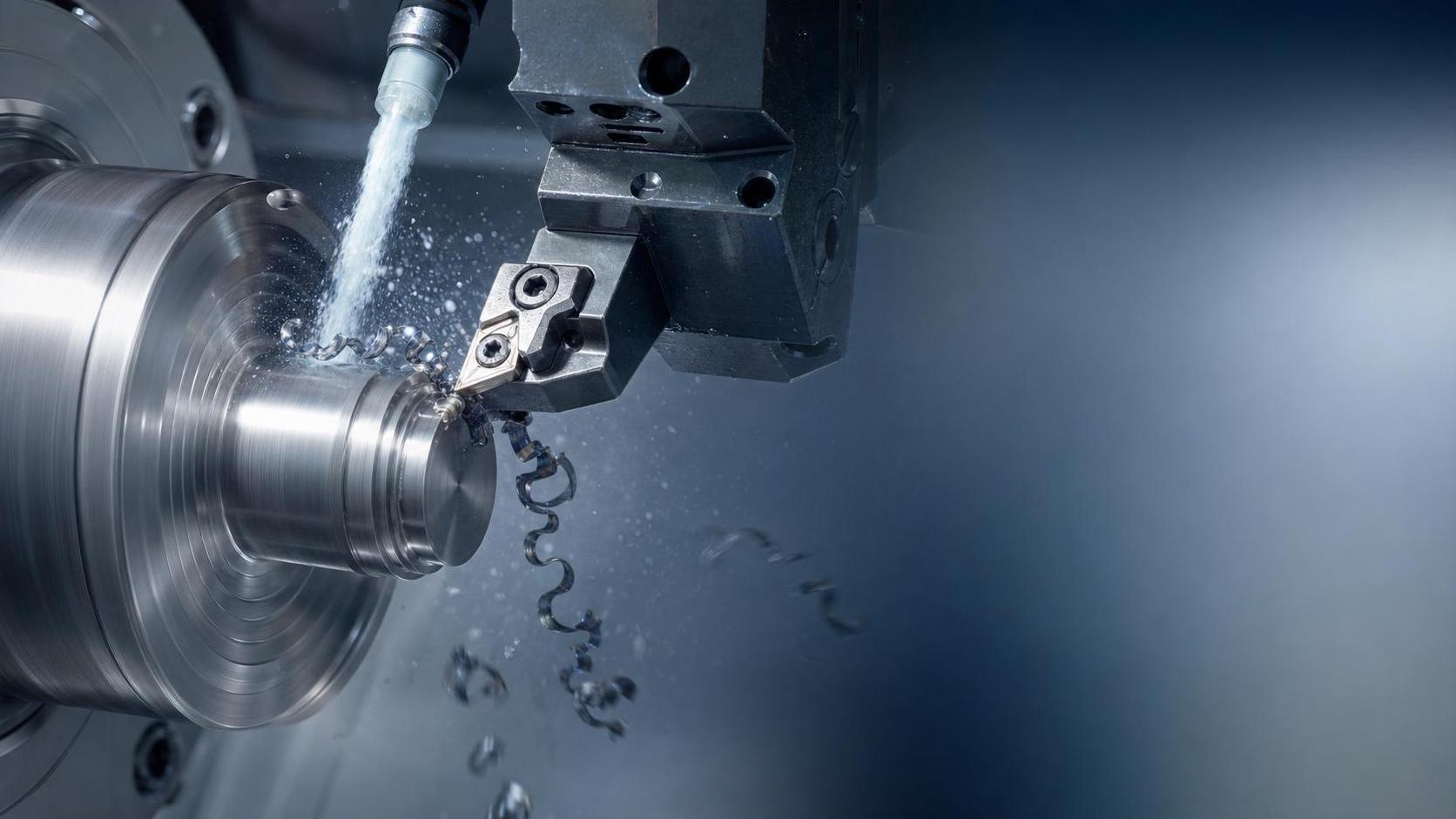
Cutting Tools for High Temperature Alloys: How to Reduce Tool Wear and Edge Chipping
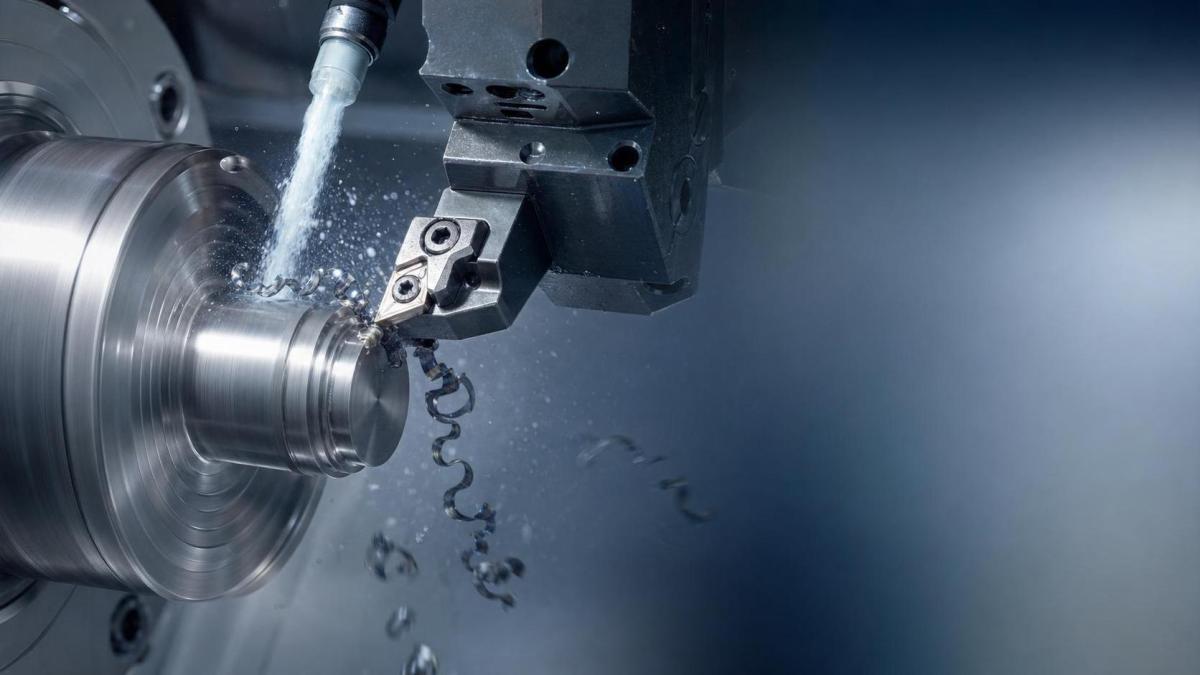
Cutting Tools for High Temperature Alloys are under pressure in real production.
Heat stays near the cutting edge, chips resist breaking, and cutting forces rise fast.
That combination leads to flank wear, notch wear, crater wear, and sudden edge chipping.
In aerospace, energy, and precision machining, this is more than a tooling issue.
It affects part consistency, spindle time, scrap rate, and overall machining cost.
The good news is that tool wear is usually manageable when the causes are separated clearly.
Most failures come from the wrong match between tool grade, geometry, speed, feed, and cooling.
Once that match improves, Cutting Tools for High Temperature Alloys become far more stable.
Why high temperature alloys damage cutting edges so quickly
High temperature alloys keep strength at elevated heat, which is exactly why they are difficult to cut.
Materials such as Inconel, Hastelloy, and Waspaloy harden during cutting and resist plastic deformation.
Instead of carrying heat away through the chip, the workpiece keeps heat around the edge.
That local heat softens the tool substrate and weakens coating performance over time.
At the same time, interrupted contact can shock the edge and cause micro-fractures.
Those small fractures often grow into visible chipping before wear reaches its normal limit.
This is why Cutting Tools for High Temperature Alloys need both heat resistance and edge security.
Common signs that point to the real problem
- Flank wear grows evenly: speed is likely too high.
- Notch wear at depth of cut: work-hardened surface is attacking the edge.
- Crater wear on rake face: heat concentration is excessive.
- Random edge chipping: setup rigidity or feed stability may be poor.
- Built-up edge or smeared surface: chip evacuation or lubrication is weak.
Reading these patterns correctly is the first practical step toward longer tool life.
Choose the right tool material and coating first
When Cutting Tools for High Temperature Alloys fail early, grade selection is usually the first checkpoint.
A general-purpose insert may cut the part, but it often cannot hold the edge long enough.
Fine-grain carbide is still the most common choice for roughing and semi-finishing.
It offers a useful balance of toughness, hot hardness, and predictable wear behavior.
For stable finishing, some applications benefit from whisker ceramic or SiAlON tools.
However, ceramics need stable engagement and higher cutting speeds to perform well.
In less stable setups, tougher carbide often gives better real-world results than more aggressive materials.
What coating characteristics matter most
- High oxidation resistance for sustained heat.
- Low friction to reduce built-up edge and chip drag.
- Strong adhesion between coating and substrate.
- Adequate toughness so the coating does not spall under shock.
PVD coatings are often preferred where sharp edges and chipping resistance are critical.
CVD coatings can perform well in some cases, but edge toughness must be checked carefully.
If the edge chips before wearing out, moving to a tougher grade usually helps more than raising hardness.
Use edge geometry that protects the insert
Geometry decisions have a direct impact on Cutting Tools for High Temperature Alloys.
A very sharp edge cuts smoothly, but it can break early under heavy load.
A heavily honed edge survives impact better, but it increases force and heat.
The best choice is usually a controlled edge preparation matched to the operation.
For roughing, a stronger edge hone or chamfer can reduce sudden chipping.
For finishing, a sharper geometry may lower cutting pressure and improve surface integrity.
Chipbreaker design also matters because long chips create heat, rubbing, and unstable exit behavior.
Geometry adjustments that usually help
- Use a positive rake where machine rigidity allows it.
- Avoid extremely pointed nose radii in unstable conditions.
- Choose a nose radius that balances finish and vibration control.
- Use chipbreakers designed for sticky, heat-resistant materials.
These small geometry changes often produce larger gains than operators expect.
Adjust speed, feed, and depth of cut with discipline
Parameter control is where many Cutting Tools for High Temperature Alloys are either protected or wasted.
Running too fast is the easiest way to create excessive heat and crater wear.
Running too slowly can also be harmful because the tool rubs instead of shearing cleanly.
Feed rate is just as important.
If feed is too light, the edge stays in the work-hardened layer and chips more easily.
A stable, adequate feed often improves tool life even when it seems counterintuitive.
Depth of cut should also avoid repeated passes at the same hardened line.
A practical adjustment sequence
- Reduce cutting speed first when heat wear dominates.
- Increase feed slightly when rubbing or work hardening appears.
- Change depth of cut to move away from notch wear zones.
- Track tool life after each change instead of changing everything together.
This step-by-step method makes troubleshooting faster and more reliable on the shop floor.
Coolant strategy can decide whether the edge survives
Cooling strategy is often underestimated in Cutting Tools for High Temperature Alloys applications.
These materials generate heat that standard flood coolant may not control effectively.
High-pressure coolant can break chips earlier and push fluid closer to the cutting zone.
That reduces recutting, lowers heat concentration, and improves surface consistency.
Still, coolant use must stay consistent.
Intermittent coolant can create thermal shock, especially with ceramic tools.
In some high-speed finishing cases, dry cutting with the right tool material performs better.
Cooling decisions to review
- Is coolant reaching the actual cutting edge?
- Are chips evacuating cleanly or wrapping back?
- Is pressure high enough for deep grooves or pockets?
- Is thermal shock causing edge cracks during interrupted cuts?
A better coolant setup often fixes problems that look like insert grade issues.
Do not ignore machine rigidity and toolholding
Even the best Cutting Tools for High Temperature Alloys cannot compensate for weak setup conditions.
Small vibrations become destructive when the material is hard, hot, and strain hardening.
That is why edge chipping often appears in corners, entry points, and long overhang conditions.
Shorter tool projection helps immediately.
So does a stronger holder, better clamping, and firmer workpiece support.
Check spindle condition as well, especially when wear patterns are inconsistent between identical parts.
Quick setup checklist
- Minimize tool overhang.
- Use rigid holders suited to the operation.
- Verify insert seating and clamp condition.
- Support thin walls and long shafts properly.
- Monitor vibration marks on the machined surface.
These checks are simple, but they often stop recurring edge failures.
A practical troubleshooting table for daily use
A simple table like this helps standardize responses across shifts and production cells.
Build a repeatable process for longer tool life
The best results with Cutting Tools for High Temperature Alloys come from process control, not isolated fixes.
Start by documenting one stable baseline for each alloy, operation, and machine type.
Record insert grade, edge geometry, speed, feed, depth of cut, coolant condition, and tool life.
Then compare actual wear patterns instead of relying on guesswork.
That makes process changes faster, cheaper, and easier to scale across production.
In practice, reducing tool wear and edge chipping usually means improving several small factors together.
Better Cutting Tools for High Temperature Alloys selection is important, but disciplined application matters just as much.
When tool grade, geometry, parameters, coolant, and rigidity are aligned, machining becomes noticeably more predictable.
That is the point where tool life improves, scrap drops, and production costs start moving in the right direction.
Recommended for You
 How to Select a Machine Tool for Aerospace Parts with Tight Tolerances?Machine Tool Industry Editorial Team
 How to Select CNC Equipment for High-Mix, Low-Volume ProductionCNC Machining Technology Center
 Can CNC Machining Inconel Control Tool Wear in High-Temperature Aerospace Parts?CNC Machining Technology Center
 Machine Tool Market Outlook: Demand Drivers, Capacity Shifts, and Investment RisksManufacturing Market Research Center
 Zero-Point Clamping or Modular Fixtures? Choosing a Faster CNC Changeover SystemCNC Machining Technology Center
 How to Cut CNC Fixture Changeover Time Without Sacrificing Part AccuracyCNC Machining Technology Center



Aris Katos
Future of Carbide Coatings
15+ years in precision manufacturing systems. Specialized in high-speed milling and aerospace grade alloy processing.
▶
Which Metals Are Hardest to Machine With Standard Tools?CNC Machining Technology Center▶
How to Choose Cutting Tools for High-Speed Machining of Steel, Aluminum, and TitaniumCNC Machining Technology Center▶
How to Choose a CNC Tooling System for Titanium Machining by Tool Life and StabilityCNC Machining Technology Center▶
Cutting Tools Selection Guide: How Tool Material, Coating, and Geometry Affect PerformanceCNC Machining Technology Center▶
Cutting Tools for High Temperature Alloys: How to Reduce Tool Wear and Edge ChippingCNC Machining Technology Center
Mastering 5-Axis Workholding Strategies
Join our technical panel on Nov 15th to learn about reducing vibrations in thin-wall components.

Providing you with integrated sanding solutions
Before-sales and after-sales services
Comprehensive technical support