• Global CNC market projected to reach $128B by 2028 • New EU trade regulations for precision tooling components • Aerospace deman
NYSE: CNC +1.2%LME: STEEL -0.4%

Cutting Tools for Aluminum: Which Coatings, Geometries, and Speeds Work Best?
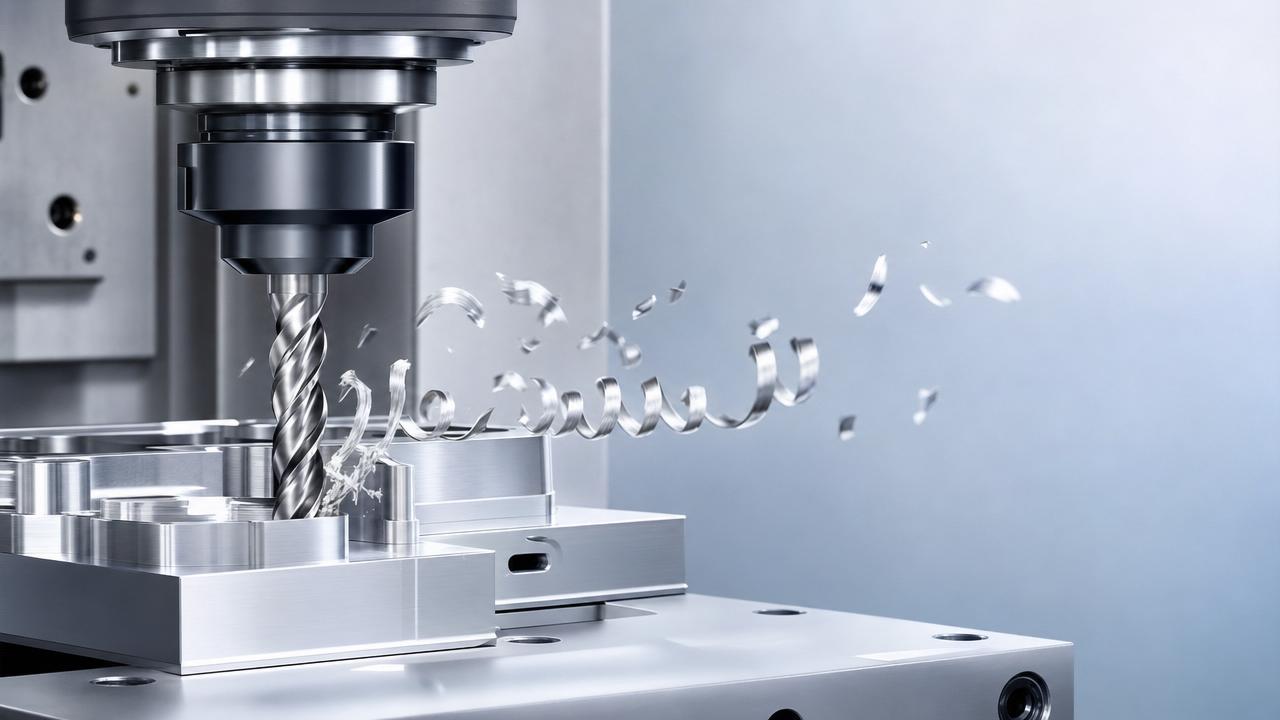
Why Cutting Tools for Aluminum Need a Different Strategy
Choosing Cutting Tools for Aluminum is not just about hardness. Aluminum behaves very differently from steel, cast iron, or titanium during machining.
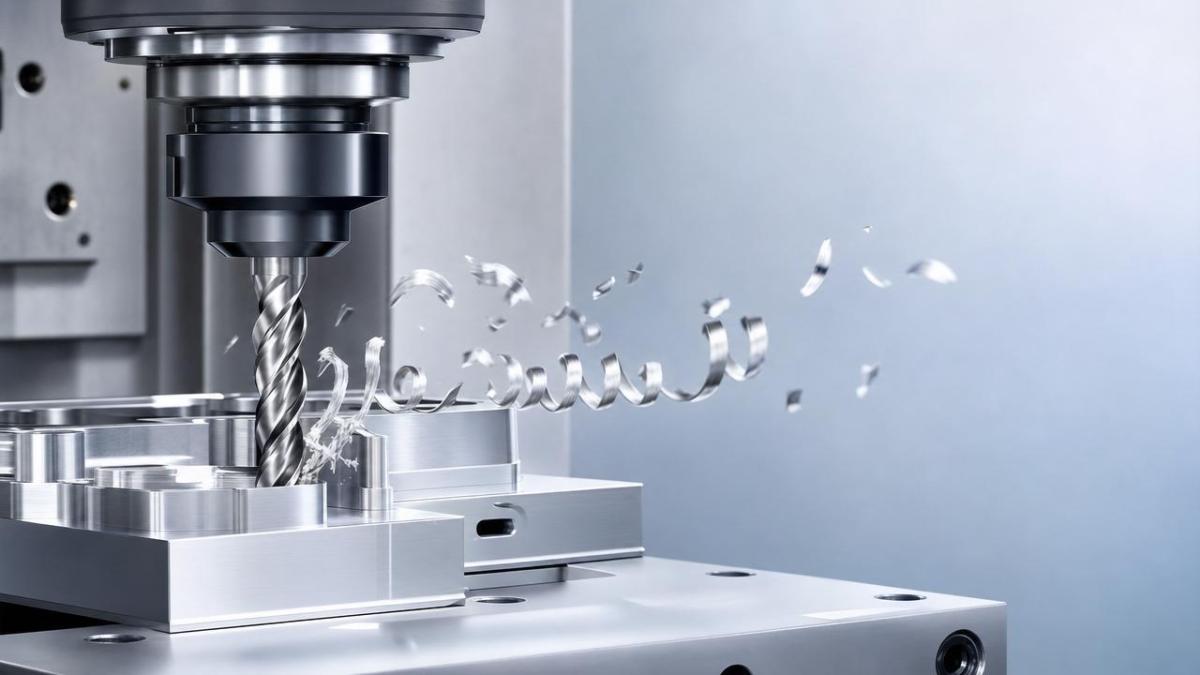
It is softer, more ductile, and more likely to stick to the cutting edge. That sticking creates built-up edge, unstable cutting, and poor surface finish.
In real production, the wrong tool often causes more trouble than the wrong program. Chips weld, edges smear, and the spindle sounds fine until quality drops.
This is why Cutting Tools for Aluminum must balance three things well: low friction, sharp geometry, and cutting data that evacuates chips fast.
The good news is that aluminum usually allows aggressive machining. When tooling is matched correctly, you can get excellent finishes and high metal removal rates.
That also means process mistakes show up quickly. Tool marks, burrs, chatter, and loading often point to a mismatch in coating, flute design, or speed.
For shops running CNC lathes, machining centers, or multi-axis systems, the best results come from treating aluminum as a high-speed material, not an easy material.
What Makes Aluminum Difficult to Machine
Many people call aluminum easy to cut. That is partly true, but only when Cutting Tools for Aluminum are selected with care.
Its low hardness reduces cutting force. However, its ductility increases the chance of chip welding and edge buildup, especially at low speed or poor lubrication.
Some grades, such as 6061, machine predictably. Others, including gummy wrought alloys, need even sharper edges and stronger chip evacuation.
Thin walls also add another layer of risk. The material cuts fast, but part deflection rises quickly when tool pressure becomes too high.
Heat behavior matters too. Aluminum transfers heat well, but a loaded edge still overheats locally and damages finish in seconds.
In practice, most machining problems come from chip control. If chips do not clear, even premium Cutting Tools for Aluminum will lose performance.
Best Coatings for Cutting Tools for Aluminum
Coating choice matters, but not in the same way it does for steel. For aluminum, lower friction is usually more important than extreme hot hardness.
In many jobs, uncoated polished carbide performs very well. A highly polished surface reduces chip adhesion and helps maintain a clean edge.
ZrN is one of the most common coating choices for Cutting Tools for Aluminum. It offers low affinity to aluminum and supports smoother chip flow.
TiB2 is also widely used, especially for non-ferrous machining. It is effective where built-up edge is a recurring issue.
Diamond-like coatings and PCD solutions are strong options for very high-volume production. They are especially valuable with abrasive aluminum composites or silicon-rich alloys.
By contrast, general-purpose coatings for steel may underperform here. Some increase friction or hide a less sharp edge, which is the opposite of what aluminum needs.
A practical selection guide looks like this:
- Use uncoated polished carbide for clean, general aluminum machining.
- Use ZrN when sticking and chip smearing begin to appear.
- Use TiB2 when low adhesion and stable finish are top priorities.
- Use PCD for long runs, abrasive grades, and premium finish targets.
The key point is simple. The best coatings for Cutting Tools for Aluminum reduce sticking first, then support wear life.
Geometry That Actually Works in Aluminum
Geometry often has more impact than coating. A sharp edge and open flute design can transform a struggling process into a stable one.
For milling, fewer flutes usually work better. Two-flute and three-flute end mills are common Cutting Tools for Aluminum because they leave more room for chip evacuation.
High helix angles also help. They improve shearing action and move chips out of the cut more smoothly, especially in pocketing operations.
A polished flute is not a small detail. It directly reduces chip drag and makes the tool less likely to load up.
For turning, positive rake inserts are usually the safer choice. They lower cutting force and protect both surface finish and thin-wall stability.
Nose radius should match the job. Too large can push the part and create chatter. Too small can hurt finish and edge life.
If burrs appear consistently, the tool may not be sharp enough. That is often a geometry problem before it is a speed problem.
Useful geometry features include:
- Sharp cutting edges with minimal edge prep.
- High helix flute design for smoother chip lift.
- Fewer flutes for deeper chip space.
- Polished rake and flute surfaces.
- Positive rake for low-force turning and facing.
How Fast Should Cutting Tools for Aluminum Run
Speed questions come up in every shop. Aluminum often rewards higher spindle speed, but only when feed and chip load stay in balance.
Running too slowly is a common mistake. It increases rubbing, encourages built-up edge, and makes Cutting Tools for Aluminum behave worse than expected.
At the same time, speed alone is not the answer. If feed is too low, the edge still rubs, even at high RPM.
Start from the tool maker’s recommendations, then adjust based on alloy, holder rigidity, coolant, and radial engagement.
For carbide end mills in common aluminum grades, shops often run much faster than they would in steel. The practical limit is usually machine capability, not the material.
In finishing passes, stable feed marks matter more than headline speed. A consistent chip thickness usually delivers better finish than chasing maximum RPM.
If you hear squealing, see smeared walls, or find welded aluminum on the edge, increase cutting efficiency before blaming the tool grade.
Coolant, Chip Evacuation, and Setup Still Decide the Result
Even the best Cutting Tools for Aluminum cannot rescue a weak setup. Tooling works as part of a system, not by itself.
Coolant should reach the cutting zone clearly. In many cases, mist, flood coolant, or through-tool delivery improves chip release and reduces edge welding.
Air blast also helps in high-speed milling. It keeps chips from recutting, which is one of the fastest ways to destroy surface quality.
Toolholder quality matters more than many expect. Runout reduces edge life and creates uneven loading, especially on small-diameter tools.
Workholding should also support the cutting strategy. Thin parts need stable clamping without distortion, or chatter appears before the tool reaches full performance.
From a process view, aluminum rewards clean flow. Chips should form, leave, and stay away from the next cut.
A Simple Selection Guide for Daily Machining Decisions
If you need a fast decision path, focus on the job type first. Then match the tool, coating, and speed to that condition.
- For general milling, choose polished carbide Cutting Tools for Aluminum with two or three flutes.
- For sticky alloys, move to ZrN or TiB2 and verify coolant coverage.
- For thin walls, use sharp geometry, lower radial engagement, and stable feed.
- For high-volume finishing, consider PCD if tool life and consistency justify cost.
- For turning, use positive rake inserts and avoid rubbing at low feed.
This approach keeps decisions practical. It also reduces trial-and-error, which is where hidden cost often builds up in CNC production.
As machining moves toward smarter and more automated production, tool choice becomes even more important. Stable tooling supports predictable cycle times, better quality data, and less operator intervention.
Final Takeaway
The best Cutting Tools for Aluminum are usually sharp, low-friction, and built for fast chip evacuation. Coatings help, but only when they support those basics.
In daily machining, polished geometry, the right coating, and balanced speed do more than improve finish. They reduce stoppages, protect consistency, and make the whole process easier to control.
If a process is unstable, start with chips, edge sharpness, and actual cutting efficiency. That is usually where the real answer is.
Review your current Cutting Tools for Aluminum against these points, adjust one variable at a time, and you will usually find a faster, cleaner, and more reliable cut.
NEXT ARTICLE
Recommended for You
 How Automated Precision Machining Maintains Tolerance in High-Mix ProductionCNC Machining Technology Center
 How to Evaluate a Machine Tool Factory Before Sourcing CNC EquipmentGlobal Machine Tool Trade Research Center
 CNC Programming Explained: From CAD Models to Reliable Shop-Floor ToolpathsCNC Machining Technology Center
 How Multi-Axis Machining Produces Complex Components With Fewer SetupsCNC Machining Technology Center
 How Does Precision Machining Differ From Standard Machining?CNC Machining Technology Center
 What Production Volume Justifies a CNC Turning Investment?Manufacturing Market Research Center



Aris Katos
Future of Carbide Coatings
15+ years in precision manufacturing systems. Specialized in high-speed milling and aerospace grade alloy processing.
▶
How to Choose Cutting Tools for High-Speed Machining of Steel, Aluminum, and TitaniumCNC Machining Technology Center▶
How to Choose a CNC Tooling System for Titanium Machining by Tool Life and StabilityCNC Machining Technology Center▶
Cutting Tools Selection Guide: How Tool Material, Coating, and Geometry Affect PerformanceCNC Machining Technology Center▶
Cutting Tools for High Temperature Alloys: How to Reduce Tool Wear and Edge ChippingCNC Machining Technology Center▶
TUV Rheinland Updates CNC Tool PCF GuideCNC Machining Technology Center
Mastering 5-Axis Workholding Strategies
Join our technical panel on Nov 15th to learn about reducing vibrations in thin-wall components.

Providing you with integrated sanding solutions
Before-sales and after-sales services
Comprehensive technical support