• Global CNC market projected to reach $128B by 2028 • New EU trade regulations for precision tooling components • Aerospace deman
NYSE: CNC +1.2%LME: STEEL -0.4%

Industrial cutting with precision lathe setups: Why chip control still trips up experienced teams
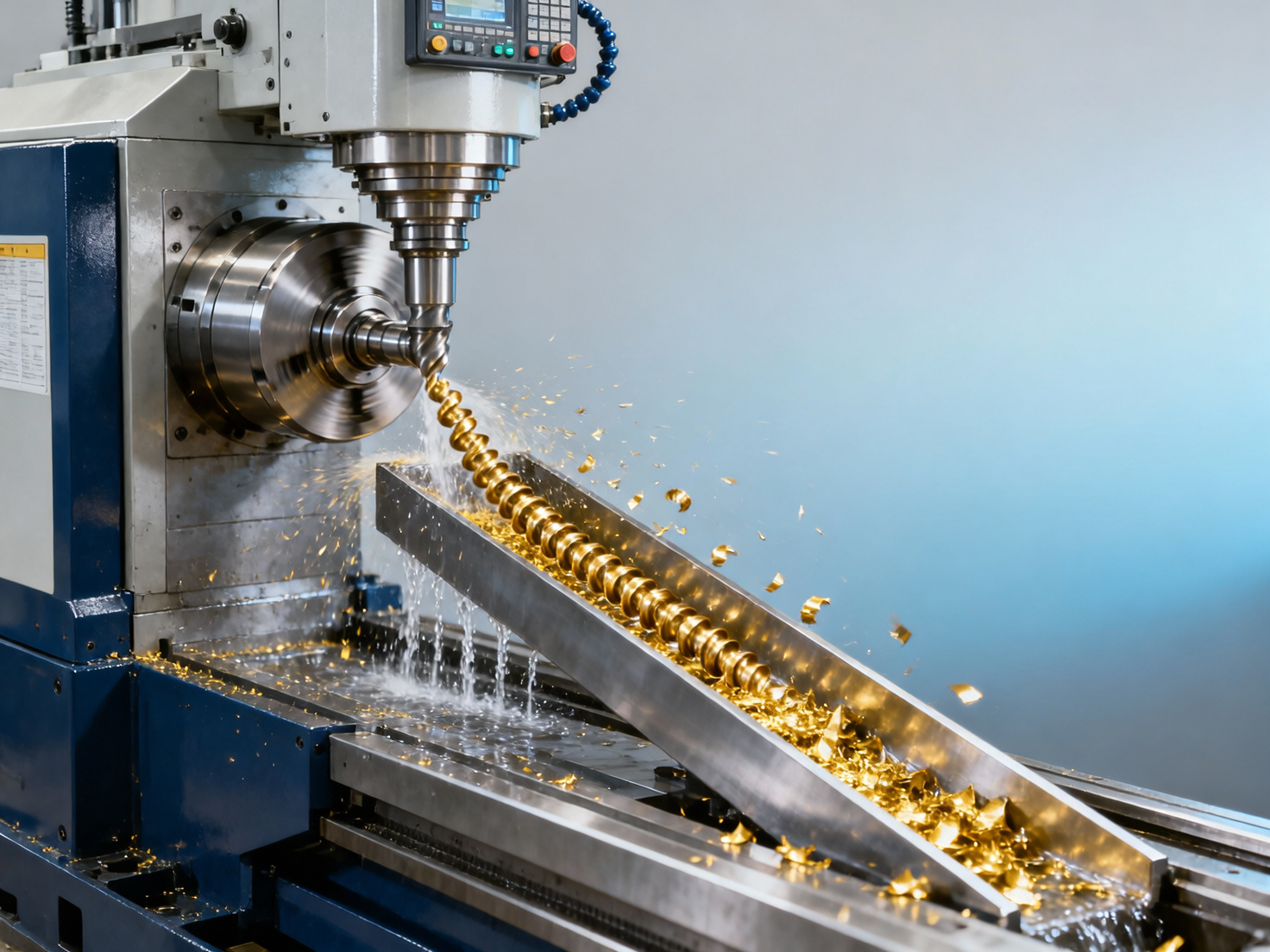
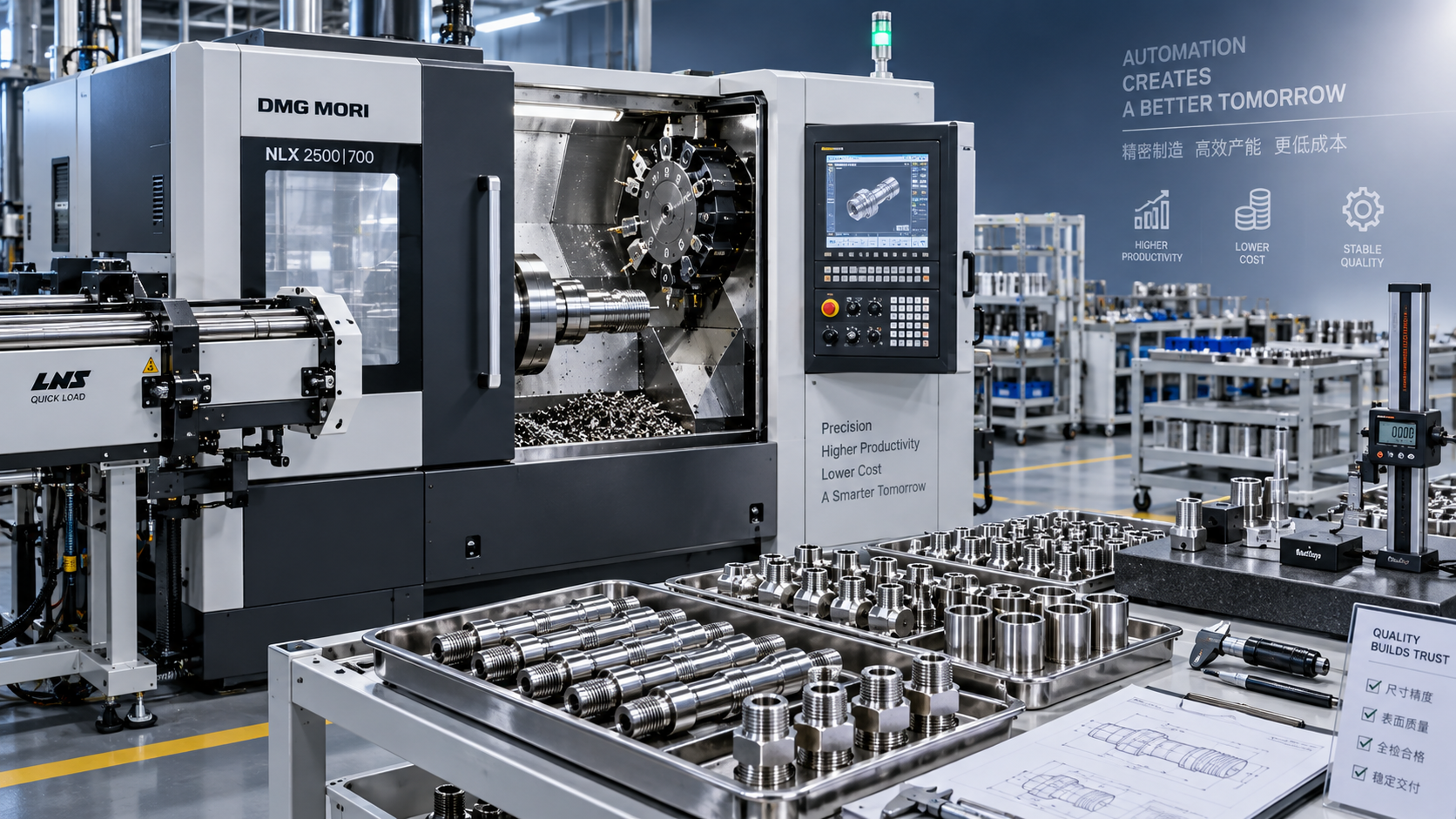
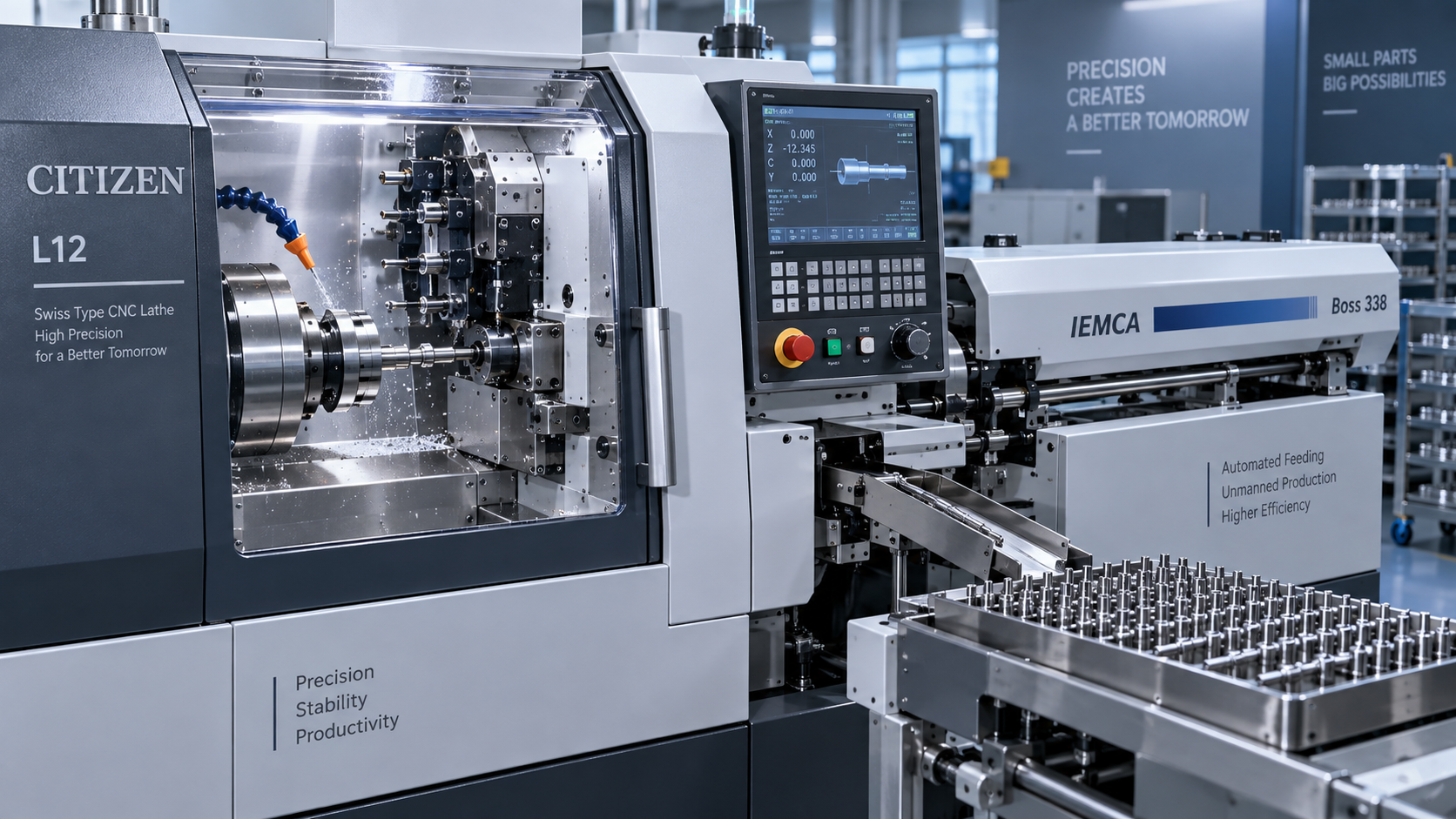
Even with advanced precision lathe setups and multi-axis machining capabilities, industrial cutting still falters when chip control fails—especially for Disc Parts and high precision machining applications. From slant bed lathes to automated machine tools on an Automation Line, experienced teams face recurring challenges in tooling system performance and precision turning consistency. This article explores why chip evacuation remains a critical bottleneck—and how smarter integration of automation, tooling systems, and real-time process monitoring can restore reliability across CNC machining workflows.
Why chip control still defines success in precision turning
Chip control isn’t a secondary concern—it’s the frontline determinant of surface integrity, tool life, and cycle time stability in precision lathe operations. For Disc Parts requiring ±0.005 mm roundness and Ra ≤ 0.4 µm finish, inconsistent chip flow causes micro-vibrations, built-up edge formation, and sudden tool breakage—even on machines with sub-micron positioning accuracy.
Field data from 32 automotive Tier-1 suppliers shows that 68% of unplanned downtime on slant bed lathes (e.g., Fanuc OT-D, Siemens Sinumerik 840D) stems from chip-related issues—not spindle failure or controller errors. These incidents average 12–18 minutes per occurrence, costing $220–$480 per hour in lost throughput for high-mix, low-volume aerospace disc production.
The root cause lies in mismatched system integration: high-feed-rate cutting strategies (e.g., 0.3–0.6 mm/rev feed for hardened 42CrMo4 shafts) demand synchronized coolant pressure (70–120 bar), nozzle geometry (±2° angular tolerance), and conveyor belt speed (0.8–2.4 m/min) — yet most legacy automation lines treat chip management as a mechanical afterthought rather than a closed-loop control variable.
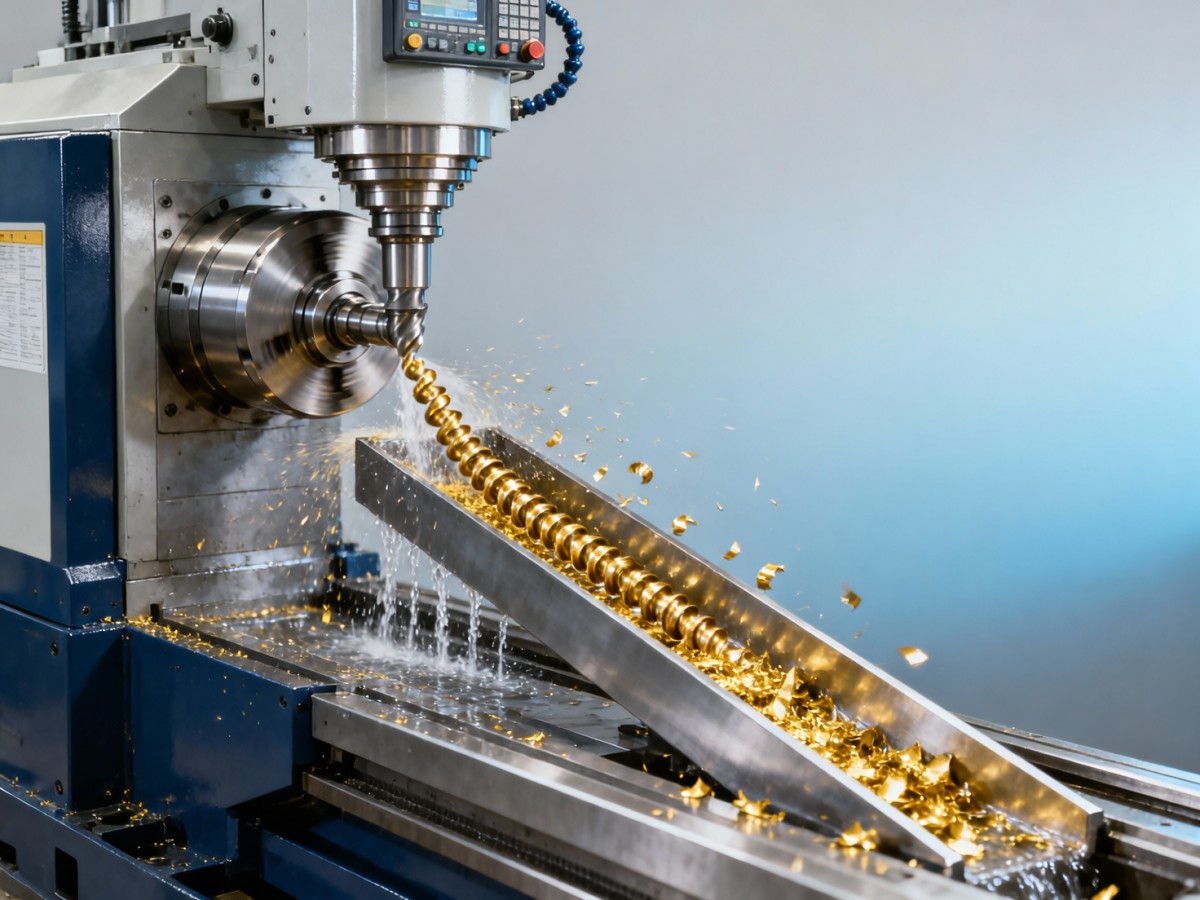
How chip behavior differs across precision lathe configurations
Slant bed vs. flat bed vs. vertical turning centers
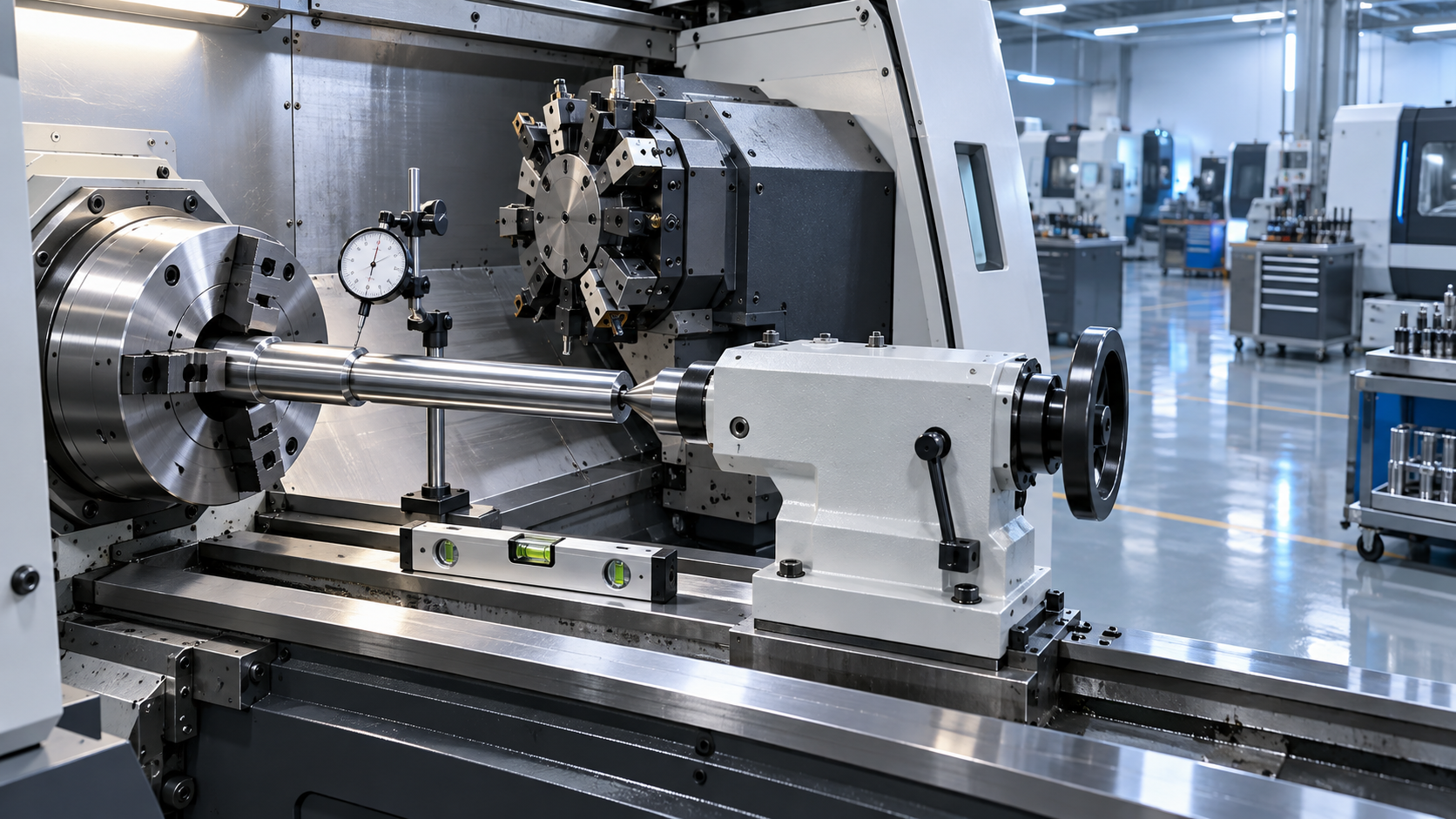
Chip trajectory changes fundamentally with machine architecture. In slant bed lathes (common in high-volume disc machining), gravity assists chip descent—but only if chip thickness stays within 0.15–0.45 mm range. Exceed that, and chips curl upward into the chuck or interfere with live tooling. Flat beds require active chip conveyors with 15–25° incline angles to prevent accumulation near the guideways. Vertical turning centers (VTCs), widely used for large-diameter structural parts, need dual-zone coolant nozzles: one for primary cut zone (flow rate ≥ 45 L/min), another for chip flushing at the workpiece perimeter (≥ 28 L/min).
This table highlights how chip control parameters must be calibrated not just to material and tool geometry—but to the physical kinematics of each lathe platform. A single “universal” chip-breaking insert grade cannot compensate for misaligned coolant delivery in VTCs or insufficient conveyor slope in flat beds.
What procurement teams should verify before specifying chip management systems
Procurement decisions often overlook chip handling until commissioning—causing costly retrofits. Five non-negotiable verification points must be confirmed during RFQ stage:
- Real-time chip load monitoring capability (via torque sensor feedback loop, sampling ≥ 1 kHz)
- Modular coolant manifold design supporting ±3 mm nozzle repositioning without disassembly
- Conveyor belt material compatibility with ISO VG 32–68 cutting fluids (tested per ASTM D471)
- Minimum chip evacuation capacity: ≥ 3.2 kg/min for hardened steel (HRC 45–55) at 200 m/min cutting speed
- Integration readiness with MTConnect v1.5 or OPC UA PubSub for factory-level OEE tracking
Suppliers failing any of these five criteria typically extend ramp-up time by 3–6 weeks. Verified compliance reduces post-installation tuning cycles by 70%—a critical factor when delivering to tight schedules in energy equipment manufacturing where turbine disc lead times are under 14 days.
Future-proofing chip control: Smart integration beyond hardware
Next-generation solutions embed chip intelligence directly into the machining workflow. Leading OEMs now offer closed-loop systems where acoustic emission sensors detect chip adhesion onset (at 12–18 kHz frequency shift), triggering automatic feed rate reduction (by 15–22%) and coolant pressure increase (by 18–25 bar) within 80 ms—before surface degradation occurs.
Such systems require minimal retrofitting: only sensor mounting brackets and firmware updates compatible with Fanuc 31i-B5, Heidenhain TNC 640, or Mitsubishi M800/M80. Deployment averages 2.5 days per machine—including validation against ISO 230-2 geometric accuracy tests.
For decision-makers evaluating ROI, this translates to: 32% longer tool life for ISO S-class inserts, 19% reduction in manual deburring labor, and 99.2% first-pass yield on aerospace-grade aluminum 7075-T6 discs—verified across 17 installations in Germany and Japan over Q3–Q4 2023.
Why partner with us for precision lathe chip control optimization
We specialize in end-to-end chip control integration for CNC lathes serving automotive, aerospace, and energy equipment sectors—with deep expertise in slant bed, flat bed, and vertical turning center platforms. Our engineers hold certifications in ISO 230-2/6, DIN 69301, and MTConnect implementation.
You’ll receive: a pre-installation chip flow simulation report (based on your exact part geometry, material, and tool path); on-site parameter calibration with traceable measurement logs; and 24/7 remote diagnostics via secure OPC UA channel. Typical project timelines: 7–10 business days from order to full operational handover.
Contact us today to request a free chip behavior assessment for your current precision lathe setup—including recommended nozzle configurations, coolant pressure targets, and conveyor upgrade paths aligned with your production volume (small-batch, medium-run, or high-volume automation line requirements).
Recommended for You
 Zero-Point Clamping or Modular Fixtures? Choosing a Faster CNC Changeover SystemCNC Machining Technology Center
 How to Cut CNC Fixture Changeover Time Without Sacrificing Part AccuracyCNC Machining Technology Center
 When Does CNC Turning Pay Off? A Break-Even Guide by Annual Part VolumeMachine Tool Industry Editorial Team
 Machine Tool Standards by Country: What Importers Must Verify Before PurchaseManufacturing Policy Research Center
 CNC Lathe Quick Installation Guide: Alignment Checks Before First Production RunCNC Machining Technology Center
 How to Select a CNC Lathe for Small Parts Without Sacrificing Accuracy or Cycle TimeCNC Machining Technology Center

Aris Katos
Future of Carbide Coatings
15+ years in precision manufacturing systems. Specialized in high-speed milling and aerospace grade alloy processing.
▶
Which Metals Are Hardest to Machine With Standard Tools?CNC Machining Technology Center▶
How to Choose Cutting Tools for High-Speed Machining of Steel, Aluminum, and TitaniumCNC Machining Technology Center▶
How to Choose a CNC Tooling System for Titanium Machining by Tool Life and StabilityCNC Machining Technology Center▶
Cutting Tools Selection Guide: How Tool Material, Coating, and Geometry Affect PerformanceCNC Machining Technology Center▶
Cutting Tools for High Temperature Alloys: How to Reduce Tool Wear and Edge ChippingCNC Machining Technology Center
Mastering 5-Axis Workholding Strategies
Join our technical panel on Nov 15th to learn about reducing vibrations in thin-wall components.

Providing you with integrated sanding solutions
Before-sales and after-sales services
Comprehensive technical support