• Global CNC market projected to reach $128B by 2028 • New EU trade regulations for precision tooling components • Aerospace deman
NYSE: CNC +1.2%LME: STEEL -0.4%

What Is Industrial Machining? Common Processes, Materials, and Typical Uses
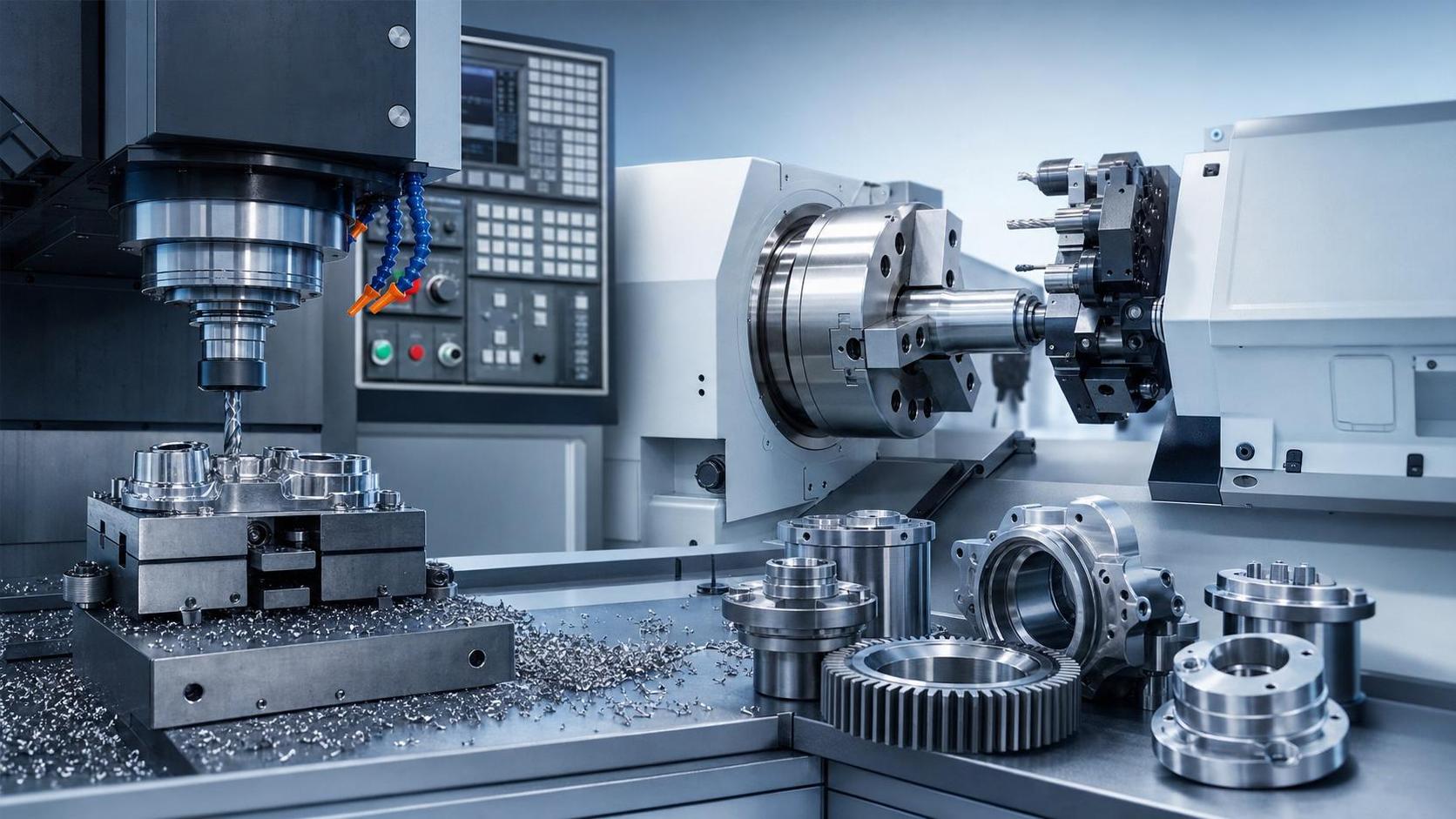
Industrial machining turns raw stock into parts with controlled geometry, surface finish, and repeatable tolerances. It matters because modern production depends on precision that manual methods cannot consistently deliver.
Across automotive, aerospace, electronics, and energy equipment, machining quality affects assembly fit, service life, and production cost. That is why industrial machining remains central to CNC-driven manufacturing and smart factory planning.
How Industrial Machining Fits Into Modern Manufacturing
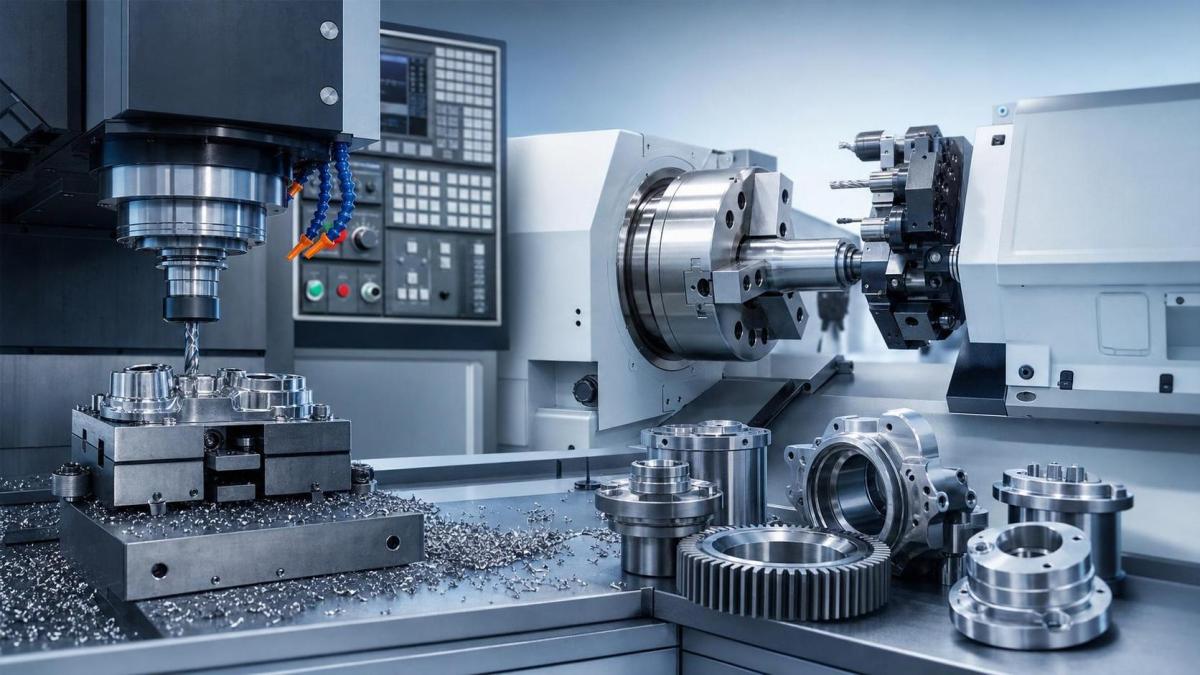
At its core, industrial machining is a controlled material removal process. Machines use cutting tools, programmed paths, and stable workholding to shape metals, plastics, and engineered materials into functional components.
The term often covers CNC turning, milling, drilling, boring, grinding, and related finishing operations. In many factories, these processes are linked with inspection systems, tool management, and automated loading.
This matters more now because global manufacturing is moving toward higher precision, stronger automation, and digital integration. Machine tools are no longer isolated assets. They are part of connected production systems.
A modern machining center may exchange tooling data, offset corrections, and production status with planning software. That changes how capacity, quality, and traceability are evaluated.
The Processes Most Commonly Used
Different industrial machining processes solve different geometry and tolerance problems. Process selection depends on part shape, material behavior, volume, and the required finish.
Turning and Lathe Operations
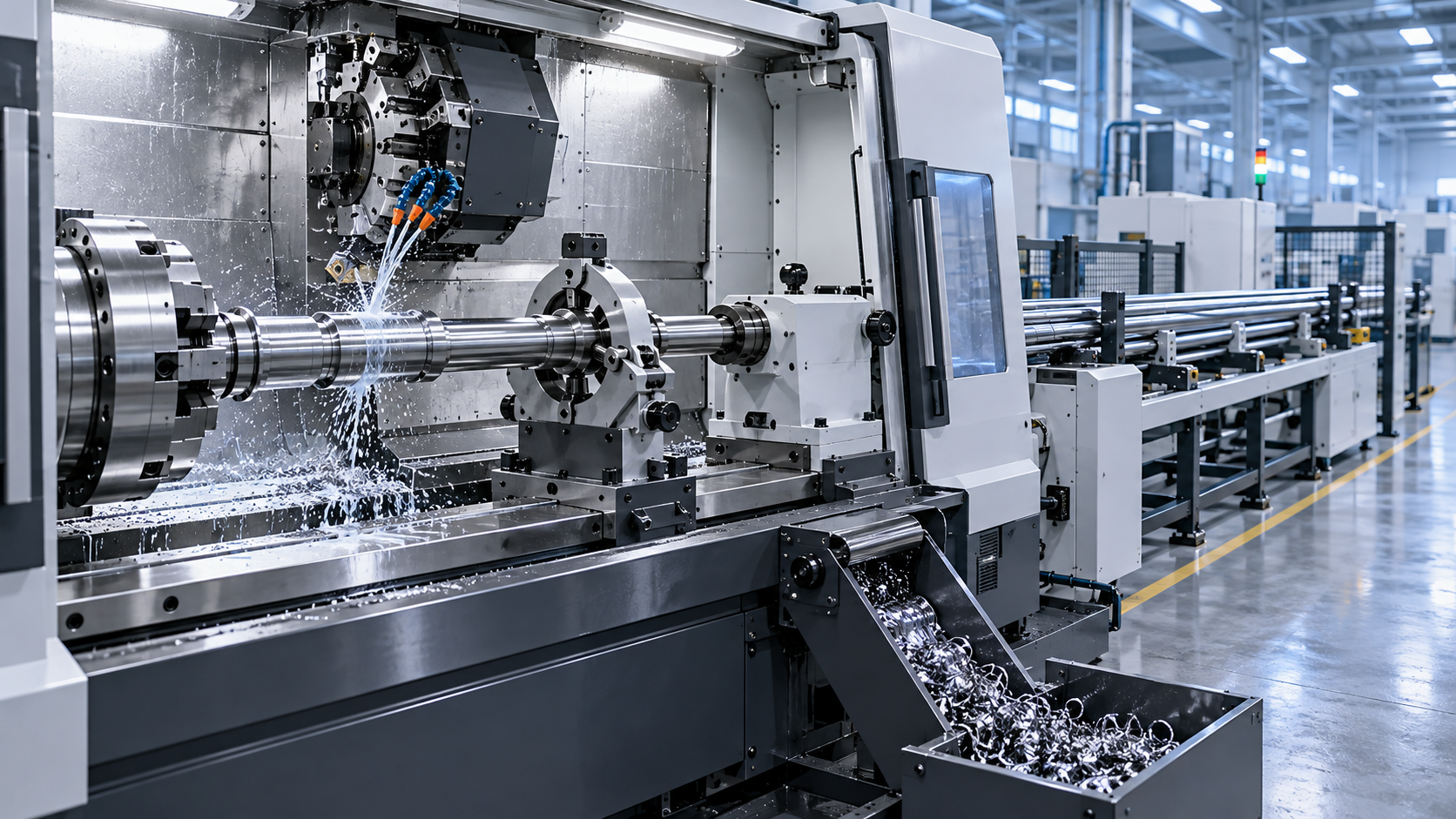
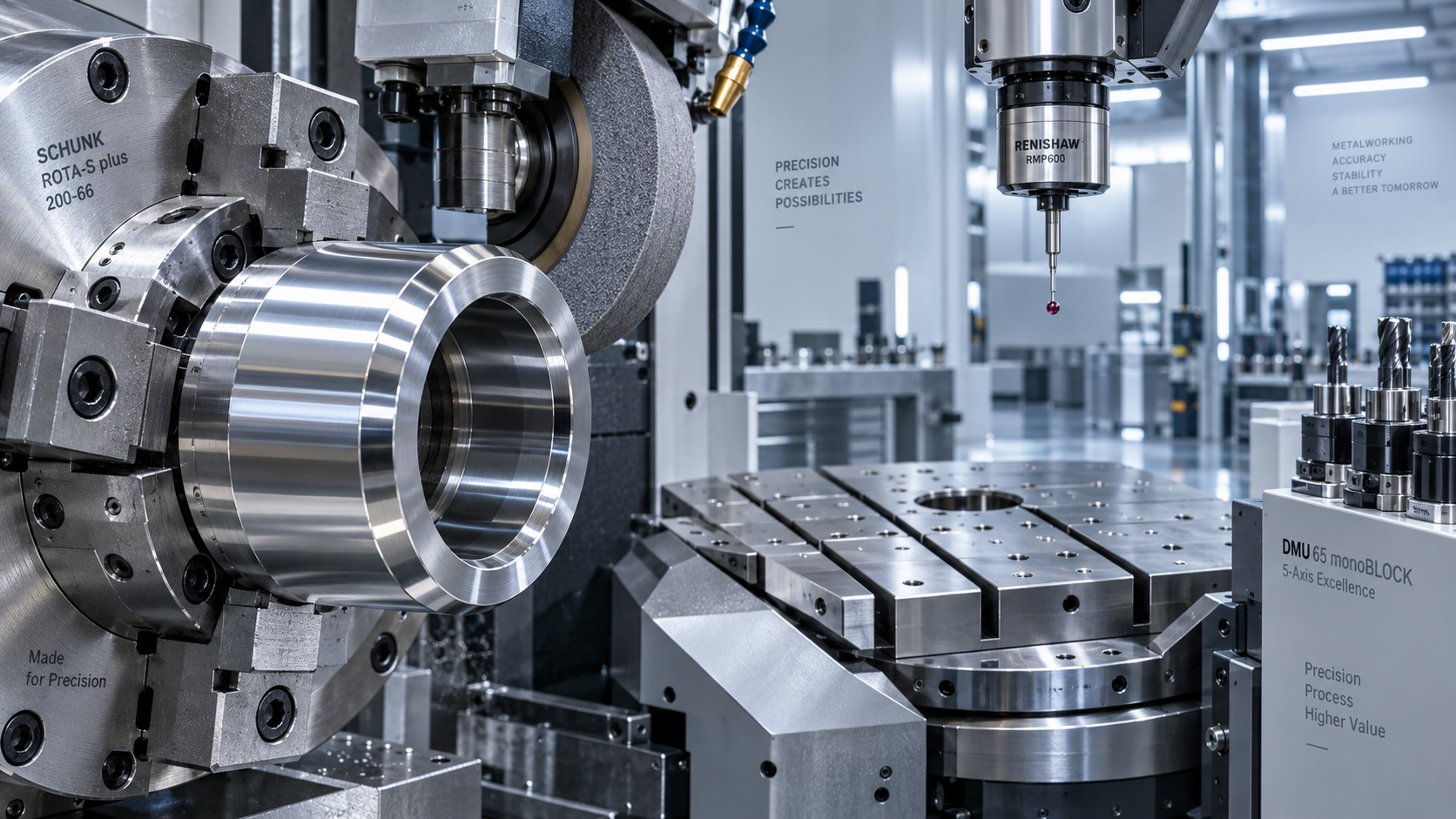
Turning rotates the workpiece while the tool removes material. It is widely used for shafts, bushings, threads, grooves, and precision cylindrical features.
CNC lathes are especially effective when concentricity and diameter control matter. They are common in automotive driveline parts, hydraulic fittings, and energy equipment components.
Milling and Machining Centers
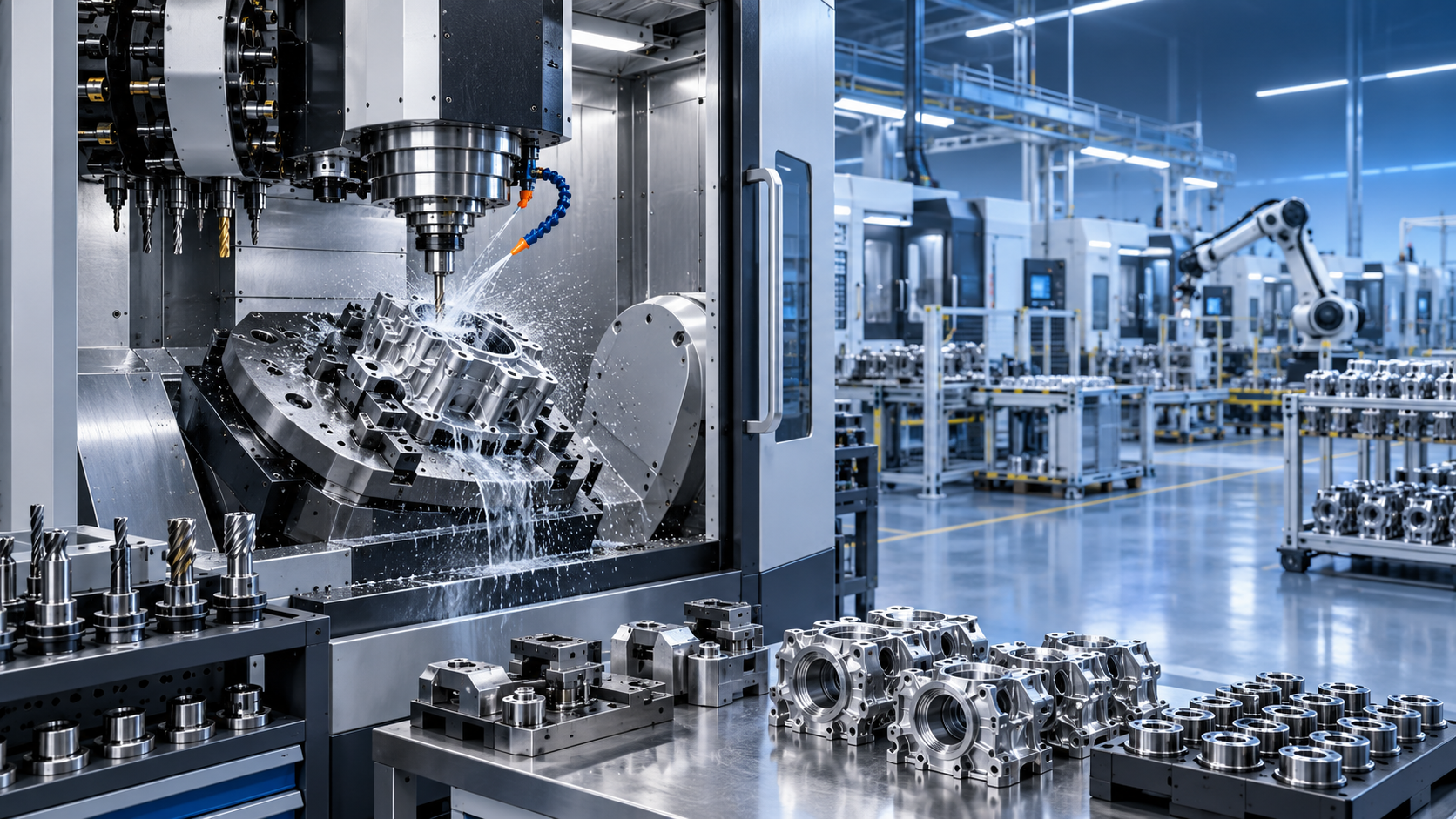
Milling removes material with a rotating cutter. Vertical and horizontal machining centers handle faces, slots, pockets, contours, and complex structural features.
Multi-axis systems extend this capability. They reduce repositioning, improve access to angled surfaces, and support more complex part programs with fewer setups.
Drilling, Boring, and Tapping
These operations create and refine holes for fastening, fluid flow, bearing fits, and assembly location. Hole quality often drives downstream performance more than external features do.
Boring improves size accuracy and alignment. Tapping adds internal threads. In practice, hole position and repeatability are often decisive quality indicators.
Grinding and Finishing
When very tight tolerances or fine surface finishes are needed, grinding is often used after rough machining. This is common for bearing seats, sealing surfaces, and hardened components.
Deburring, polishing, and surface treatment may follow. These steps are not secondary details. They can determine real assembly performance and product reliability.
Material Choice Changes the Entire Machining Strategy
Industrial machining is never only about machine capability. Material selection influences cutting speed, tool wear, coolant needs, chip control, and dimensional stability.
The same part geometry may need very different tooling and cycle times when the material changes. That is why cost estimates based only on drawing complexity are often misleading.
Heat treatment adds another layer. Hardened materials may require staged industrial machining, where roughing is done early and final finishing happens after thermal processing.
Where Industrial Machining Is Typically Used
Industrial machining supports both high-volume standardized production and low-volume complex manufacturing. The value is not identical in every sector, but precision and repeatability remain the common thread.
Automotive and Transport
Engine parts, transmission elements, brake components, housings, and fixtures depend on tightly controlled dimensions. Here, machining often serves speed, consistency, and efficient batch output.
Aerospace and High-Spec Components
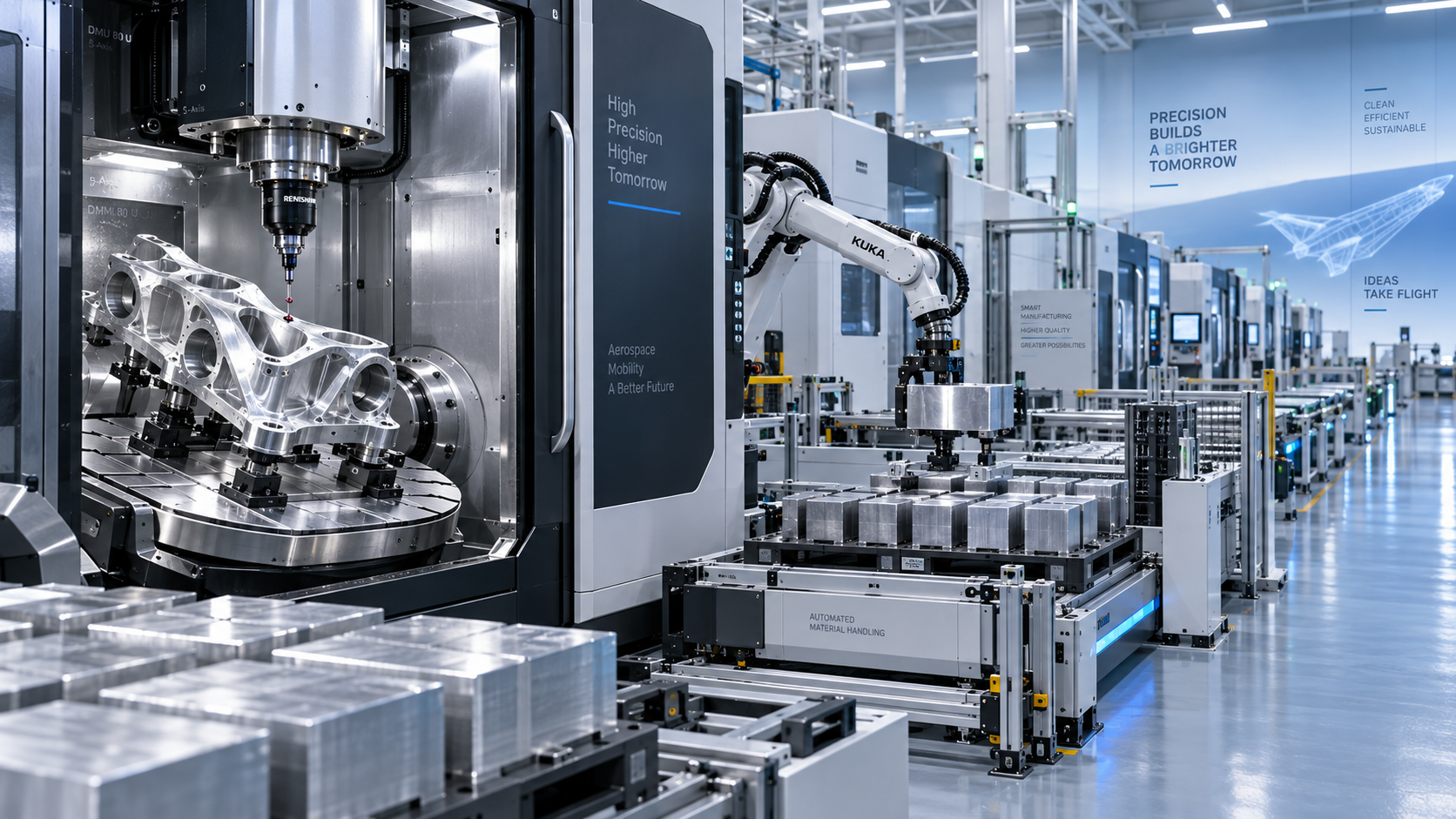
Aircraft structures and critical rotating parts need traceable quality and difficult materials handling. Multi-axis industrial machining is often selected to manage complex surfaces and reduce setup risk.
Energy, Oil and Gas, and Heavy Equipment
Valves, flanges, pump bodies, turbine parts, and large shafts often combine tough materials with demanding service conditions. In these cases, machining reliability matters as much as cycle time.
Electronics and Precision Assemblies
Compact housings, connector features, heat sinks, and fixture plates require stable tolerances on smaller parts. This area often highlights the link between machining precision and final assembly yield.
What Deserves Closer Attention During Evaluation
In practical review, industrial machining should be judged as a system, not as a machine specification alone. Several factors reveal whether a process will perform well under real production conditions.
- Process capability: Can the setup hold tolerance across the full batch, not only on first articles?
- Tooling strategy: Are tool life, change intervals, and insert selection matched to the material and geometry?
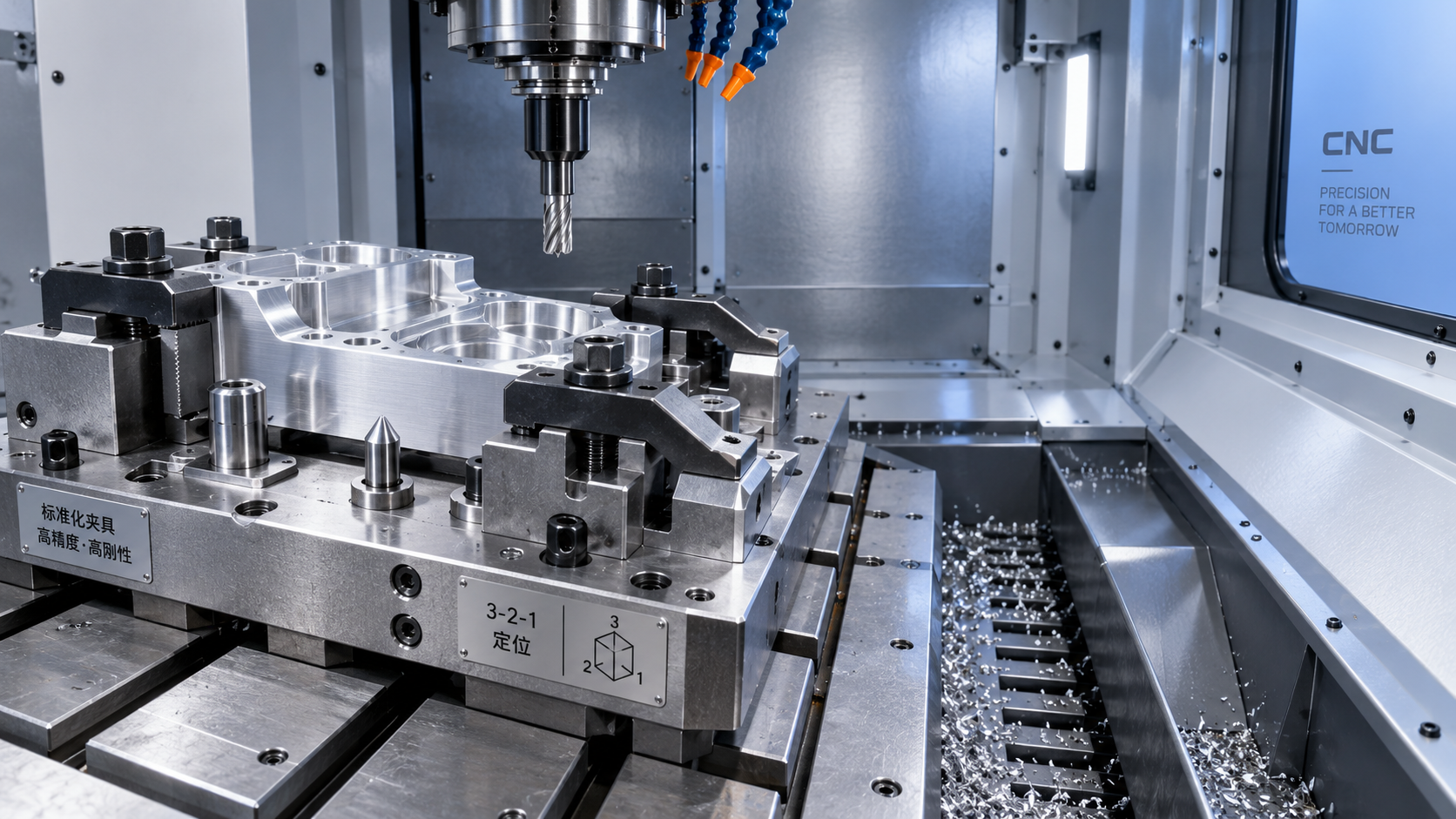
- Workholding design: Poor fixturing often causes distortion, vibration, and unstable repeatability.
- Inspection method: In-process probing and post-process measurement should align with the true critical features.
- Data integration: Connected machines support traceability, maintenance planning, and faster problem isolation.
- Production context: Prototype, bridge production, and mass output require different machining priorities.
A low quoted cycle time may hide future costs if the process relies on unstable tooling or heavy operator intervention. Stable output usually matters more than an aggressive single-part benchmark.
Why the Industry Is Watching Automation and Digital Integration
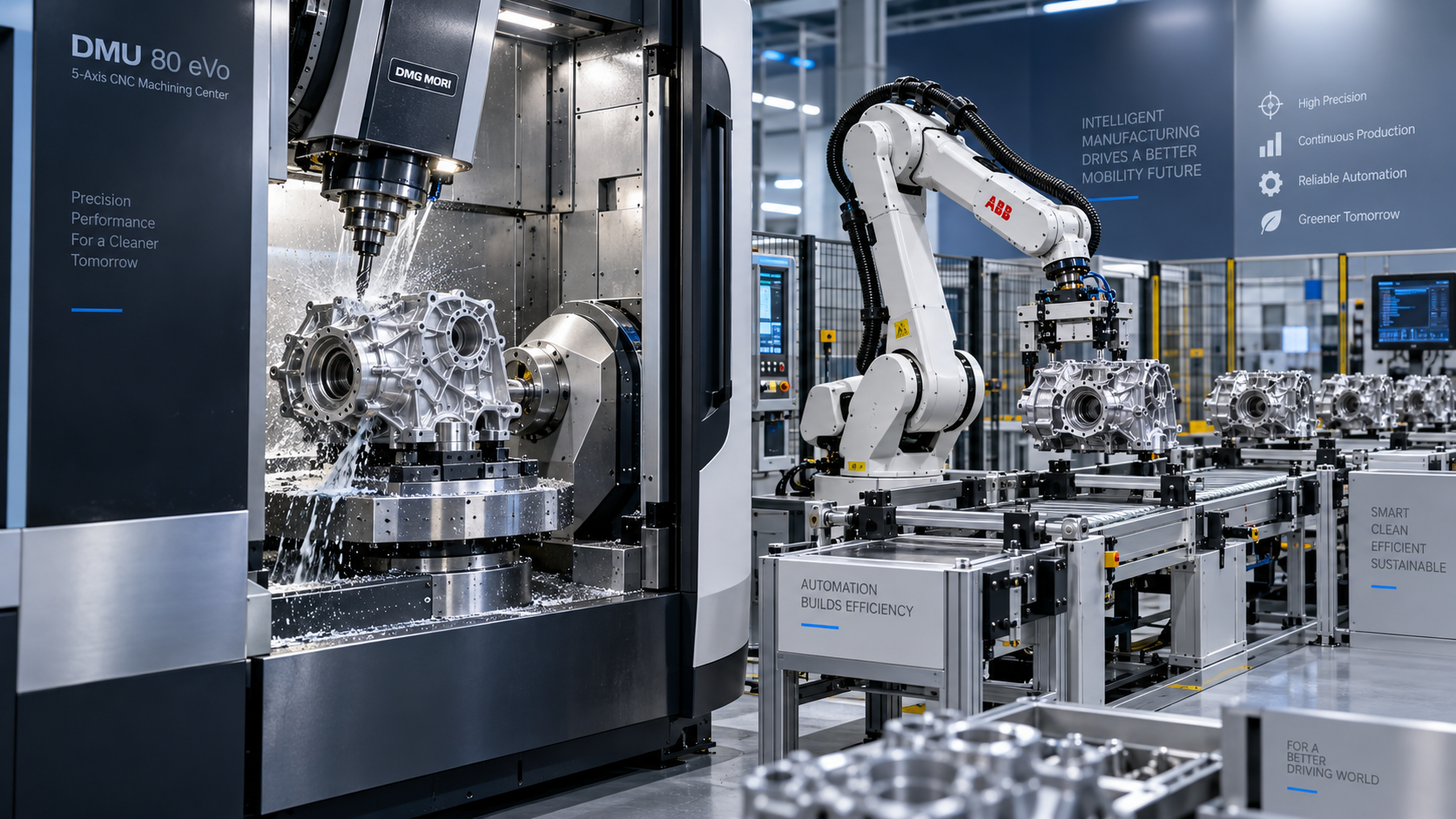
The machine tool sector is evolving beyond standalone CNC capacity. Industrial robots, automated pallet systems, and flexible production cells are changing how industrial machining scales across product families.
This shift is especially visible in manufacturing clusters across China, Germany, Japan, and South Korea. These ecosystems combine machine builders, tool suppliers, software providers, and component specialists.
For decision-making, the implication is clear. Future-ready industrial machining is not only about spindle speed or axis count. It is also about connectivity, scheduling flexibility, and process visibility.
That makes industry news, technology updates, and supplier capability tracking more useful than they once were. Market movement now affects process planning much earlier in the sourcing cycle.
A Practical Way to Move Forward
A sound next step is to map part requirements against process reality. Focus on geometry, tolerance stack-up, material behavior, batch size, inspection needs, and automation compatibility.
From there, compare industrial machining options by total process stability rather than headline machine features. A reliable setup with clear data and controlled variation usually delivers stronger long-term value.
When reviewing suppliers, equipment plans, or manufacturing routes, it helps to build a checklist around capability, consistency, and integration. That is often where better decisions begin.
Recommended for You
 How to Select an Industrial Lathe for High-Volume Shaft ProductionMachine Tool Industry Editorial Team
 Selecting Machine Tools for Automotive Parts: Accuracy, Throughput, and AutomationMachine Tool Industry Editorial Team
 Industrial Machining: Selecting Processes for Tight-Tolerance Metal PartsCNC Machining Technology Center
 Manufacturing Technology Trends That Improve Throughput and Quality ControlManufacturing Market Research Center
 How to Design Cost-Effective Fixtures That Maintain Cycle Time in Mass ProductionCNC Machining Technology Center
 Is Learning CNC Programming Worth It for Shop Owners Seeking Higher Margins?CNC Machining Technology Center

Aris Katos
Future of Carbide Coatings
15+ years in precision manufacturing systems. Specialized in high-speed milling and aerospace grade alloy processing.
▶
CNC Machine Arrival Inspection: Check Shipping Damage, Accuracy, Safety, and DocumentsCNC Machining Technology Center▶
What Should You Check When a CNC Machine Arrives at Your Factory?CNC Machining Technology Center▶
What Safety Checks Are Required for CNC Cutting Operations?CNC Machining Technology Center▶
What Are Machine Tools? Common Types, Functions, and Typical Shop ApplicationsCNC Machining Technology Center▶
CNC Industrial Machines Maintenance Checklist: How to Reduce Downtime and Tool WearCNC Machining Technology Center
Mastering 5-Axis Workholding Strategies
Join our technical panel on Nov 15th to learn about reducing vibrations in thin-wall components.

Providing you with integrated sanding solutions
Before-sales and after-sales services
Comprehensive technical support