• Global CNC market projected to reach $128B by 2028 • New EU trade regulations for precision tooling components • Aerospace deman
NYSE: CNC +1.2%LME: STEEL -0.4%

EU Requires CE-EPD Labels for CNC Fixtures from July 1, 2026

On July 1, 2026, a new EU compliance requirement took effect for imported CNC fixture products. Following the European Commission’s Implementing Decision (EU) 2026/1489 issued on June 30, 2026, CNC fixtures entering the EU from that date must carry a CE-EPD (Environmental Product Declaration) label verified by an accredited body, covering carbon emissions, recyclability, and manufacturing energy use. This is a development worth close attention from exporters, manufacturers, importers, and customs-facing supply chain teams because it directly affects documentation readiness and clearance procedures, especially for Chinese suppliers serving the EU market.
What the New Requirement Confirms
The confirmed change is narrowly defined but operationally important. According to the information provided, the European Commission released Implementing Decision (EU) 2026/1489 on June 30, 2026. The decision requires all CNC fixture products imported into the EU from July 1, 2026 onward to be accompanied by a CE-EPD label verified by an accredited institution.
The required environmental declaration must cover three core indicators: carbon emissions, recyclability, and manufacturing energy consumption. The information provided also makes clear that this requirement has a direct effect on compliance preparation and customs clearance processes for Chinese fixture exporters.
Where the Immediate Pressure Is Likely to Appear
Export-facing manufacturers will feel the compliance shift first
From an industry perspective, manufacturers and direct export companies are the first group likely to be affected because the new requirement is tied to product entry into the EU. The main pressure point is not only production itself, but whether each shipment is supported by the required verified CE-EPD label and related compliance materials before dispatch.
What deserves closer attention is the connection between factory-side preparation and shipment timing. Where documentation is incomplete or verification has not been secured in time, the operational risk may appear at the export and import handoff rather than inside the workshop.
Importers and distributors need to watch documentation continuity
EU importers and distribution channels may also face practical exposure because the rule applies to products imported into the EU. Analysis shows that their concern is likely to center on whether incoming CNC fixture products arrive with the required environmental declaration in a form that supports customs handling and downstream sale or transfer.
For this group, the issue is not limited to whether a product has been produced, but whether the supporting compliance record travels with the goods in a complete and verifiable way.
Customs and supply chain service providers may see process-level friction
Supply chain participants involved in shipping, customs preparation, and document coordination are also likely to be affected. Observably, once a new label-based requirement becomes effective on a fixed date, service providers need to track whether consignments fall inside the new scope and whether the required materials are available before border-facing procedures begin.
The likely impact here is procedural: document checks, coordination with exporters and importers, and the handling of shipments that may not yet be aligned with the new requirement.
What Companies Should Focus on Now
Separate confirmed requirements from follow-on interpretation
Analysis shows that companies should first anchor themselves to the confirmed facts: the effective date, the covered product category, the need for an accredited-body-verified CE-EPD label, and the three stated indicators. That is the current compliance baseline. Any broader interpretation beyond this should be treated carefully until further official wording or implementation guidance is available.
Review product scope and shipment timing
For exporters and traders, one practical priority is to identify which CNC fixture products are intended for EU import on or after July 1, 2026. What deserves closer attention is the shipment timing around the effective date, because the requirement is explicitly tied to imports from that date onward.
Check document readiness before customs-facing stages
The information provided already points to customs clearance as a directly affected process. For that reason, businesses should pay close attention to whether the required CE-EPD materials are complete before goods reach customs-facing stages. In operational terms, this makes document sequencing and internal review more important than treating the label as a last-minute add-on.
Align supplier communication with customer communication
Where supply chains involve multiple parties, the practical challenge is often coordination. Manufacturers, exporters, EU-side buyers, and logistics or customs service providers may need a shared understanding of what document is required and when it must be available. Analysis shows that this is especially relevant for Chinese suppliers whose EU business depends on predictable clearance and delivery timing.
How This Development Should Be Read
Observably, this is more than a routine labeling adjustment because it links environmental disclosure directly to import compliance for a defined product category. At the same time, based on the information provided, it is still more appropriate to understand this as a concrete regulatory requirement with immediate operational consequences rather than as proof of a wider market outcome that has already fully unfolded.
From an industry perspective, the stronger signal lies in the combination of product access and environmental disclosure. Even without extending beyond the confirmed facts, the rule indicates that compliance expectations for CNC fixture trade into the EU now include verified environmental information as part of the import-facing documentation set.
Why the Market Still Needs to Keep Watching
The immediate meaning of this update is clear: CNC fixture products imported into the EU from July 1, 2026 must be accompanied by a verified CE-EPD label covering the three specified indicators. The broader commercial and procedural effects, however, should still be read with caution. It is more appropriate to understand this development as an actionable compliance change with short-term operational impact and longer-term signaling value, rather than as a basis for broad conclusions beyond the information currently confirmed.
Basis of This Article
This article is based on the user-provided news title, event date, and event summary concerning the EU requirement for CE-EPD environmental declaration labels on CNC fixture products from July 1, 2026. In this type of industry update, relevant source categories usually include official government or regulatory notices, company disclosures, industry association updates, authoritative media reporting, and standards-related documents.
No specific official source link was provided in the input, so the exact official publication path still requires continued verification. Follow-up attention should remain on any later official wording, implementation clarification, and practical customs or documentation interpretation related to this requirement.
Recommended for You
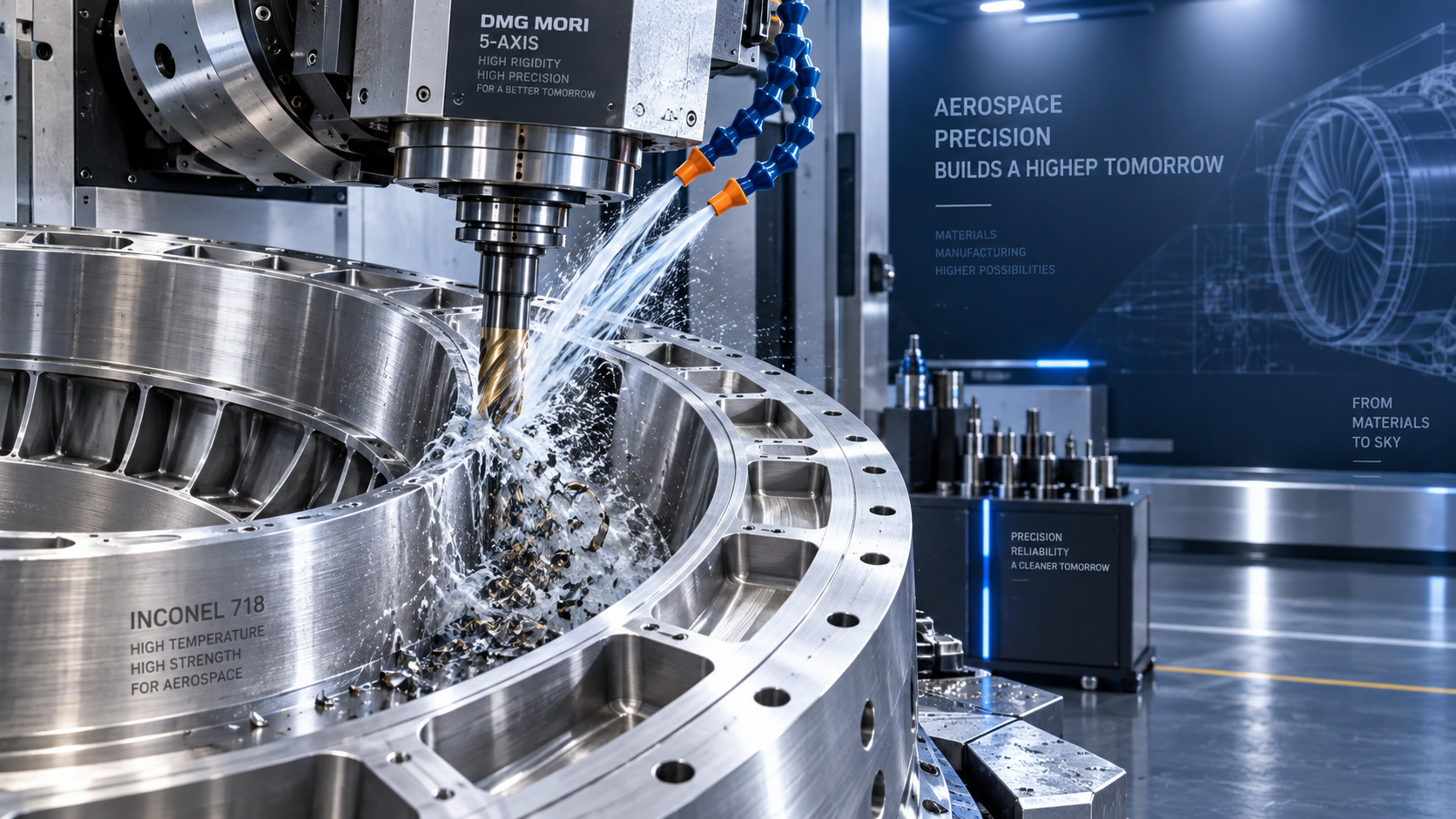
 Can CNC Machining Inconel Control Tool Wear in High-Temperature Aerospace Parts?CNC Machining Technology Center
 Machine Tool Market Outlook: Demand Drivers, Capacity Shifts, and Investment RisksManufacturing Market Research Center
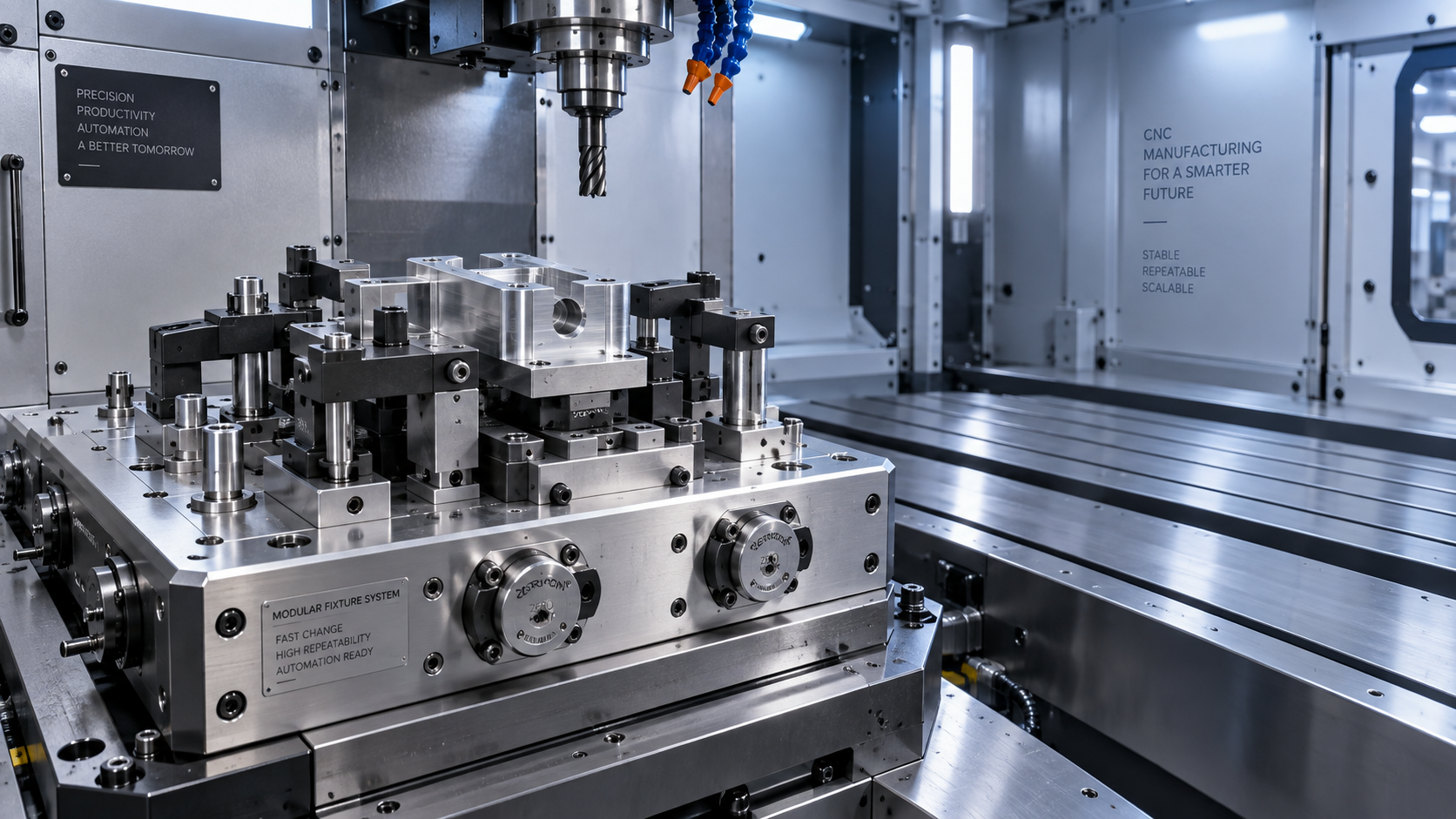
 Zero-Point Clamping or Modular Fixtures? Choosing a Faster CNC Changeover SystemCNC Machining Technology Center
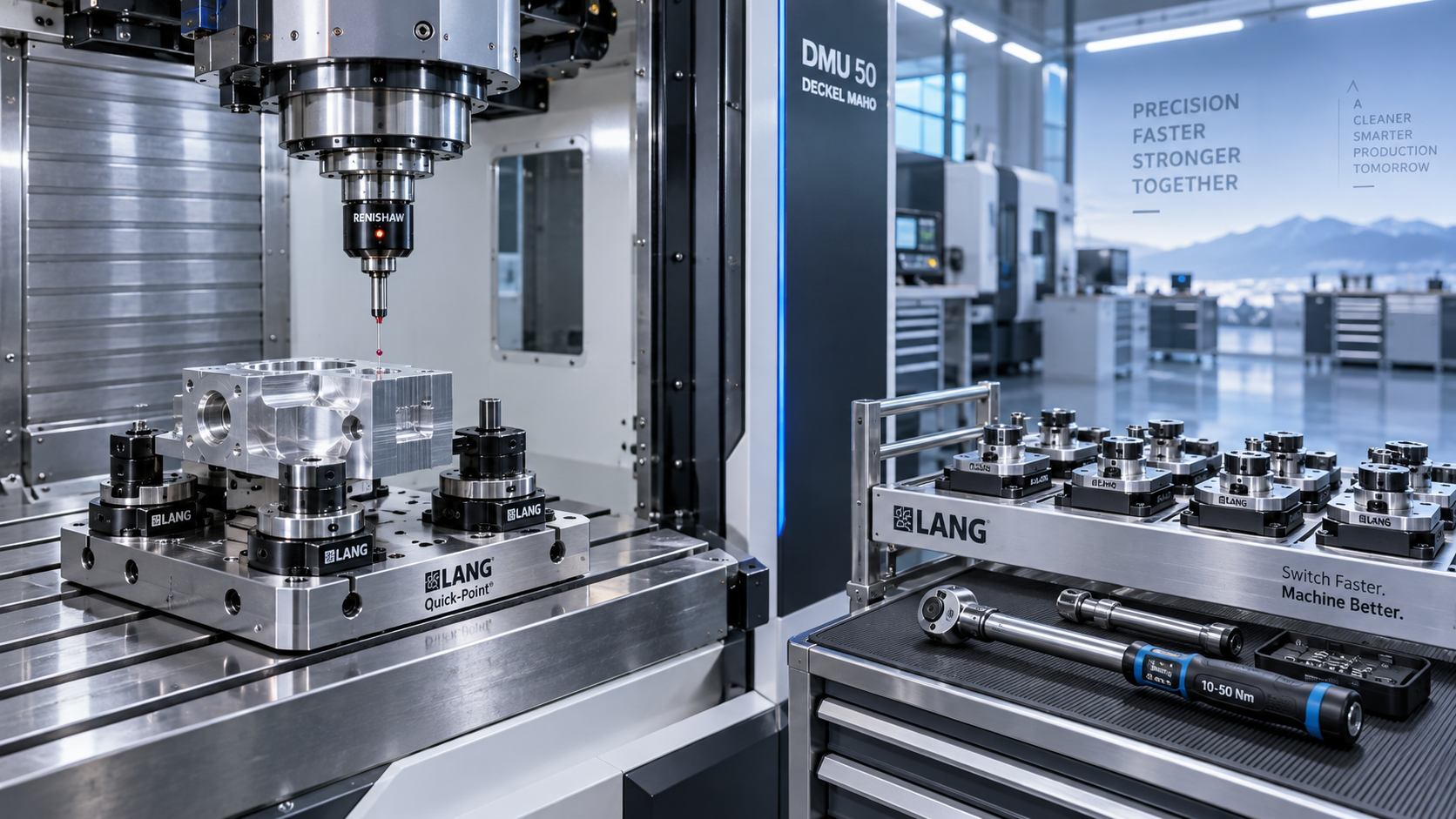
 How to Cut CNC Fixture Changeover Time Without Sacrificing Part AccuracyCNC Machining Technology Center
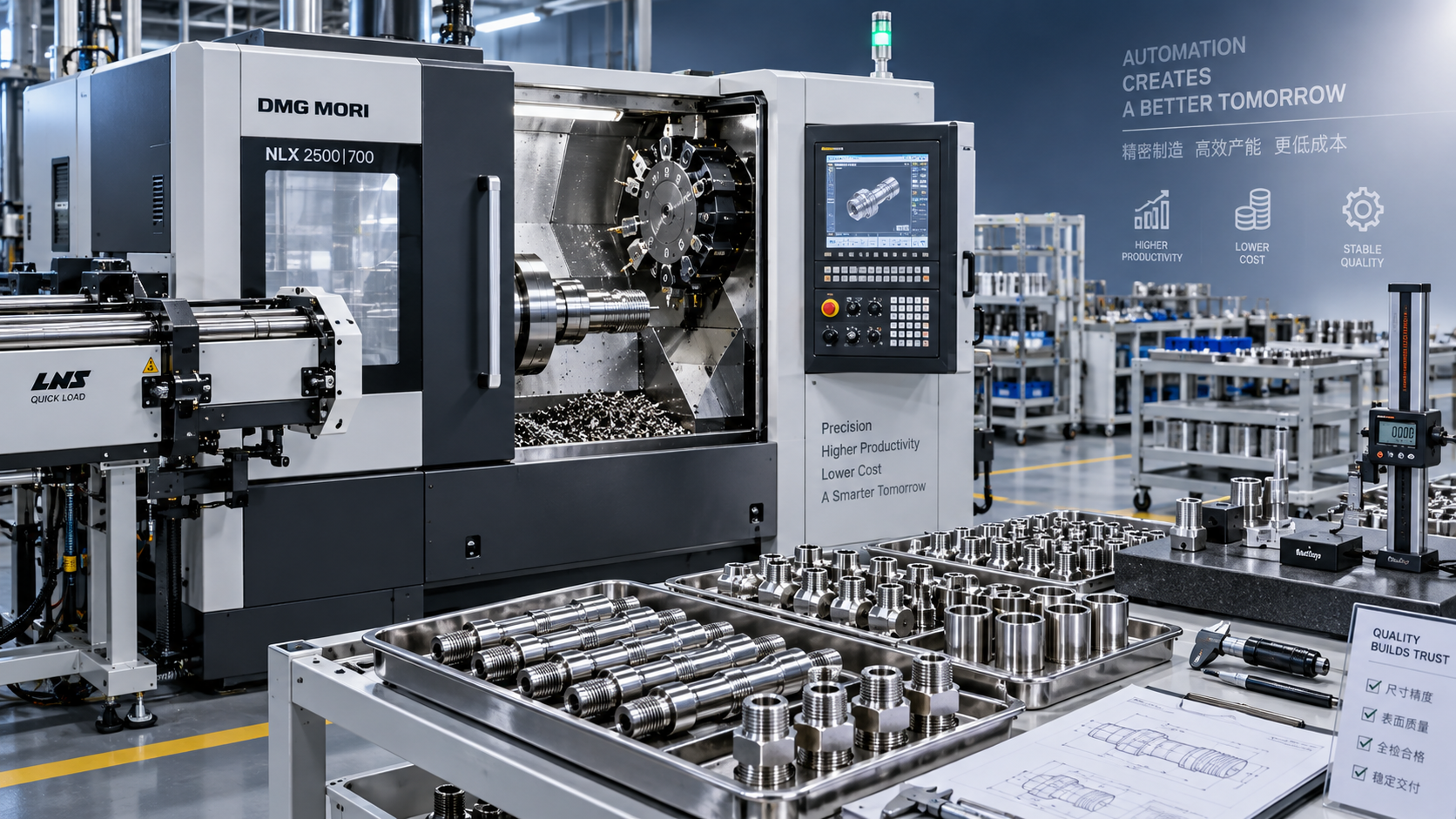
 When Does CNC Turning Pay Off? A Break-Even Guide by Annual Part VolumeMachine Tool Industry Editorial Team
 Machine Tool Standards by Country: What Importers Must Verify Before PurchaseManufacturing Policy Research Center


Aris Katos
Future of Carbide Coatings
15+ years in precision manufacturing systems. Specialized in high-speed milling and aerospace grade alloy processing.
▶
Zero-Point Clamping or Modular Fixtures? Choosing a Faster CNC Changeover SystemCNC Machining Technology Center▶
How to Cut CNC Fixture Changeover Time Without Sacrificing Part AccuracyCNC Machining Technology Center▶
Can One Fixture Handle Multiple Part Geometries Efficiently?CNC Machining Technology Center▶
Fixture Design Cost Breakdown: What Buyers Should Review Before RFQ and ApprovalCNC Machining Technology Center▶
Fixture Design Basics: How Clamping Layout Affects Accuracy and Cycle TimeCNC Machining Technology Center
Mastering 5-Axis Workholding Strategies
Join our technical panel on Nov 15th to learn about reducing vibrations in thin-wall components.

Providing you with integrated sanding solutions
Before-sales and after-sales services
Comprehensive technical support